
Until around a thousand years ago, Hong Kong was cloaked in ancient subtropical rainforest where majestic creatures like South China Tigers, Asian Elephants, Silver Pheasants, and Red-Headed Trogons roamed. Throughout the last six centuries, the merciless destruction of these forests for agriculture, firewood and building materials by Chinese settlers led to European explorers considering Hong Kong “a barren rock, with not a single tree upon it”. The extent of agriculture atop former woodland in Hong Kong was so high it can be assumed that virtually anywhere besides exposed rocks or beach was once farmed!
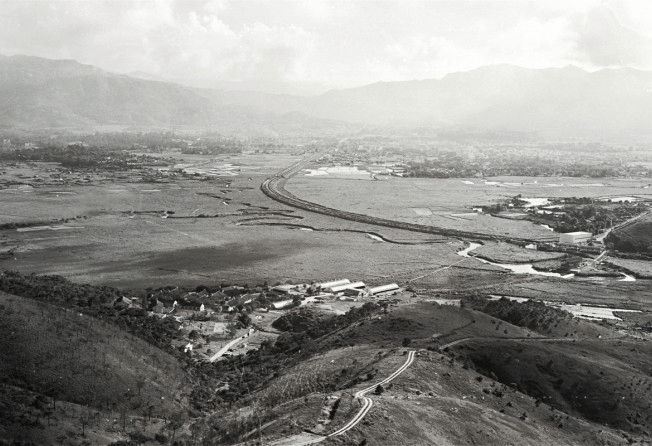
Starting in 1926, the hilly area now known as Tai Po Kau Nature Preserve was subject to intensive tree planting to mitigate the risk of landslides in the communities below. Originally mostly pine, the forest was logged during WWII by the Japanese to provide firewood for the colony. After the war, a variety of trees, both native and nonnative were planted, eventually being replaced by primarily native species: a collection of both North Asian and Southeast Asian trees. It is a place where pencil-trunked Red Pines grow alongside majestic Banyans and where endangered Incense Trees take root next to maple-like Sweet Gums.
At over 70 years old, Tai Po Kau Forest is a portal to a bygone habitat in Hong Kong- old growth subtropical forest. It is the largest mature woodland in the territory, and is home to thousands of plant species, over 100 species of trees, 170 species of birds, and myriads of reptiles, amphibians and mammals. For a local birdwatcher, it’s a haven.
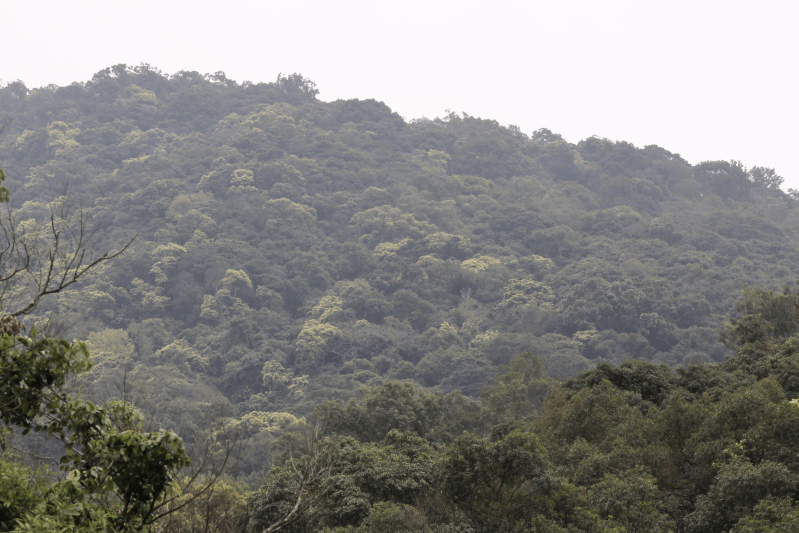
Recently, bird species favouring subtropical and tropical forests have been recolonising Tai Po Kau, including Bay Woodpeckers, Hainan Blue Flycatchers, and Fairy Pittas. The prospects of seeing these rare forest birds close to home have been incentives for me to birdwatch in the forest for awhile now. I’d visited Tai Po Kau before for hiking, but was the first day I set out for a birding adventure in the area. It took three bus rides to make it to the forest!
While waiting for the bus to the reserve in Tai Po City, I saw a bunch of urban bird species, including Domestic Pigeons, Spotted Doves, Crested Mynas, Black-Collared Starlings and Eurasian Tree Sparrows. Despite being common, these species kicked off the day to a nice start. I arrived around 1pm, and was immediately struck by how green it was.
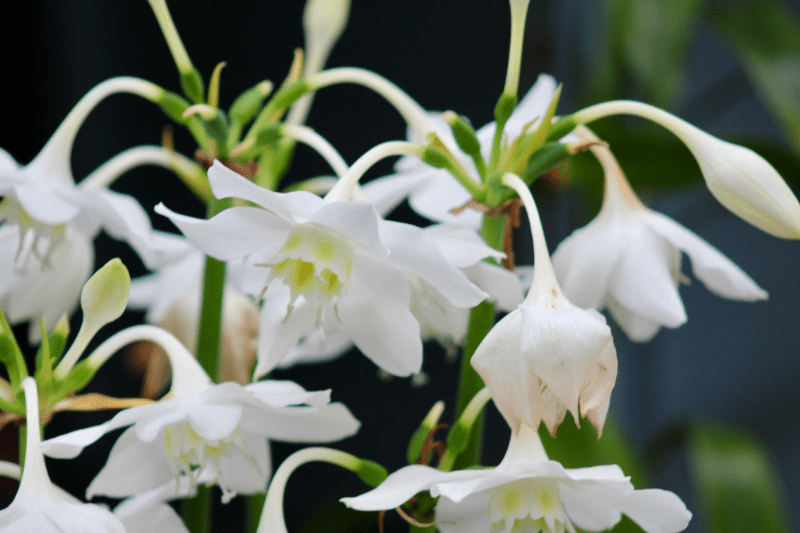
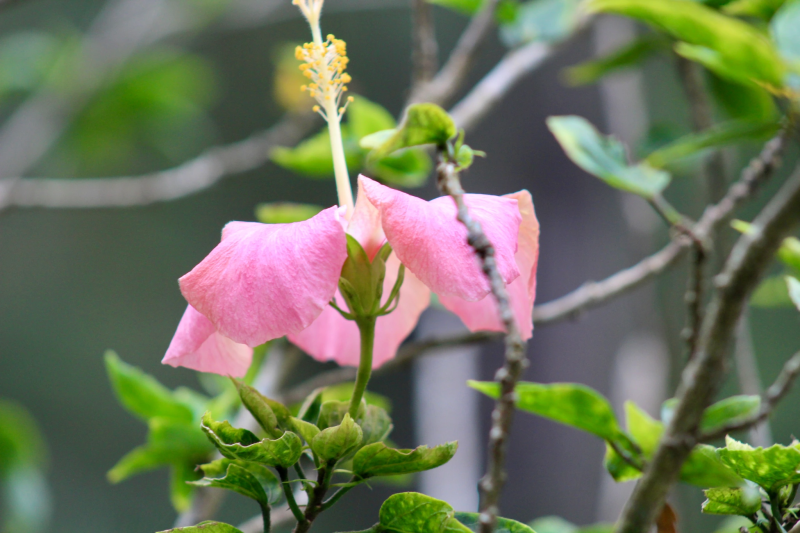
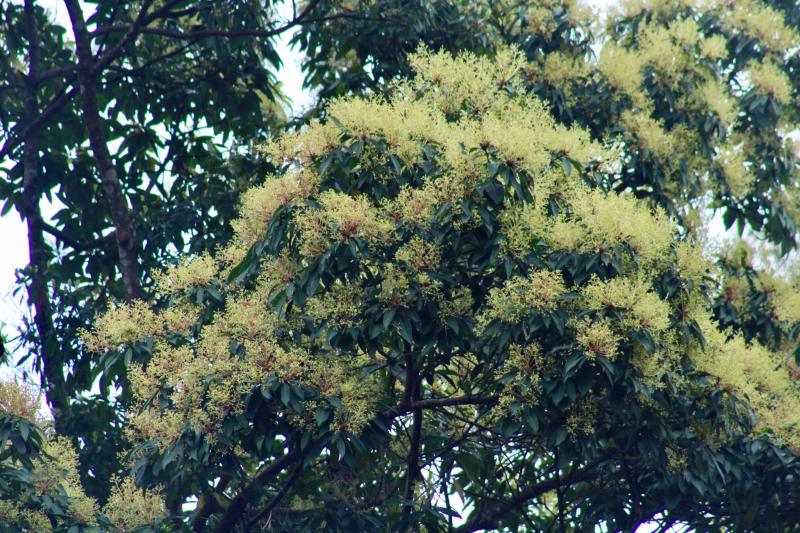
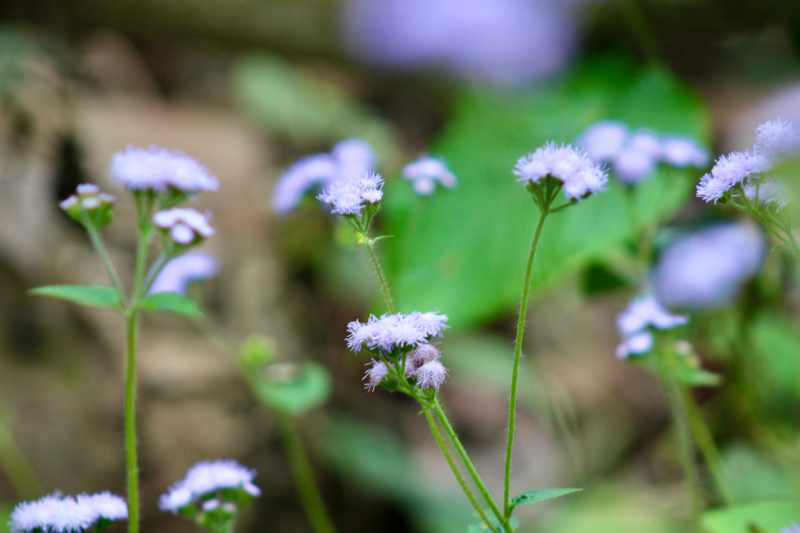
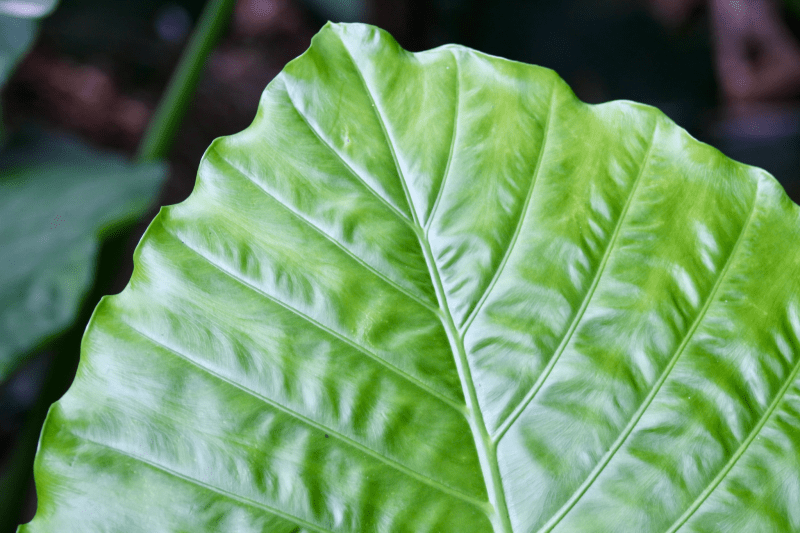
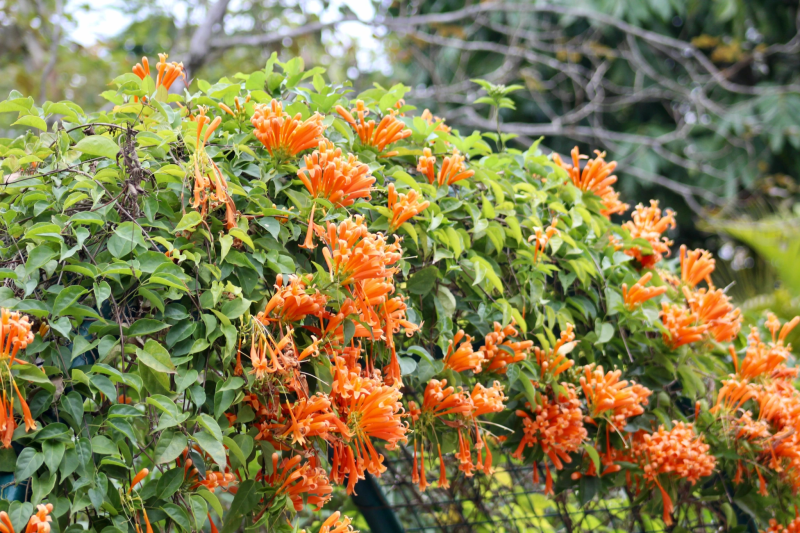
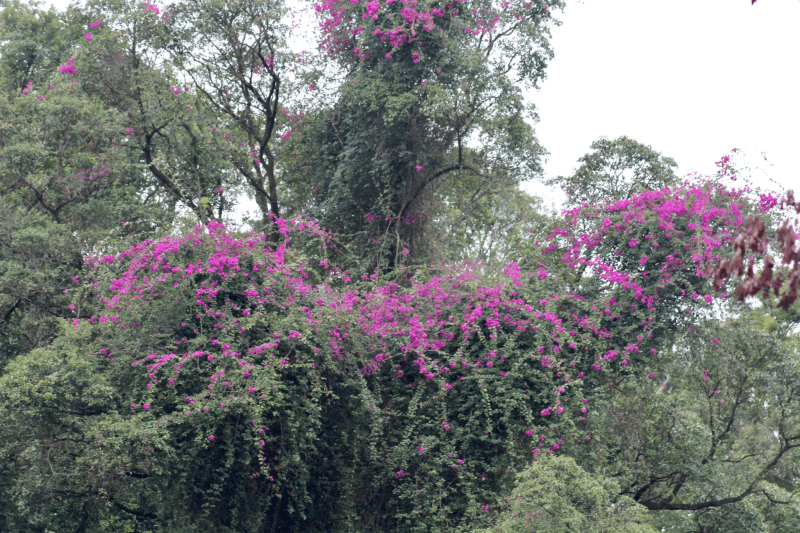
After taking some time for photogenic shots of the flowers growing near the reserve’s entrance, I decided to look for common bird species in the area before entering the forest proper. A Black Kite marked my first species in Tai Po Kau. Following it was an inquisitive little Japanese White-Eye and some Chinese Bulbuls. As I hit the steep pavement up toward the main birding and walking areas, the landscape around me transformed into a verdant eden of towering Sweet Gums, Paperbark, Camphor and Taiwan Acacia and some tropical shrubbery like alocacia, vines and rattans.


Many birders were out today, and one guy had found a Common Tailorbird right at the top of the pavement toward the main trails. I enjoyed photographing the lively little bird for a few minutes before I headed off to the outdoor education centre to seek out the elusive Fork-Tailed Sunbird.


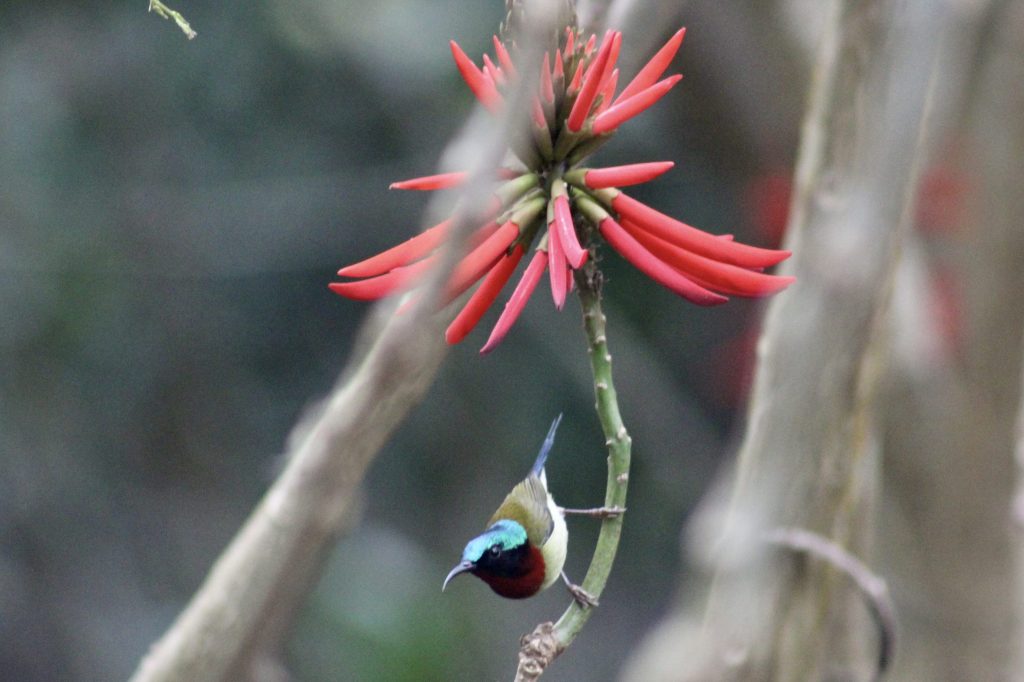
I had read on online forums that sunbirds in Tai Po Kau were common around Coral Trees, and that there was a Coral Tree right next to the outdoor education centre where both Fork-Tailed Sunbirds and the colorful Orange-Bellied Leafbird frequented.


Along the way, two very habituated Oriental Magpie-Robins posed for some photos near the reserve’s toilet block.


Upon arriving at the Coral Tree, I was in the midst of a crowd of local birders clad with heavy-duty zoom lenses, with the sole purpose of photographing a sunbird. We didn’t have to wait long for our target, as a male Fork-Tailed Sunbird began to feed on the tree’s many flowers within five minutes of my arrival! What followed was a fifteen minute photo/observation session with both the jewel-like male and his mate, a rather drab-looking female.


After the sunbirds departed, I continued along the outdoor education centre’s main trail. This area of Tai Po Kau was once an experimental farm, but in the 1990’s was transformed into a semi-natural garden with trails, ornamental ponds, and interesting native plants. As I was walking, a lone Large-Billed Crow soared by.

While I didn’t see many other birds on this particular trail, I did see some noisy Rhesus Macaques in the forest canopy beyond the garden, as well as one individual on the ground in front of me, foraging for food. These cheeky monkeys bring a lot of life into the forest! I headed back to the main trails, and made my way along the picturesque Tai Po Kau stream for about twenty minutes.


After seeing few other birds, I returned to a vista at the beginning of the reserve’s trails which gave a 180 degree view of the forest. As I waited for a large, multi-species flock of birds (AKA a “bird wave”) to arrive, I met two experienced birders, Glenda and Raymond, whom I chatted with. They were each one of the top 30 birders in Hong Kong and had over two decades of experience collectively! After giving them a bit of my birding background, they recommended I join the Hong Kong Birdwatching Society, and download the app eBird for logging species I’d seen. They gave me some advice on where and when to go to Tai Po Kau for birdwatching, and notified me that the cold, overcast weather today was poor for birding and that I should come back on a sunny day. As we talked, a bird wave arrived in the trees around 50 meters from where we were. The first species we saw was another lifer for me, the brilliantly coloured Gray-Chinned Minivet, which perched at the top of a distant tree.
Quickly following the minivet, Raymond spotted a Chestnut Bulbul quite far from where we were; too far for my camera to photograph. Next, I found an energetic Cinereous Tit on a Taiwan Acacia just across the vista. Glenda spotted a cool looking Velvet-Fronted Nuthatch on the same tree we’d seen the minivet, which hopped up and down the sides of the tree’s trunk.

The last species of the bird wave was a beautiful Scarlet Minivet which stuck around for quite awhile, providing some nice photo ops.

Honestly, if it wasn’t for Glenda and Raymond I probably wouldn’t have seen half the birds we did just then! I said goodbye to them and walked toward the carpark, head held high after a successful forest birding outing and 5 lifers under my belt! I’m really excited to try out the reserve during sunny weather. Overall, this trip was a really cool look at Hong Kong’s colourful forest birds and maturing subtropical forest. I’m super glad to have come and I’m pumped to get out to more birding spots this winter and spring!
Bird Species Documented: (19 total including 5 lifers)
Fork-Tailed Sunbird (Lifer)
Common Tailorbird
Scarlet Minivet (Lifer)
Gray-Chinned Minivet (Lifer)
Velvet-Fronted Nuthatch (Lifer)
Chestnut Bulbul (Lifer)
Chinese Bulbul
Crested Bulbul
Large-Billed Crow
Black Kite
Oriental Magpie-Robin
Japanese White-Eye
Yellow-Browed Warbler
Cinereous Tit
Eurasian Tree Sparrow
Black-Collared Starling
Spotted Dove
Domestic Pigeon
Crested Myna
Mammal Species Documented: (1 total)
Rhesus Macaque
 Bennett Gardner Wildlife Watching
Leave a comment