
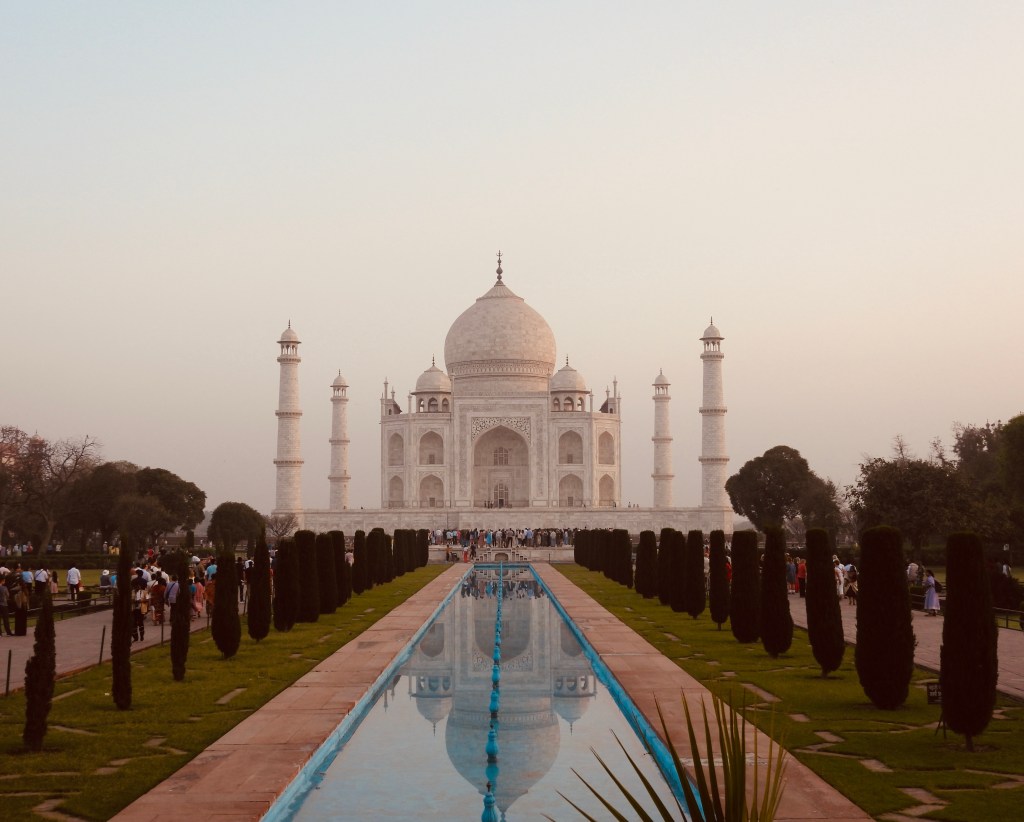
India is one of the most geographically and culturally diverse, colorfully vibrant, and all-around fascinating countries there is. In March of this year, during my weeklong spring break, my family embarked on an epic culture-themed trip to three amazing Indian cities: Udaipur, Jaipur, and Agra.
Though our trip primarily focused on cultural aspects of India and historical sites, I managed to squeeze in some excellent wildlife watching. Unfortunately, due to time constraints, and the general theme of our trip not being focused on nature, we missed out on some bucket-list wildlife watching sites. The first was doing a tiger safari in the famous Ranthambore National Park, a protected area globally important for the conservation of tigers, where 80 of the striped cats currently live. The other, which we drove past on the way to Agra from Jaipur was Keoladeo National Park, among the finest migratory bird preserves in the world. Missing out this time just gives me more reason to return here someday!
However, just based on this trip alone—from world-class leopard sightings on the outskirts of a major city to some of the most abundant and charismatic avifauna of anywhere I’ve visited— I think it’s safe to say India is a true gem for the nature enthusiast.
I’ve broken my India trip up into three separate posts: this one, which gives a broad summary of the cultural and natural aspects of the trip; and two briefer posts which focus on the birding I did in Agra and Udaipur, and my safari in Amagarh Leopard Reserve.

(the weird blue shoe-wraps are to prevent us from dirtying the monument)
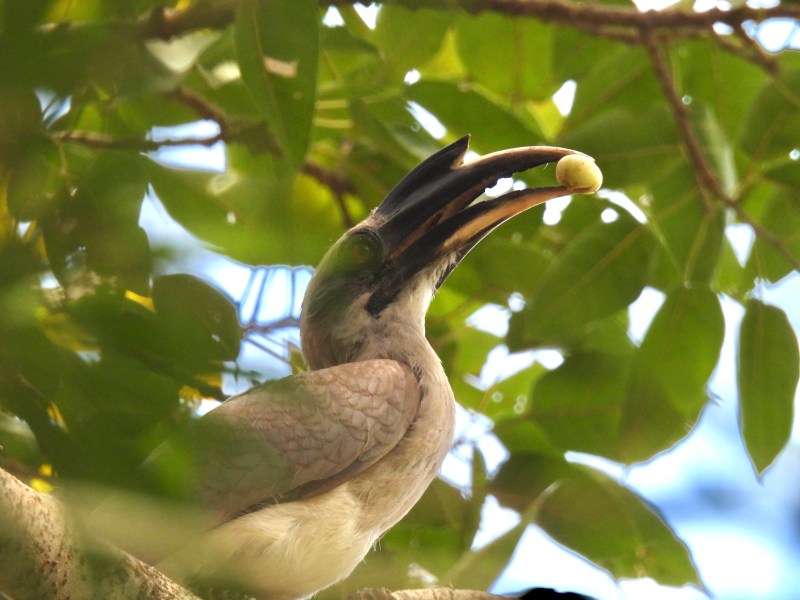
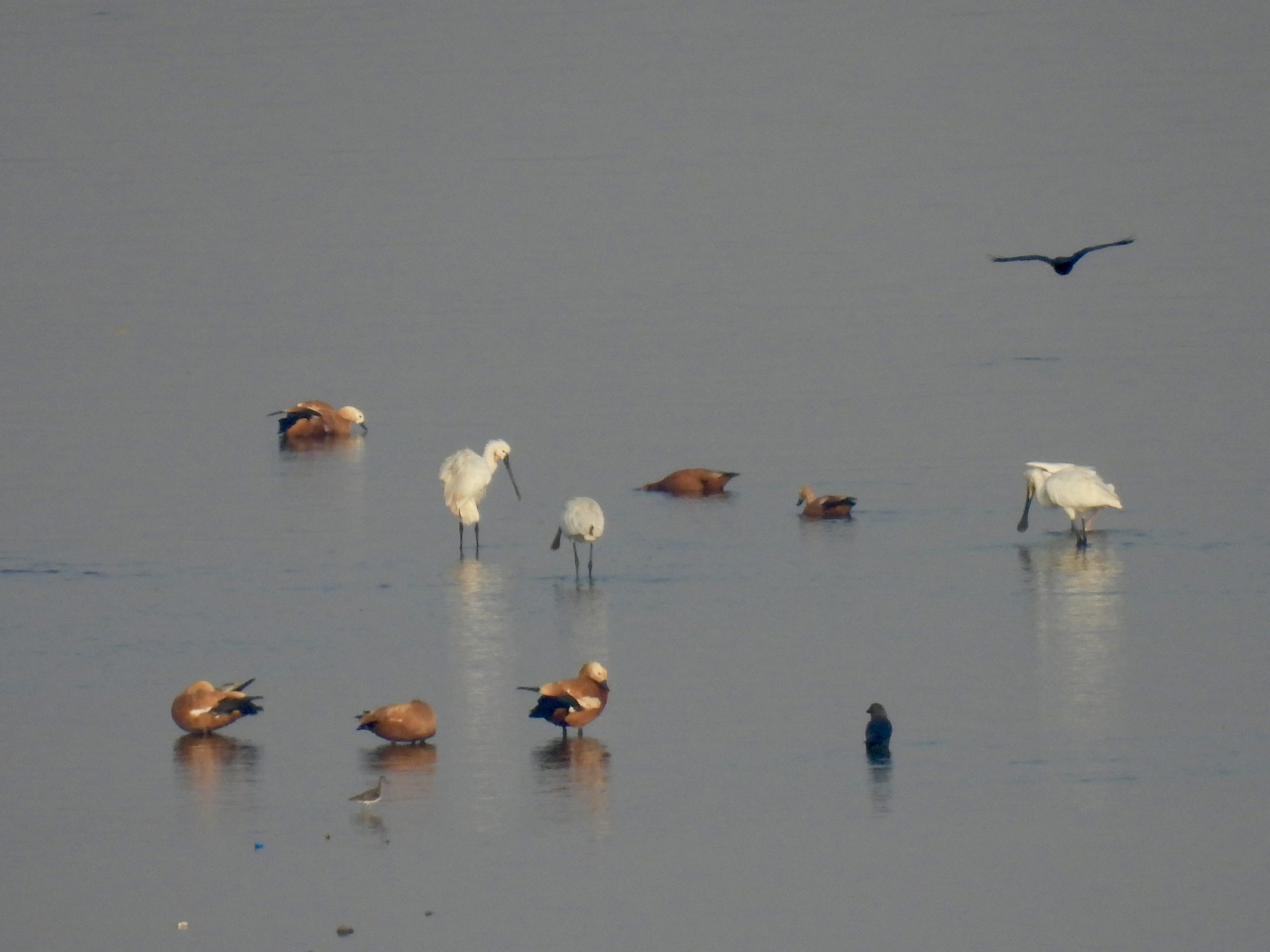
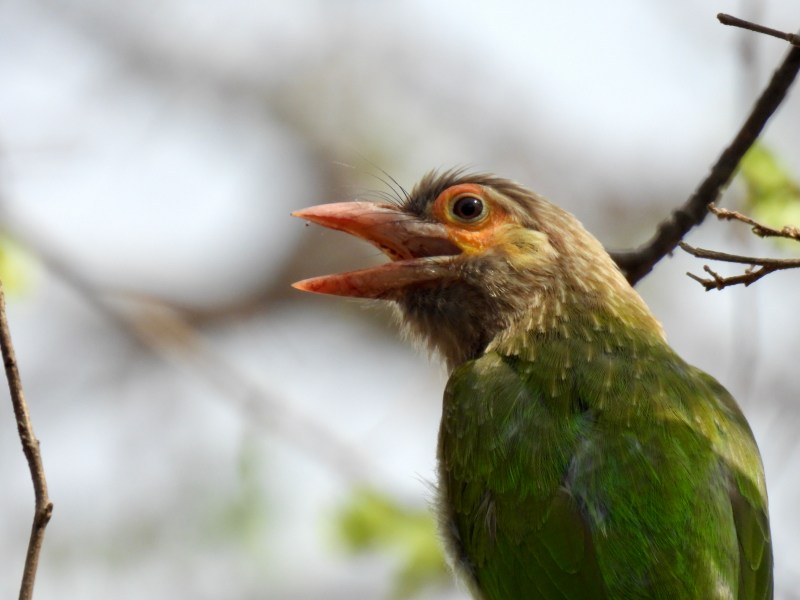
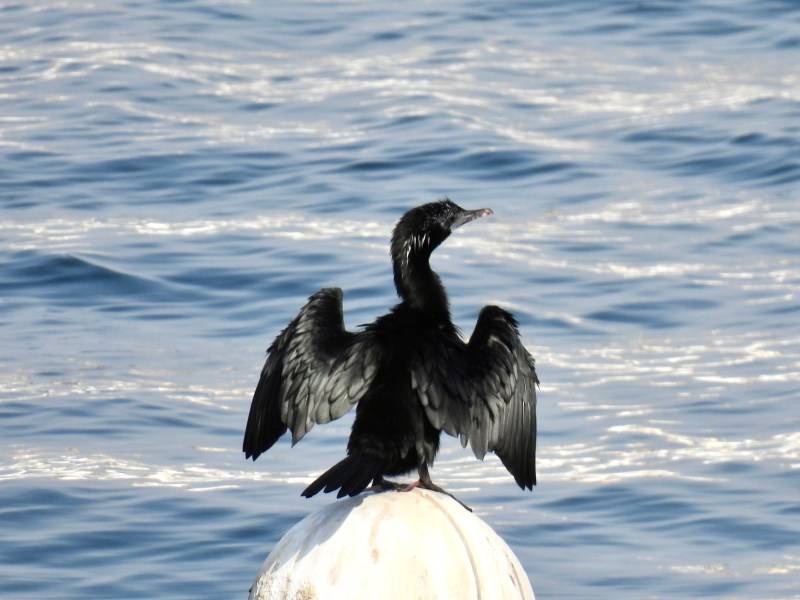
I did a fair bit of birding in all three cities we visited, amassing an admirable 78 species and 38 lifers. Birding locations I explored included Lake Pichola and the gardens around our resort in Udaipur, the Yamuna River and Taj Nature Walk in Agra, and the Aravalli hills of Jaipur. All were outstanding in terms of avian abundance and diversity, and I was able to tick quite a few Indian Subcontinent endemics like Painted Sandgrouse, Indian Gray Hornbill, Brown-Headed Barbet, and Plum-Headed Parakeet, and also a diverse array of waders and waterfowl, including Ruddy Shelduck, Little Cormorant, Eurasian Spoonbill, Indian Pond Heron, Cotton Pygmy-Goose, and Bronze-Winged Jacana.
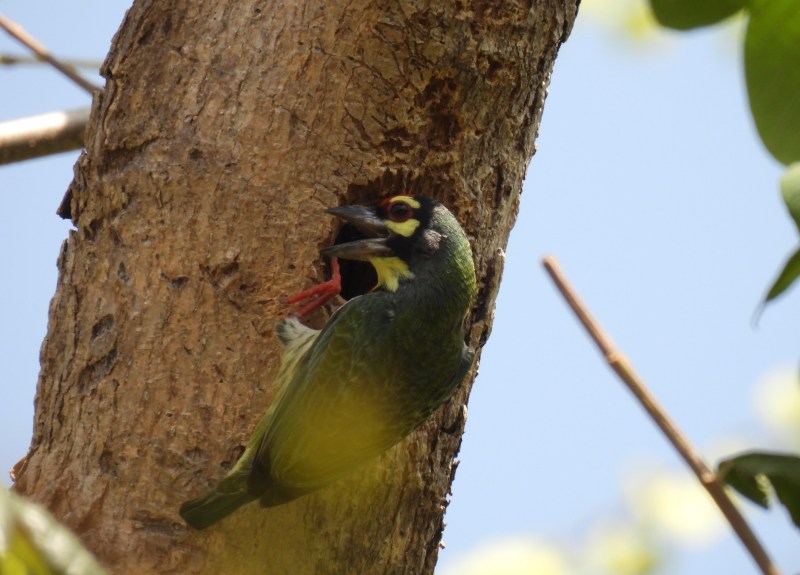
One of my favorite bird sightings of the trip was a pair of Coppersmith Barbets whom I tracked by song to their nesting hole.
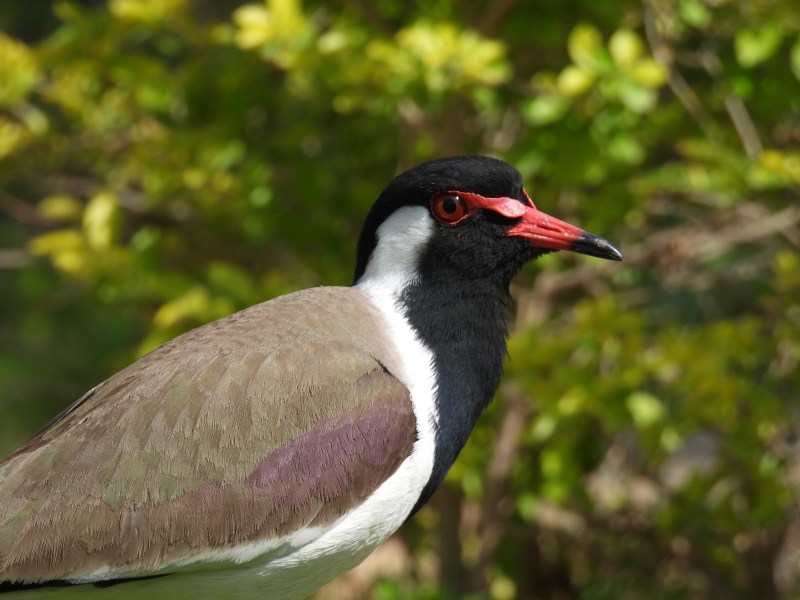
A rainbow-like array of species like Indian Peafowl, parakeets, Red-Wattled Lapwing, sunbirds, bee-eaters and barbets are ubiquitous in India, and you’d have to turn a blind eye not to see them! This dazzling array of birds that was present in virtually any green space I visited led to me garnering such a long species list and high lifer count despite not spending a ton of time in nature areas.
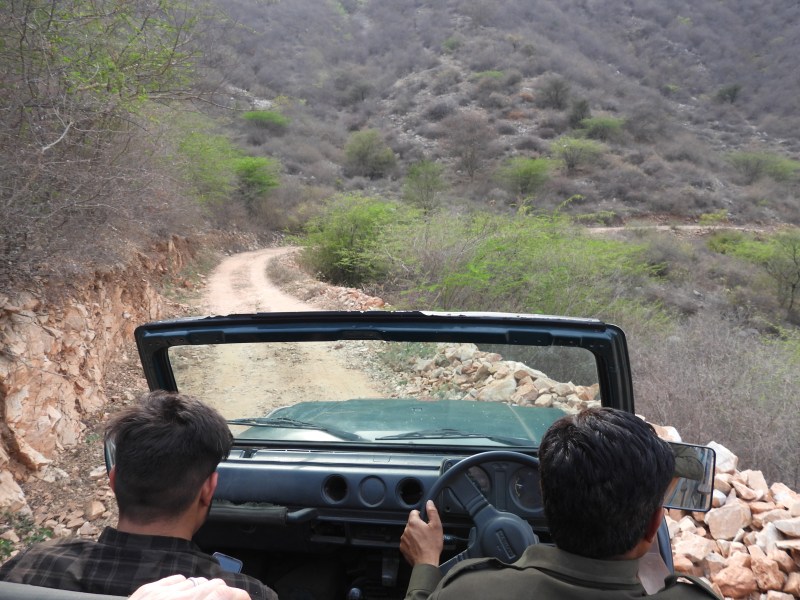
In addition to all the birding I did, my family embarked on a fruitful Leopard safari in the brand-new and highly underrated Amagarh Leopard Reserve, a fantastic wildlife preserve with a large population of Leopards set in the Aravalli hills of Jaipur. I got some great mammal ticks from the reserve and the area surrounding it, including Nilgai, Indian Desert Jird, Northern Plains Gray Langur, and the majestic Indian Leopard (Panthera pardus fusca). These species, along with the inquisitive Indian Gray Mongoose I spotted in Udaipur, ubiquitous Five-Striped Palm Squirrels, troops of Rhesus Macaques at Amber Palace, and several bats gave me a final mammal list of 9 species and 5 lifers. Not terrible for a culture-themed trip!
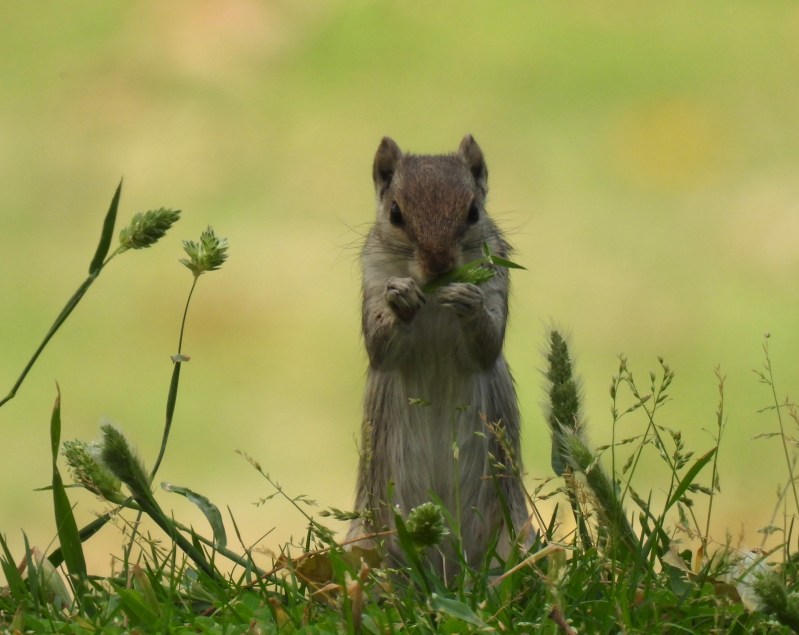
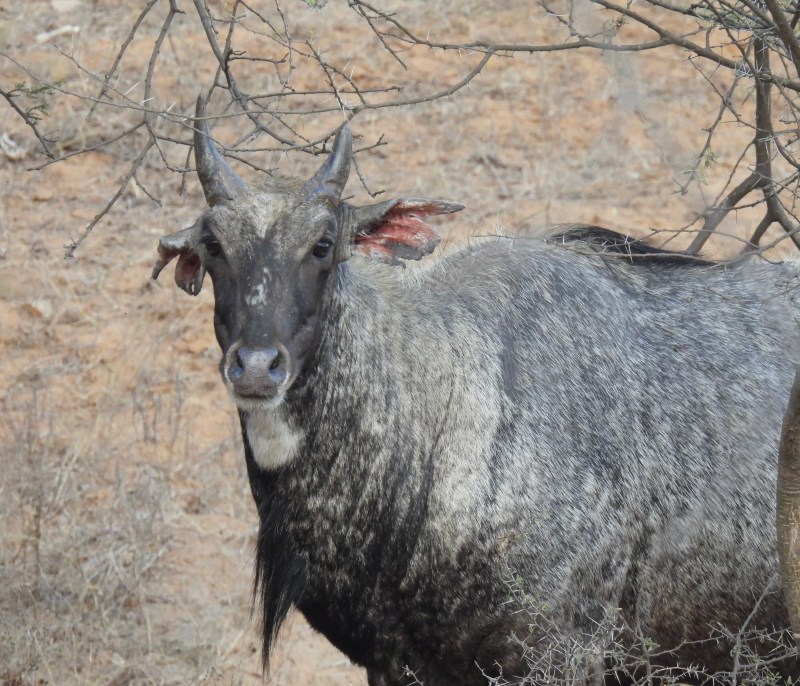
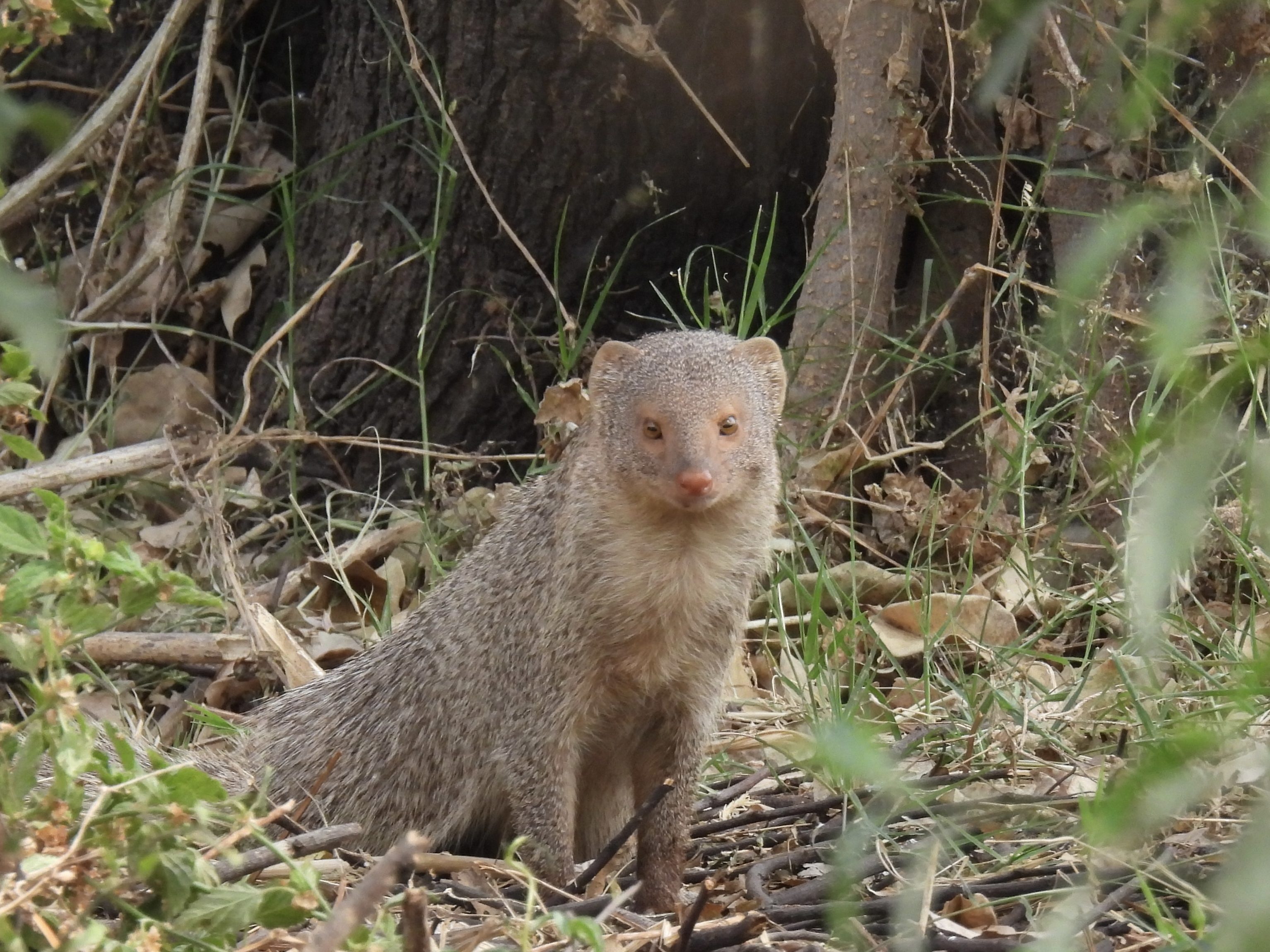
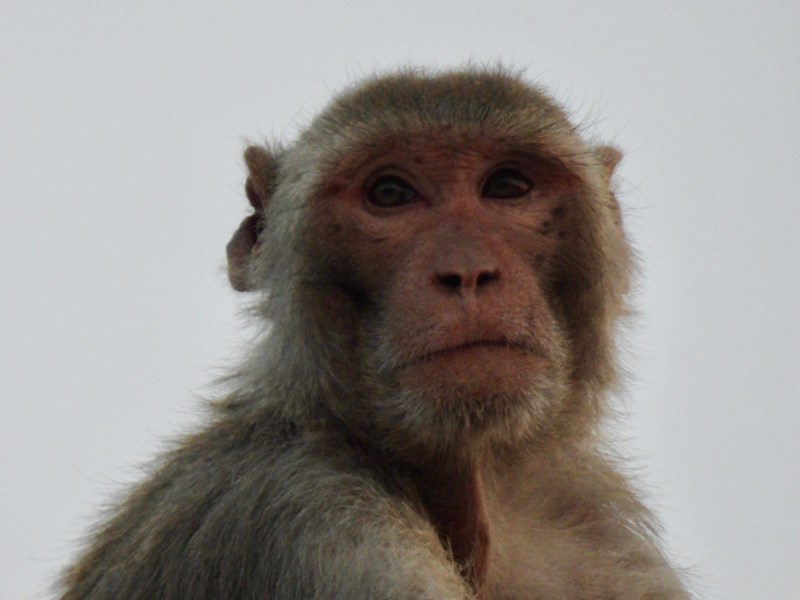
The three Indian Leopards we saw in Amagarh Leopard Reserve were undoubtedly my star wildlife sightings of the entire trip. Our encounter with the last two Leopards in the reserve had an unexpected and unfortunate twist–something I’ll get into in the next post.
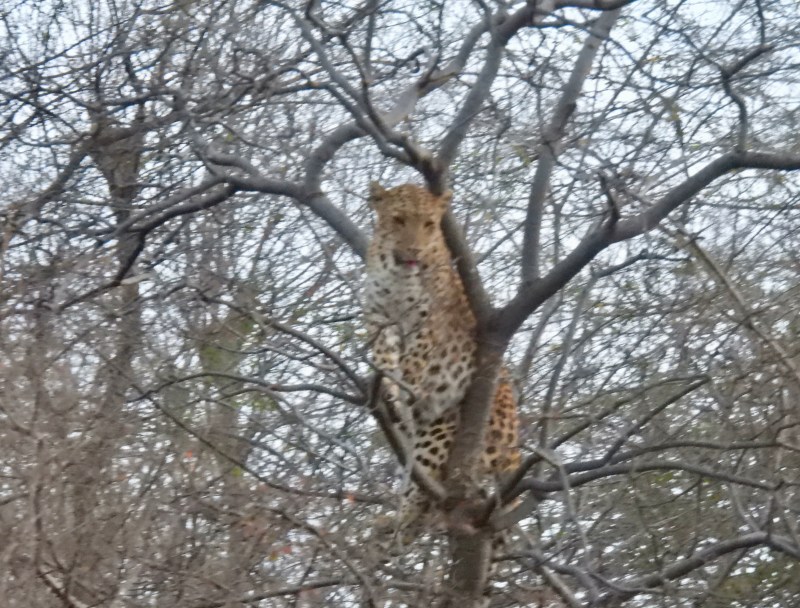
It is remarkably impressive to me that such a biota flourishes in the densely-packed cities of the world’s most populous nation. Where big game like Leopards and deer along with an intact bird fauna can thrive so close to major human settlements. My hypothesis is that the continued existence of large mammals and robust, diverse bird populations in urban and urban-adjoining areas of India comes down to well-enforced conservation policies by the government along with the theological philosophies of the people toward nature. Buddhism, Hinduism and Jainism, all of which have large followings in India, generally condone the killing of animals, and many Indians apply these teachings in real life, not hunting or persecuting wildlife and generally permitting animals like elephants and leopards to enter urban areas to obtain sustenance, so long as they don’t threaten human life.
Mammals in India, though not as numerous as birds, are still abundant in many areas of the country where adequate habitat exists. India has the greatest diversity and concentration of large mammals outside Africa, and its safari reserves are some of the best anywhere, housing Asian Elephants, One-Horned Rhinos, Tigers, Leopards, Sloth Bears, Gaur (Indian Bison), Asiatic Lions and more.
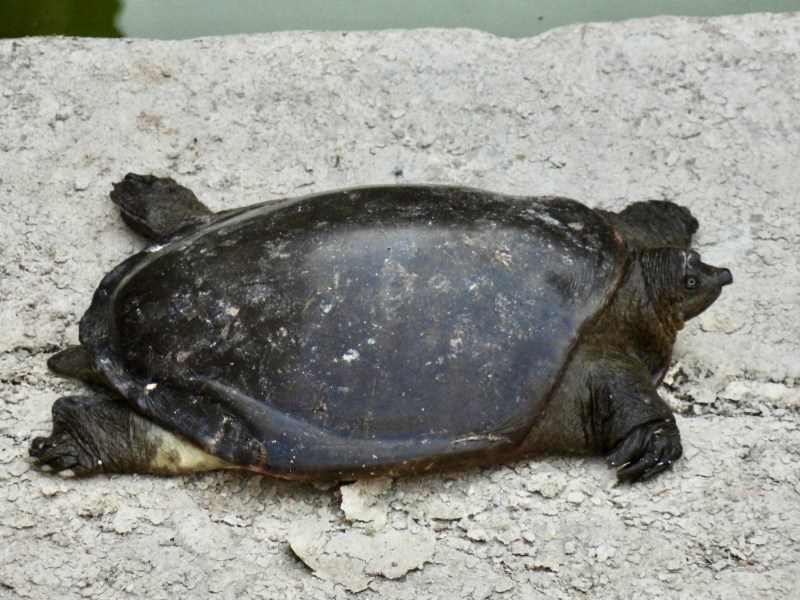
In addition to mammals and birds, I kept an eye out for reptiles, arthropods and ants, though I didn’t see many, possibly on account of it being the height of the dry season in Northwest India. I did a bunch of rock-flipping, to no avail. Apart from some geckos and an Oriental Garden Lizard, my most interesting herp of the trip was an Indian Flapshell Turtle inhabiting the intricately-designed Panna Meena ka Kund stepwell in Jaipur. Because it’s so dry during this time of year in Rajasthan, the turtle presumably migrated to the pool of stagnant water at the bottom of the stepwell out of necessity for an aquatic habitat to forage in. My most noteworthy arthropod find of the trip was a huge trail of Messor harvester ants, possibly Messor instabilis, carrying birdseed across a broad stretch of forest floor in Agra.
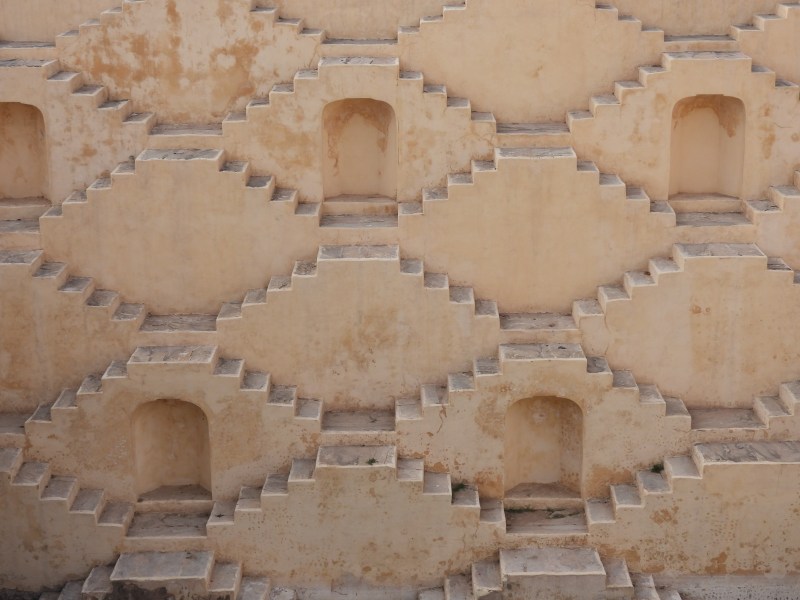

The cultural aspects of our trip were incredible. We spent much of our time in the state of Rajasthan: ‘land of kings’ in Hindi, and saw many relics of the imperial glory days like Amber Palace in Jaipur and the world-famous Taj Mahal in Agra. One of our fondest memories of Indian culture was celebrating the festival of Holi on March 25th, where we took part in throwing colored powders at each other and whoever else was celebrating. We were so caked in colors afterwards we looked like bipedal paintings!


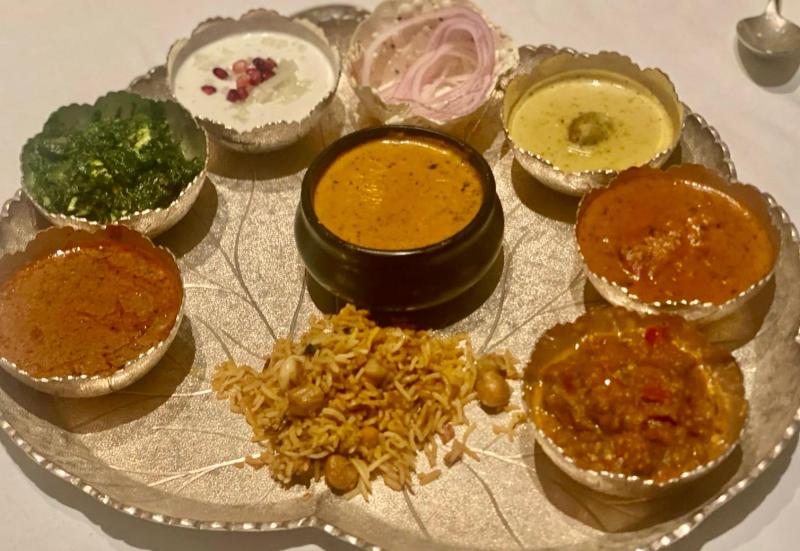
The food we ate was a rich and spicy celebration for the taste buds, though not quite as vibrant and chaotic as the streets of the cities we visited. There was an omnipresent honking from every single vehicle on the road, which was choc-full of crazy drivers. The often bumper-to-bumper traffic in the major cities was a mixture of cars and busses mixed with copious motorcycles, tuk-tuks, trucks, horse-pulled wagons, and sacred stray cows! My mom specifically booked this vacation to retrace the steps of her Senior year Interim trip, when she was a student at my current high school! We stayed at some of the most beautiful and luxurious hotels on the planet; the Oberoi Udaivilas, the Fairmont Jaipur, and the Oberoi Amarvilas. It was truly once-in-a-lifetime to live like a Maharaja for a week!
And on this note, one issue more than apparent to me throughout India was the poverty of so many of its citizens. A massive portion (60%) of the almost billion-and-a-half strong population lives on $3.1 US per day or less, while the top 1% controls 58% of the country’s wealth, according to CNN. This contrast between extreme wealth and extreme poverty we experienced daily, even hourly, in India as we moved between palacial hotels and dirty, crowded city streets.
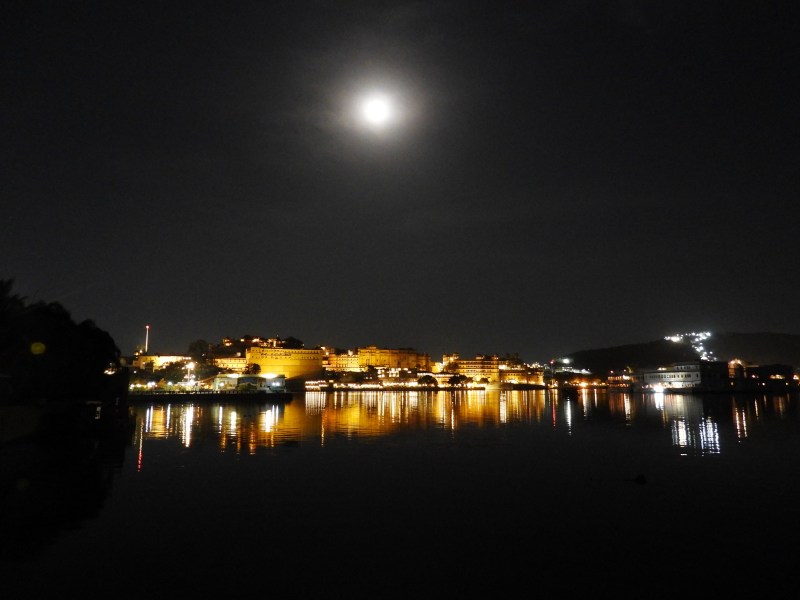
All in all, I was highly impressed with both the richness of the culture and wildlife in India. It was an amazing trip, and the last family vacation I’ll be going on in awhile. I’m still planning out my next 6 months before I go to university in Australia, and I’m aiming to include as much nature and outdoorsy time as I can in between any internships or jobs I do. I am quite busy up until I graduate from high school in late May, and probably won’t have a ton of time to pursue my interests, beyond a study I’m conducting on Yellow Crazy Ants which I hope to get published and which I’ll link onto this site when complete. In the meantime, stay tuned for the other two India posts which will be coming out soon! Thanks for reading as always,
-Bennett
Mammals Species Recorded: (9 total, 5 lifers)
- Leopard
- Indian Gray Mongoose (Lifer)
- Nilgai (Lifer)
- Indian Desert Jird (Lifer)
- Northern Plains Gray Langur (Lifer)
- Lesser Mouse-Tailed Bat (Lifer)
- Rhesus Macaque
- Five-Striped Palm Squirrel
- Indian Flying Fox
Bird Species Recorded: (78 total, 38 lifers)
- Brown-Headed Barbet (Lifer)
- Indian Gray Hornbill (Lifer)
- Large Gray Babbler (Lifer)
- Plum-Headed Parakeet (Lifer)
- Black-Rumped Flameback (Lifer)
- Painted Sandgrouse (Lifer)
- Rock Bush-Quail (Lifer)
- Alexandrine Parakeet (Lifer)
- Cotton Pygmy Goose (Lifer)
- Yellow-Throated Sparrow (Lifer)
- Yellow-Footed Green Pigeon (Lifer)
- Shikra (Lifer)
- Rufous Treepie (Lifer)
- Bronze-Winged Jacana (Lifer)
- Coppersmith Barbet (Lifer)
- Asian Pied Starling (Lifer)
- Wire-Tailed Swallow (Lifer)
- White-Browed Fantail (Lifer)
- Tree Pipit (Lifer)
- Indian Silverbill (Lifer)
- Ruddy Shelduck (Lifer)
- Brahminy Starling (Lifer)
- Indian Pond Heron (Lifer)
- Purple Sunbird (Lifer)
- Indian Robin (Lifer)
- Ashy Prinia (Lifer)
- Jungle Babbler (Lifer)
- Bank Myna (Lifer)
- Knob-Billed Duck (Lifer)
- Indian Spot-Billed Duck (Lifer)
- Spot-Breasted Fantail (Lifer)
- Gray-Headed Swamphen (Lifer)
- Green Sandpiper (Lifer)
- Spotted Redshank (Lifer)
- Laughing Dove (Lifer)
- Gray Francolin (Lifer)
- Western Yellow Wagtail (Lifer)
- Brown Rock Chat (Lifer)
- Indian White-Eye
- Red-Vented Bulbul
- Rose-Ringed Parakeet
- House Crow
- House Sparrow
- Black Kite
- Red-Wattled Lapwing
- Common Kingfisher
- Black-Winged Stilt
- Little Cormorant
- Eurasian Coot
- Indian Peafowl
- Intermediate Egret
- Asian Koel
- Glossy Ibis
- Black Drongo
- Oriental Magpie-Robin
- Red-Rumped Swallow
- Little Swift
- Black-Headed Ibis
- Greater Coucal
- Eurasian Collared Dove
- Gray Heron
- Common Iora
- Great Cormorant
- Asian Green Bee-Eater
- Common Tailorbird
- White-Throated Kingfisher
- Eastern Cattle Egret
- Cinereous Tit
- White-Breasted Waterhen
- Spotted Dove
- Purple Heron
- Asian Openbill
- Common Moorhen
- Common Myna
- Eurasian Spoonbill
- Common Greenshank
- Wood Sandpiper
- Crested Honey-Buzzard
 Bennett Gardner Wildlife Watching
Leave a comment