
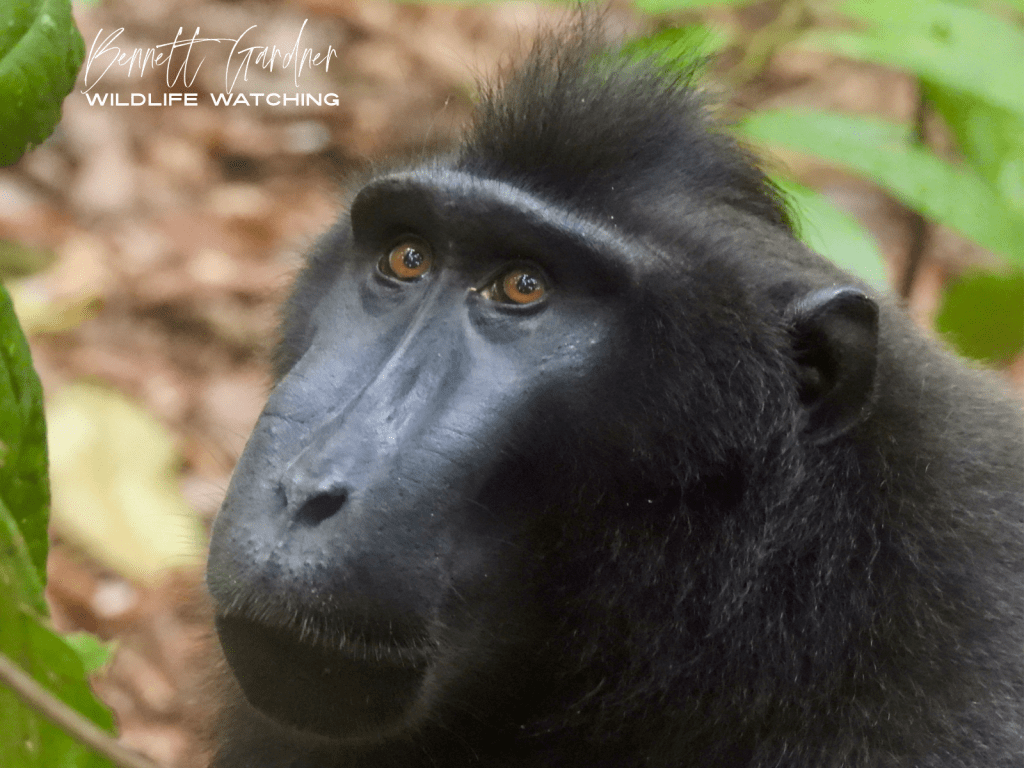
I’m a third-culture kid raised on wildlife adventures in exotic locations. Since moving to Shanghai, China, at the age of seven, I’ve had countless marvelous opportunities to explore the natural wonders of the Far East with my family. I am incredibly grateful to my parents for fostering my passion for animals and nature throughout my childhood and for allowing me to experience the magic of Earth’s wildlife through our trips.
Now, as an 18-year-old nature enthusiast based in Singapore, with several months to kill before starting university in Australia and a bit of pocket cash saved from a summer job, I’ve embarked on a series of wildlife (specifically mammal-focused) dashes around Southeast Asia. I’m fulfilling a long-standing dream of mine—one that has been eating away at me since I moved to Asia over a decade ago—to embark on solo wildlife adventures, aiming to encounter the animals that shaped who I am today. And man, is it awesome! Check out my Way Kambas National Park, Sumatra trip report, covering my first-ever solo wildlife adventure. The blog posts covering that trip will be coming out soon.
This time, I set my sights on the mysterious, peninsula-clad island of Sulawesi in eastern Indonesia. The enigmatic mammals of Sulawesi first piqued my interest at the age of ten. Later, after learning about Sulawesi’s famously high levels of endemism—62% of its mammals and 31% of its birds are found nowhere else—along with its expansive swathes of intact rainforest, I became determined to experience the island’s mammals and other natural wonders firsthand. At the time, however, Sulawesi felt like an appealing yet unattainable destination.
Years later, my fascination with Sulawesi’s mammals hadn’t faded in the slightest. Thoughts of encountering wild Celebes Crested Macaques, Sulawesi Bear Cuscus, Gursky’s Spectral Tarsiers, and the elusive Babirusa (the holy grail of Sulawesi mammals) filled my mind to an excessive degree. I even sketched out a rough itinerary for a future trip, following the original route of two well-known mammalwatchers, which covered Tangkoko Nature Reserve and Nantu Forest.
Finally, in the fall of 2024, I had a window of opportunity and just enough savings to plan and execute a five-night Sulawesi wildlife adventure. While Nantu Forest (home to the last wild Babirusas) seemed too challenging & expensive to visit on such a short trip, I decided to focus my attention on Tangkoko Nature Reserve. I planned to stay at the lovely Tangkoko Sanctuary Villa for all five nights. It’s one of the nicest accommodation options in the Tangkoko area and a true hidden gem!
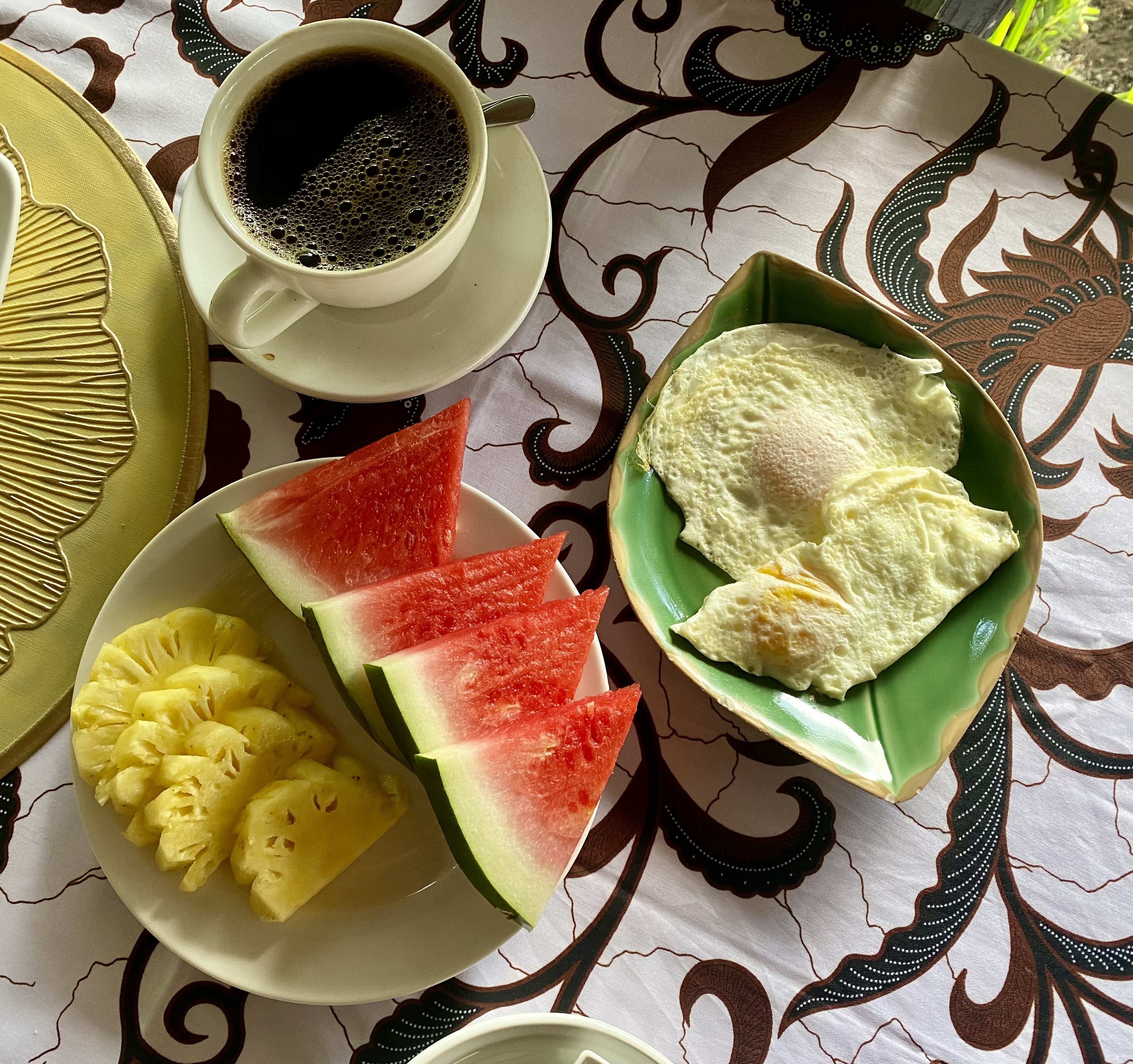
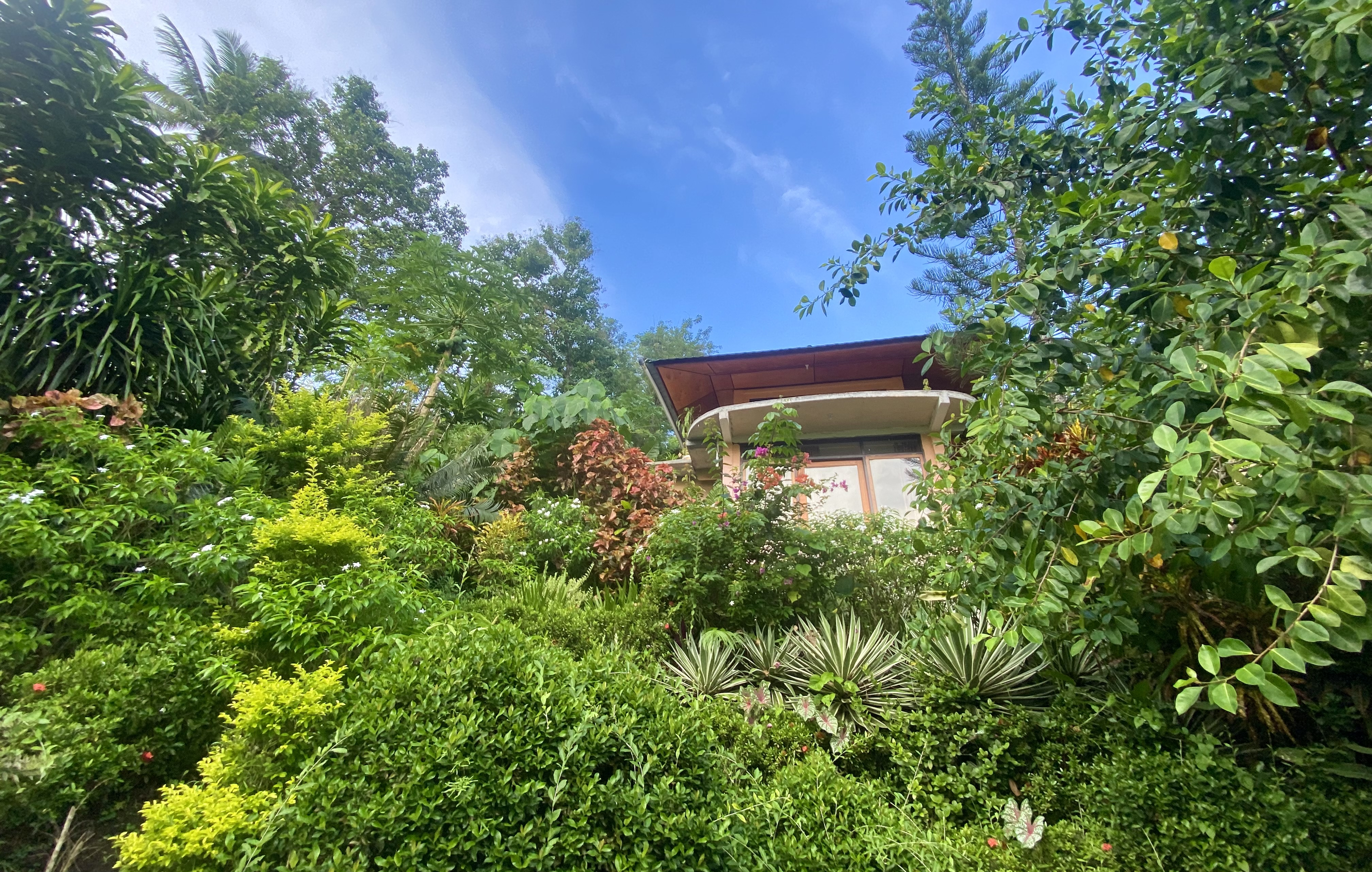
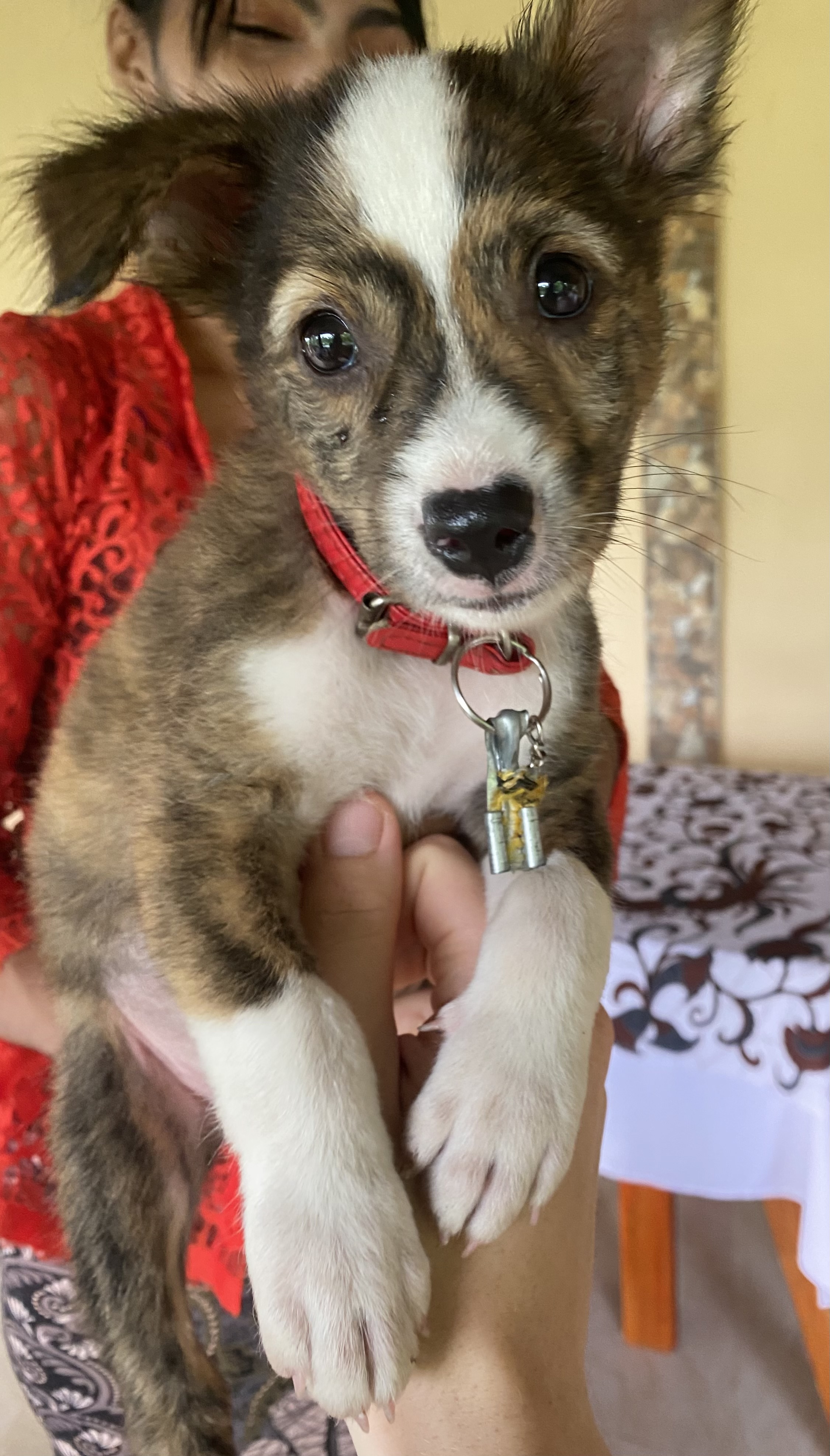
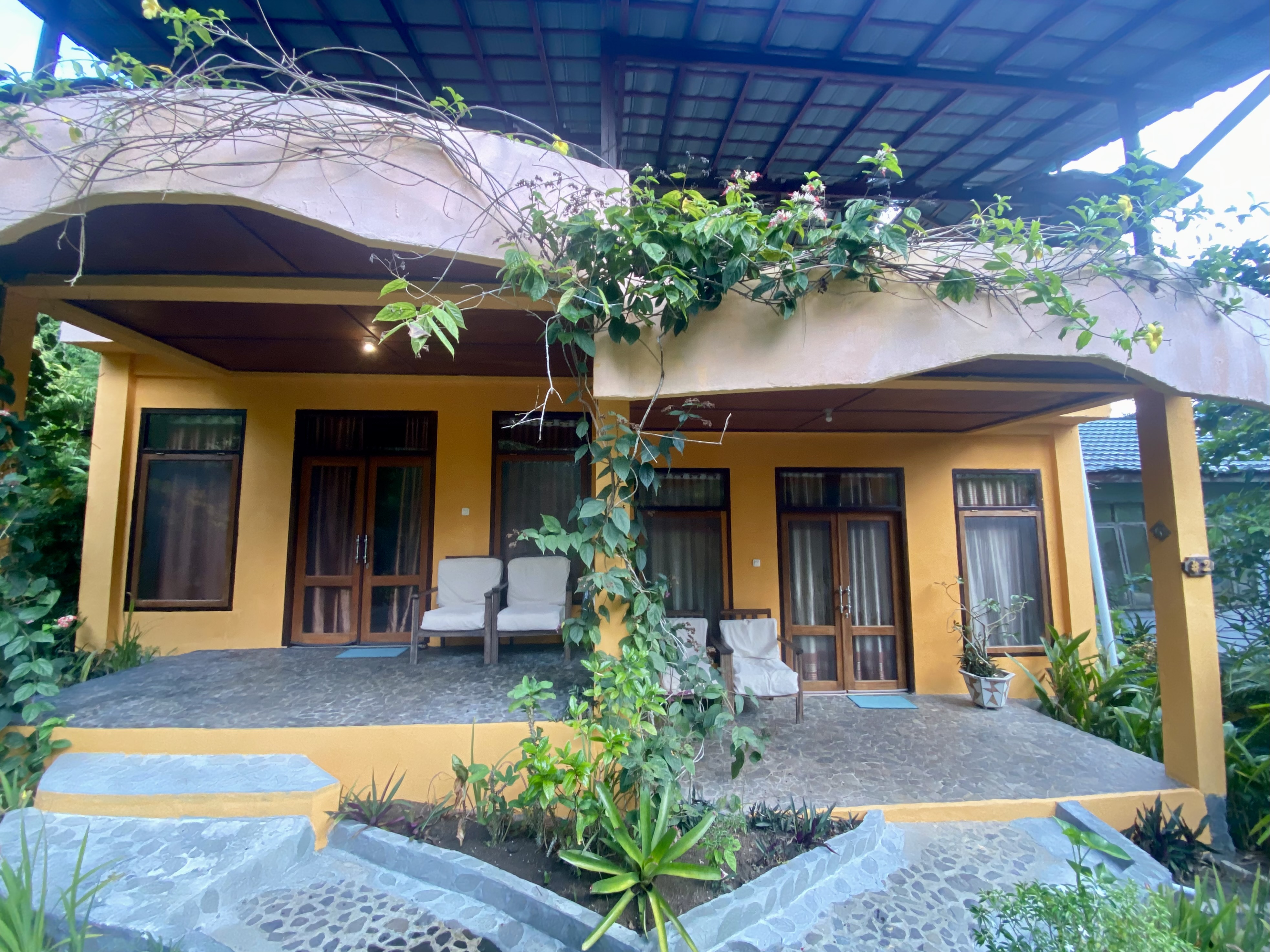
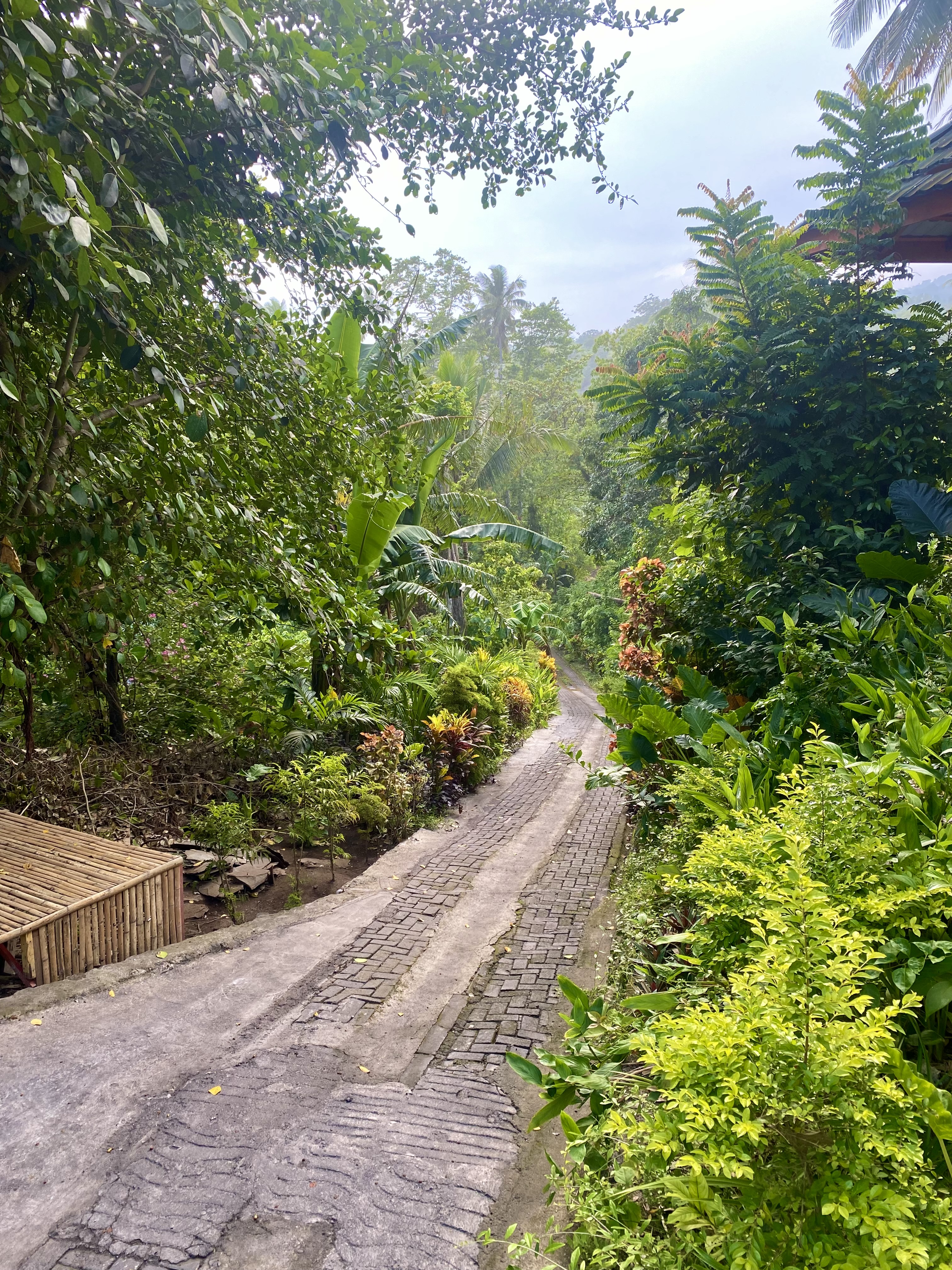
Tangkoko Sanctuary Villa
On my very first afternoon at Tangkoko Sanctuary Villa, the exceptional hostess Linda went out of her way to contact a highly-rated local guide who could bring me to Nantu Forest Reserve from Tangkoko! This was after I mentioned my interest in seeing a wild Babirusa.
The guide she contacted was the fabulous Ono Tinungki of Bird Tour Manado. I met Ono that afternoon to discuss potential Nantu and Tangkoko tour options to maximize my mammal species count. Unfortunately, Ono informed me that the once-abundant Babirusas at Nantu were gone. I’ll explain why these iconic pigs disappeared from their last reliable stronghold in a different blog post.
Still, my interest in exploring the nature reserves of Gorontalo (including Nantu) and spotting endemic mammals remained strong. Ono proposed a three-day wildlife-watching trip in Gorontalo Province and offered to take me mammal-watching around Tangkoko Nature Reserve the following day (Day 2).
I swiftly agreed to his proposition—I’d traveled to Sulawesi for a mammal adventure, and come hell or high water I would get what I came for!

My round-trip drive from Tangkoko (red pin) to the reserves of Gorontalo & back…..brutal is one way of putting it
Ono hired his friend Taufik as our driver, who proved to be a true champion behind the wheel. He drove Ono and I across northern Sulawesi on the night of November 16th to our first Gorontalo reserve so we’d have the whole day to explore. 12 straight hours on rough roads in the middle of the night—what an absolute legend!
Ono himself was a fantastic guide throughout my trip—funny, hardworking, knowledgeable about Sulawesi’s wildlife, a skilled animal spotter, and very flexible with his schedule. He also speaks good English, so communication was never an issue. With him at my aid, I racked up twelve mammal species over the course of four full days and a night of jungle bushwacking, sliding down muddy hillsides, and fording rivers, along with nearly 40 bird species as icing on the cake (even though I wasn’t after birds!).
I highly recommend Ono for mammalwatching/birding jaunts around northern Sulawesi. He’s one of the best local guides in the region.

Ono (left) and Taufik (right)
I will now recount my visit to Tangkoko Batuangus Nature Reserve, the first part of my 2024 Sulawesi trip and arguably the single best spot for wildlife-watching in Sulawesi.
What Tangkoko Nature Reserve lacks in size, it more than makes up for with its large and conspicuous populations of many iconic Wallacean mammal & bird species. I spent one half and one full day of my trip (Days 1 & 2) exploring this splendid and easily-accessible reserve, and saw seven mammal species, including Sulawesi Bear Cuscus, Celebes Crested Macaque, Gursky’s Spectral Tarsier, and Long-tailed Taeromys.
Tangkoko is touristy (I usually dislike touristy places), but my guide Ono brought me into the rainforest, away from everyone else, to look for mammals on Day 2 which was great. Overtourism is an issue in Indonesia (I’m looking at you, Bali), but for the sake of all the incredible endemic wildlife in Tangkoko, I hope tourists continue to flock there. Tourism is the main incentive for locals to keep the park & its wildlife around for future generations.
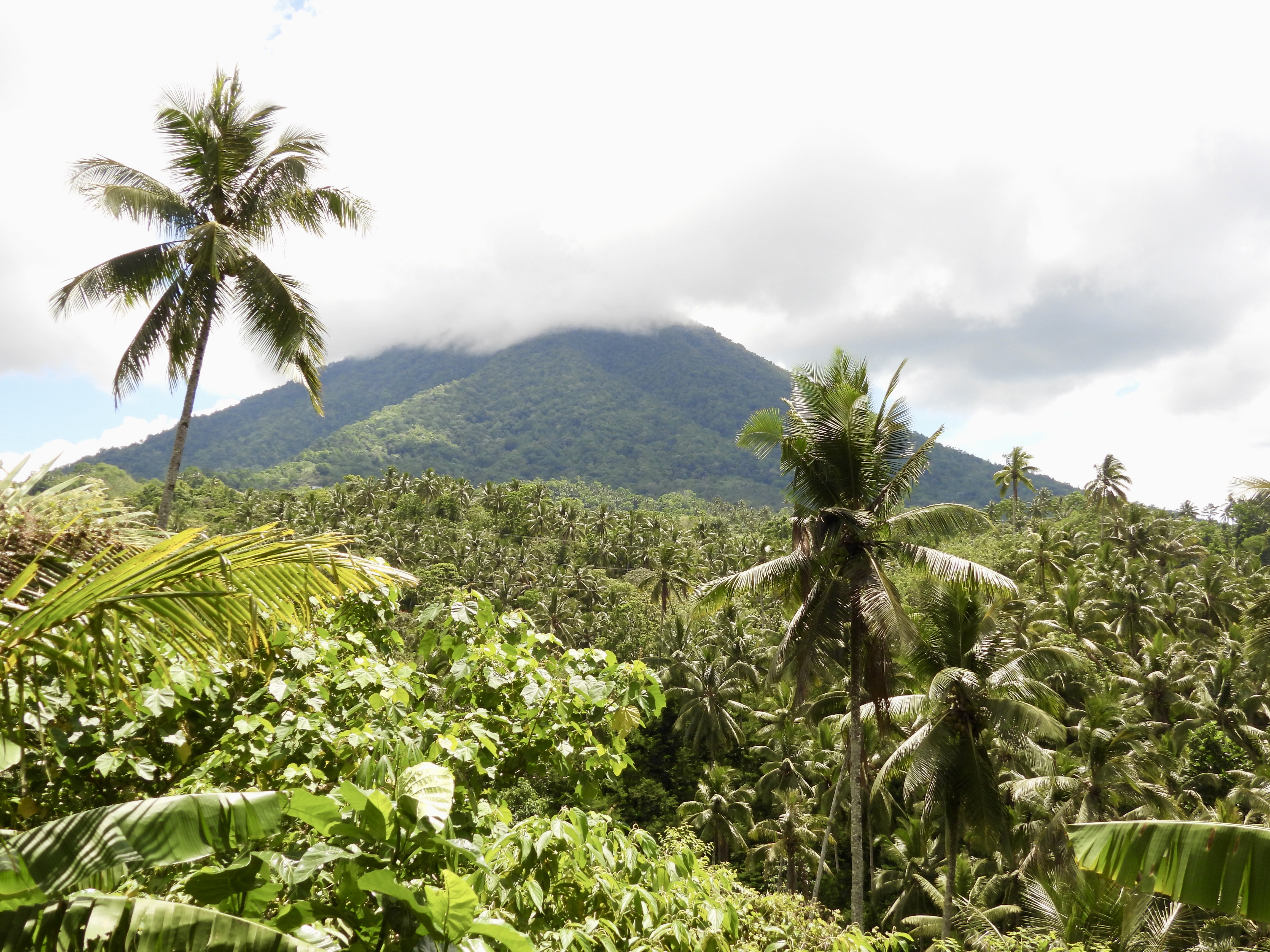
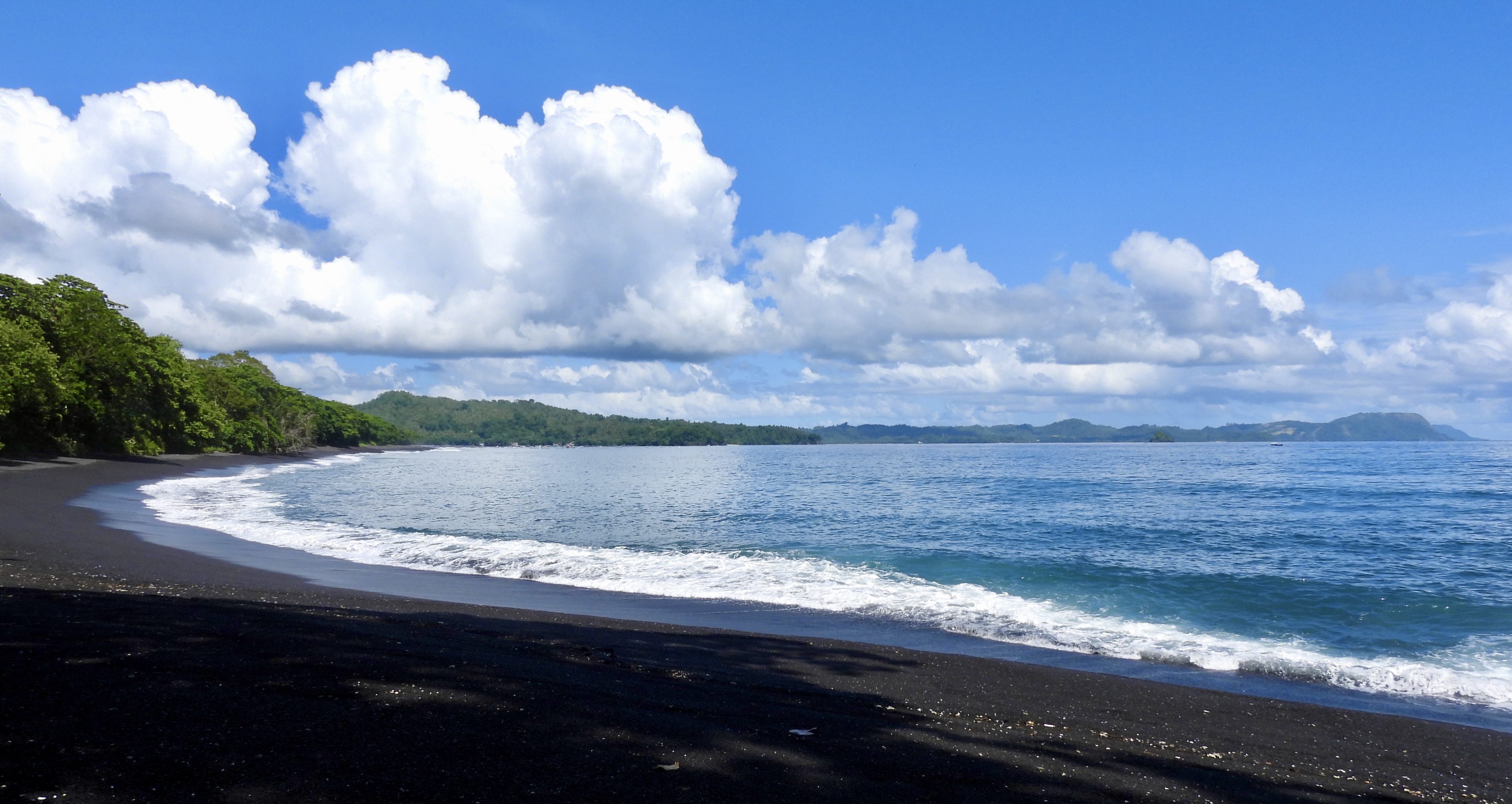
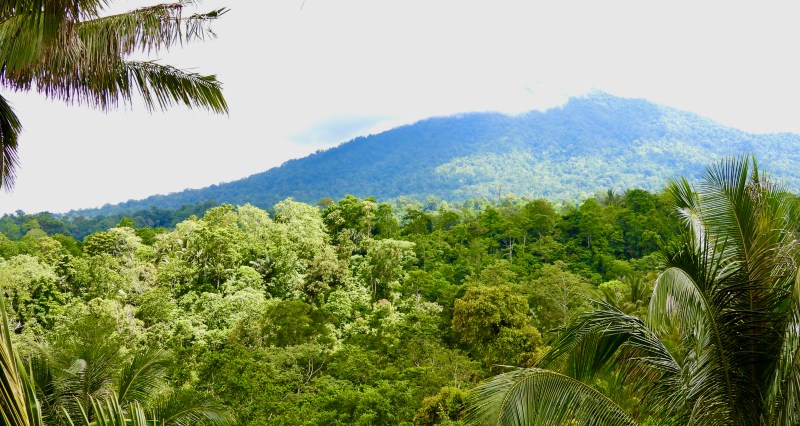
Tangkoko Batuangas Nature Reserve
My first expedition into Tangkoko took place on the afternoon of Day 1 (November 15th), after I’d arranged my dizzying dash around northern Sulawesi with Ono. For my Day 1 jaunt into the reserve, I used hotel-contracted guides Ober and Fabio as I hadn’t booked Ono that day (he was unavailable).
Ober and Fabio were solid guides, if not at the same calibre as Ono. They tried to find me everything I wanted to see, though I could tell they weren’t used to dealing with specialist clients looking for specific groups of organisms.
We entered the reserve at 5:00pm, and meandered from the parking lot down the main tourist track toward the roosting trees of the local tarsiers. I kept an eye out for squirrels and other wildlife, but apart from a few distant birds nothing was around. I was also grouped with some European tourists for this particular outing who didn’t care much about what we saw, so I had to specify to the guides that I wanted to see mammals.
At 5:30pm, just before sunset, we arrived at a cluster of tourists & guides surrounding a strangler fig. Weak torchlight illuminated a family of three Gursky’s Spectral Tarsiers on the tree that called to each other using a series of chirps and squeaks. Despite the crowd, it was a very enjoyable encounter.
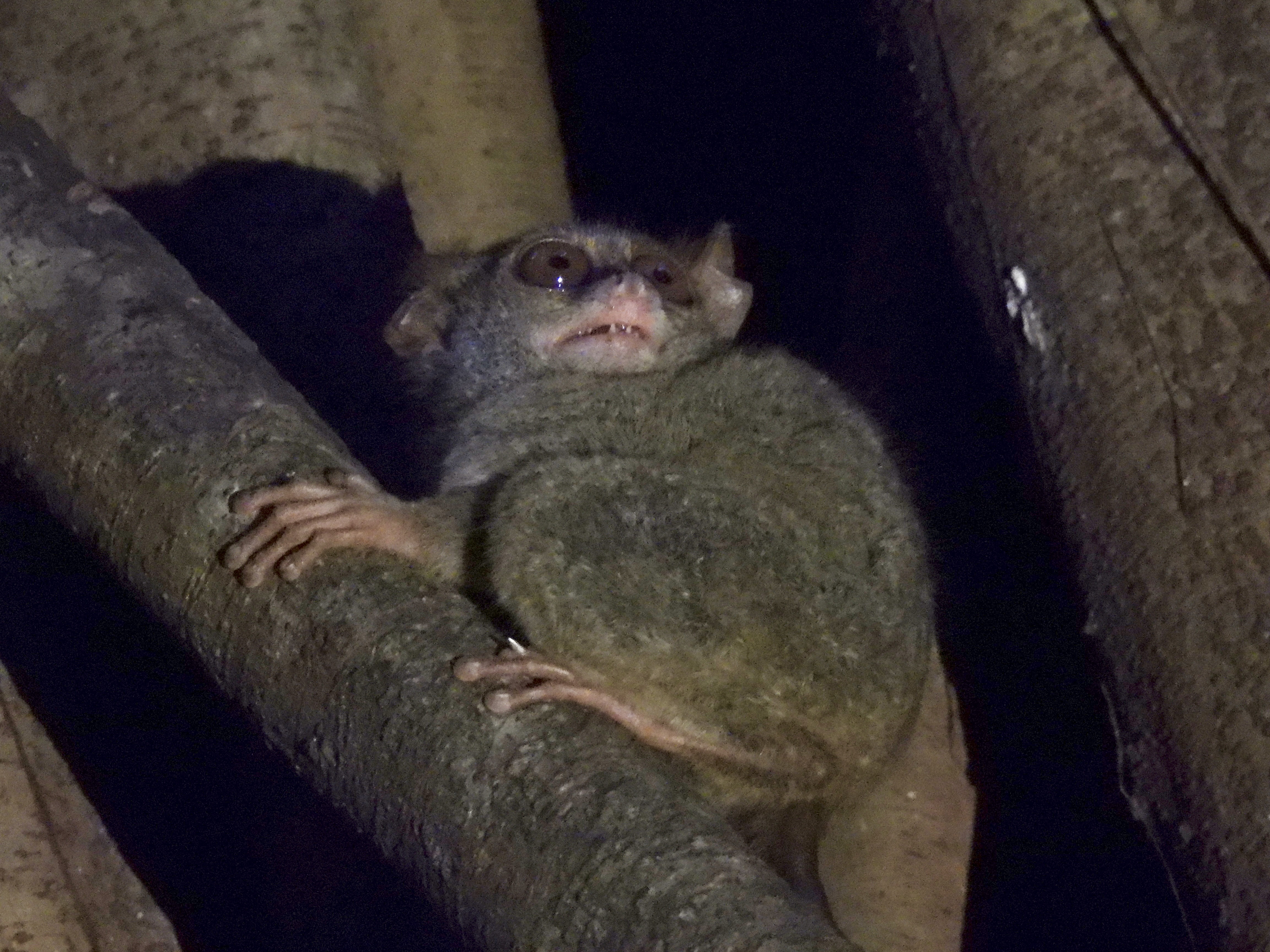
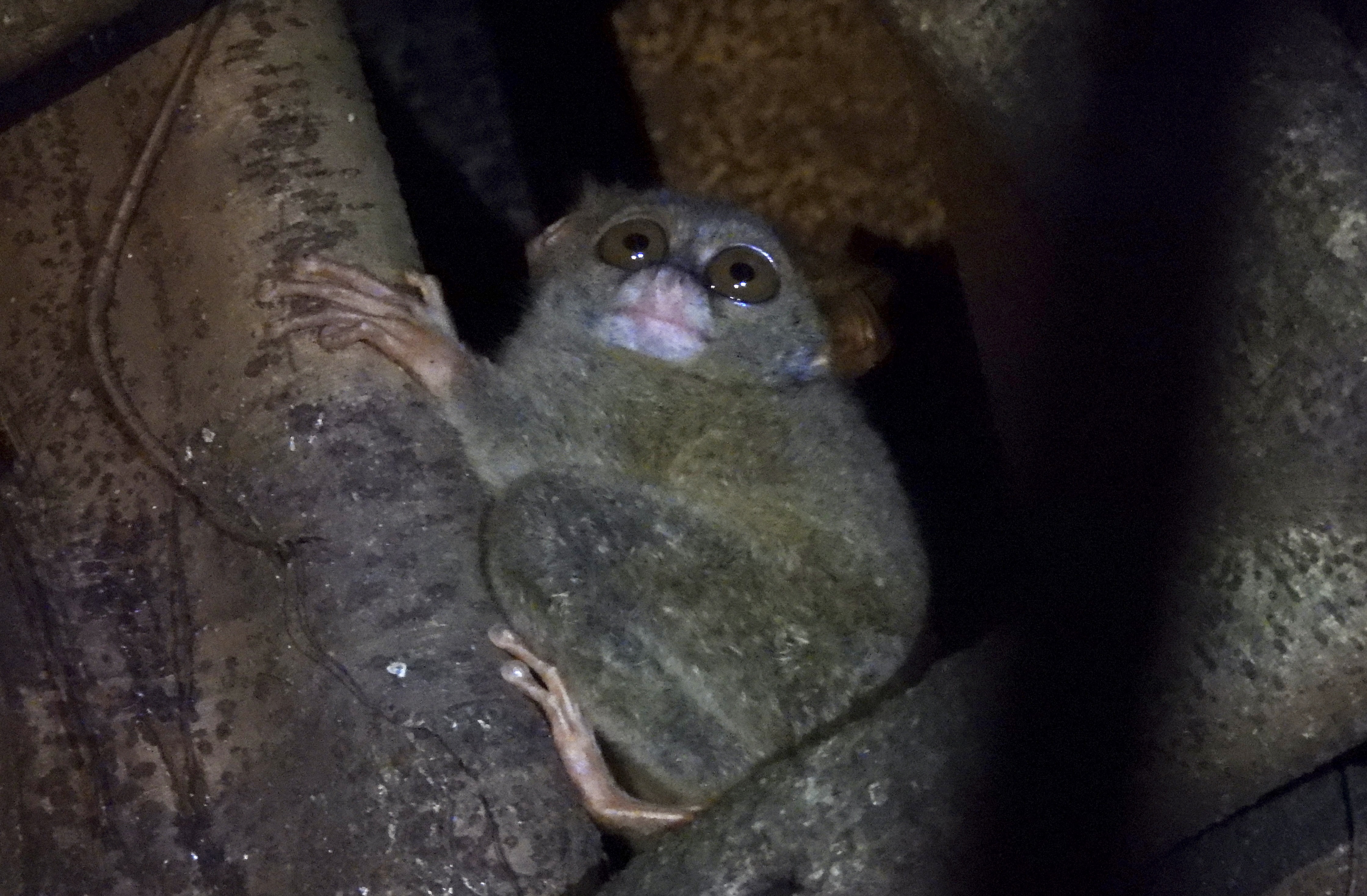
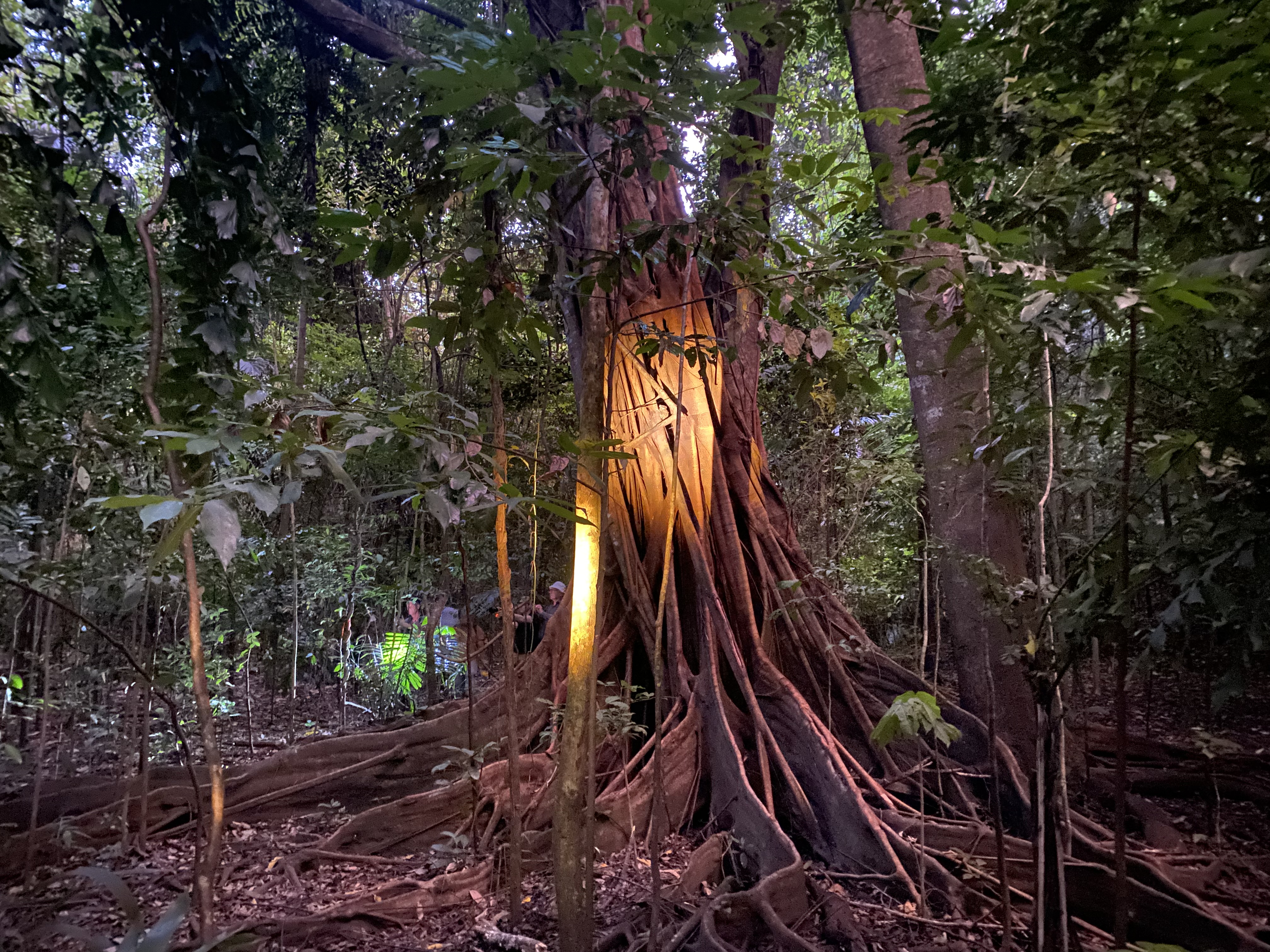
On the way back, I noted some endemic frogs & millipedes along the trail, and Ober pointed out several Sulawesi Black Tarantulas (Lampropelma carpenteri) on different trees we passed. This huge, arboreal spider species was a treat to see in the wild.
Besides the tarsiers, the walk produced no further mammals beyond some fluttering fruit bats I couldn’t ID.
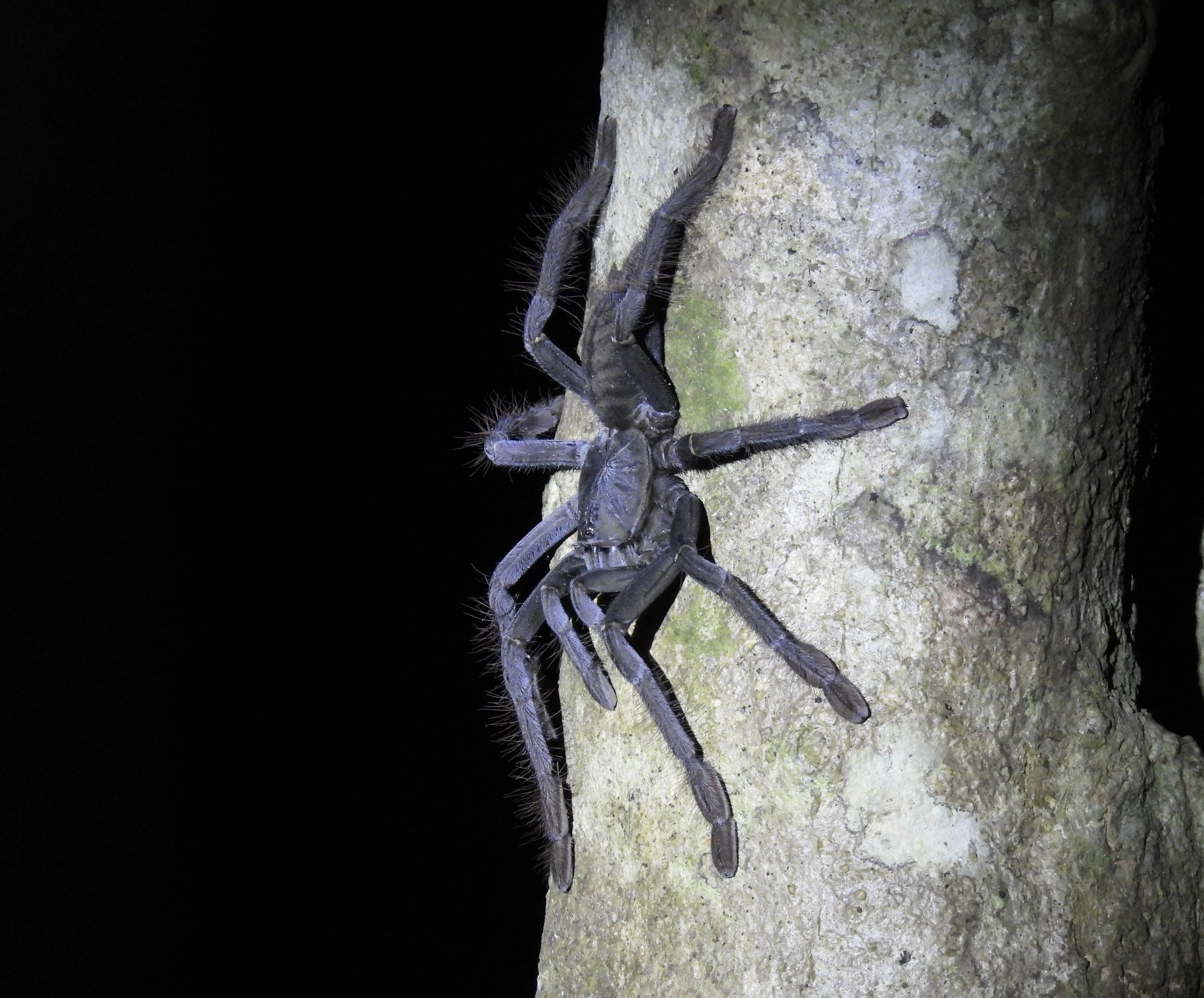
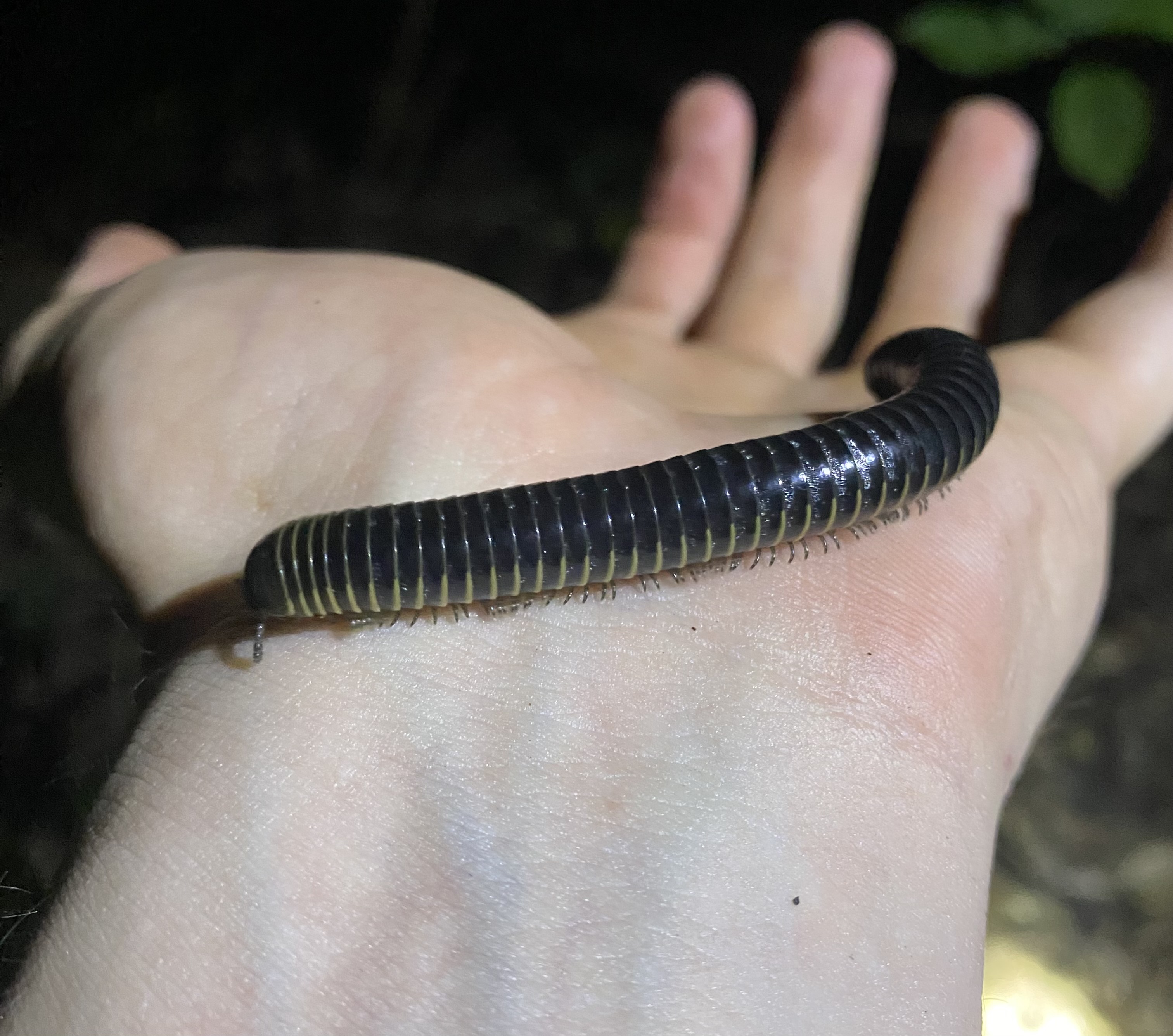
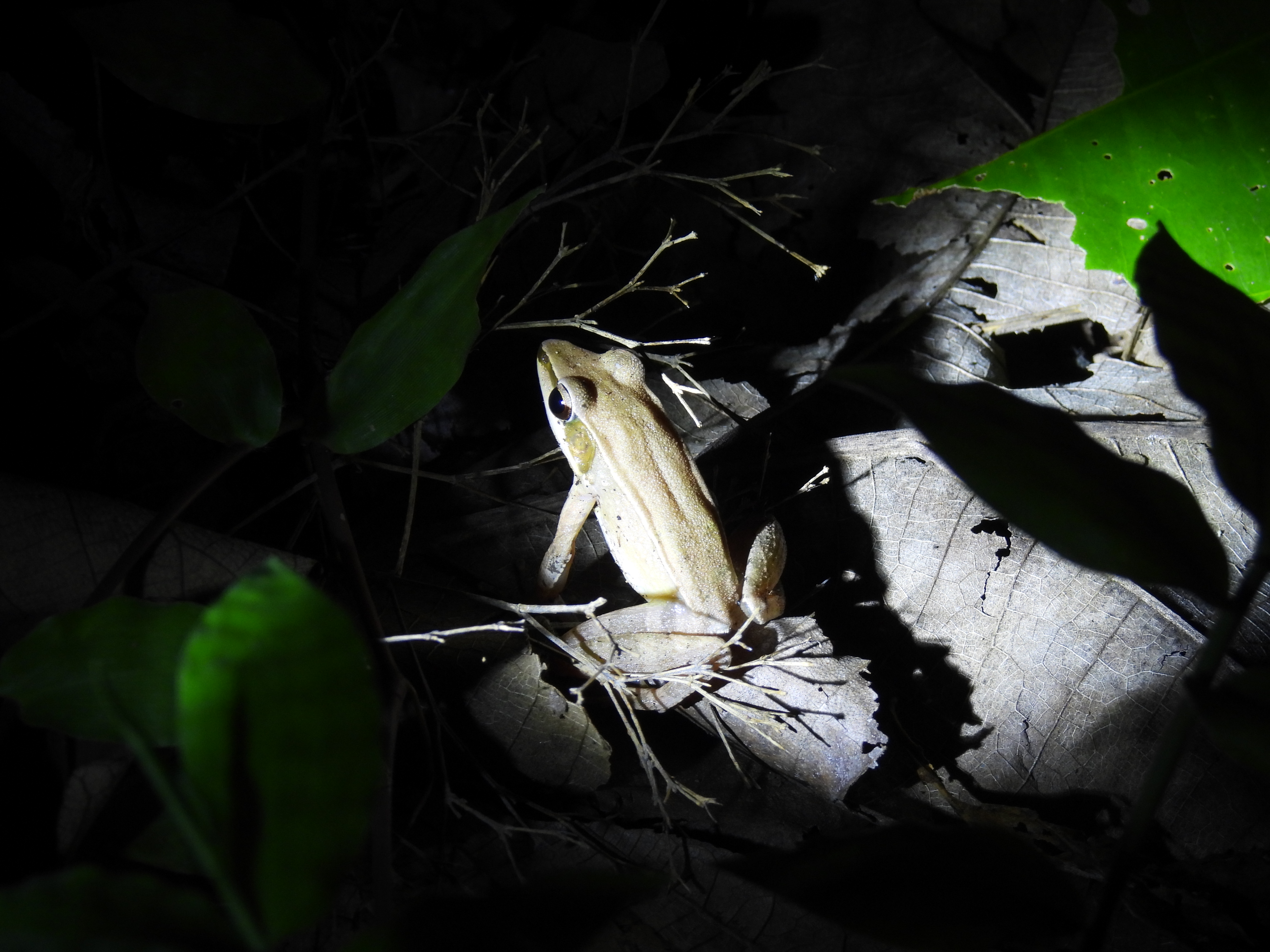
Sulawesi Black Tarantula (left), Rhinocricinae sp. Millipede (top right), and Sulawesi Tree Frog (bottom right)
I returned from my first Tangkoko walk at 7:00pm, wolfed down a quick dinner at the hotel, and then embarked on my second expedition of the night with Ober and Fabio. This time, we were alone and were strictly looking for mammals—specifically Dwarf Cuscus, bats and rats.
The first location they took me to was an Areng Palm plantation behind Tangkoko Sanctuary Villa that borders the nature reserve. They explained that it was a reliable area for rats and sometimes Dwarf Cuscus, but two hours of spotlighting there produced only one mammal species—a Long-tailed Taeromys—which I saw for a mere five seconds before it bolted away. The taeromys was in fact the only mammal species I saw all night, as the full moon sent most of Tangkoko’s nocturnal mammals into hiding.
The Areng Palm plantation we visited was an awful, overgrown, mess that had no trails leading through it, and was overrun with biting & stinging insects. Thrice during our two-hour spotlighting session I was nearly stung by angry bees whose hive we’d gotten too close to by accident. To couple this, there were also billions of aggressive, biting ants carpeting the forest floor. Even though I was wearing leech socks and long pants, the ants found ingenious ways to cause me nonstop annoyance & pain throughout my walk. Oh yeah, and Ober and Fabio got us lost in a thorny thicket while trying to find a way out of the hellhole plantation. Terrible place.
The only upside of spotlighting the plantation was the number of sleeping birds we crossed paths with. Among these were Pale Blue Flycatchers, Sulawesi Babblers, Stephen’s Emerald Doves, Yellow-sided Flycatchers, and even a Sulawesi Scops Owl.
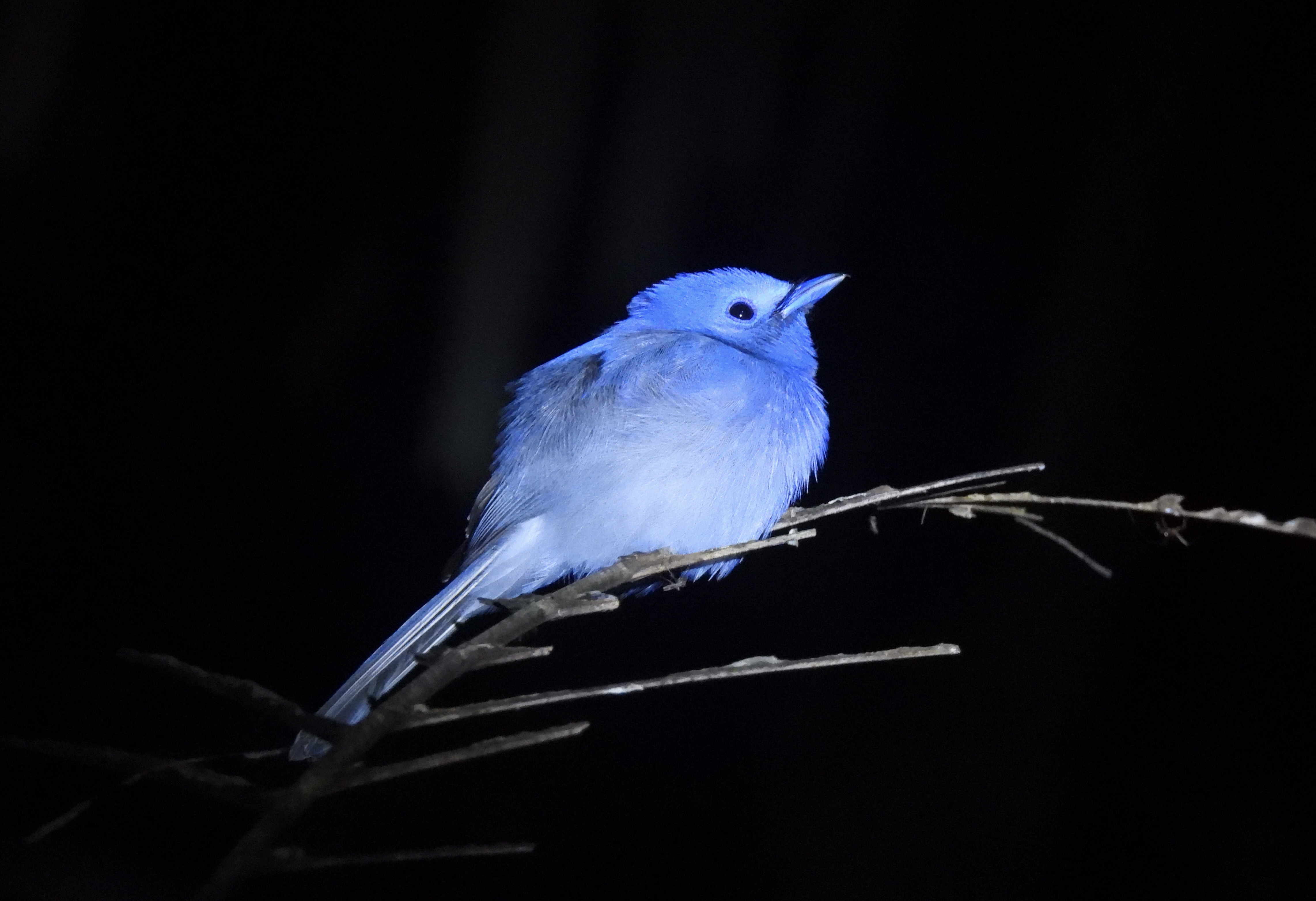
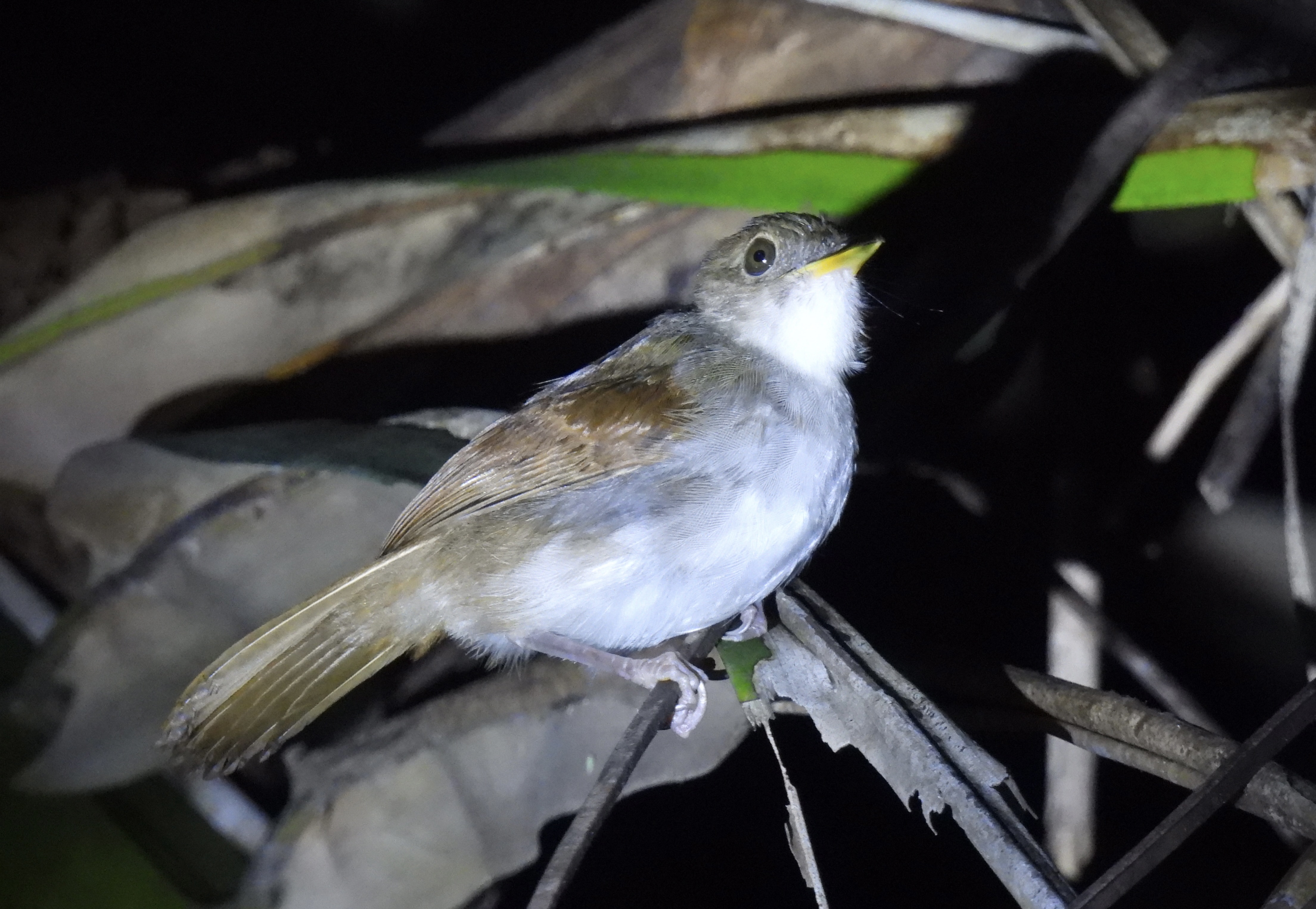
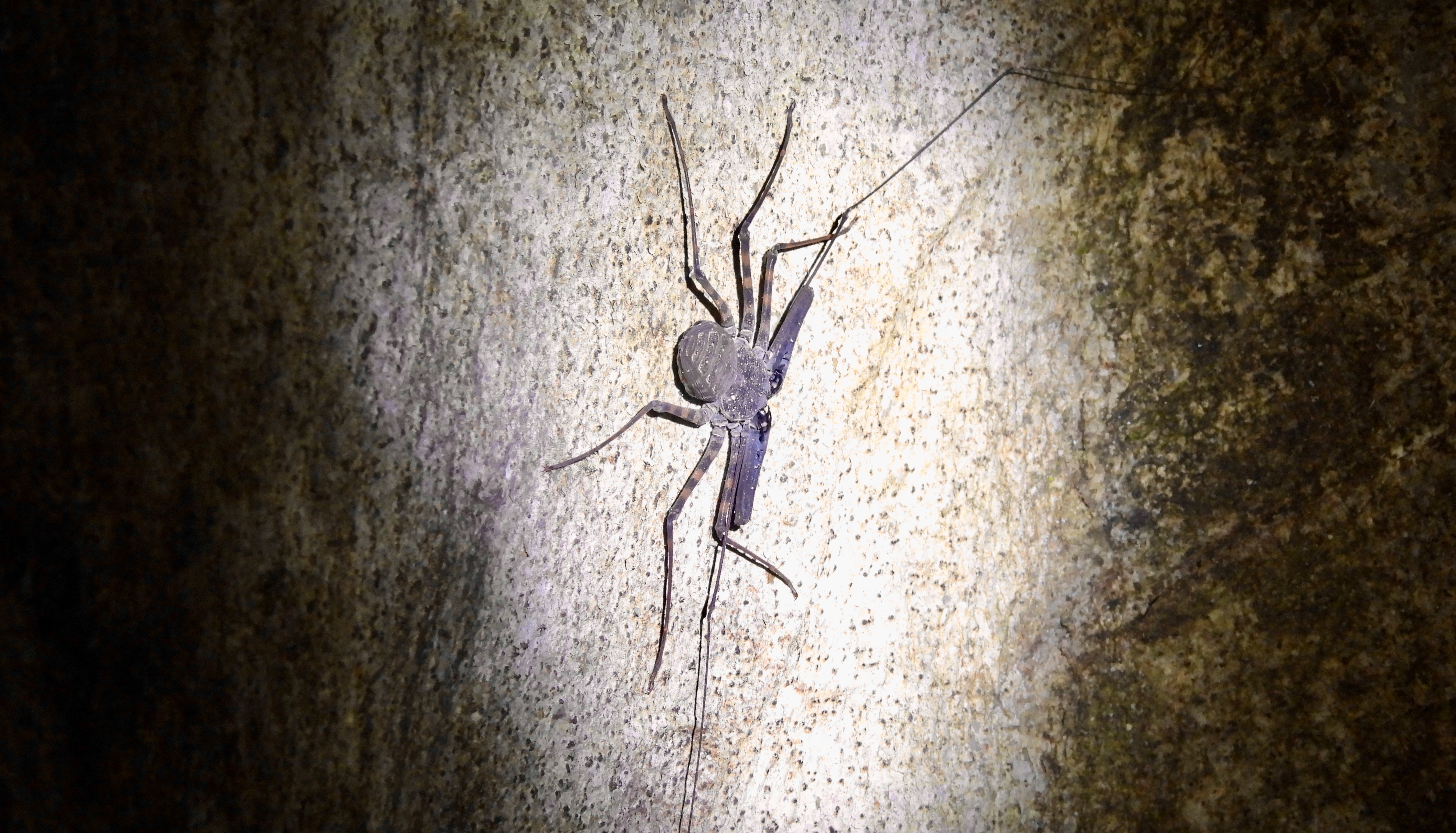
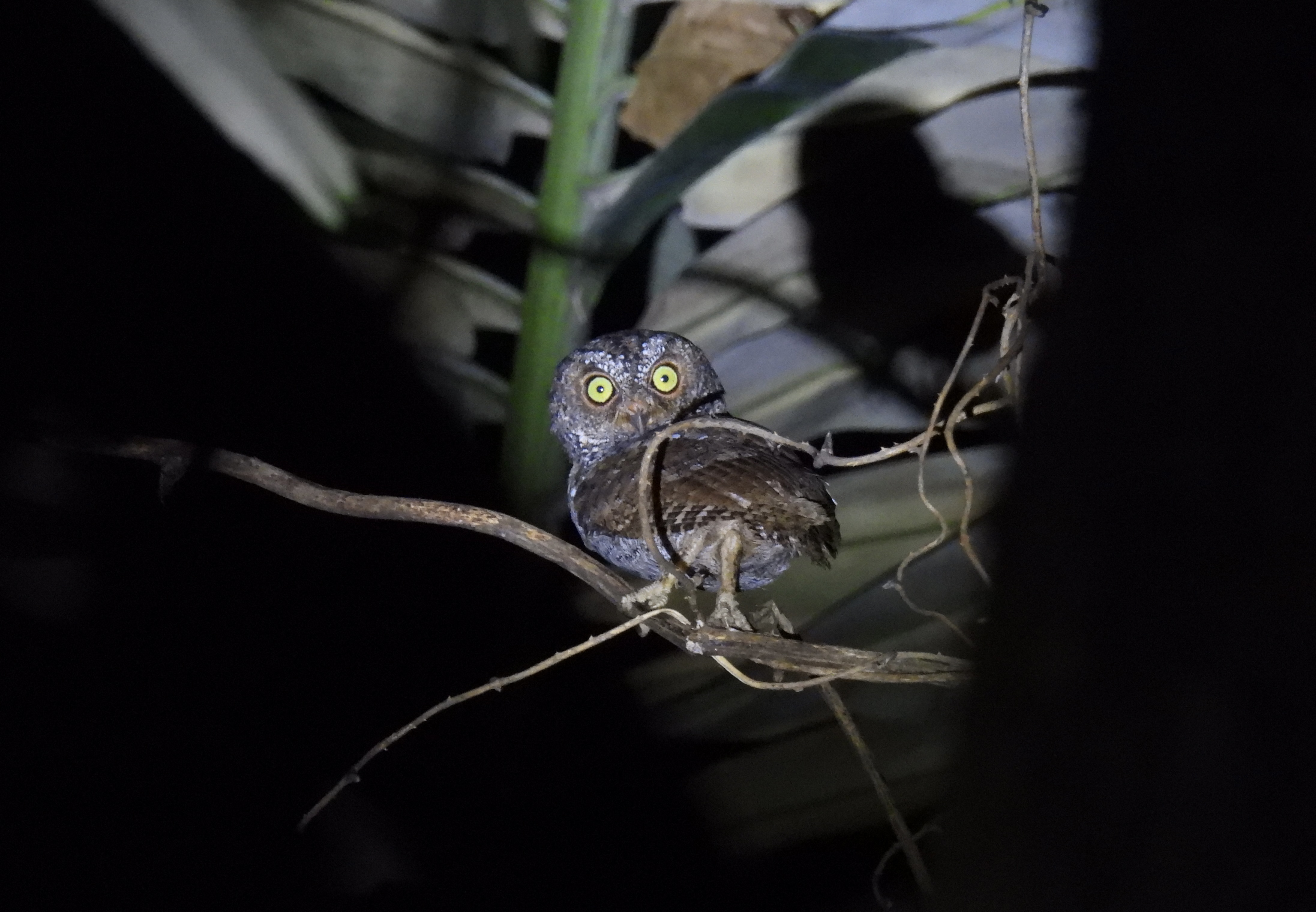
Pale Blue Flycatcher (top left), Sulawesi Babbler (top right), Charon sp. Whip Scorpion (bottom right), & Sulawesi Scops Owl (bottom)
The next session of spotlighting—an hour in Tangkoko Nature Reserve proper—was far, far more enjoyable, even though I saw no mammals. We checked fruiting trees along the main track for arboreal rats & cuscus, but no luck due to the moon. Ober spotted a Maxomys sp. rat in the brush along the main track but I was too late to see it before it disappeared. We returned to the hotel around midnight and I crashed from exhaustion.
Day 2 was a superb, full day of mammalwatching in Tangkoko Nature Reserve, this time with Ono. It fully compensated for Day 1’s disastrous spotlighting session.
Ono and I veered off the tourist trails in Tangkoko and spent most of the day deep in the rainforest searching for mammals. He is very familiar with Tangkoko and knows the haunts for all the reserve’s wildlife. The first few hours of our walk produced Sulawesi Bear Cuscus (poor views), a large troop of Celebes Crested Macaques that we followed through the rainforest for 45 minutes, and two bats: Sulawesi Rousettes & Lesser False Vampire Bats. There was a single colony of each bat species in two separate hollowed-out trees we searched.
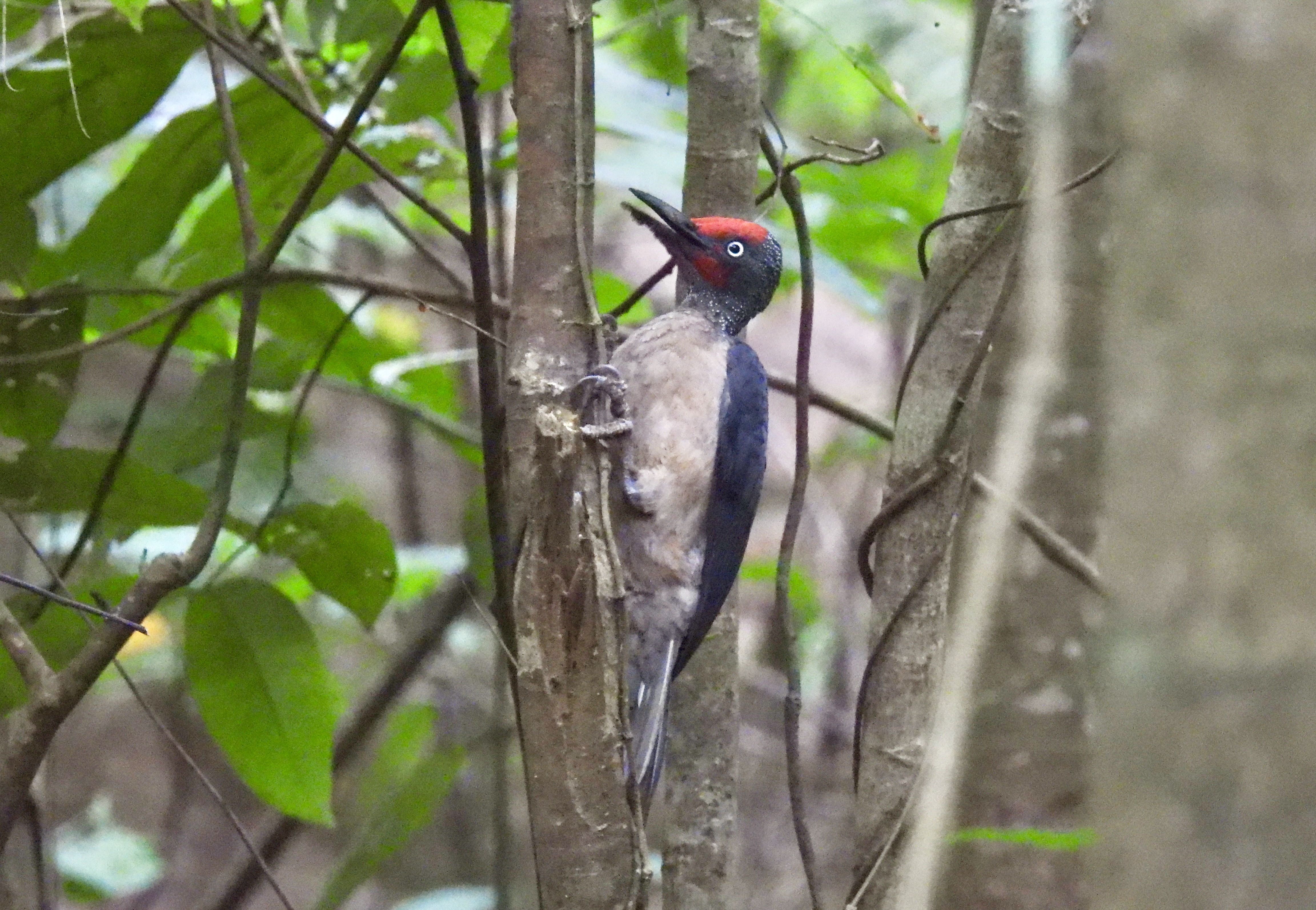
We also encountered three separate pairs of spectacular Knobbed Hornbills in the same stretch of forest, and obtained outstanding, close-up views of two endemic kingfishers—Sulawesi Lilac & Green-backed Kingfishers–along with a number of other endemic birds like Ashy Woodpecker, Yellow-billed Malkoha & Silver-tipped Imperial Pigeon. Great finds!
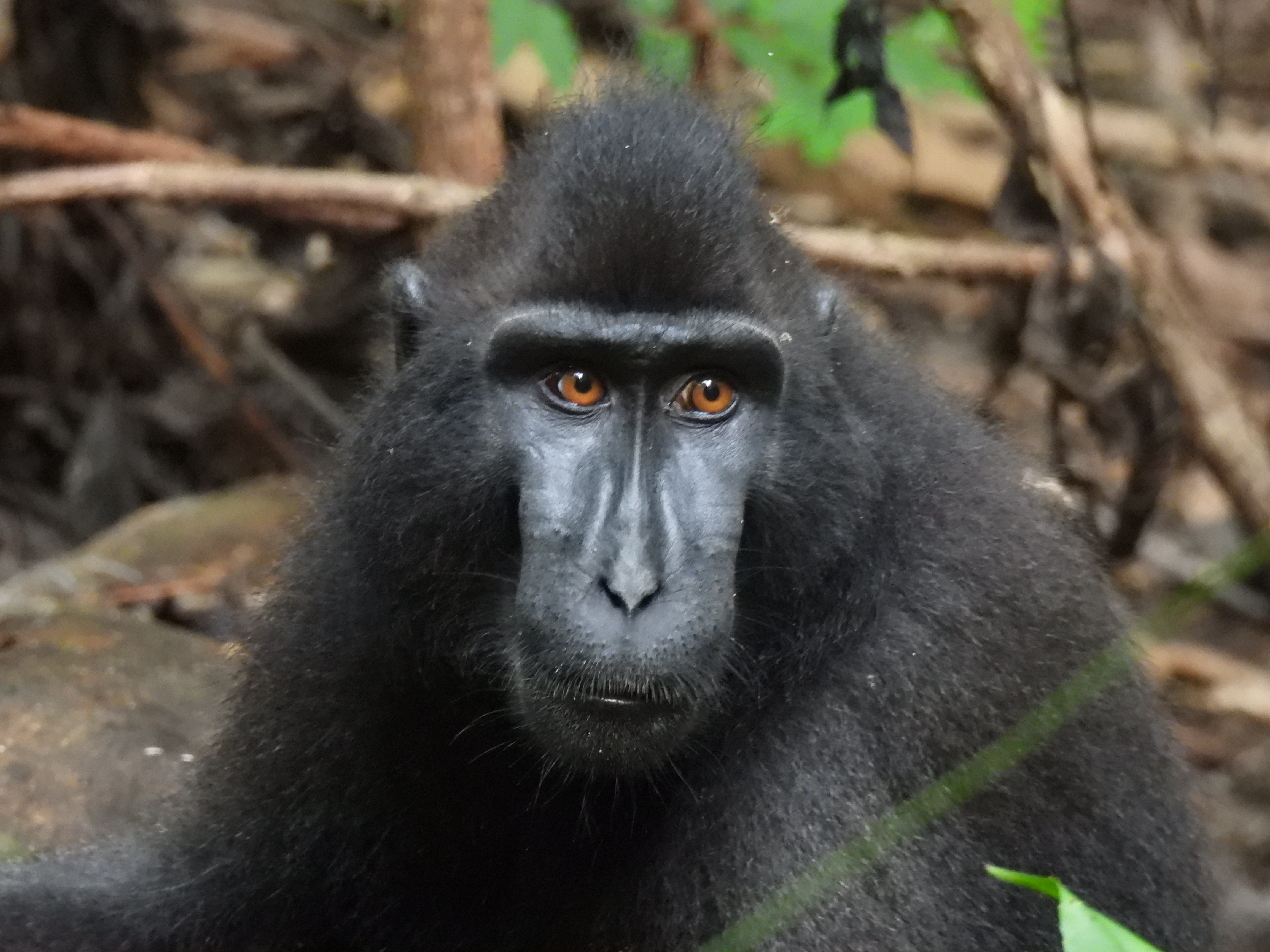
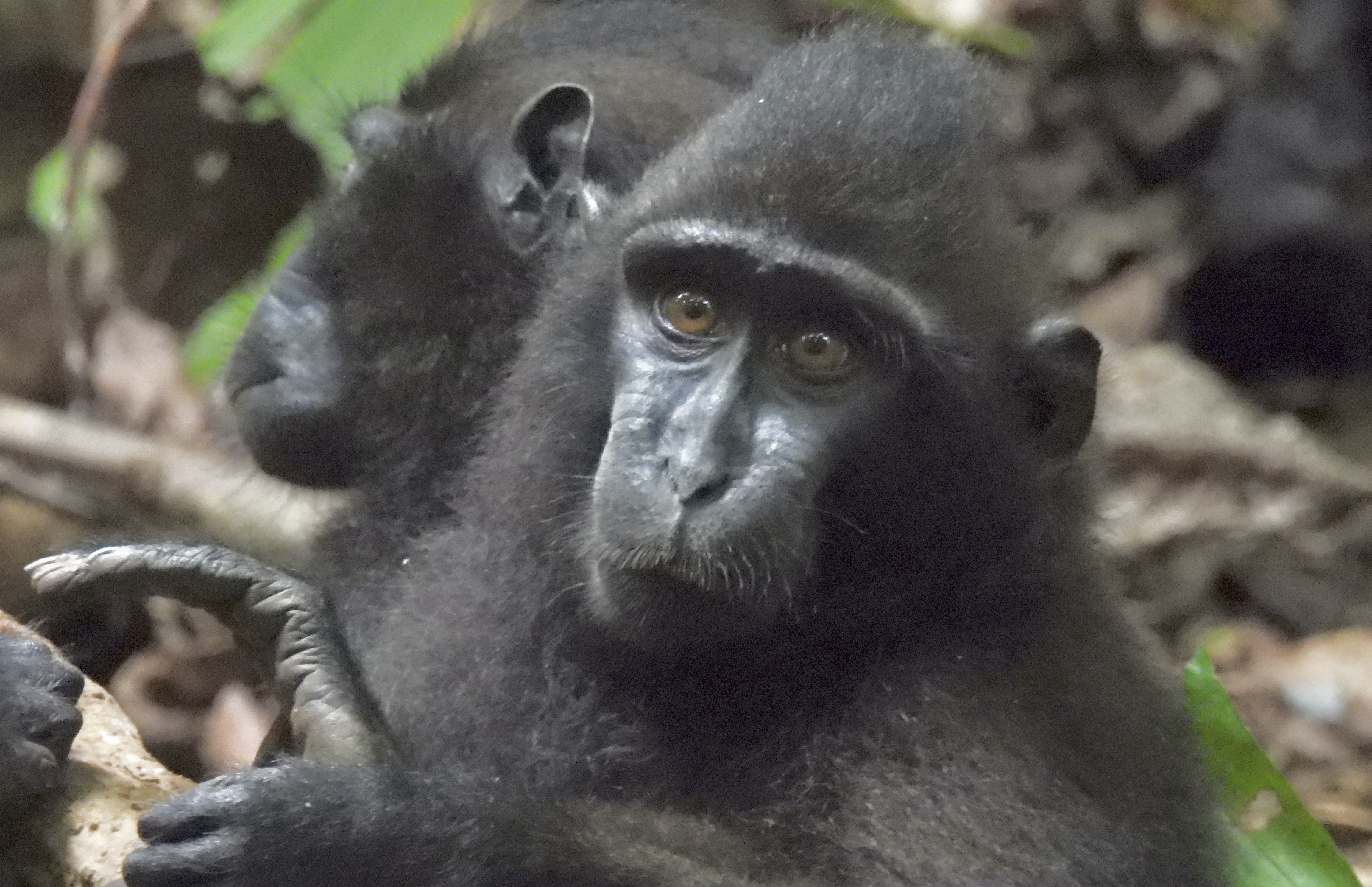
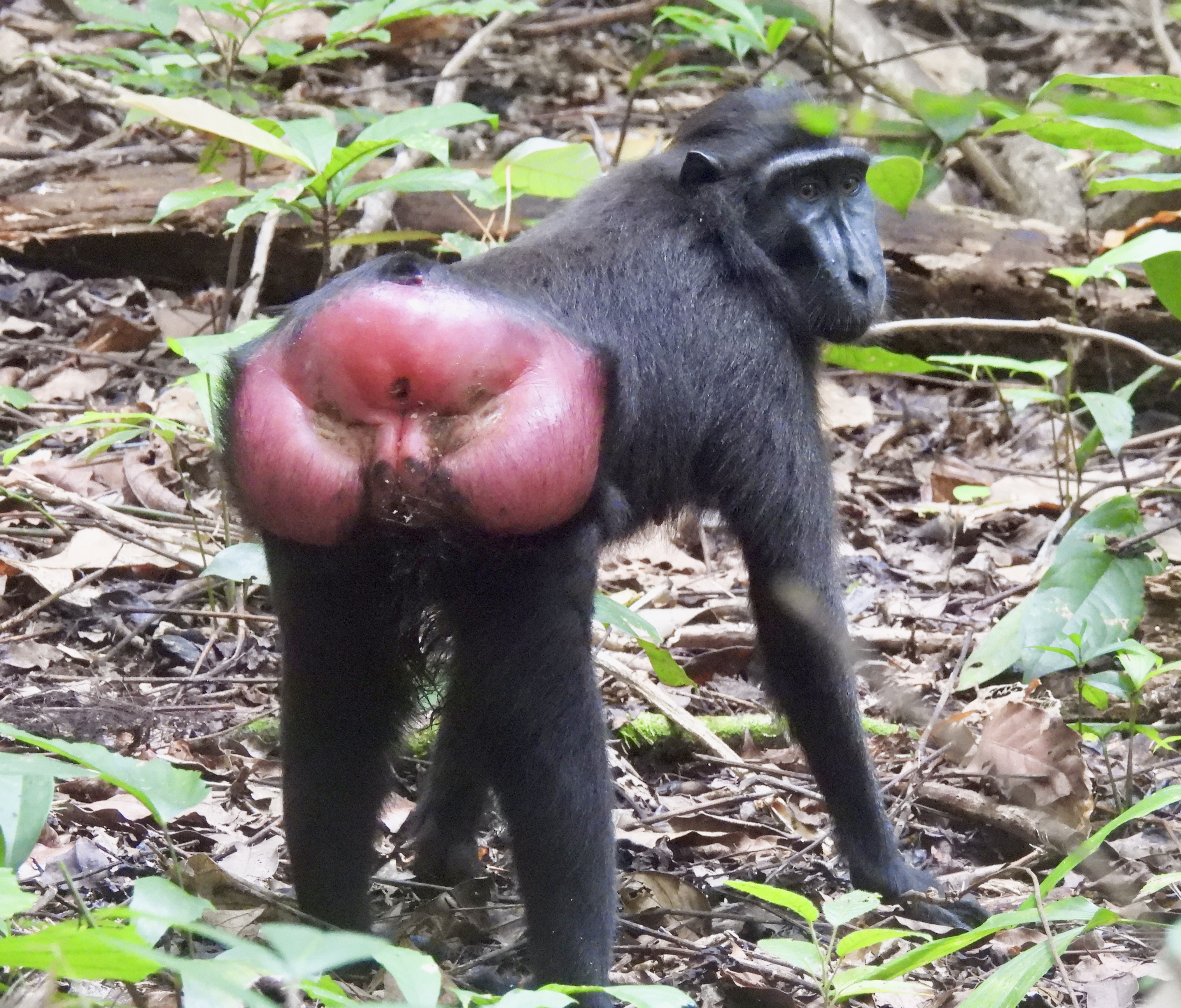
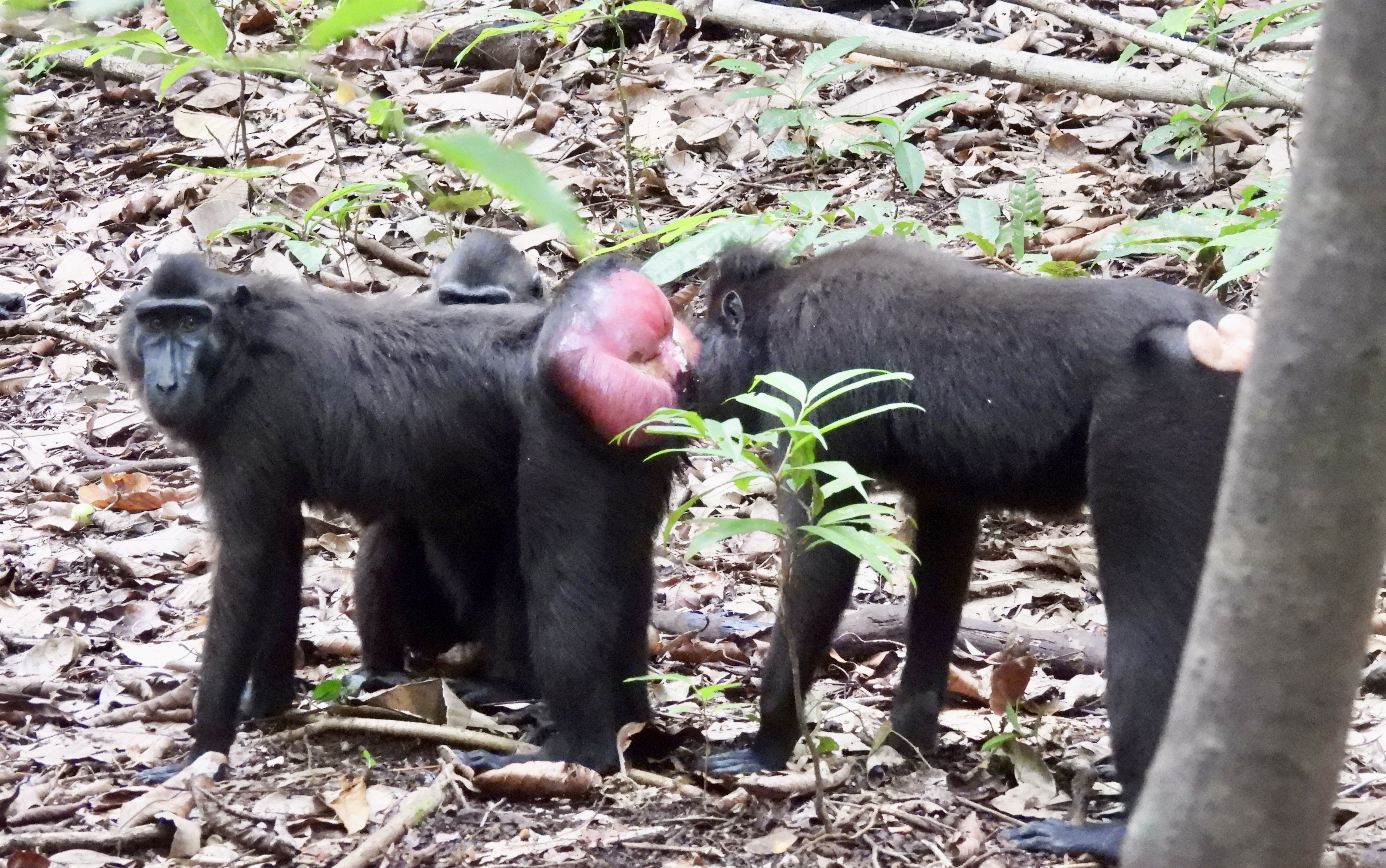
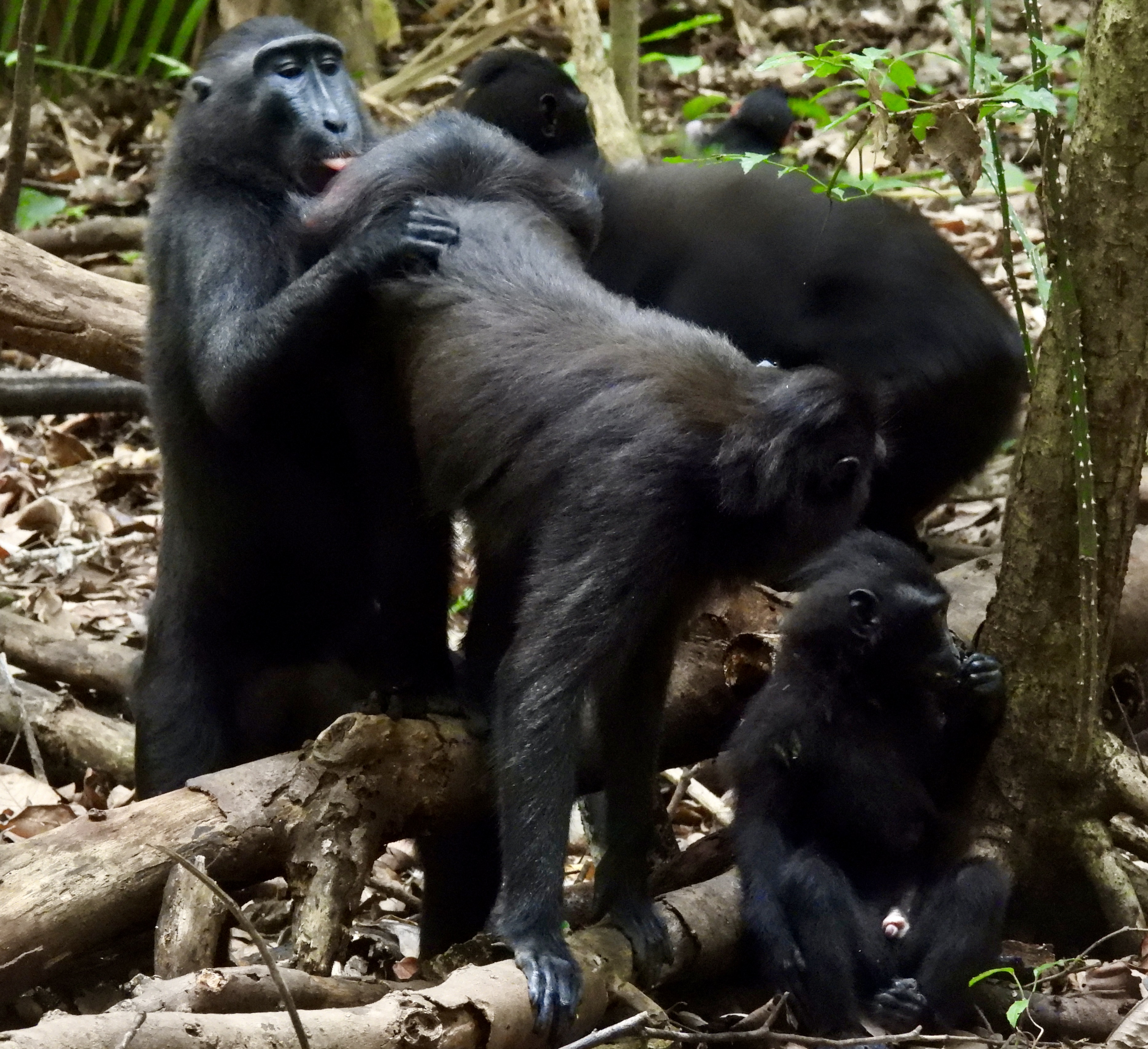
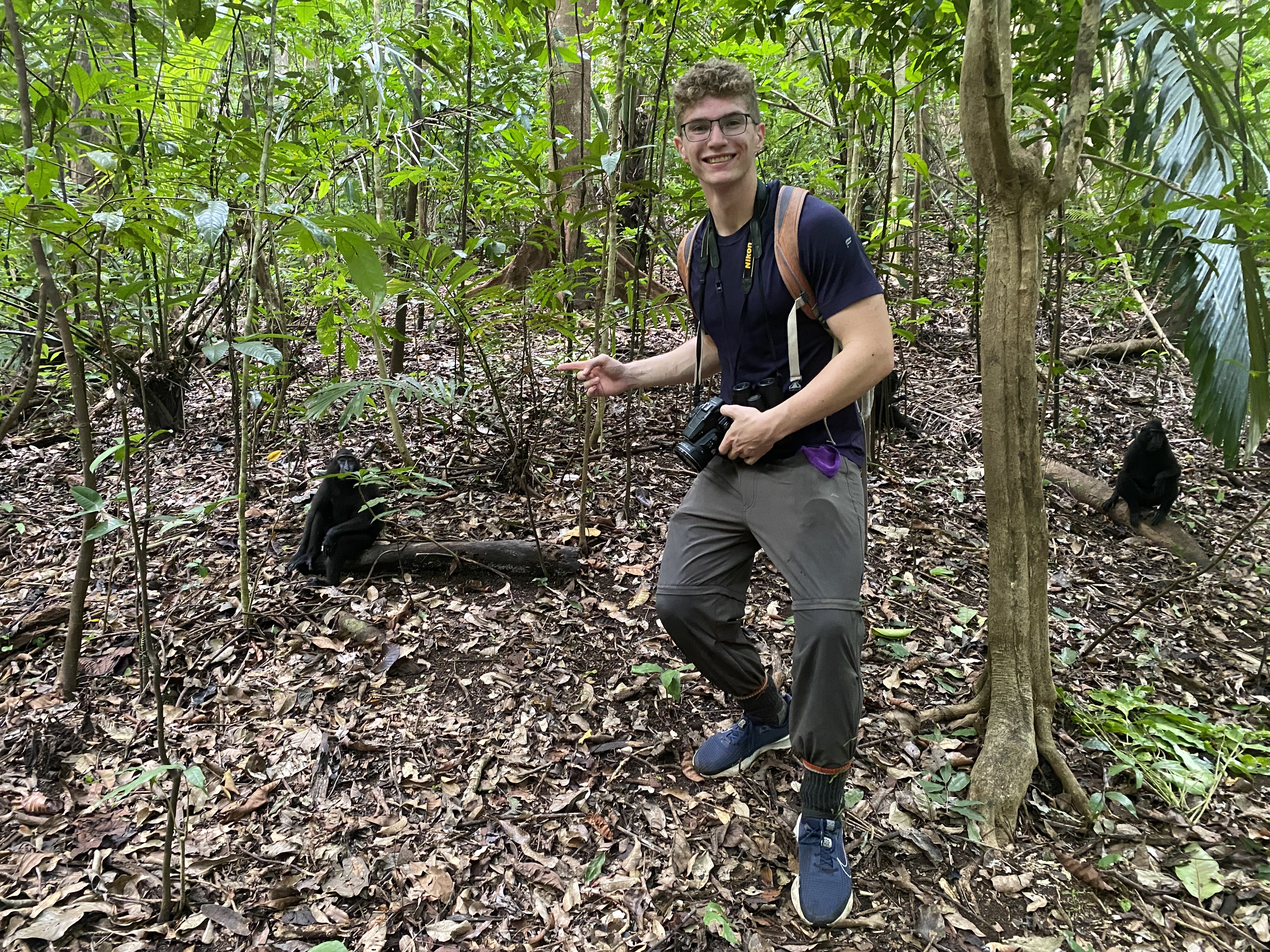
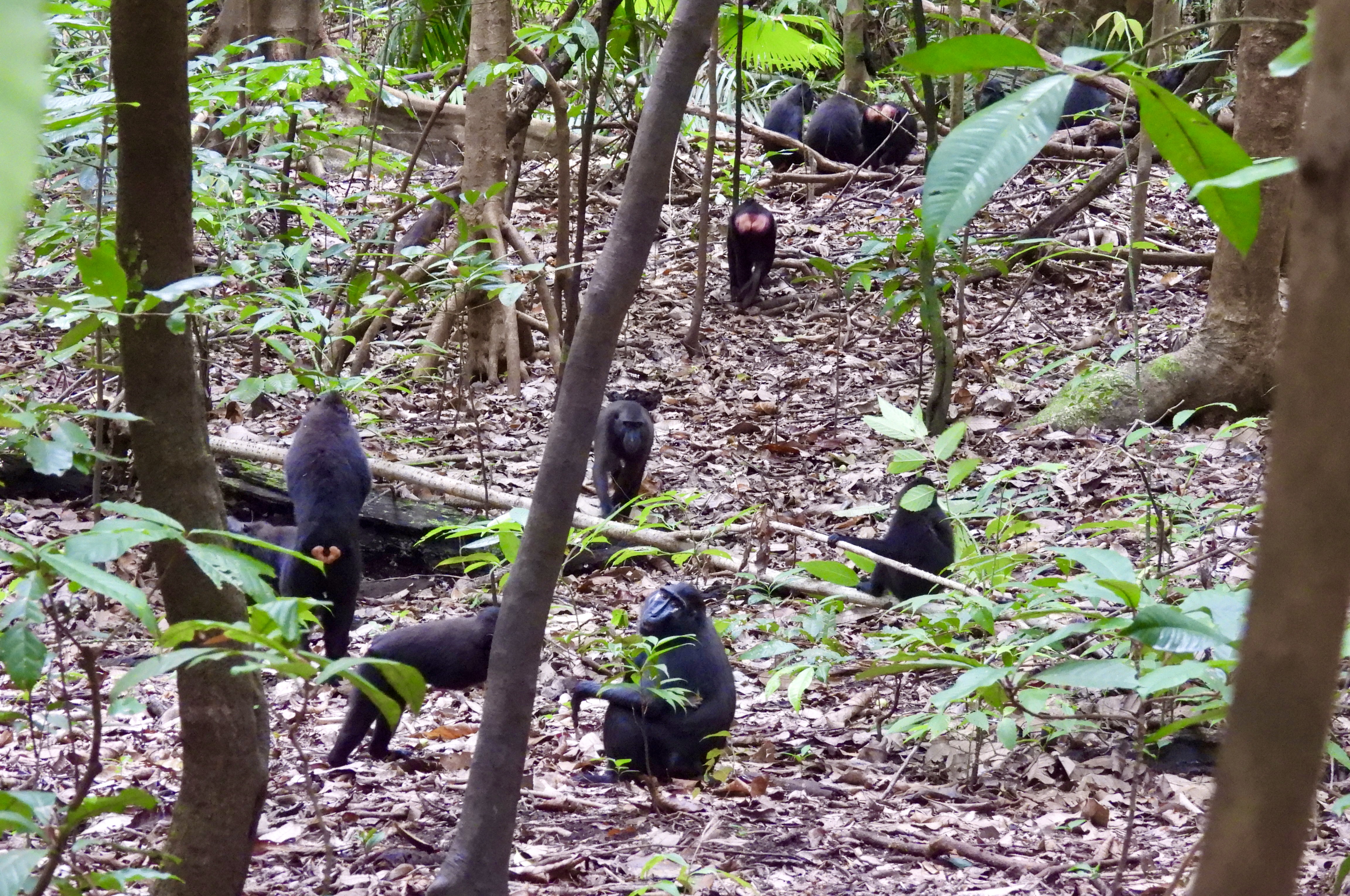
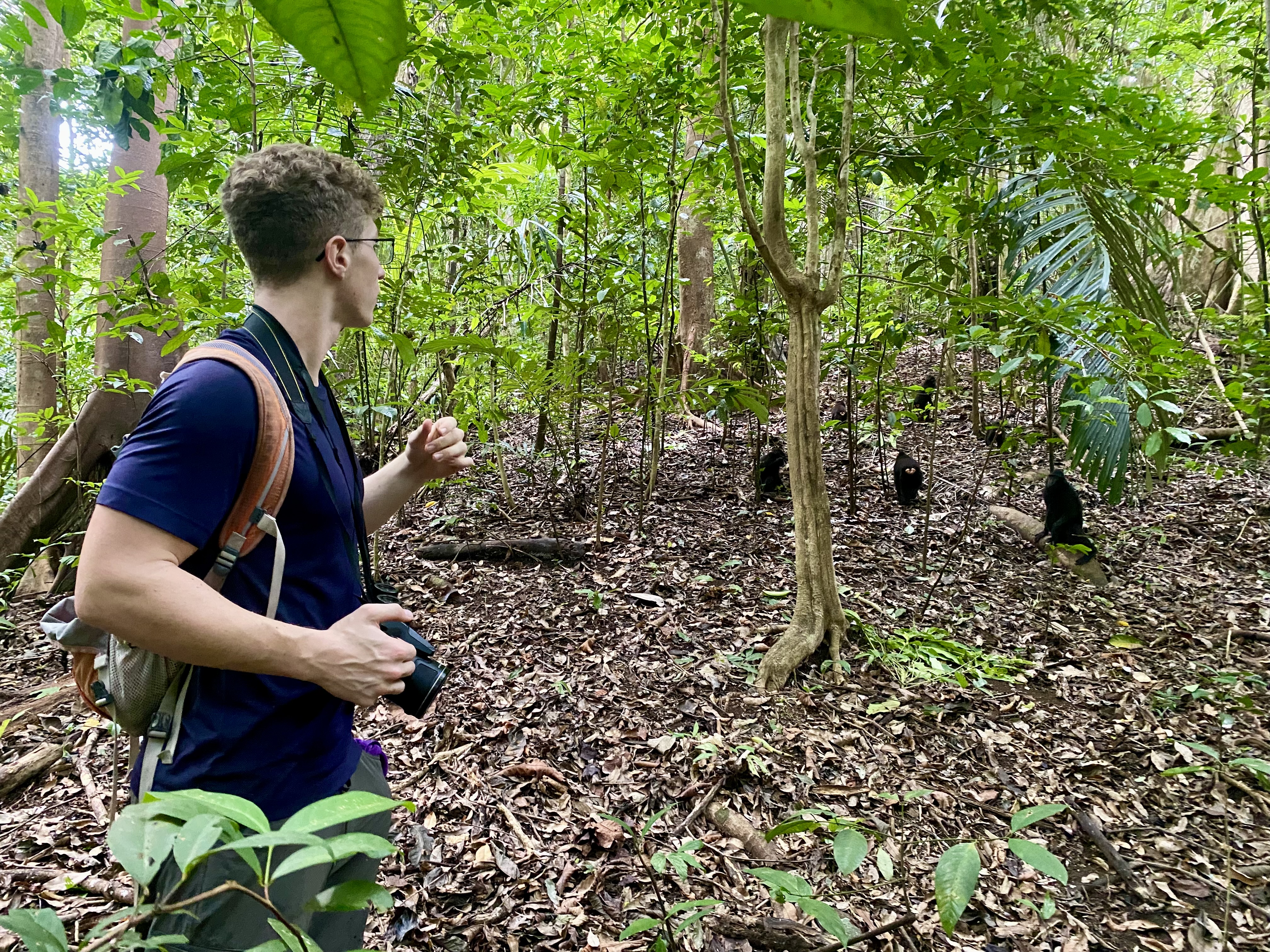
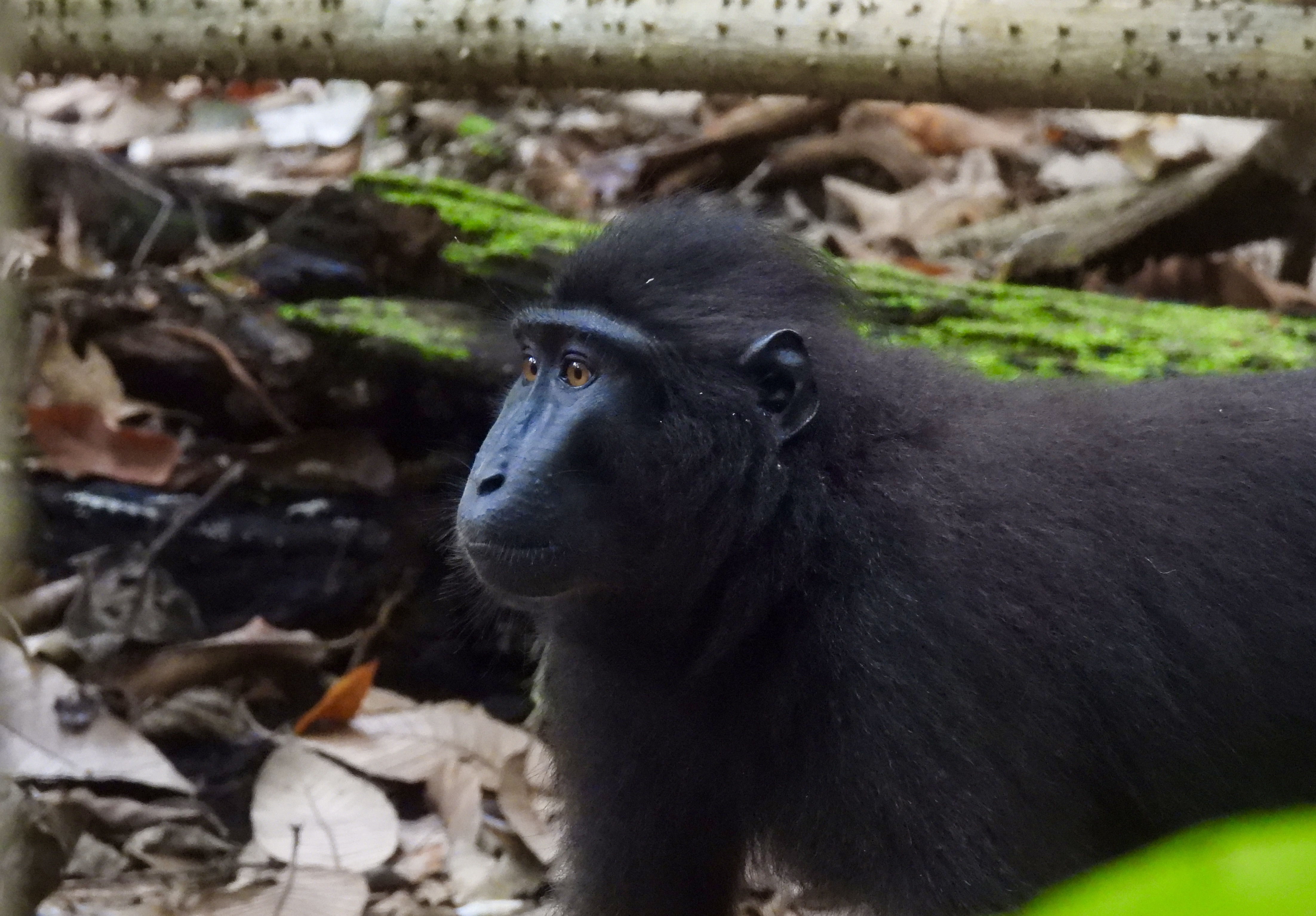
‘Red-butt’ monkeys! AKA Celebes Crested Macaques. Awesome primates.
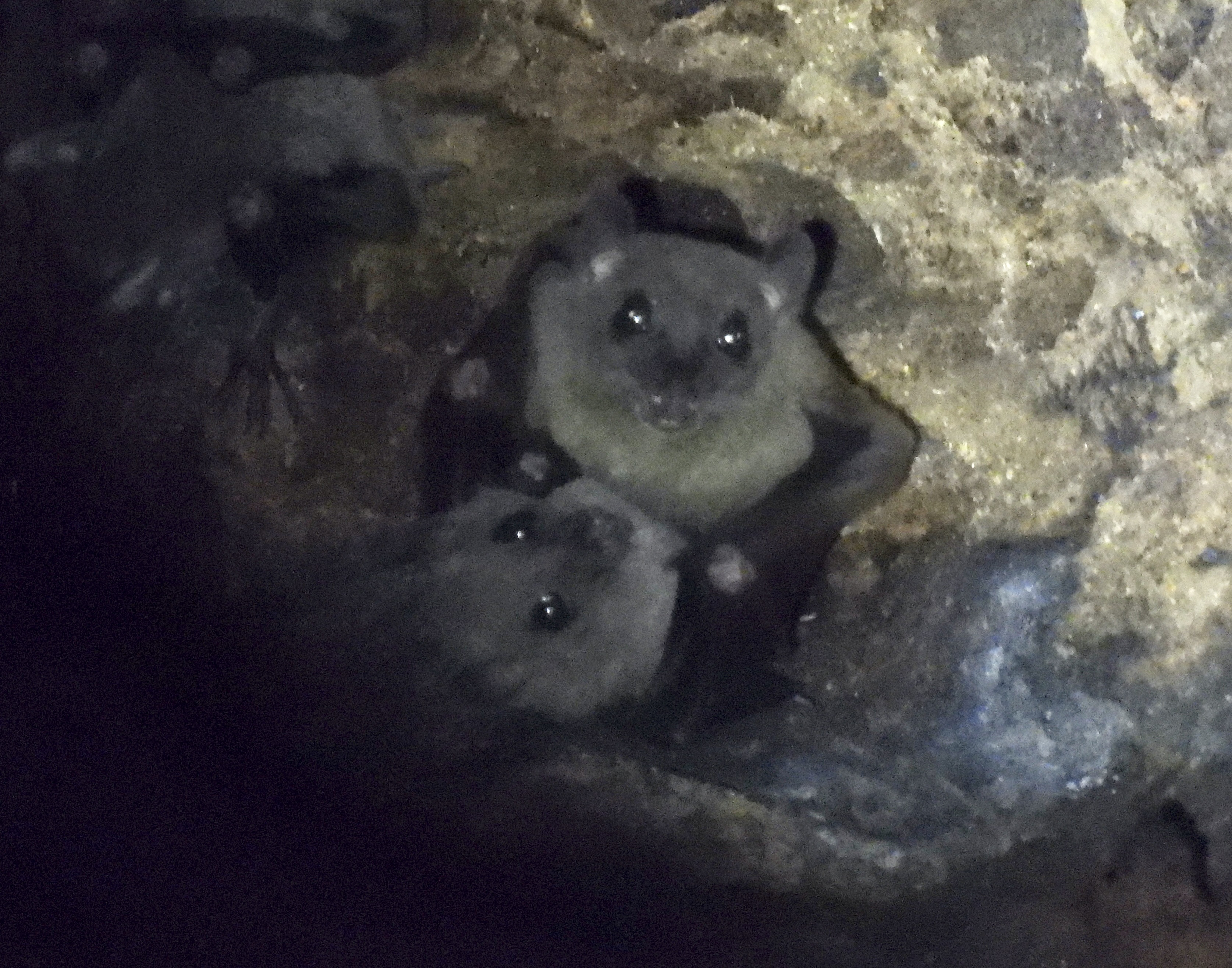

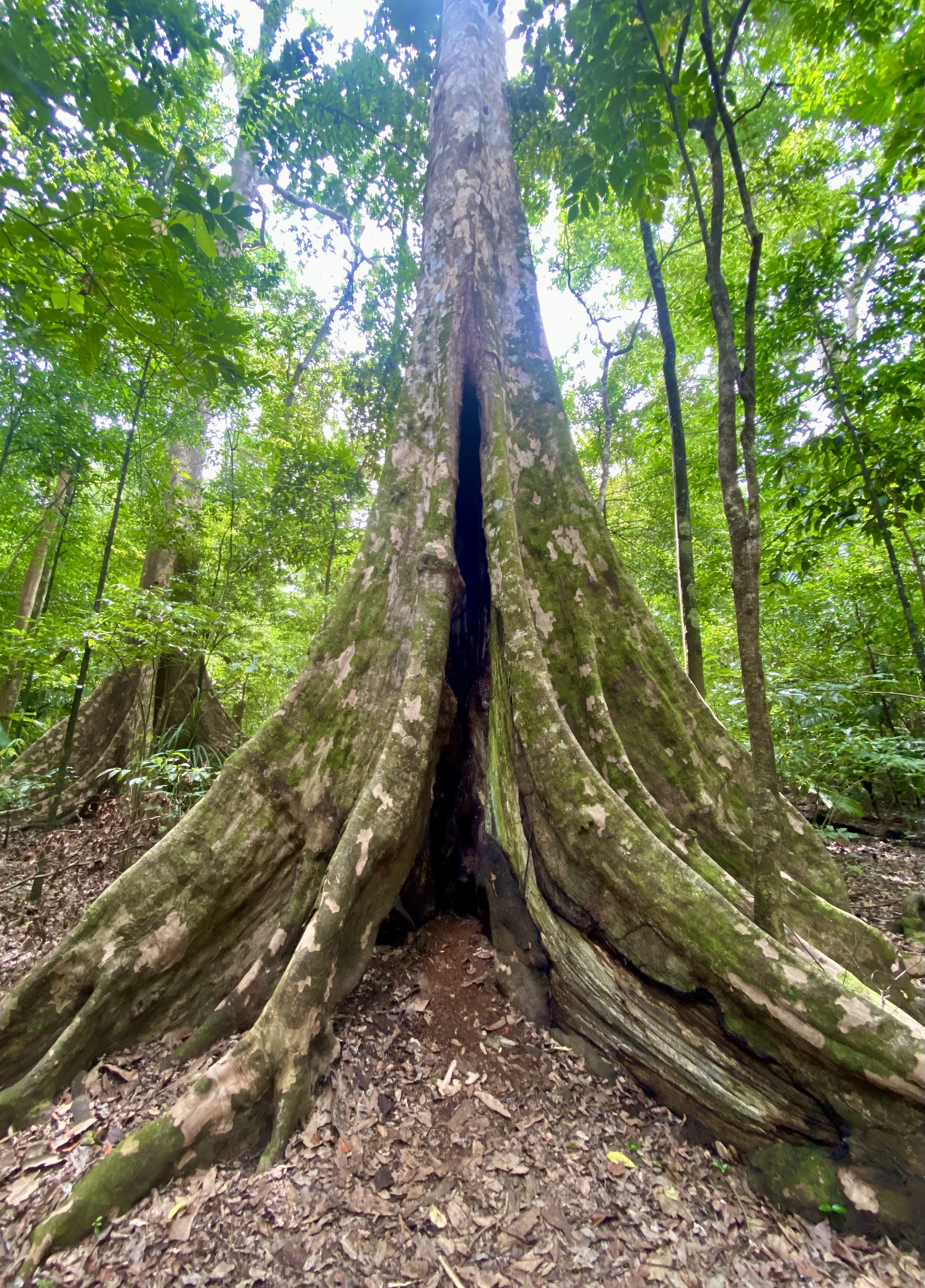
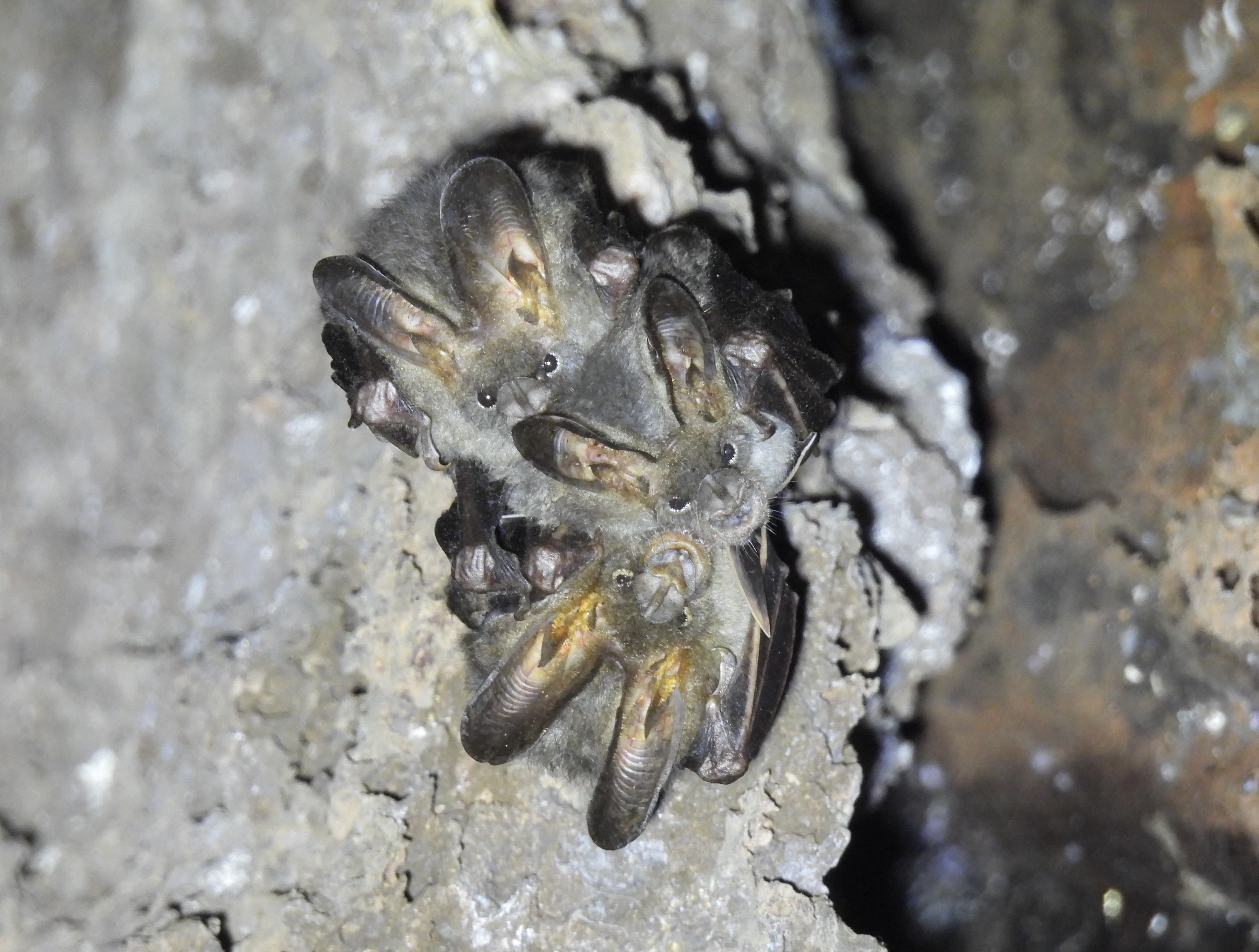
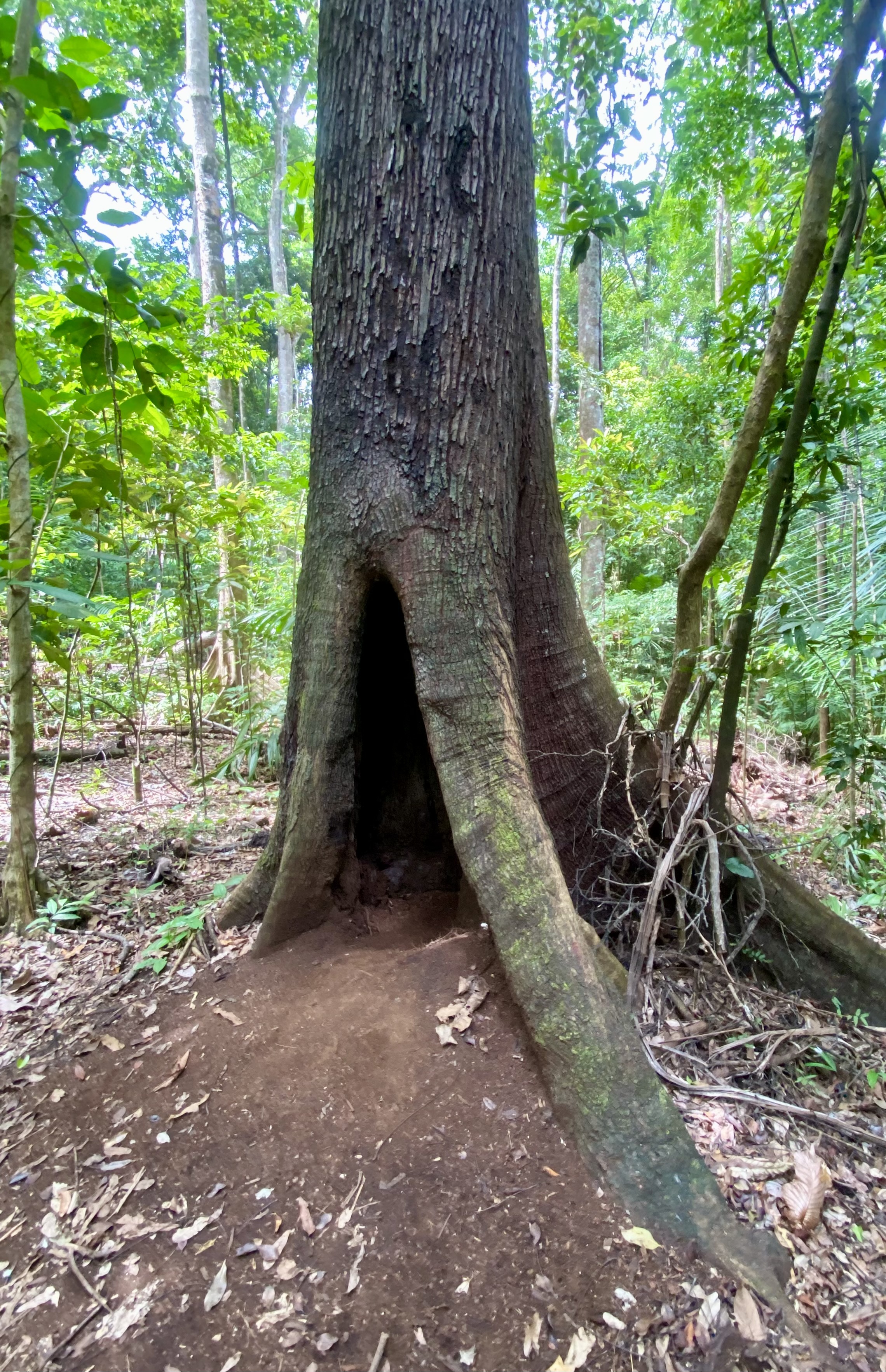
Sulawesi Rousettes (top row) & Lesser False Vampire Bats (bottom left) along with the respective hollowed-out trees we found them in!
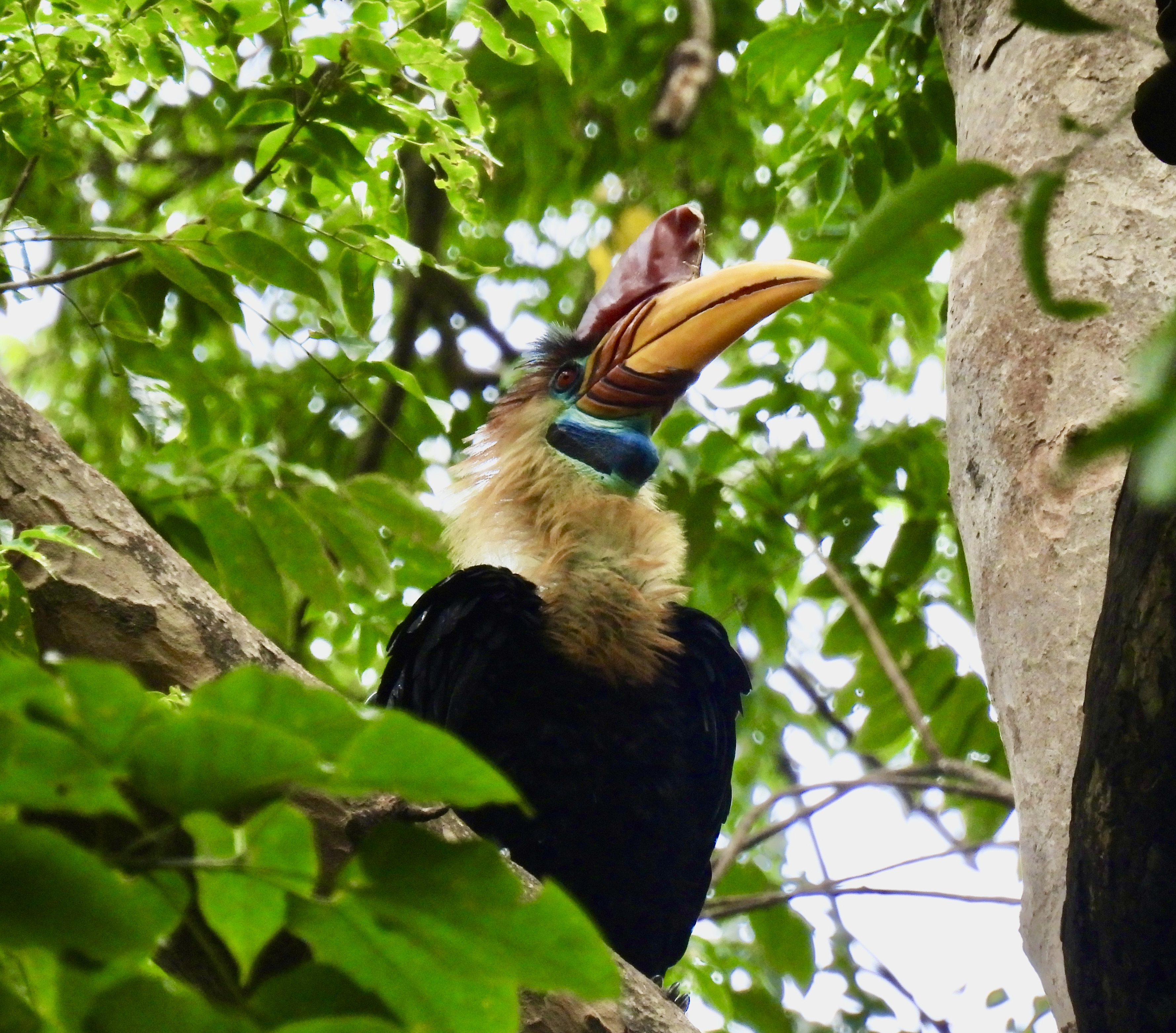
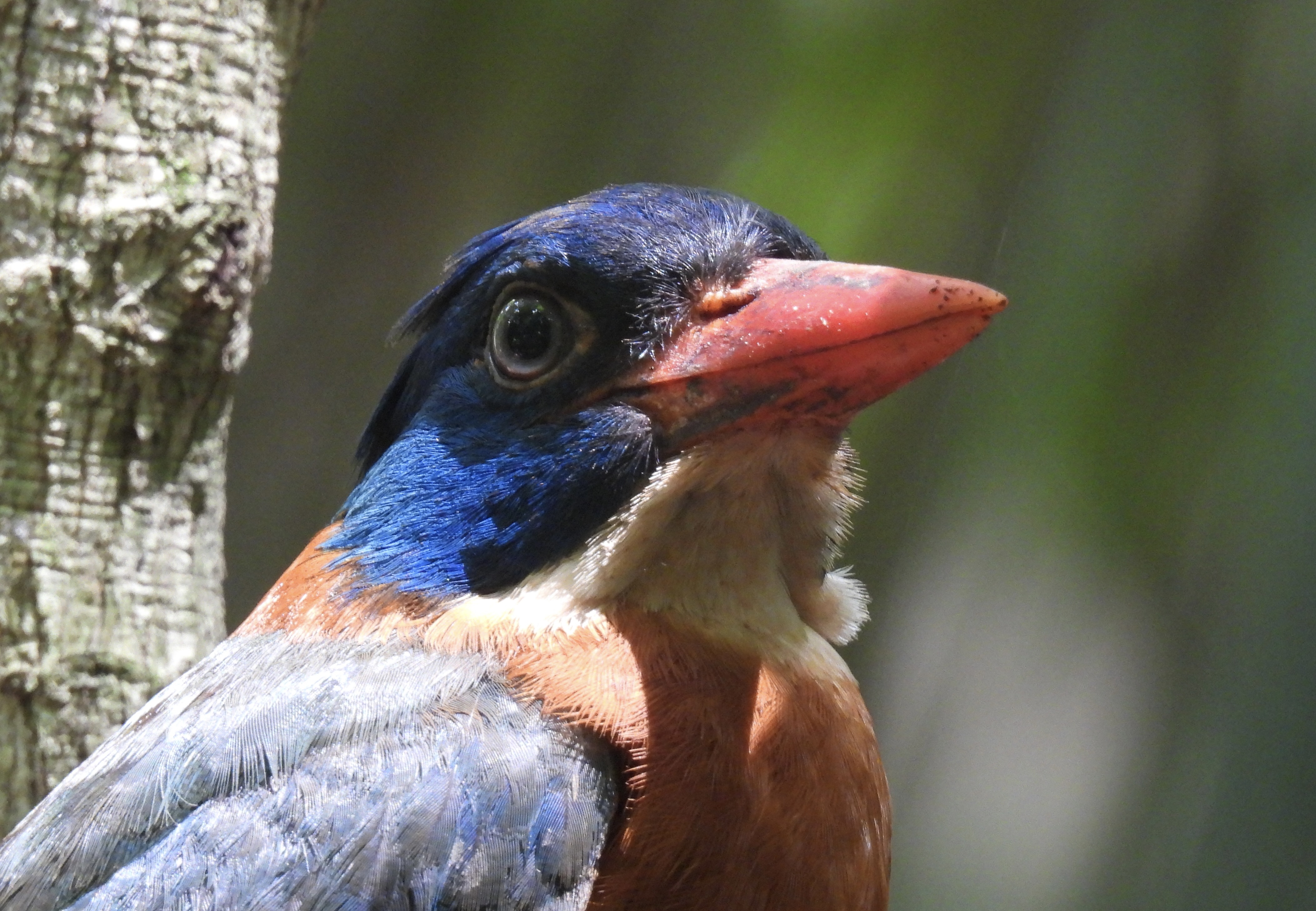
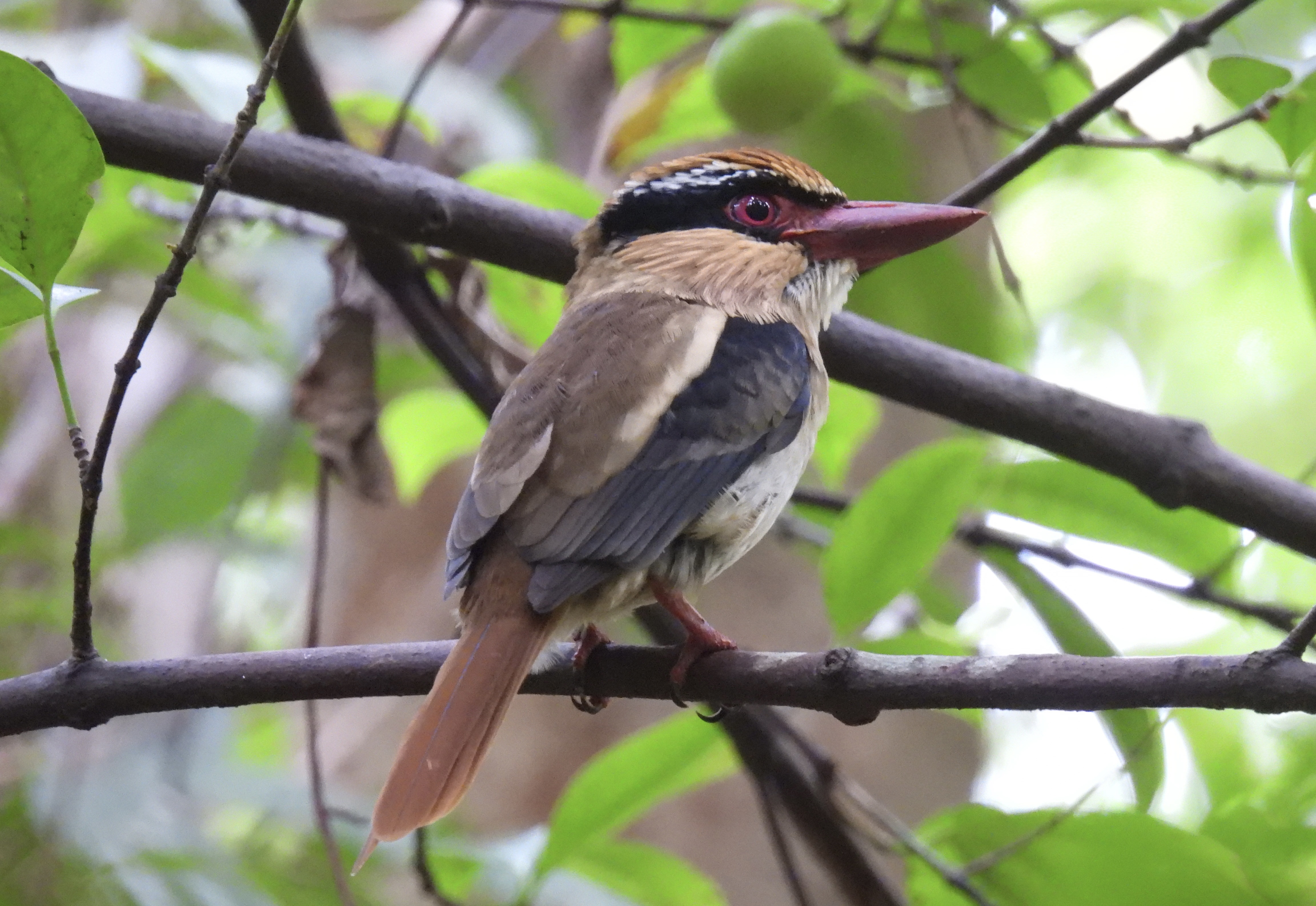
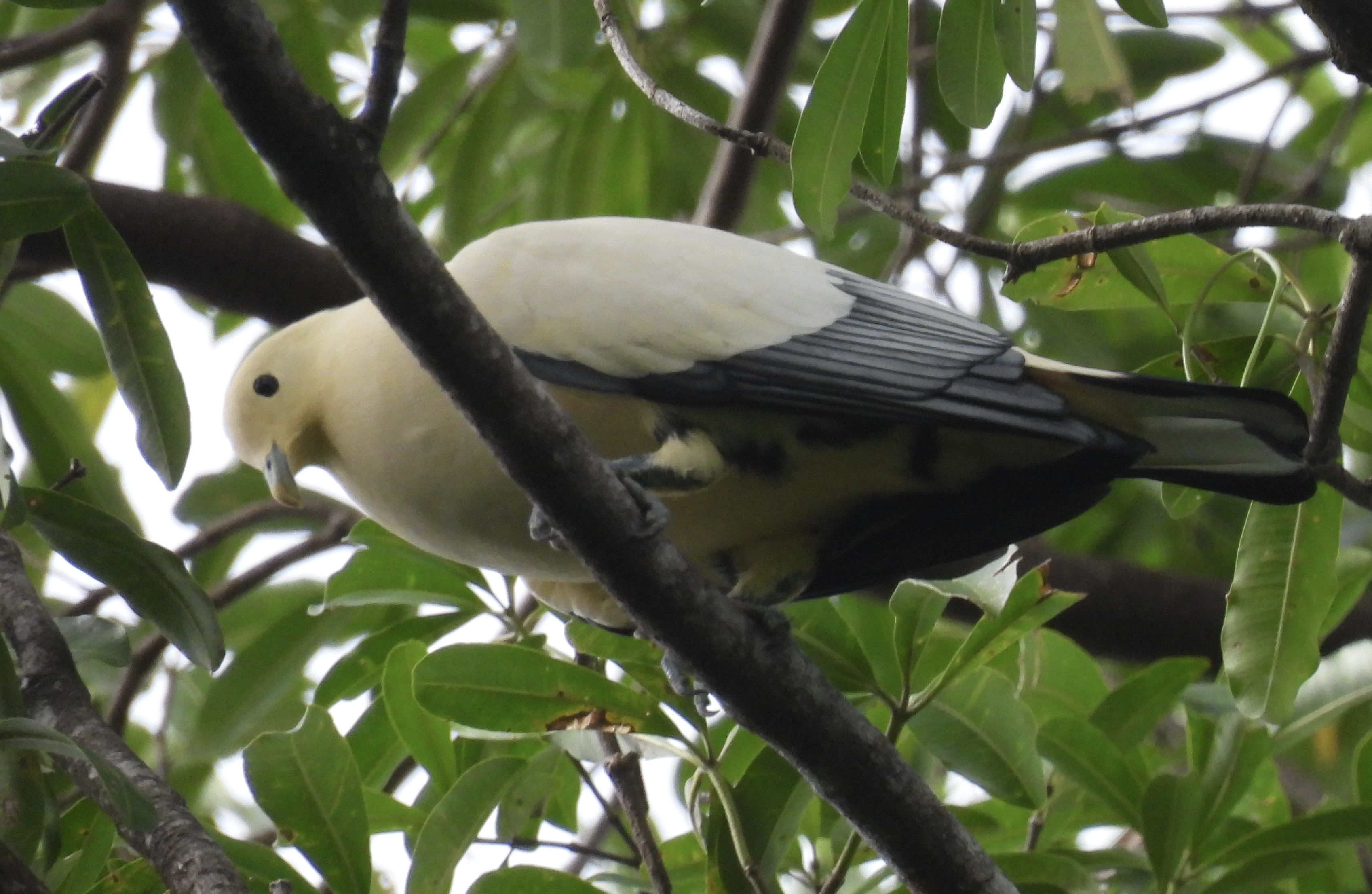
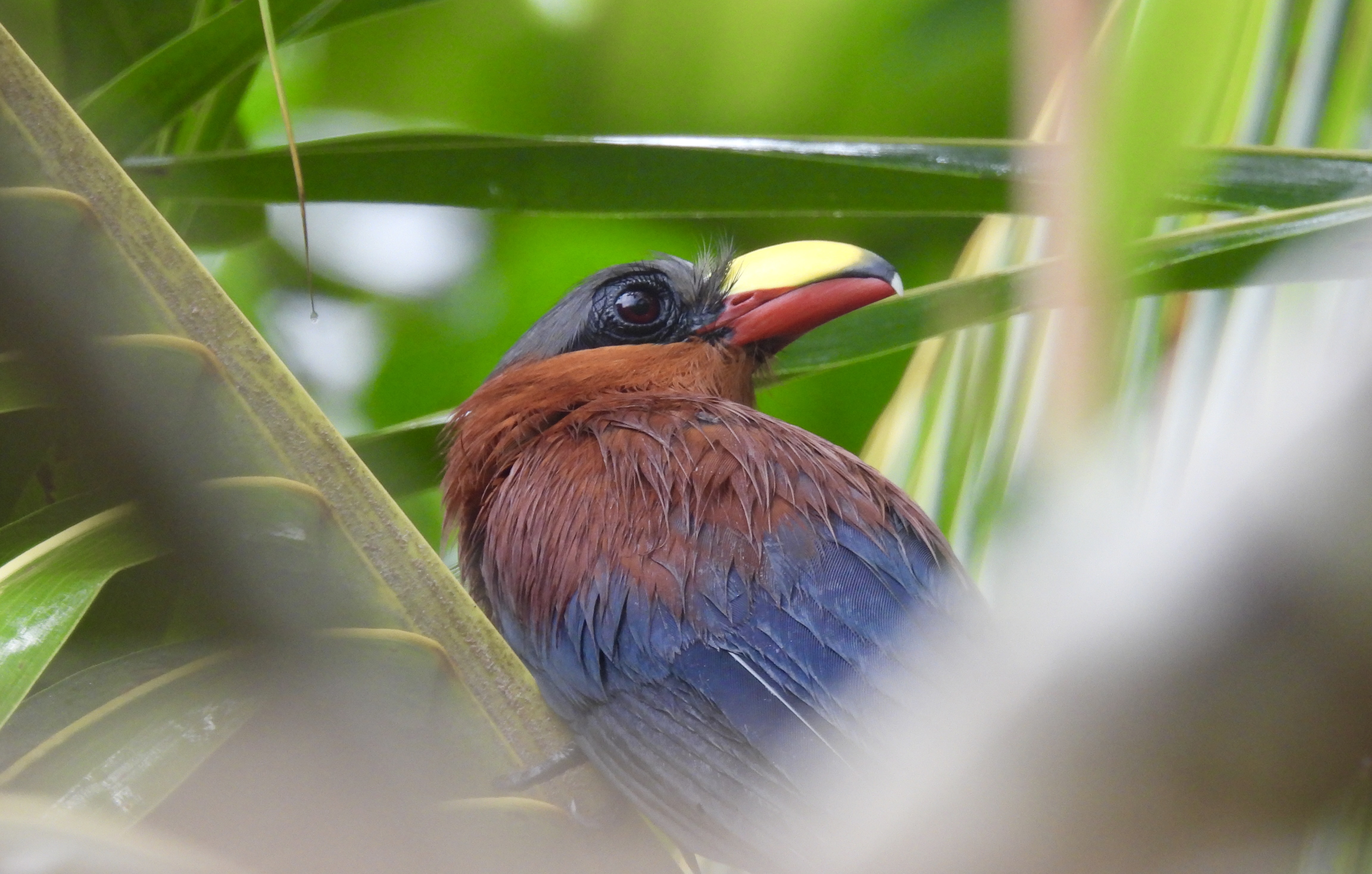
Top Row (left to right in order): Knobbed Hornbill , Green-backed Kingfisher & Sulawesi Lilac Kingfisher
Bottom Row (left to right in order): Ashy Woodpecker, Silver-tipped Imperial Pigeon & Yellow-billed Malkoha
One thing I noted about Tangkoko Nature Reserve during my walk with Ono was the abundance of fruiting trees present. These trees–those that consistently bear fruit like Ficus & Dracontomelon dao–support the locally high densities of frugivorous vertebrates like Celebes Crested Macaques & Knobbed Hornbills. This was unlike other Southeast Asian rainforests I’ve visited, such as those in northern Borneo & southeastern Sumatra, where the forest was composed primarily of giant Dipterocarp trees that fruit only sporadically and often don’t support high densities of frugivores.
I hypothesize that the fertile, volcanic soils of Tangkoko, supplied by the four extinct volcanoes that make up most of the reserve’s area, provides the necessary nutrients for large numbers of fruiting trees. While I’m not certain about the accuracy of my theory, it is an interesting thought.
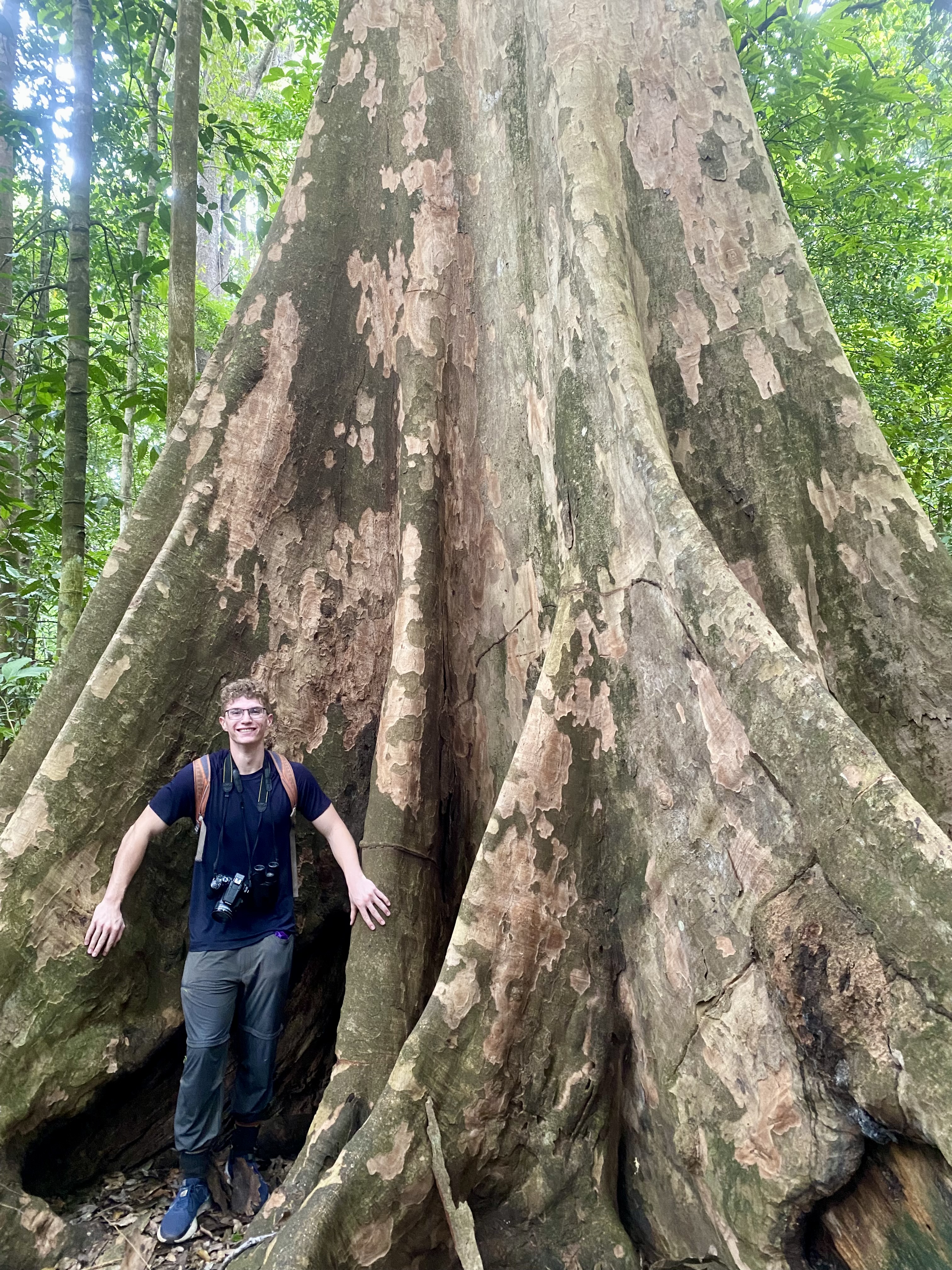
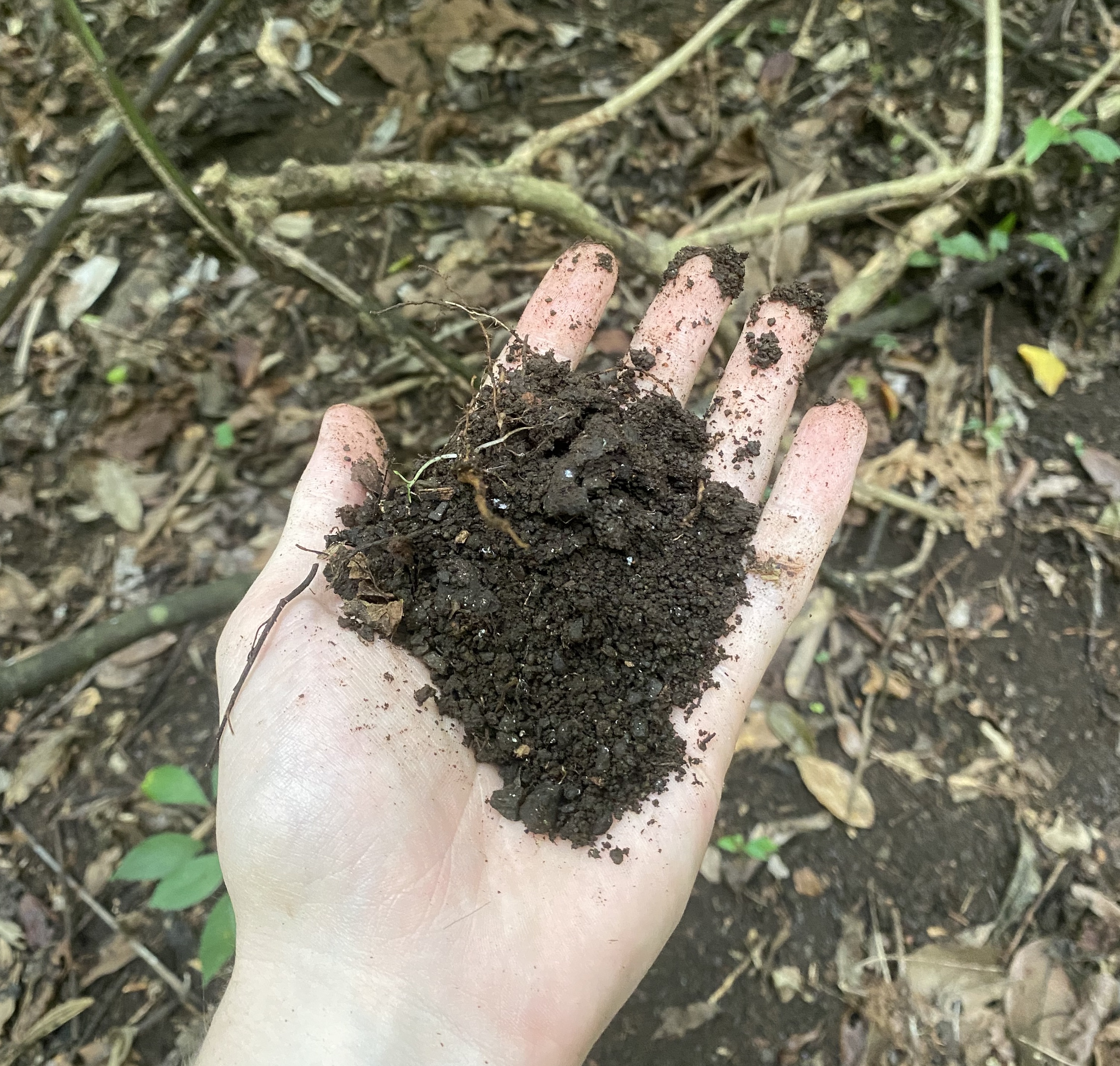
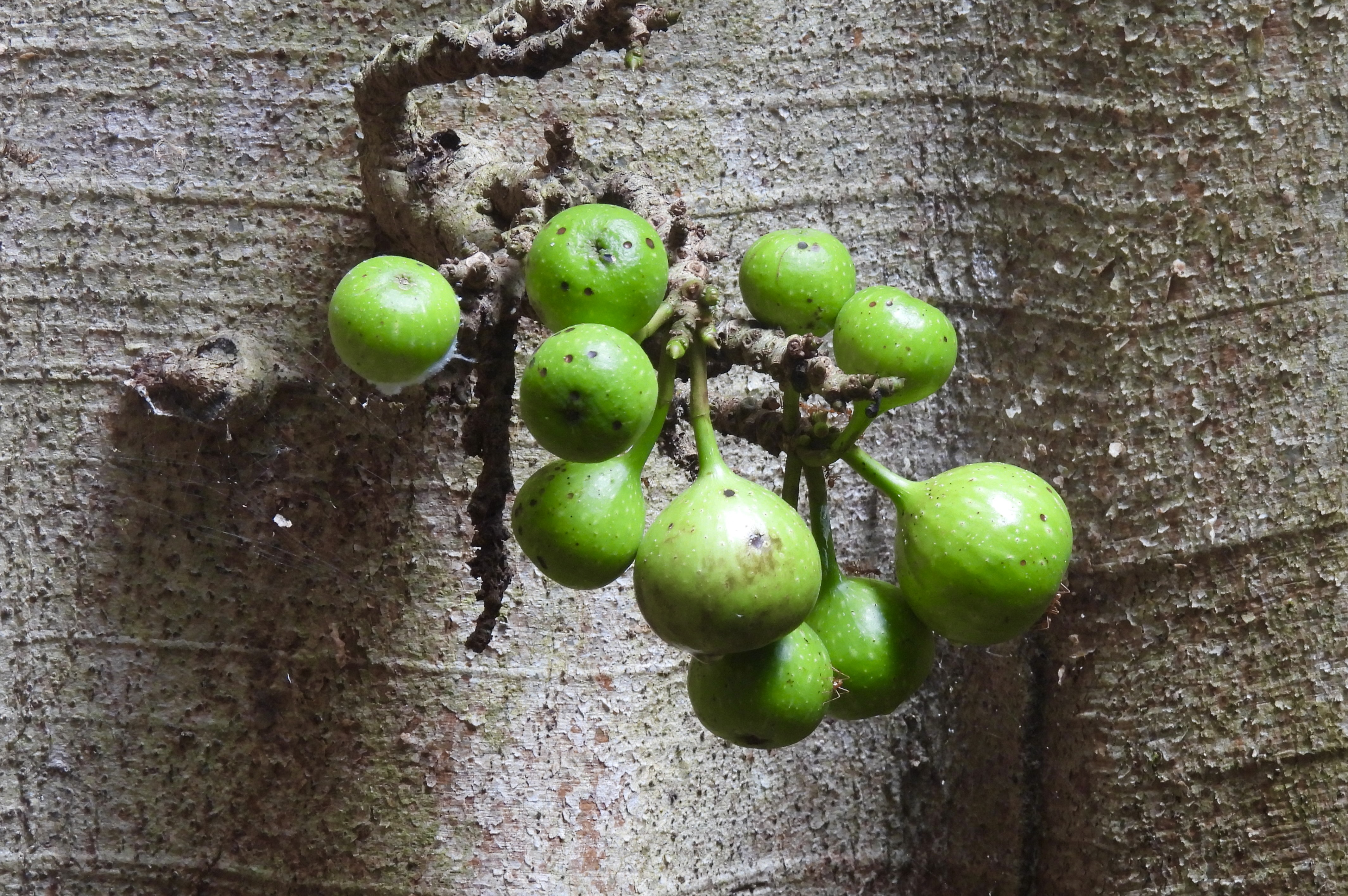
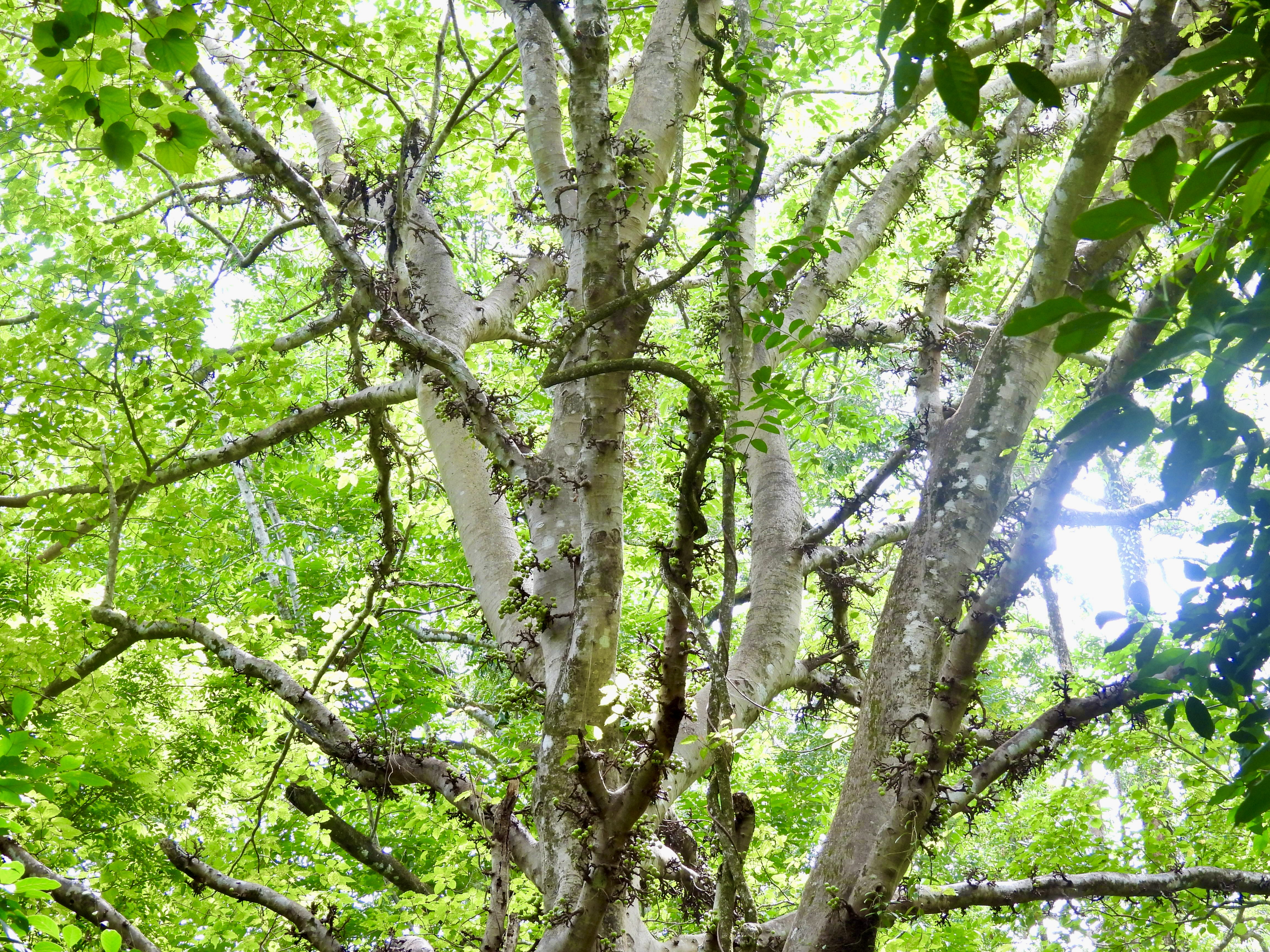
Does volcanic soil (top right) support greater numbers of fruiting trees (left & bottom right), that in turn allow higher densities of frugivorous vertebrates to survive in Tangkoko? I’m not sure, though it’s definitely possible.
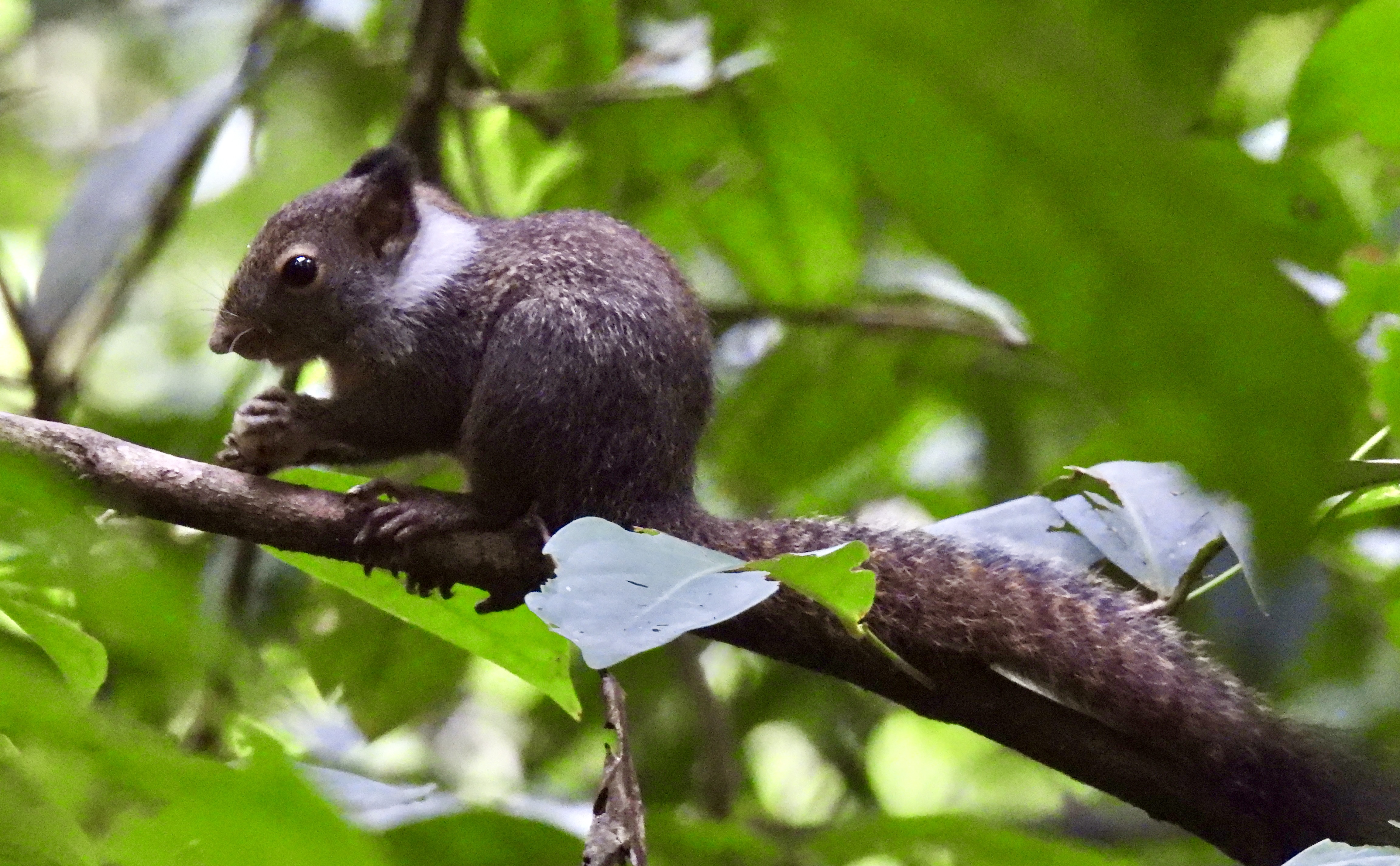
At 12:00pm, Ono and I hiked toward the reserve’s main beach for lunch, I got my first, rather poor views of two Whitish Dwarf Squirrels. During lunchtime, we saw more macaques from a different troop foraging along the beach. After lunch, Ono brought me to a spot to hopefully get better views of a bear cuscus….and we were in luck! He spotted a family of three dozing cuscuses in a tree, which provided nice photos and great, extended views. As we walked back to the parking lot, we encountered more Whitish Dwarf Squirrels, and I got much better views this time including a decent record shot. We checked all the abandoned buildings and pavilions along the main track for more bats, but none were spotted.
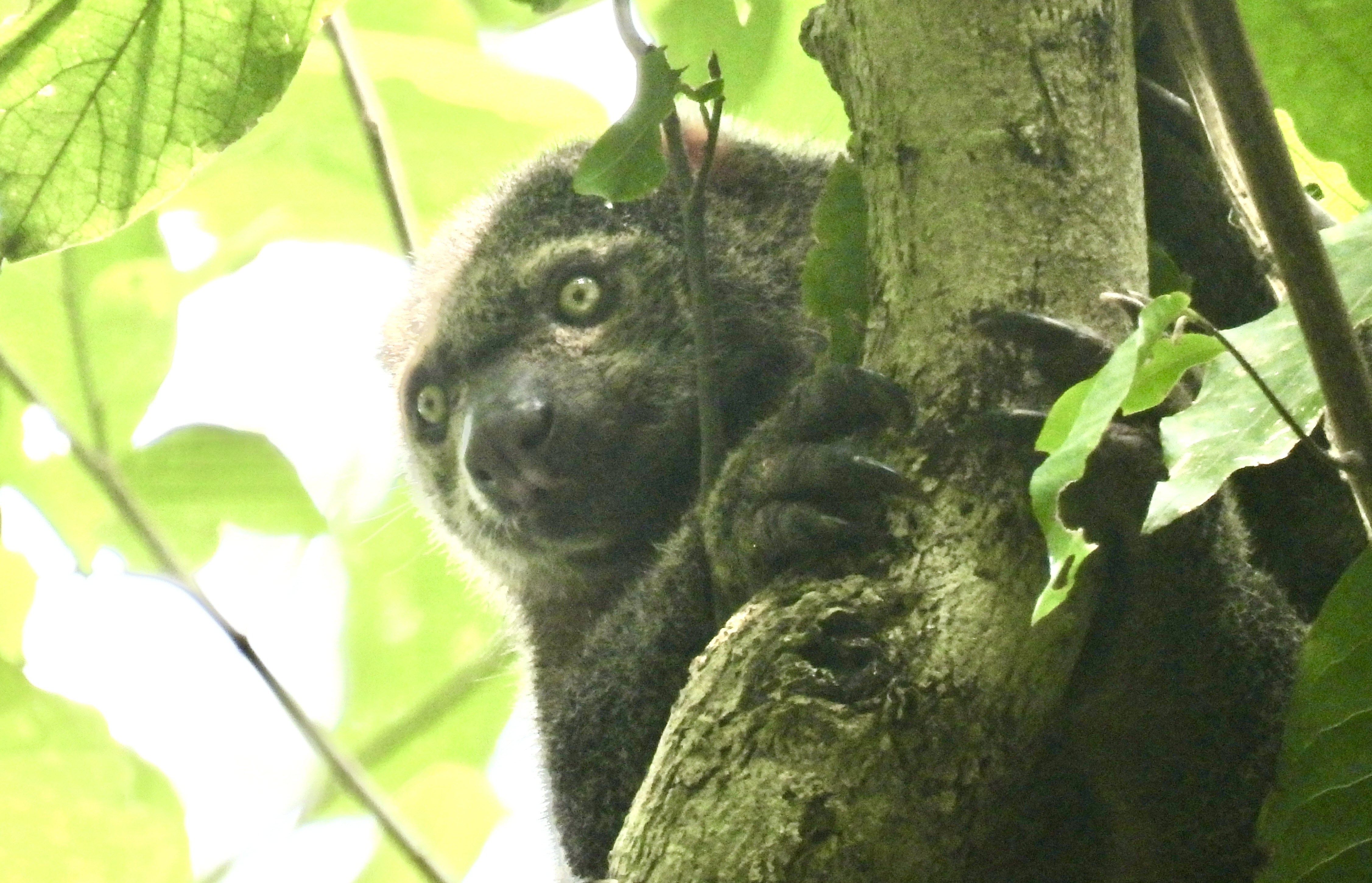
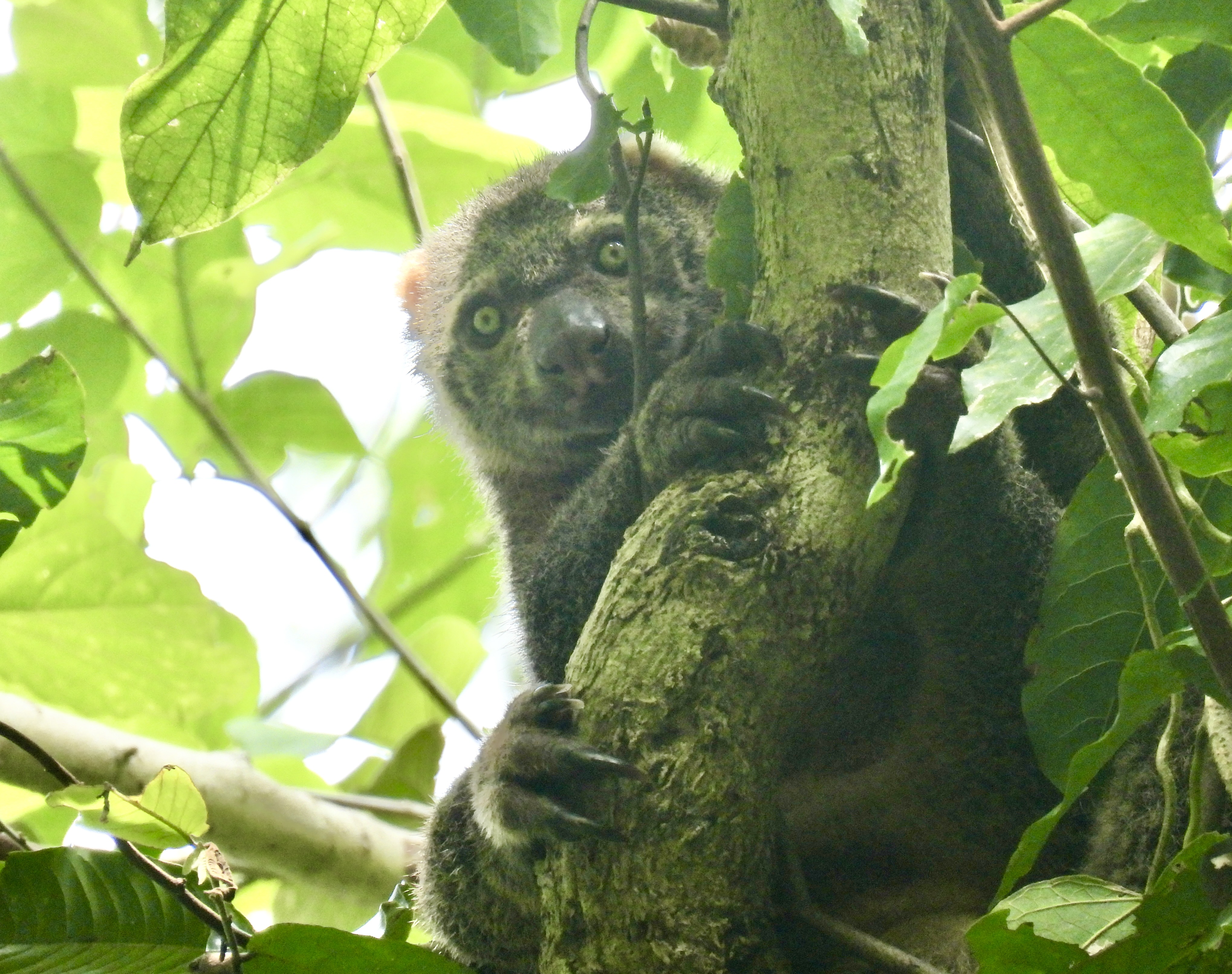
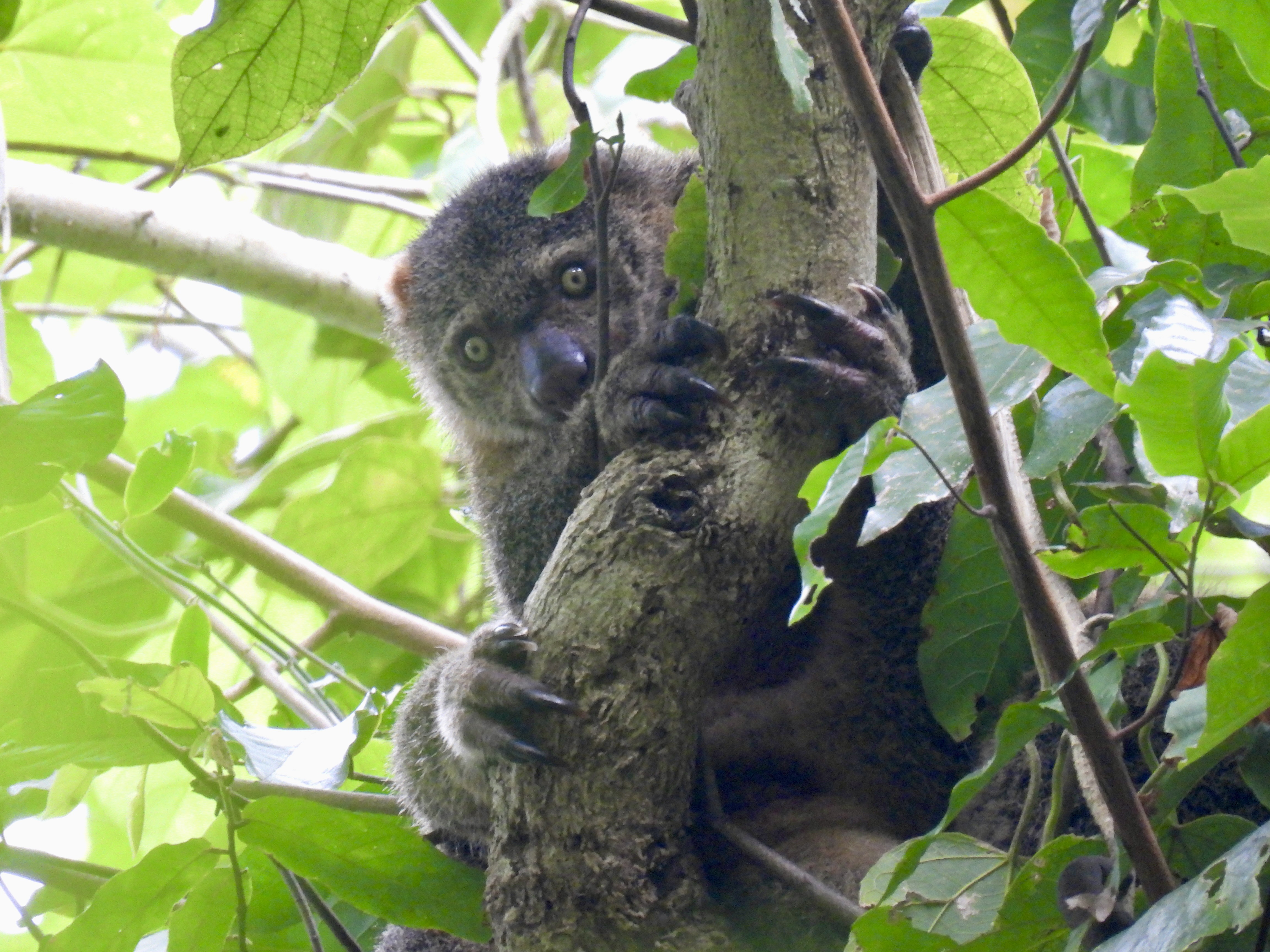
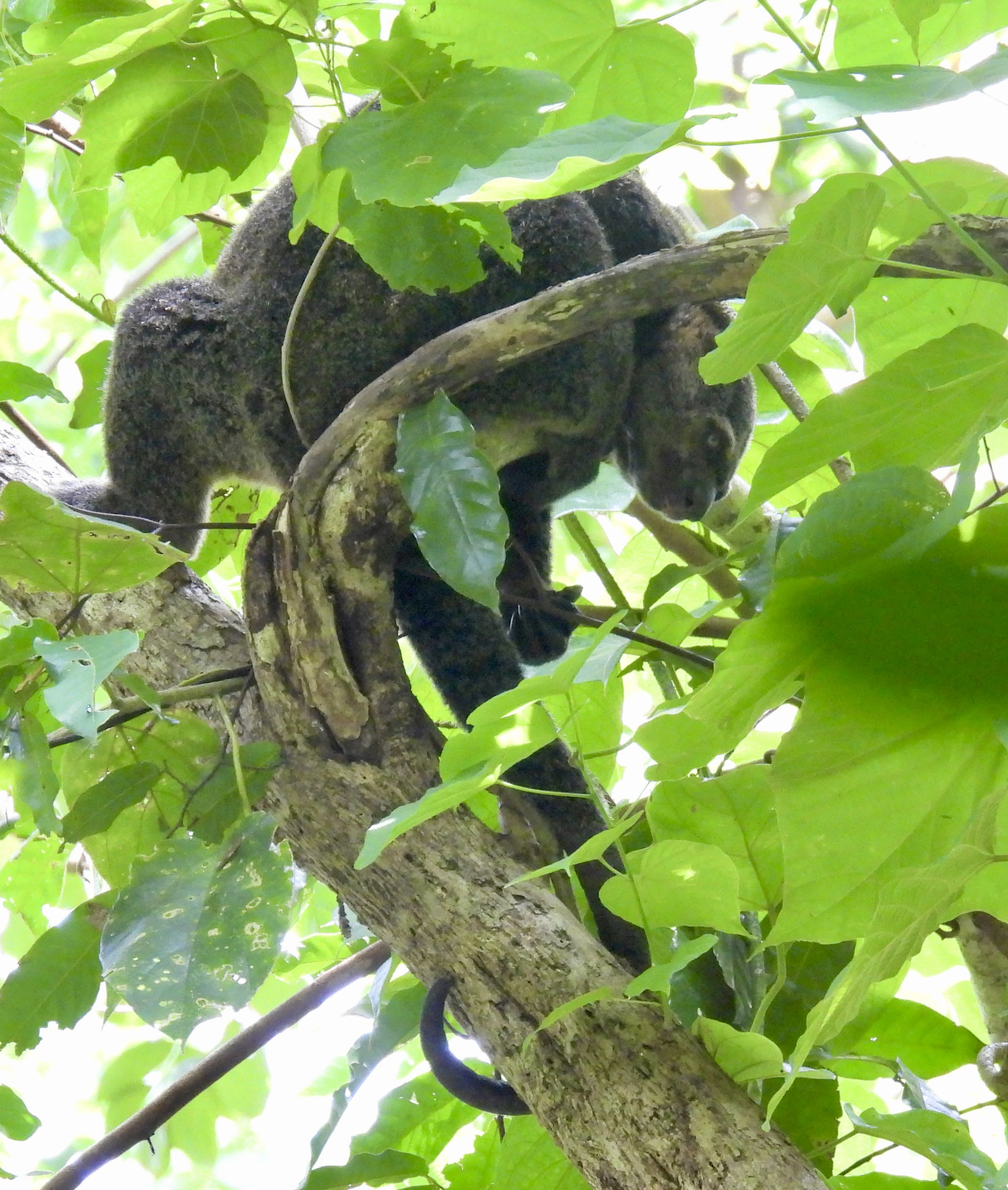
Top row: Sulawesi Bear Cuscus—amazing species and a real privilege to see in the wild.
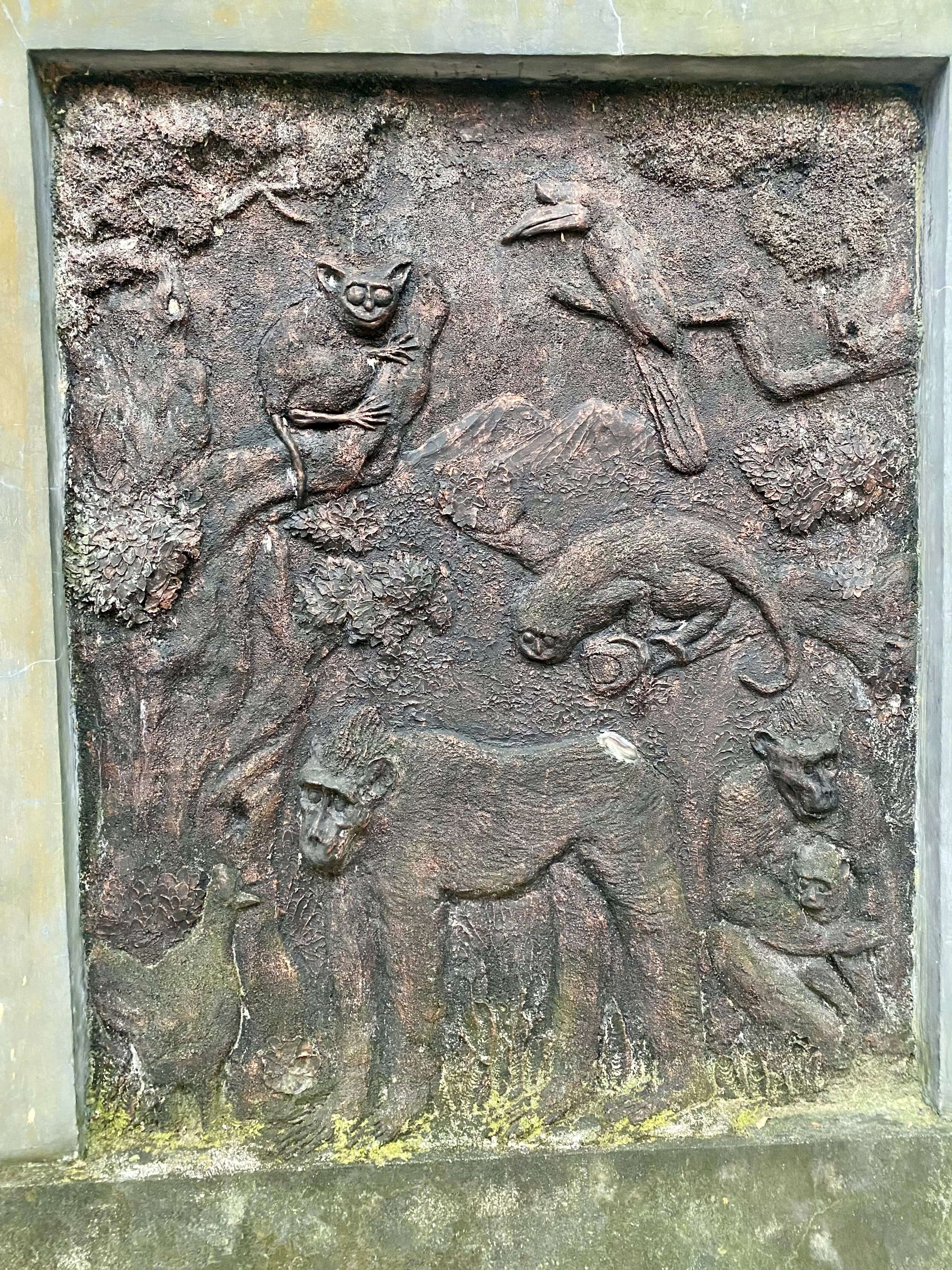
Bottom row: Whitish Dwarf Squirrel (bottom left) & Tangkoko wildlife engraving (bottom right)
Holistically, Day 2 was an excellent day, with five mammal species recorded including all my targets (barring the Celebes Dwarf Squirrel).
As a wildlife-watching destination, Tangkoko Nature Reserve stands out from most other reserves in Asia that I’ve visited, in the sense that you only need to walk a short distance to obtain quality encounters with various threatened mammals/birds. There aren’t many places left on Earth, especially here in Southeast Asia, where one can see all (or most) of the iconic mammals in a nature reserve in a single outing on foot. I personally haven’t experienced this anywhere else outside Costa Rica or South Africa.
I’m glad I dedicated a good portion of my trip to exploring Tangkoko Nature Reserve, and I will definitely be back.
Next stop….Hungayono Forest!
Sulawesi Mammals: (Lifers bolded)
| Common Name: | Scientific Name: |
| 1. Sulawesi Bear Cuscus | Ailurops ursinus |
| 2. Celebes Crested Macaque | Macaca nigra |
| 3. Gorontalo Macaque | Macaca nigrescens |
| 4. Heck’s Macaque | Macaca hecki |
| 5. Gursky’s Spectral Tarsier | Tarsius spectrumgurskyae |
| 6. Long-tailed Taeromys (Celebes Rat) . | Taeromys celebensis |
| 7. Celebes Dwarf Squirrel | Prosciurillus murinus |
| 8. Whitish Dwarf Squirrel | Prosciurillus leucomus |
| 9. Sulawesi Horseshoe Bat | Rhinolophus celebensis |
| 10. Sulawesi Rousette | Pilonycteris celebensis |
| 11. Hardwicke’s Woolly Bat | Kerivoula hardwickii |
| 12. Lesser False Vampire Bat | Megaderma spasma |
Sulawesi Birds: (Lifers bolded)
| Common Name: | Scientific Name: |
| 1. Maleo | Macrocephalon maleo |
| 2. Knobbed Hornbill | Rhyticeros cassidix |
| 3. Sulawesi Hornbill | Penelopides exarhatus |
| 4. Sulawesi Scops Owl | Otus manadensis |
| 5. Sulawesi Dwarf Kingfisher | Ceyx fallax |
| 6. Green-backed Kingfisher | Actenoides monachus |
| 7. Sulawesi Lilac Kingfisher | Cittura cyanotis |
| 8. Pale-blue Monarch | Hypothymis puella |
| 9. White-faced Cuckoo-Dove | Turacoena manadensis |
| 10. Sultan’s Cuckoo-Dove | Macropygia doreya |
| 11. Silver-tipped Imperial Pigeon | Ducula luctuosa |
| 12. Stephan’s Dove | Chalcophaps stephani |
| 13. Sulawesi Ground Dove | Gallicolumba tristigmata |
| 14. Green Imperial Pigeon (Chestnut-naped subspecies) | Ducula aenea paulina |
| 15. Yellow-sided Flowerpecker | Dicaeum aureolimbatum |
| 16. Sulawesi Babbler | Pellorneum celebense |
| 17. Yellow-billed Malkoha | Phaenicophaeus calyorhynchus |
| 18. Black-billed Koel | Eudynamys melanorhynchus |
| 19. Ivory-backed Woodswallow | Artamus monachus |
| 20. Finch-billed Myna | Scissirostrum dubium |
| 21. White-necked Myna | Streptocitta albicollis |
| 22. Azure-rumped Parrot | Tanygnathus sumatranus |
| 23. Ashy Woodpecker | Mulleripicus fulvus |
| 24. Sulawesi Blue Flycatcher | Cyornis omissus |
| 25. Sulawesi Nightjar | Caprimulgus celebensis |
| 26. Sahul Sunbird | Cinnyris frenatus |
| 27. Black-faced Munia | Lonchura molucca |
| 28. Chestnut Munia | Lonchura atricapilla |
| 29. Gray Wagtail | Motacilla cinerea |
| 30. Hair-crested Drongo (White-eyed Sulawesi morph) | Dicrurus hottentottus leucops |
| 31. Collared Kingfisher | Todiramphus chloris |
| 32. Philippine Megapode | Megapodius cumingii |
| 33. Spotted Dove | Spilopelia chinensis |
| 34. Eurasian Tree Sparrow | Passer montanus |
| 35. Little Egret | Egretta garzetta |
| 36. Eastern Cattle Egret | Bubulcus coromandus |
| 37. Pacific Reef Heron | Egretta sacra |
| 38. Eastern Red-rumped Swallow | Cecropis daurica |
| 39. Barn Swallow | Hirundo rustica |
 Bennett Gardner Wildlife Watching
Leave a comment