
As I’ve mentioned before on earlier blog posts & other sections of my blog, I will soon be attending the University of Queensland, Australia to study zoology. It’s crazy to think that in less than a month from now (January 21st), I will be starting on the path toward my dream major/career in a nation I’ve never lived in before!
Over the winter holidays (December 25th, 2024-January 9th, 2025) my family embarked on a road trip through eastern Australia, from Sydney, New South Wales, to Noosa Heads, Queensland and later to Brisbane (where my university is located). This allowed us to get to know the country I will soon be living in.
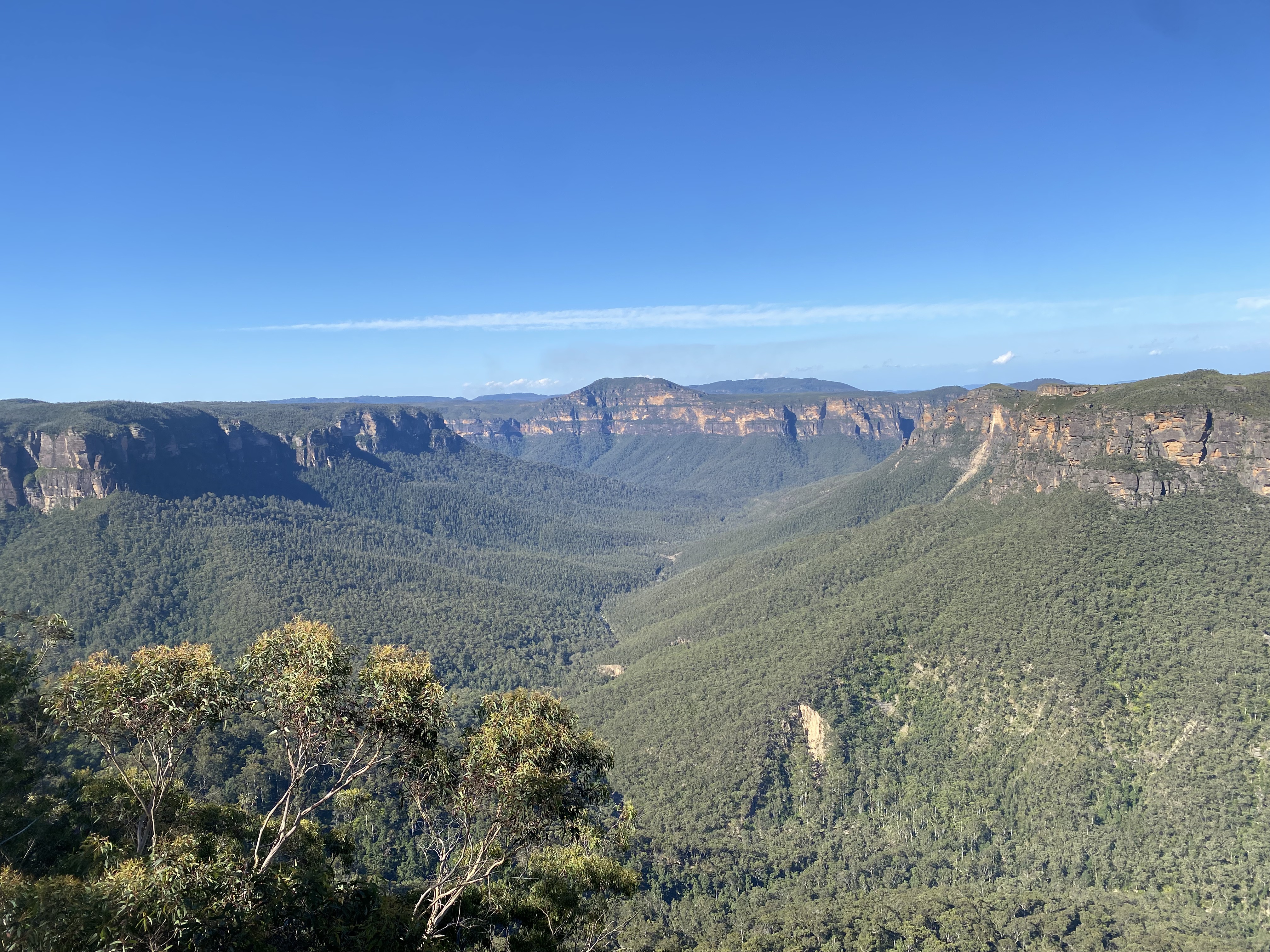
The spectacular Blue Mountains of New South Wales; one of the stops on our road trip.
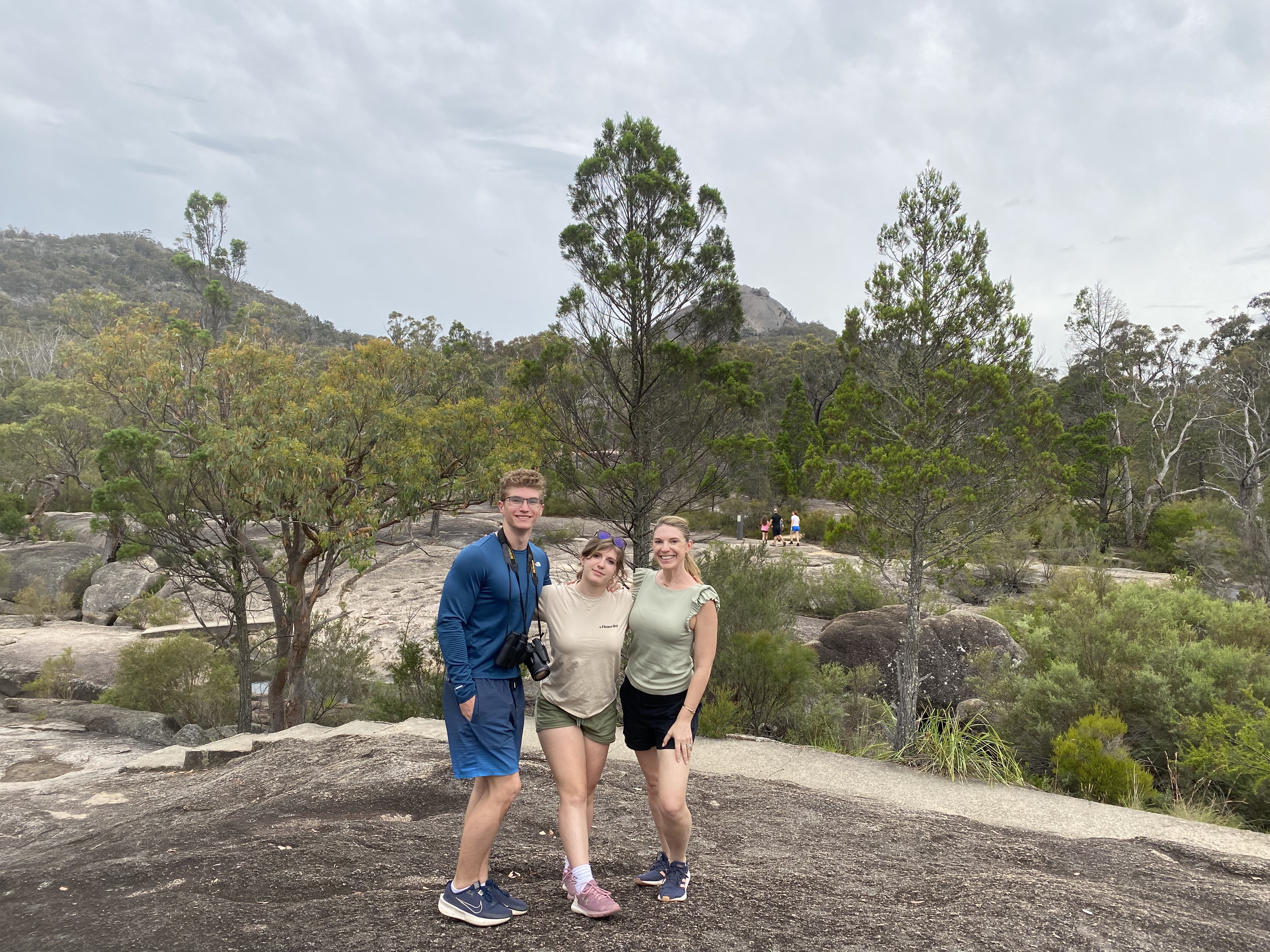

Girraween National Park, Queensland; another one of our road trip stops between Sydney & Noosa Heads
Toward the end of our Australian road trip, we spent two nights exploring one of the most biologically-rich and breathtaking ecosystems on the entire Australian continent: the Gondwana Rainforest. Stretching 300 miles north-to-south, from extreme southeastern Queensland to Newcastle in New South Wales, the Gondwana Rainforest is the largest subtropical rainforest on Earth. Though drastically reduced in size from its original extent due to deforestation, significant fragments of the original forest remain within protected areas.
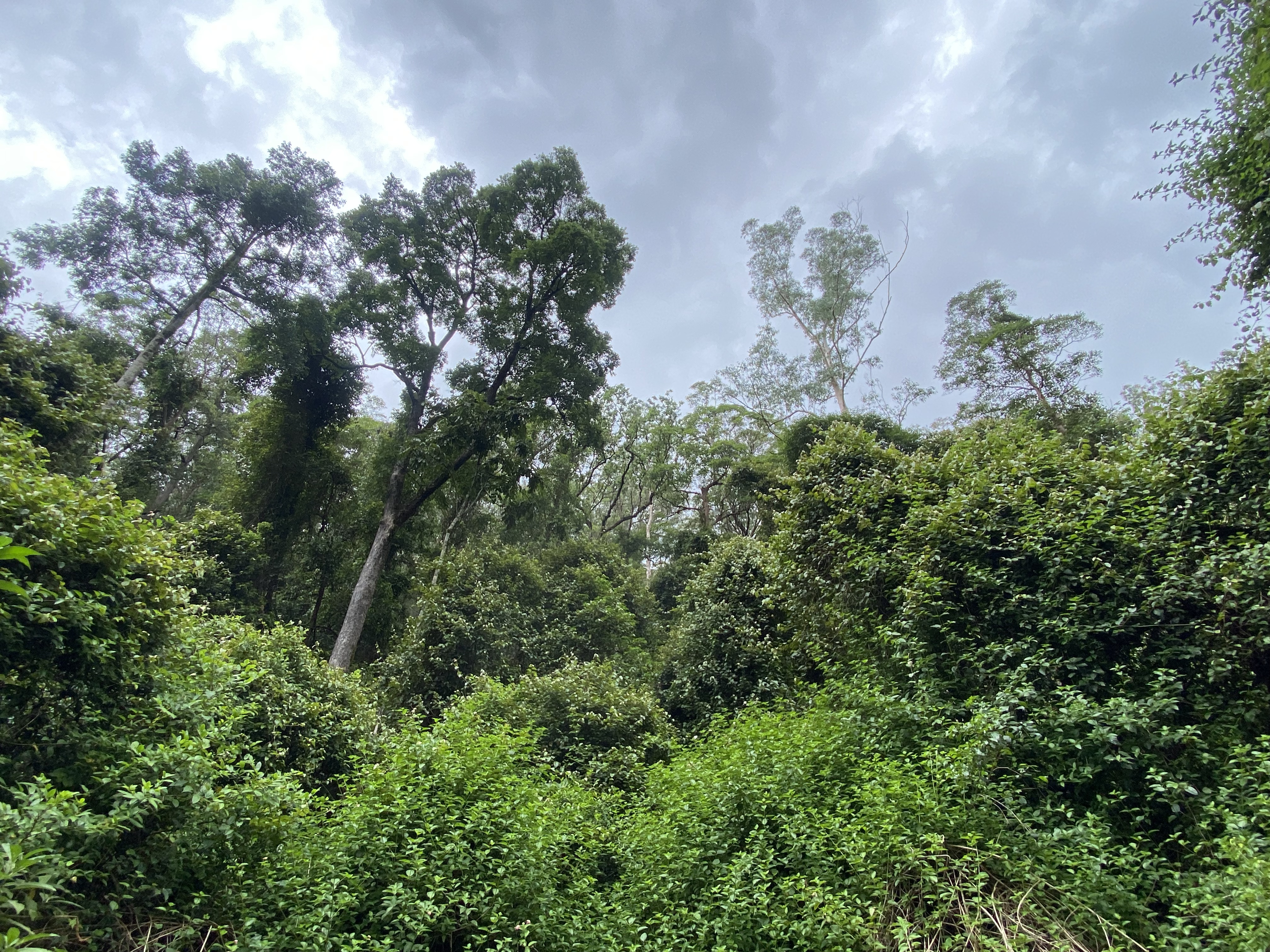
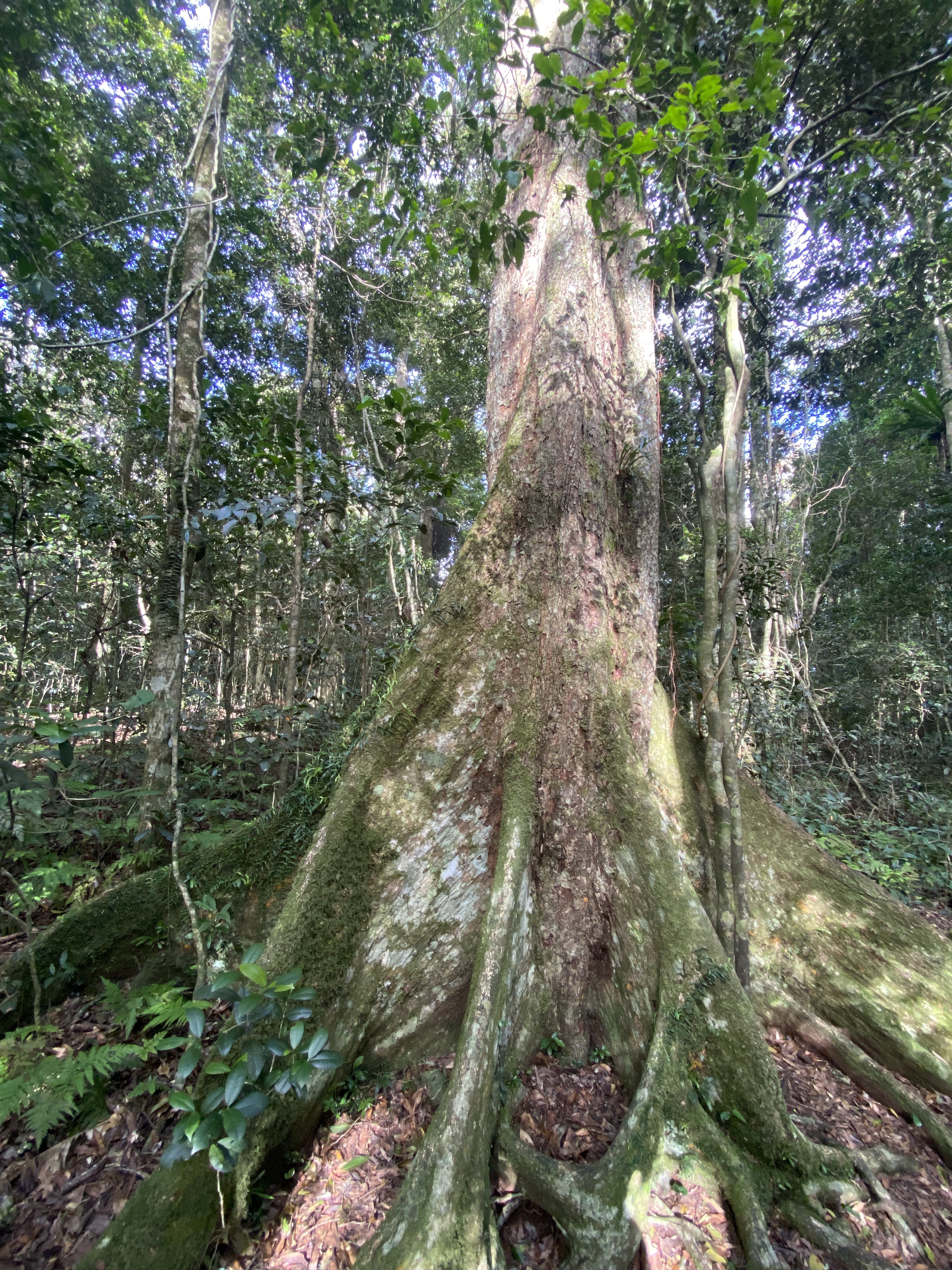
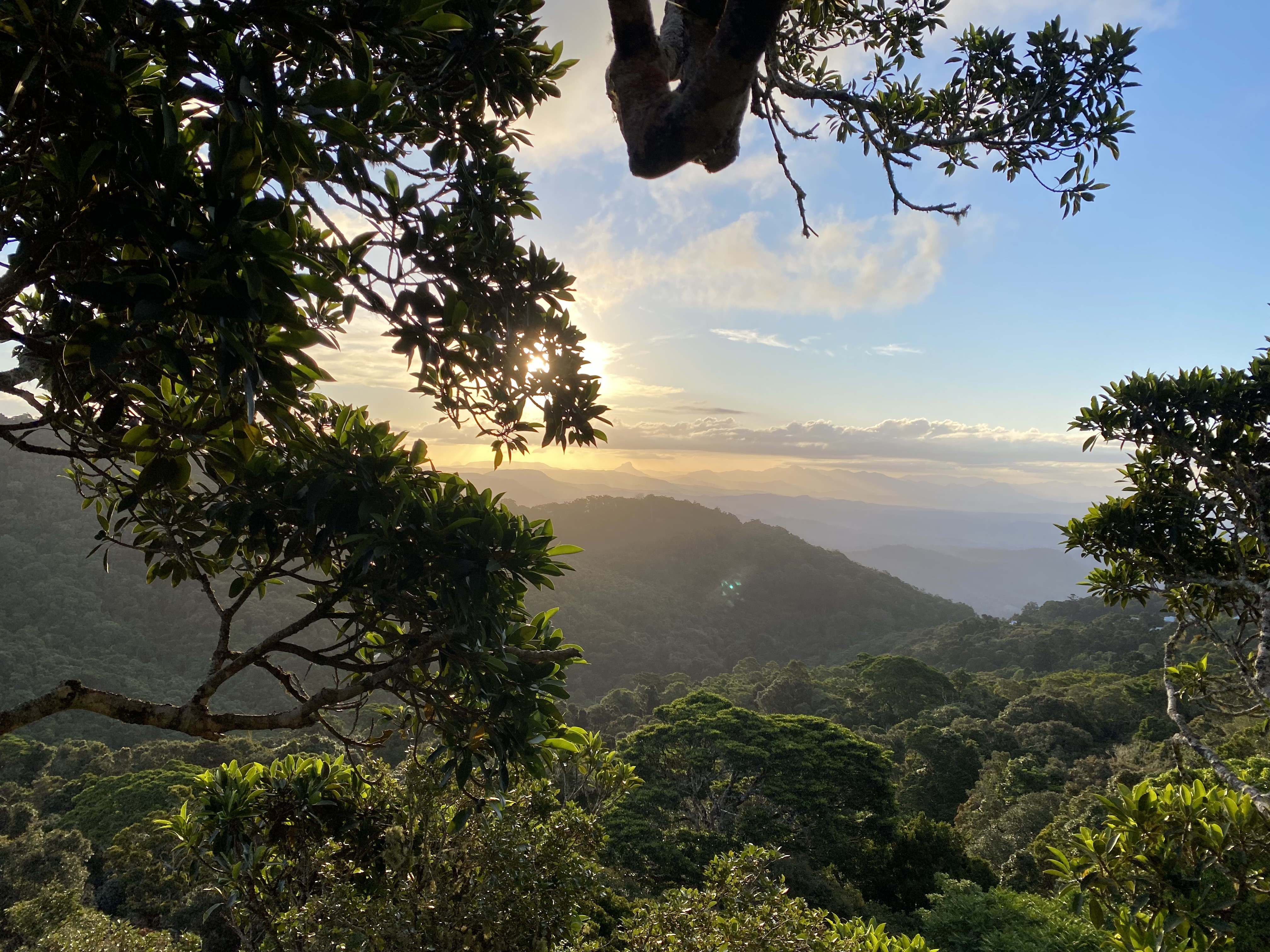
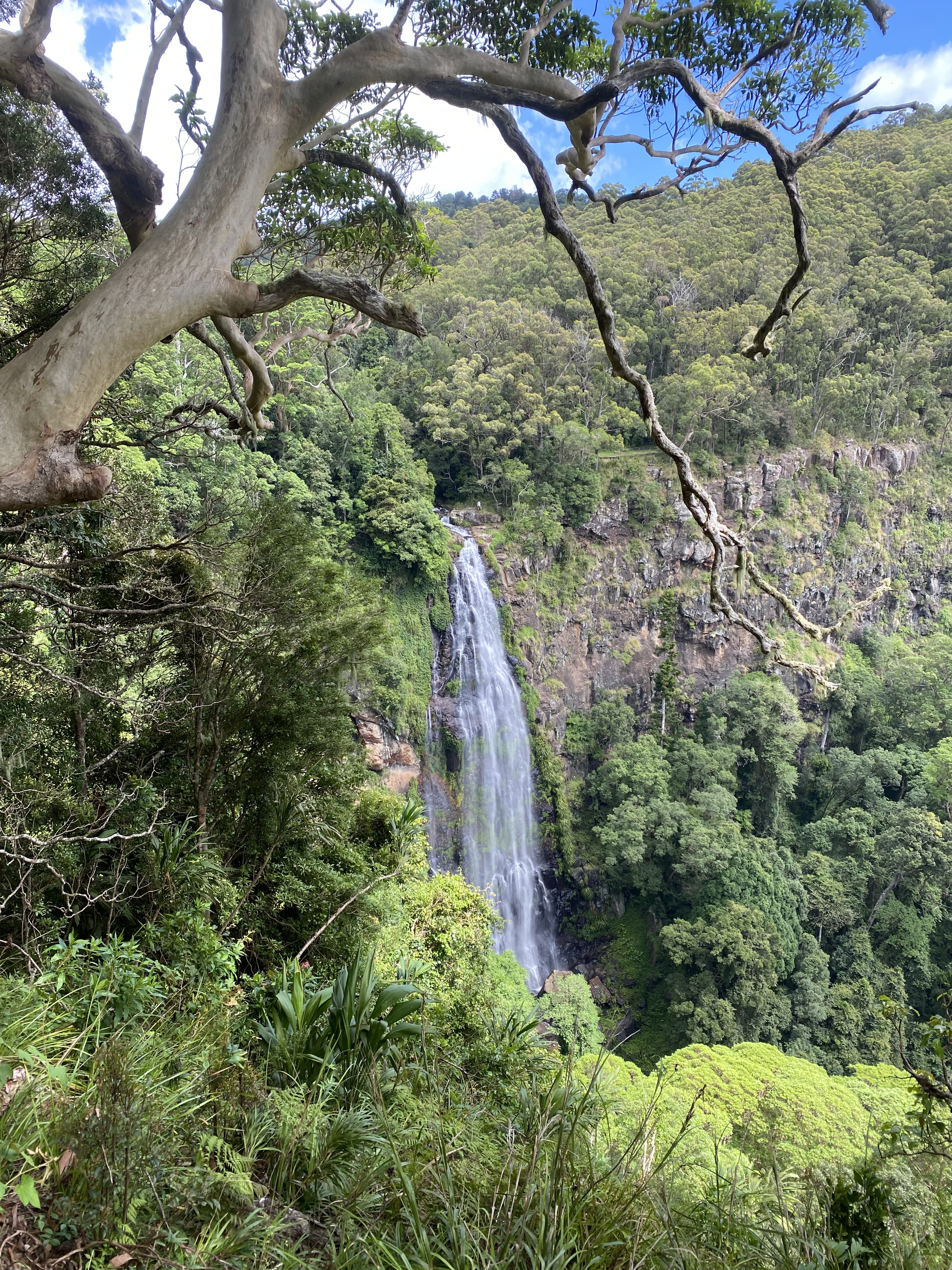
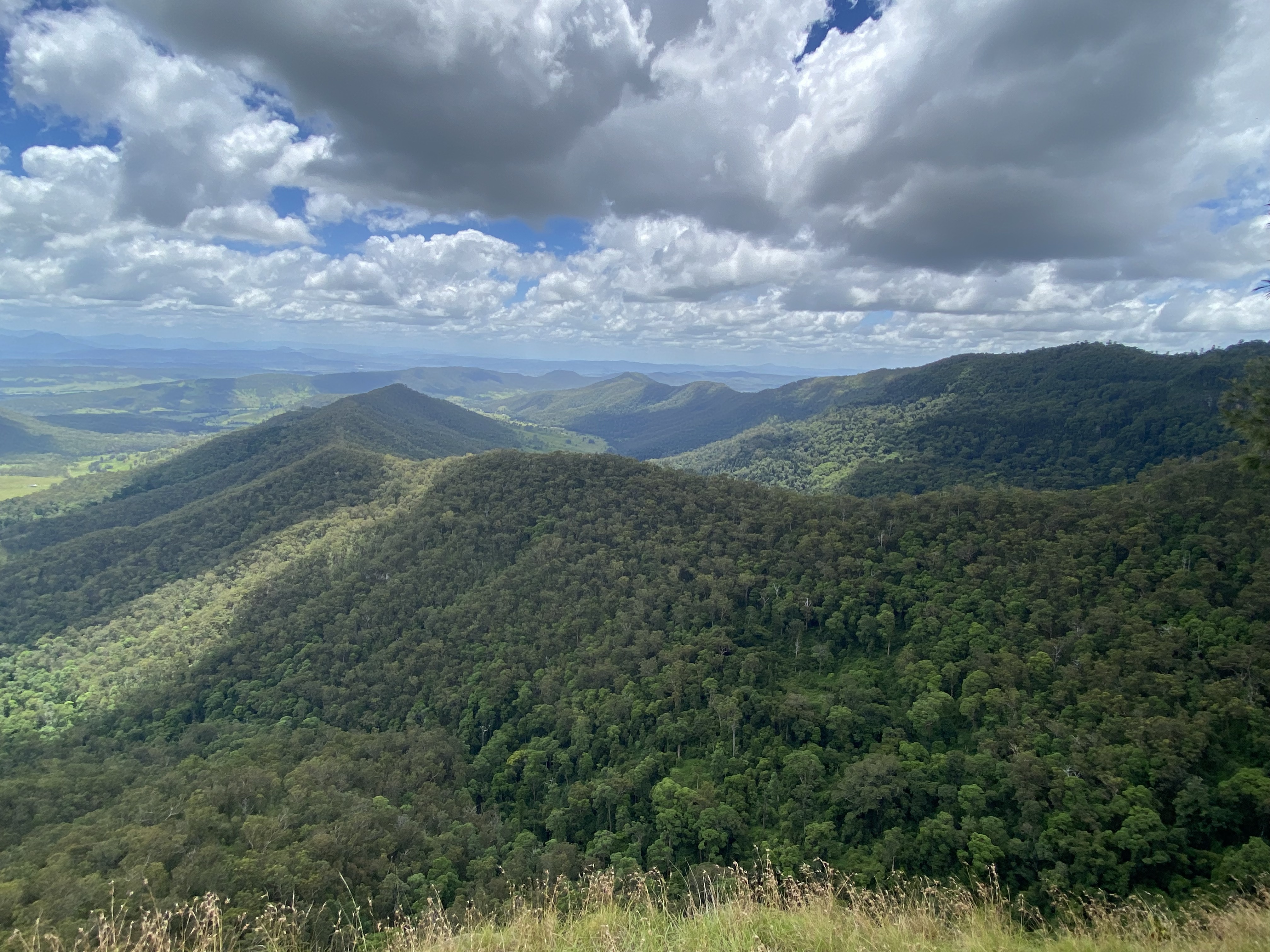
The fabled Gondwana Rainforest
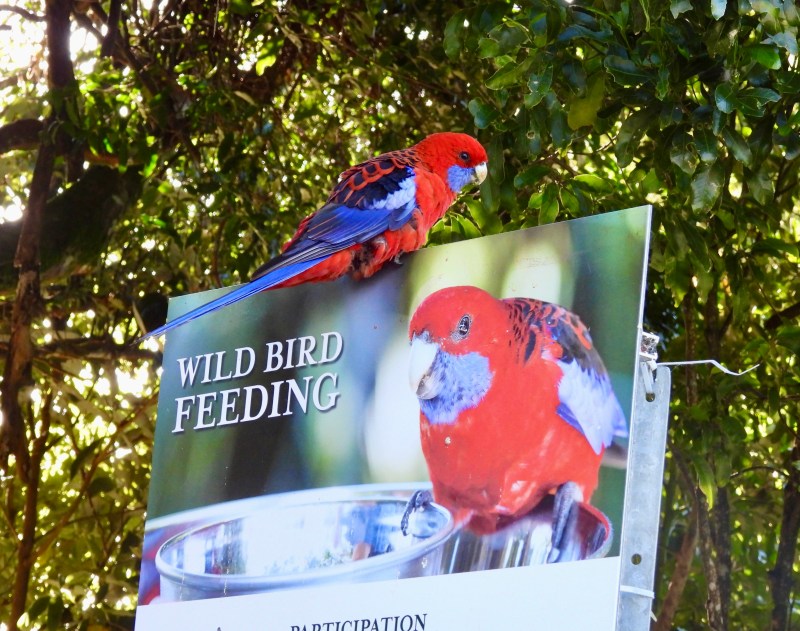
Our base for Gondwana Rainforest exploration was O’Reilly’s Rainforest Retreat. O’Reilly’s is a famous eco-resort situated 3,000ft (1,000 meters) above sea level in the center of rainforest-clad Lamington National Park, Queensland. The resort and its grounds are home to a huge spectrum of Gondwana Rainforest biodiversity, much of which can be seen within a few day’s stay. Some of the local wildlife; namely, the Crimson Rosellas & King Parrots fed daily by the resort, will seek you out instead of vice versa!
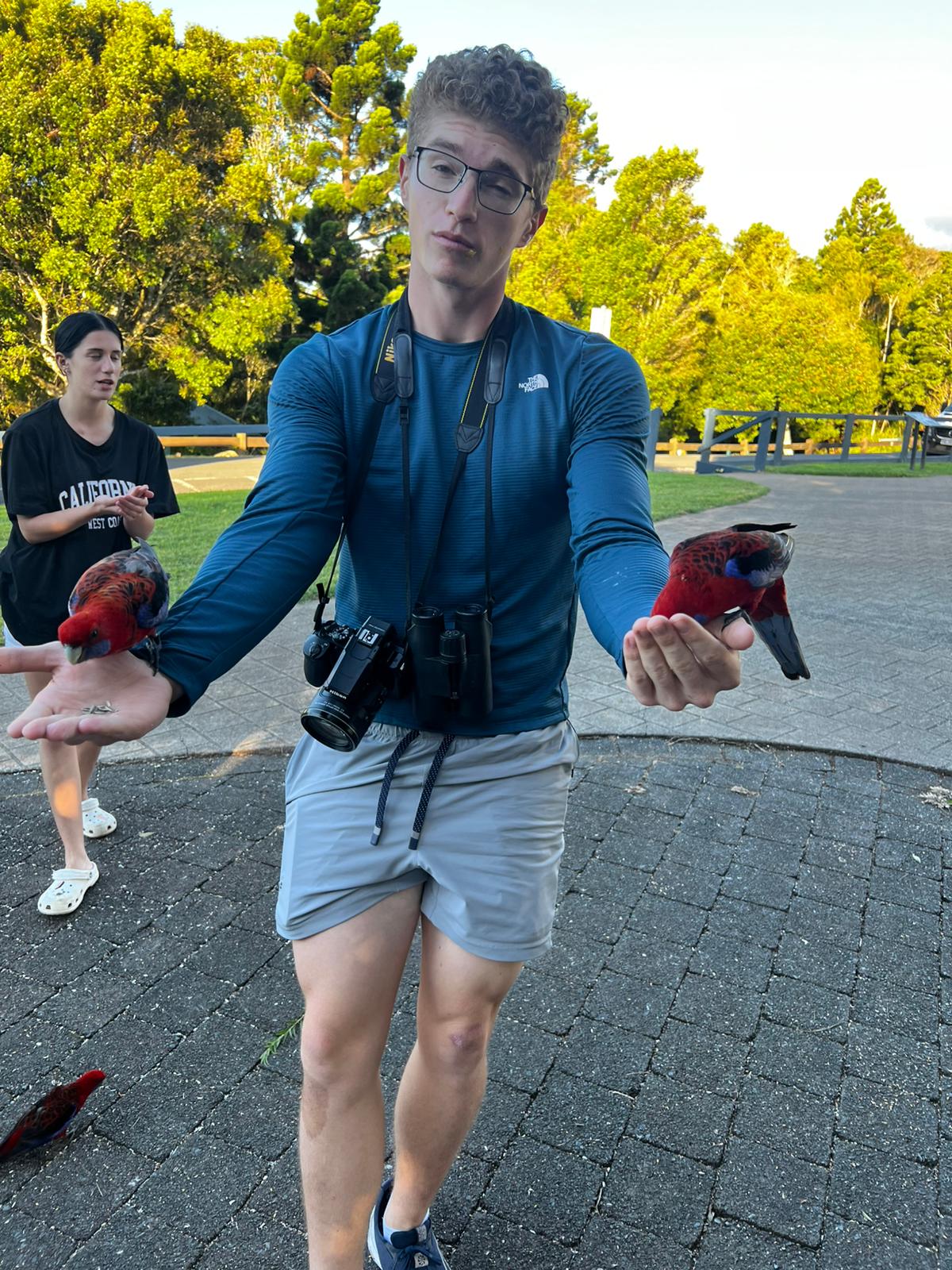
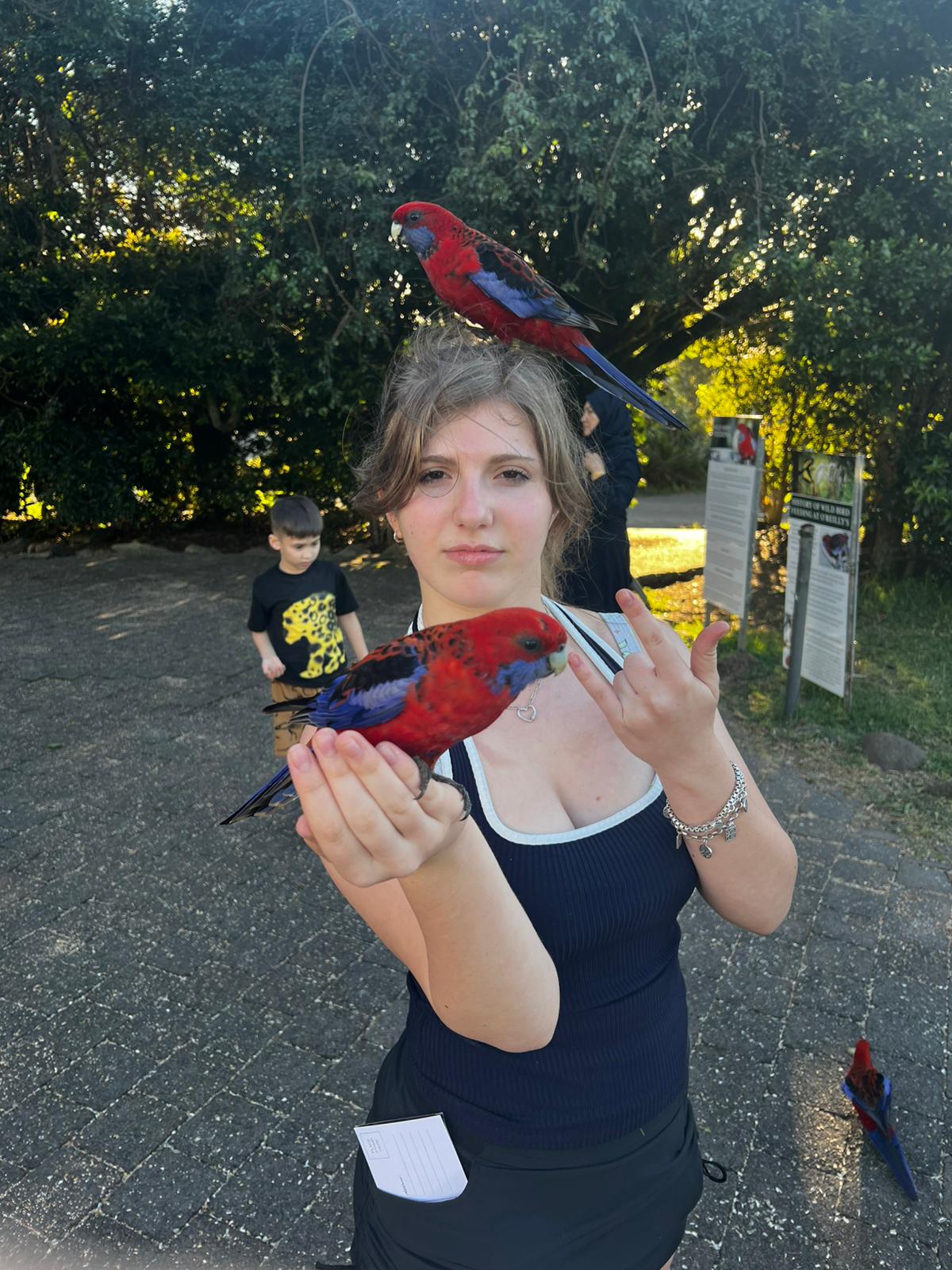
Feeding the parrots around the resort with my sister was a good bit of fun, though I do wonder if it is such a good idea to encourage the commercial feeding of wildlife.
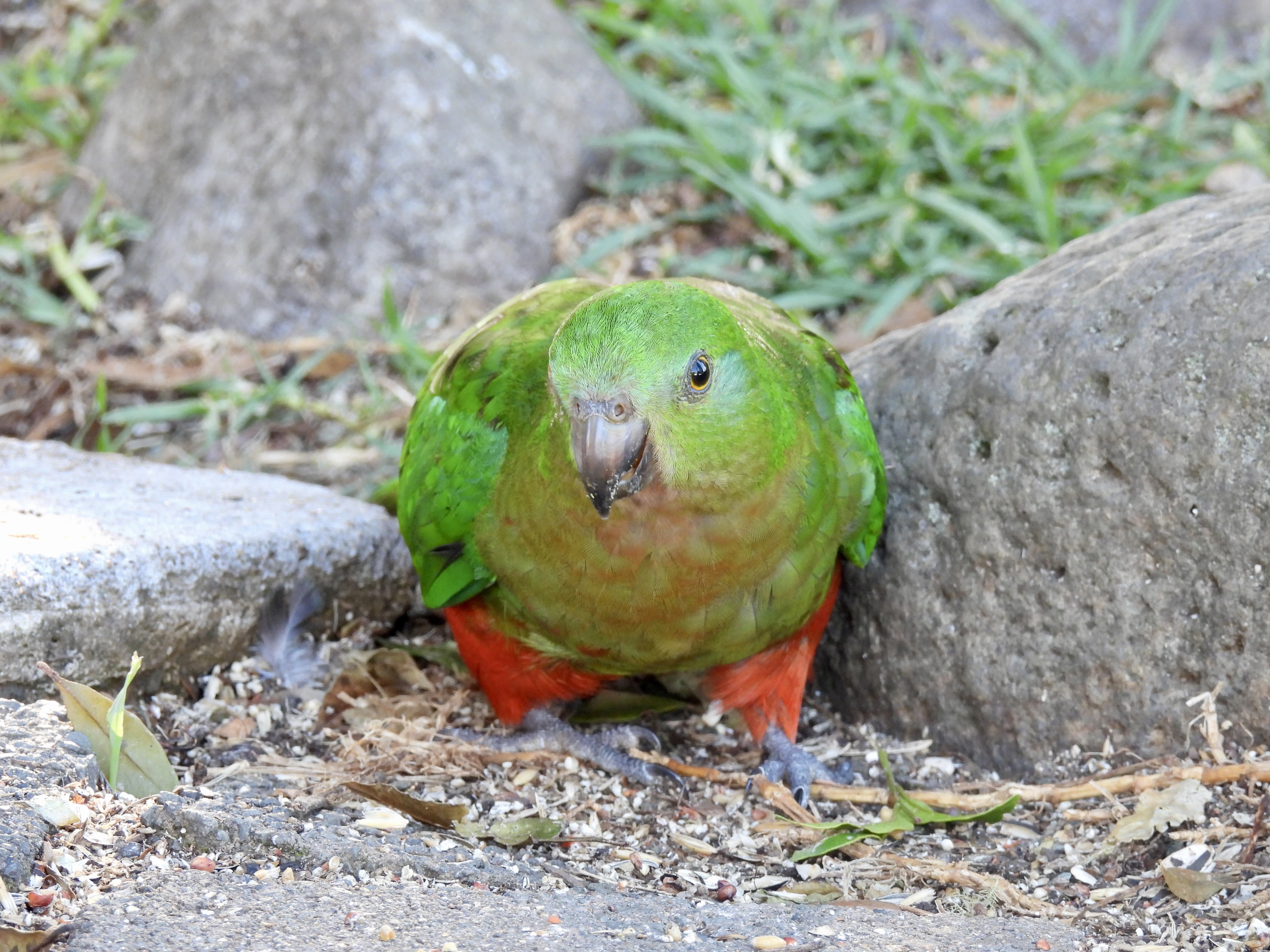
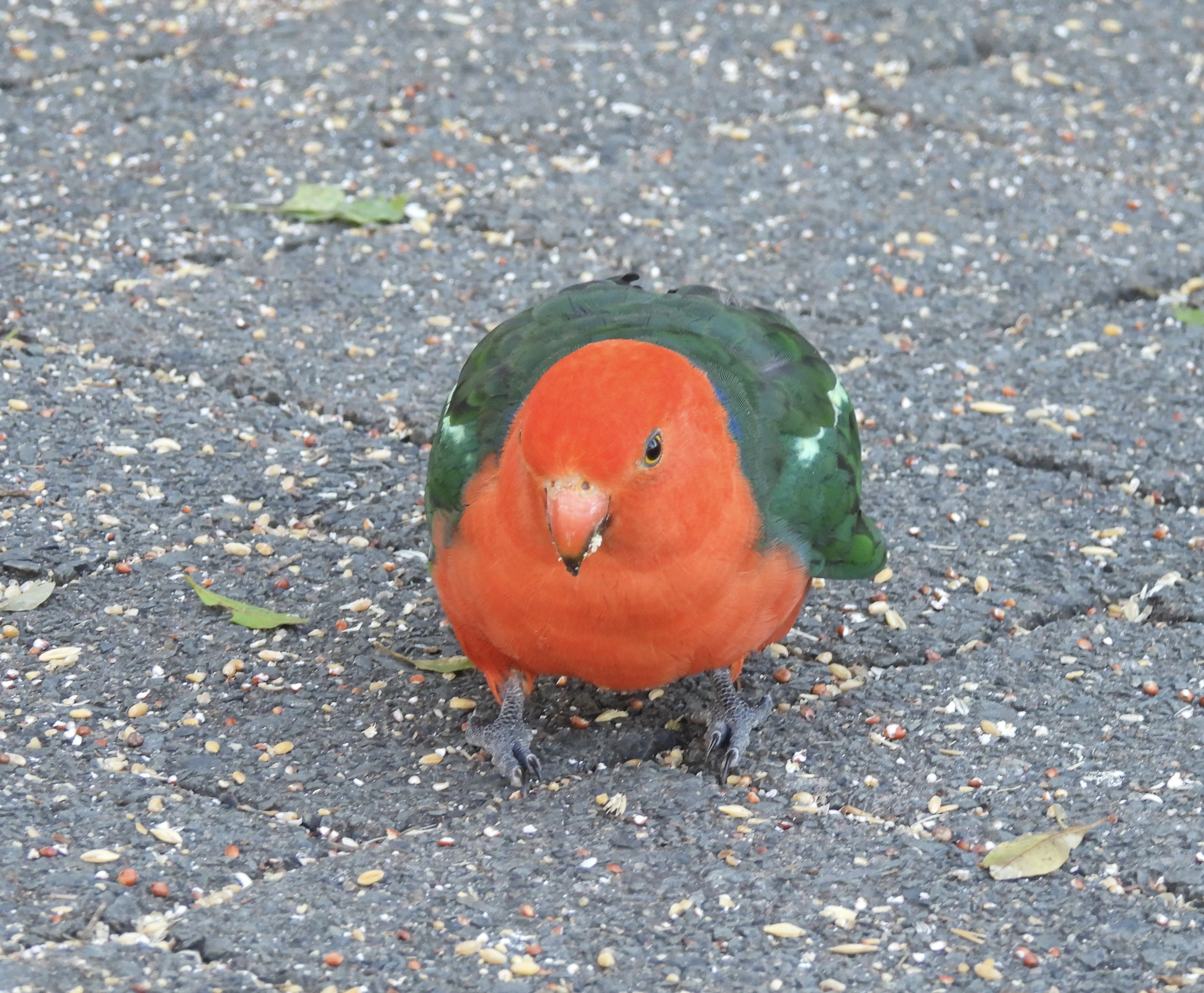
Beautiful male Australian King Parrot (right), and a female (left)
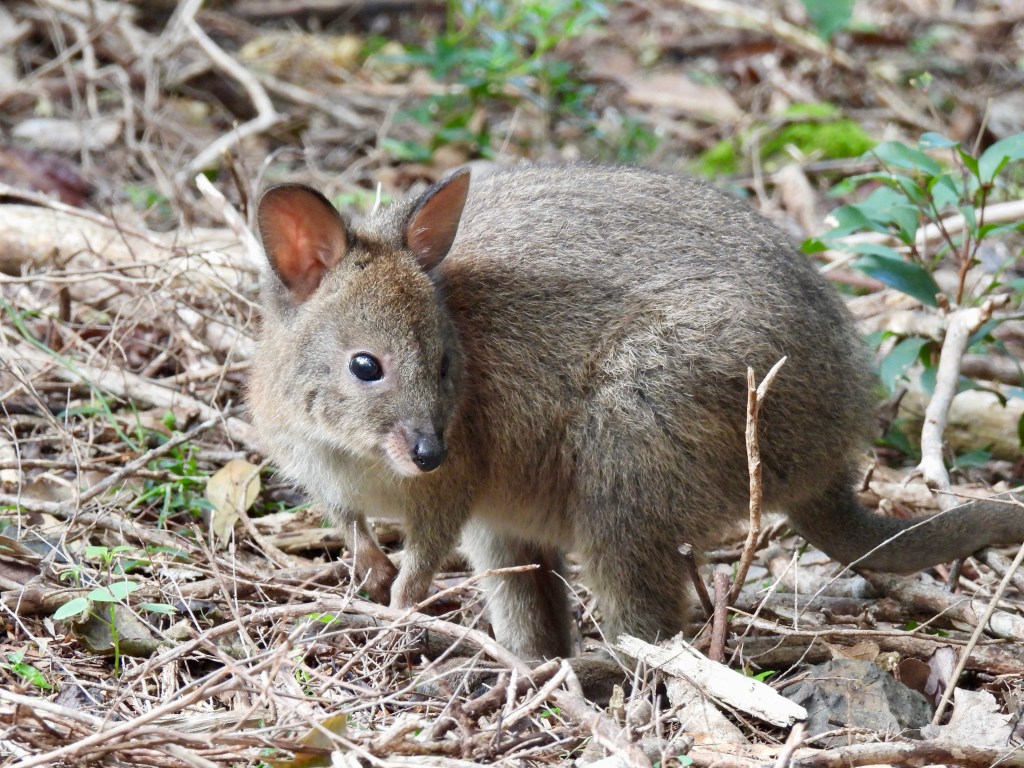
I spent most of my time at O’Reilly’s searching for wildlife, and especially mammals. Lamington National Park has a huge diversity of mammals (78 species!), including Gondwana Rainforest endemics like Red-necked Pademelon & Short-eared Brushtail Possum.
Lamington National Park also home to plenty of noteworthy birds, reptiles, & amphibians that myself and my family were able to see for ourselves during our visit.

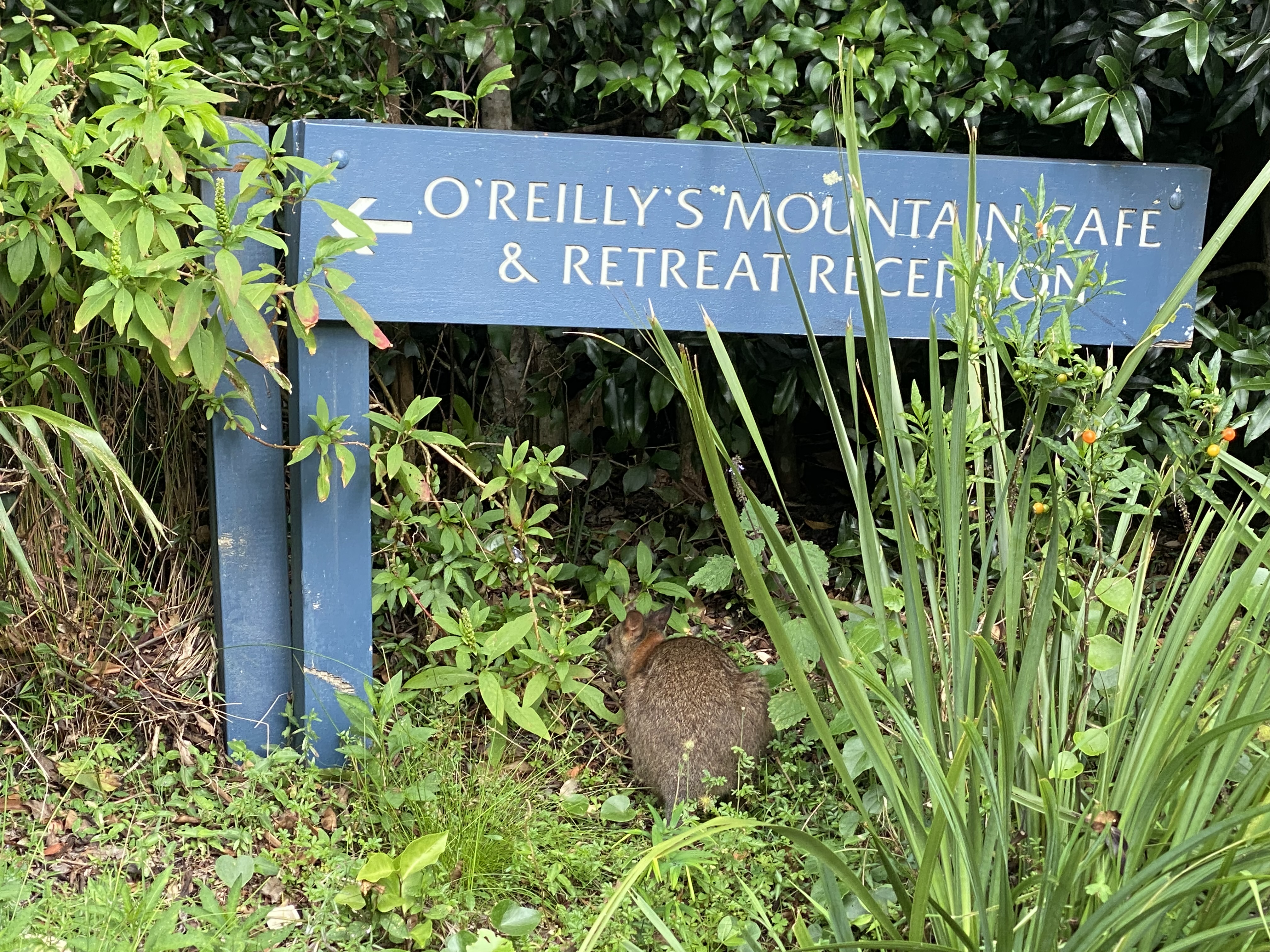
Two male Bowerbirds (Regent & Satin), my favorite bird species, sharing a fruit tray (left), and a Red-necked Pademelon below the resort sign (right)
My first wildlife expedition in the Gondwana Rainforest took place on my first night at O’Reilly’s. My family joined me for a resort-guided spotlighting tour to nearby areas of Lamington National Park. One such area was an open grassy field, where our guide pointed out a venomous Small-eyed Snake wedged into the crack of a boulder and numerous Orange-eyed Tree Frogs in the mud puddles near the field, which were a target species of mine and a delight to see.


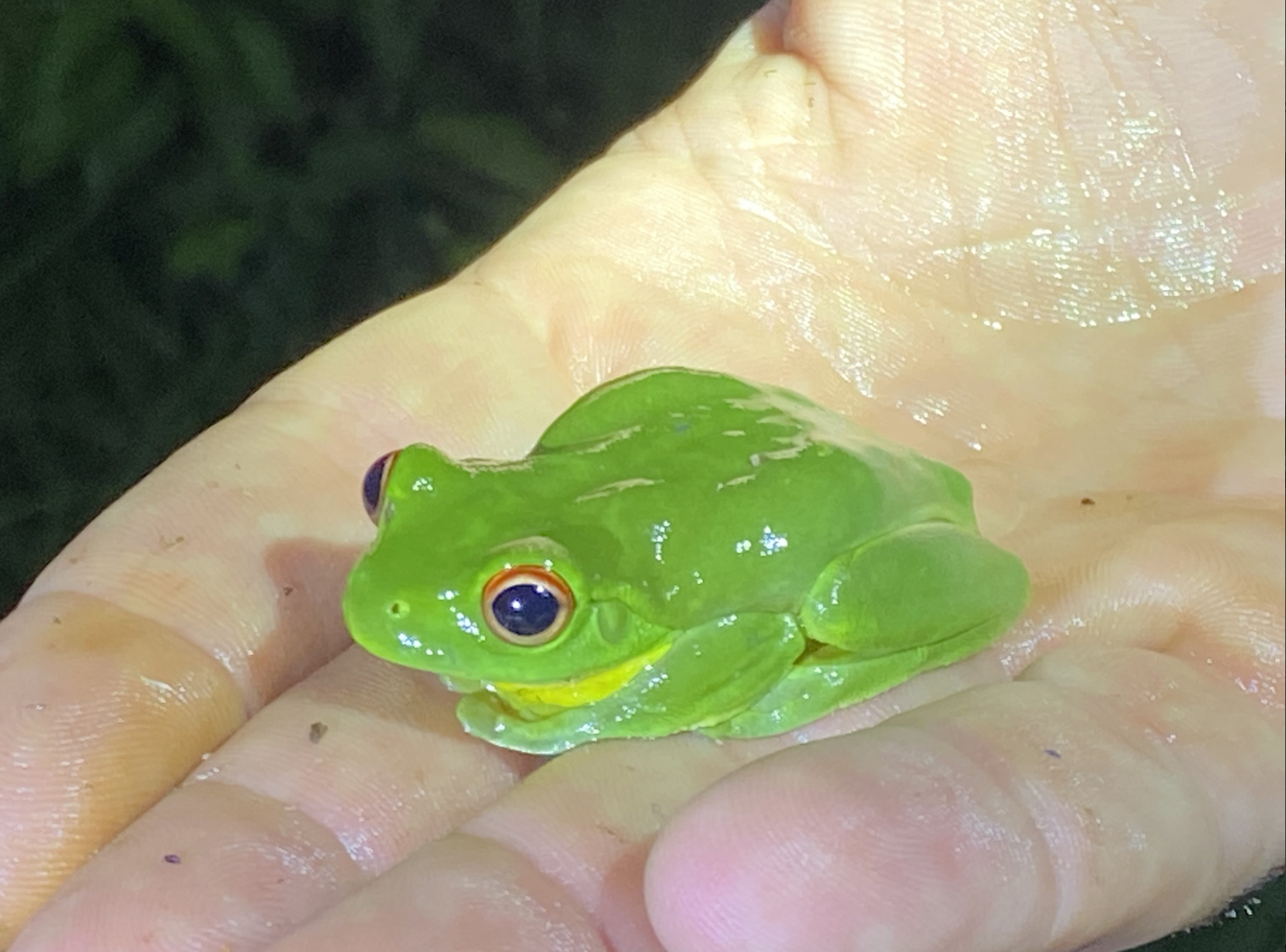
Stunning Orange-eyed Treefrogs in Lamington National Park
The next spot we explored with that night was a tall, open Eucalypt forest that had recolonised a logged portion of the original subtropical rainforest. The weather was windy and unusually cool for the Austral summer, inhibiting the number of animals we spotted in the forest. My sharp-eyed dad still managed to find an adorable Sugar Glider on a mid-storey branch; definitely the highlight of the night.
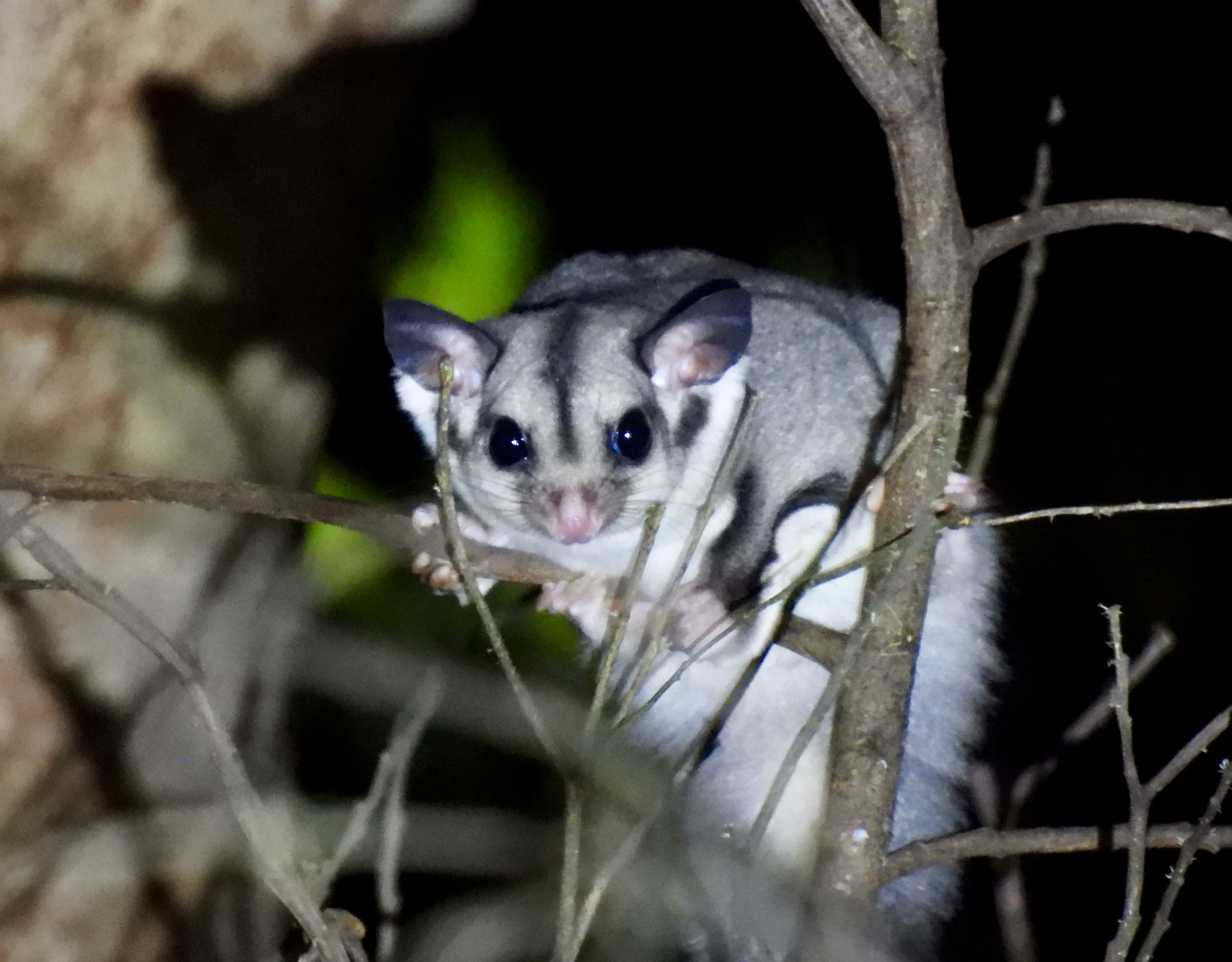
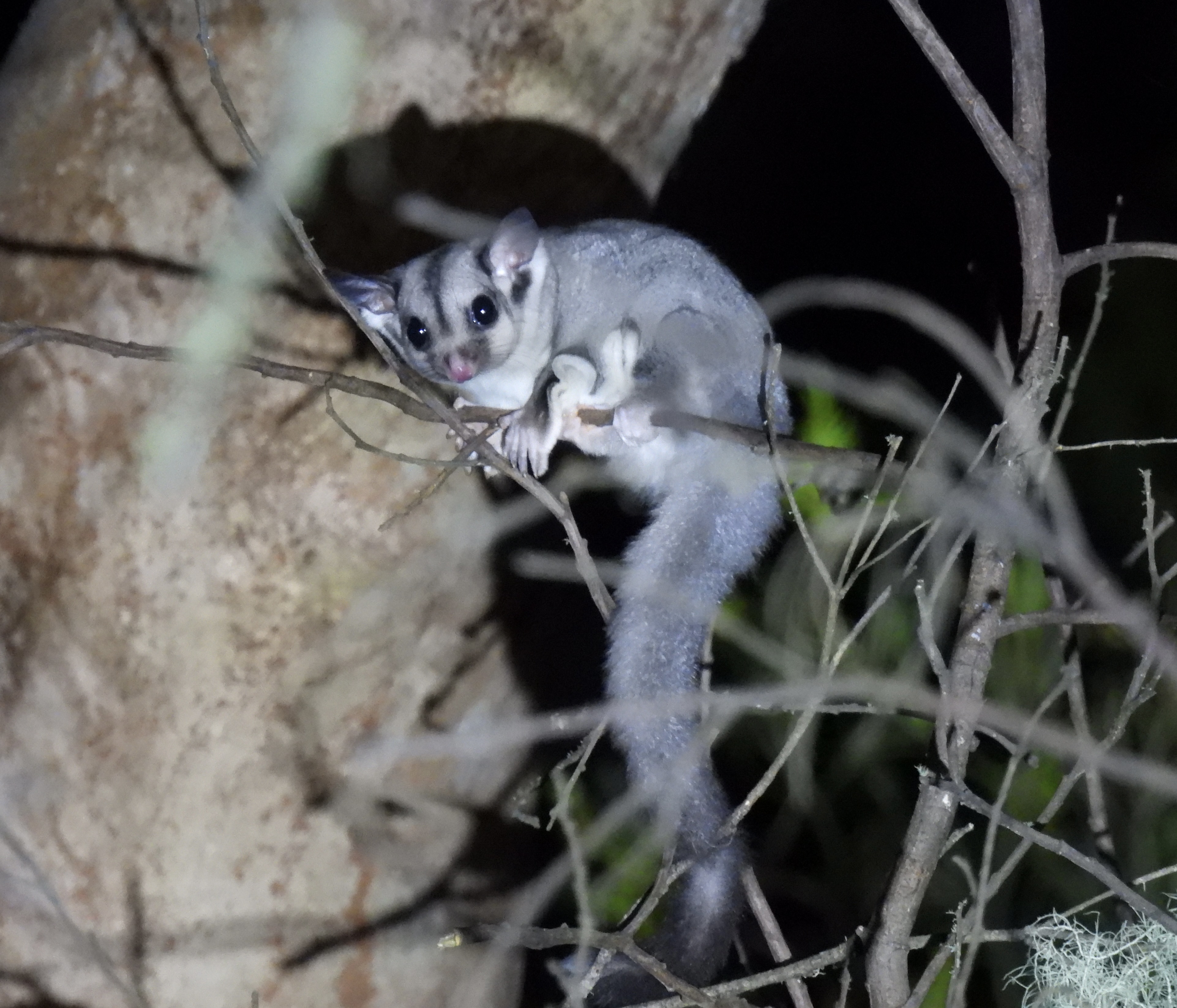
The Sugar Glider, perhaps the epitome of a cute Australian marsupial
A solo spotlighting walk on my second night at O’Reilly’s that took me through the rainforest trails adjacent to the resort produced at least six Common Ringtail Possums, at least three Short-eared Brushtail Possums, a distant marsupial glider (Petauridae) species I wasn’t able to identify, a Northern Brown Bandicoot, Red-necked Wallabies, and an unidentified Antechinus species that unfortunately evaded a record shot. Not bad for a two-hour walk!
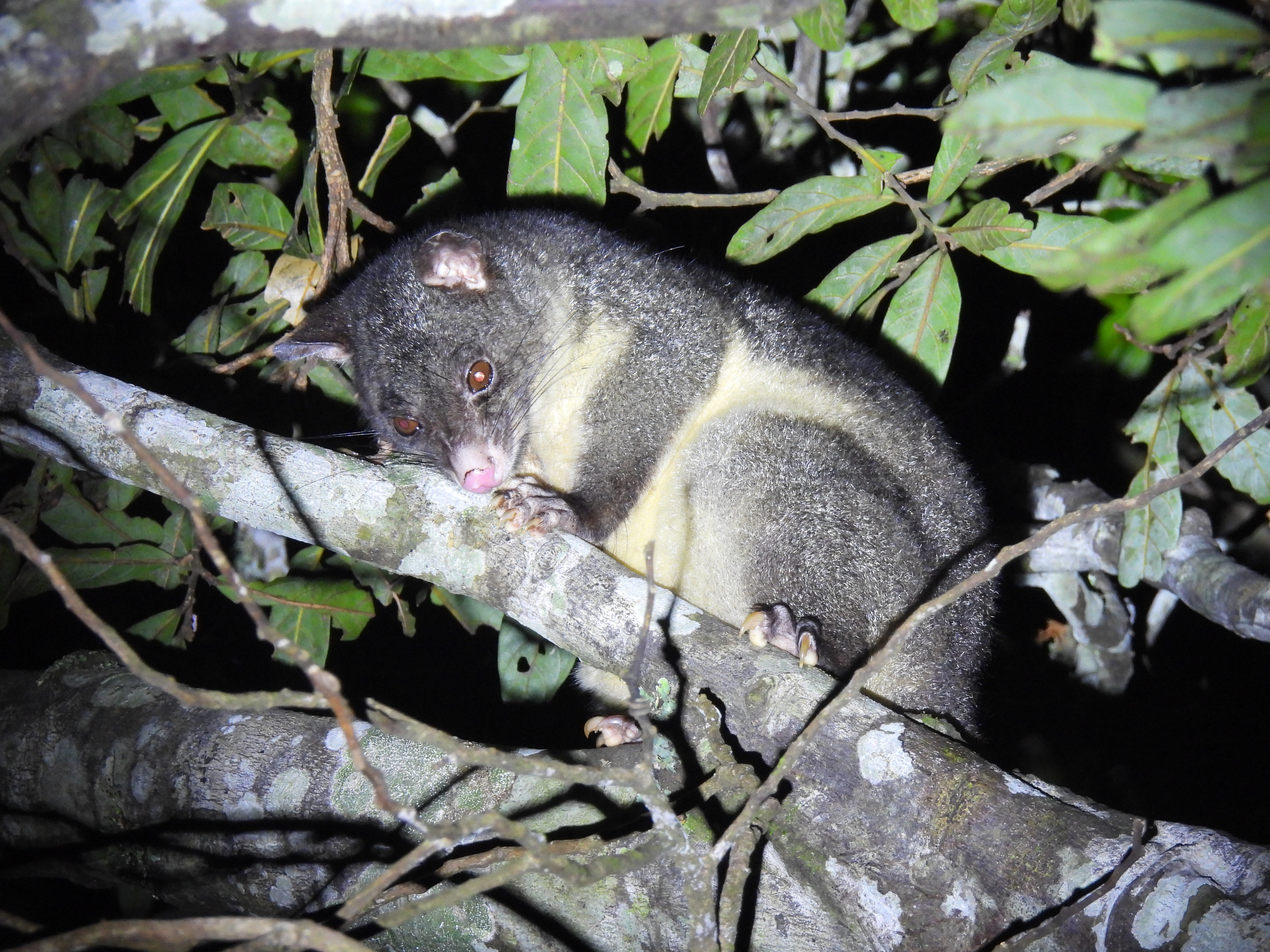
Short-eared Brushtail Possum
The mammal species we saw most frequently around O’Reilly’s Rainforest Retreat was definitely the Red-necked Pademelon, a diminutive, forest-dwelling macropod species. During our stay at O’Reilly’s, my family and I stumbled upon them at various times of the day, though most frequently in open areas just before sunset, when the animals gather together to graze. Apparently Red-necked Pademelons were once much more common around O’Reilly’s, but a recent increase in Dingo activity has reduced their population.
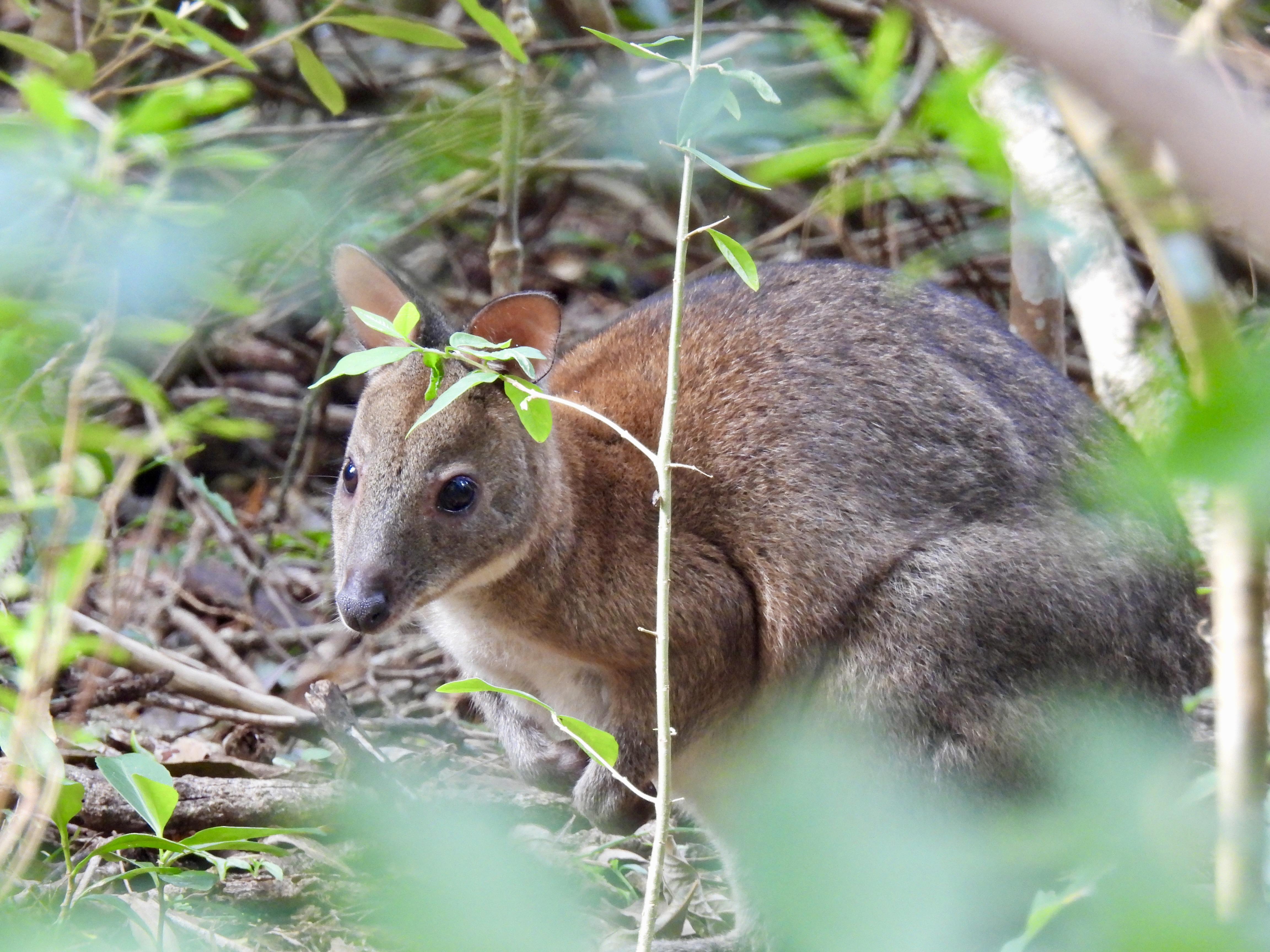
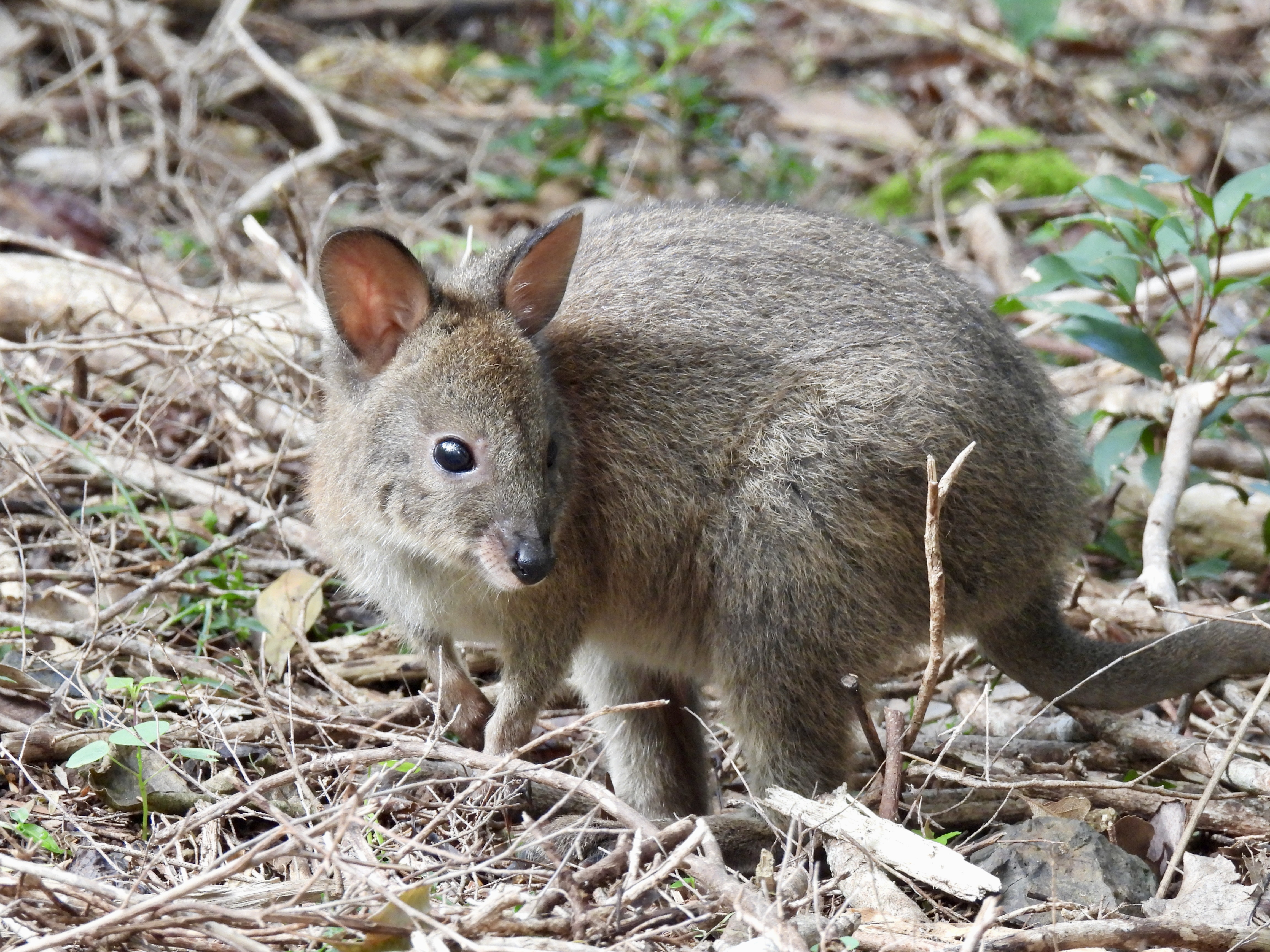
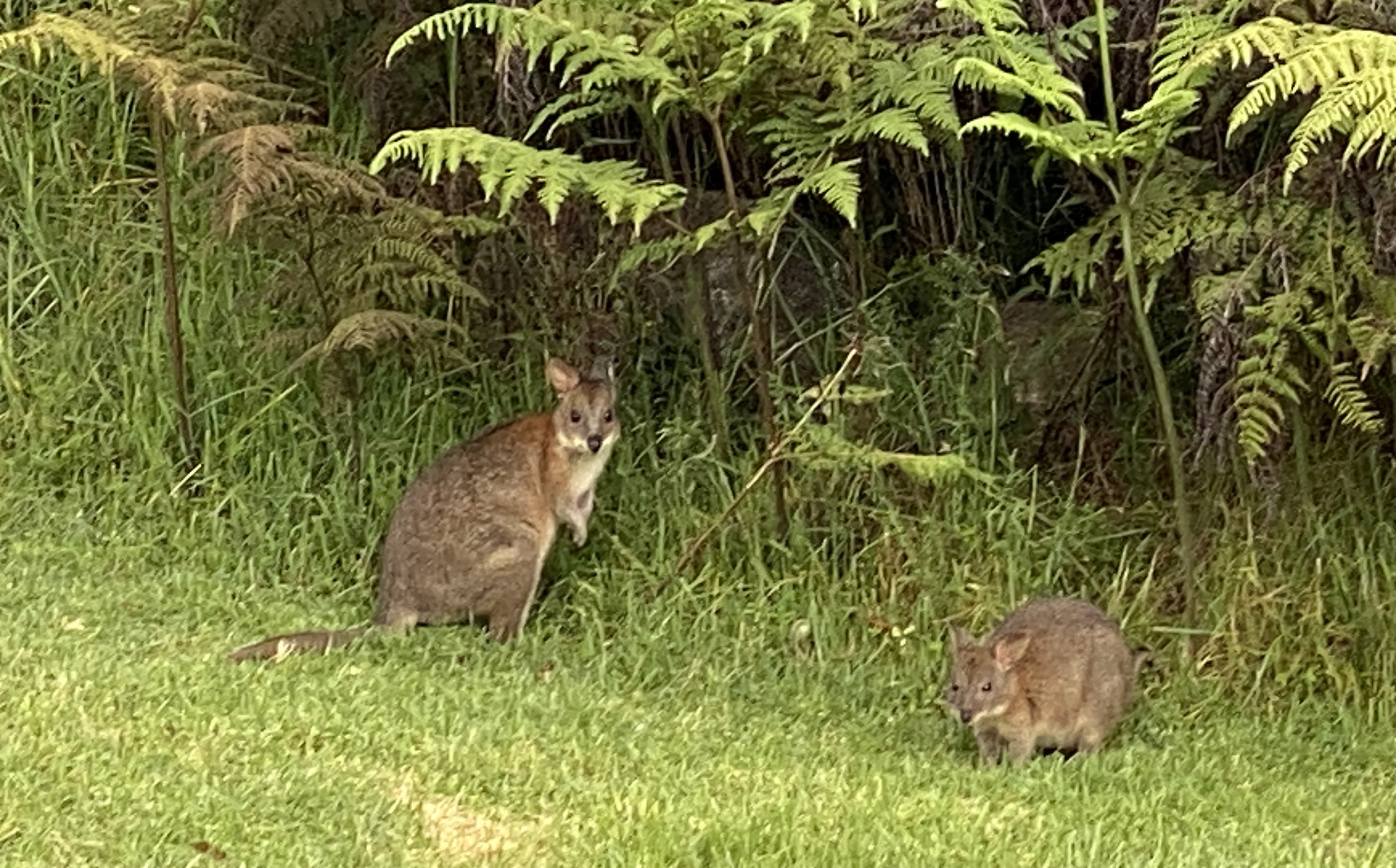
Red-necked Pademelons
Aside from mammals, our time Gondwana Rainforests proved productive for other groups of animals. On our second morning at O’Reilly’s, my sister and I partook in an early-morning birding outing organized by the resort.
Unlike any birding trip I’d done previously, our guide actually encouraged us to entice birds out of the forest with food (crushed walnuts). While I’m not sure of the implications of feeding wildlife like this, it definitely brought many normally reclusive birds out of the forest!
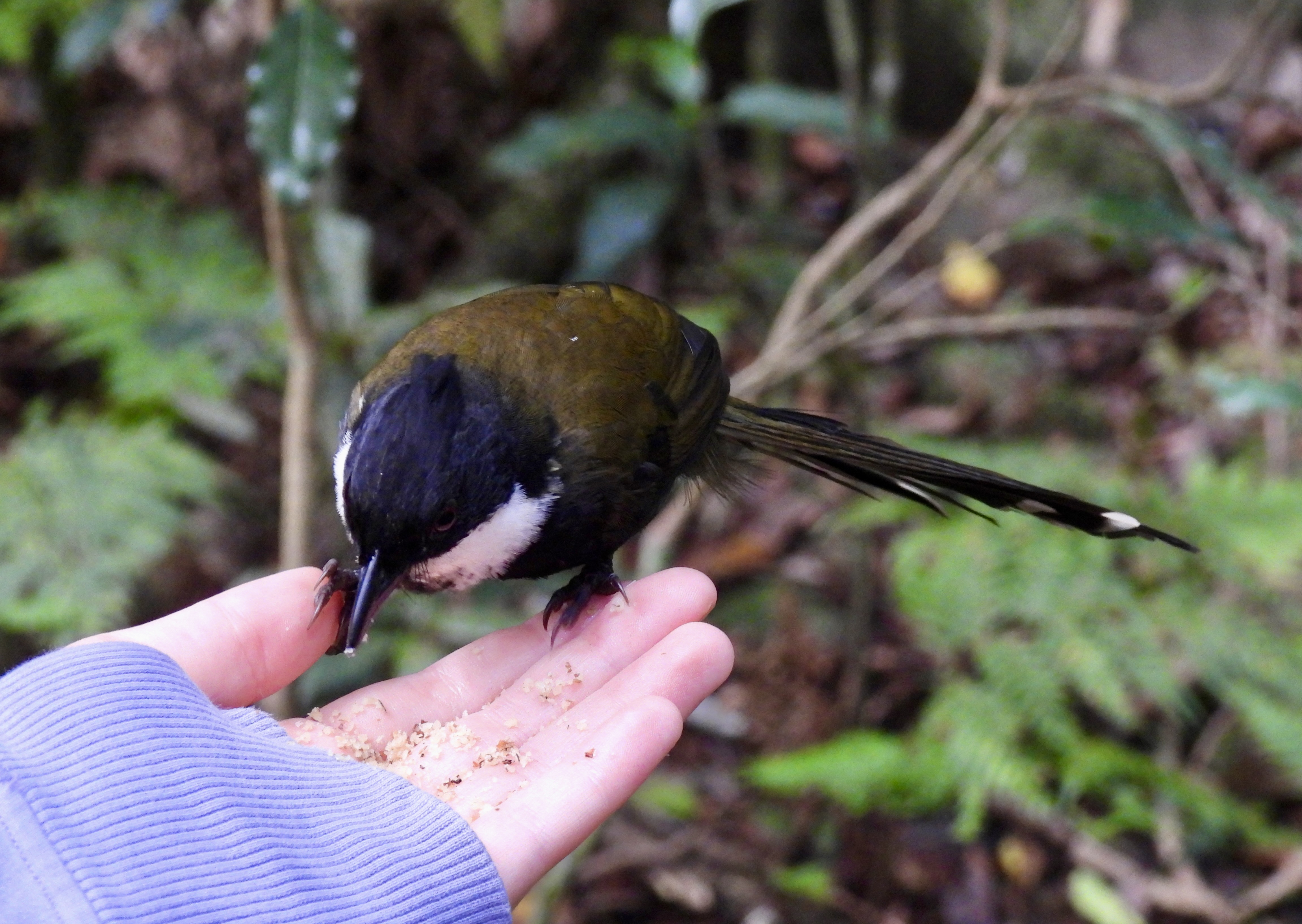

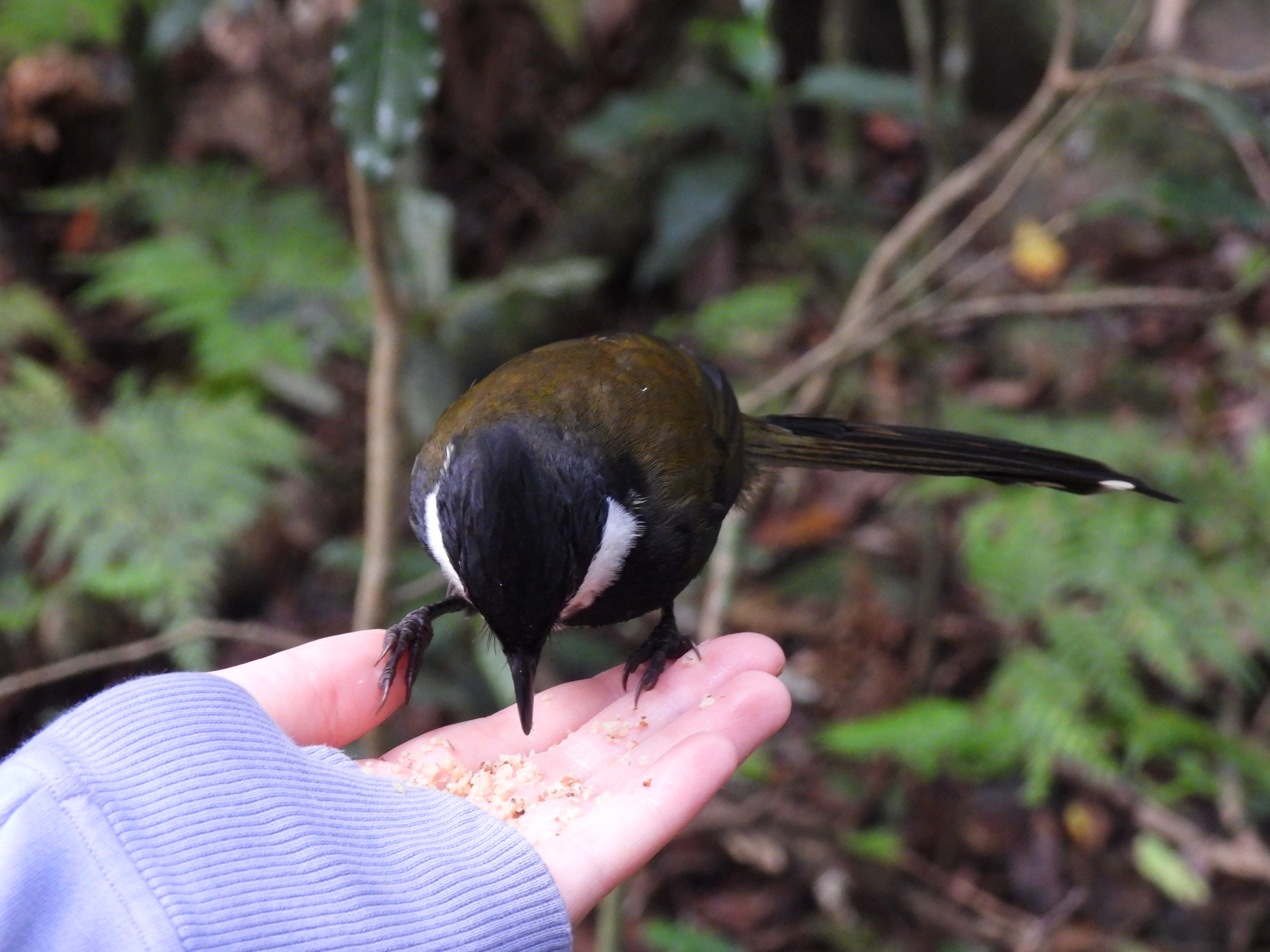

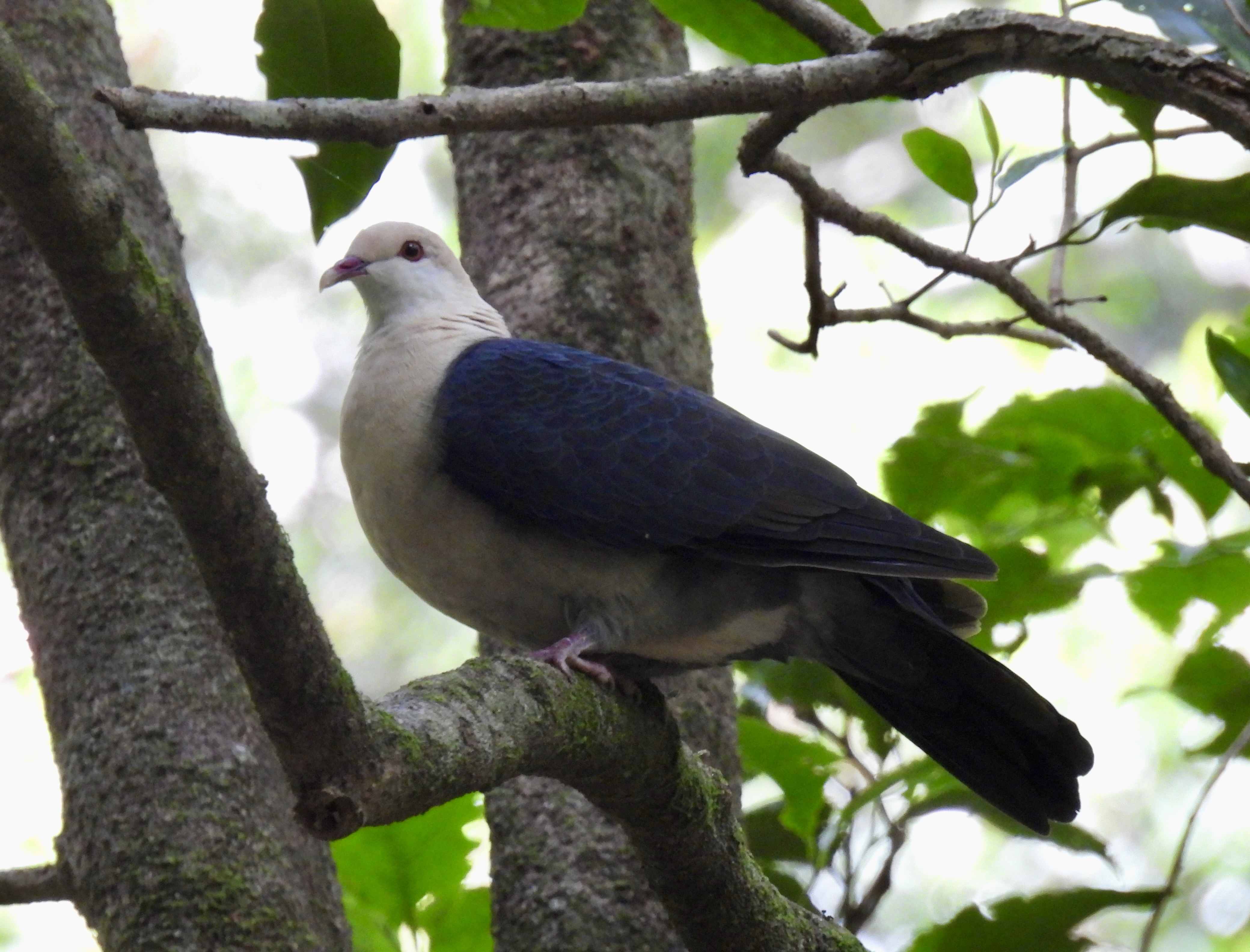
Top Row: my sister feeding a normally-rare Eastern Whipbird (left & bottom right), and a Brown Cuckoo-dove (top right)
Bottom Row: Eastern Yellow Robins (left), and a White-headed Pigeon (right)
The highlight of the morning for me was encountering several Satin Bowerbirds, probably my all-time favorite bird species. Male bowerbirds construct remarkably elaborate courtship structures out of natural & artificial materials that occasionally rival human constructions in beauty & quality! Our guide pointed out a Satin Bowerbird bower that was decorated with bits of blue plastic—a trademark of this particular bowerbird species.

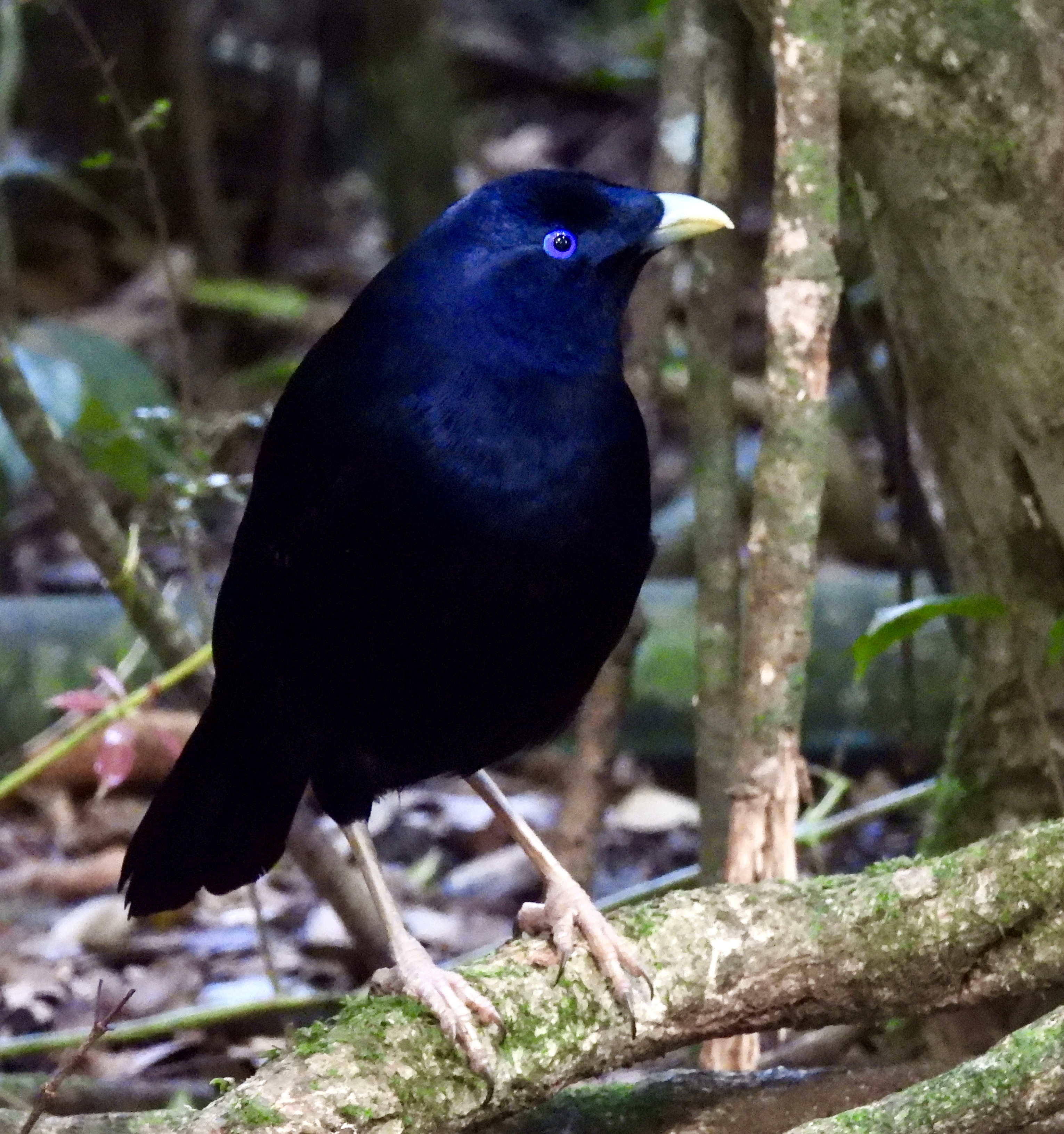
Satin Bowerbird (right) and his iconic courtship bower (left)
Later in the afternoon on our second day at O’Reilly’s, my family took a short hike through the rainforest to a rather spectacular viewpoint that overlooked mountainous portions of the Gondwana Rainforest leading down into the lowlands.
We looped back toward the resort, stopping for a few minutes at a different vista that peered over Morans Falls.

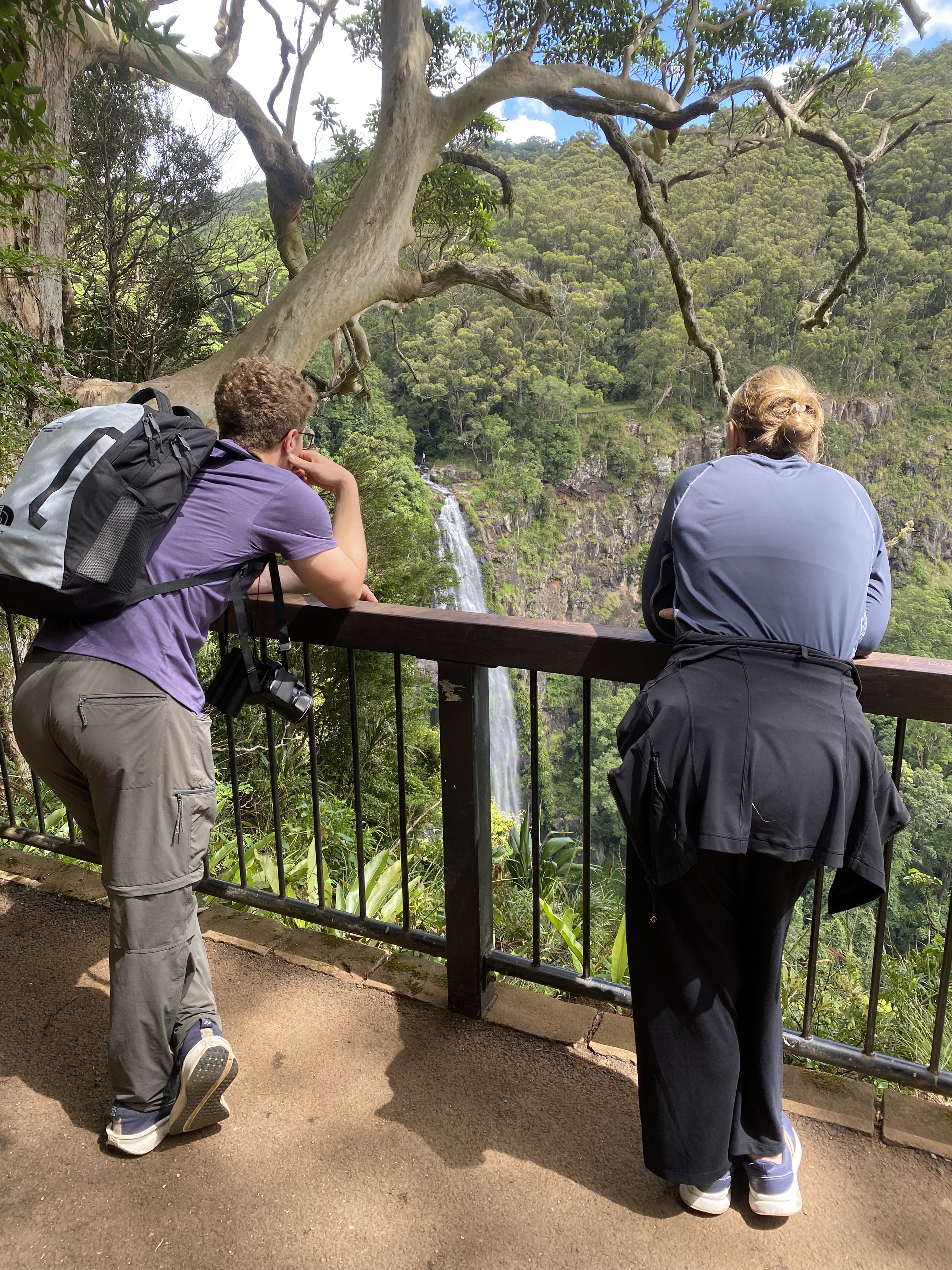

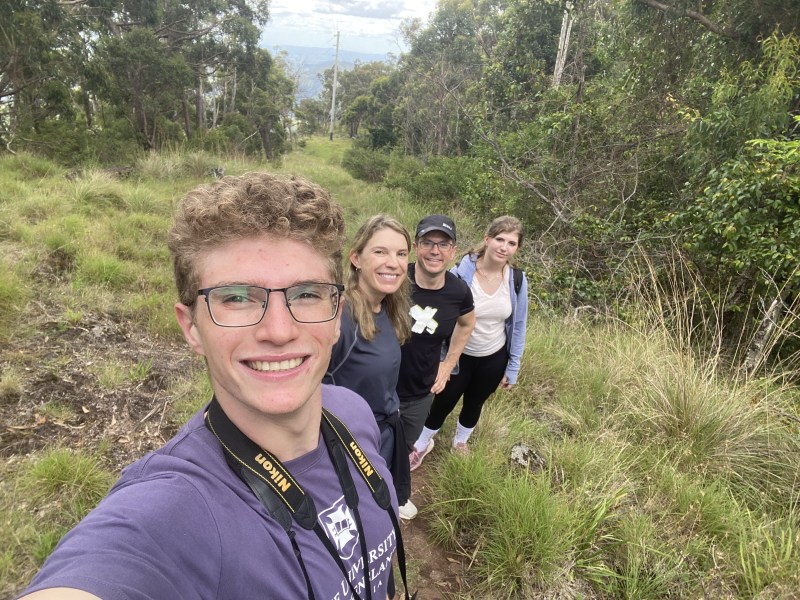
Family hike through the Gondwana Rainforest
About a quarter of the way through our hike, we stumbled across a sleeping Carpet Python right next to the path! I was enthralled to spot what I considered my first proper Aussie snake species. The python was rather temperamental, so I left it alone after a little while.
Another cool reptile find on our hike was the Land Mullet, an enormous skink endemic to the Gondwana Rainforest.
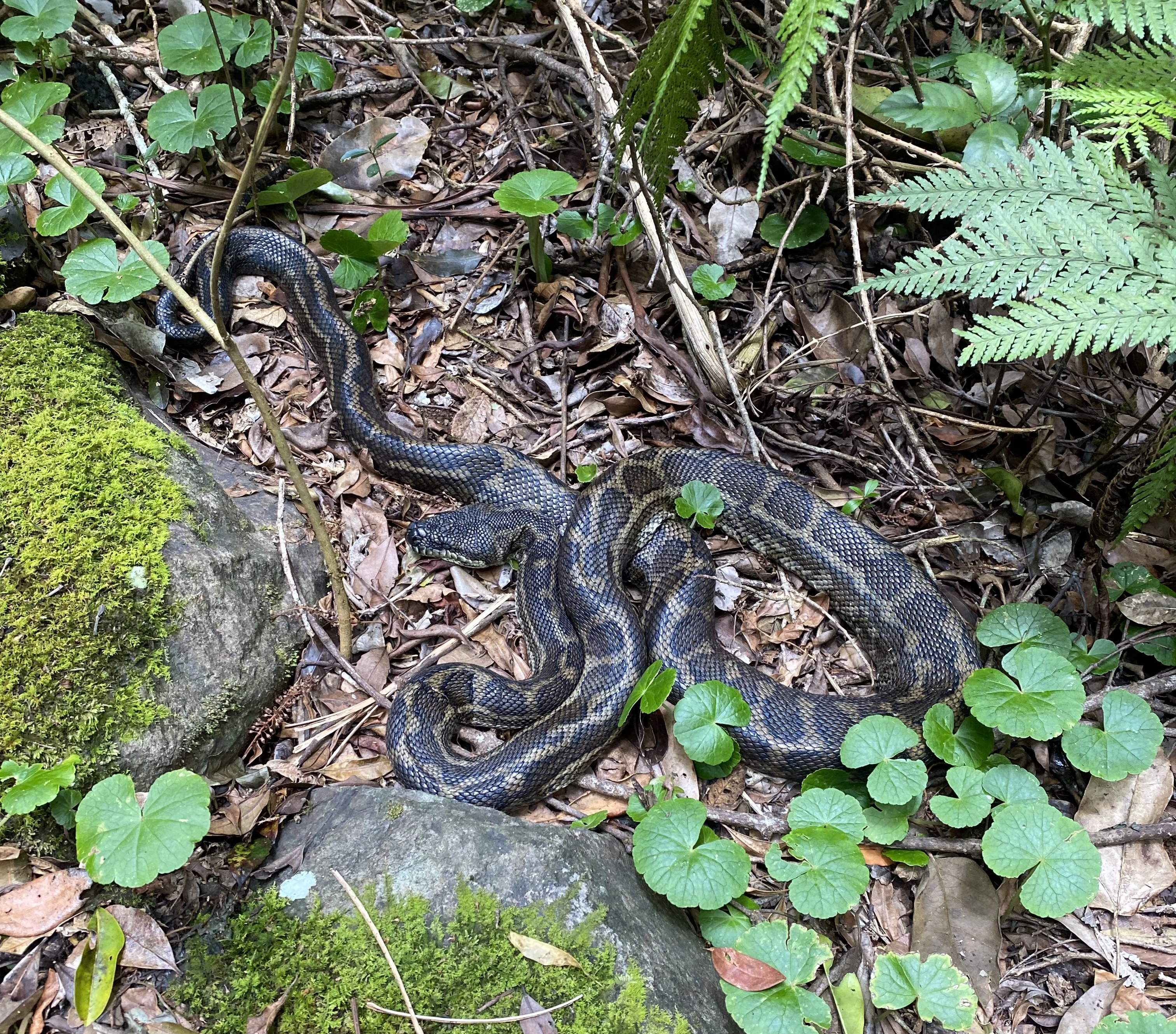
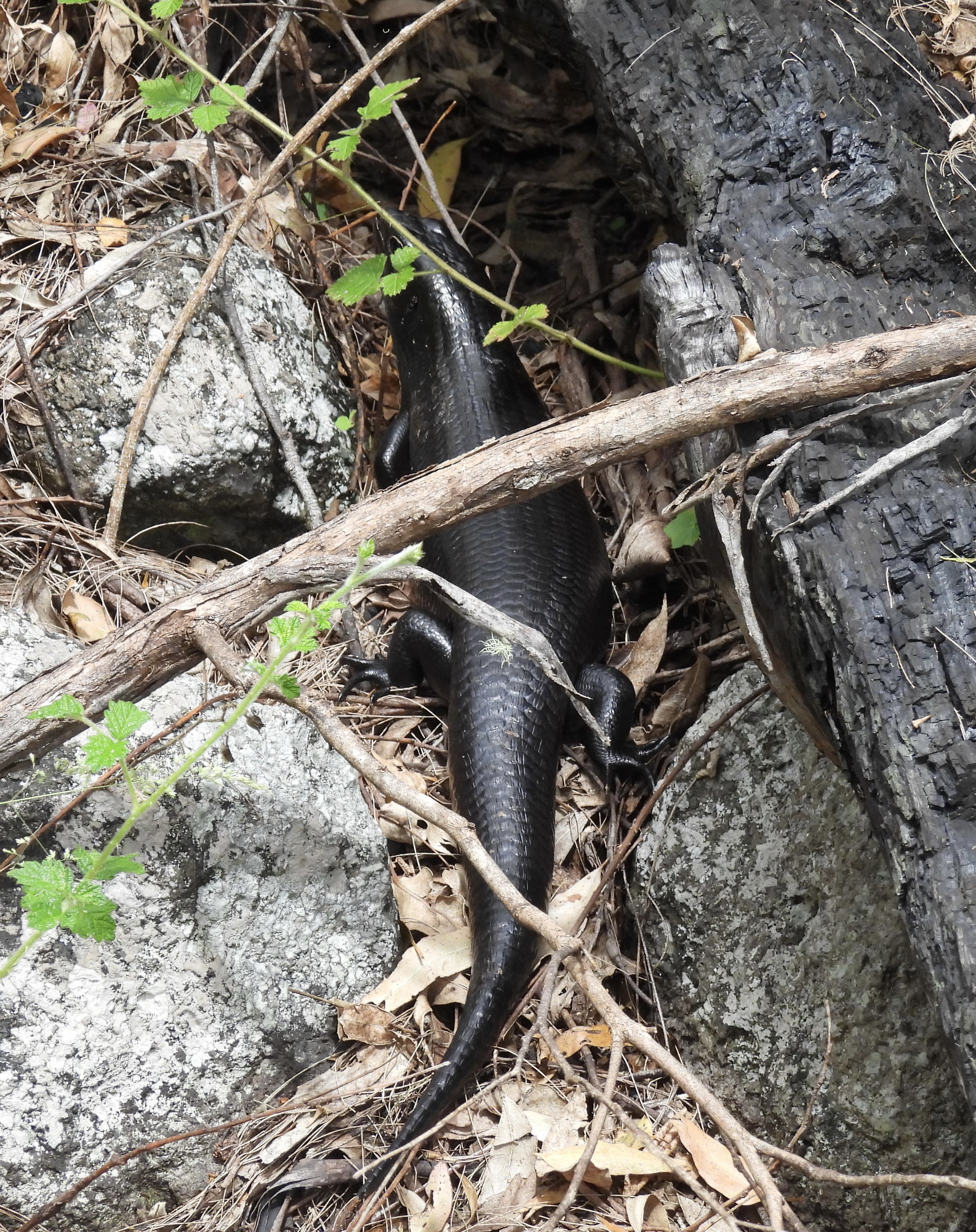

Carpet Python (left & right), and Land Mullet (center)
Apart from reptiles, there were also some great arthropod finds on the trail. One of which was a longhorn beetle, Zygocera bivittata, that blended in perfectly with the lichen-encrusted rocks along the trail and is barely known to science. The other interesting find was a Two-colored Orange Spider Wasp (Cryptocheilus bicolor) carrying a paralysed Gray Huntsman (Holconia immanis) to its burrow.
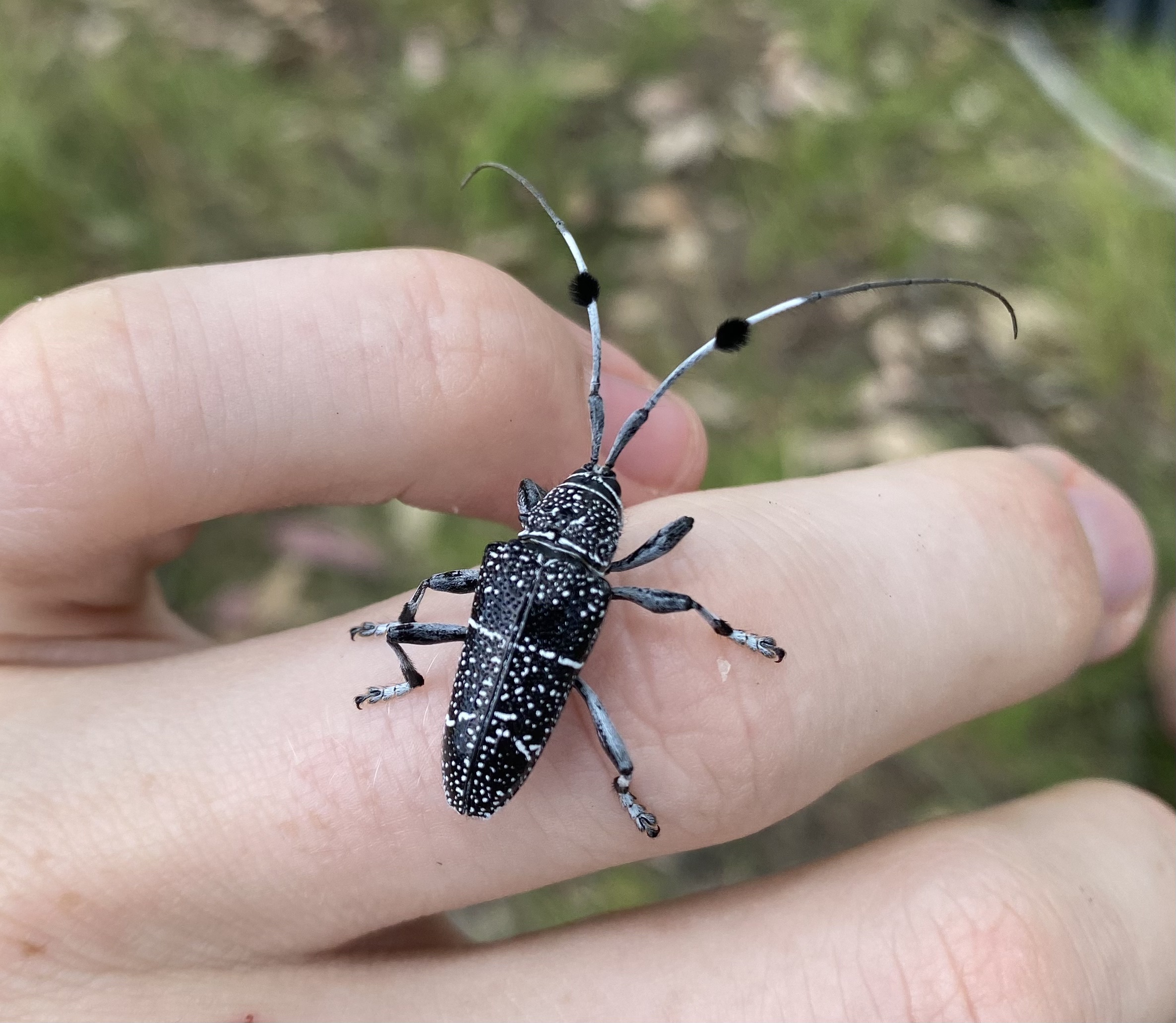
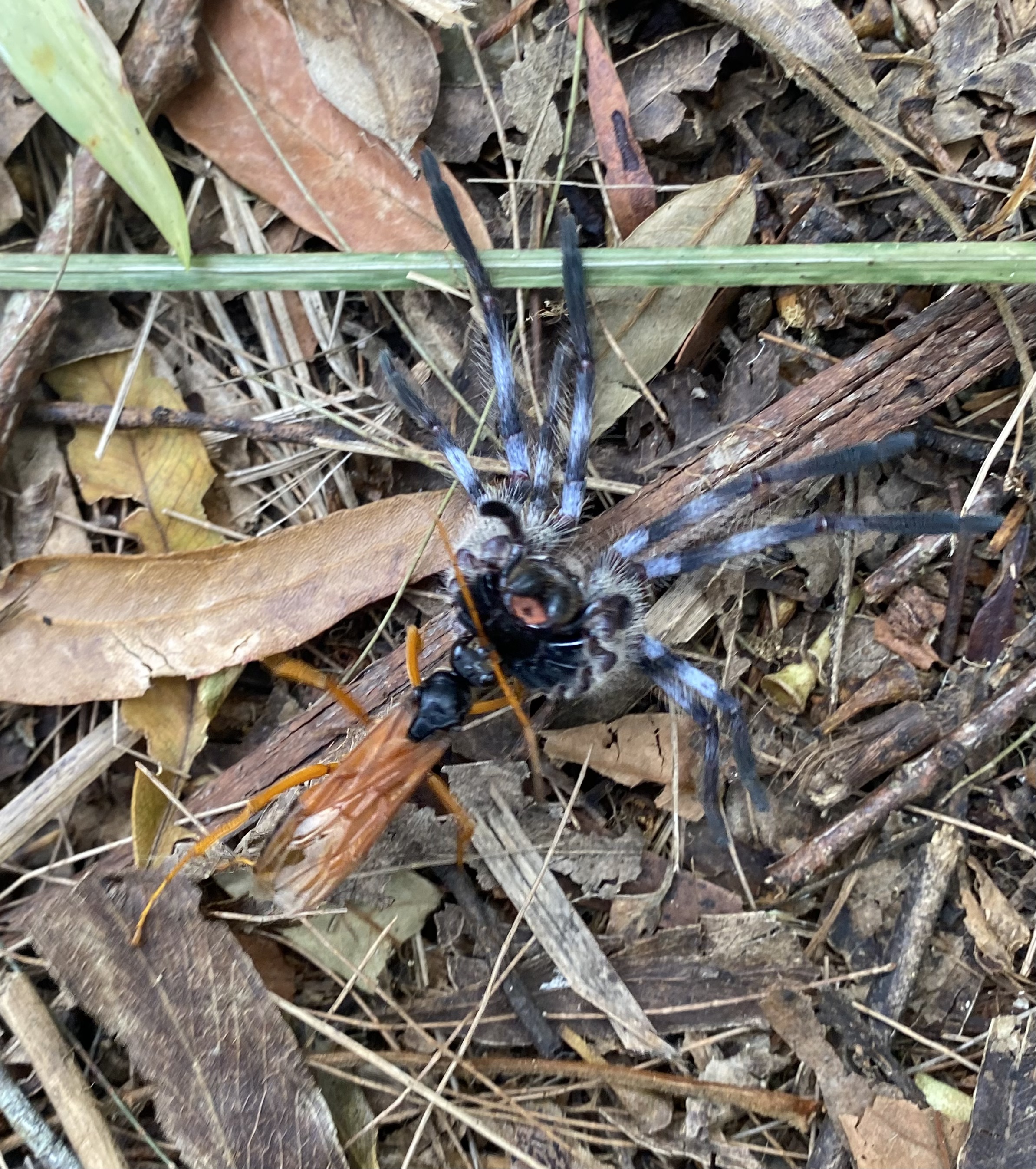
The little-known longhorn beetle, Zygocera bivittata (left), and Two-colored Orange Spider Wasp with its prey (right)
Overall, my family’s three-day jaunt to Oreilly’s Rainforest Retreat & the Gondwana Rainforest was well-worth the driving detour. Australia is proving itself a worthy location to pursue my dream career as a zoologist, and I can’t wait to see what adventures unfold for me once I start university there! Thank you for reading as always, and be sure to stick around for what’s to come!
-Bennett
Gondwana Rainforest Mammals: (Lifers bolded)
| Common Name: | Scientific Name: |
| 1. Sugar Glider | Petaurus breviceps |
| 2. Red-necked Pademelon | Thylogale thetis |
| 3. Red-necked Wallaby | Notamacropus rufogriseus |
| 4. Short-eared Brushtail Possum | Trichosurus caninus |
| 5. Northern Brown Bandicoot | Isoodon macrourus |
| 6. Common Ringtail Possum | Pseudocheirus peregrinus |
| 7. Eastern Gray Kangaroo | Macropus giganteus |
| 8. Gray-headed Flying Fox | Pteropus poliocephalus |
| 9. Antechinus sp. | genus Antechinus |
Gondwana Rainforest Birds: (Lifers bolded)
- Satin Bowerbird
- Regent Bowerbird
- Eastern Whipbird
- Australian King Parrot
- Lewin’s Honeyeater
- Eastern Spinebill
- White-browed Scrubwren
- Eastern Yellow Robin
- White-headed Pigeon
- Brown Cuckoo-dove
- Topknot Pigeon
- Wonga Pigeon
- Green Catbird
- Australian Rufous Fantail
- Gray Fantail
- Australian Logrunner
- Australian Brushturkey
- Torresian Crow
- Crimson Rosella
- Little Friarbird
- Australian Raven
- Red Wattlebird
- Willie Wagtail
- Red-browed Finch
- Gray Butcherbird
- Welcome Swallow

 Bennett Gardner Wildlife Watching
Leave a comment