
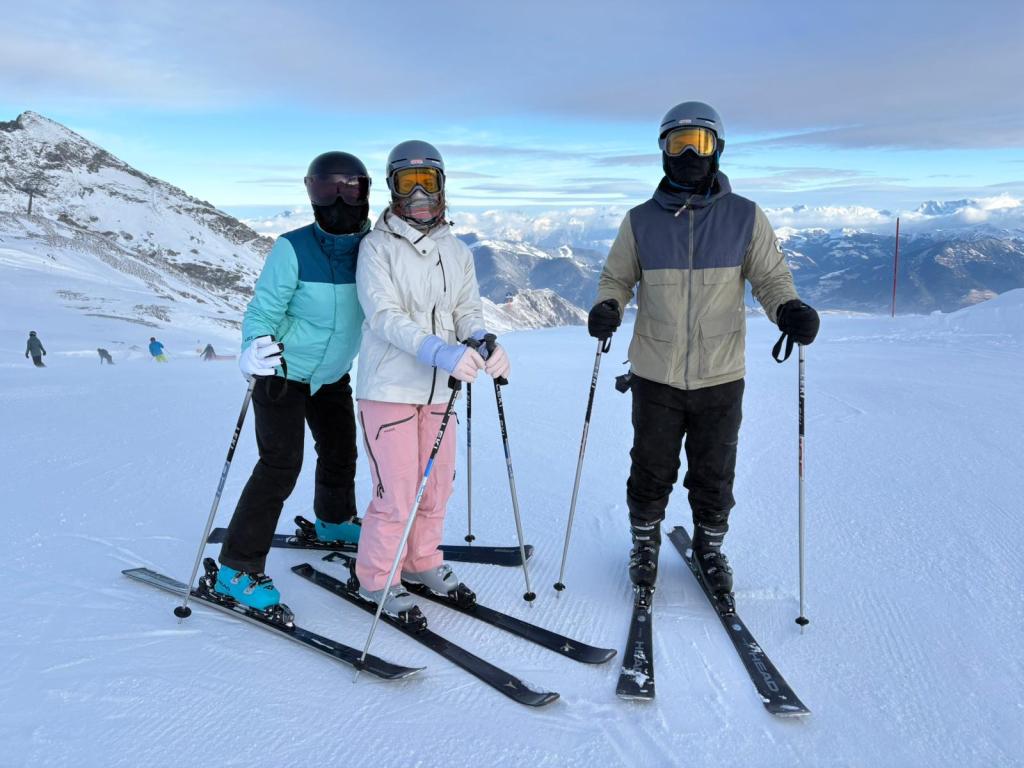
My family’s first-ever snow-themed winter holiday took the entire Gardner clan through Central Europe—17 days of freezing temperatures, superb skiing, gorgeous Austrian Alps, and charming historic cities. Experiencing real snow for the first time in 6 years was exhilarating! I particularly enjoyed the snow-covered Alps—easily one of the most spectacular places I’ve visited in my life.
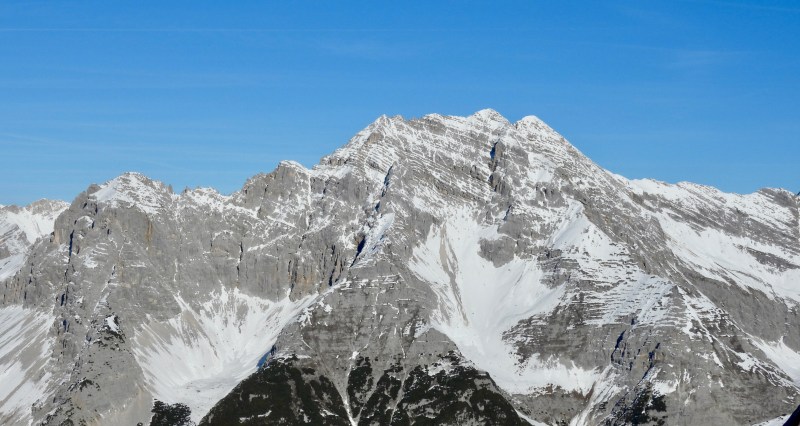
I didn’t spend as much time on wildlife and nature on this trip as I usually would, but still invested a good chunk of time searching for alpine mammals & birds in the Alps. Winter is definitely the low season for spotting wildlife at northerly latitudes, but I still nabbed 31 wild bird species and 6 wild mammal species during my trip. Highlight species include Northern Chamois, Western Roe Deer, Coypu (or Nutria), Yellow-billed Chough, White-throated Dipper, and White-winged Snowfinch.
My family and I visited three countries during our trip—Austria, Germany, and Czechia—traveling by car and high-speed train. We spent the bulk of our trip (two weeks) in Austria, several days in Prague, Czechia, and only a couple of hours in Germany while driving to Salzburg, Austria. In this post, I’ll summarize the locations we visited and the wildlife I observed along the way.
Vienna, Austria:
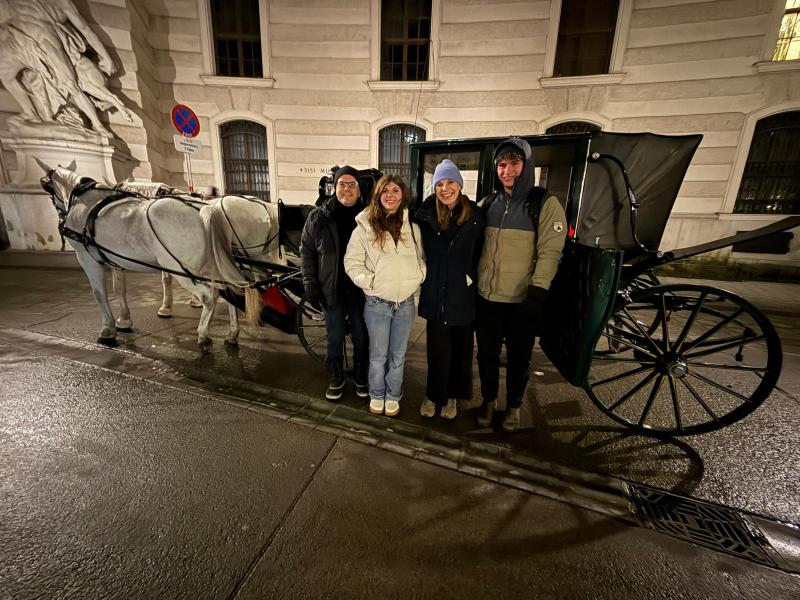
My family arrived in Austria’s historic capital city late at night on December 23rd, 2025. We spent Christmas Eve and Christmas Day in Vienna, exploring several famous Christmas markets and museums, including the Imperial Treasury inside Hofburg Palace. About an inch (2.5 cm) of snow fell on the morning of Christmas Eve, which my sister and I enjoyed immensely. It was our first time seeing snow in more than half a decade and provided a perfect festive backdrop to the city. We departed our Vienna hotel, the Austria Trend Parkhotel Schönbrunn, early on the morning of December 26 to catch a high-speed train to Innsbruck.
There wasn’t too much wildlife to be seen in Vienna, though the freezing winter weather was likely a factor. Still, several city parks—including Schönbrunn Palace Gardens—held a fair number of wild birds. My hotel was located only a five minute walk from Schönbrunn and I was able to explore part of the park with my family. Here I saw Great Tits, Eurasian Nuthatches, Rooks, Carrion Crows, and plenty of feral Rock Pigeons. A surprise treat was a Eurasian Red Squirrel sporting its beautiful, silver-brown winter coat.
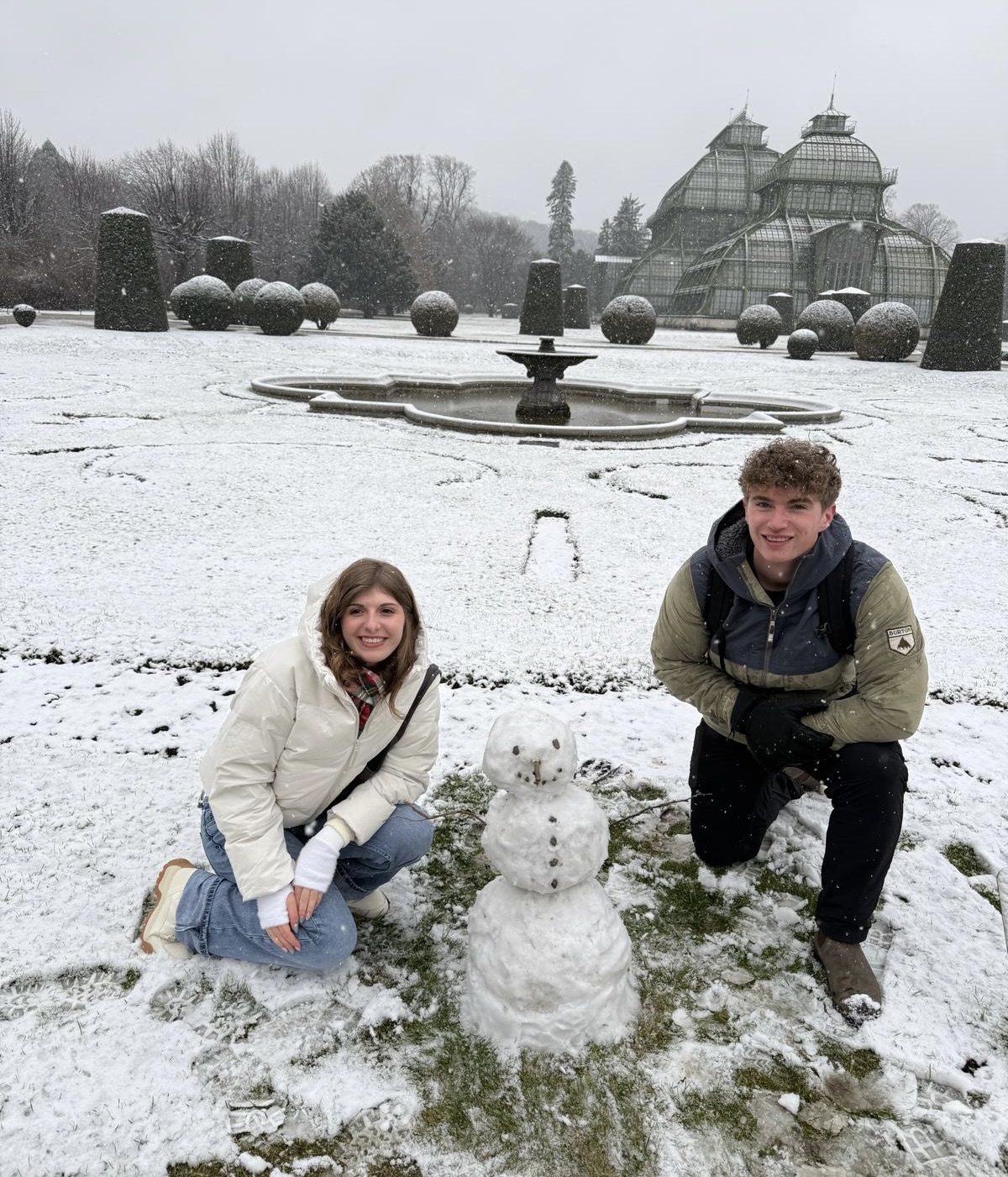
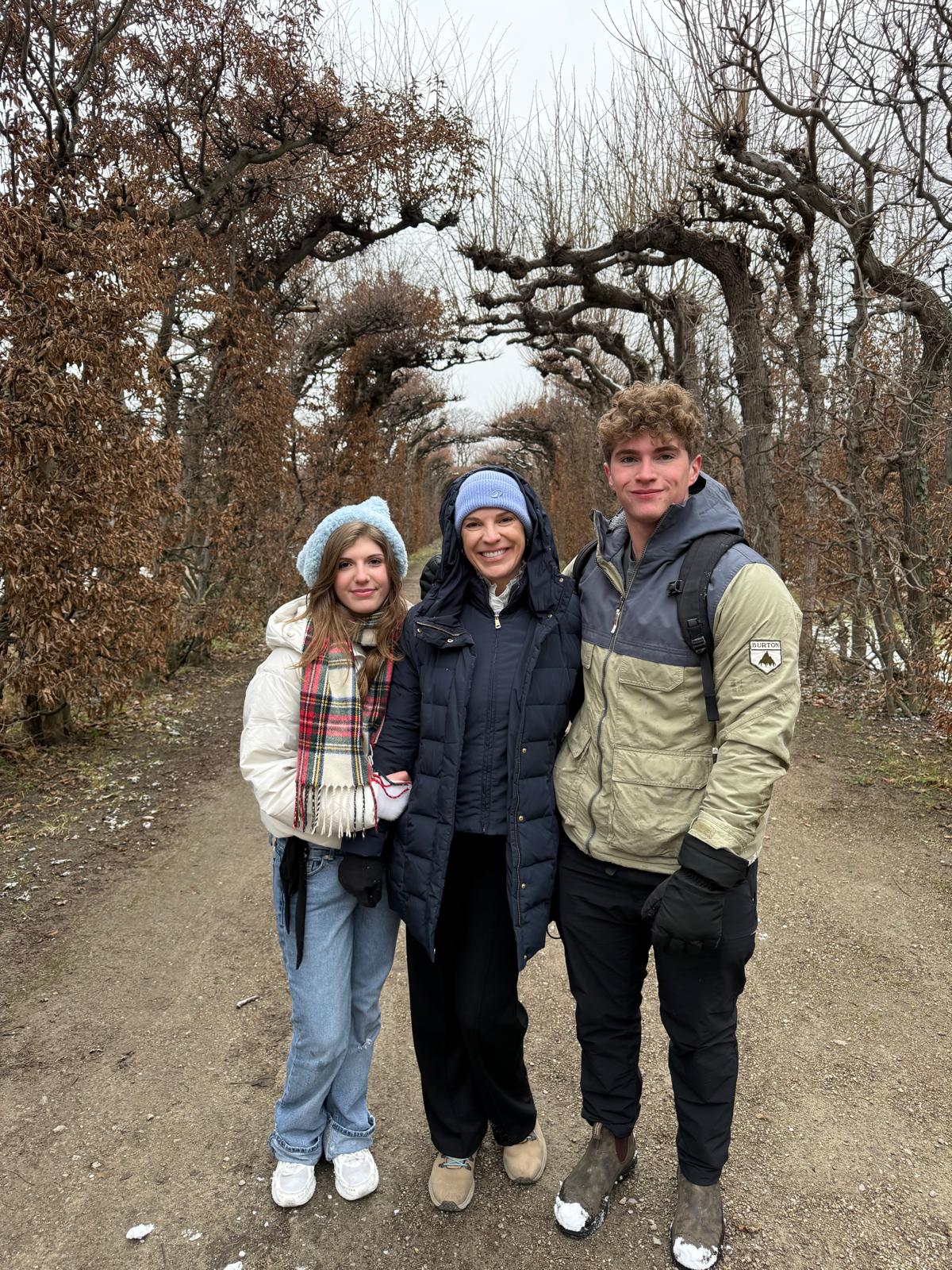
Schönbrunn Palace Gardens with my mom and sister
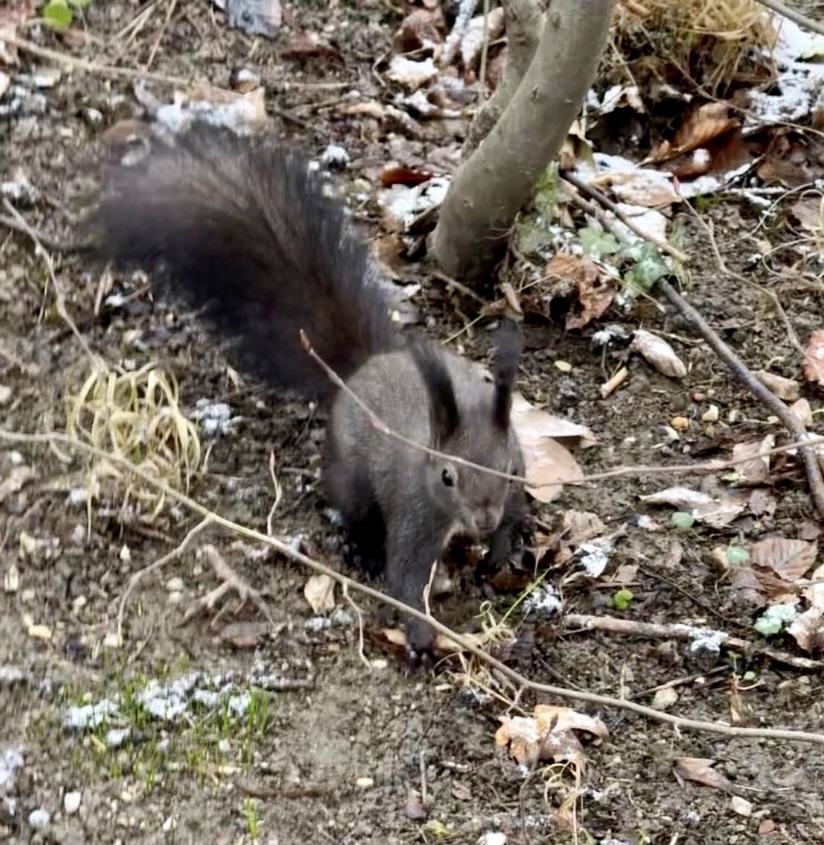
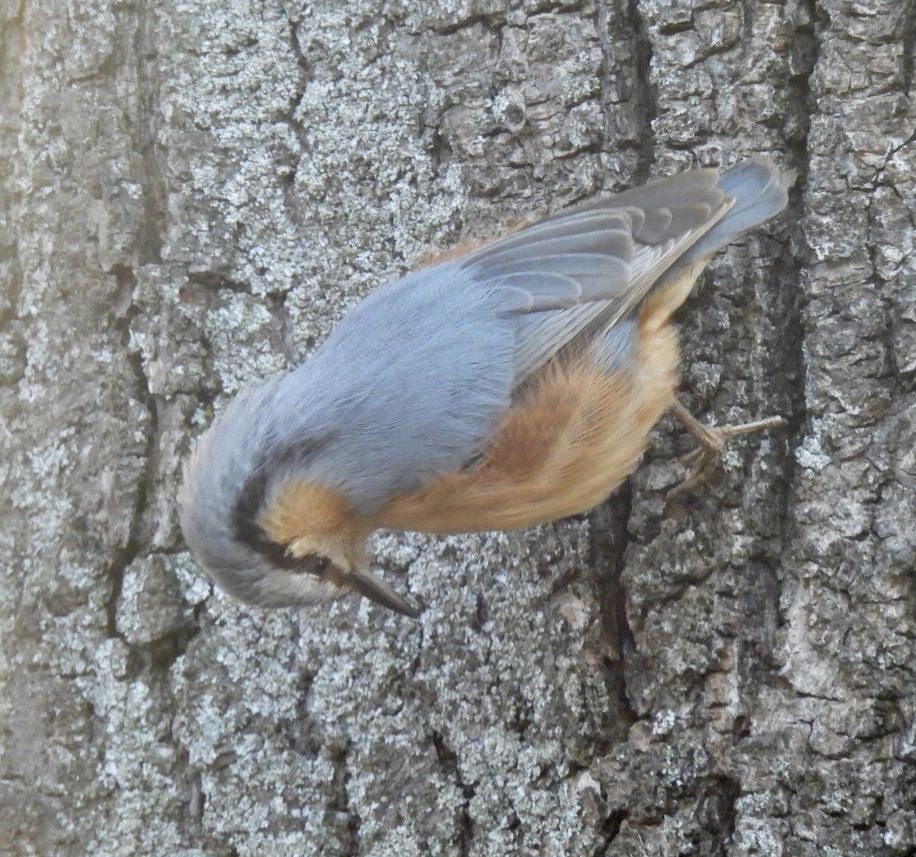
Eurasian Red Squirrel (left) and Eurasian Nuthatch (right)
Innsbruck, Austria:
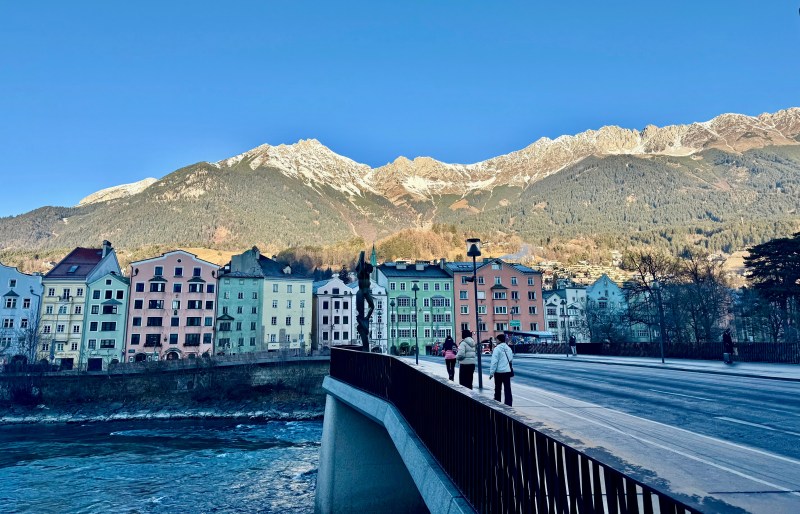
We arrived in the small city of Innsbruck after a roughly 4-hour train ride from Vienna. Innsbruck is nestled in a valley deep within the spectacular Alps of western Austria, and is popular among tourists for its easy access to nearby ski resorts and mountain peaks. We stayed at Hotel Leipziger Hof in the city center for two nights and spent most of December 27th exploring Hafelekarspitze, a 2,334-meter (7,657 ft) peak accessible by cable car.
Though it was unseasonably warm during our visit, there was still plenty of snow at the summit, and the views were spectacular. All four of us took the cable car up the mountain, but my dad and I decided to hike down while my mom and sister opted to ride the cable car back to the base. While my dad and I were hiking down, a forest fire broke out below the treeline and we often had to step aside to let fire trucks and other emergency response vehicles pass along the mountain road. Fortunately, the fire was extinguished quickly and no one was injured.
Altogether Innsbruck was a short and sweet stop on our itinerary.
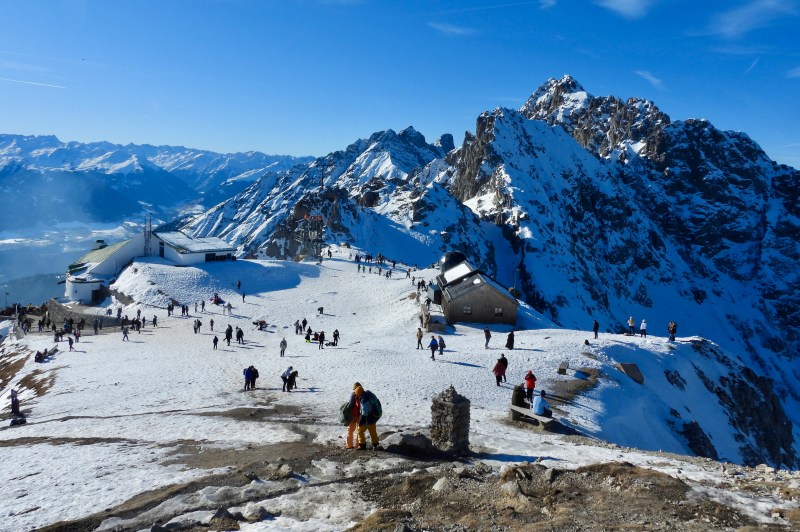
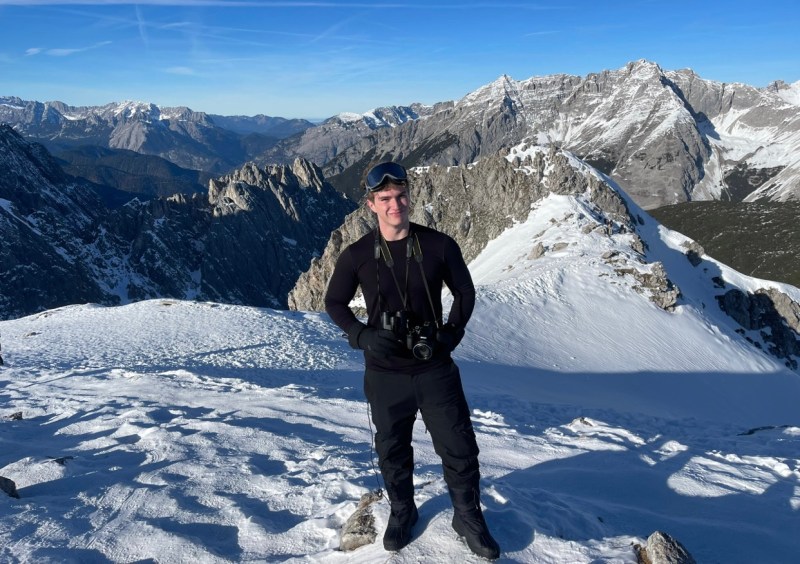
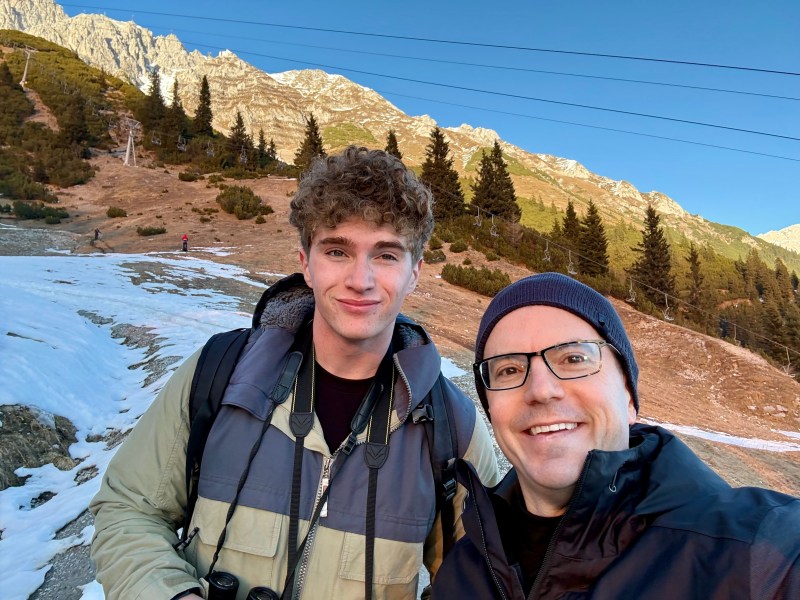
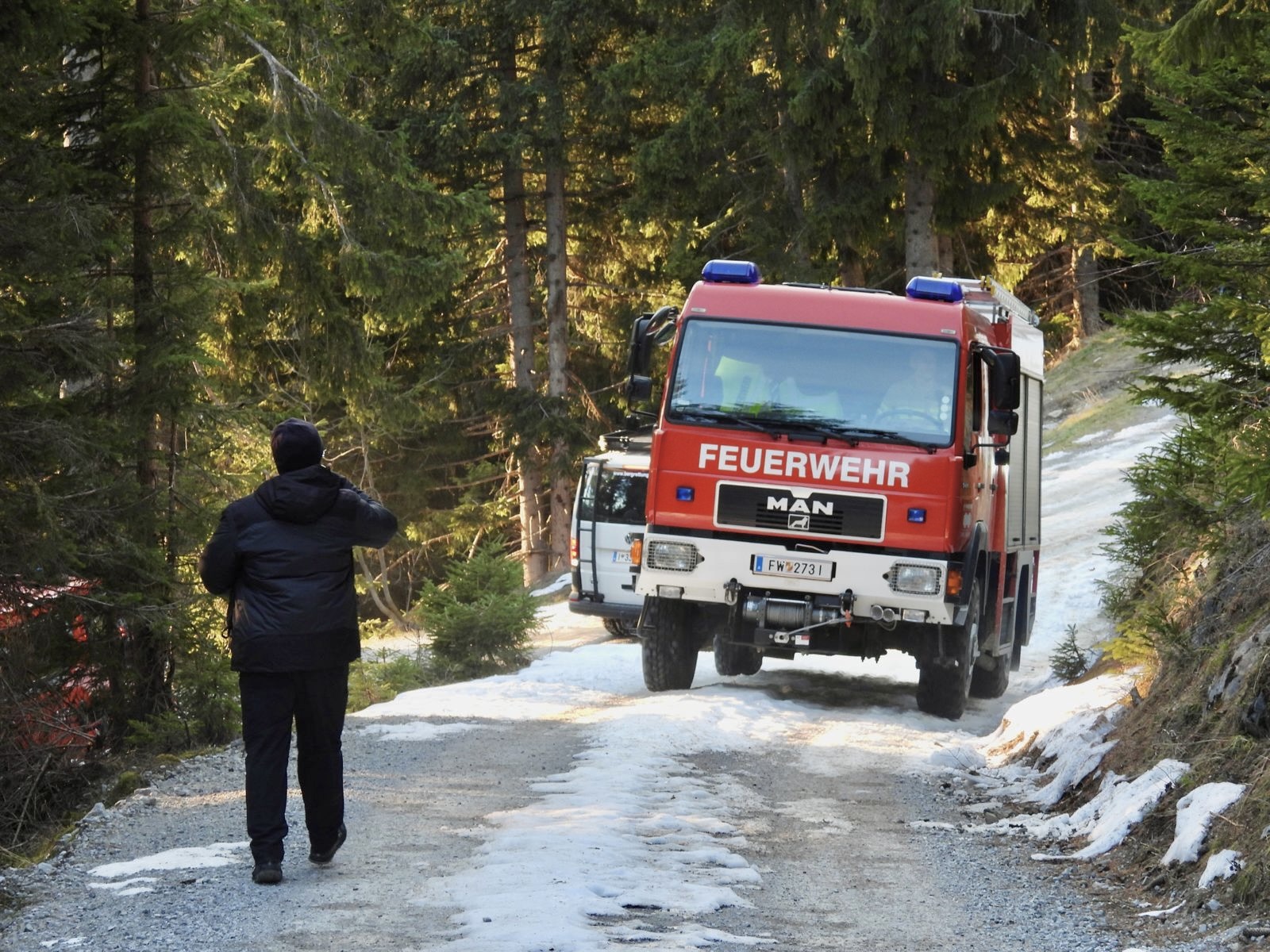
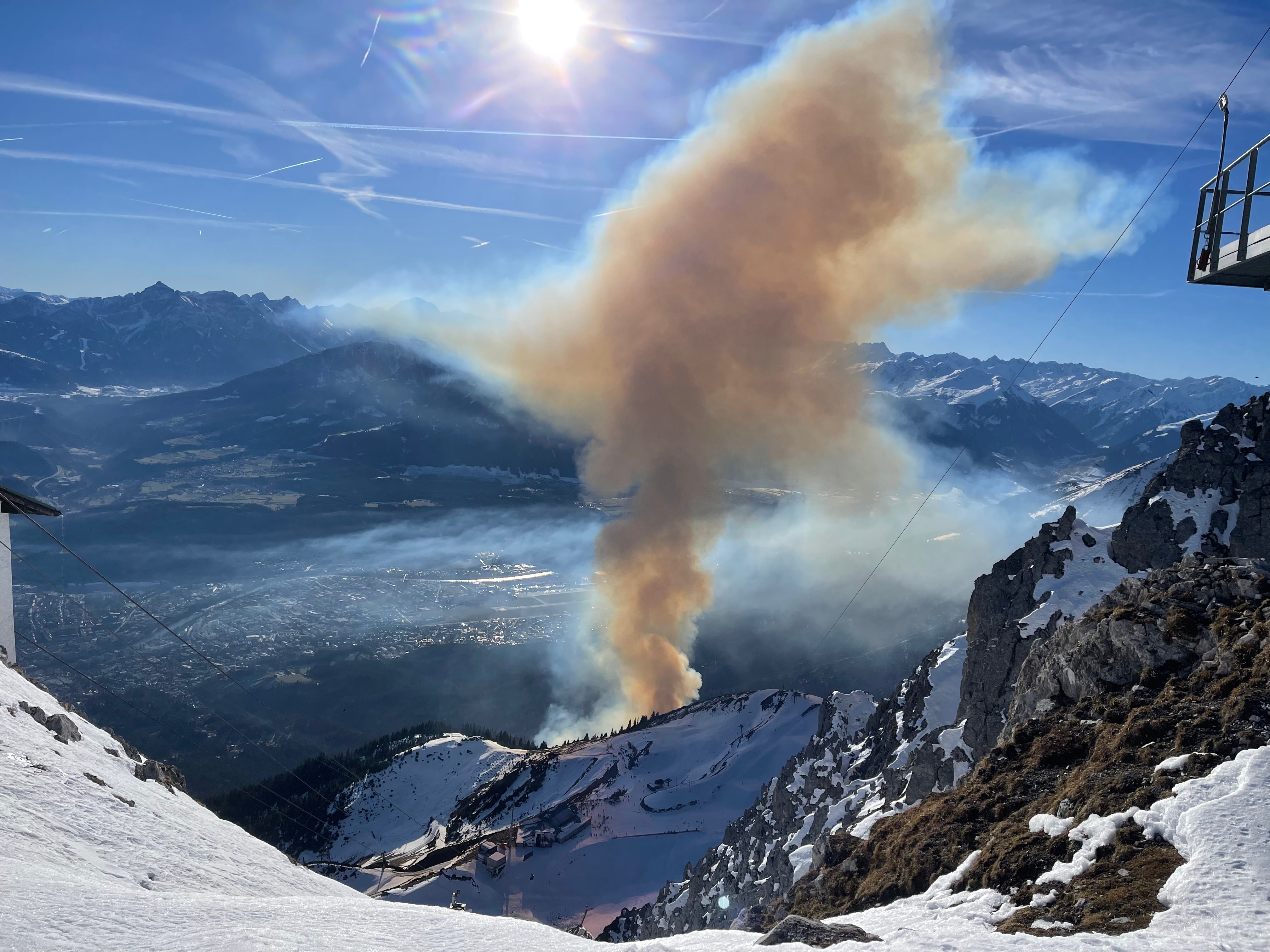
Forest fire near Innsbruck
In terms of wildlife, Innsbruck didn’t disappoint. I had several target species in mind during my visit including the Bearded Vulture and Alpine Ibex, though these species are rarely seen near the city. More broadly, I was hoping to find alpine and upland specialist birds and wild mammals—goals that I ultimately achieved.
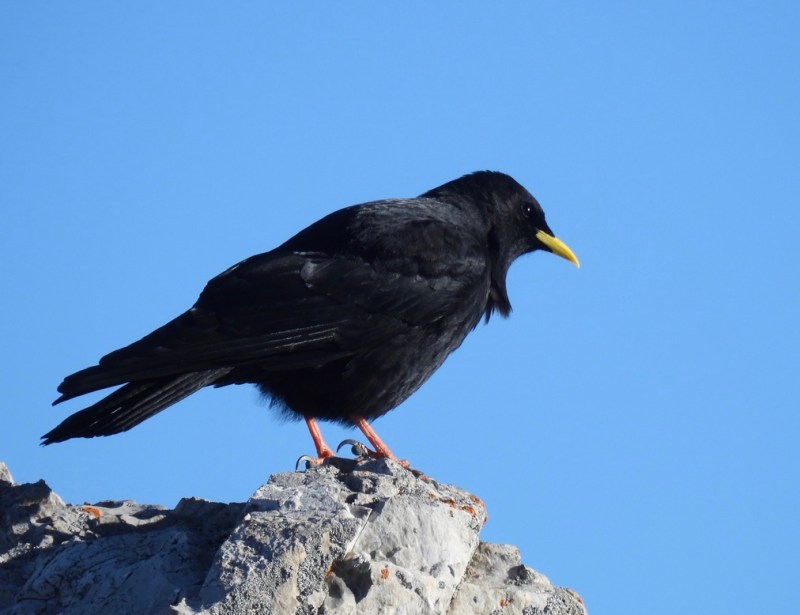
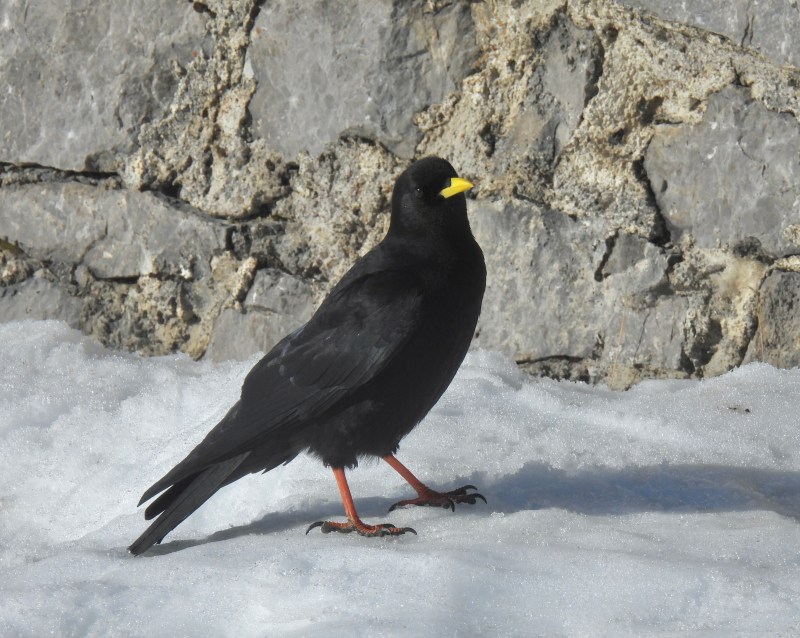
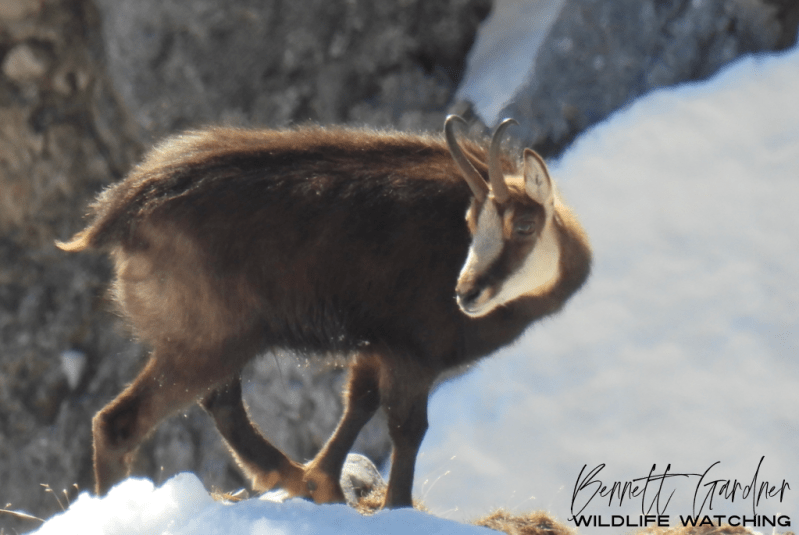
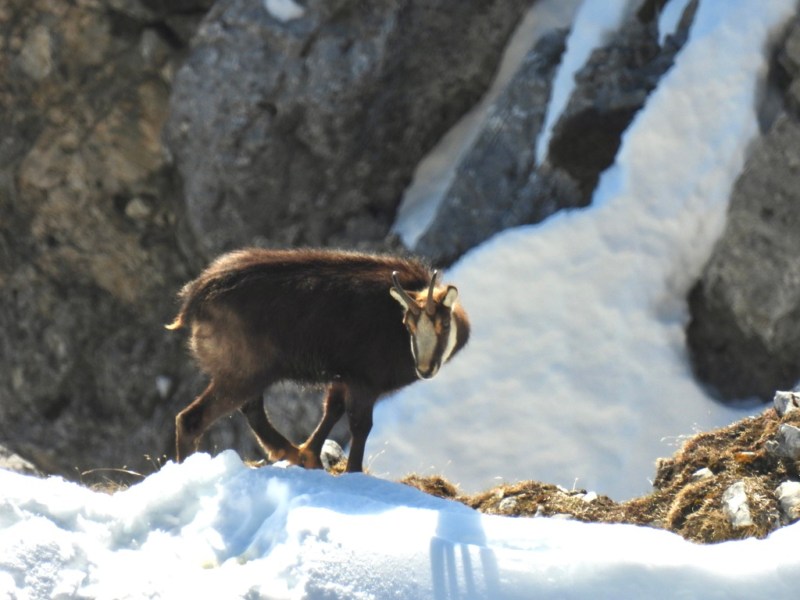
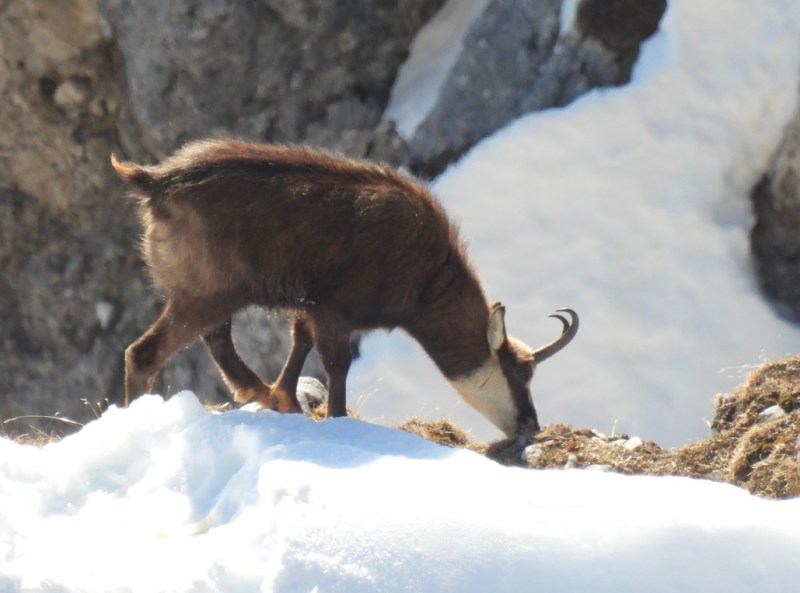
The crowded, snow-covered summit of Hafelekarspitze produced two alpine specialist animals: the Northern Chamois and the Yellow-billed Chough. At the summit, flocks of Yellow-billed Choughs were almost impossible to miss as they pestered tourists for food handouts. The chamois, on the other hand, required a bit more effort to find. I trudged through deep snow and scanned bare patches of the mountain with my binoculars, until I finally spotted one grazing on an exposed slope.
Wildlife-watching in the snow was a completely new experience for me. I’m far more accustomed to searching for animals in steamy jungles, and the alpine environment was a welcome change. As my dad and I hiked down from the summit, I managed to spot two more chamois along the mountainside.
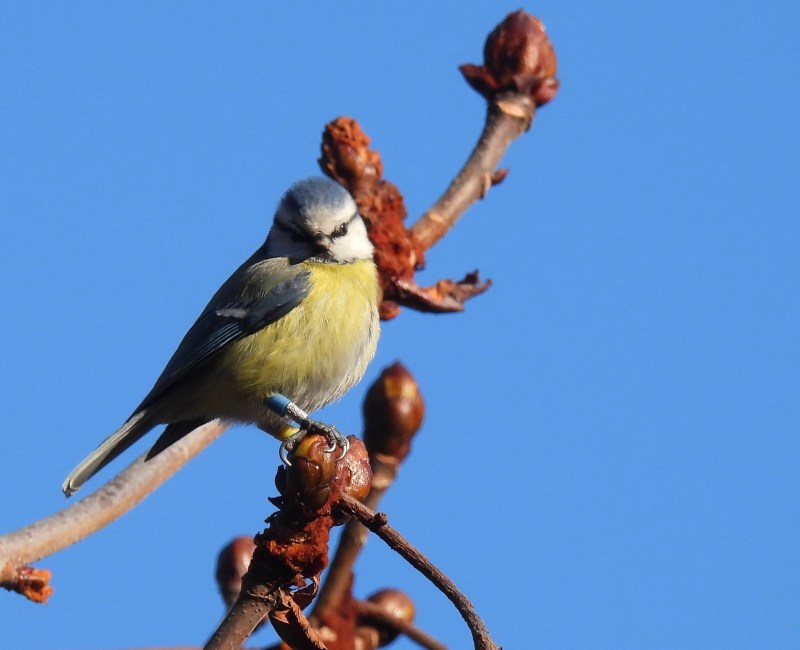
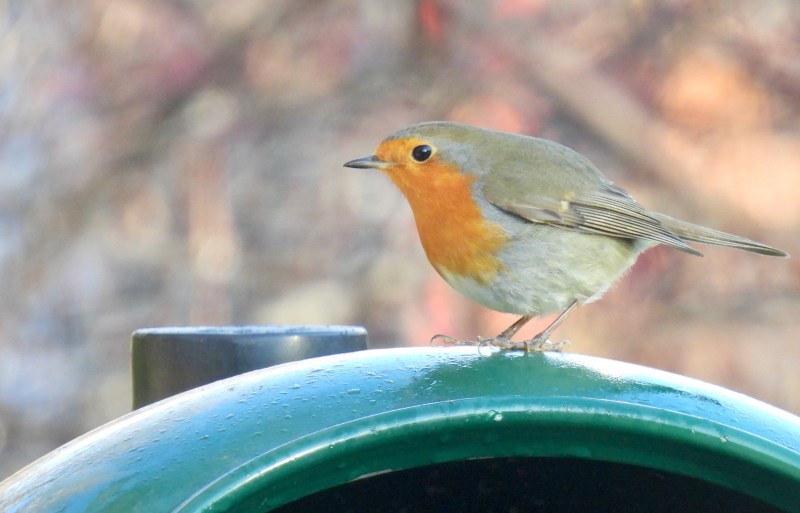
While in Innsbruck, I went birding at Rapoldipark, a park near our hotel that stretches along the Sill River. A single morning at Rapoldipark produced Long-tailed Tits, Common Chaffinches, European Goldfinches, European Greenfinches, Eurasian Blue Tits, European Robins, House Sparrows, Eurasian Blackbirds, European Starlings, and Eurasian Nuthatches.
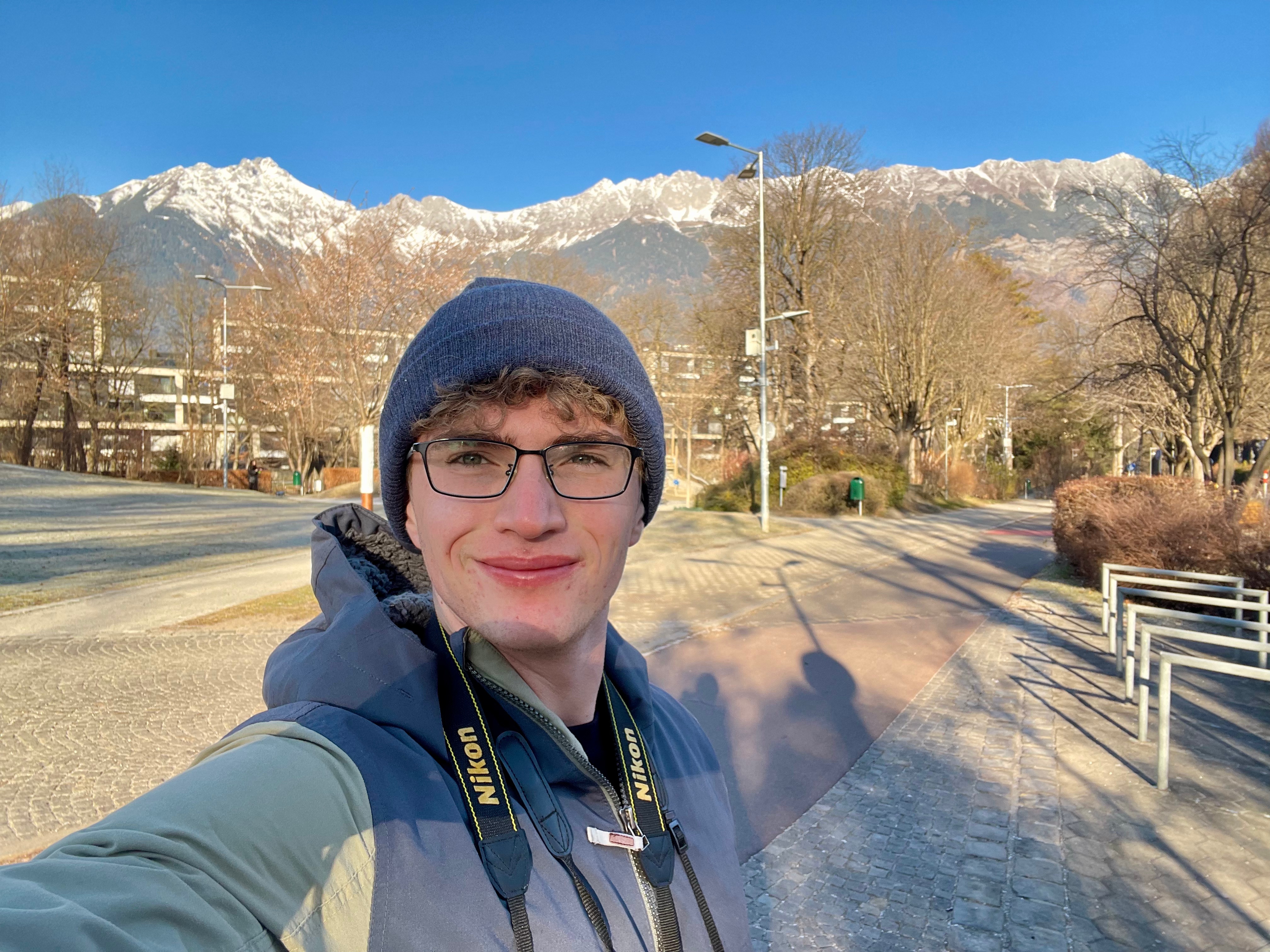
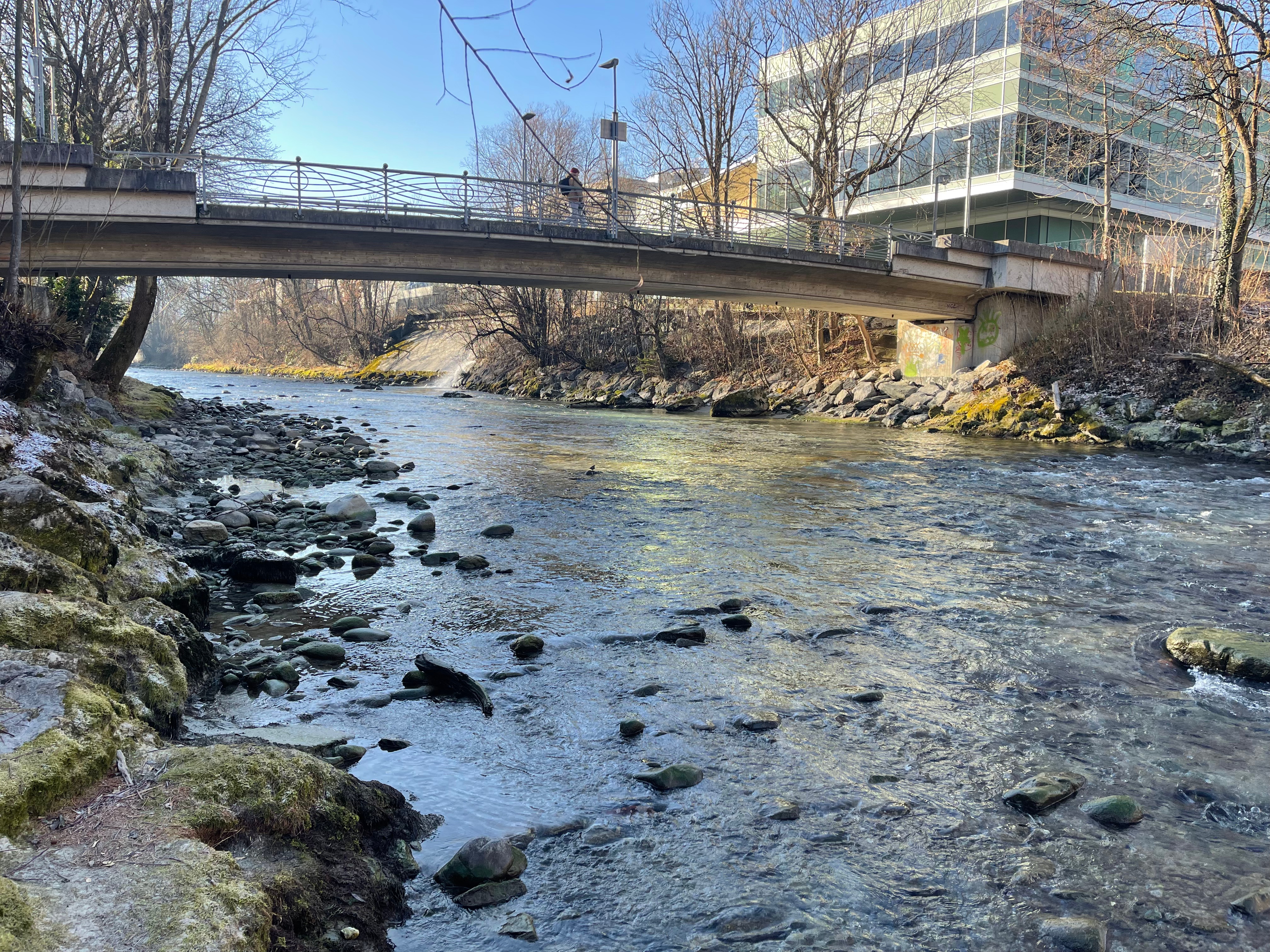
Rapoldipark
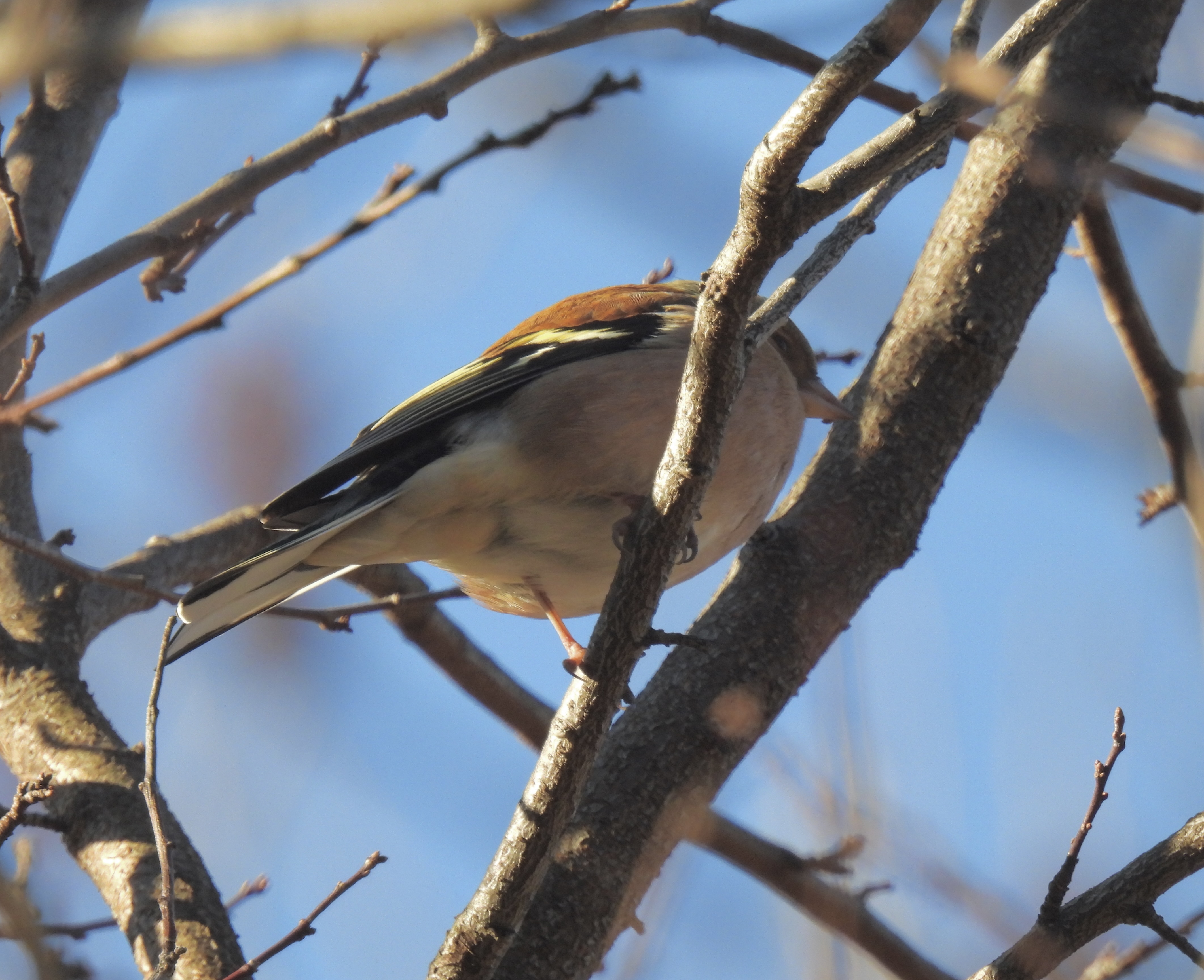
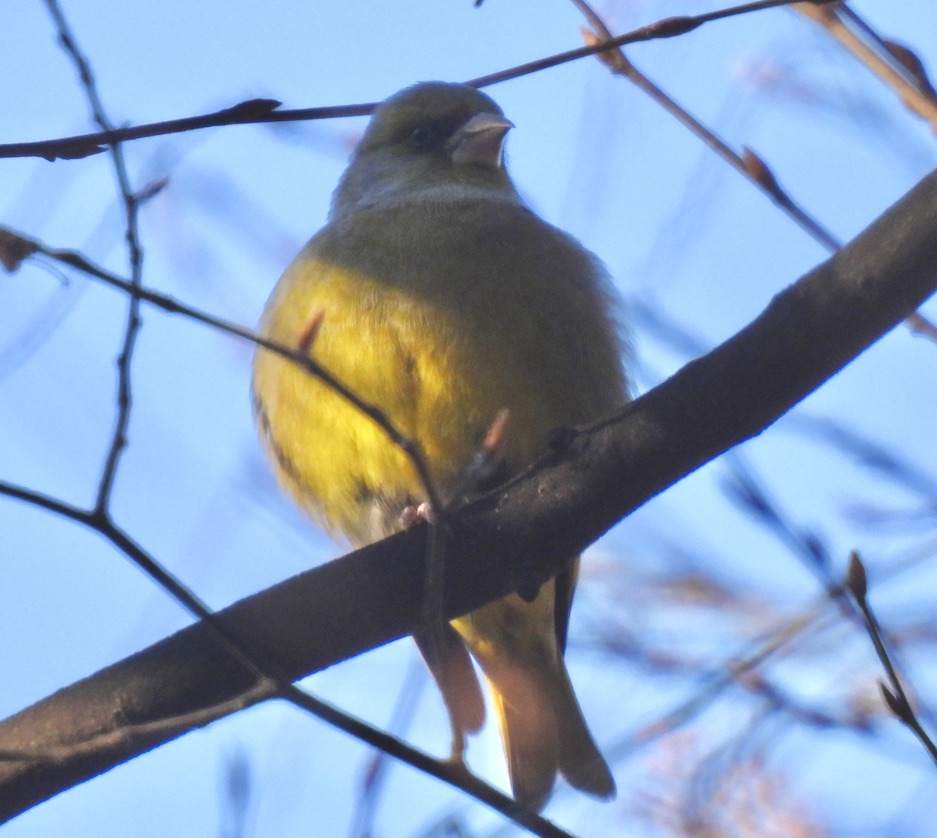
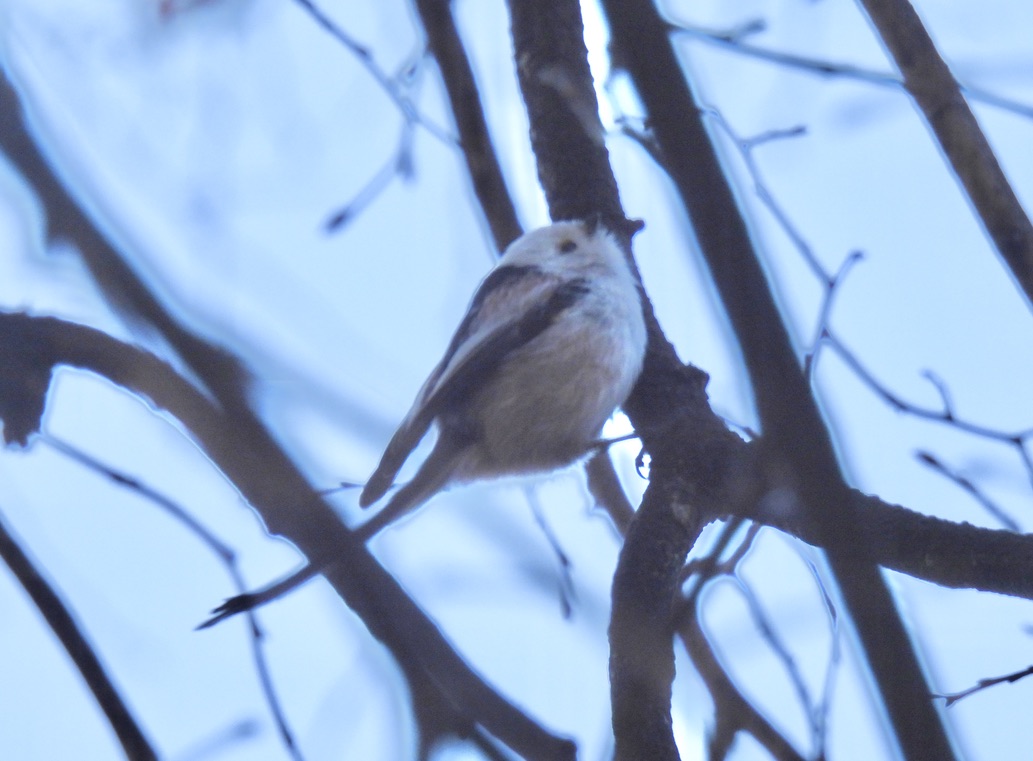
Common Chaffinch (left), European Greenfinch (top right), and Long-tailed Tit (bottom right)
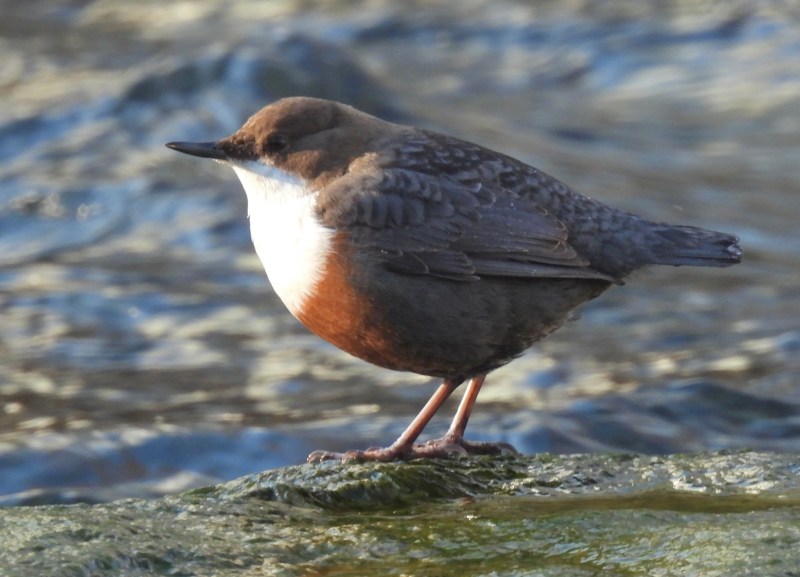
The highlight of the morning, however, was a White-throated Dipper—my favorite bird species of the entire trip. The White-throated Dipper is unique as the world’s only truly aquatic songbird. It dives for food in fast-flowing streams, using its wings to propel itself underwater. I had a memorable encounter with one along the Sill River and was able to watch it plunge into the current several times while hunting.
Kaprun, Austria:
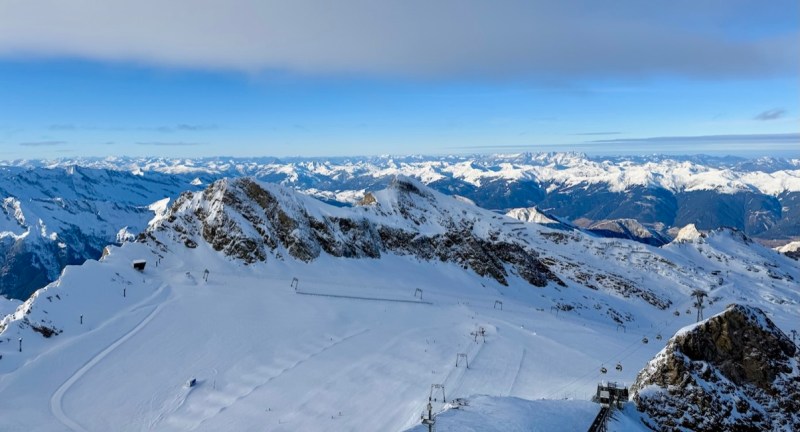
My family spent a significant portion of our trip (December 28, 2025–January 2, 2026) in the alpine ski town of Kaprun, Austria. We had four full days there to learn how to ski and enjoy the spectacular runs descending from the 3,029-meter-high (9,937 ft) Kitzsteinhorn Glacier. My mom hired a fantastic Czech ski guide, Radak, who has over twenty years of experience as a ski instructor in the Austrian Alps and taught my sister and me how to ski in just two days. Those first few days of lessons were spent on the gentler slopes of Schmittenhöhe in nearby Zell am See before we moved to the faster, wilder runs of Kitzsteinhorn for the final two days.
The frigid temperatures and gusty winds on Kitzsteinhorn made it feel more like Antarctica than Austria while we were there, which somehow made the skiing even more fun. On the afternoon of December 31st, the outside air temperature displayed at the ski lift at 2,900 meters (9,500 ft) above sea level was a frosty −23 °C (−9.5 °F), not including the bitter wind chill. Though I love the cold, I will admit that I was chilled to the bone after several hours of skiing on Kitzsteinhorn and had to take a break in the heated Alpincenter building at the base of the glacier to warm my hands and feet. Despite the freezing temperatures, the weather in Kaprun was beautiful throughout our stay—blue skies and sunshine for three of the four days, with only a couple of brief snow showers.
Learning to ski in the Austrian Alps was an incredible experience for me. I picked up the basics quickly and found it to be an incredibly freeing and deeply cathartic activity. I learned to control my speed and direction using the turning technique Radak taught me, and once I grew comfortable enough, I began flying down the ski runs of Kitzsteinhorn with my parents and sister. Few things make you feel more alive than careening down a steep, icy slope at 50 kilometers per hour (30 mph). Skiing blends perfectly with my love of nature and the outdoors, and I’m excited to try it in different parts of the world in the future. I can’t believe it took me until age 19 to pick up the skill!
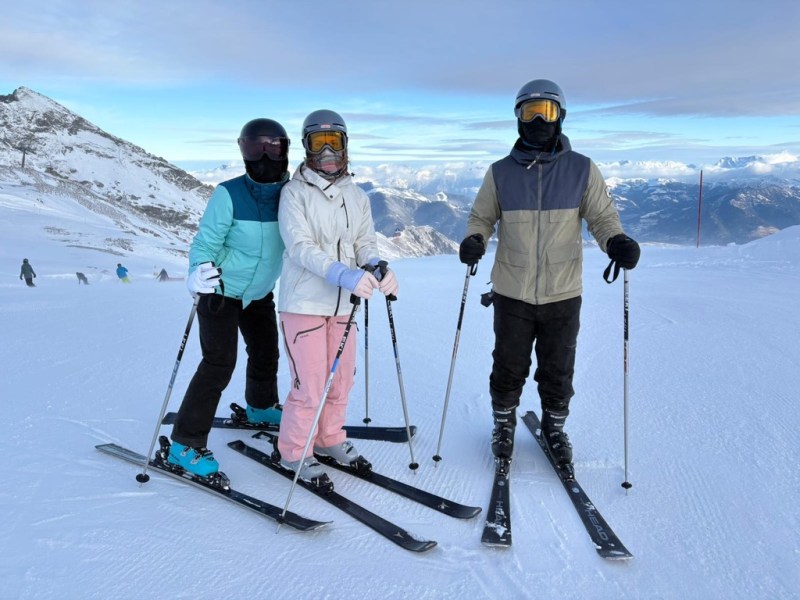
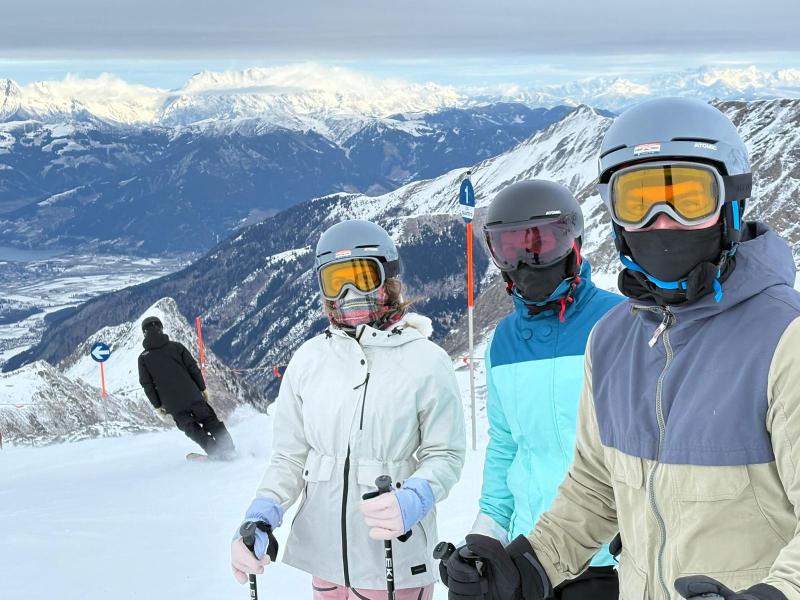
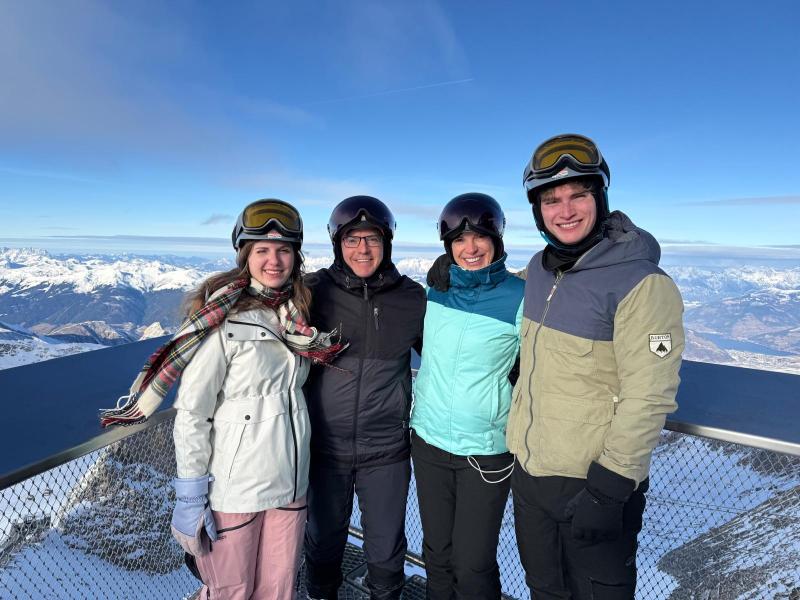
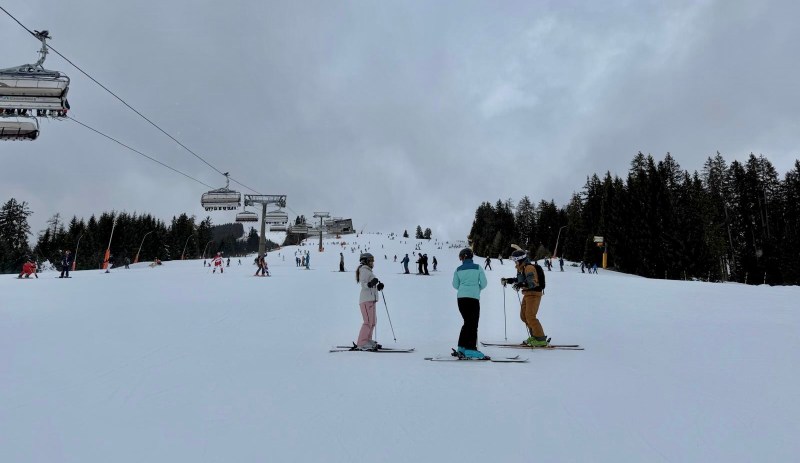
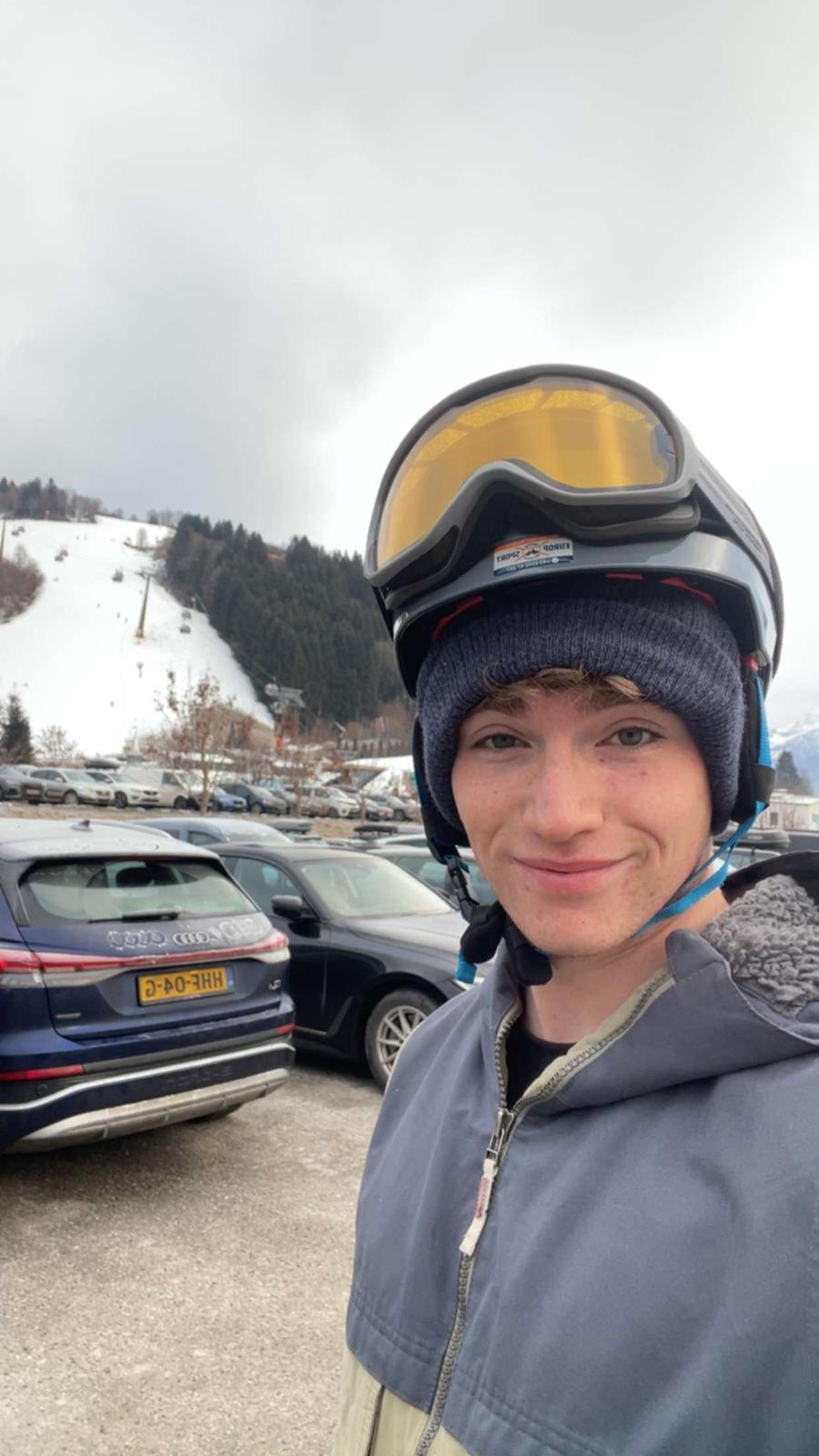
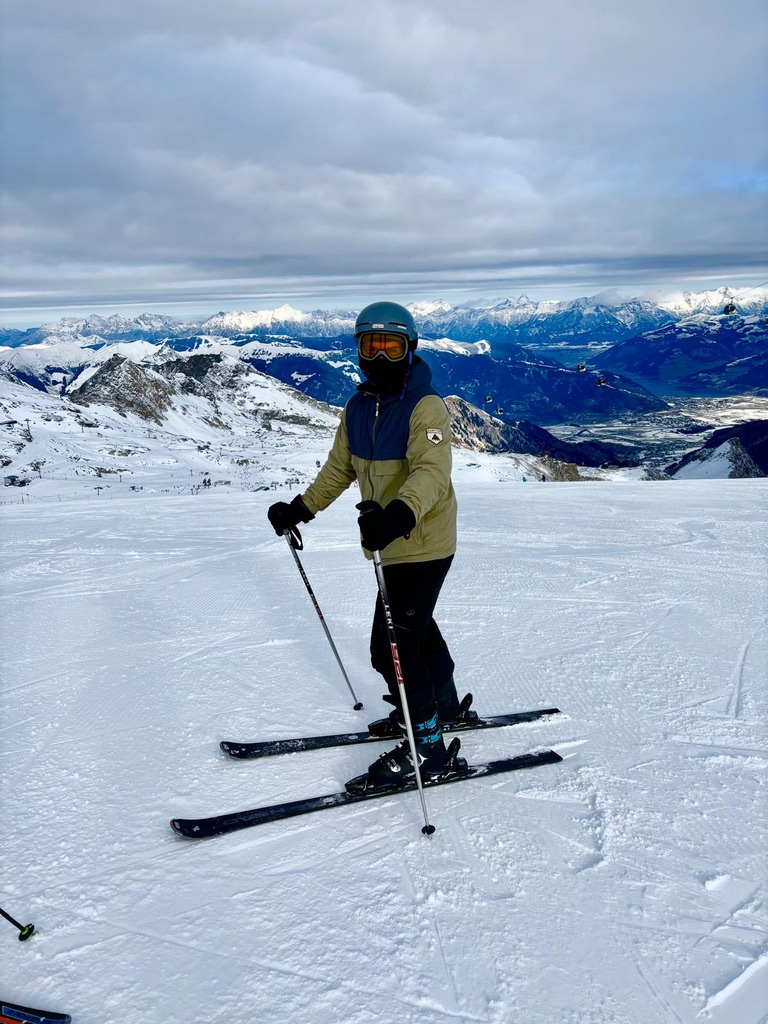
Skiing in Kaprun was the perfect way to end an otherwise rough 2025 for me
Out of the four full days my family spent in Kaprun, I was only able to look for wildlife on one day—and only because I felt too sick to go skiing.
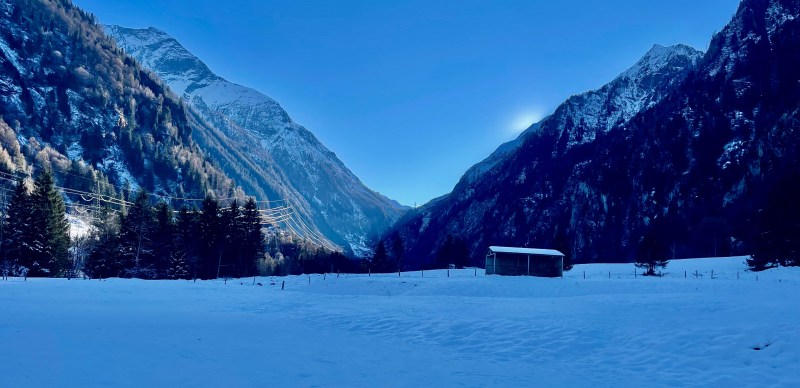
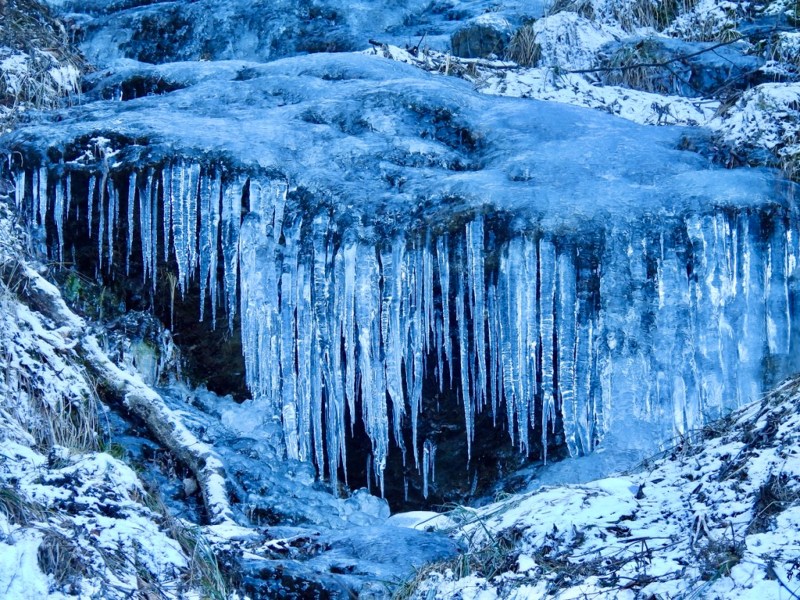
On December 29th, I woke up feeling ill and informed my parents that I wasn’t going to join them on the slopes that day, as I wanted to recover and be in good health for the remainder of our time in Kaprun. That didn’t stop me from going on a nature hike through the narrow Kaprun Valley south of town later that afternoon. The hike took about three hours to complete and produced a fair amount of wildlife.
I started the hike from my family’s hotel, Avenida Mountain Lodges. I trekked about 2.5 km (1.5 miles) to Klammsee reservoir, where I searched for birds and mammals in the surrounding snowy forests. The lake produced Eurasian Wrens, a Common Buzzard, Little Grebes, Mallards, and Eurasian Magpies. I continued walking down the valley through snow-covered pastures where I hoped to spot wild mammals like Mountain Hare and Red Deer. I found fresh spoor from both species but didn’t see the animals themselves.
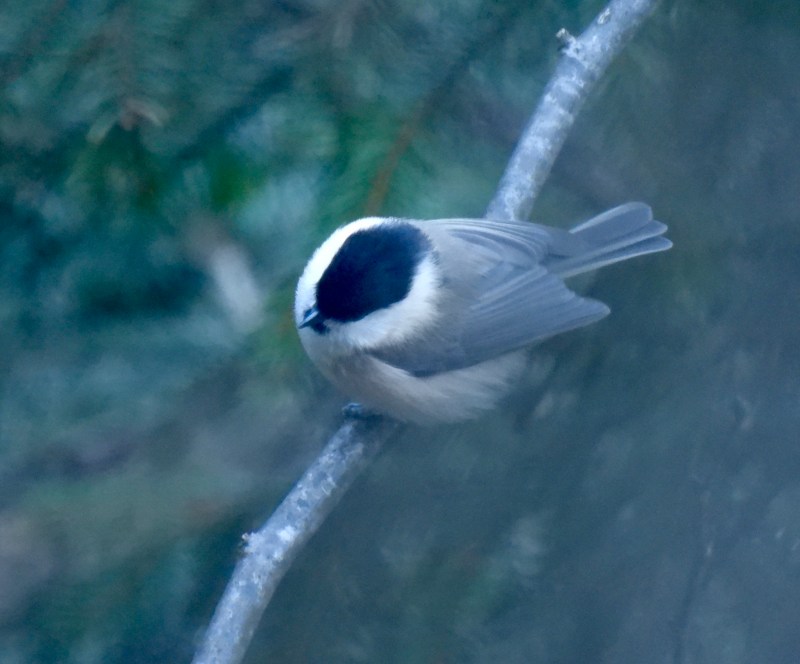
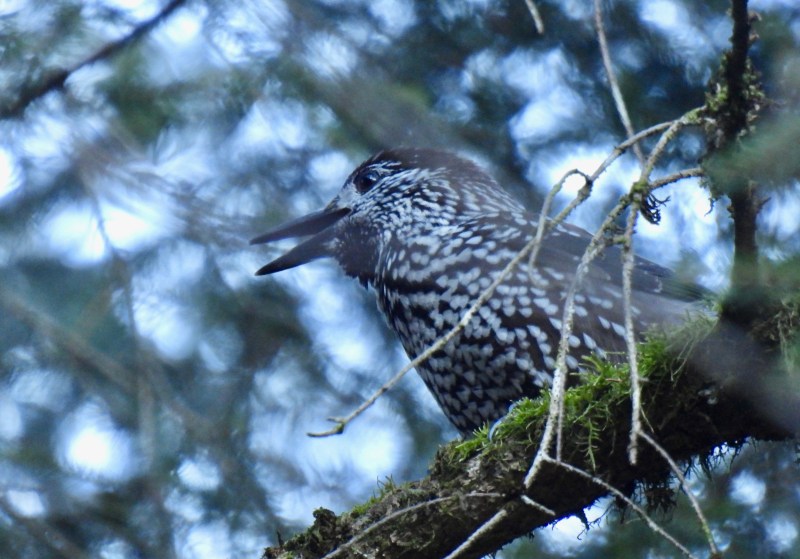
Eventually, I reached a cross-country ski trail leading through the steep forests on one side of the valley. The trail was icy and treacherous in places, so I proceeded with caution. About fifteen minutes after starting up the trail, I heard a large mammal moving through the forest above me. I hoped it would be an Alpine Ibex or Red Deer, but it turned out to be another chamois. The animal looked at me curiously from a boulder above the trail for a minute or two before disappearing into the forest. I didn’t see any other mammals on my hike, though I did encounter a pair of Willow Tits and a very vocal Northern Nutcracker in the trees along the trail.
While skiing on Kitzsteinhorn on December 31st, I spotted a flock of White-winged Snowfinches—alpine specialist birds—at the Alpincenter, 2,450 meters (8,038 ft) above sea level. Several snowfinches were gathered around a collection of birdhouses next to a ski lift, where they presumably take shelter from the harsh alpine weather.
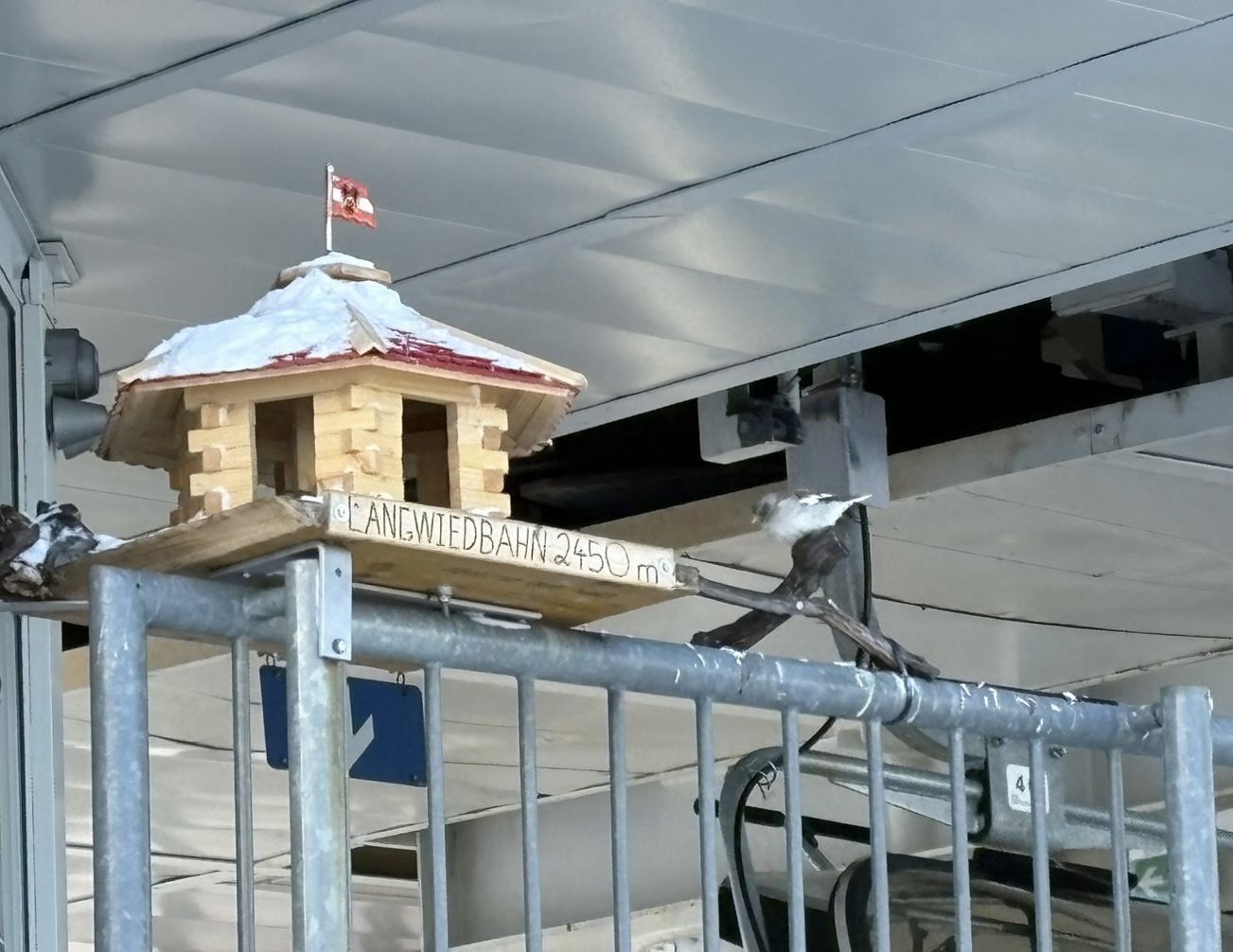
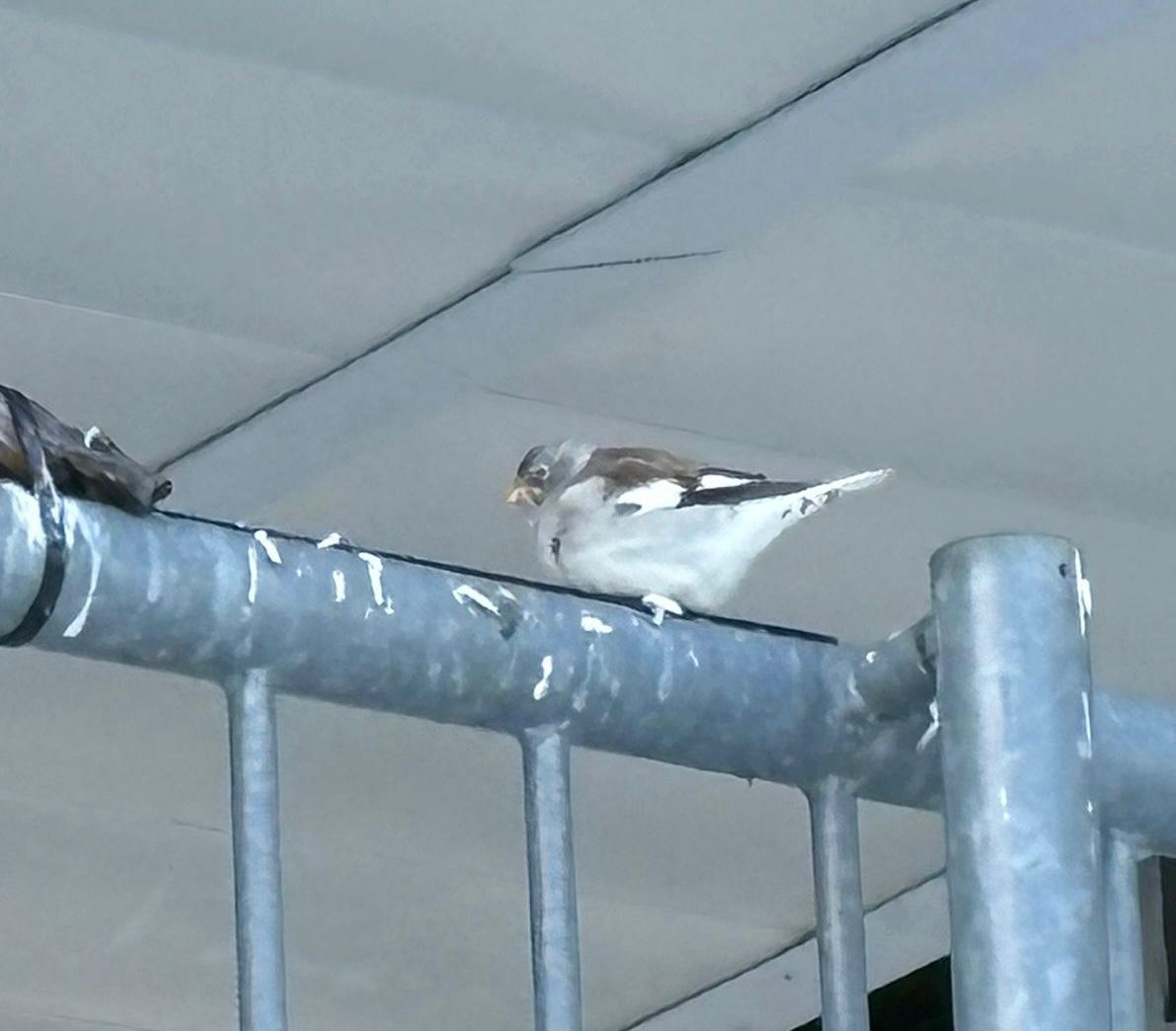
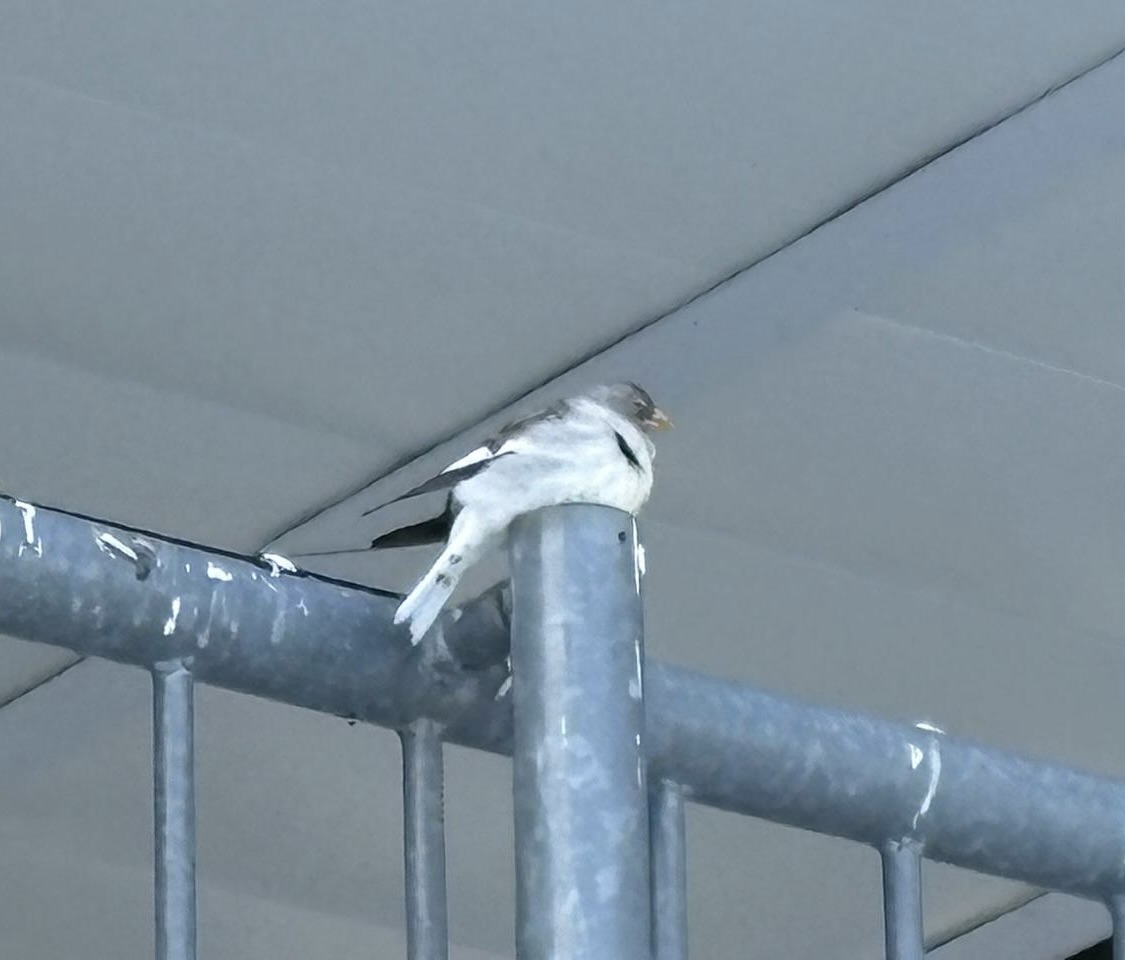
White-winged Snowfinches at the Kaprun Alpincenter
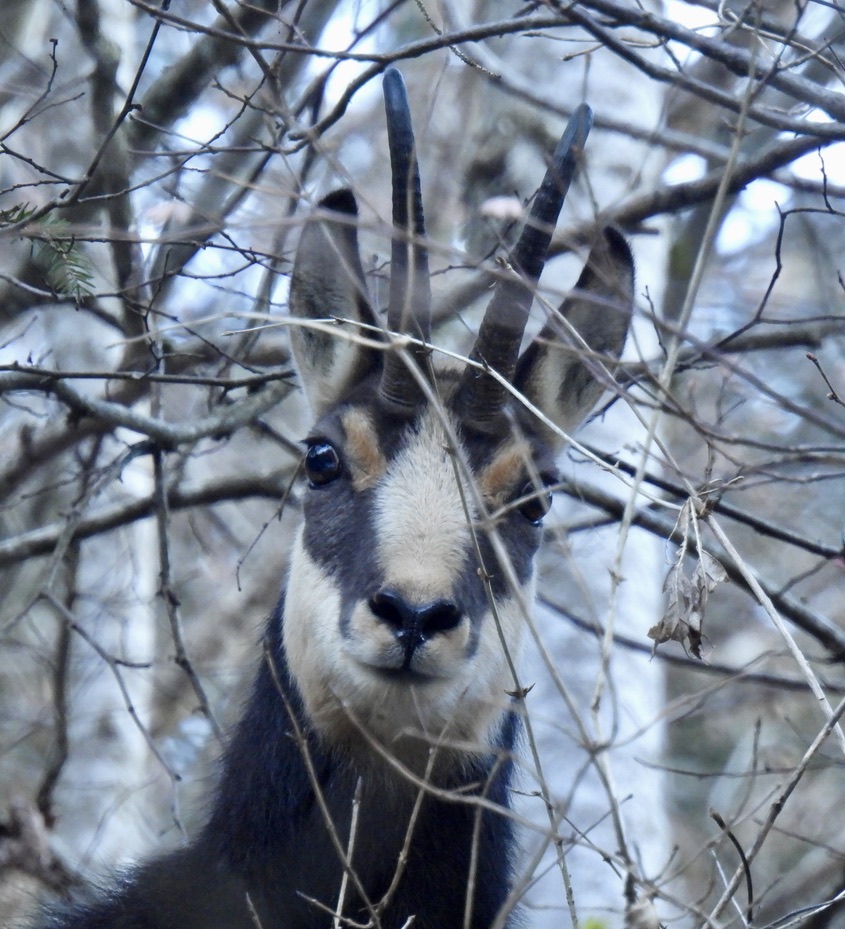
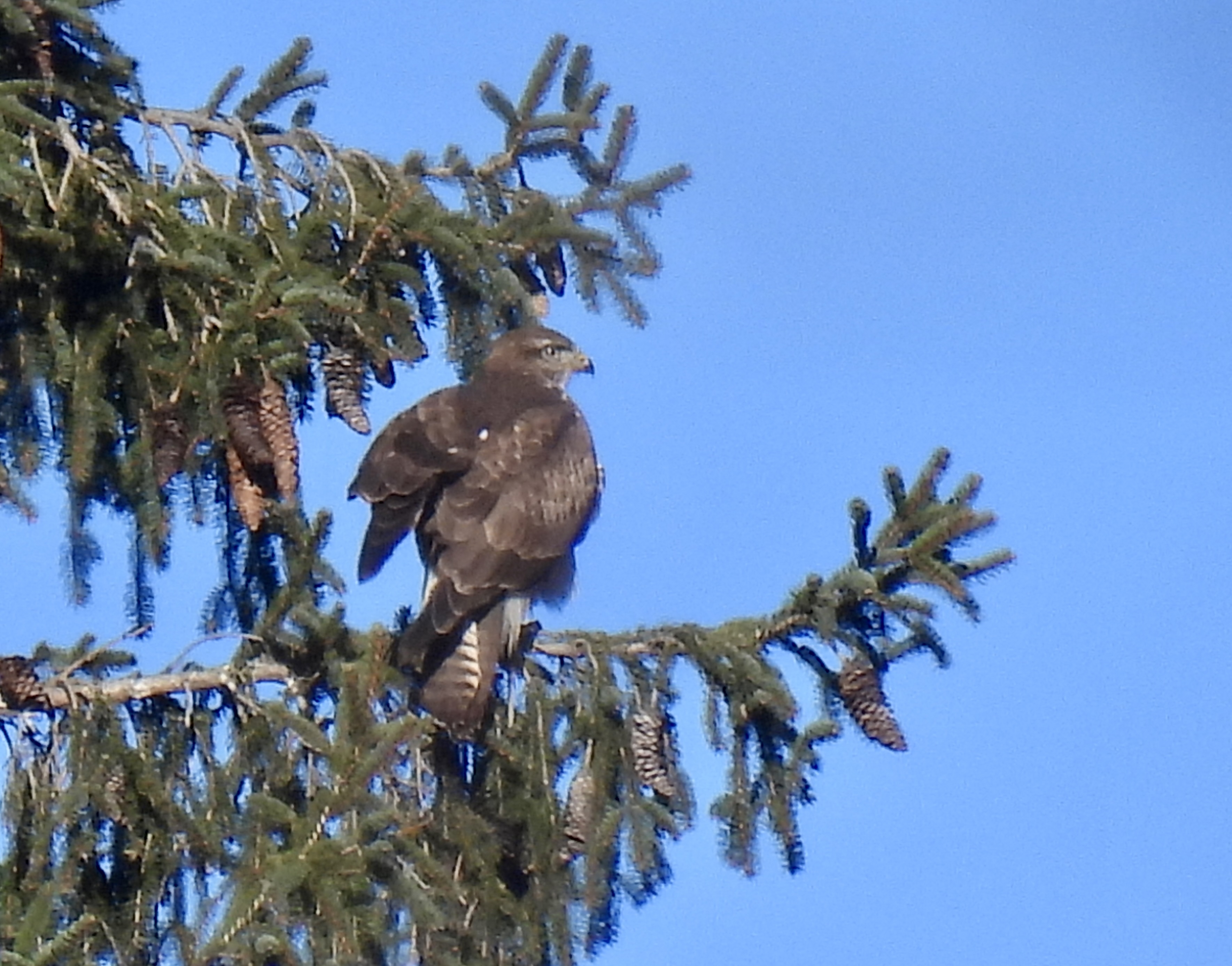
Northern Chamois (left) and Common Buzzard (right)
Königssee, Germany:
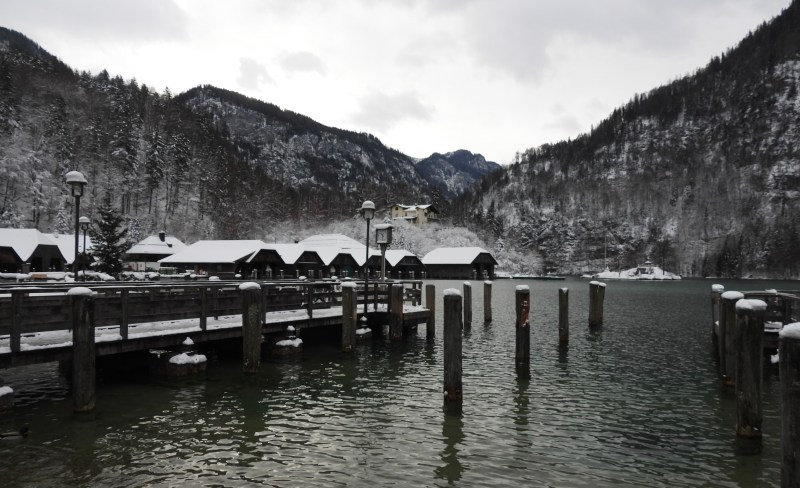
My family spent only a few hours in Germany on January 2nd, 2026, while driving to Salzburg, Austria from Kaprun. The route we were on took us across the Austrian-German border, through the Bavarian Alps of southern Germany, and back into Austria. The drive was beautiful, and almost entirely through snow-covered alpine landscapes. I had planned one short stop at Königssee, a scenic lake nestled between towering mountains. In the nearby village of Königssee, boat tours operate year-round, though my family decided not to take one. Instead, we spent about half an hour walking around the town and lakeshore before continuing on to Salzburg.
There wasn’t much of any wildlife around apart from some Mallards in the lake and Eurasian Jackdaws around the town. A bronze statue of two Alpine Ibex near the parking lot gave me false hope for an actual wildlife sighting.
Since we spent so little time in Germany, it would be unfair to make any sweeping statements about the wildlife viewing there. Still, the Bavarian Alps were beautiful, and if I had more time, I would’ve loved to explore nearby national parks like Berchtesgaden National Park and Bavarian Forest National Park which are home to lynx, ibex, wolves, and Red Deer.
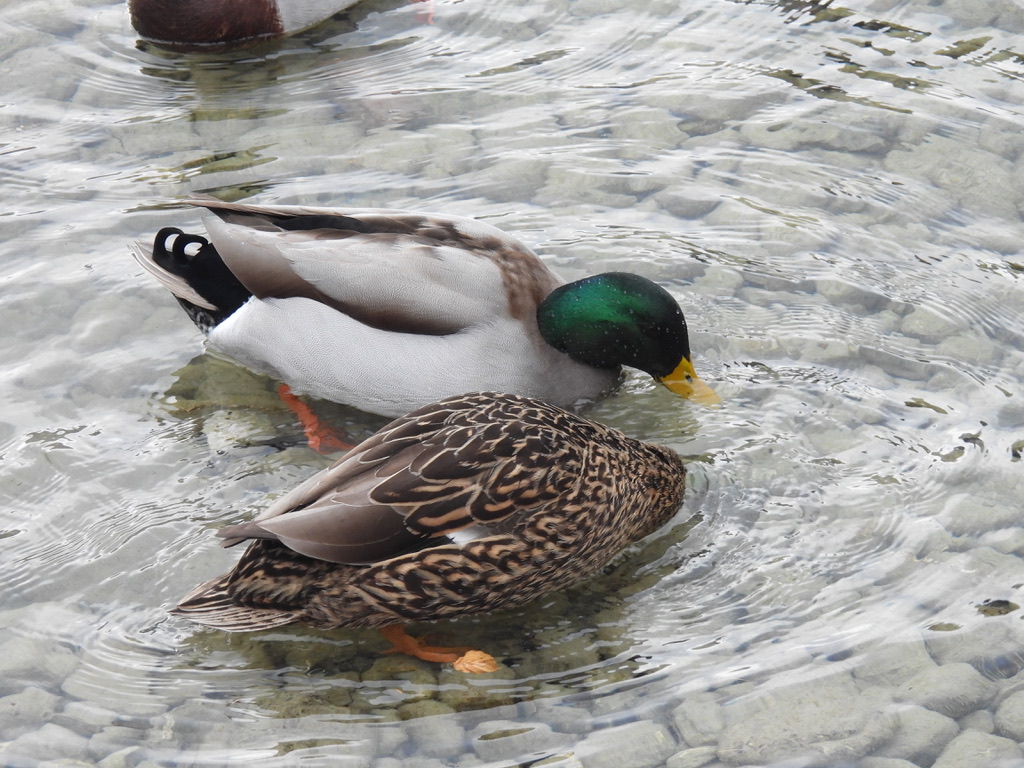
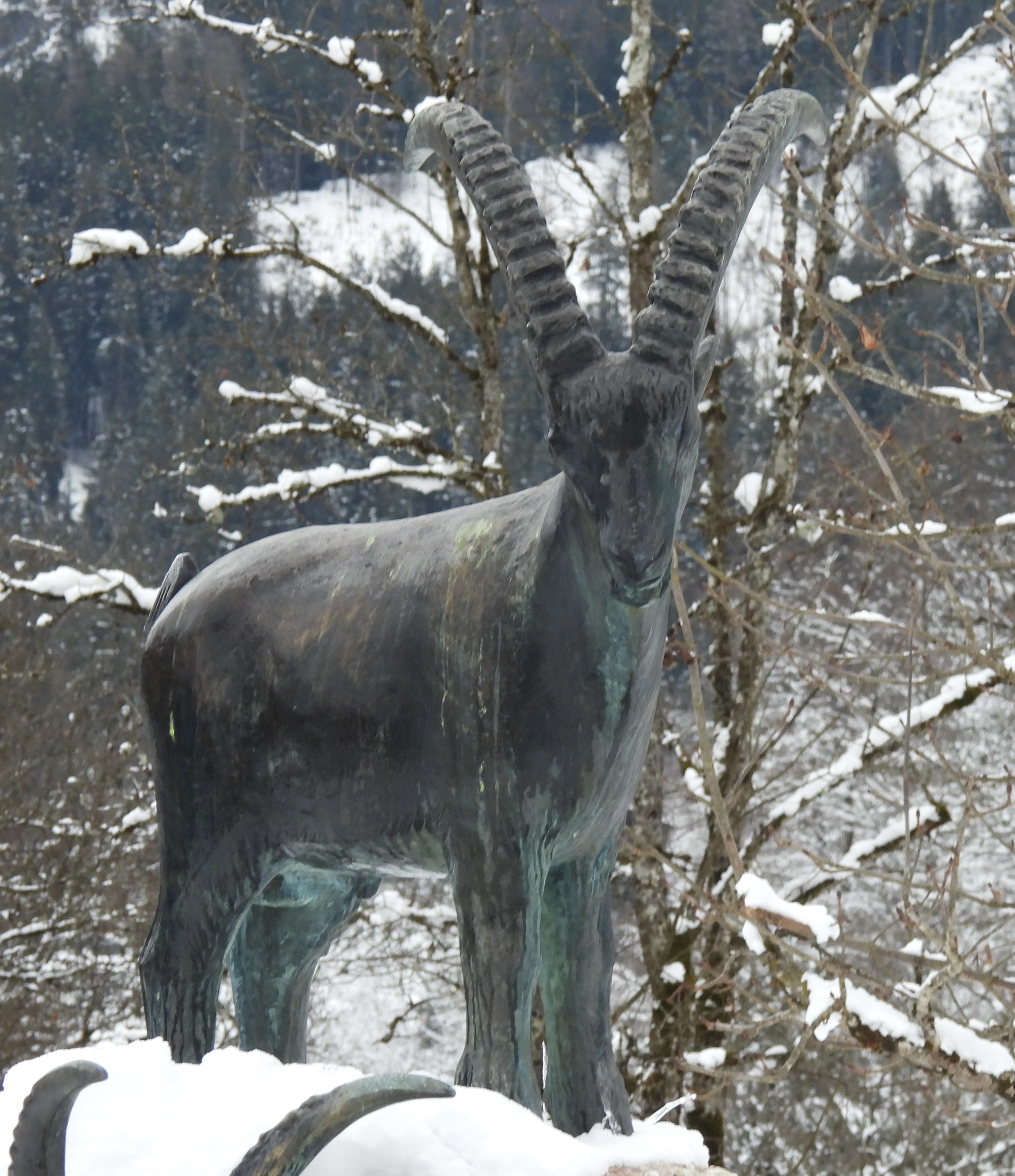
Mallards in the lake (left) and Alpine Ibex statue (right)
Salzburg, Austria:
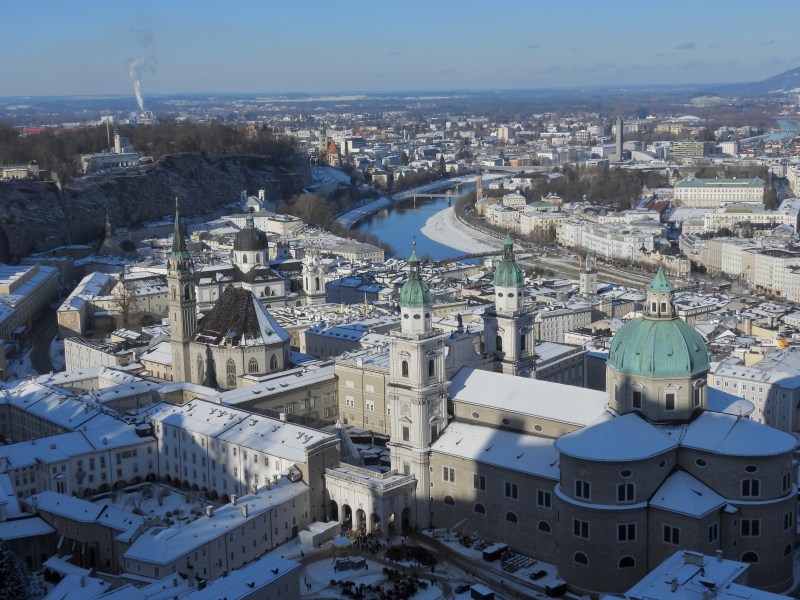
My family spent January 2–4, 2026 in Salzburg, Austria, a city known as the birthplace of Wolfgang Amadeus Mozart, the filming location for the 1965 movie The Sound of Music, and one of the best-preserved hubs of Baroque architecture north of the Alps. I wasn’t terribly interested in seeing the Mozart birthplace or the filming locations from The Sound of Music, but the architecture and the city as a whole were beautiful. My family stayed at the Sheraton Grand Salzburg in the center of town and explored the city from there. On January 3rd, we visited Hohensalzburg Fortress, a medieval hilltop fortress with stunning views of the nearby Alps. On the morning of January 4th, we headed to the train station to board our train to Prague, Czechia—the final destination of our trip.
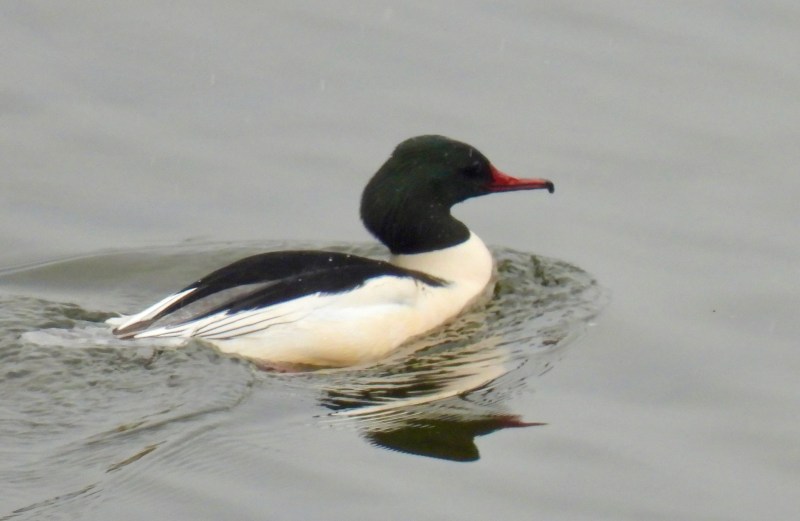
Like many of the places I visited on this trip, I had limited time in Salzburg for wildlife-watching due to my family’s itinerary and the short, winter days. There also wasn’t much wildlife around the city center to begin with. Still, I spotted a pair of Common Mergansers, a type of sea duck, in the Salzatch River. There were also flocks of Black-headed Gulls and Mallards in and around the river.
Prague, Czechia:
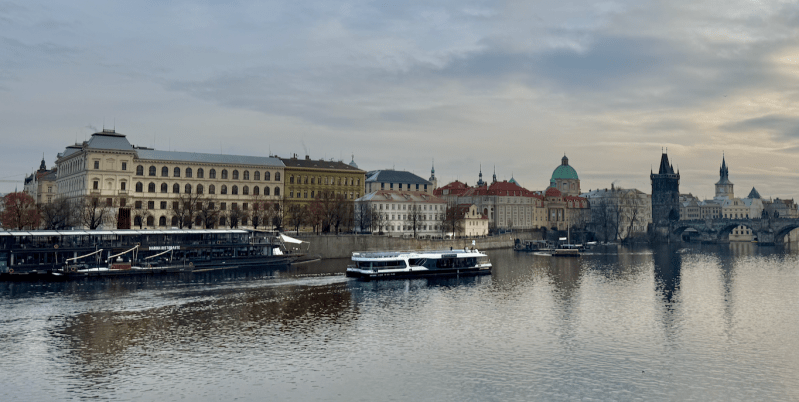
After a 6.5-hour train ride from Salzburg, my family arrived in Prague, Czechia on the evening of January 4th, 2026—my 33rd country and the final destination of our trip. On the train ride over, I spotted multiple Western Roe Deer grazing in fields near the tracks, as well as a single Brown Hare.
We spent January 4–7 exploring the city, once again leaving me with little time for wildlife-watching. We stayed at The Mozart Prague, a beautiful historic hotel near the famous Charles Bridge.
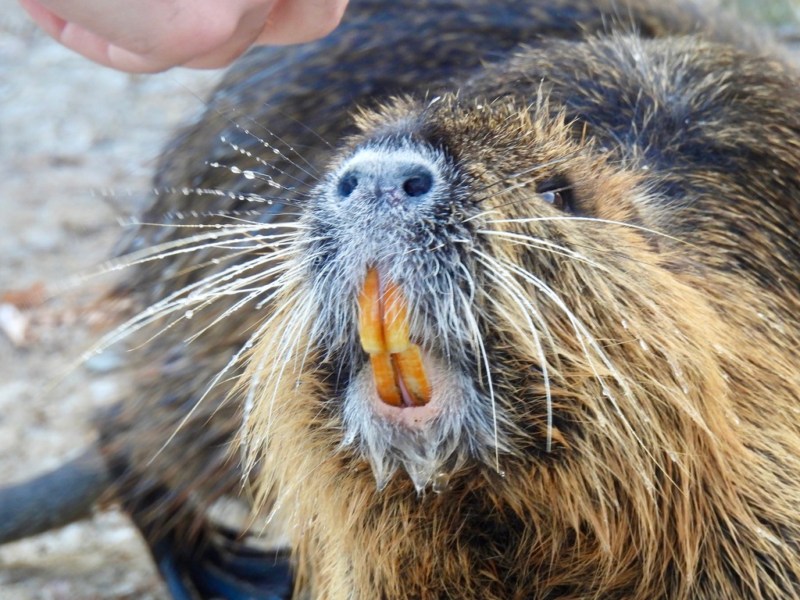
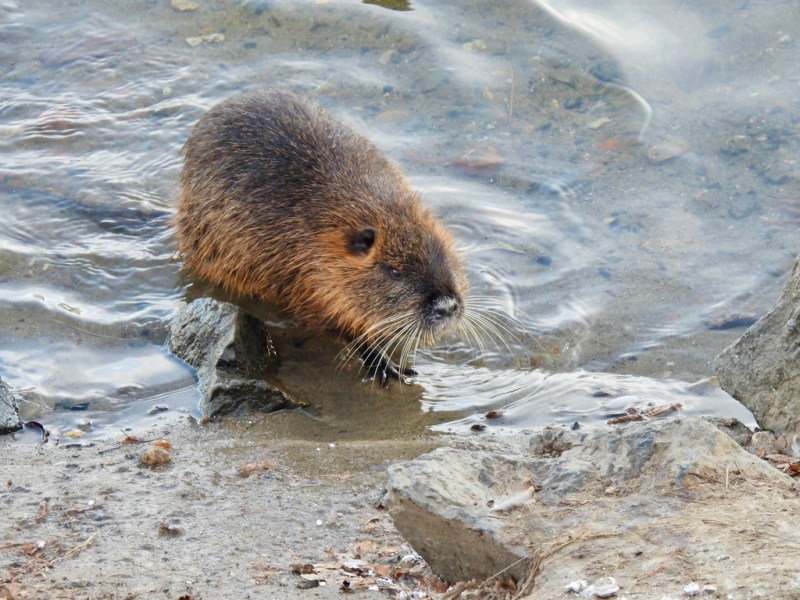
I was delegated as the babysitter for my sister and her childhood friend, who was visiting her in Prague during our stay. Looking after the girls took up most of my time, though I managed to squeeze in one brief nature outing on January 5th to Dobrodružný Park along the Vltava River to look for invasive wild Coypu (also known as Nutria), a large, semiaquatic rodent originally native to South America that was introduced to Czechia for fur farming and later established wild populations.
When I arrived at Dobrodružný Park, a group of people were crowding around three or four very habituated Coypu. They behaved more like dogs than rodents, fearlessly waddling right up to me in search of food handouts (which I didn’t offer). Though these Coypu were invasive, it was still memorable to encounter these giant rodents in the wild for the first time. In the river beside them were Tufted Ducks, Great Cormorants, Eurasian Coots, Mute Swans, Black-headed Gulls, and invasive Egyptian Geese.
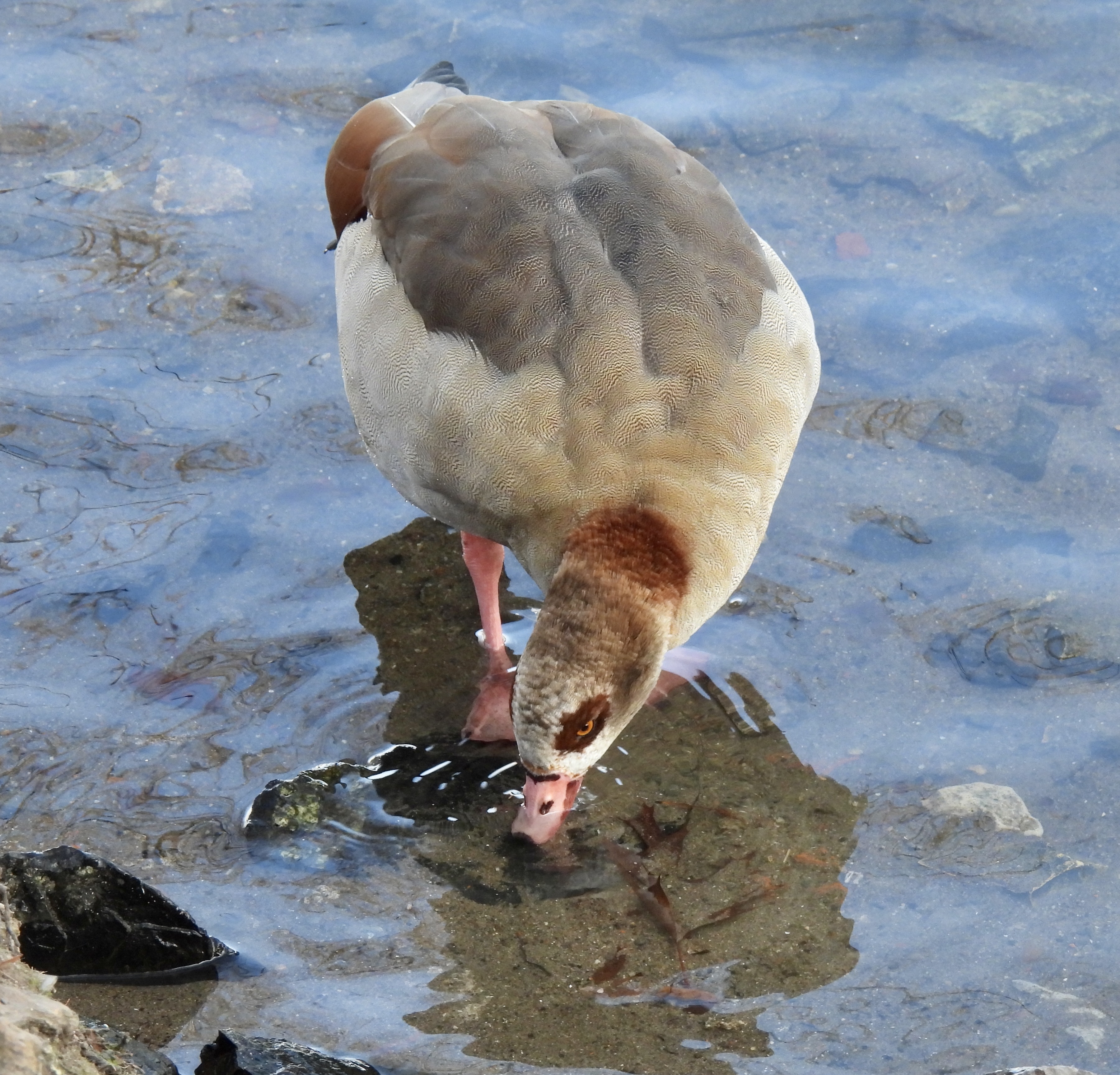
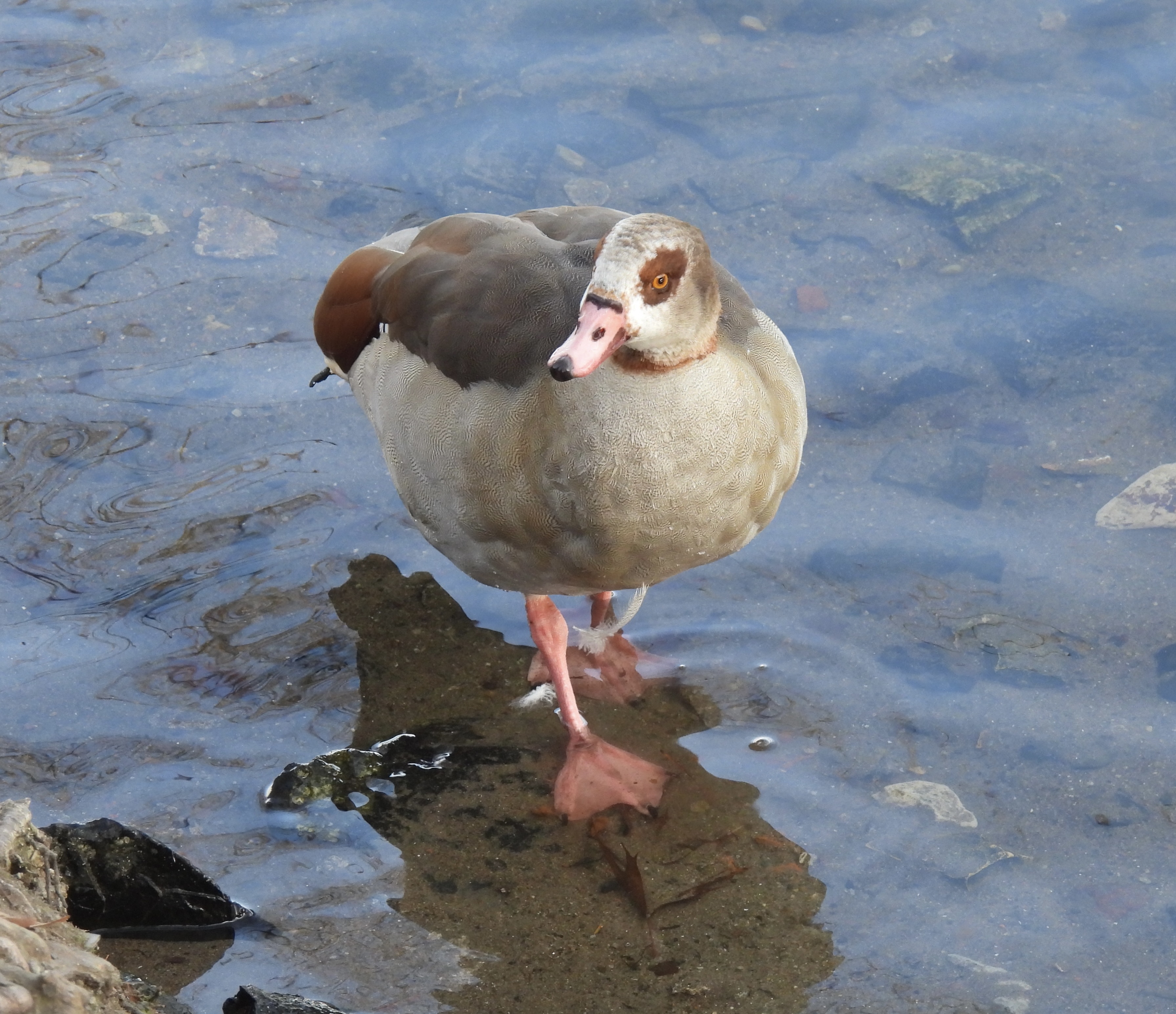
Egyptian Goose
Conclusion & Final Thoughts:
Overall, I thoroughly enjoyed my trip to Central Europe over the winter holidays of 2025–2026. It was thrilling to learn how to ski in the spectacular Austrian Alps and to wildlife-watch in the snowy alpine landscapes of Kaprun and Innsbruck. Additionally, it was fantastic to spend Christmas and New Year’s in a destination with real snow and winter weather.
I will definitely return to the Alps in the future for more skiing, hiking, and wildlife-watching. Europe has relatively few pristine ecosystems and lower overall biodiversity than many other parts of the world, and it isn’t known for wildlife. However, certain regions—such as the Alps—still hold an impressive diversity of mammals, birds, and other wildlife. I look forward to returning to this stunning mountain range someday once I can afford a trip there myself.
Thank you for reading as always—and stay wild.
-Bennett
Mammal Species Recorded: (Lifers bolded)
| Common Name: | Scientific Name: |
| 1. Northern Chamois | Rupicapra rupicapra |
| 2. Western Roe Deer | Capreolus capreolus |
| 3. Brown Hare | Lepus europaeus |
| 4. Coypu (Nutria) | Myocastor coypus |
| 5. Eurasian Red Squirrel | Sciurus vulgaris |
| 6. Brown Rat | Rattus norvegicus |
Bird Species Recorded: (Lifers bolded)
| Common Name: | Scientific Name: |
| 1. White-throated Dipper | Cinclus cinclus |
| 2. Yellow-billed Chough | Pyrrhocorax graculus |
| 3. White-winged Snowfinch | Montifringilla nivalis |
| 4. Common Merganser | Mergus merganser |
| 5. Northern Nutcracker | Nucifraga caryocatactes |
| 6. Long-tailed Tit | Aegithalos caudatus |
| 7. Willow Tit | Poecile montanus |
| 8. European Goldfinch | Carduelis carduelis |
| 9. European Greenfinch | Chloris chloris |
| 10. Common Chaffinch | Fringilla coelebs |
| 11. Eurasian Wren | Troglodytes troglodytes |
| 12. Eurasian Nuthatch | Sitta europaea |
| 13. Rook | Corvus frugilegus |
| 14. Mallard | Anas platyrhynchos |
| 15. Rock Pigeon | Columba livia |
| 16. Black-headed Gull | Chroicocephalus ridibundus |
| 17. Eurasian Jackdaw | Coloeus monedula |
| 18. Egyptian Goose | Alopochen aegyptiaca |
| 19. European Starling | Sturnus vulgaris |
| 20. Tufted Duck | Aythya fuligula |
| 21. House Sparrow | Passer domesticus |
| 22. Great Cormorant | Phalacrocorax carbo |
| 23. Mute Swan | Cygnus olor |
| 24. Great Tit | Parus major |
| 25. Eurasian Blue Tit | Cyanistes caeruleus |
| 26. Eurasian Coot | Fulica atra |
| 27. Eurasian Blackbird | Turdus merula |
| 28. Little Grebe | Tachybaptus ruficollis |
| 29. Common Buzzard | Buteo buteo |
| 30. Eurasian Magpie | Pica pica |
| 31. Carrion Crow | Corvus corone |
| 32. European Robin | Erithacus rubecula |
 Bennett Gardner Wildlife Watching
Leave a comment