
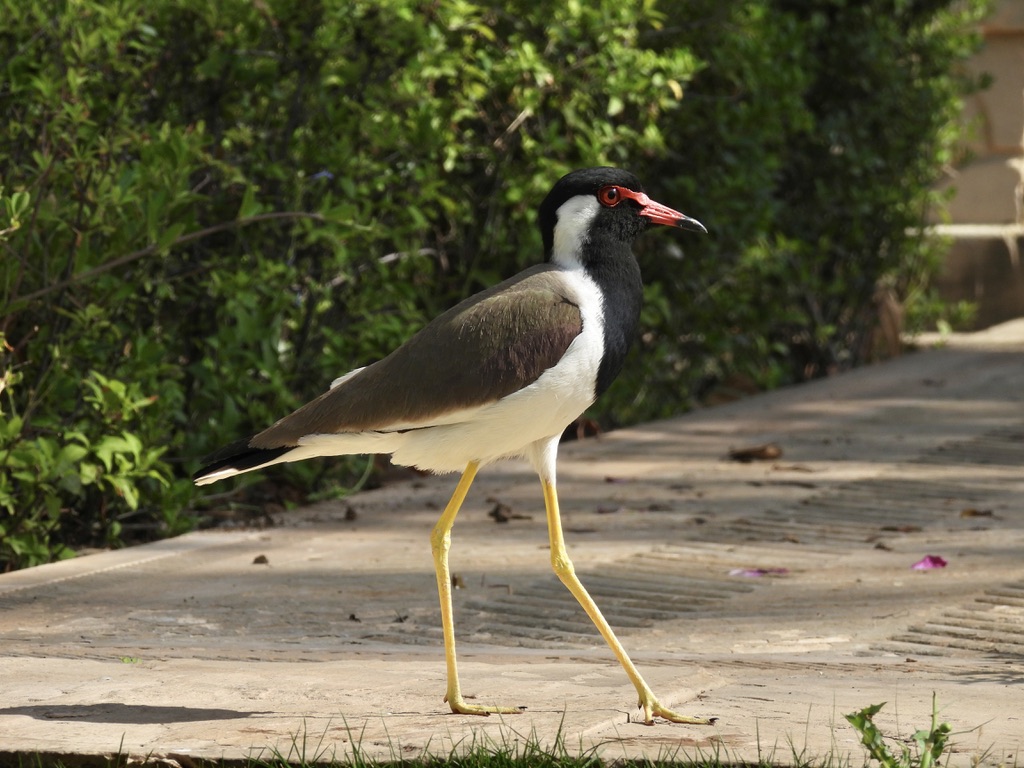
This post is an account of all the birding I did over the course of three days in Udaipur and 24 hours in Agra during my family’s March 2024 trip to India. It also showcases the best of my 2024 India wildlife photography, apart from the photos taken on our Leopard safari. A broader summary of the trip exists within the first India post, which I recommend reading for some context.
I saw abundant birdlife throughout India, and despite spending little time in significant natural areas, I amassed a large number of species, currently my highest trip total ever at 80 species and 38 lifers in total. I’m focusing on my birding experiences in Agra and Udaipur specifically, as the bulk of the birding I did in Jaipur was in Amagarh Leopard Reserve. That experience is covered in the previous post to this one; I also recommend reading it.
In Agra and Udaipur, I traversed a variety of habitats on the hunt for birds and other wildlife, including freshwater wetland, river, scrubland, forest, and manicured garden. I did the bulk of my birding in Udaipur on the grounds of the fabulous, palacial Oberoi Udaivilas Resort, perched on the shores of Lake Pichola and sprawled over 30 acres of gardens.
In Agra, I had the rare and special opportunity to bird right next to a world wonder! The spectacular Taj Mahal loomed over me throughout my nature endeavors in the city—I did most of my birding at the forested Taj Nature Walk, a fenced nature park a mere 500 meters (1,650 ft) from the monument. In addition, I took the opportunity to tick off a bunch of migratory waterbirds in the Yamuna River, which I looked upon from the Taj Mahal itself. The marble mausoleum, which is situated right above the river, is the only accessible place to see the Yamuna in downtown Agra.



We arrived in Udaipur at our resort on the afternoon of Sunday, March 24th, amidst the hot, dry weather of early summer in India. Udaipur was by far the most beautiful city we visited in India, being situated in a cluster of 7 man-made lakes in a valley surrounded by the low summits of the Aravallis. After settling into our luxurious and beautiful resort, the Oberoi Udaivilas resort, which was modelled after classic Maharaja palaces, I set off to explore the grounds and do a bit of birding before dinner, where I amassed 32 species, a decent number. I was delighted to have the wide expanse of land around the resort virtually to myself during my birding exploits—the area is private, exclusive, and basically no-one birds there. Over the next few days, I did as much birding and nature-exploring as I could fit in between our cultural schedule, which involved celebrating the colorful festival of Holi.
In total, over the course of my three days at the Udaivilas resort, I documented over 50 bird species and added a bunch of lifers to my life list. There were avians everywhere, from spectacular peacocks strutting through the green corridors between the buildings, to ducks and cormorants in nearby Lake Pichola, to forests filled with songbirds.


I feel the reason for the resort’s property having so much birdlife has to do with its location and history. The current property was actually a hunting reserve for the Maharajas of Udaipur up until the 1980s. They governed the city from their palace across the lake, and visited their hunting lodges at the reserve intermittently. Historically, there was a diversity of game in Udaipur that could rival modern-day Ranthambore National Park, with Tigers, Leopards, Blackbuck (Indian antelope), Chinkara (Indian gazelle), and more in abundance. At their hunting lodges on the Udaivilas property, the Maharajas would not only hunt the game around them, but would also occasionally pit beasts like Tigers and bulls together in an arena to watch them battle to the death–a gruesome but really interesting practice. Only one of the hunting lodges still remains, in a remote corner of the property, which I forgot to take a photo of!
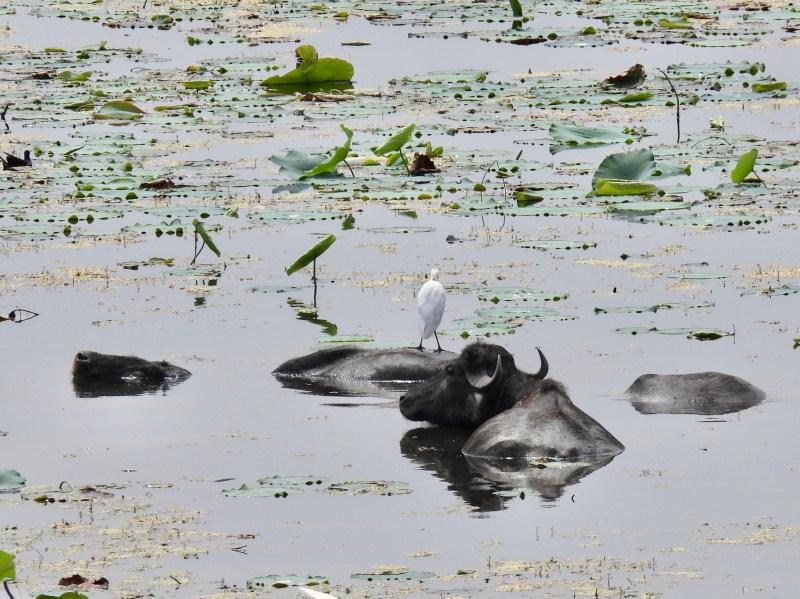
Today, the primary remnants of the wildlife that once inhabited the hunting reserve are the many migratory and resident waterbirds and forest birds that inhabit the shores of Lake Pichola. The lake is an important stopover for many migratory birds year-round, but especially during the winter. In the 1990s, during the construction of the Udaivilas resort, a part of the former hunting reserve behind what is now the resort was protected. It consists of a mosaic of wetland and dryland habitat, with lotus-festooned marsh and thorn scrub forest being the dominant vegetation types.

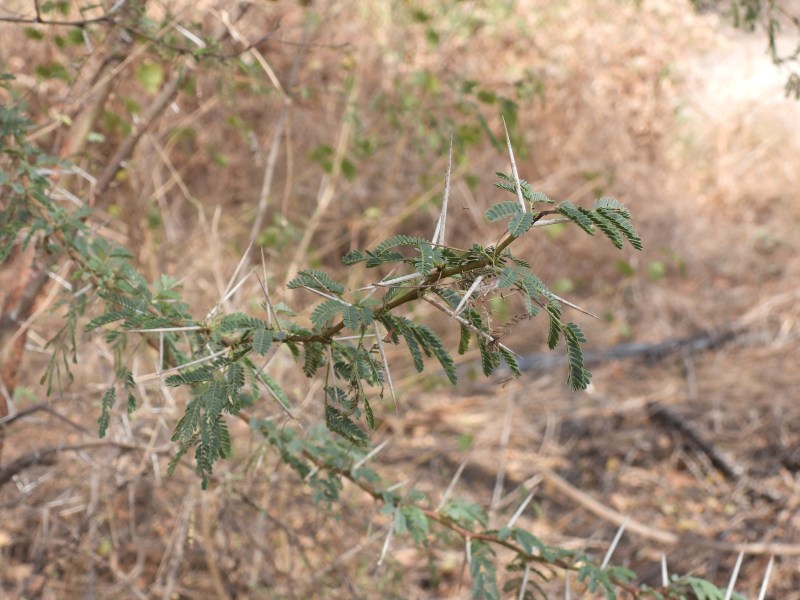
Additionally, there is a large solar farm next to the resort which (I assume?) provides much of the resort’s power needs, and protects an expanse of open-country scrub and thorn scrub forest.

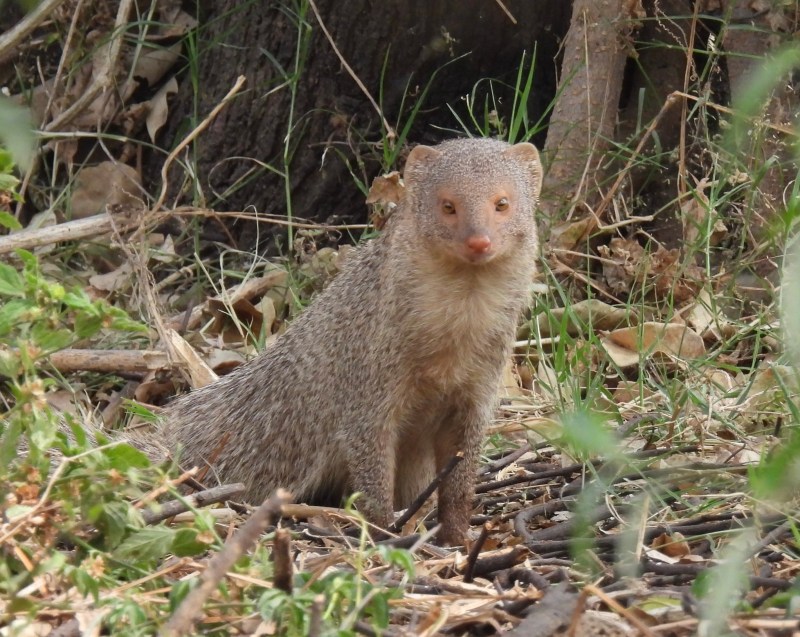
The highlight of all my nature exploits in Udaipur had to be my surprise encounter with a slinking, inquisitive Indian Gray Mongoose which I crossed paths with at the solar farm on the second day. I crept to the ground upon seeing the silvery mammal to avoid scaring it away while I took photos. The encounter lasted about 30 seconds; the mongoose probably wondering why some random Caucasian dude with glasses was sprawled on the dirt photographing him. At least for me, the sighting was awesome and memorable.
My favorite bird encounter was the pair of Coppersmith Barbets I located by following their distinctive, monotonous too-took-took calls to their nesting hole. I had the privilege of observing the parents making trips back and forth their nesting hole. The vast majority of Megalaimidae ( Asian barbets) carve out nesting cavities in tree trunks, similar to their woodpecker relatives. Barbets have to be one of my favorite bird families, and I love ticking off new species of these exotic-looking, charismatic, and mostly elusive emblems of the tropics.
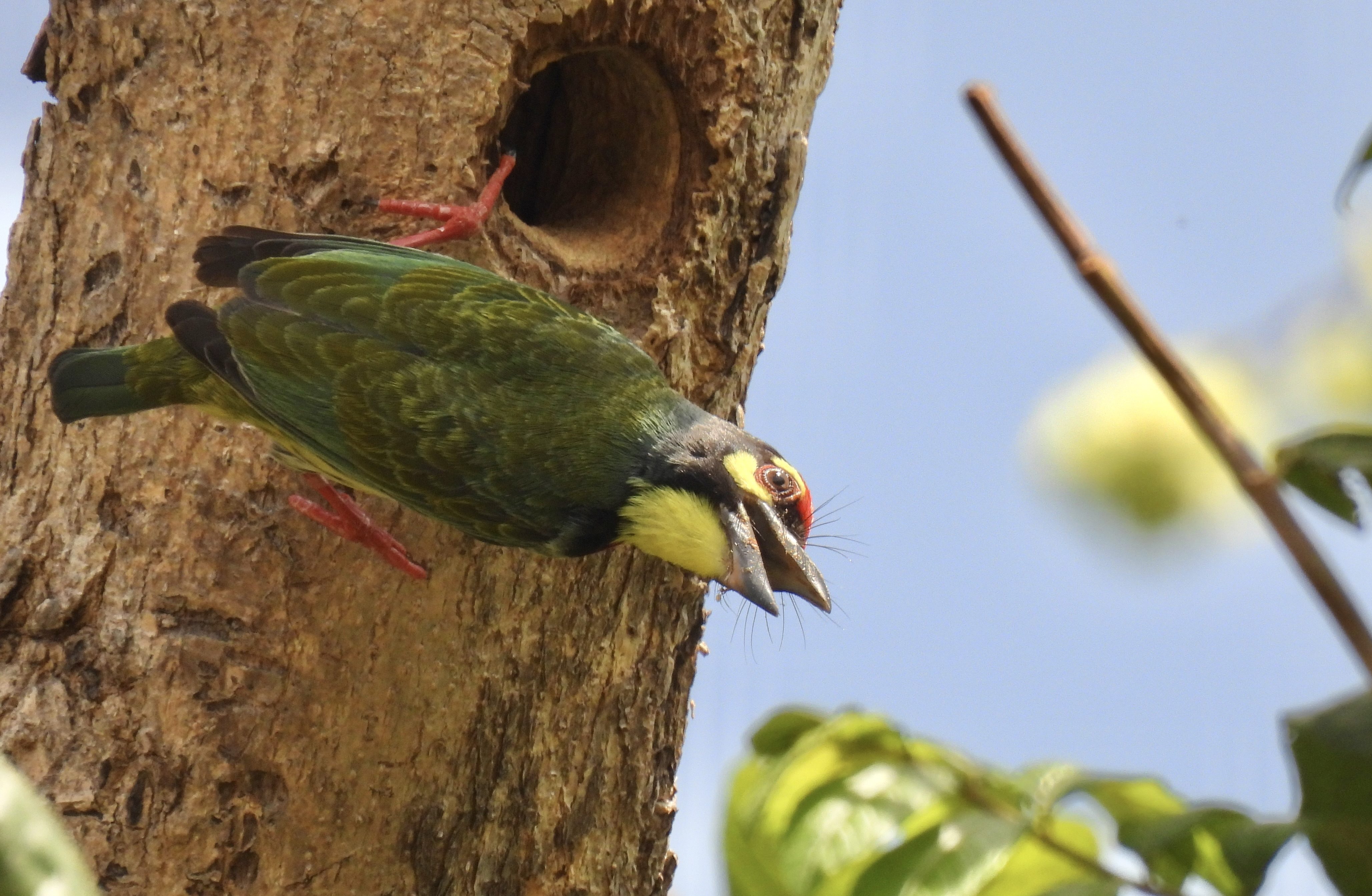
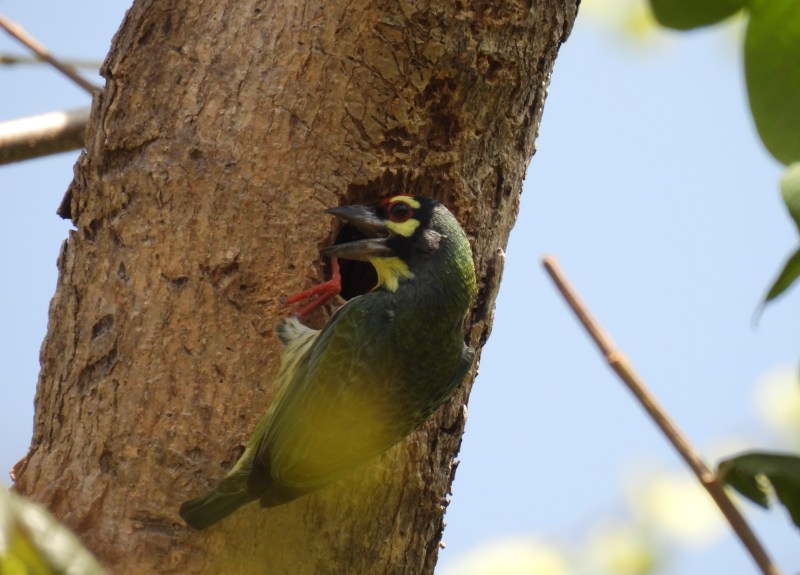
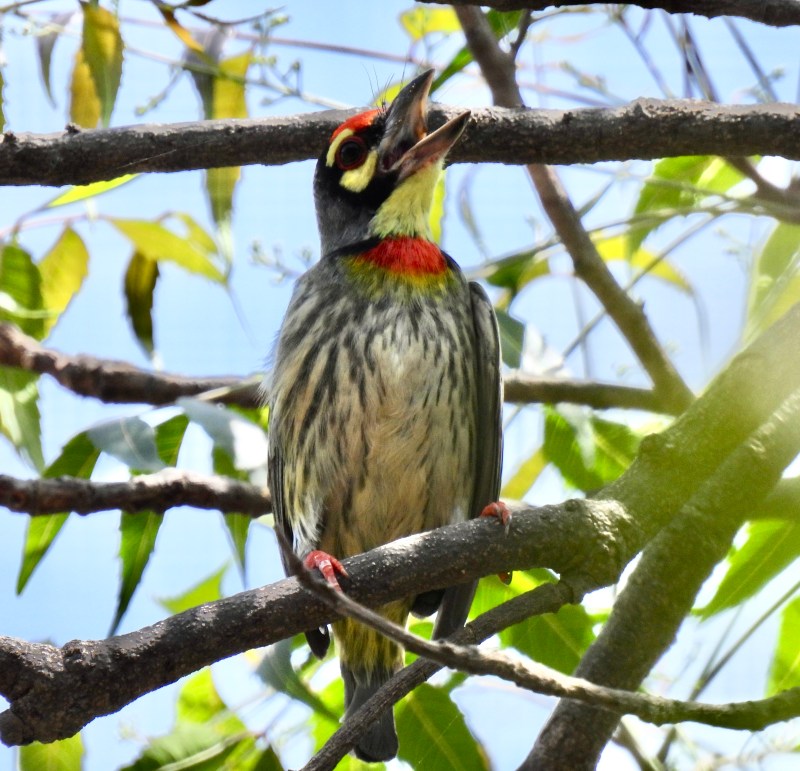
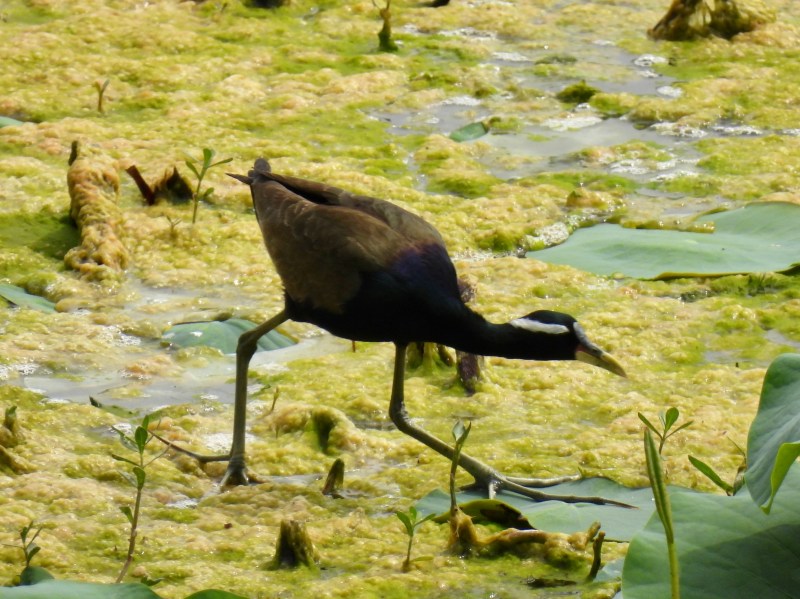
Other cool bird finds included an Indian Gray Hornbill feasting on figs, which presented me with a top-tier photo op, a migratory Cotton Pygmy Goose at the lakeshore in front of the resort, a flock of Plum-Headed Parakeets, a Tree Pipit, Common and White-Throated Kingfishers, an Asian Openbill, Bronze-Winged Jacanas, Gray-Headed Swamphens, Little Cormorants, a Common Iora, Black-Headed and Glossy Ibis, Knob-Billed and Indian Spot-Billed Ducks, Indian Silverbill, a Western Yellow Wagtail and Rock Bush-Quail. It honestly felt like there was a lifer or noteworthy species around every bend!



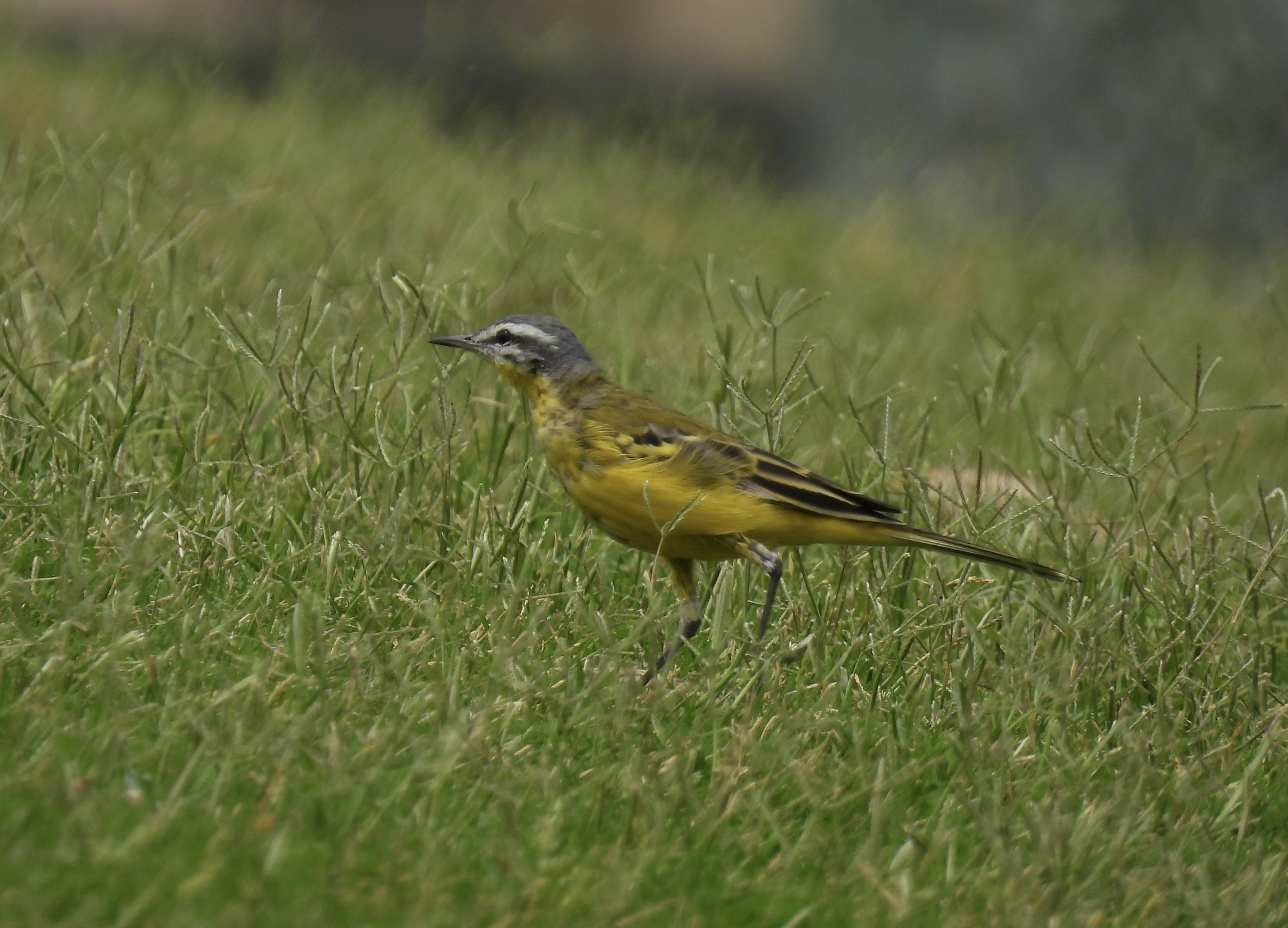
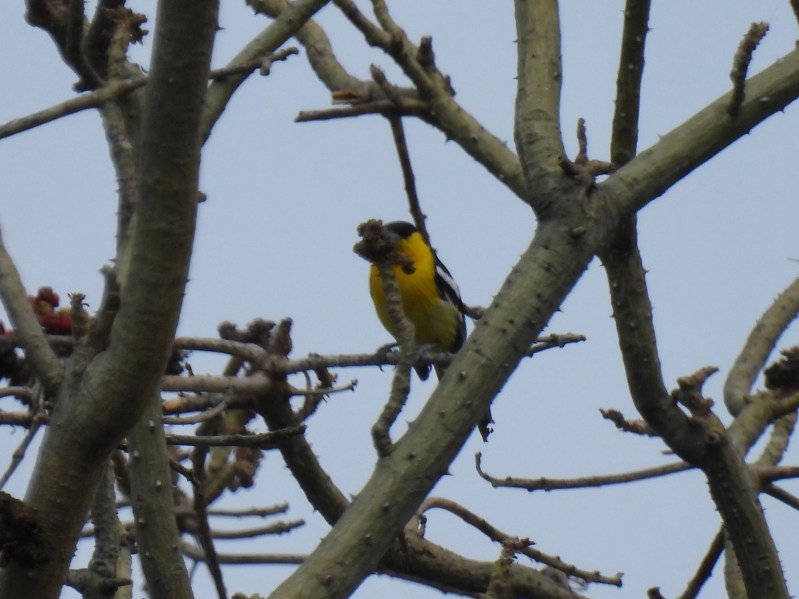


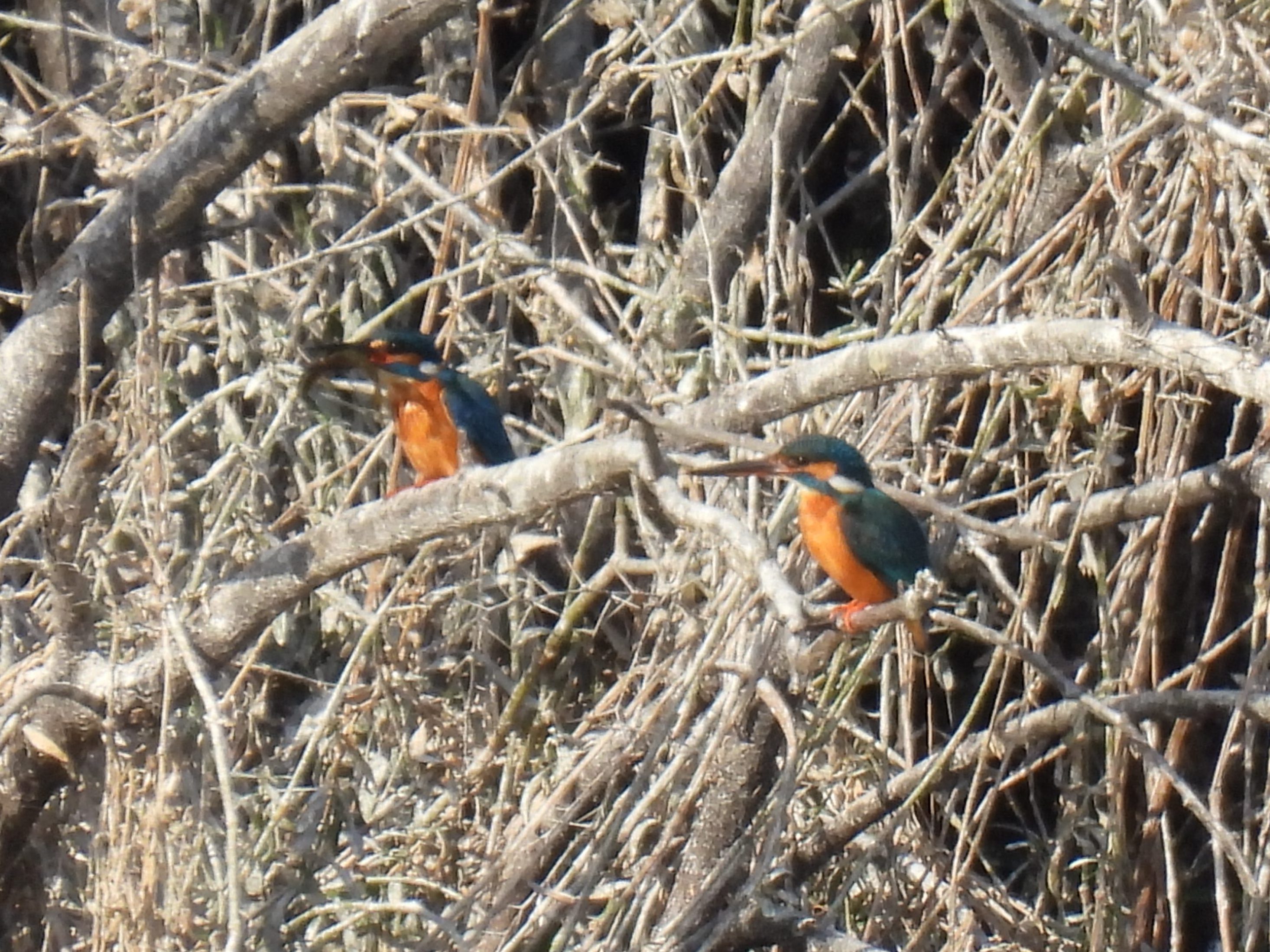

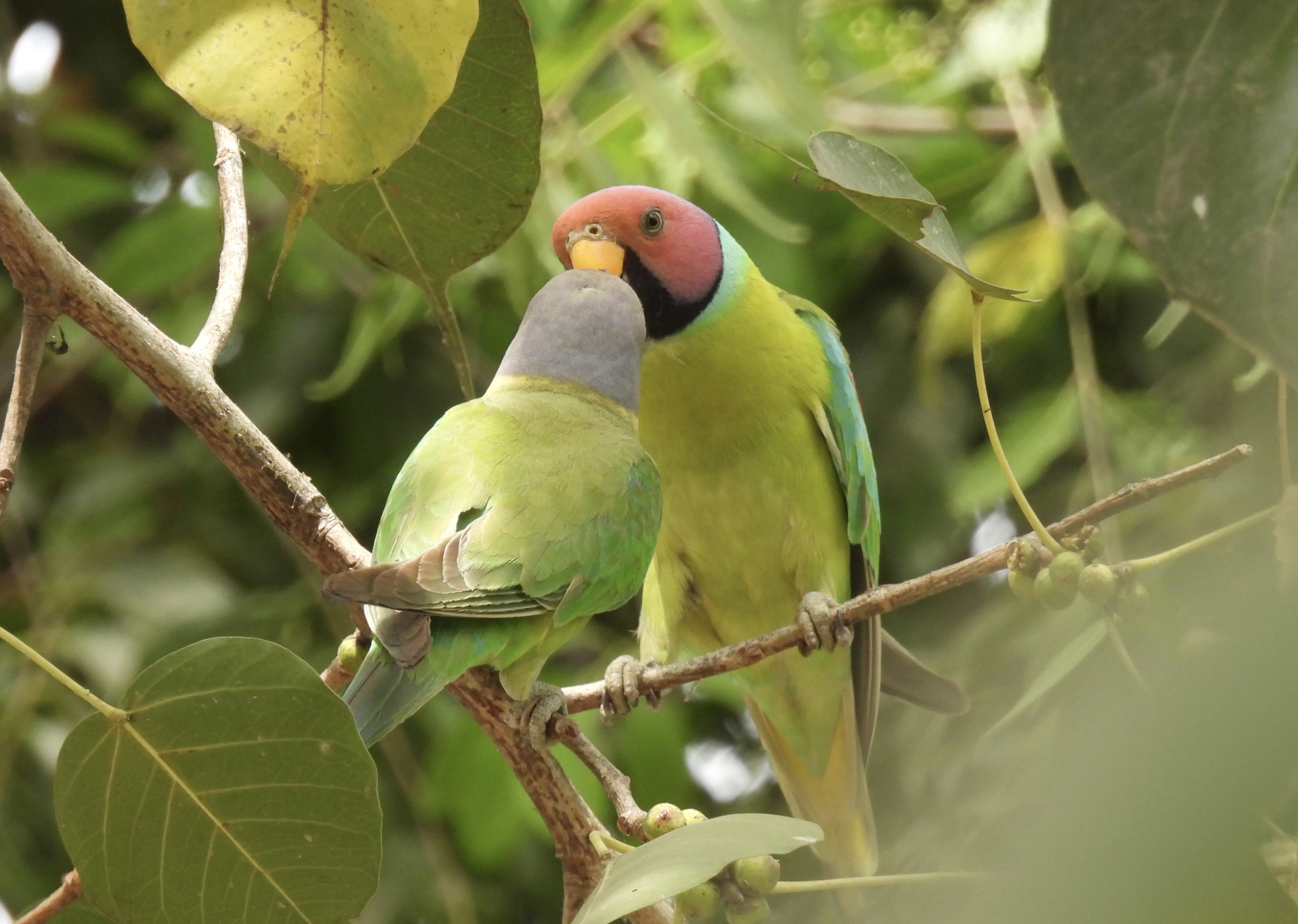
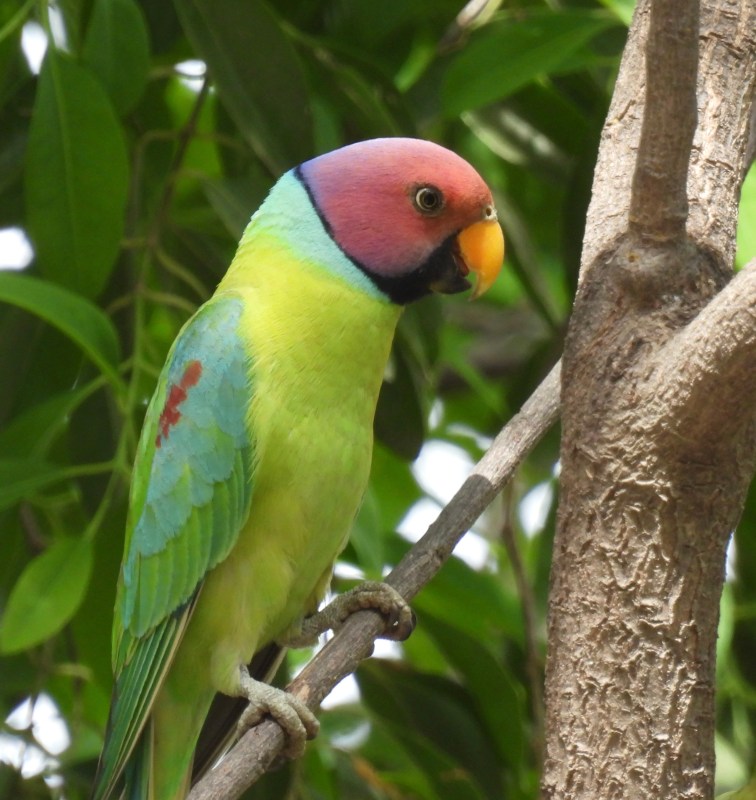
After the Indian Gray Hornbill, the flock of mixed-sex Plum-Headed Parakeets I came across was easily my favorite Udaipur bird sighting. The males have characteristic ‘plum’ or purplish-red heads, and the females have heads of a darker, bluish-purple complexion.
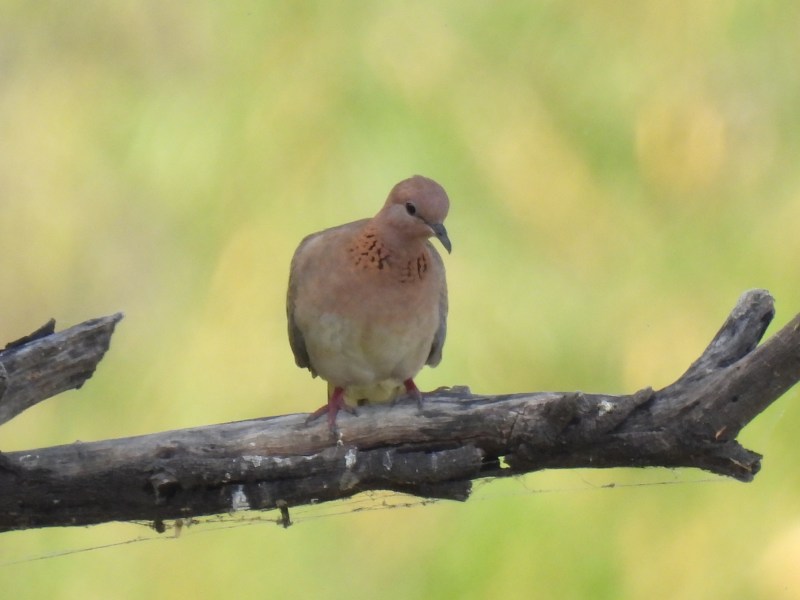
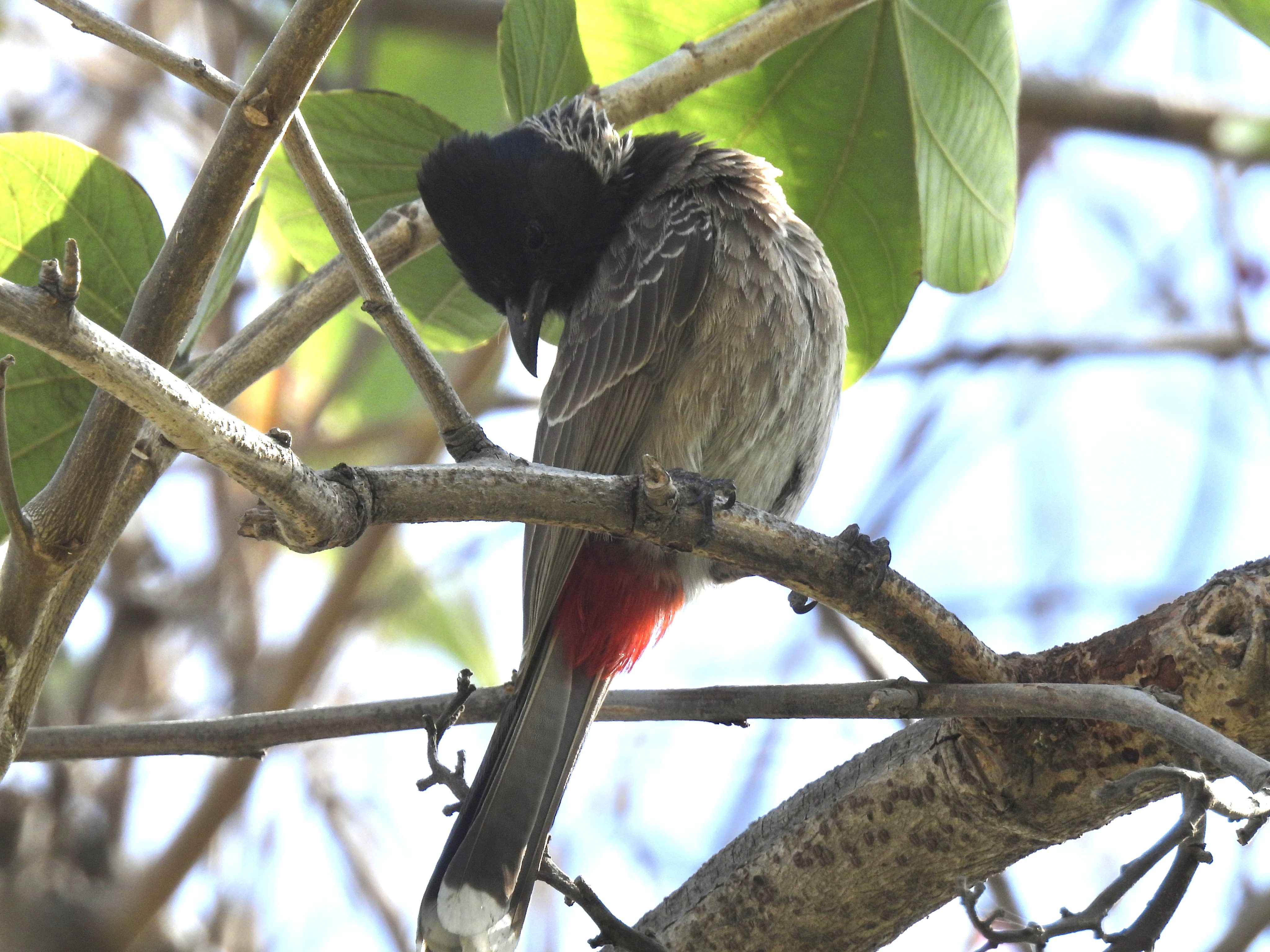
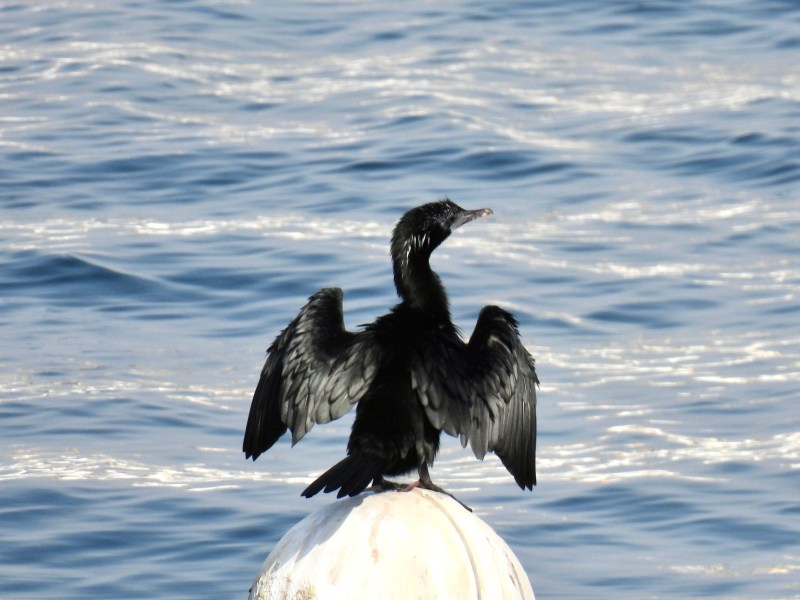
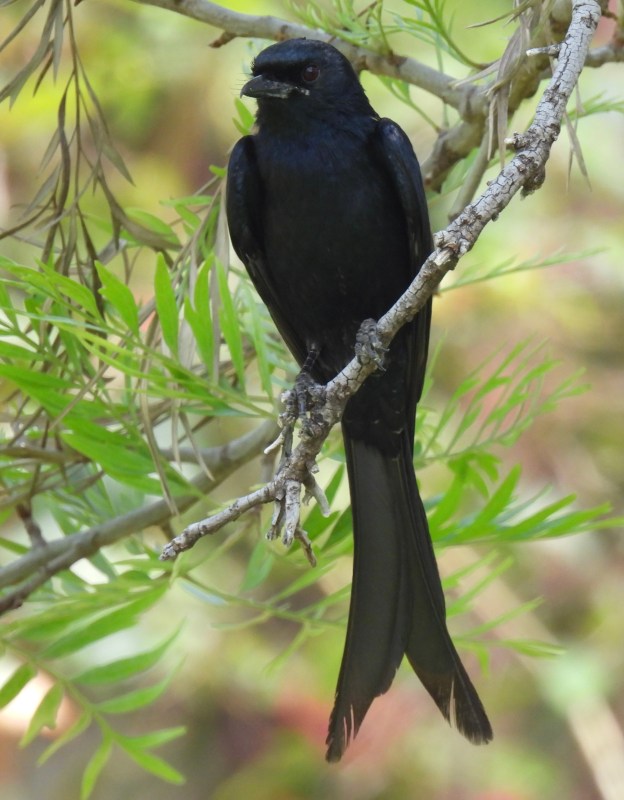
Some of the more common species around the resort’s garden areas included Indian Peafowl, Gray Francolin, Oriental Magpie-Robin, Black Drongo, Spot-Breasted Fantail, Indian White-Eye, White-Browed Fantail, Wire-Tailed Swallow, Brahminy Starling, Indian Robin, Red-Wattled Lapwing, Red-Vented Bulbul, Large Gray Babbler, Ashy Prinia, Laughing Dove, and Purple Sunbird. Along the lakeshore, some common waders were Black-Winged Stilts, Eurasian Coots, Common Moorhens, Intermediate and Cattle Egrets, and Little Cormorants.



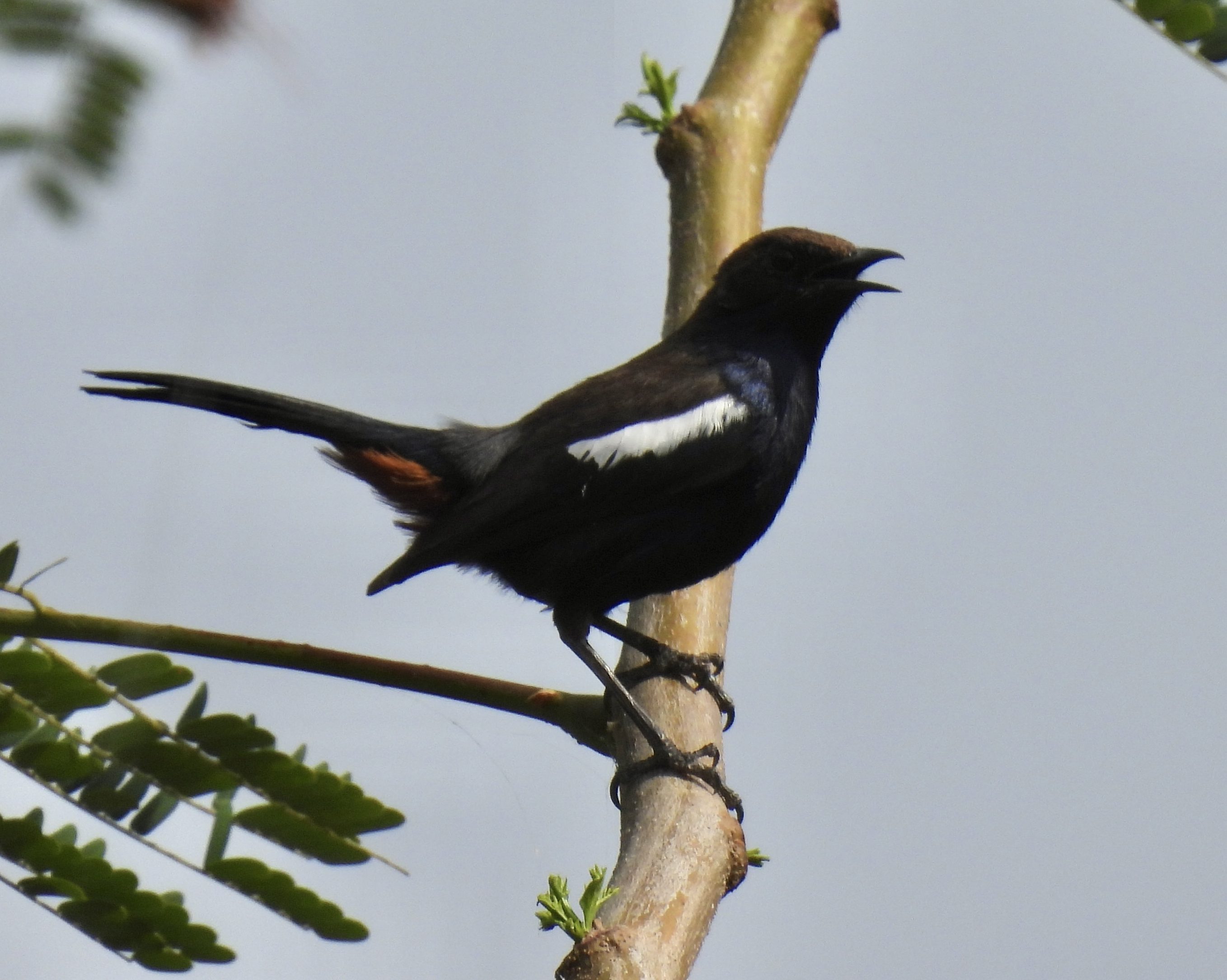
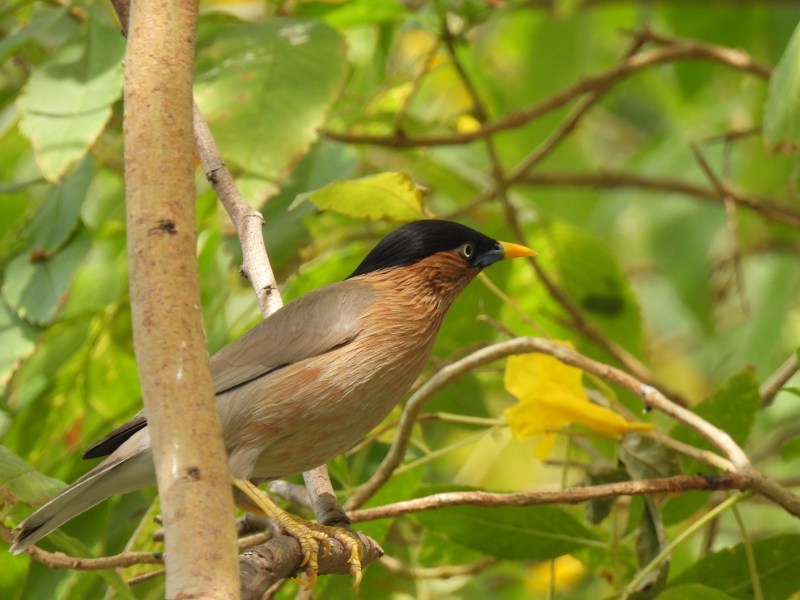
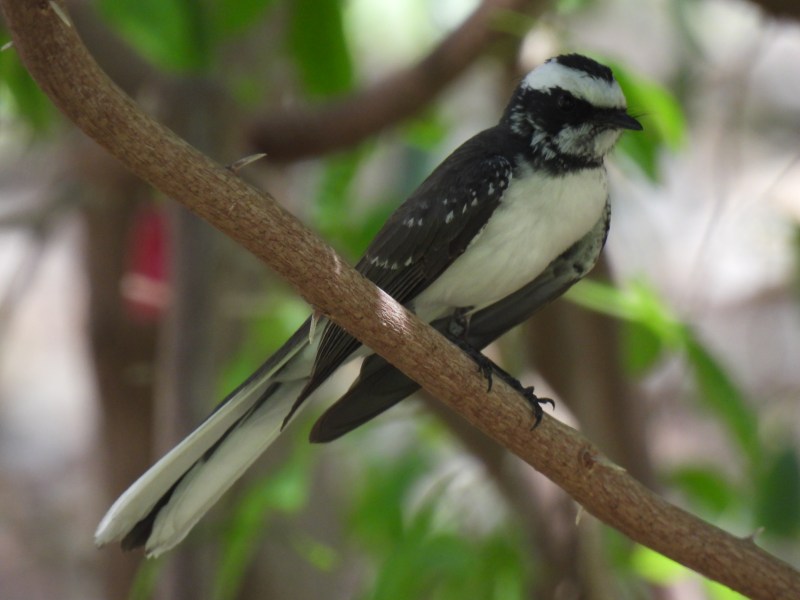
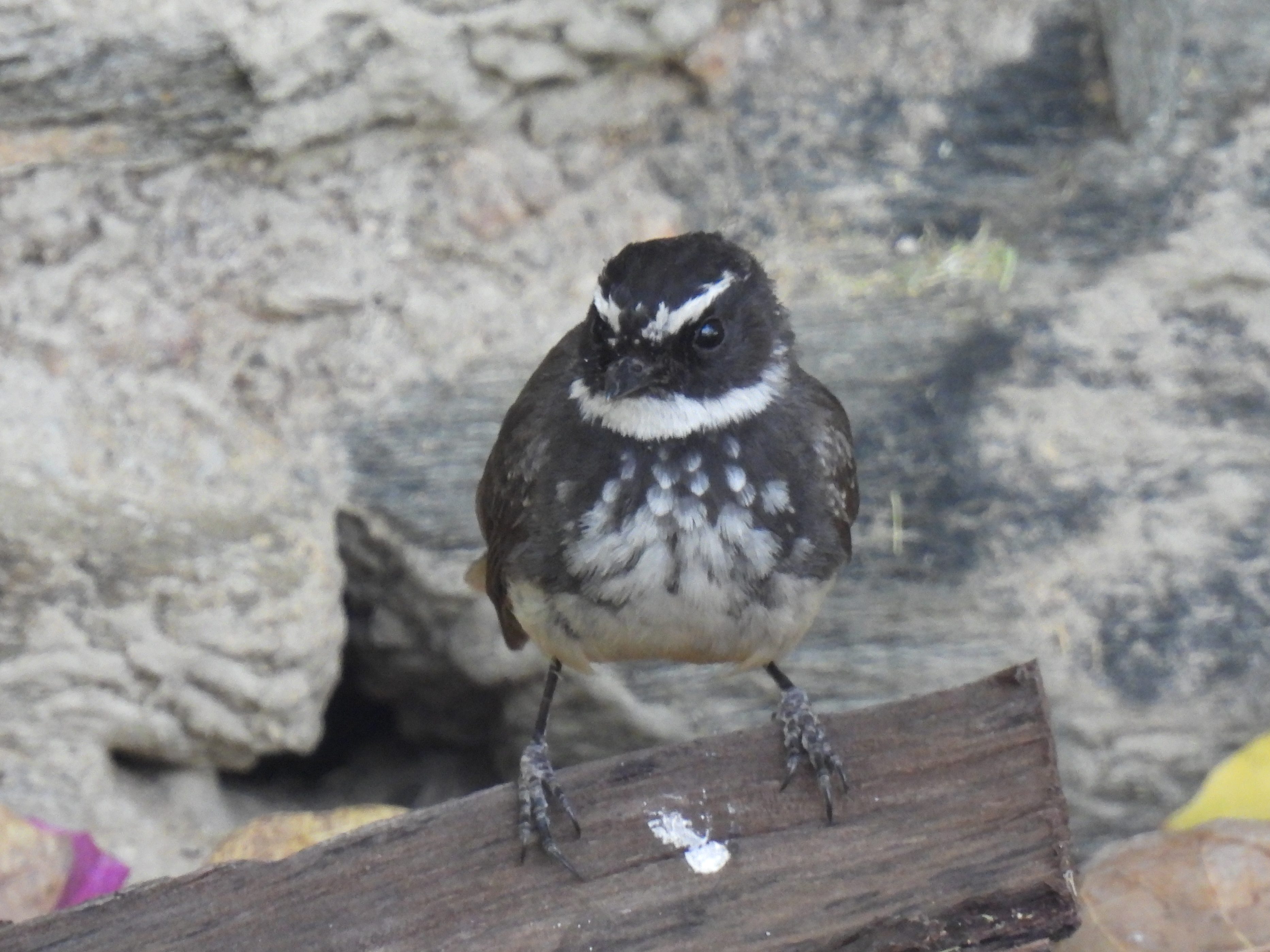

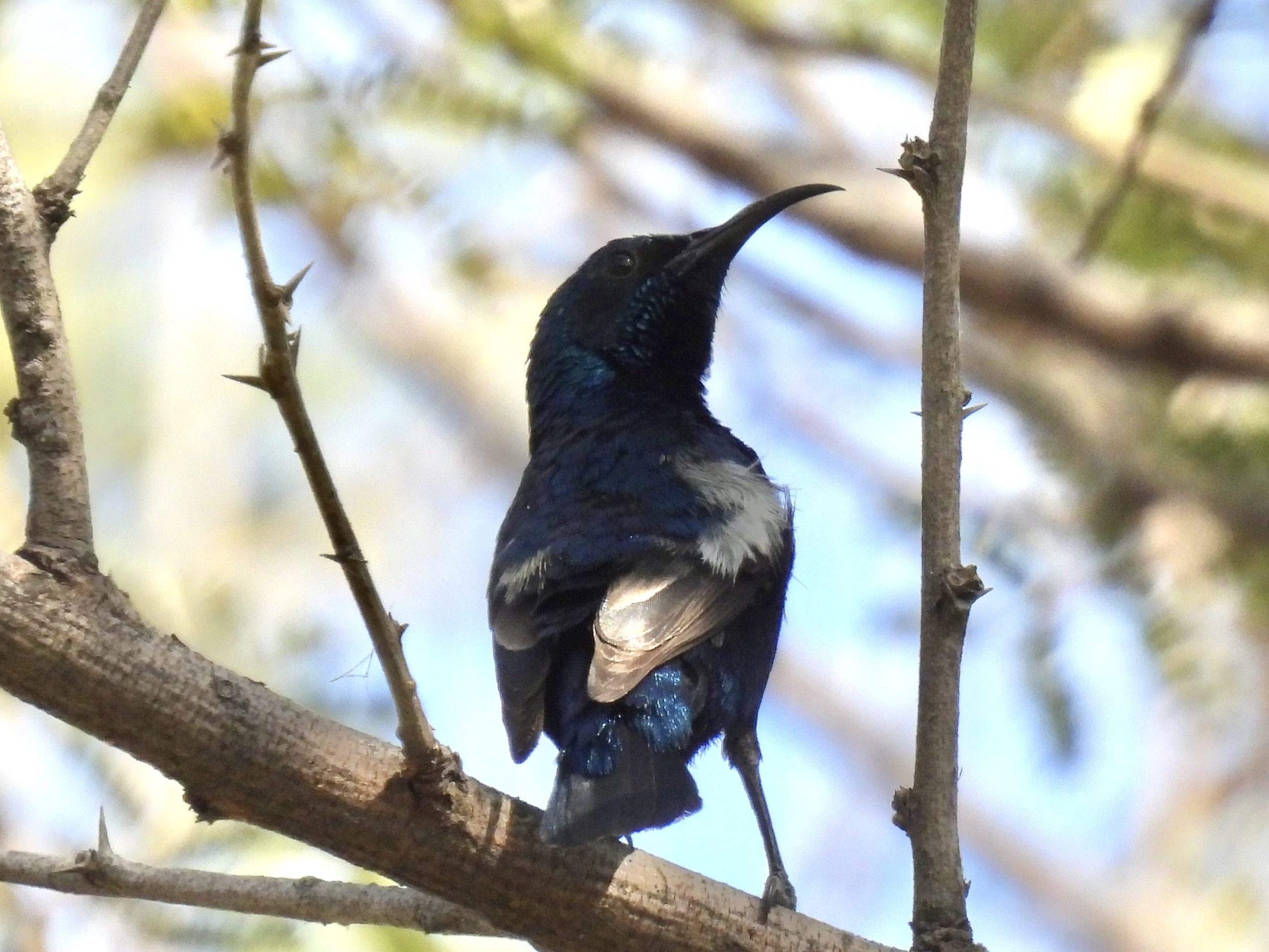
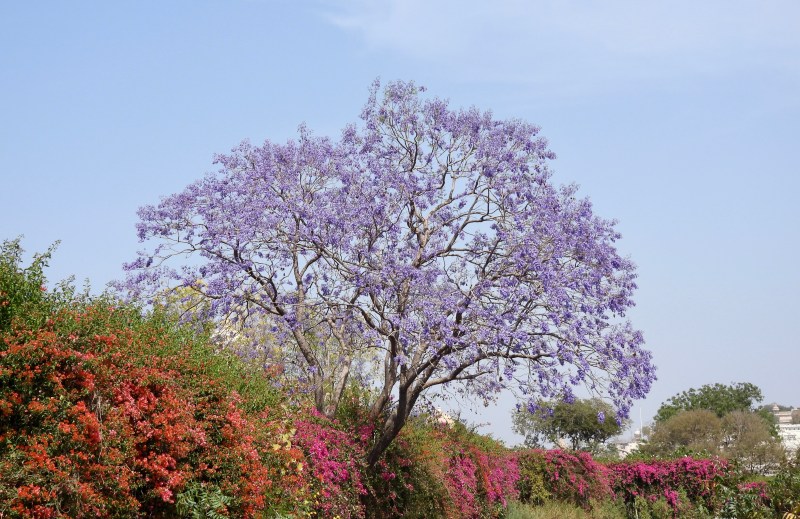
I presume the abundance of the nectar-drinking Purple Sunbirds had to do with the amount of flowers being grown around the resort; especially those of the splendid Jacaranda tree, which bursts into full bloom only twice a year. Every Jacaranda tree I passed over the next few days was full of vocal sunbirds.
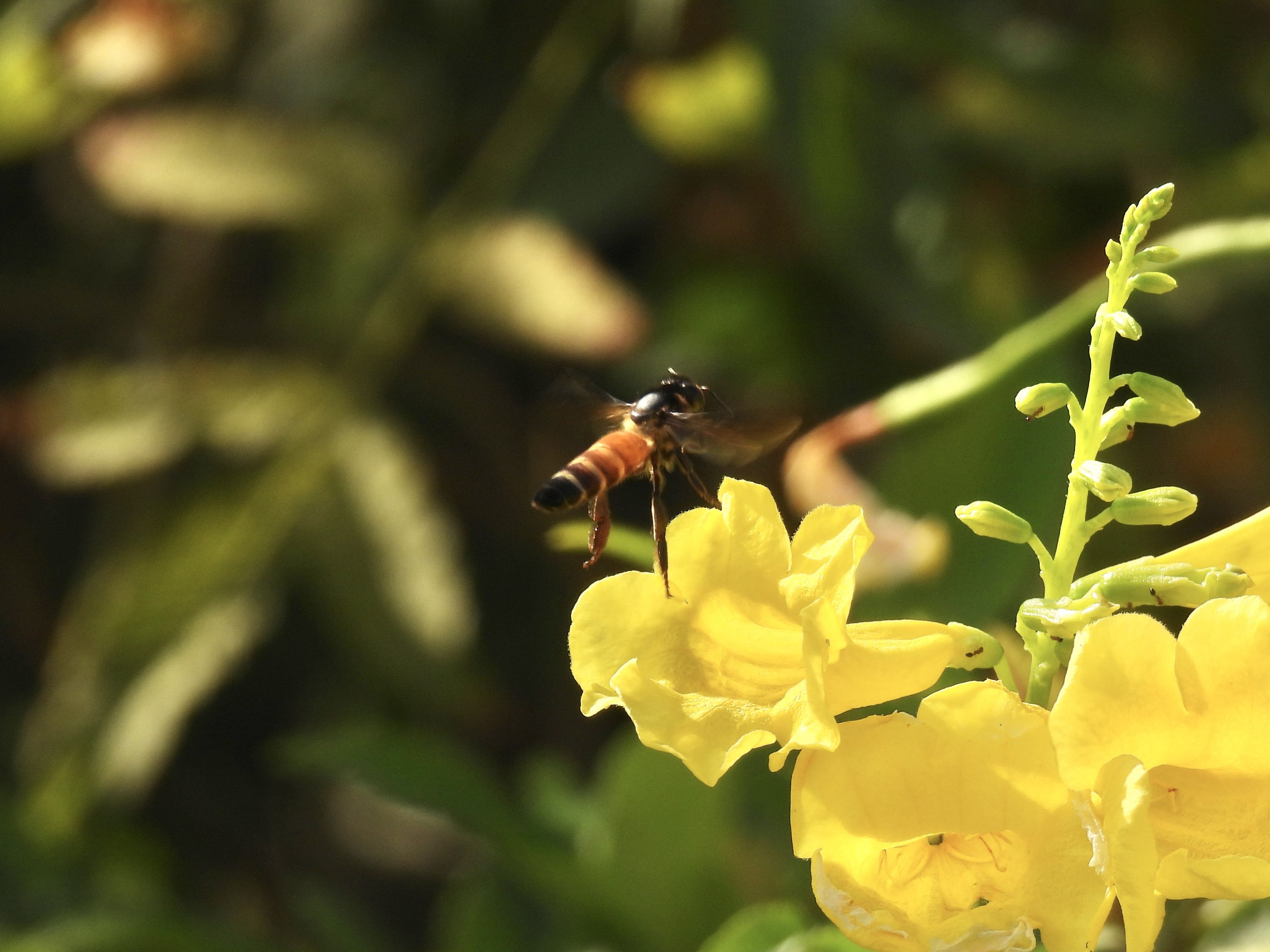
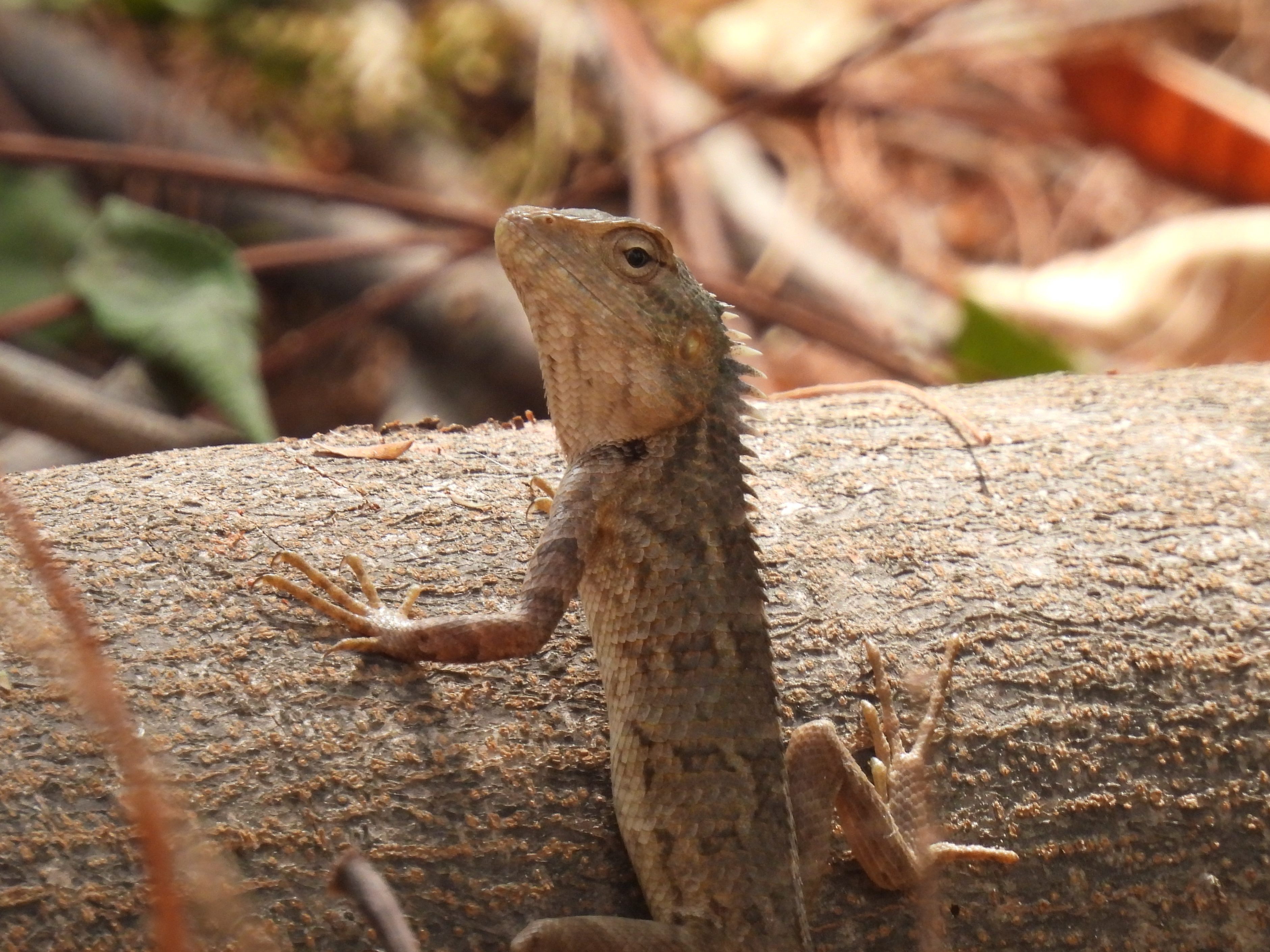
Though I looked for them, there weren’t many herps or arthropods around besides house geckos, a single Oriental Garden Lizard, bees and butterflies, probably because of the copious insecticides sprayed by the resort to keep the mosquitoes and creepy crawlies at bay for (non-Bennett) guests.
After a great few days enjoying the sights of Udaipur, and the amazing Udaivilas resort, we flew to Jaipur where we spent several days exploring cultural sites and embarking on a Leopard safari. On our second-to-last day in India, we took a rather grueling 5-hour drive to Agra to see the world-famous Taj Mahal, built by Mughal Emperor Shah Jahan as a monument to his deceased wife in the mid-1600s. It is a pinnacle of human craftsmanship and ingenuity. We booked an early morning tour of the Taj, as it’s considered the best time to visit. Agra itself isn’t known for much else besides its marble monument, and other than seeing the Taj, my family was primarily interested in enjoying the top-notch facilities of our resort, the Oberoi Amarvilas.
I, however, had other plans for my last 24 hours in India. Still keen on adding to my India bird list, I located an accessible natural area nearby to explore; the Taj Nature Walk. It’s basically a fenced-off, 70-hectare (170-acre) city park with a paved, developed loop path and a bunch of dirt trails that take you through a dry deciduous woodland ecosystem complete with grassy clearings and a small lake. The concrete walls near the entrance are decorated with paintings of Indian wildlife, with the entrance itself located along a busy tourist road that leads to the East Gate of the Taj Mahal.
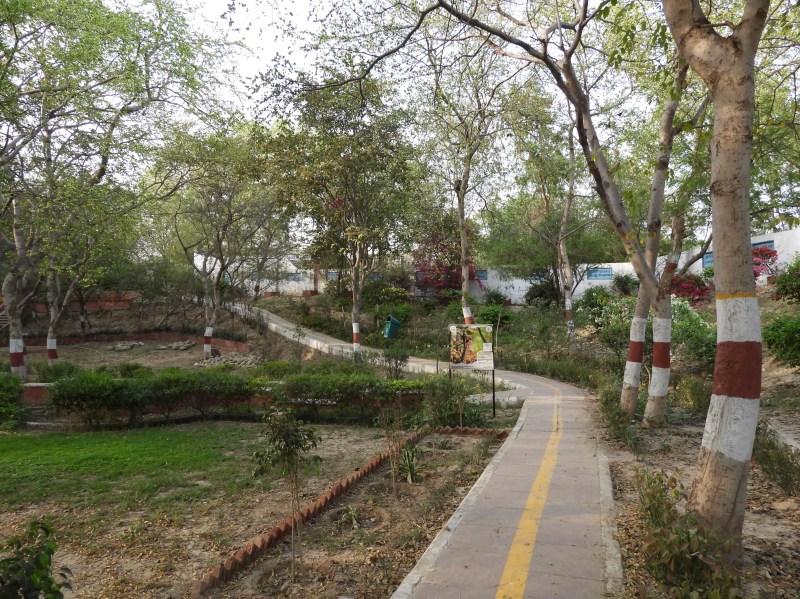
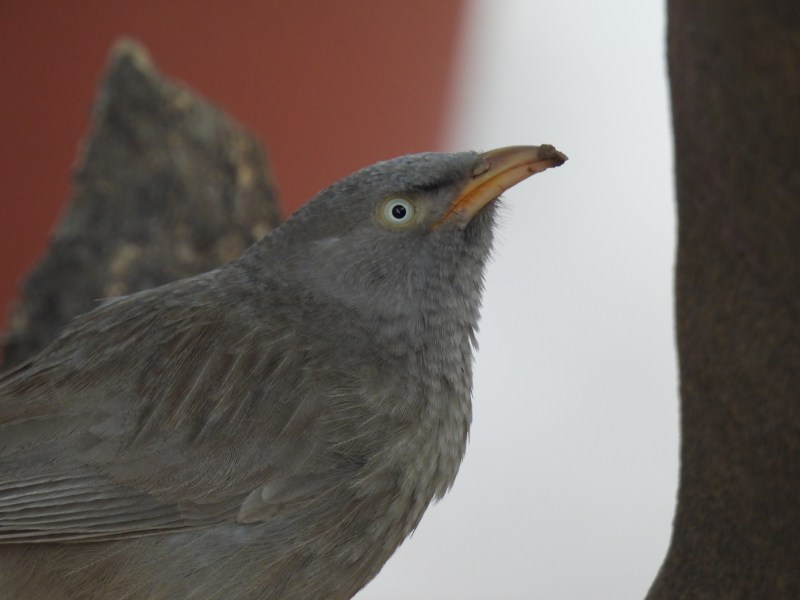
It cost me 150 rupees ($1.80 USD) to enter the park, which is paid at the kiosk at the entrance. Upon strolling into the Taj Nature Walk, one is immediately transported from the chaotic, crazy streets of Agra into a green oasis. Right off the bat, I could see that many of the birds in the park, like the very numerous Rose-Ringed Parakeets and Jungle Babblers, along with the Five-Striped Palm Squirrels were fed birdseed by the park staff, and were likewise habituated.
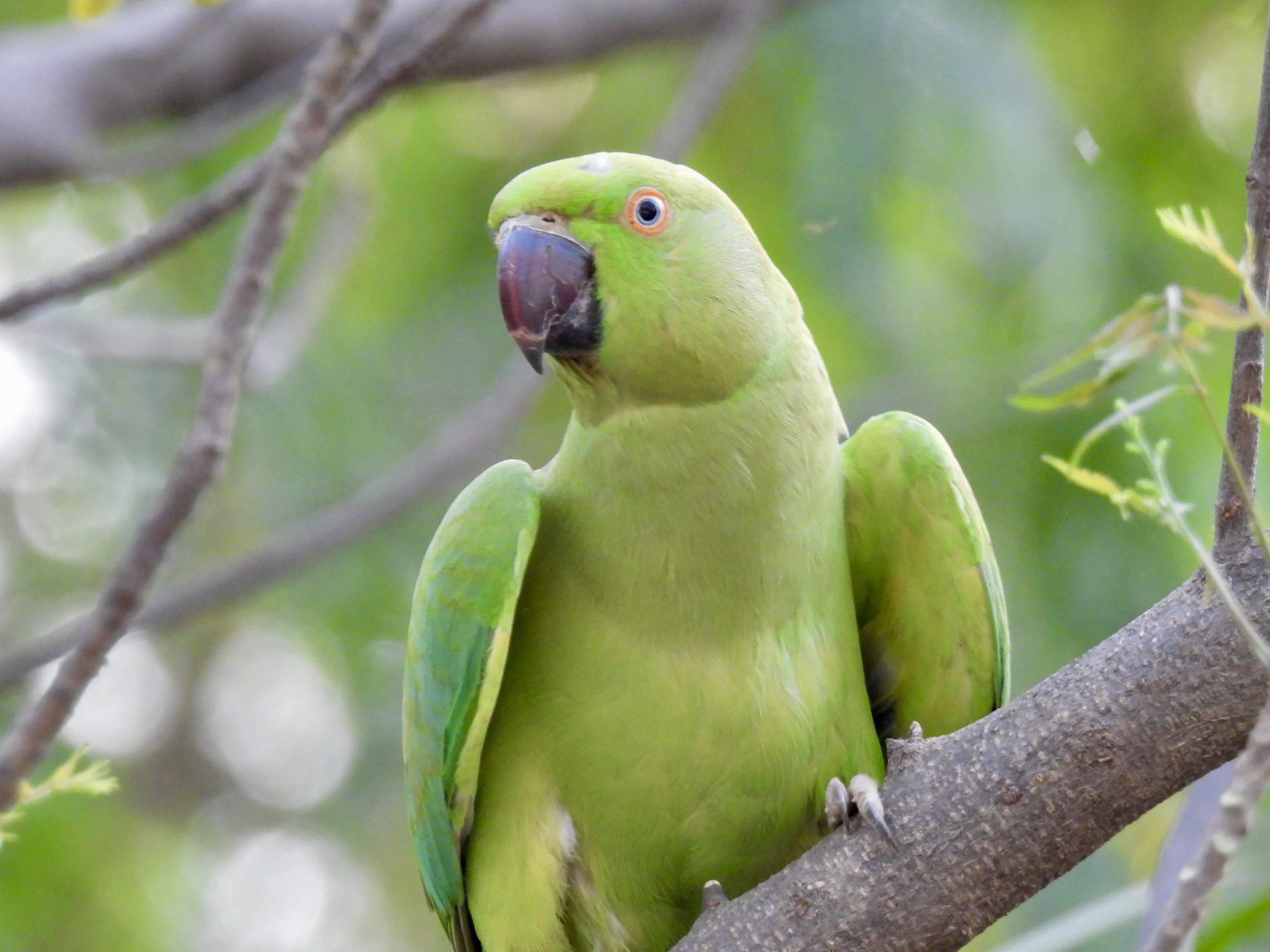
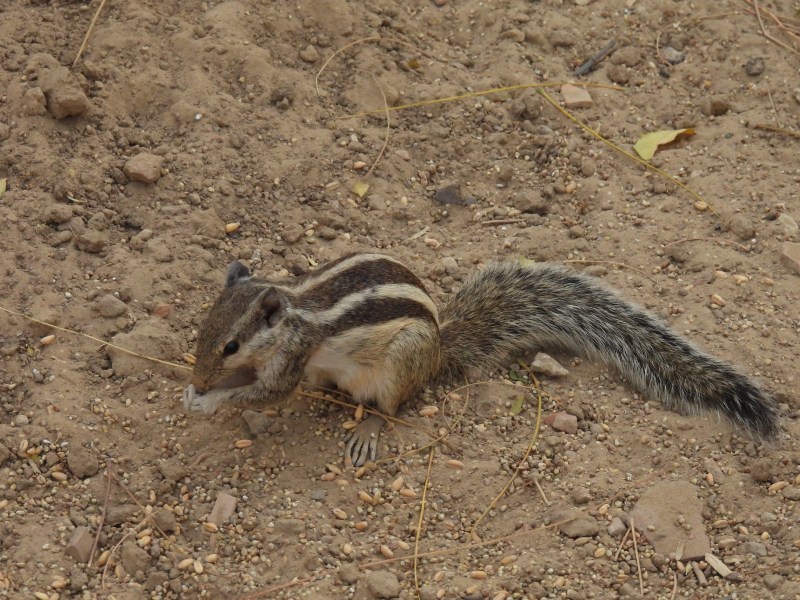
Dusk was already gathering as I set off into the park. Because I left quite late in the afternoon for my birding outing, time was of the essence before the sun set and I ran out of light. I set myself the task of nabbing a couple Indian Subcontinent specialties. For the first portion of my outing I stuck to the concrete path, where I saw lots of tame palm squirrels, parakeets, babblers, mynas, bulbuls and peafowl, but nothing particularly of interest. I wanted to explore some of the side trails veering off into the bush from the main path, and I followed one of these trails into the forest to the chain-link boundary fence encircling the perimeter of the park.
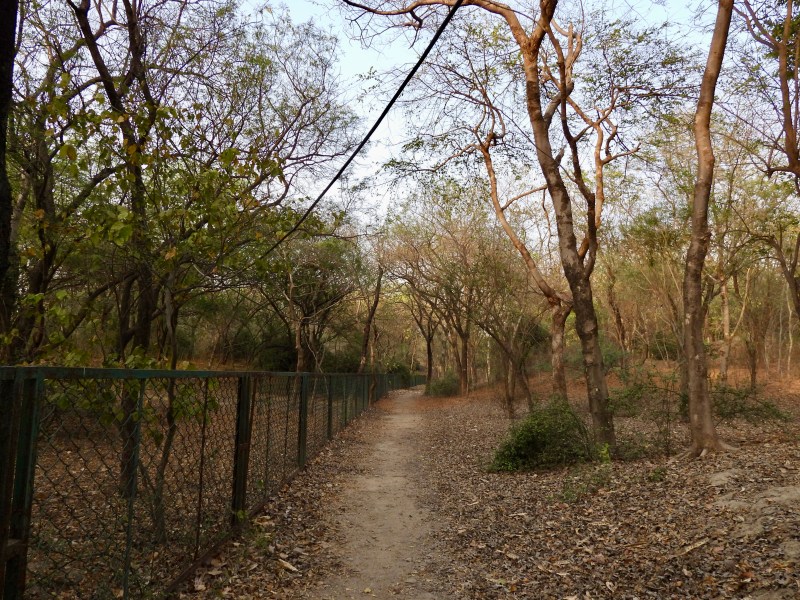
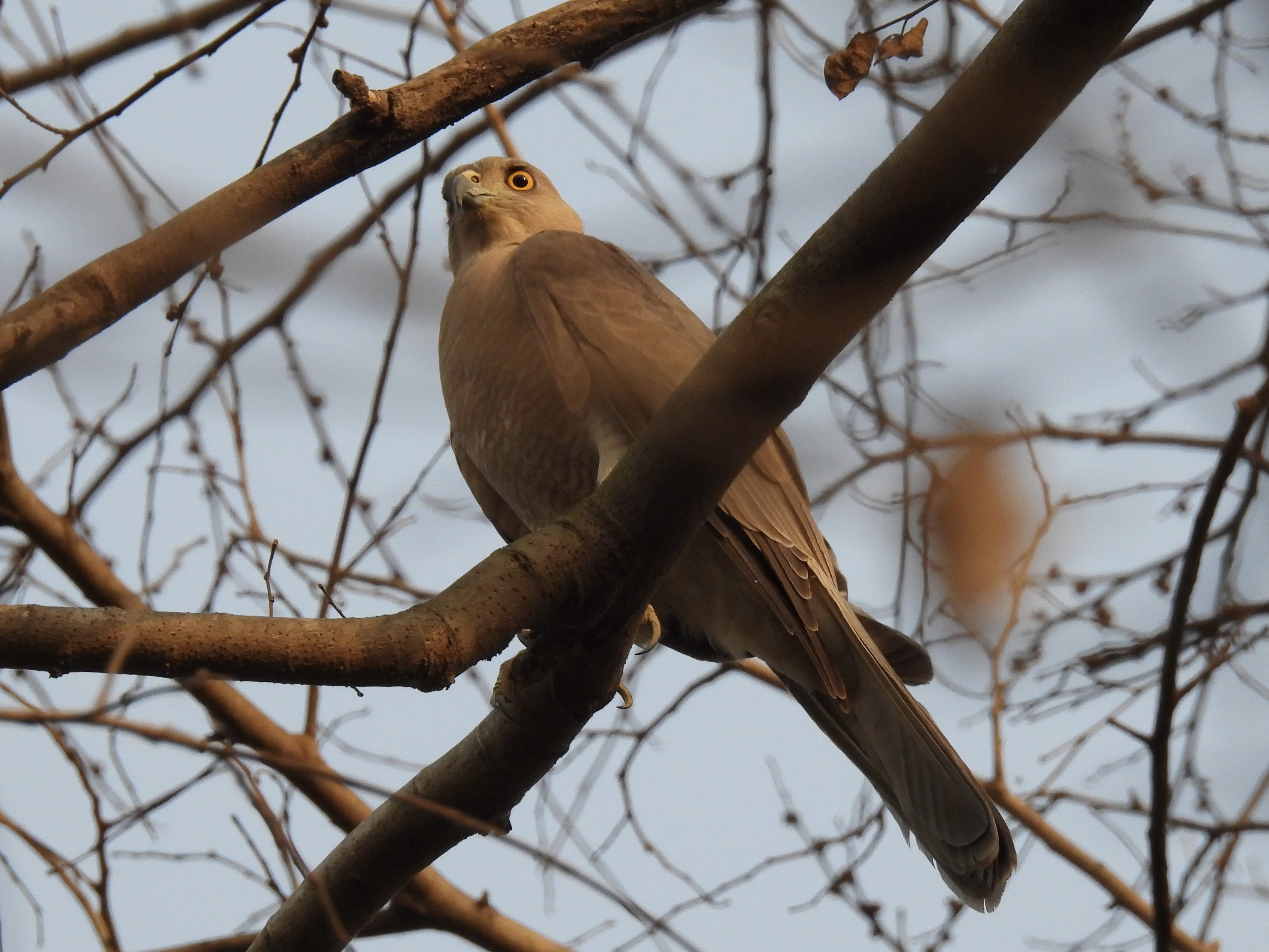
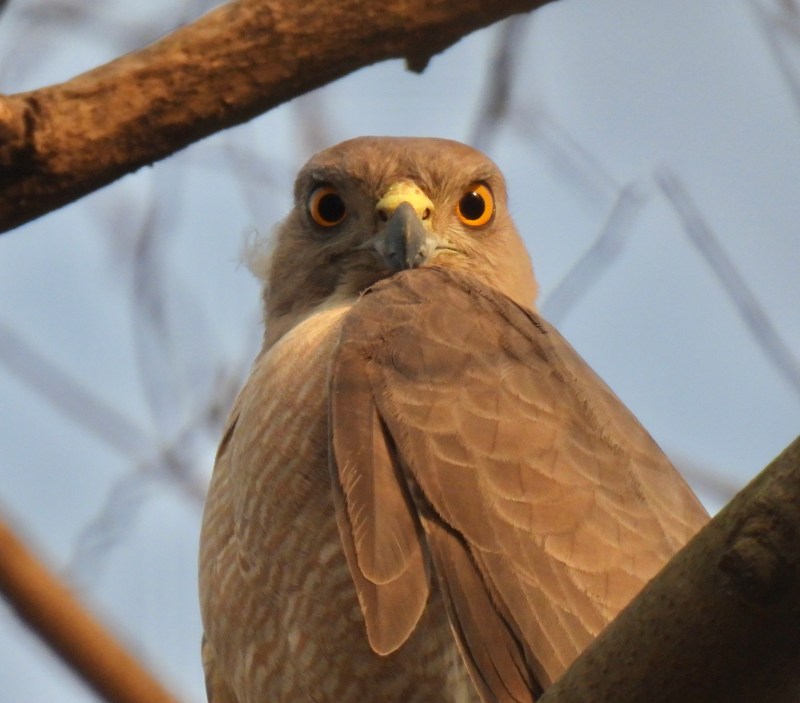
There was higher bird diversity here than on the main trail, and I started to spot interesting birds in the trees above. This oasis of forest habitat amidst a sea of development is conducive to a diverse but localized array of avifauna. The Shikra, a small raptor species found across India and Africa, was my first noteworthy find and a lifer.
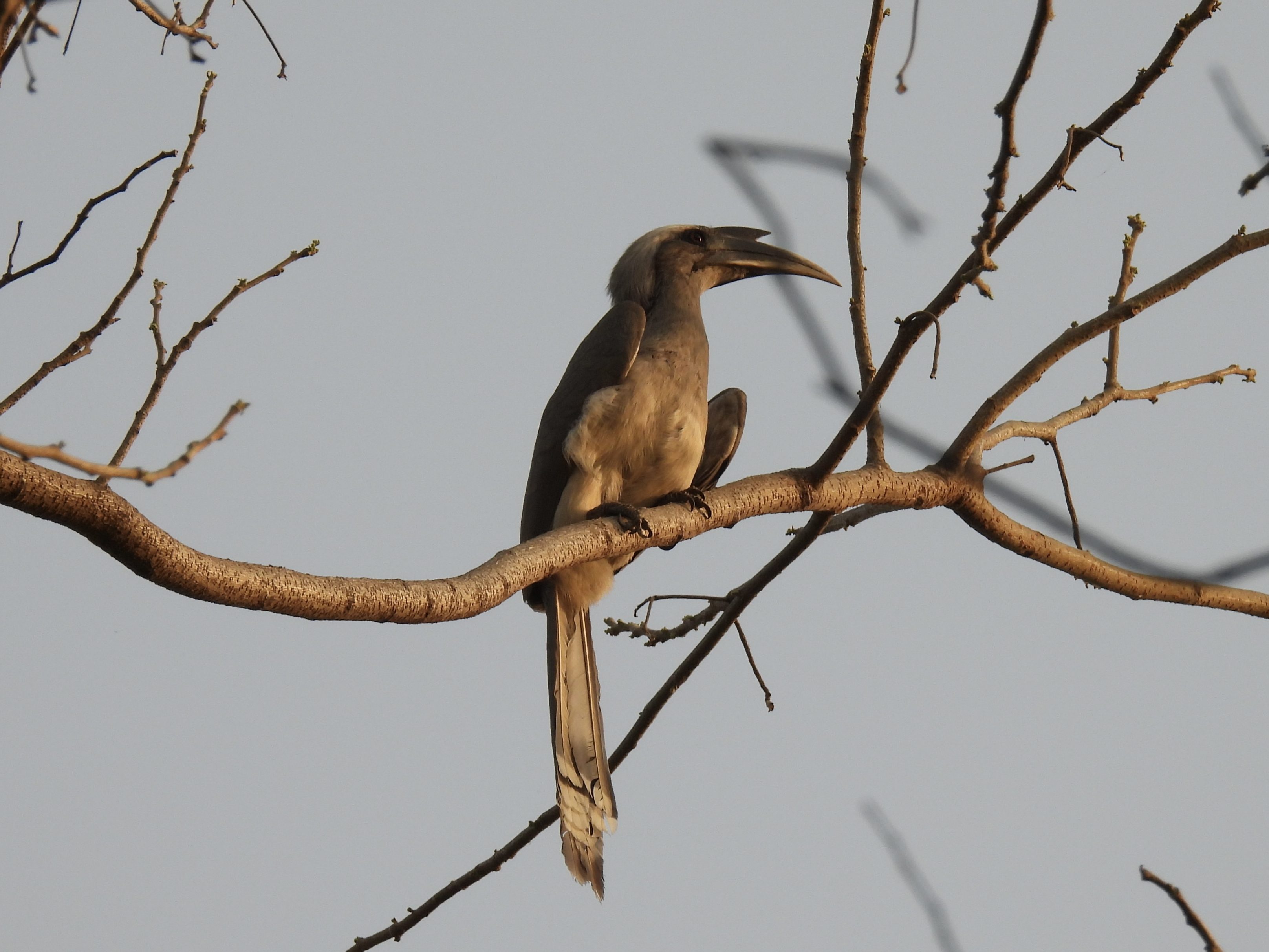
Father down the trail, I happened upon a tree with a couple noteworthy finds: Rufous Treepies and an Indian Gray Hornbill.
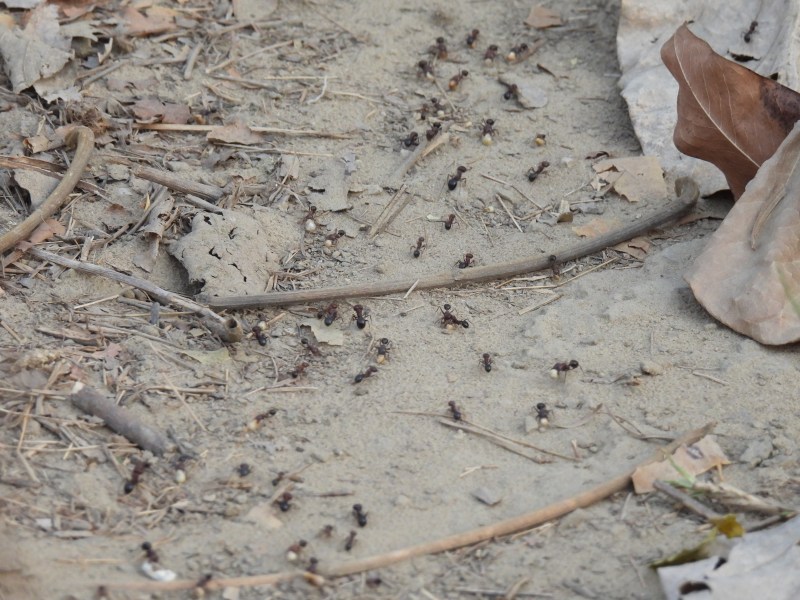
My next notable find was of the creepy-crawly type: a highway-like foraging trail of Messor harvester ants carrying birdseed back to their nest. Messor ants follow what is called ‘optimal foraging theory’, whereby foraging trails of ants try to optimize the colony’s energy intake by minimizing energy expenditure while gathering food. For instance, the ants will choose smaller seeds over larger seeds, and seeds that are closer to their nests rather than farther away.
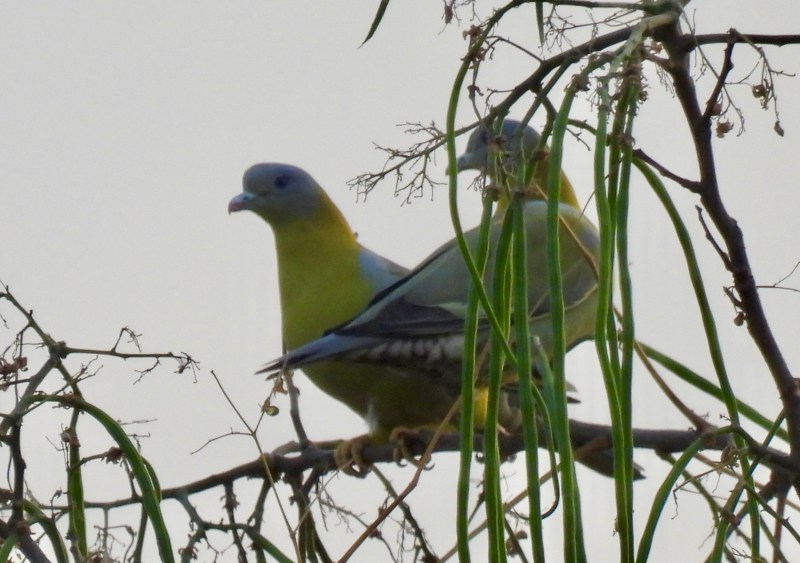
Departing the ants, I scrambled up a dirt hillock where I was presented with a view of the setting sun over the Taj Mahal and another bird lifer, the Yellow-Footed Green Pigeon.
I stumbled upon several villagers gathering firewood (probably illegally) in remote areas of the park as I walked along the trails. I didn’t photograph them, but I’m generally strongly against people (lawfully or not) exploiting conservation areas for sustenance or monetary value. The flip side is that the villagers might have no other source of firewood than the enclosed area within the Taj Nature Walk so their ecologically exploitative activities might be out of necessity. I think the local government in Agra should address this issue so the park doesn’t get stripped of its biodiversity.
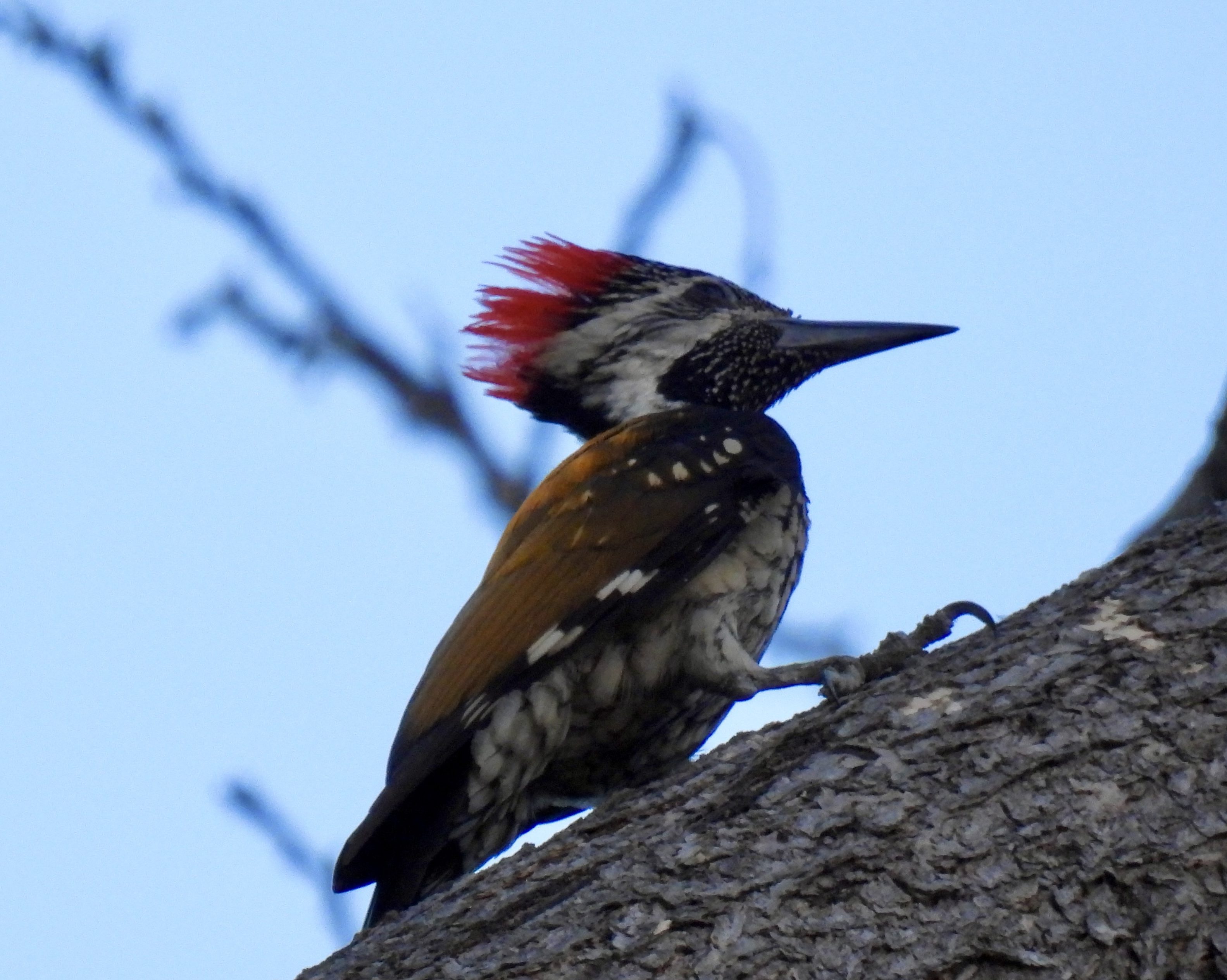
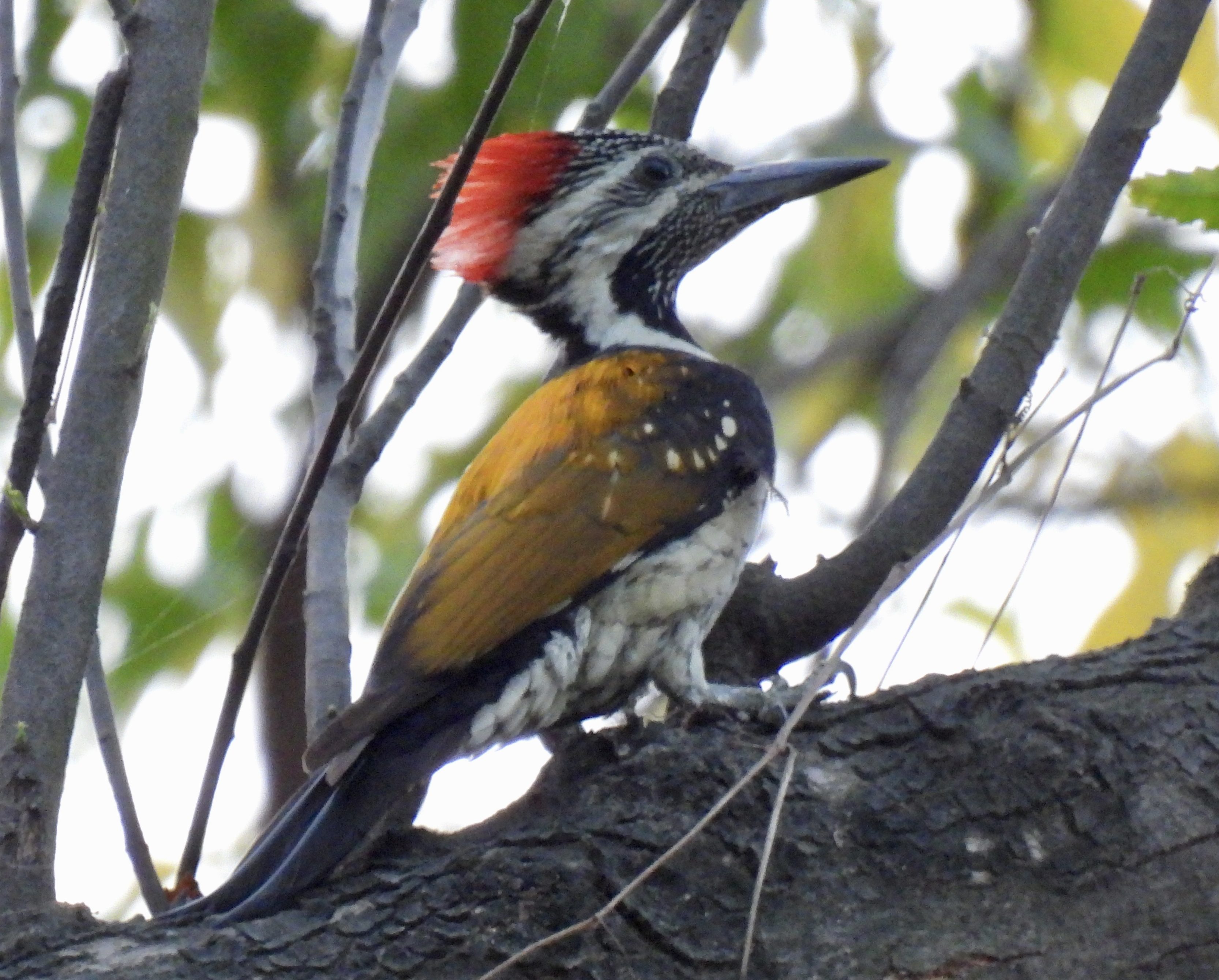
I encountered my final lifer of the night right as I was about to turn back. I spotted a pair of Black-rumped Flamebacks, woodpeckers endemic to the Indian Subcontinent, on the hunt for food. The woodpeckers were the icing on the cake of my birding expedition under the shadow of the Taj Mahal.
The next day, we were up very early to see the Taj Mahal. The tour turned out to be great, and our guide was personable, funny and knowledgable as he led us around the world wonder. The Taj is without a doubt one of my favorite monuments I’ve ever visited. It’s so beautiful it just feels surreal. The design is unmatched anywhere on Earth, and the white marble veneer causes the monument to glow depending on the time of day. Everything was painstakingly measured out to be perfectly symmetrical. Even the artistic patterns on the Taj are the result of thousands of meticulously-carved and hand-positioned semi-precious stones.



Between the lengthy narrations from our guide and the hundred billion family photos my parents made us take, I didn’t have a ton of time to explore the surroundings of the Taj for birds. However, after completing a walkthrough of the interior of the mausoleum, we were let out at an area overlooking the bird-filled Yamuna River.
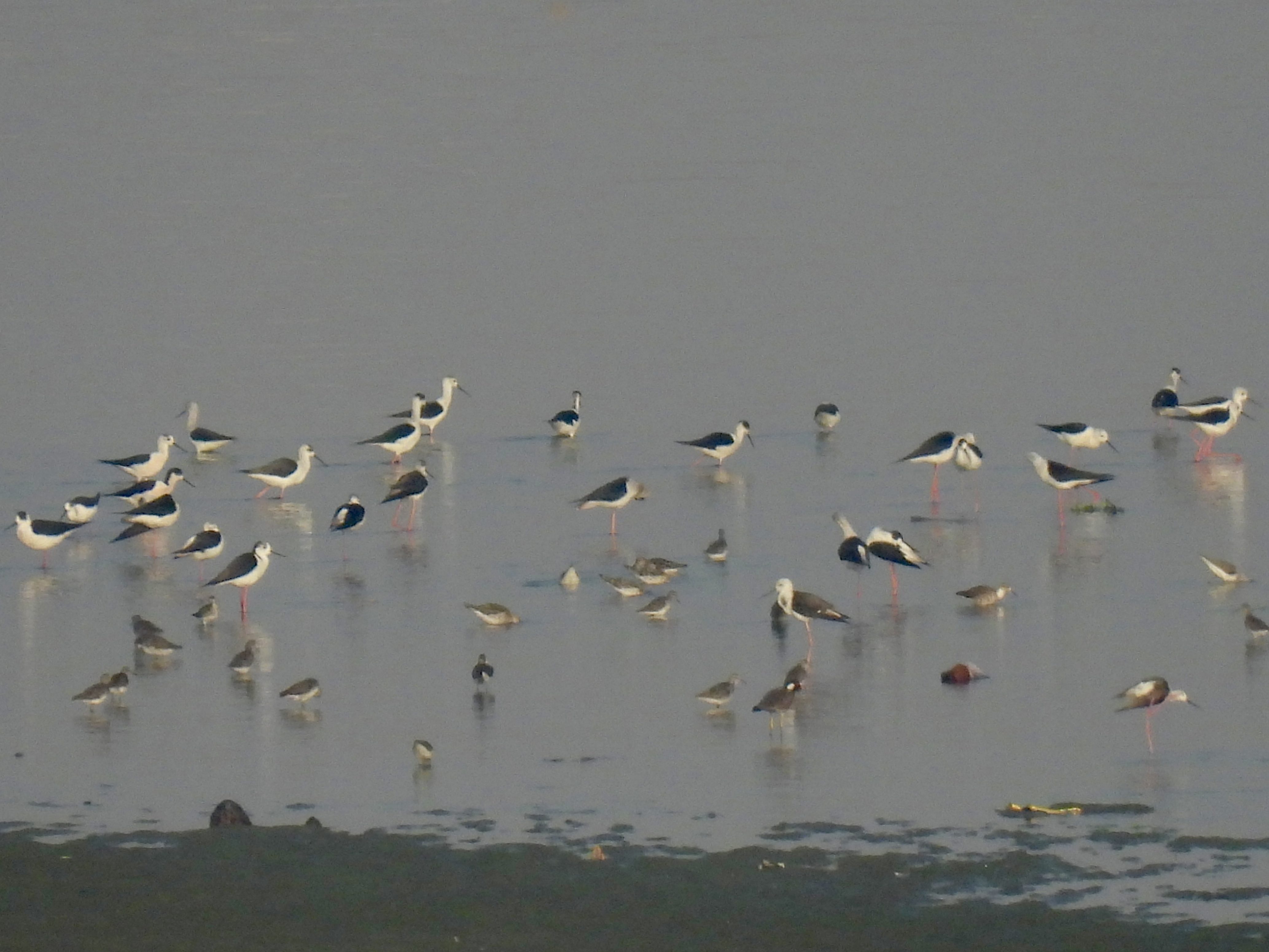
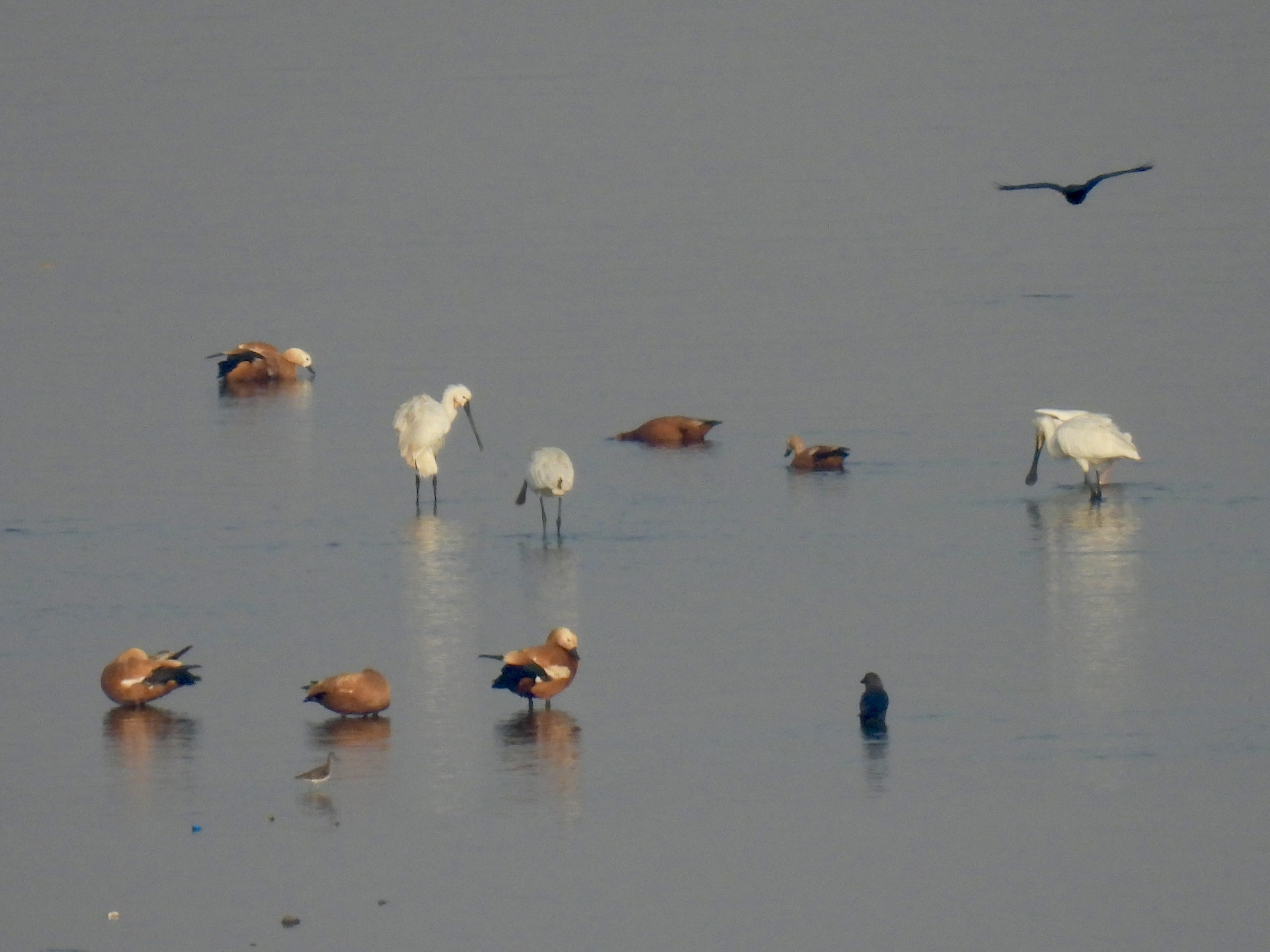
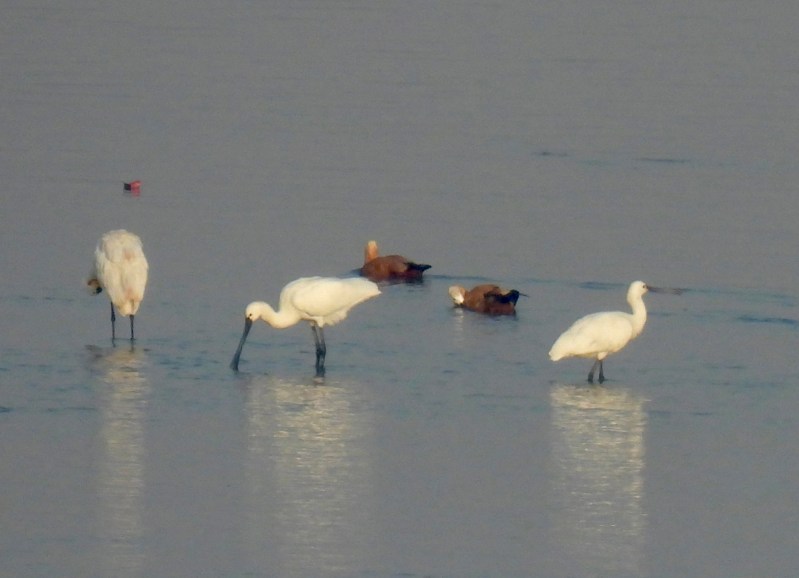
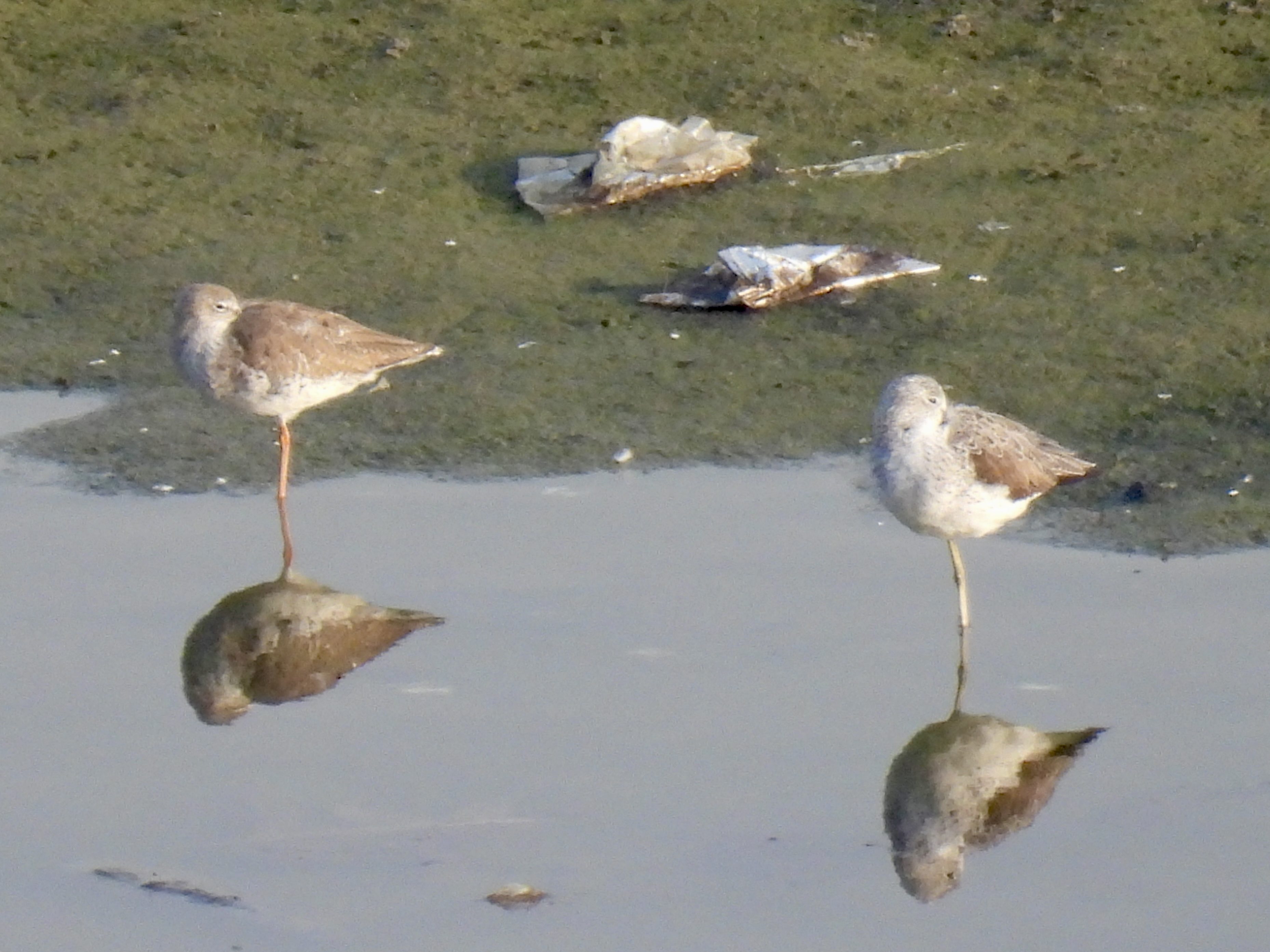
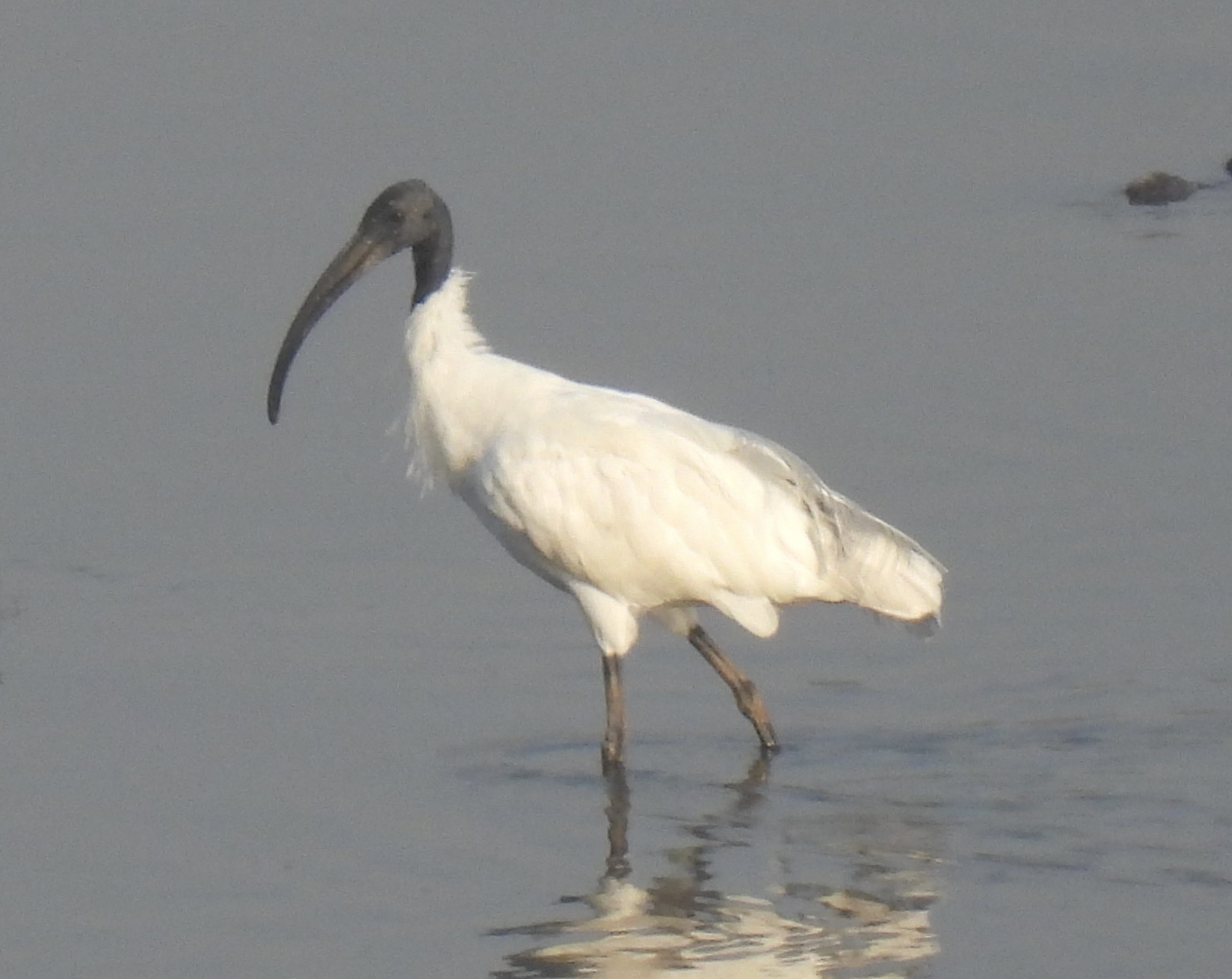
There was an appreciable amount of waders and waterfowl in the Yamuna I hadn’t recorded in Udaipur, and using my camera’s zoom lens, I was able to photograph and later identify most of the species I saw. My top finds were a flock of Ruddy Shelducks, Black-Headed Ibis, Spotted Redshank, Green Sandpiper, Wood Sandpiper, and some Eurasian Spoonbills. To be honest, I might be wrong on a couple of my wader ID’s looking back at my photos, but I don’t think it’s worth the effort of revising my bird species list for India.
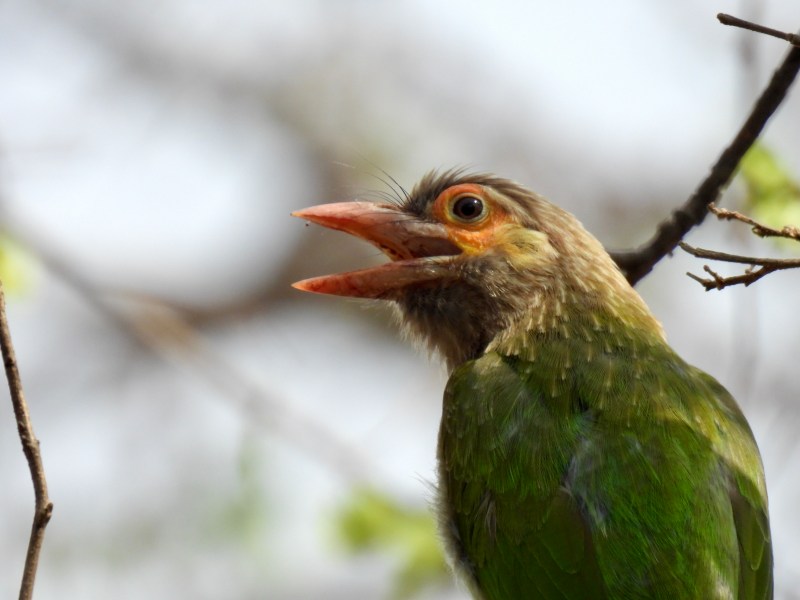
After an enjoyable visit to the Taj Mahal, we headed back to the resort to relax, pack, and then leave for the airport in Delhi, another 5-hour drive. I wanted to get at least one more bird lifer for India, so I headed back to the Taj Nature Walk for a final birding expedition. It was nearly noon— not ideal birding time—and I didn’t see much in my hour-long quest apart from a captivating Brown-Headed Barbet at the entrance. The barbet posed for a couple photos, marking my 38th overall bird lifer for India!

I hope you enjoyed reading about my 2024 birding, cultural and wildlife-watching adventures in India. I know I haven’t been as active with my interests this year and keeping up with my blog, but ’tis is the boring, miserable, and tedious grind of high school that I will soon be done with for good! Right now, I look forward to ending Senior year and continuing on to more adventures the rest of 2024. Stay tuned for more posts,
-Bennett
Mammals Species Recorded: (5 total, 2 lifers)
- Indian Gray Mongoose (Lifer)
- Lesser Mouse-Tailed Bat (Lifer)
- Rhesus Macaque
- Five-Striped Palm Squirrel
- Indian Flying Fox
Bird Species Recorded: (74 total, 33 lifers)
- Brown-Headed Barbet (Lifer)
- Indian Gray Hornbill (Lifer)
- Large Gray Babbler (Lifer)
- Plum-Headed Parakeet (Lifer)
- Black-Rumped Flameback (Lifer)
- Rock Bush-Quail (Lifer)
- Cotton Pygmy Goose (Lifer)
- Yellow-Footed Green Pigeon (Lifer)
- Shikra (Lifer)
- Bronze-Winged Jacana (Lifer)
- Coppersmith Barbet (Lifer)
- Asian Pied Starling (Lifer)
- Wire-Tailed Swallow (Lifer)
- White-Browed Fantail (Lifer)
- Tree Pipit (Lifer)
- Indian Silverbill (Lifer)
- Ruddy Shelduck (Lifer)
- Brahminy Starling (Lifer)
- Indian Pond Heron (Lifer)
- Purple Sunbird (Lifer)
- Indian Robin (Lifer)
- Ashy Prinia (Lifer)
- Jungle Babbler (Lifer)
- Knob-Billed Duck (Lifer)
- Indian Spot-Billed Duck (Lifer)
- Spot-Breasted Fantail (Lifer)
- Gray-Headed Swamphen (Lifer)
- Green Sandpiper (Lifer)
- Spotted Redshank (Lifer)
- Laughing Dove (Lifer)
- Gray Francolin (Lifer)
- Western Yellow Wagtail (Lifer)
- Brown Rock Chat (Lifer)
- Rufous Treepie
- Indian White-Eye
- Red-Vented Bulbul
- Rose-Ringed Parakeet
- House Crow
- House Sparrow
- Black Kite
- Red-Wattled Lapwing
- Common Kingfisher
- Black-Winged Stilt
- Little Cormorant
- Eurasian Coot
- Indian Peafowl
- Intermediate Egret
- Asian Koel
- Glossy Ibis
- Black Drongo
- Oriental Magpie-Robin
- Red-Rumped Swallow
- Little Swift
- Black-Headed Ibis
- Greater Coucal
- Eurasian Collared Dove
- Gray Heron
- Common Iora
- Great Cormorant
- Asian Green Bee-Eater
- Common Tailorbird
- White-Throated Kingfisher
- Eastern Cattle Egret
- Cinereous Tit
- White-Breasted Waterhen
- Spotted Dove
- Purple Heron
- Asian Openbill
- Common Moorhen
- Common Myna
- Rock Dove
- Eurasian Spoonbill
- Common Greenshank
- Wood Sandpiper

 Bennett Gardner Wildlife Watching
Leave a reply to Elizabeth Hess Cancel reply