
My passion for the natural world has been with me as long as I can remember, but there was a place I visited as a kid I vividly remember it igniting fully for the first time. Costa Rica. I was on the verge of turning seven years old. My parents, wanting to bring my lively nature-loving self somewhere unique for my birthday, chose rugged, rainforested Costa Rica, home to 5% of the world’s biodiversity, as the destination. What followed was 10 incredible days of verdant jungle and rainbow-hued animals that kick-started my bottomless ocean of interest and enthusiasm for the natural world that remains with me today; unchanged from that very trip to Costa Rica.
When the opportunity arose to return to this biodiversity-packed Central American country with Seba and Celia, my two nature-loving friends I met in Spain last summer, I immediately snagged it. They did all of the planning for our eco-vacation, and put together an impressive itinerary packed with wildlife, natural wonders and adventure. We picked June 4th-13th as the dates for our trip, the beginning of the wet season in Costa Rica, and a period where none of us had school or college.
The trip was was a graduation celebration for all three of us: myself having graduated from Singapore American School and Seba and Celia from their respective universities.
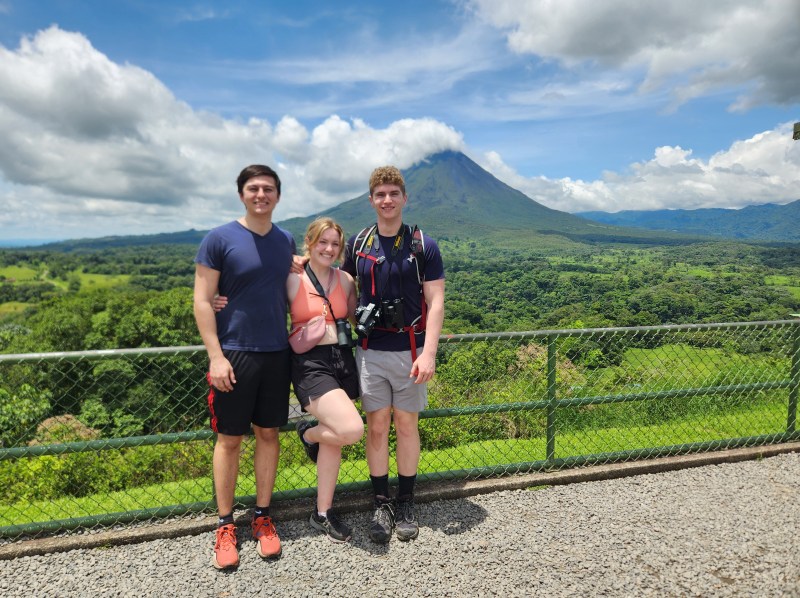
We visited three main areas of Costa Rica over the course of our ten days there: La Fortuna, at the base of Arenal Volcano; Monteverde, in the misty central highlands; and Quepos, on the Pacific Coast. These three locations allowed us to experience a nearly-full spectrum of the different habitats found throughout Costa Rica, from Pacific coastline to mangrove swamp to cloud rainforest to swathes of lowland rainforests of varying ages and compositions. We focused our attention mainly on ants, insects, herps (reptile and amphibians), mammals, and birds. Seba is especially interested in ants, herps, and insects, while Celia is a bigger fan of mammals and birds. I more or less like all classifications of animals equally, with a bigger emphasis on mammals and birds.
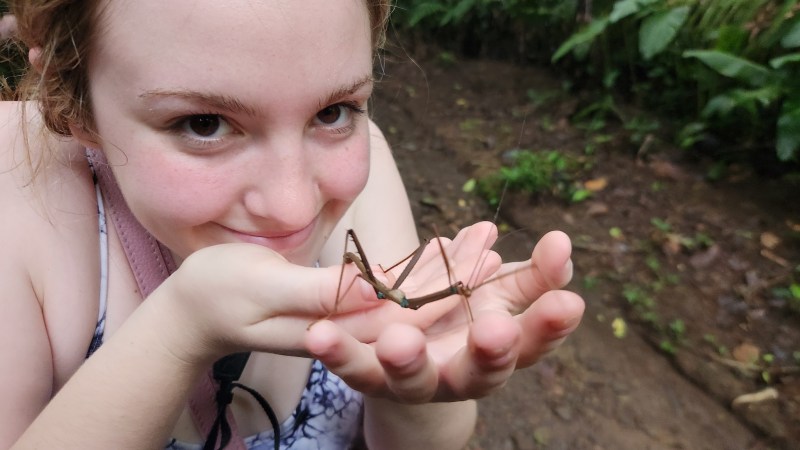
We compiled impressive species lists for different groups of animals: 71 birds, including the endemic Coppery-Headed Emerald, 34 reptiles and amphibians, including 8 snake species, and perhaps most impressively 23 mammal species including all 4 Costa Rican primates, both two-toed and three-toed sloths, and the Northern Tamandua; an elusive, beautiful type of anteater.
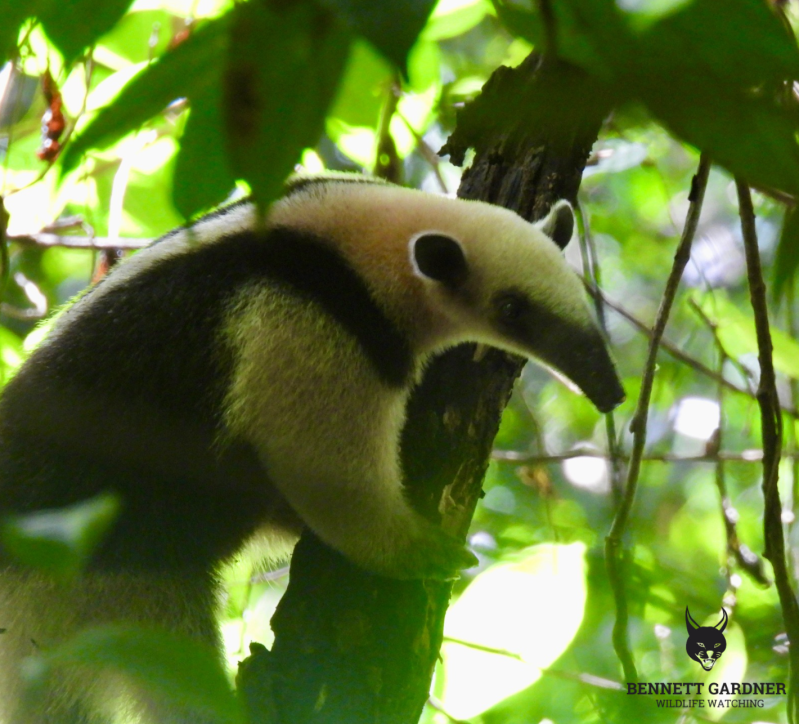

In addition to the aforementioned species lists, we recorded many other notable animals, especially ants and other insects. Seba, Celia and I did a bunch of ant-hunting and ant collecting in the different areas we were in. As all three of us keep colonies of ants as pets, it was of great interest to us to dedicate portions of our time in Costa Rica to seeking out these under-appreciated insects. Especially since Costa Rica is an ant haven with 914 ant species of 95 genera. Seba and I positively ID’d 25 ant species of 21 genera; the actual number of species we saw was probably far higher.
Unbeknownst to most, ants are the true powerhouses of the tropical rainforest— according to WWF, 30% of the animal biomass of the Amazon rainforest is ants alone! Exotic-sounding species like Trapjaw Ants, Army Ants, Leafcutter Ants, Panther Ants, Bullet Ants, and Twig Ants are everywhere you look in Costa Rica.
Easily the most conspicuous ants we encountered throughout our journey were Leafcutter Ants (Atta and Acromyrmex sp.) In Costa Rica, Leafcutter Ants are keystone herbivores, ecosystem engineers, and important bioturbators (soil rearrangers). To give you an idea of the massive impact these little insects have on their ecosystem, a colony of the Costa Rican Leafcutter Ant Atta cephalotes can clear an entire tree of its leaves in under a day! They don’t eat the leaves they collect; instead, they pile them in special underground chambers of their nest to grow a specific species of fungi, which they will later harvest as a food source.
_________________________________________________________________________________
We began our Costa Rican adventure on June 4th, 2024, shortly after I’d graduated from Singapore American School. The commute was nothing short of miserable for me; a grueling 28-hour haul involving two layovers and almost missing my flight out of Dallas to San Jose, the capital of Costa Rica. Despite having lived in Asia for over 11 years and being accustomed to brutally long plane rides, my journey over to Costa Rica to meet up with Seba and Celia was unusually sucky. Seba and Celia flew together from Boston to San Jose where we met up at the airport after they’d gotten our rental car.

Upon arrival, my airline forgot to load my check-in bag onto the plane during my Dallas layover which made for an annoying 2 days without any clothes or toiletries; the silver lining was that they delivered the bag directly to our hotel in La Fortuna! I met up with Seba and Celia and and hopped into our rental car. Outside, the afternoon rainy season deluge had started and didn’t let up until late in the evening.
We drove for two hours through the lush Costa Rican countryside; a mosaic of forest fragments and small-scale cattle farms and plantations. Costa Rica has done a phenomenal job of preserving its natural heritage over the past 40 or so years. Not only has it nearly ended deforestation of its tropical rainforests–something nigh-unheard of among tropical nations, it has increased its forest cover from 40-60% since 1987! It was amazing to see a country in the modern era of capitalist ecological destruction whose biodiversity is protected and nurtured as an integral part of the nation’s heritage.

Just before dusk, we arrived at Treehouse Hotel in La Fortuna, our first and only hotel of the trip (the rest of our accommodations were AirBnbs). Seba had visited this quirky eco-hotel the last time he was in Costa Rica with his family and insisted we stay at it. Over the next two days, we enjoyed everything the Treehouse Hotel had to offer. The hotel and its 80-acre property are situated entirely within a secondary lowland rainforest, which is simply teeming with life. Living up to its namesake, the hotel’s rooms are villas propped up on 30-foot-high stilts, giving guests an excellent view of the forest canopy.
To any naturalists or nature-lovers visiting Costa Rica (specifically those touring the La Fortuna/Arenal Volcano area), the Treehouse Hotel is a must for accommodation. The staff and four hotel-owned dogs are extremely friendly, the ambience and lushness of the rainforest makes for a truly authentic jungle experience, and the sheer number of birds, mammals, insects and herps to be found on the hotel’s grounds is incredible.
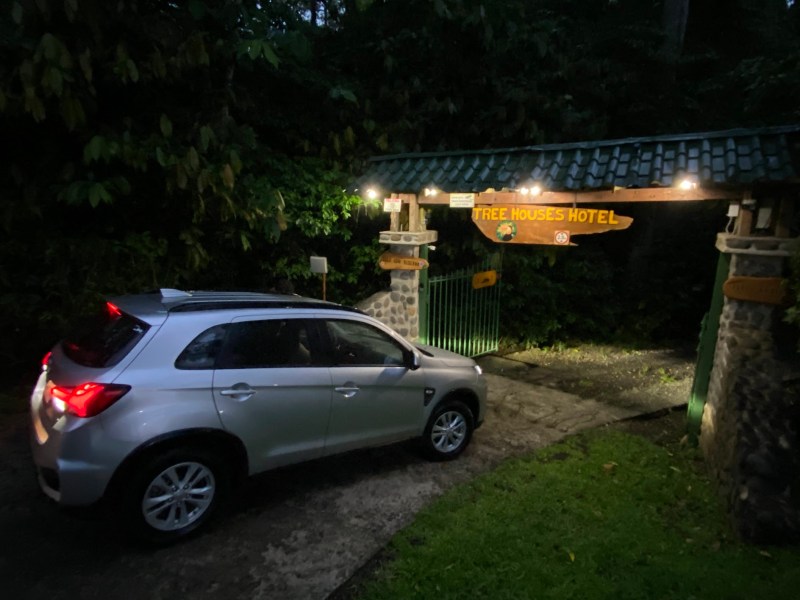
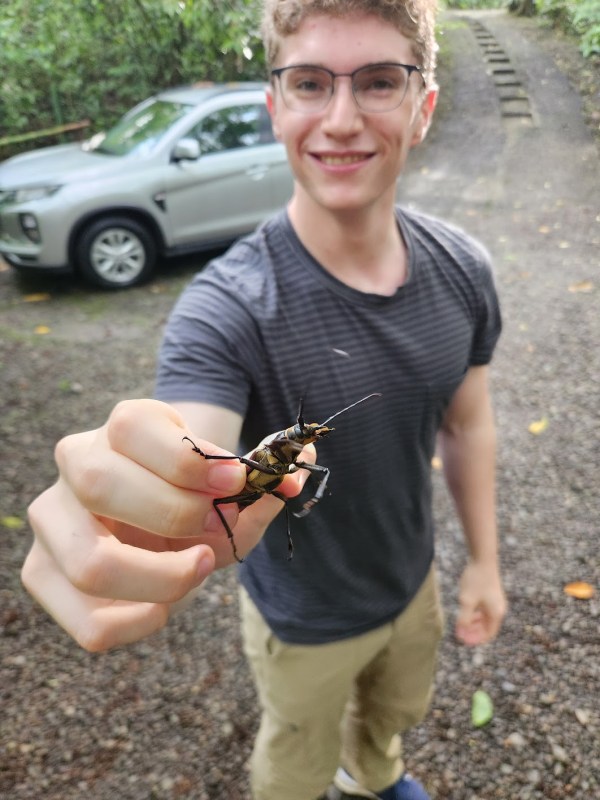
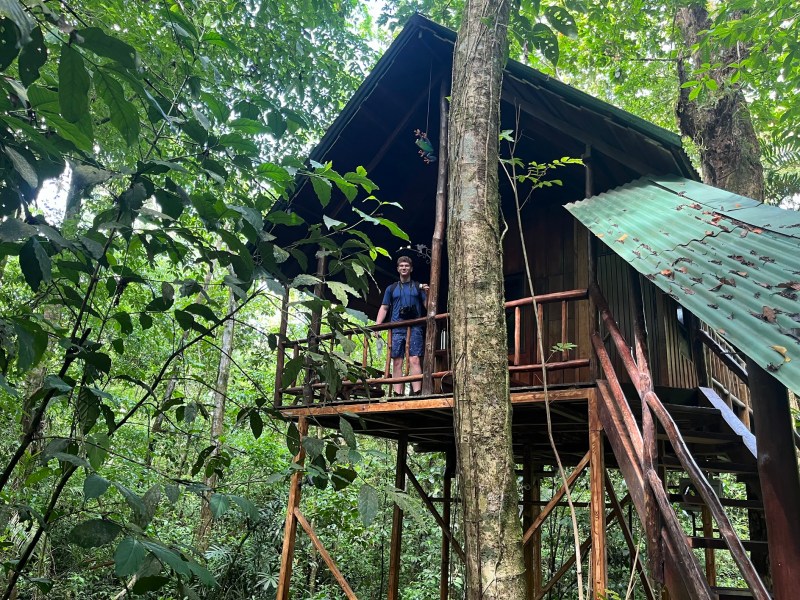
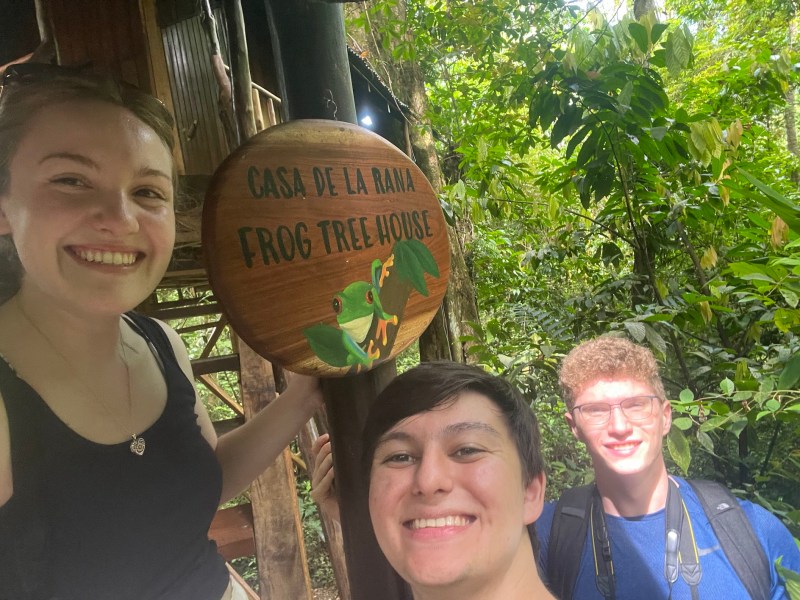
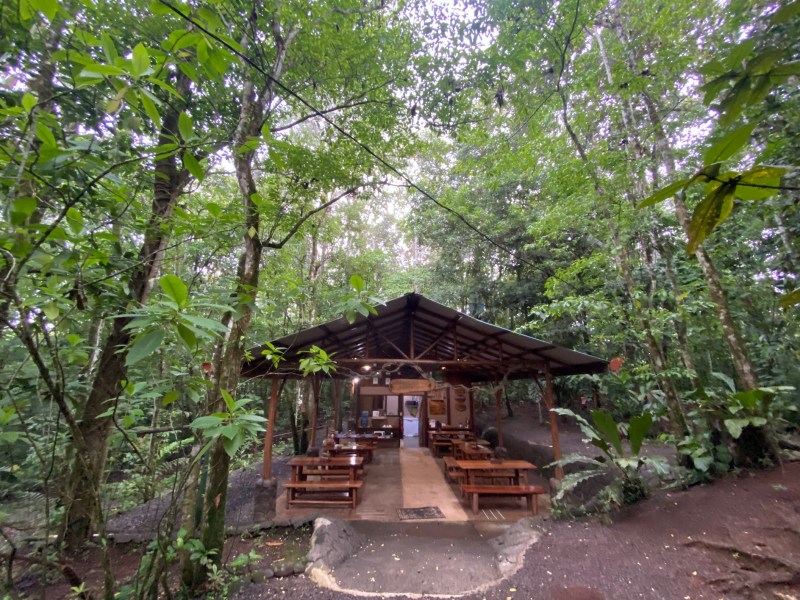
Upon check-in, Seba and I were ecstatic to explore the jungle and search for nocturnal wildlife. Celia joined us for a hotel staff-led night walk, but otherwise spent the evening resting. Running into the pitch-black Costa Rican rainforest at night in the rain to look for frogs, snakes, and ants is probably not on most peoples’ bucket lists, but Seba and I are not most people….
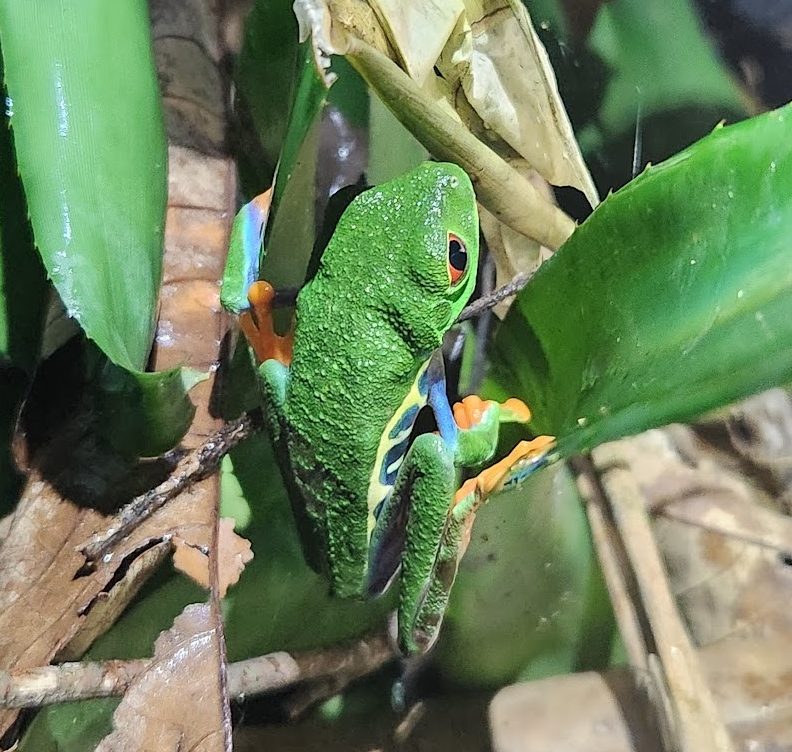
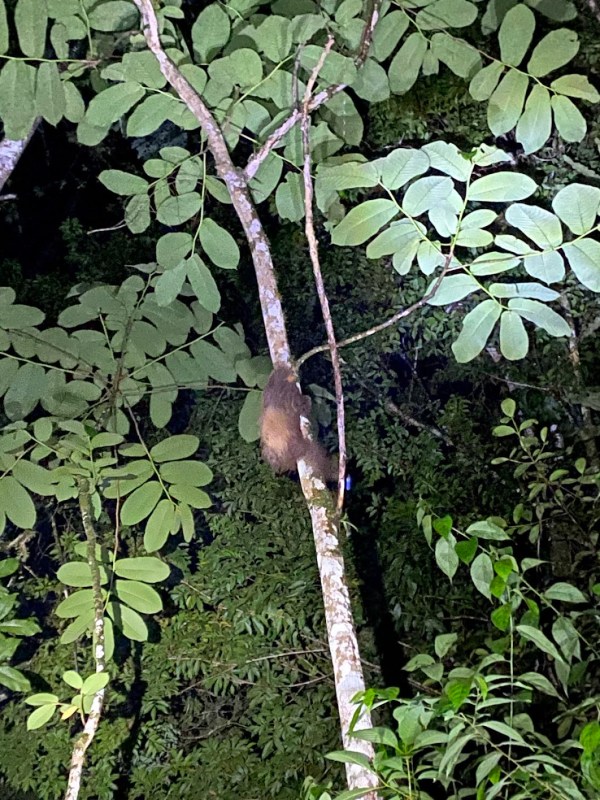
Our first night was marked by many fascinating animal finds, starting off with a juvenile Ornate Cat-Eyed Snake and a massive queen Paraponera clavata (Bullet Ant) right by our villa. Though the rain didn’t let up throughout the entire night, we still managed to get in a productive night walk through the hotel’s jungle property, with plenty of cool insects, herps, and several mammals including a female Derby’s Woolly Opossum. I even got to see my absolute #1 bucket-list amphibian: the Caribbean morph Red-Eyed Tree Frog. Perhaps the most impressive encounter of the night was bearing witness to a Hoffmann’s Two-Toed Sloth falling 50 feet (15 meters) off a tree trunk, only to climb back up like nothing happened! Interestingly, sloths are adapted to falling out of trees unharmed and can fall over 100 feet (30 meters) to the forest floor without injury!
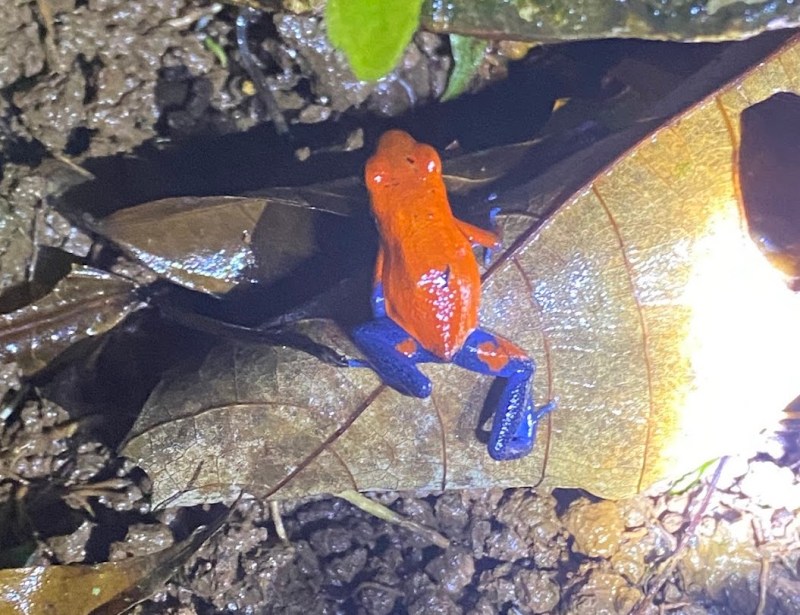
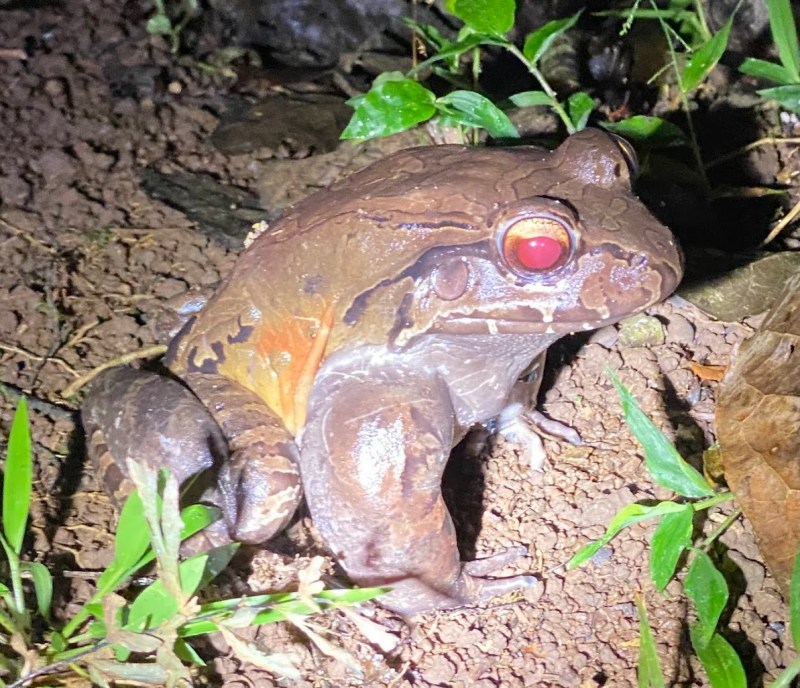
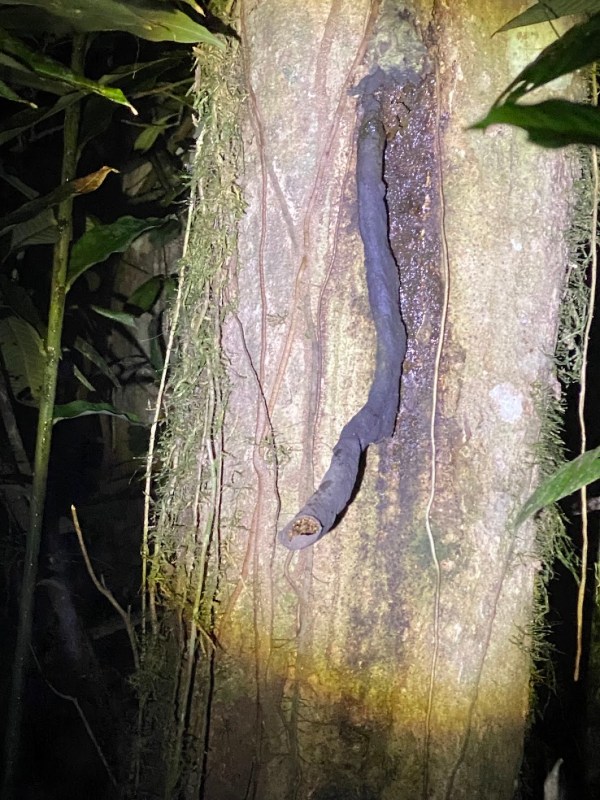
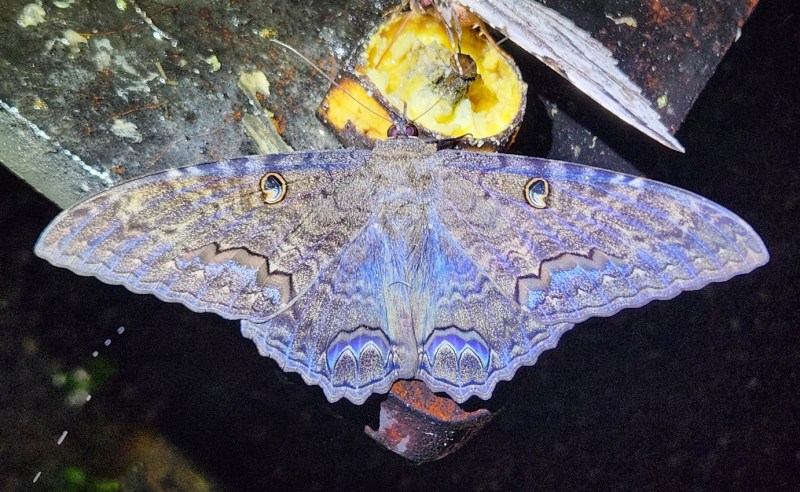
Here are some of our notable finds of the night:


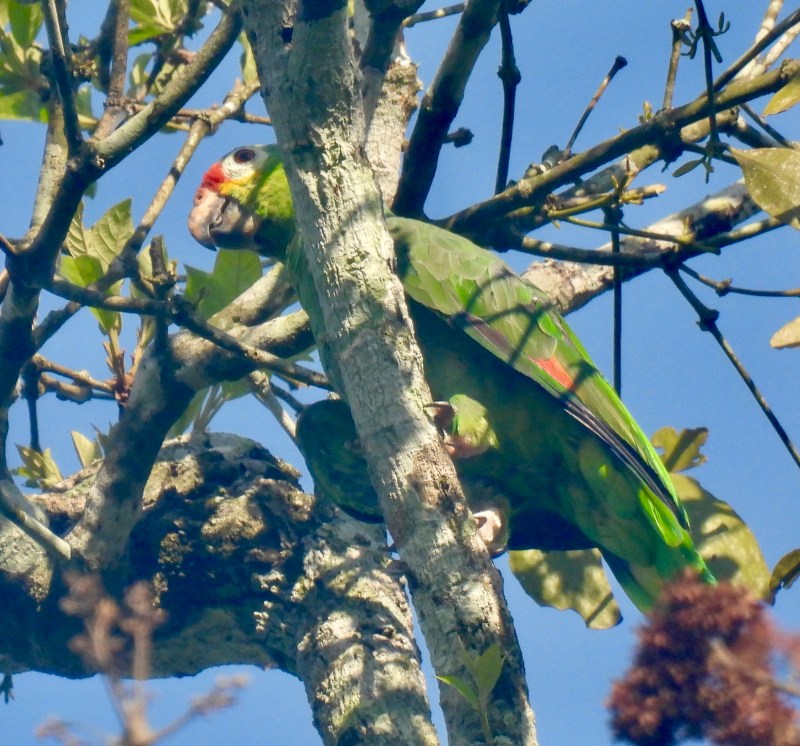
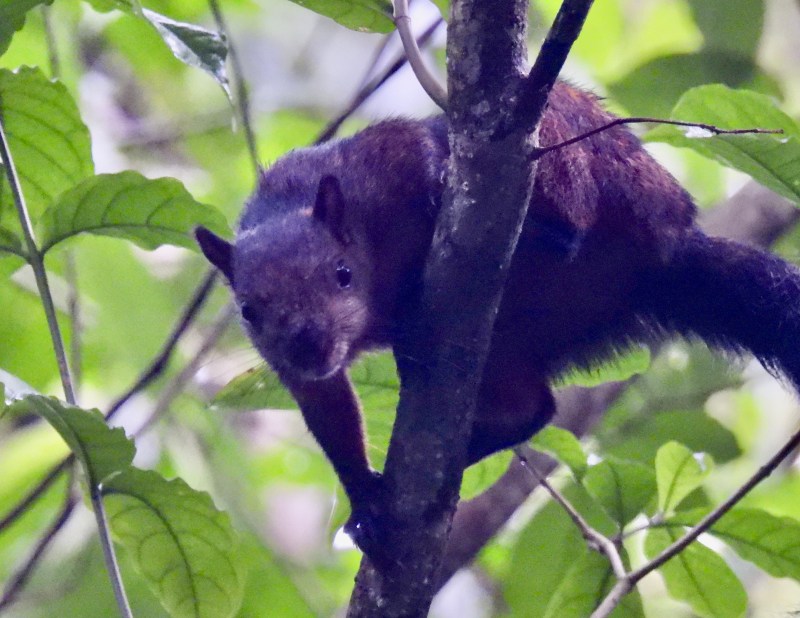
Day 2 started way too early for poor jetlagged Bennett….I was up at 3am, and immediately left the room after stealing some of Celia’s corn flakes and Ritz crackers. That morning I did some exploring of my own and saw many exciting birds and a Variegated Squirrel at its tree-hole as the sun slowly lit up the forest. Breakfast was served quite early, and as I ate I watched intently as the feathered denizens of the jungle flocked to the hotel’s many banana-baited bird feeders. It took me some time to ID the first batch of birds I saw, and nearly every species I saw was a lifer. Clay-Colored Thrushes, Orange-Billed Sparrows, Red-Throated Ant Tanagers, Blue-Gray Tanagers, and Red-Lored Parrots filled the forest while diminutive White-Necked Jacobins and Rufous-Tailed Hummingbirds kept me company at the hummingbird feeders around the breakfast area.
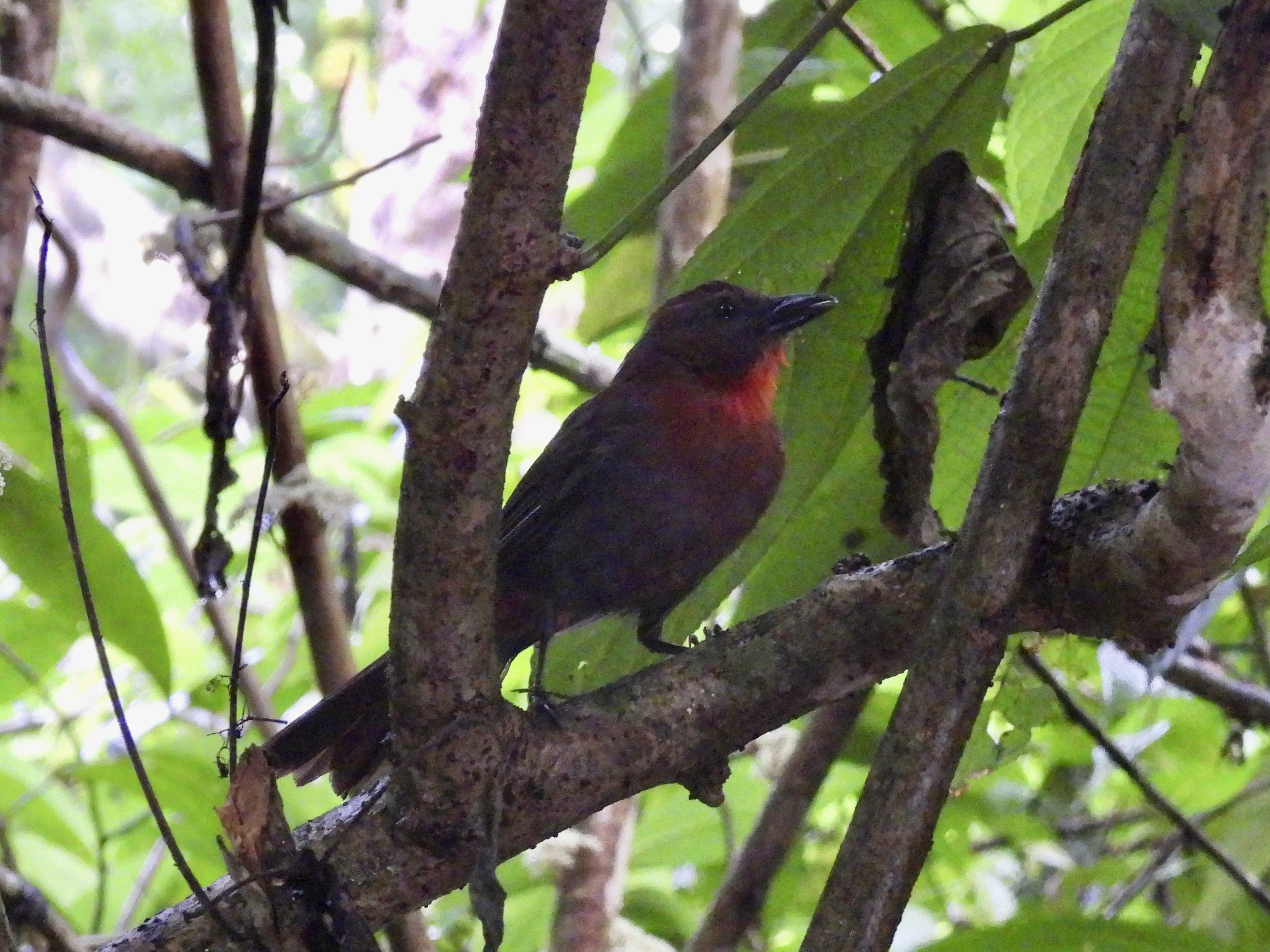
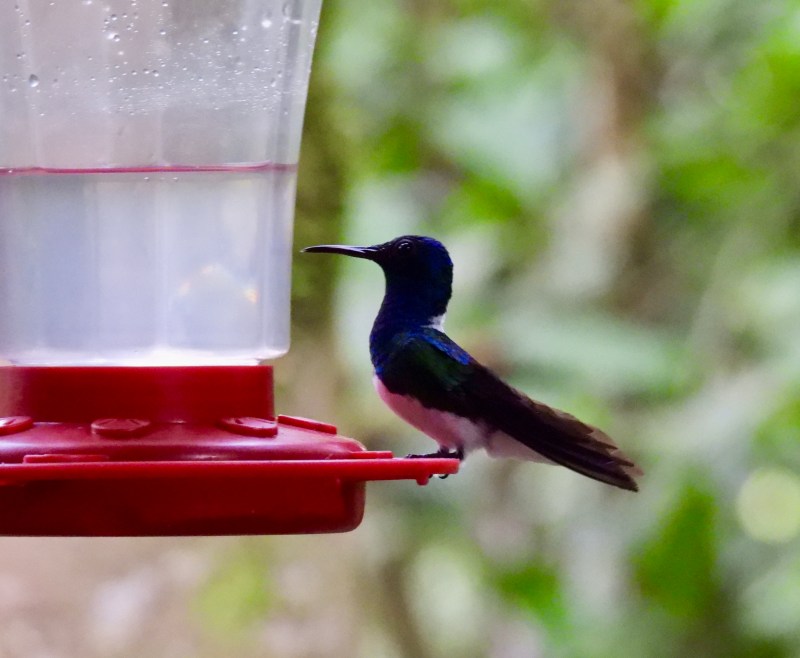
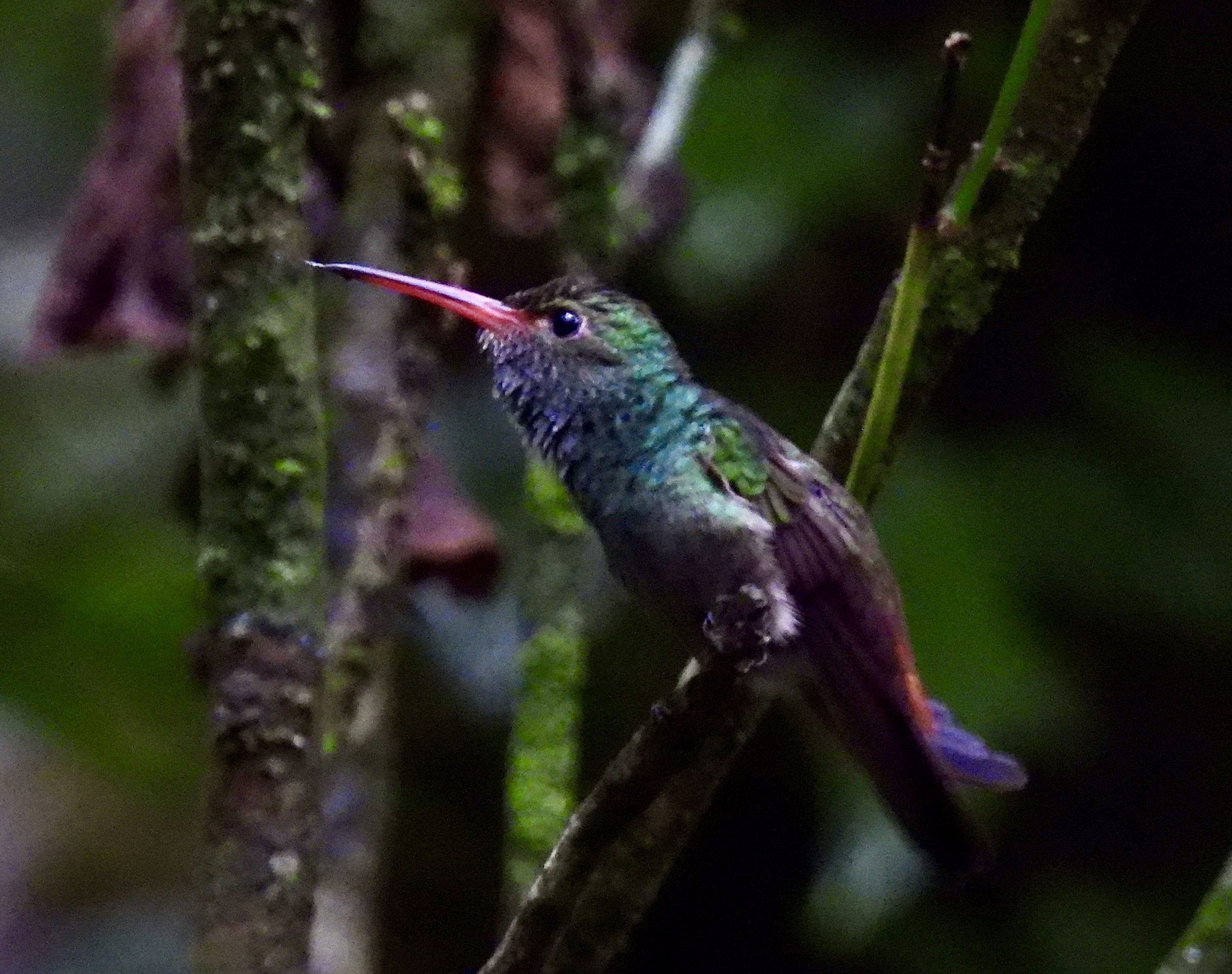
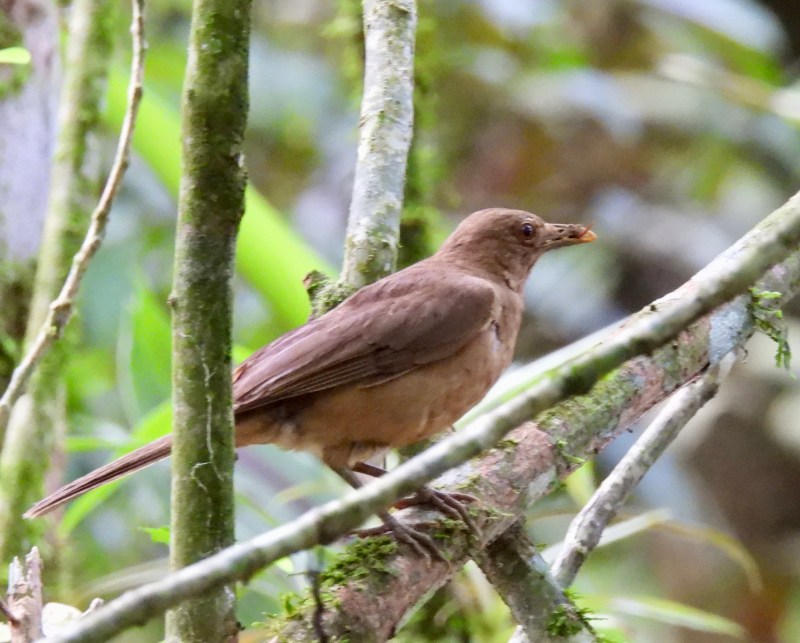
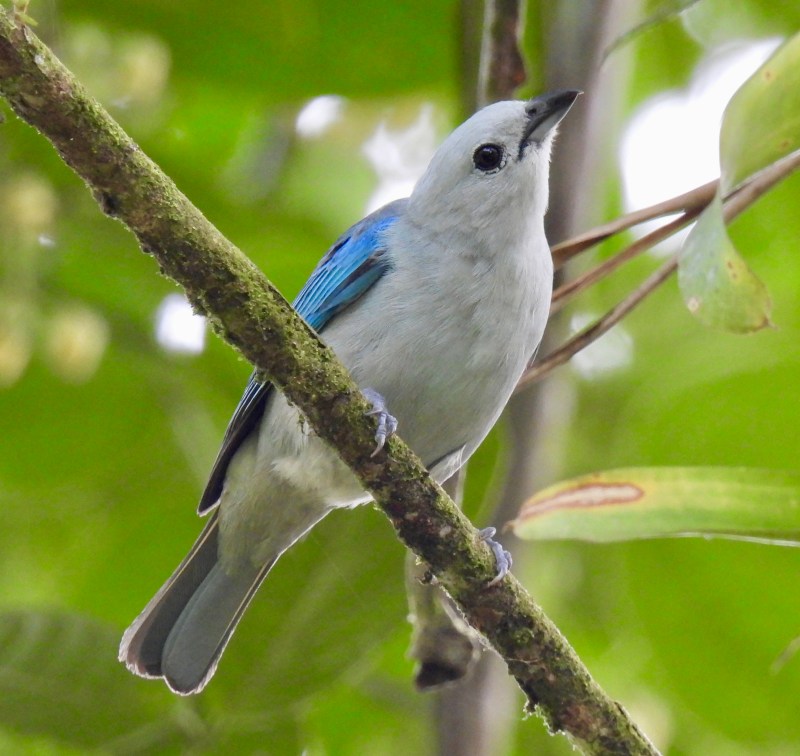
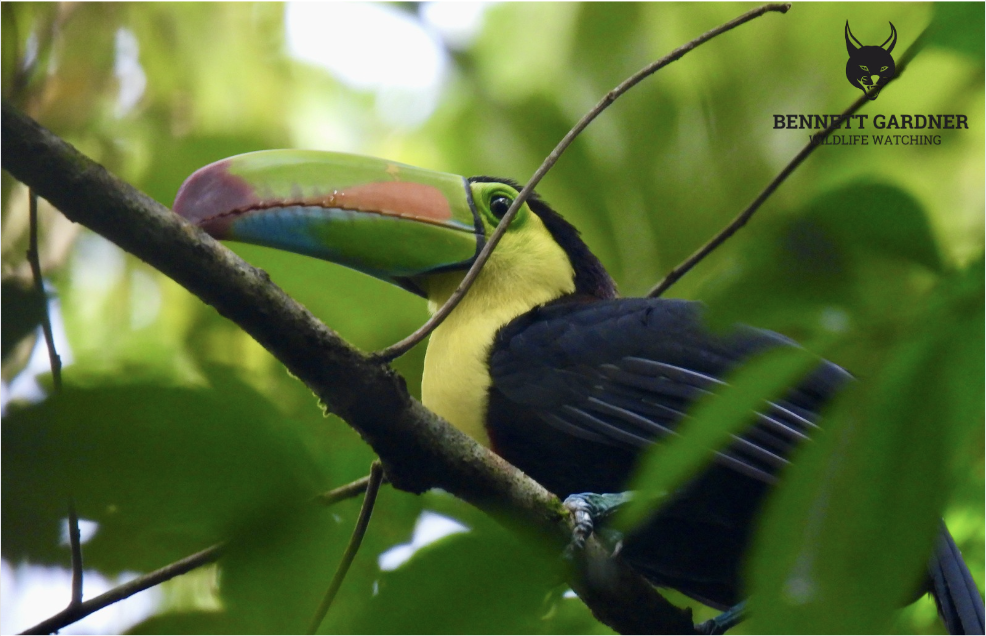
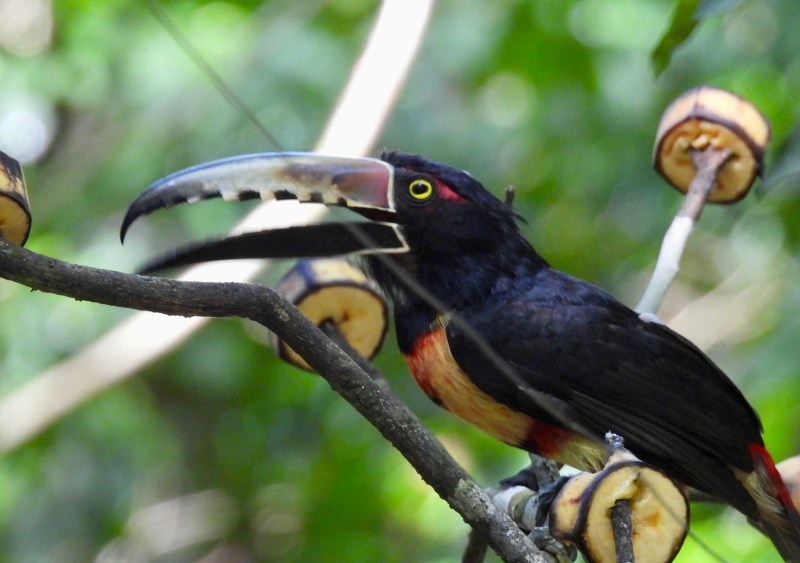
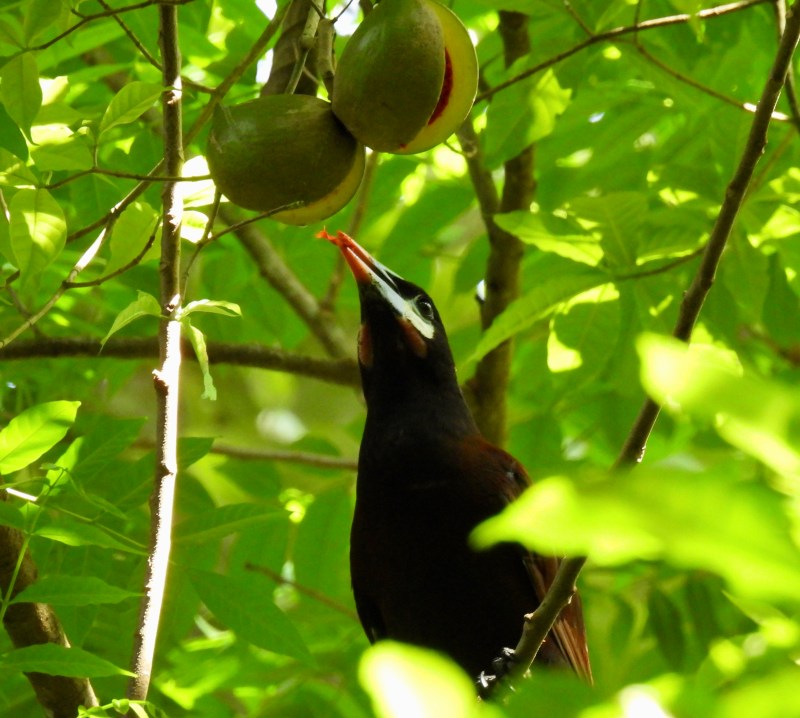
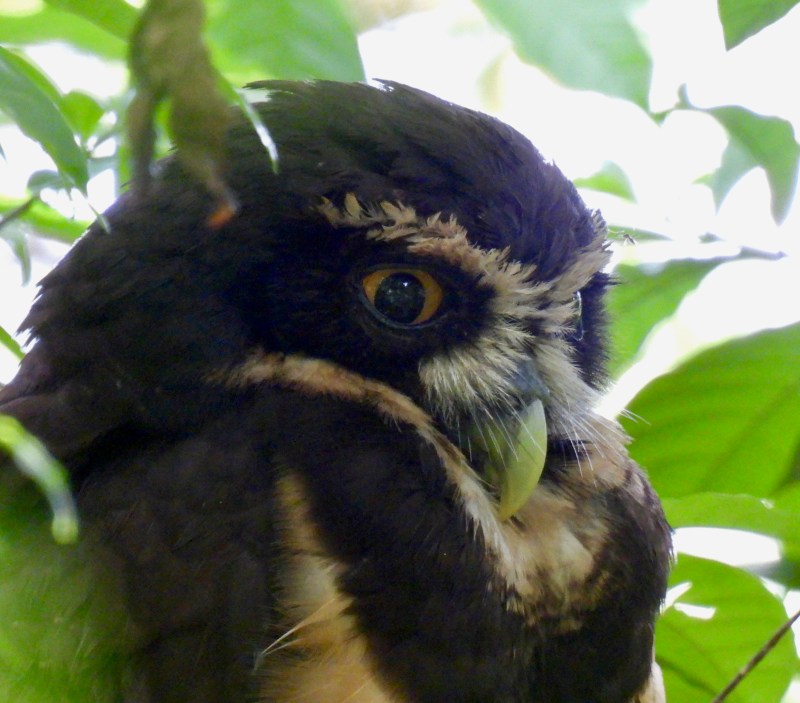
Seba and Celia joined me for breakfast, where we were in for some more excellent birding along with a fresh, classic Costa Rican breakfast (eggs, fried bananas, beans, rice, and fresh fruit). The nearby bird feeders coupled with the fruiting Horse Ball trees above attracted a wave of rainbow-adorned species, some of which I had been wanting to see for years. Yellow-Throated Toucans, Montezuma Oropendolas, a Collared Aracari, and a handsome Keel-Billed Toucan came and went from the forest. Our final surprise before leaving breakfast was a Spectacled Owl sleeping on a branch adjacent to one of the treehouses. A friendly hotel guest directed us to her villa where we were able to see the bird-of-prey up close.

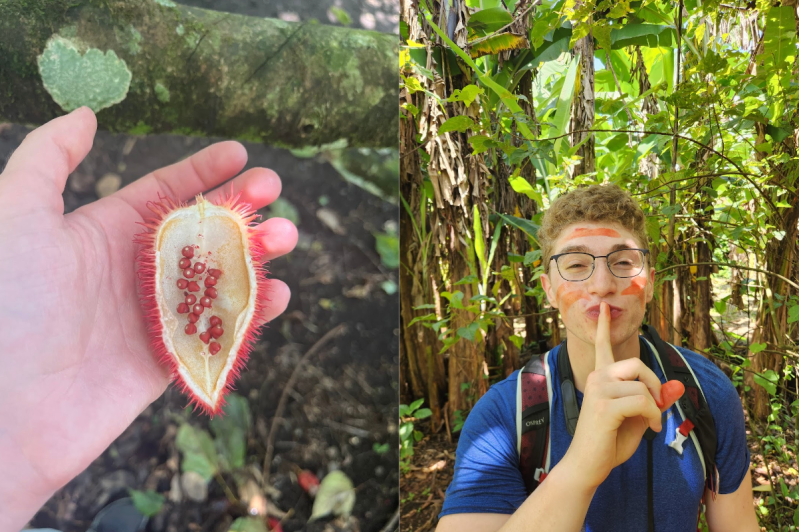
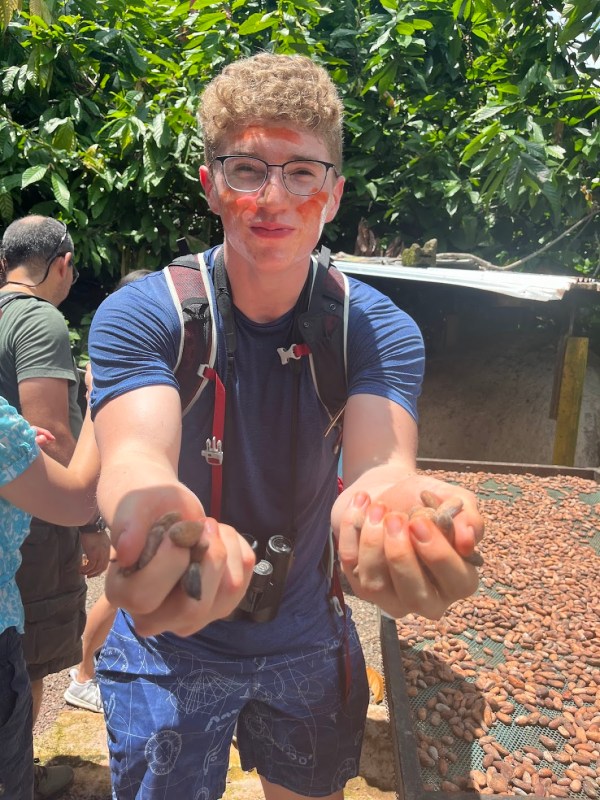
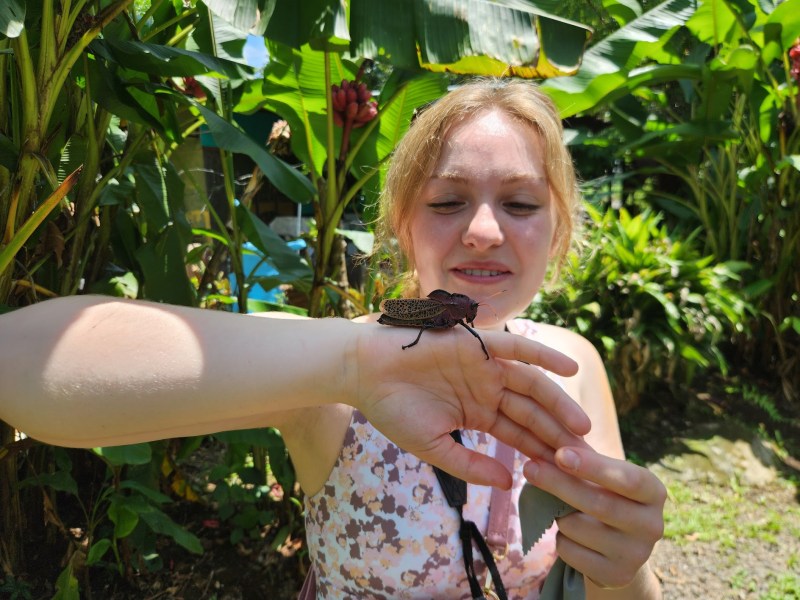
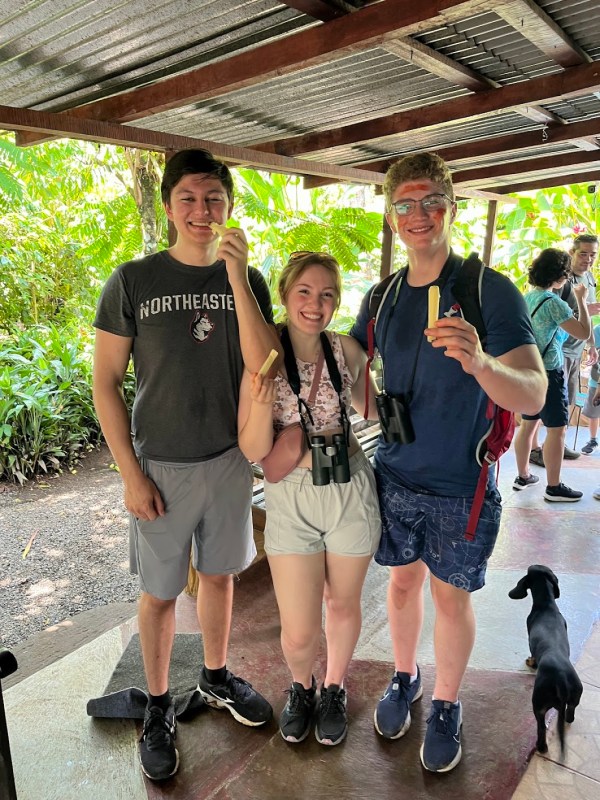
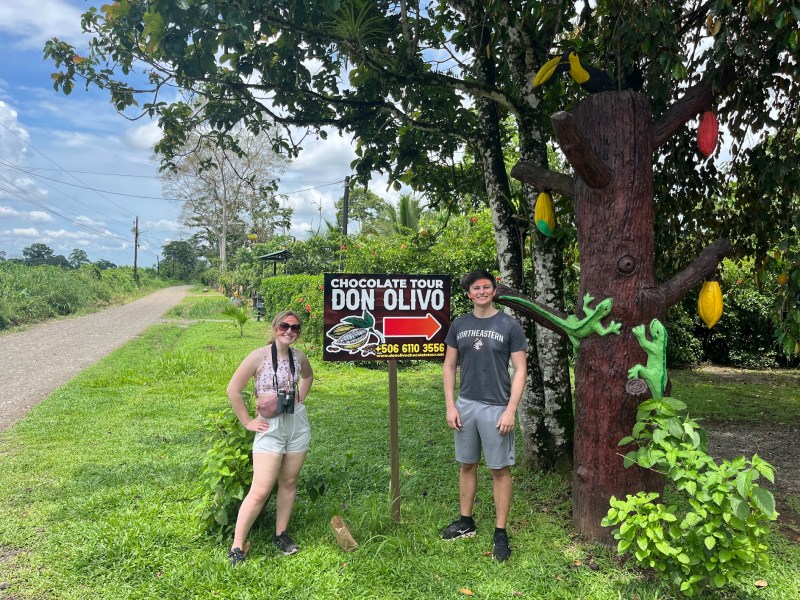
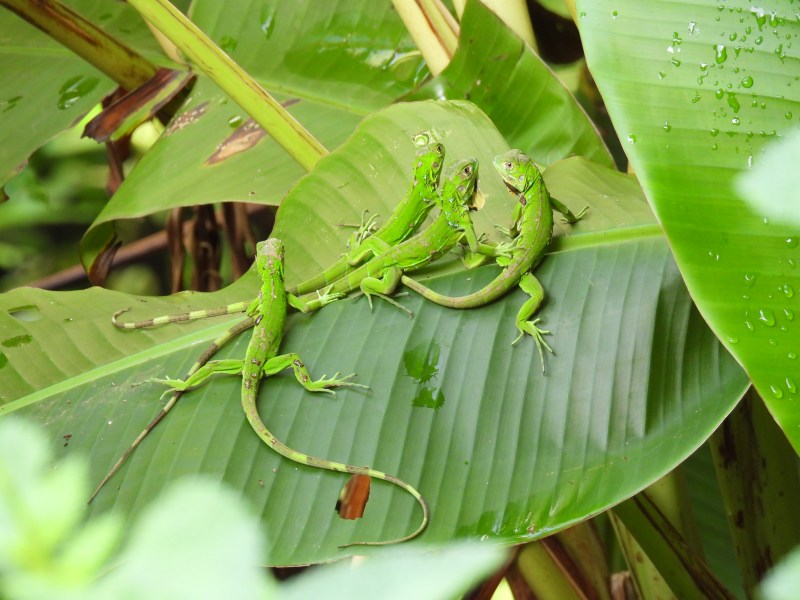
Day 2 (June 5th) was split between a multitude of different locations and activities, starting off with a chocolate tour and ending with a night walk around the world-famous La Selva Biological Station. Our first stop was the surprisingly entertaining Don Olivo Chocolate Tour at their eco-conscious cacao plantation in La Fortuna. There, we were able to sample a variety of tropical fruits and organic products grown and made on their property including fresh chocolate and homemade rum. An English-speaking guide led us around the cacao plantation. Along the way, we found Horse Lubber Grasshoppers (Taeniopoda sp.), Twig Ants (Pseudomyrmex sp.), Green Iguanas, a Hoffmann’s Woodpecker and even another two-toed sloth.
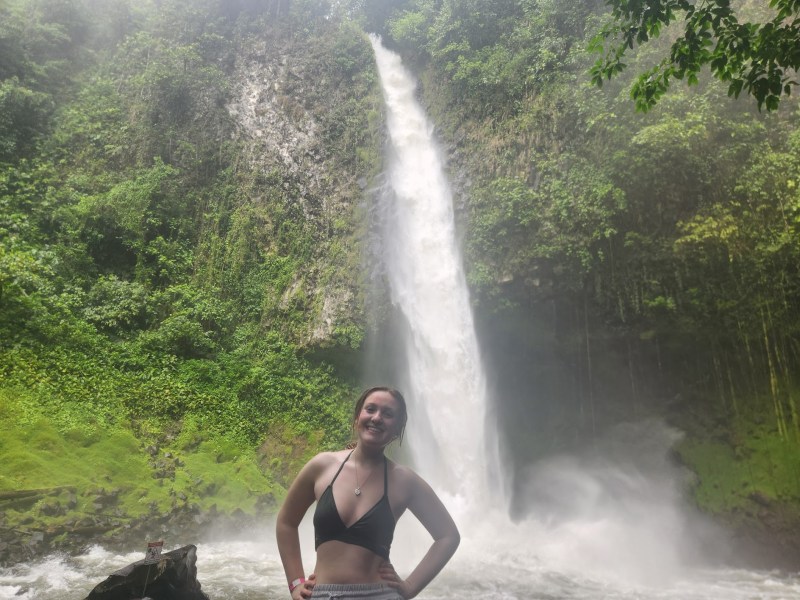
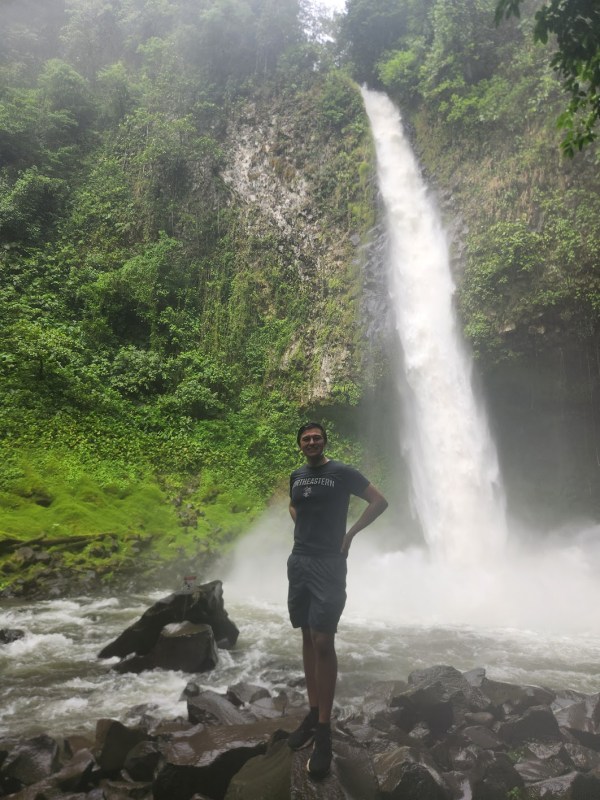
After Don Olivo, we drove over to La Fortuna Waterfall on the lower slopes of Arenal Volcano. Like many tourist-frequented natural sites in Costa Rica there was an entrance fee to the waterfall ($20 for foreigners). The morning’s weather had been partly cloudy, but as we neared our next destination thunderheads quickly shrouded the skies, and the heavens opened before we could start our hike down the mountain to the waterfall. We were looking forward to a refreshing dip, but the rain-swollen river feeding the waterfall was deemed too dangerous to swim by the lifeguard working at the bottom. At least we were able to enjoy the cooling mist coming off the thundering cascade.
A guy at the bottom recommended we visit the El Choyin Hot Springs instead—a thermal river fed by water that flows through the magma-heated bedrock of Arenal Volcano. The river’s water is kept at a steamy 100 degrees Fahrenheit (38 degrees Celsius) year-round, making it an ideal (and off-the-beaten-track) place to swim and relax in La Fortuna. Just beware of the so-called ‘parking mafia’—locals that pretend to be parking officials and attempt to scam tourists into paying for free public road parking around the hot springs! Honestly, this seemed to be an issue everywhere we went in Costa Rica, not just at El Choyin.
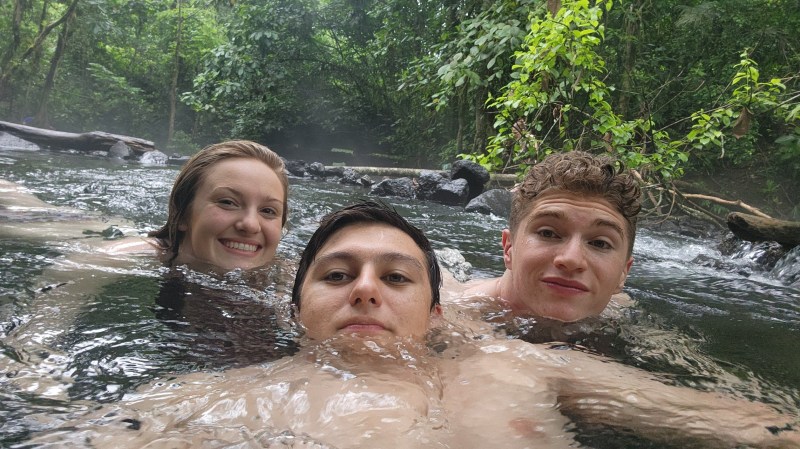
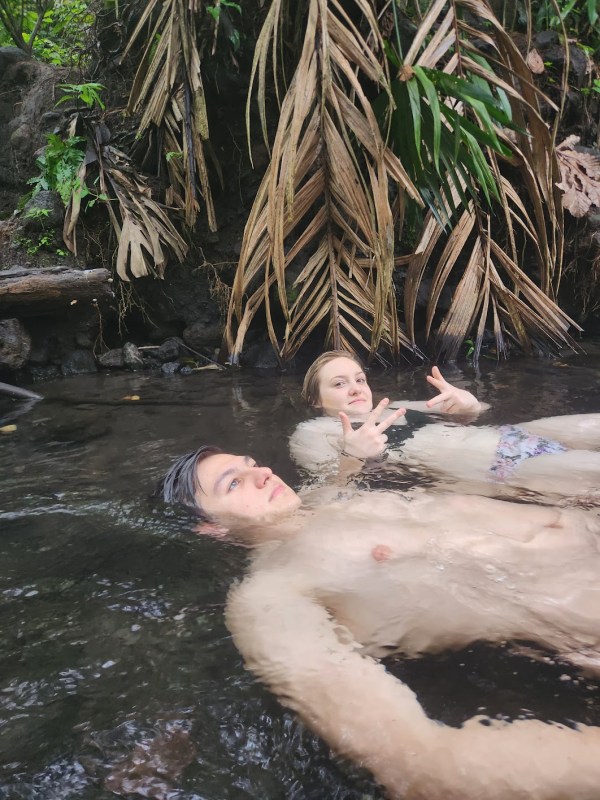
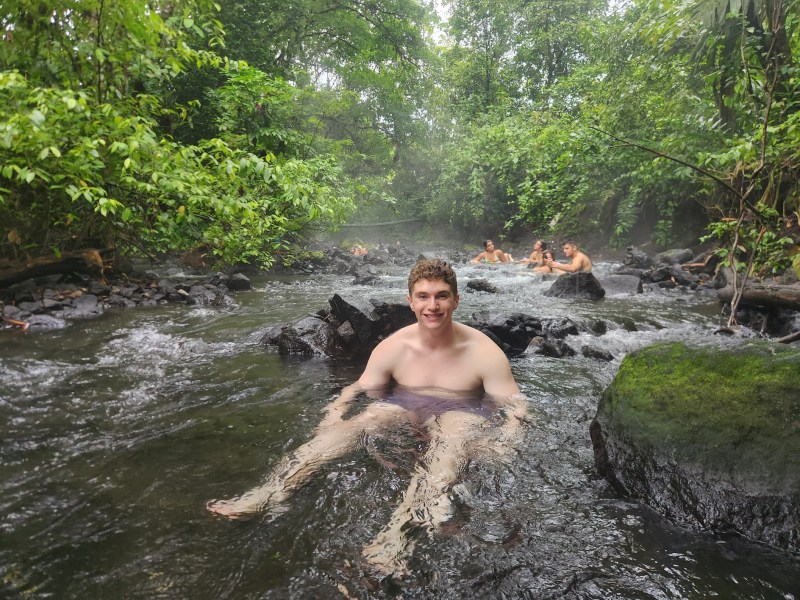
After about an hour of soaking, we left the hot springs and returned to our car. We had a long drive ahead of us to the La Selva Biological Station, a 1,500-hectare (3,700-acre) plot of virgin lowland rainforest protected and managed by the multinational Organization for Tropical Studies. Those wishing to visit La Selva must gain permission after submitting a reservation request on the station’s website. We were lucky enough to secure a night tour and guide to take us around the forest. I was feeling the full-swing effects of jetlag, but wasn’t about to miss out on an opportunity to see La Selva, so I chugged a heart-stopping amount of caffeine prior to our tour.
2 hours of highway/dirt road driving later and we arrived in the heart of La Selva in the rain, where we donned rain ponchos and met up with our guide, Octavio. Over the next few hours, Octavio brought us to many of the interesting areas of the station to search for wildlife. He is an expert spotter and a highly knowledgable naturalist who pointed out many animals we otherwise would’ve missed. Perhaps our most exciting series of finds happened at a blacklight insect trap, where UV lights aimed at a large piece of canvas drew in a multitude of insects such as moths, dobsonflies, beetles, ants, and katydids. I made the collage below of the huge variety of moths we saw at the La Selva blacklight trap:
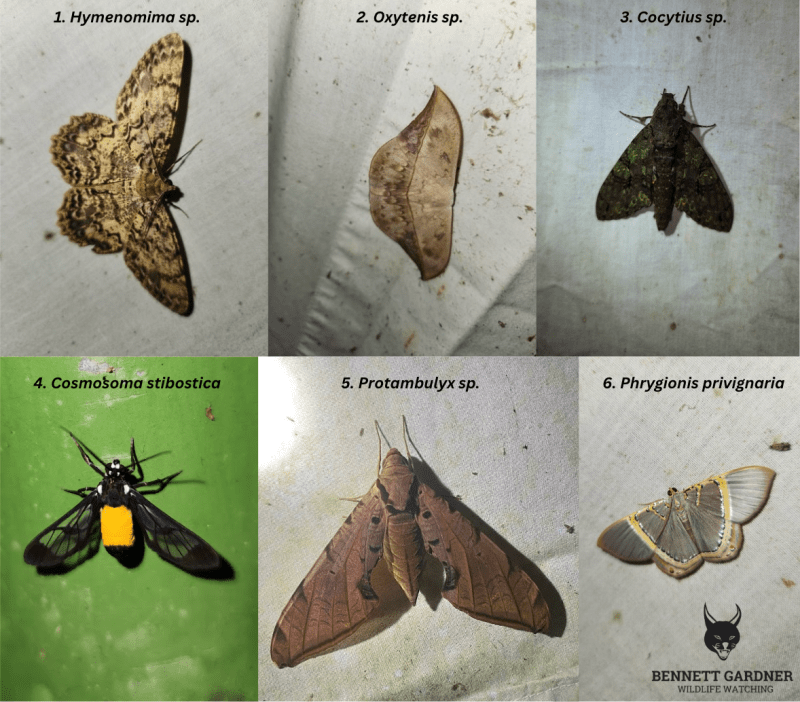
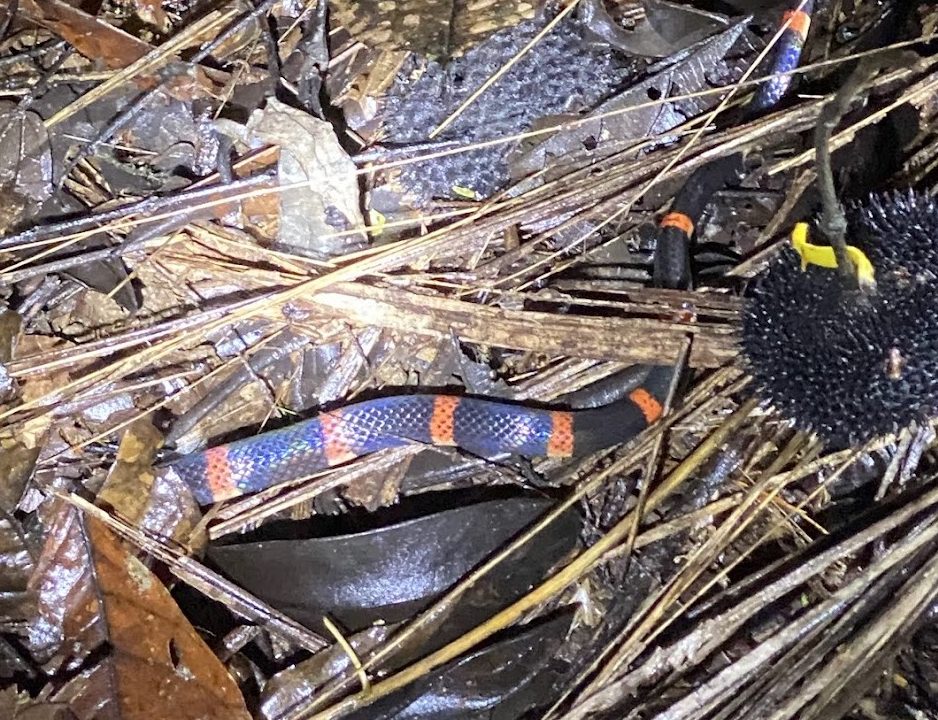
After the insect trap, we trekked into the depths of the virgin rainforest, where we were treated to many interesting arthropods such as abundant Nyssodesmus python millipedes, Leafcutter and Bullet Ants (Atta cephalotes, Amoimyrmex sp, Cyphomyrmex sp, Neoponera villosa, and Paraponera clavata), and Rhinoceros Katydids (Copiphora rhinoceros). We saw plenty of herps, including a Yellow-Spotted Night Lizard, Cope’s False Coral Snake, a Blunt-Headed Tree Snake, several tree frogs, a Wet Forest Toad, geckos, and anoles. I made another collage below to showcase some of the herps and insects we saw at La Selva:
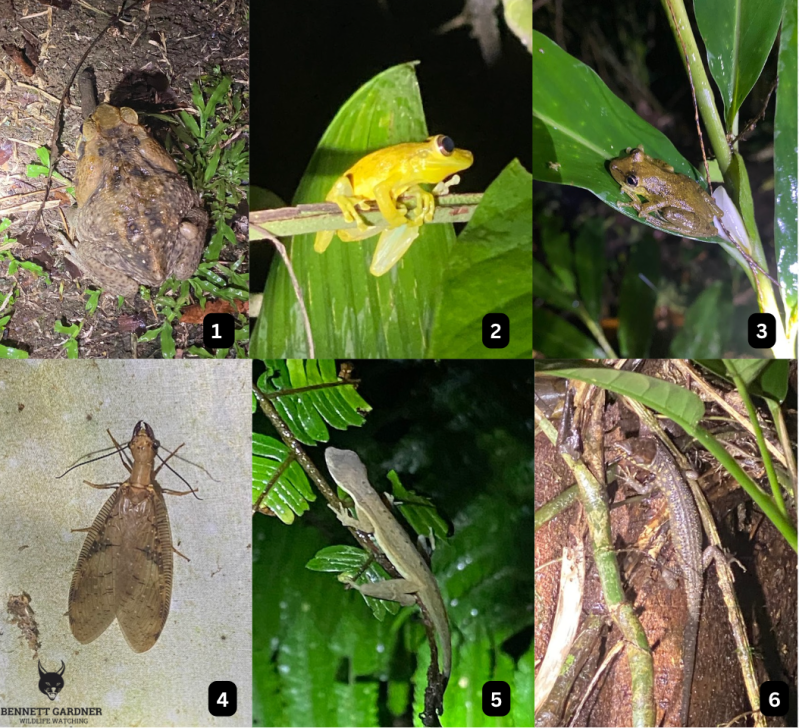
1. Giant Toad (Rhinella horribilis),
2. Olive-Snout Treefrog (Scinax elaeochroa),
3. Pygmy Rain Frog (Pristimantis ridens),
4. Dobsonfly (Corydalus flavicornis),
5. Border Anole (Anolis limifrons),
6. Yellow-Spotted Night Lizard (Lepidophyma flavimaculatum)
In addition to herps and arthropods, Octavio spotted several mammals for us, including a Tapeti (Forest Cottontail), a Derby’s Woolly Opossum, and a Kinkajou in a tree on the banks of the Rio Puerto Viejo. We even managed to nab a singular bird tick, the Common Pauraque, a type of nightjar. On the way back to Treehouse Hotel, a Common Opossum crossed the road in front of us, our 6th mammal of the trip. Unfortunately, given the rain and abruptness of these wildlife encounters, I was unable to get any photos of the mammals or birds we saw at La Selva.
Though we were all satisfied with our trip to the station, the opulence of biodiversity we saw on our night tour was only a sliver of La Selva’s remarkable 300,000 insect species, 2,080 vascular plants, 125 mammals, 135 reptiles and amphibians, and 467 birds. I gotta return here someday to do research!
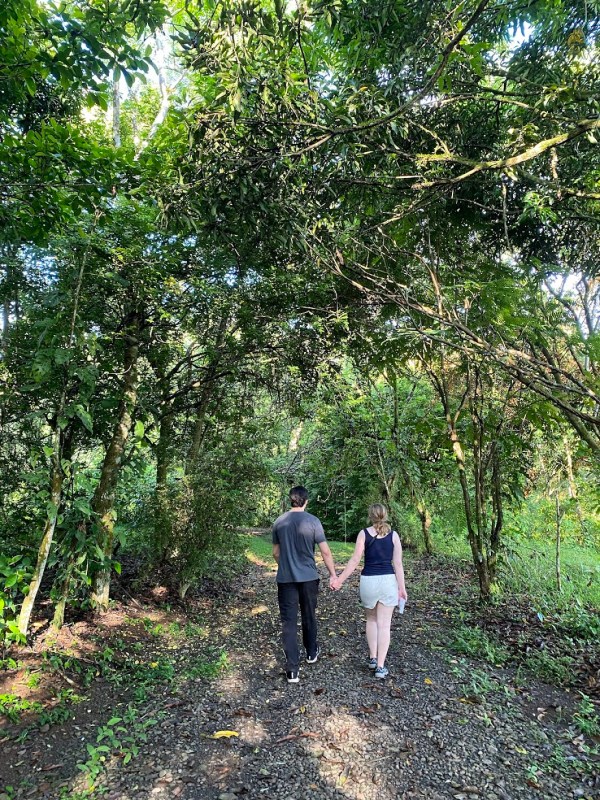
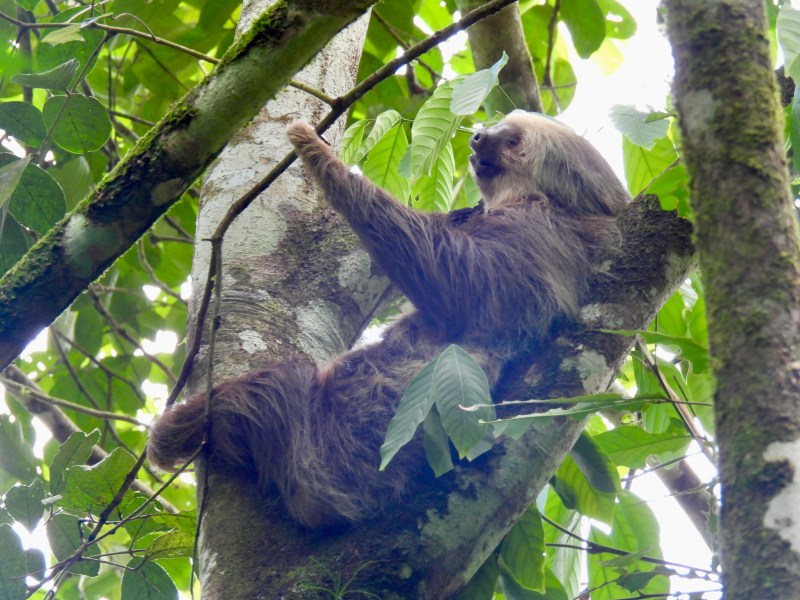
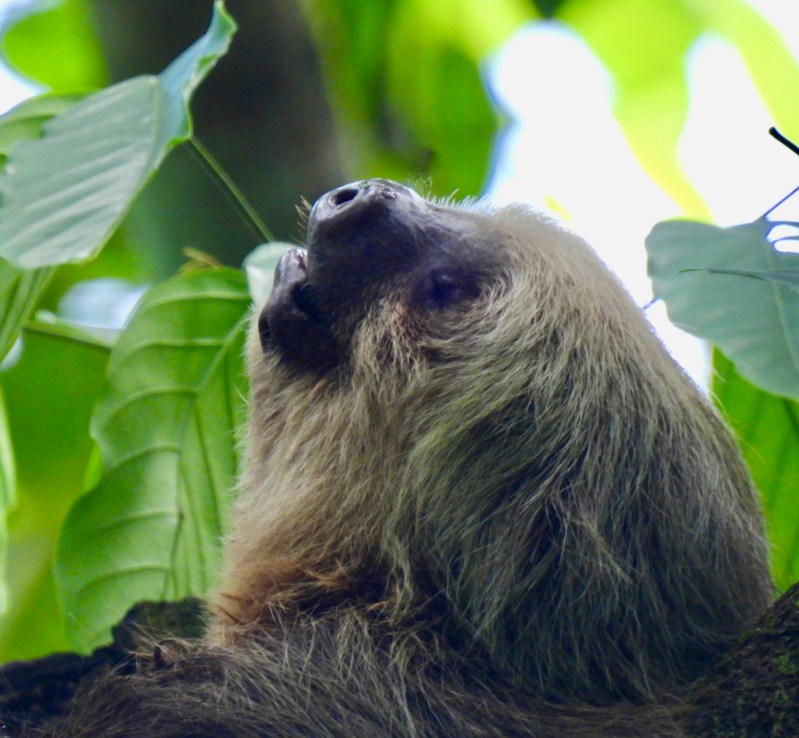
The next morning was an early one as we prepared to check out of Treehouse Hotel and move to our AirBnb for the next two nights in the middle of La Fortuna. We did a final walk around the property and heard some howler monkey calls. In my opinion, it was a bit of a downgrade from the superb natural setting of Treehouse Hotel, but it was closer to Arenal Volcano and allowed us to explore the area more conveniently. On the way out, we were treated to an excellent view of a Hoffmann’s Two-Toed Sloth that was resting in the crook of a tree.
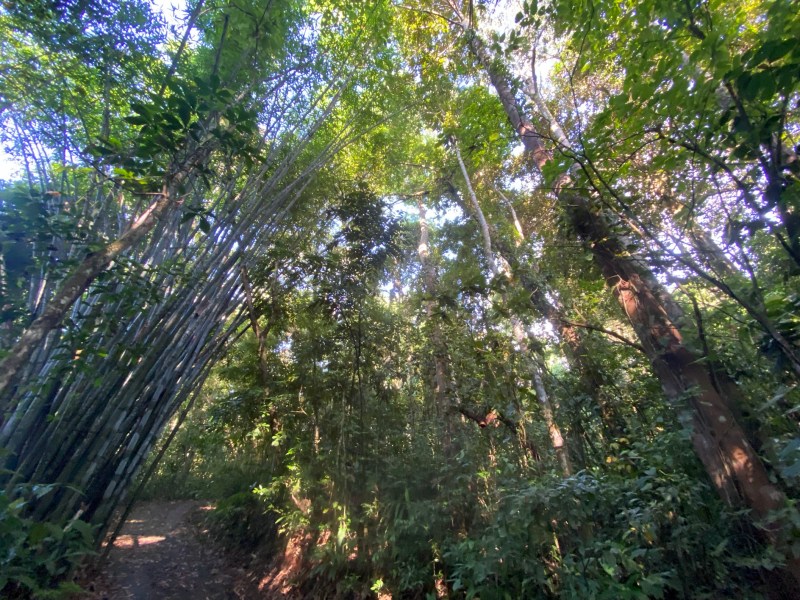
From Treehouse Hotel, we ventured over to Arenal Volcano National Park on the slopes of Arenal Volcano, one of the most active volcanos in the Western Hemisphere. We did a hike down the 2.5-mile Sendero El Ceibo Trail, which snaked through old lava flows and brought us into a beautiful premontane rainforest containing a centuries-old Ceibo (Kapok) tree. As we had moved to a higher elevation (~2,000 ft), out of the lowland rainforest zone and into an environment dominated by the volcano, we saw many new species. In terms of mammals, we encountered a band of White-Nosed Coatis and had a run-in with a Northern Tamandua, an elusive and amazingly unique anteater that ran across the trail in front of us!
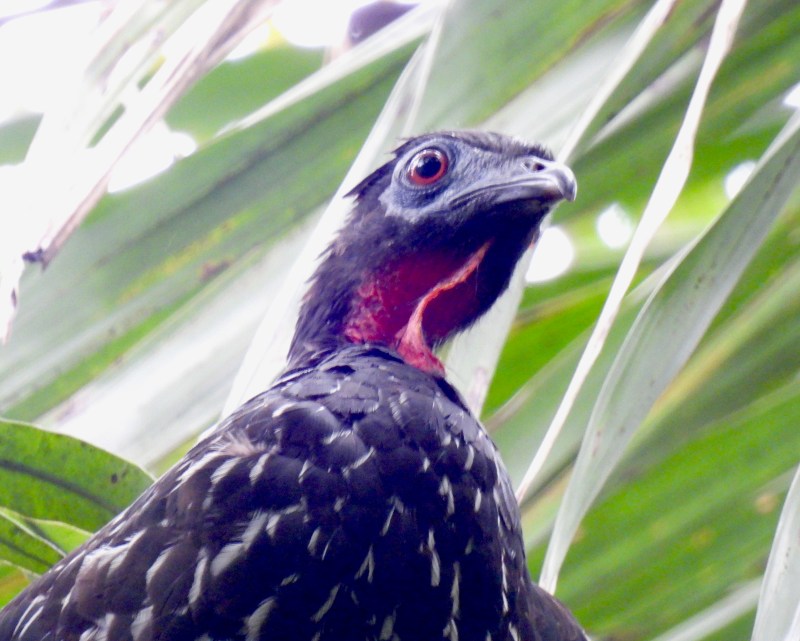
As for birds, we saw a Bicolored Antbird next to a large trail of Army Ants (Eciton sp). Antbirds are unique in that they rely on voracious foraging trails of Army Ants to stir up insects for them to catch and eat. Because of this, they are rarely far from Army Ants. Along with the antbird, we saw a turkey-like pair of Crested Guans in a palm.
There were plenty of insects so to speak, especially ants. We came across dozens of trails of Leafcutter Ants (Atta cephalotes and Acromyrmex sp), several trails of Army Ants (Neivamyrmex pilosus and Eciton sp), Texas Bullet Ants (Neoponera villosa), Rapacious Panther Ants (Pachycondyla harpax), and one of the largest Trapjaw Ant species in the world, Odontomachus chelifer.
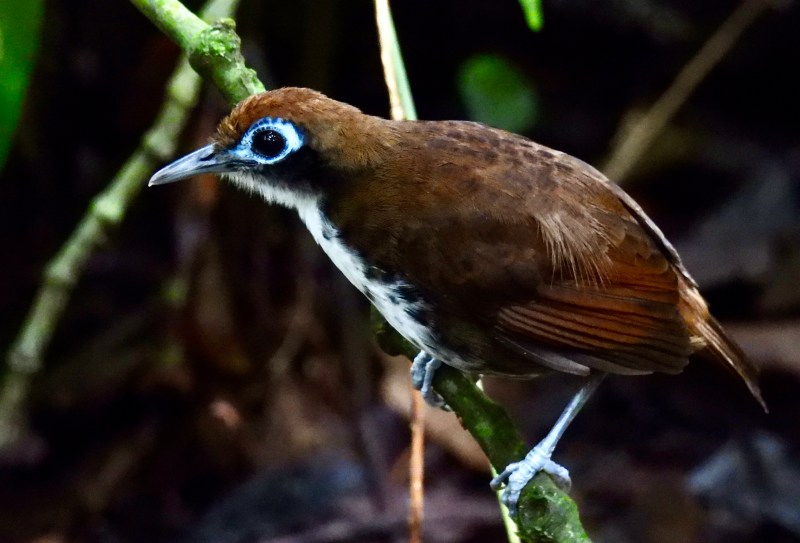
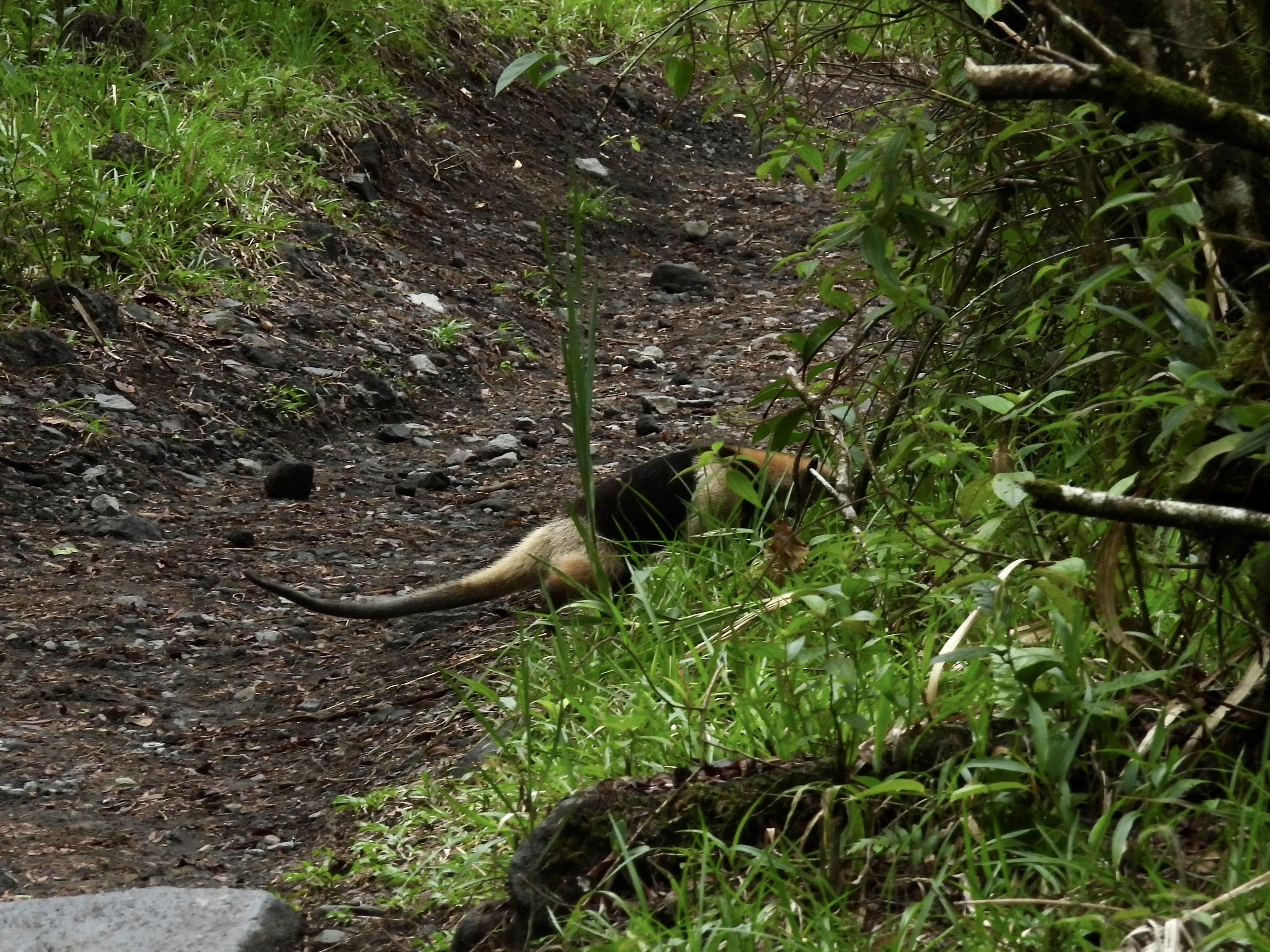
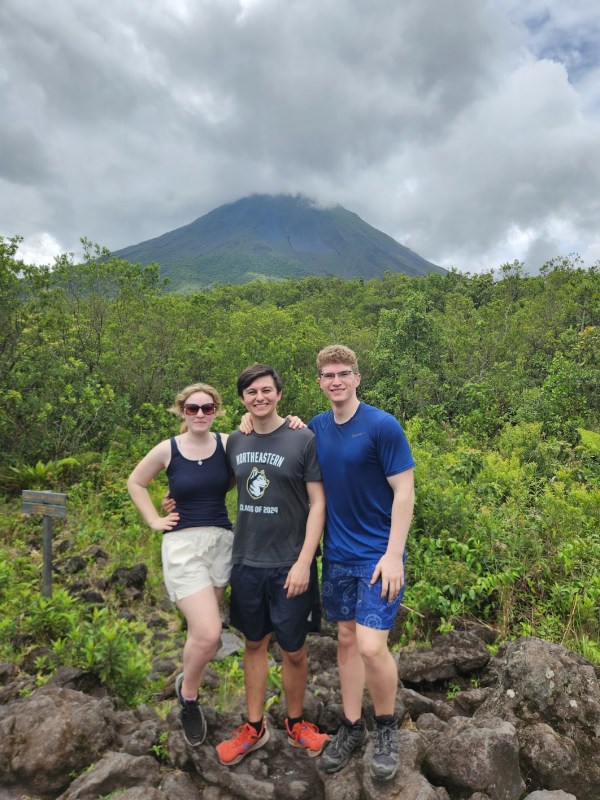
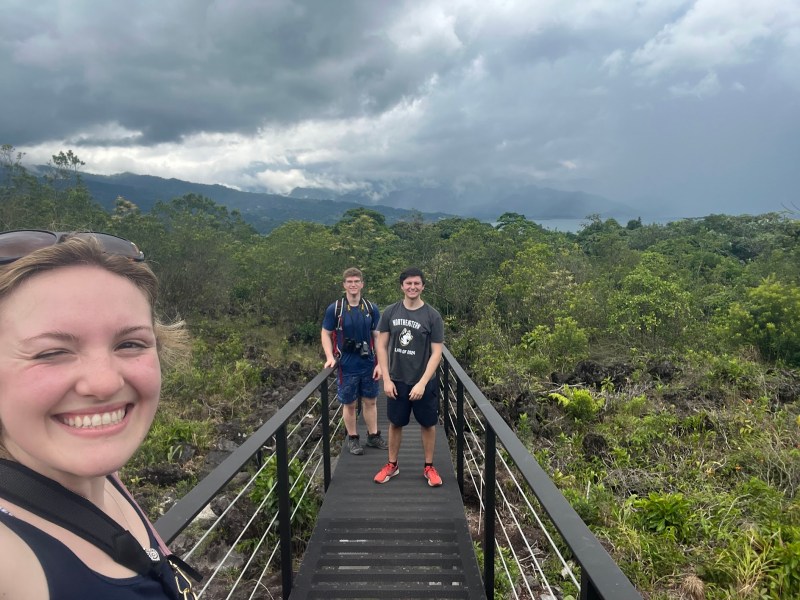
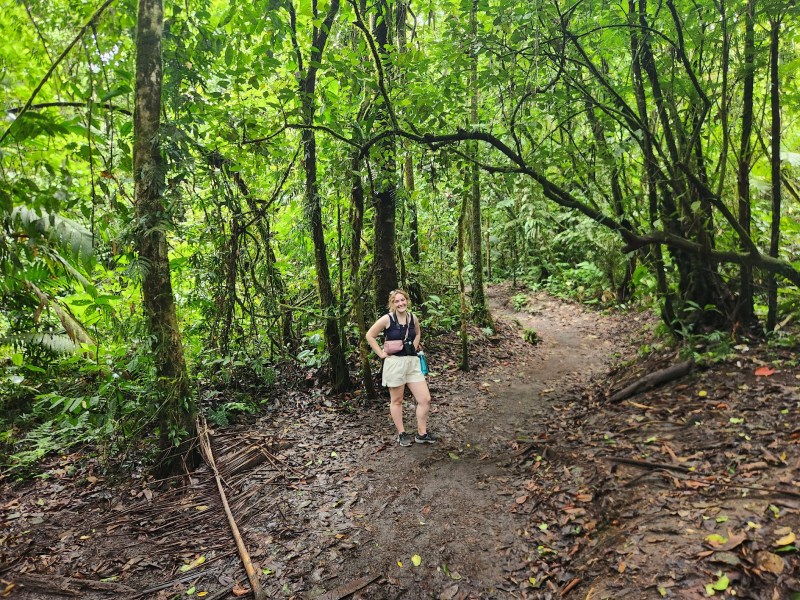
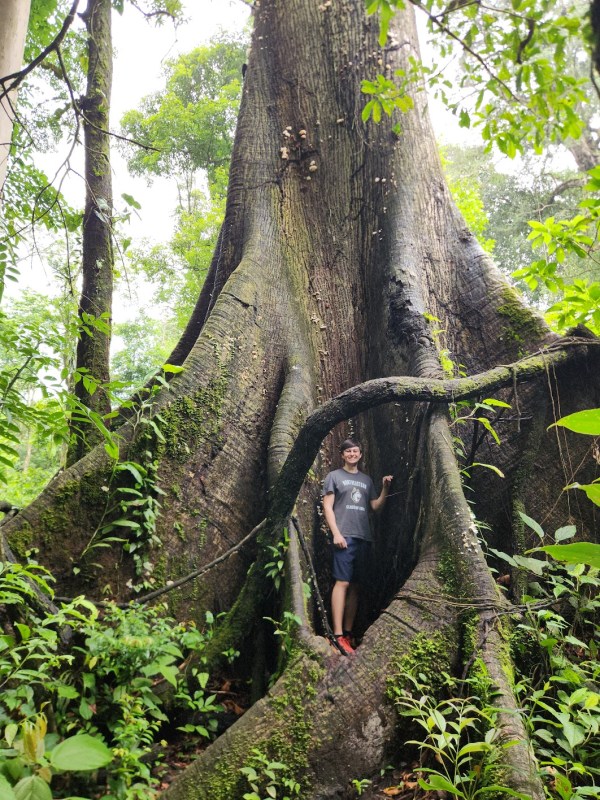
Our hike was cut short by a huge rainstorm that forced us to run the last half-mile of the trail back to the parking lot. Afterwards, we decided to call it a day and recoup at our AirBnb. We ate dinner at a soda, a small restaurant selling traditional Costa Rican food, and headed to bed early so we’d have energy for Mistico Hanging Bridges in the morning.
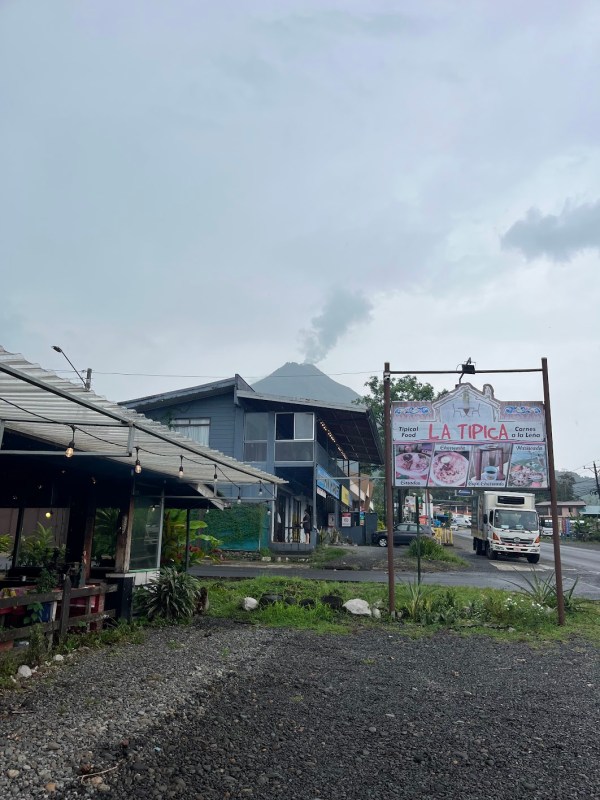
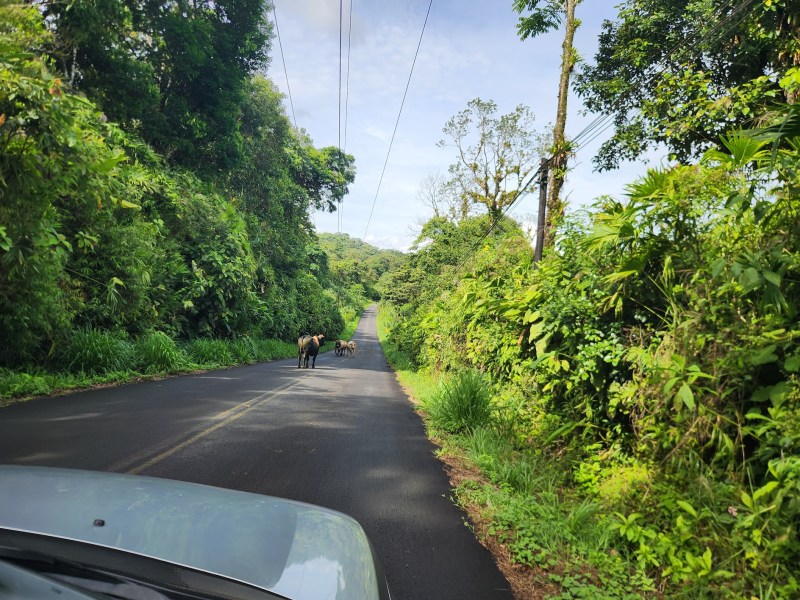
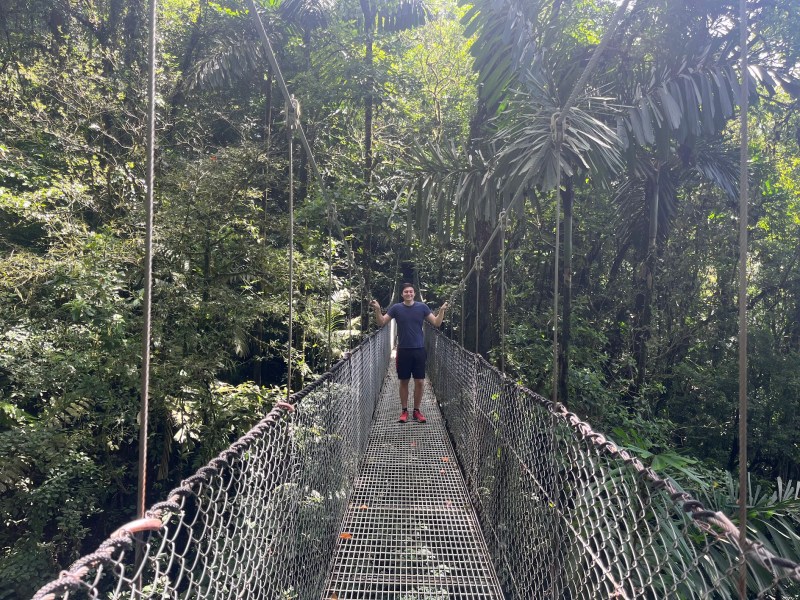
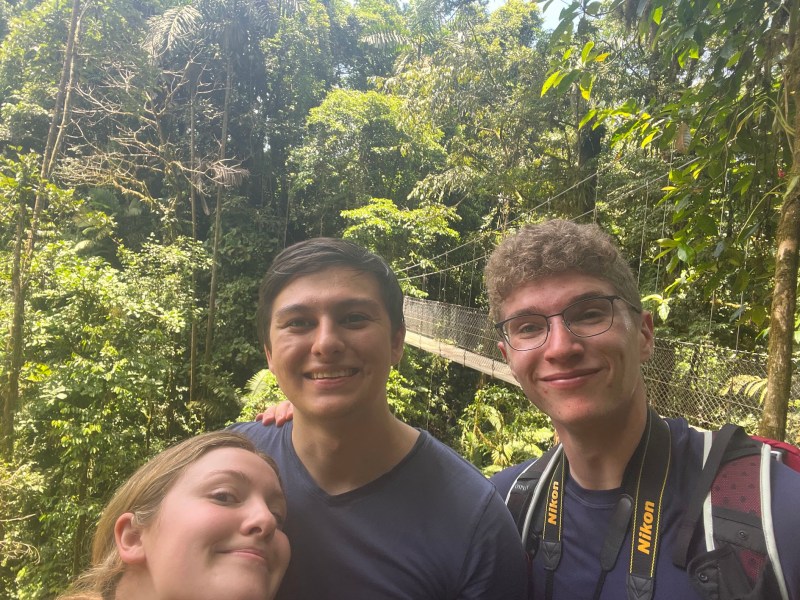
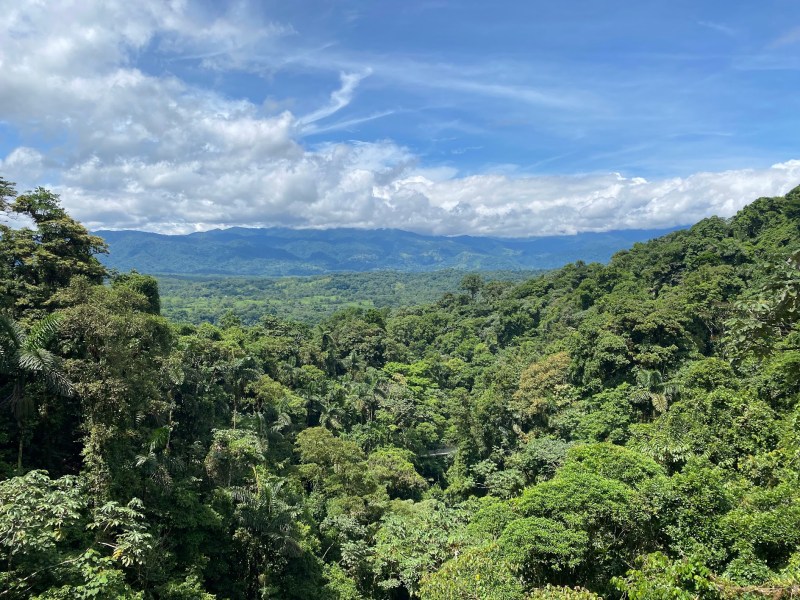
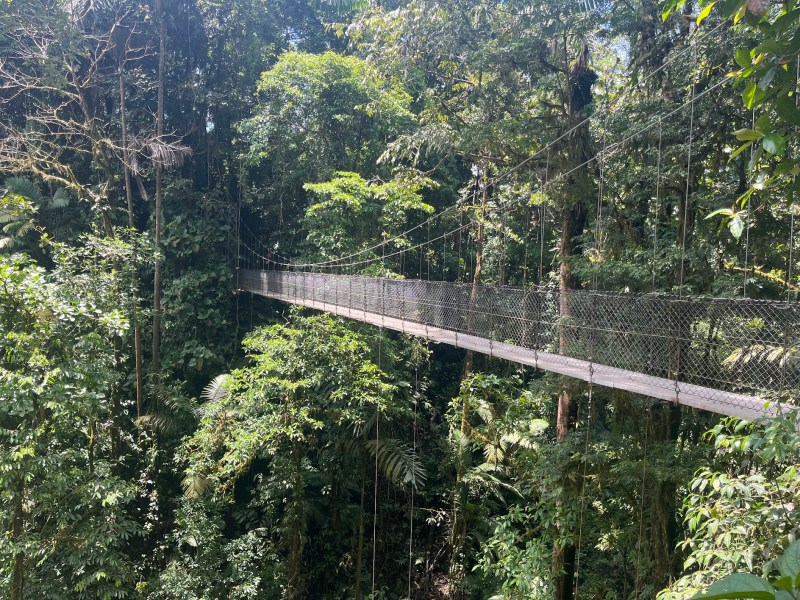
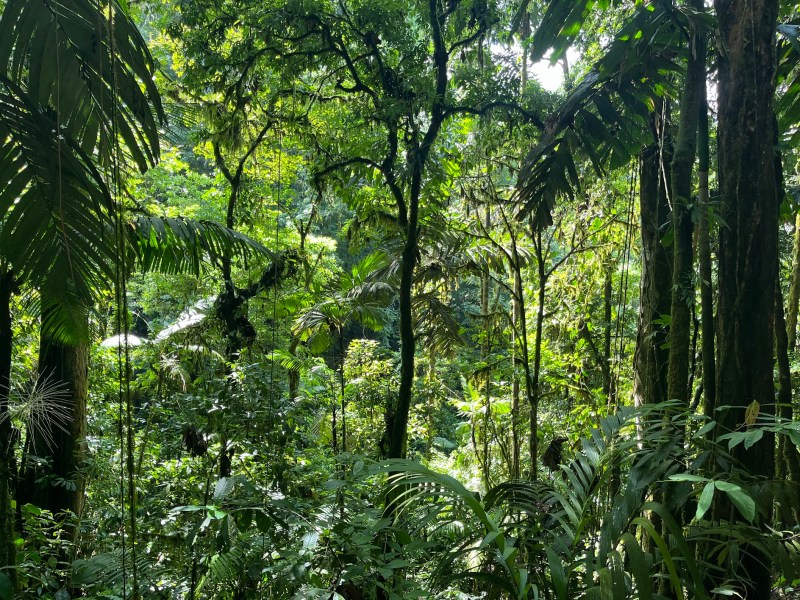
On Day 4 (June 7th), we explored perhaps my favorite nature reserve of the trip— Mistico Arenal Hanging Bridges Park— a 250-hectare (617-acre) private submontane primary rainforest that is within touching distance of Arenal Volcano. The park is famous for its 15 bridges, 6 of which are hanging bridges that span multiple river gorges at varying levels, giving visitors bird’s eye views of different sections of the forest canopy. Mistico is a corridor for megafauna like Tapir and Jaguar to travel between larger forest fragments, and because of its middle elevation (2,000ft/600m), it contains species of both lowland and montane forests. Though our expectations were low given the touristy nature of the spot, we were highly impressed with the number of noteworthy vertebrates we saw.
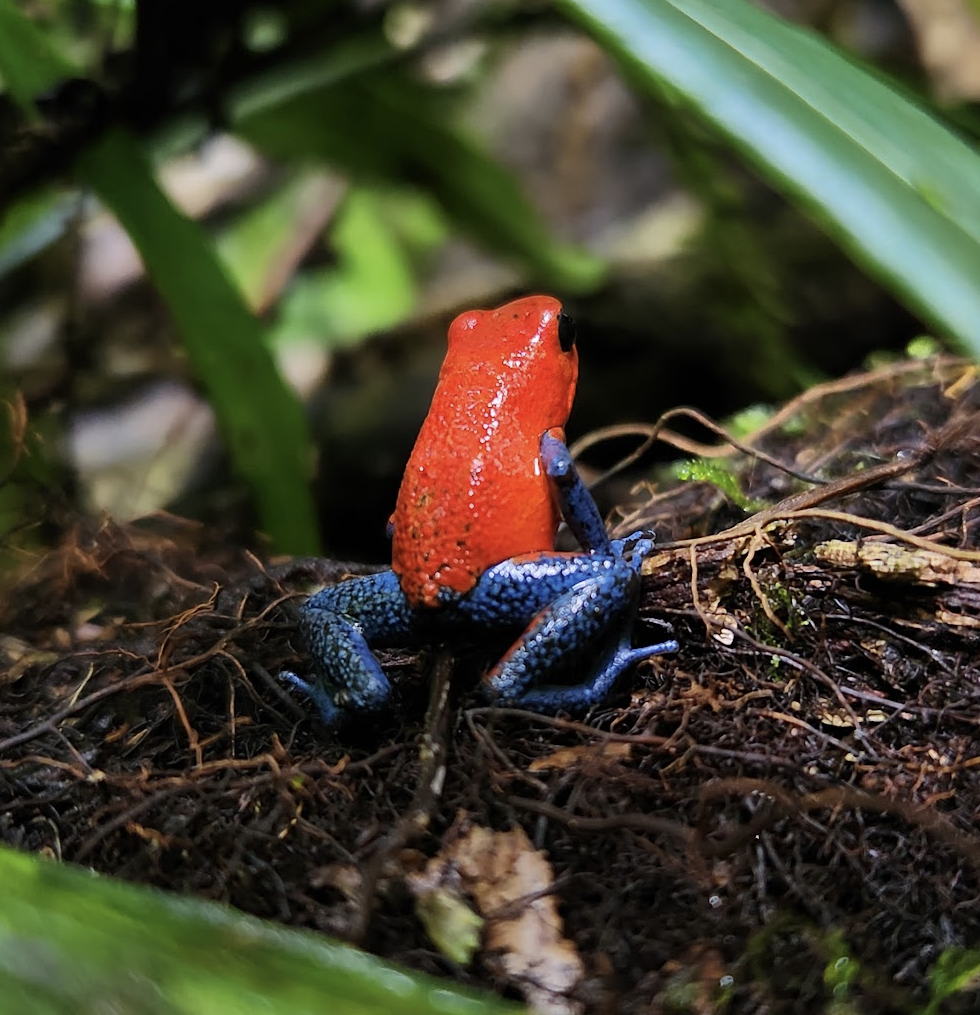
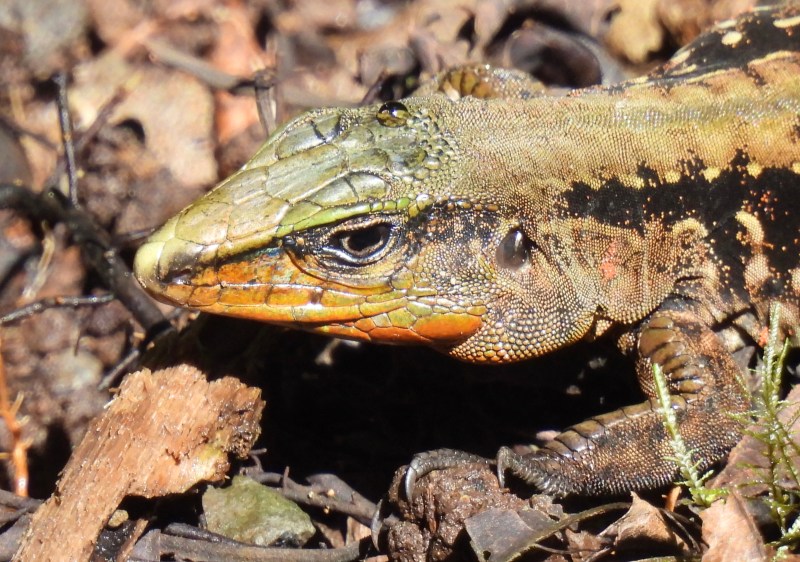
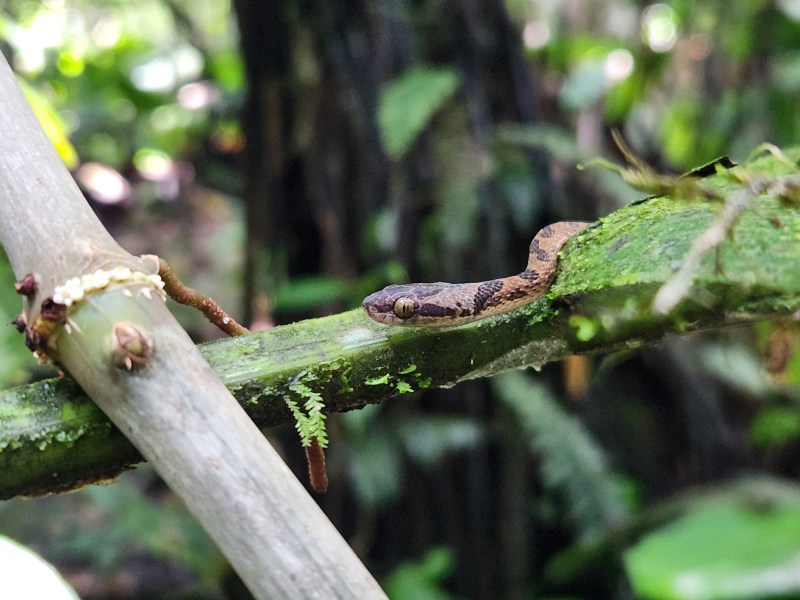
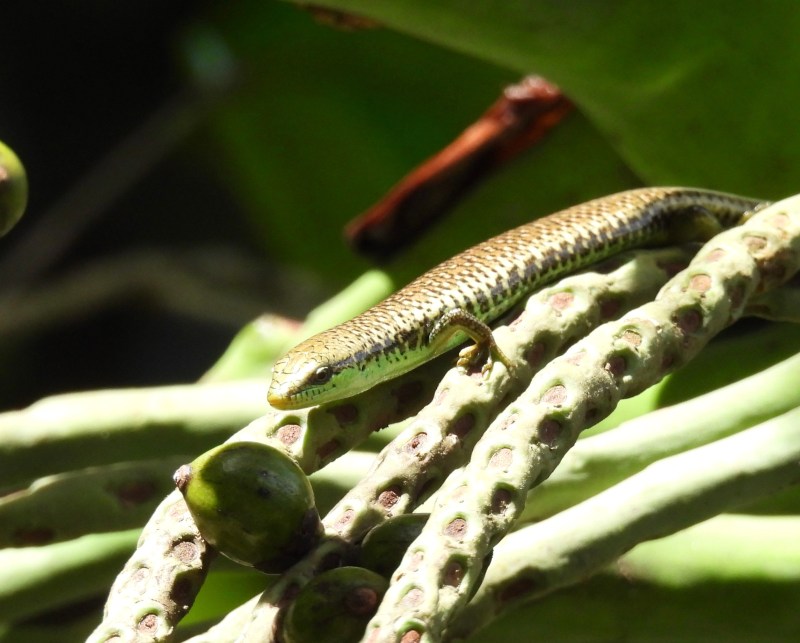
Herp species of the morning included our second Ornate Cat-Eyed Snake, a Decorated Anole displaying his dewlap, numerous Border Anoles, copious Middle American Ameiva lizards, Strawberry Poison Dart Frogs, and a Siderolamprus haylaius (a species of galliwasp lizard) high up in the canopy on a palm frond. Siderolamprus haylaius is so rare and understudied that I am one of the first people to have posted an observation of this species on iNaturalist!


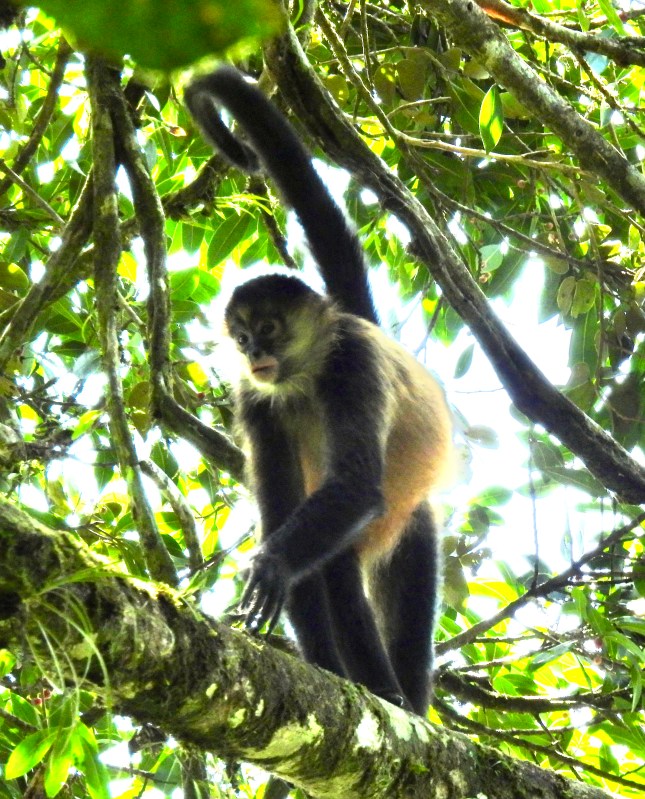
My day was made when we came across a troop of Geoffroy’s Spider Monkeys, an endangered and iconic primate found in scattered populations around Costa Rica. We were able to observe the matriarchal troop (spider monkey troops, unlike most other primates, are female-led) for over half an hour as it foraged in the understory.
One of my goals for the trip was to tick off all four Costa Rican primates; however, I was having doubts that we’d see spider monkeys. The fact that the rarest and most threatened of my four primate targets was the first that I ticked off definitely made the rest of our time at Mistico feel auspicious.


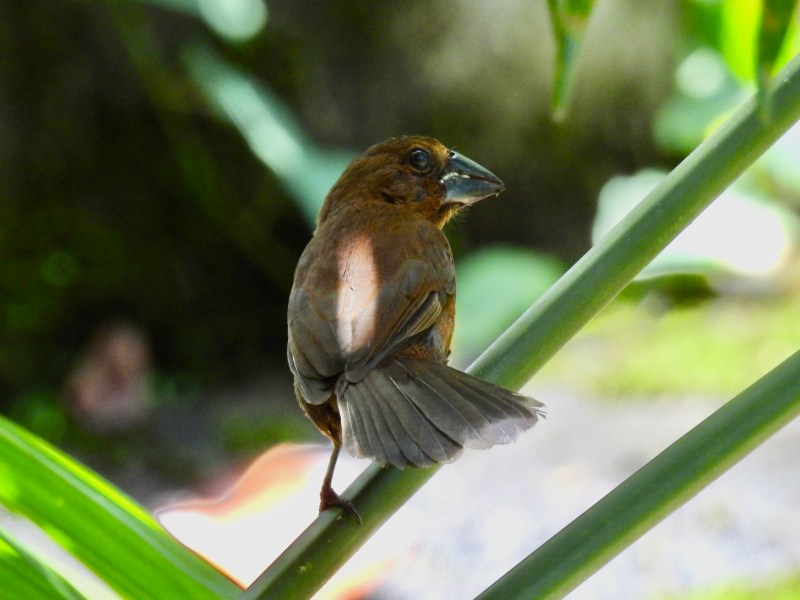
At Mistico, we managed to nab a some interesting birds too, starting off with a Violet-Headed Hummingbird at the entrance to the park, followed by a Rufous Motmot with a freshly-caught cicada in its bill; later we came across a Crowned Wood-Nymph, a Tawny-Faced Gnatwren, and a Blue-Backed Grosbeak.
Other finds include a beautiful Shimmering Golden Sugar Ant (Camponotus sericeiventris) worker and the predatory ant species Ectatomma tuberculatum. Seba got stung by a Trapjaw Ant he tried to pick up, causing me to tease him a bit, though unbeknownst to me I would be in the same exact boat later.
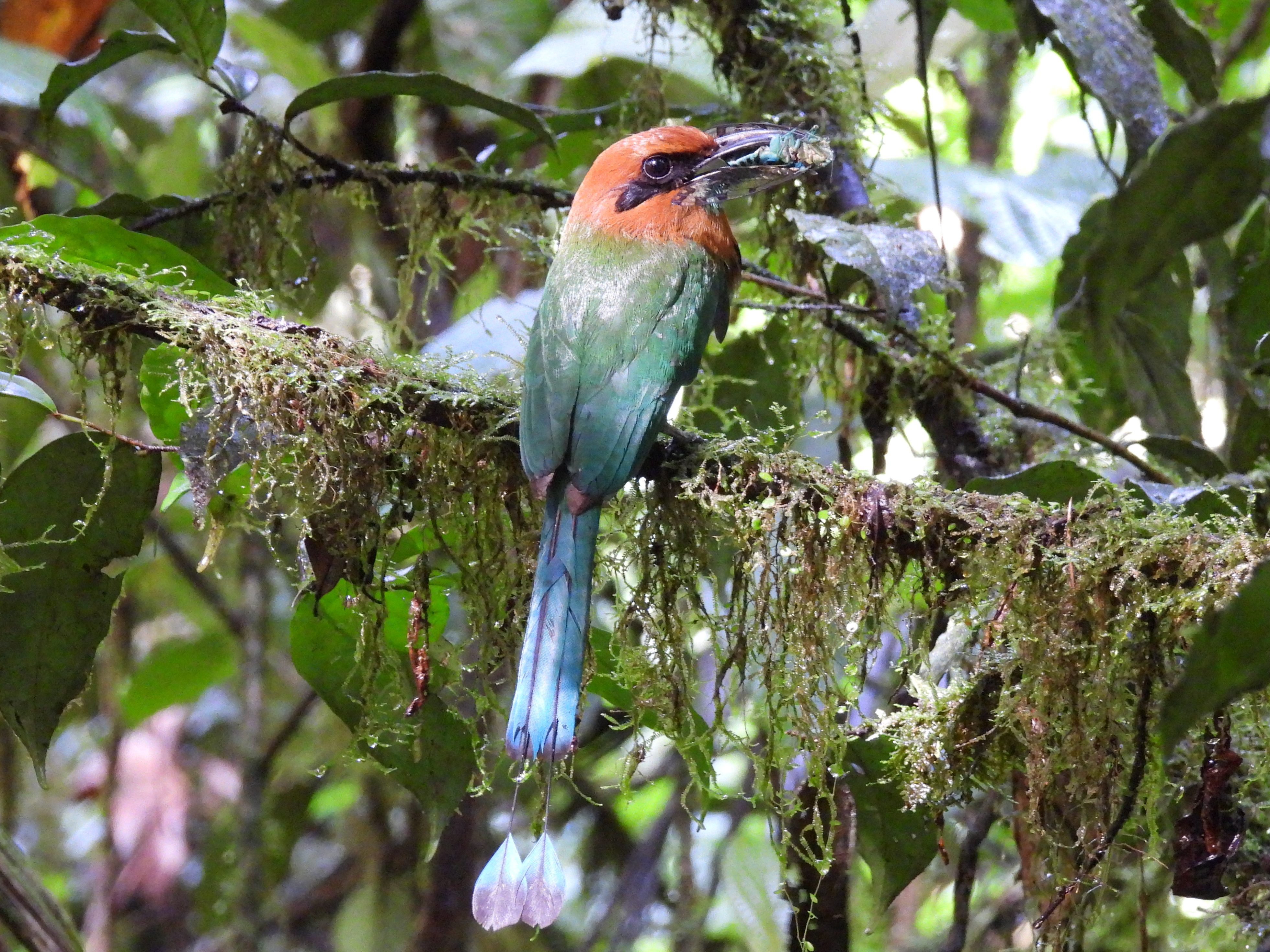
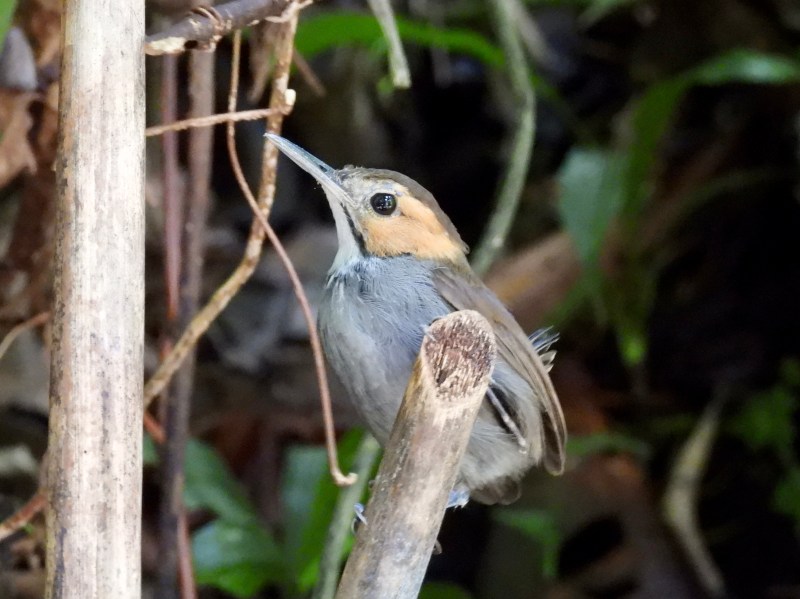
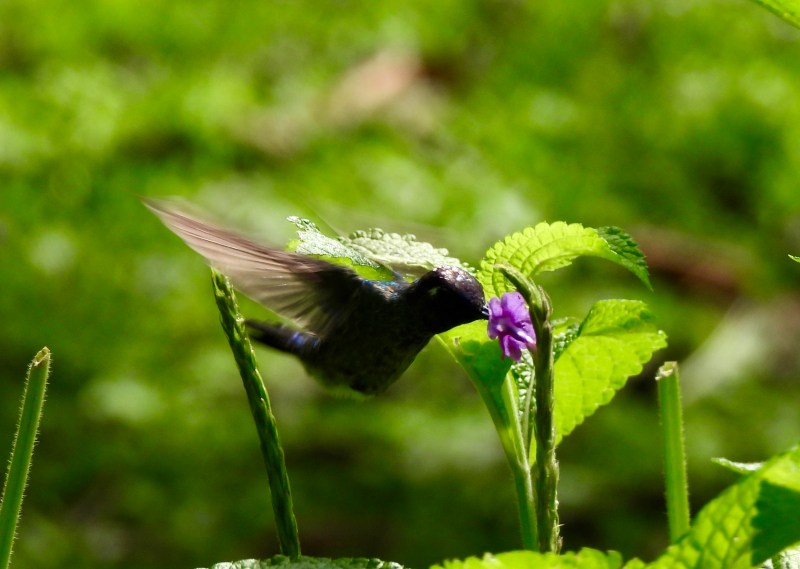
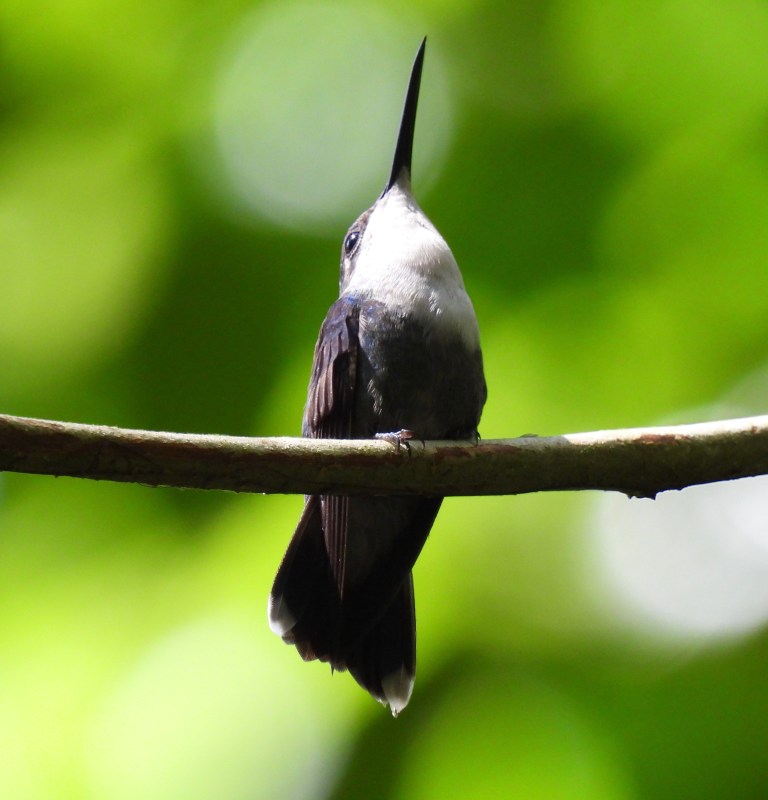
After a superb 3 hours at Mistico, we headed off the beaten track a bit to the hidden but delicious and virtually unknown Jalapas Restaurant for a hearty lunch. The views were nice, and we could see for miles around from the restaurant. While eating, a pair of Crested Caracaras flew across the valley below.
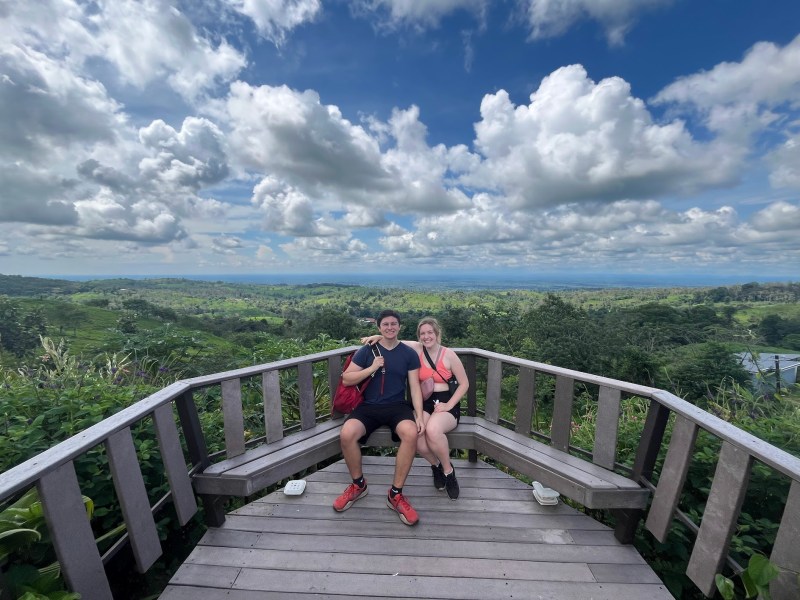
After lunch, we planned to stay ahead of the weather as we drove to check out Mirador el Silencio, a nature reserve on the foot of Arenal Volcano that offers a less crowded and more serene alternative to Arenal Volcano National Park.
We started off by hiking through a hilly rainforest where we nearly got lost, then through a former fruit orchard to another set of hills that we scaled to reach the lush lava flows of the volcano. The weather didn’t catch up to us fully until we reached the lava flow, and we nearly got hit by a huge thunderstorm! On the way back, some friendly park staff offered us a ride in their van to the parking lot at the beginning of the trail so we wouldn’t have to walk in the rain. Overall, a nice hike through some scenic Costa Rican backcountry.
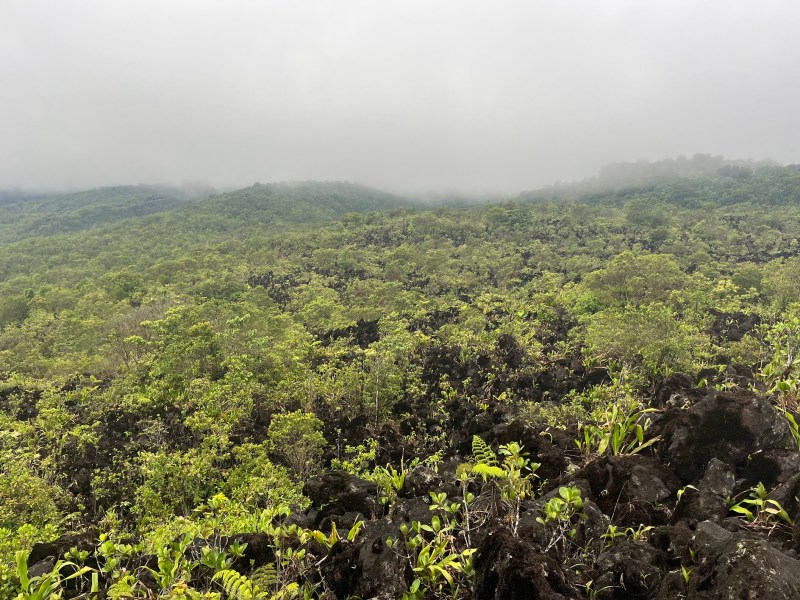
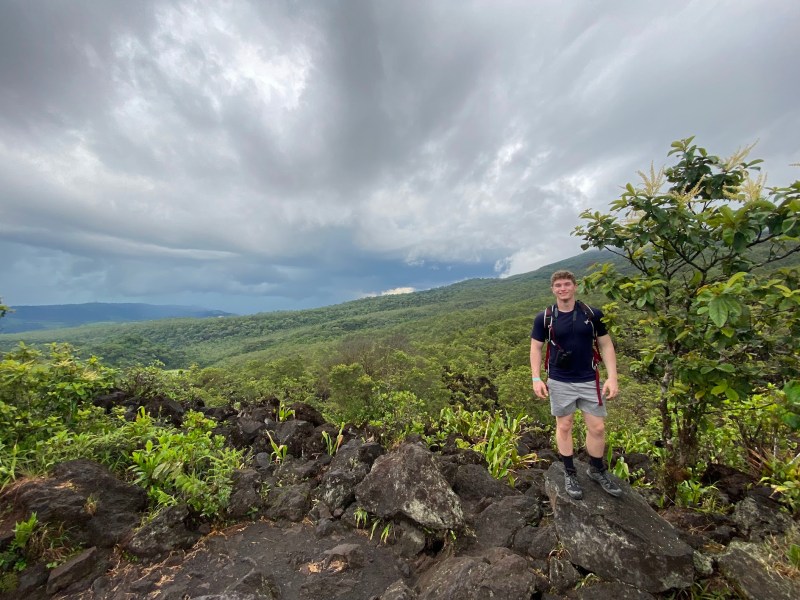
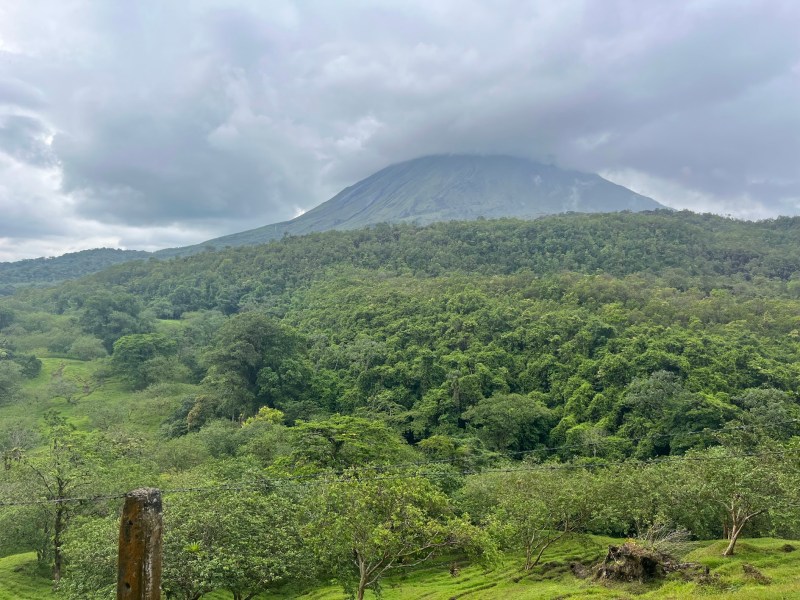
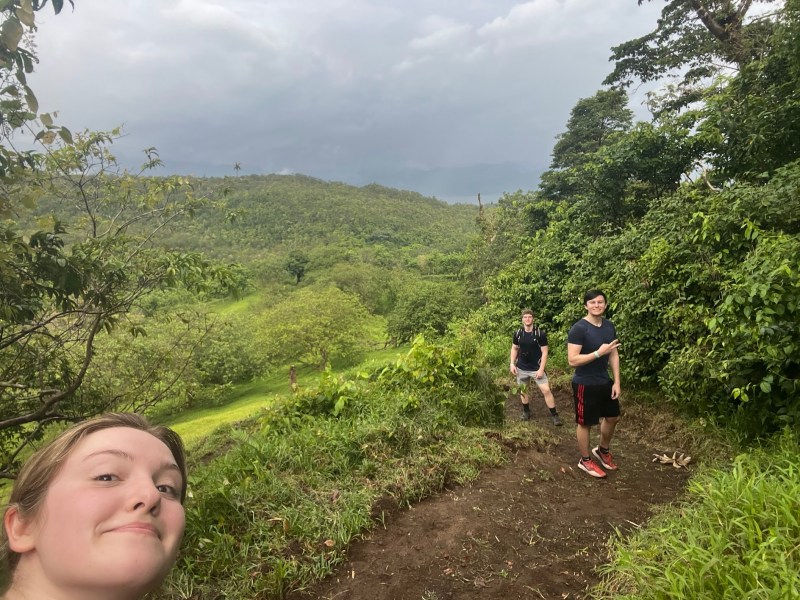
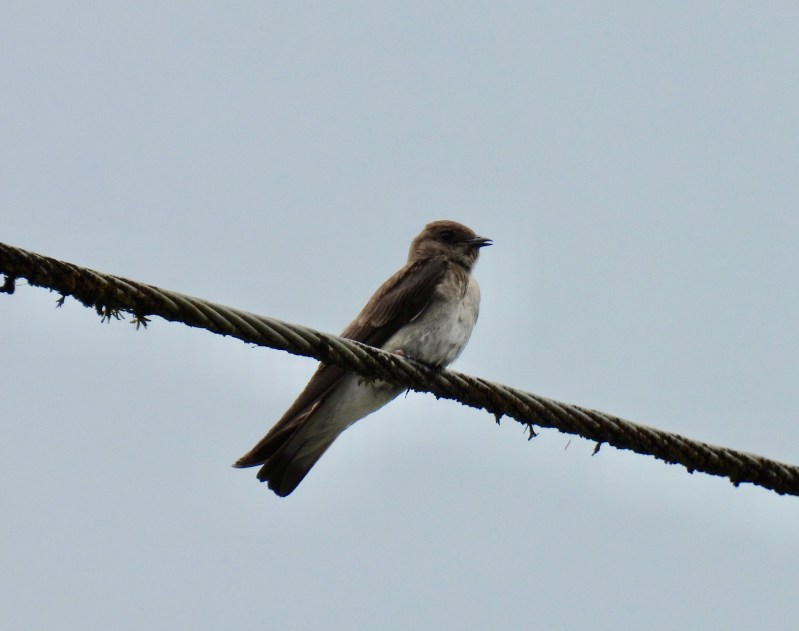
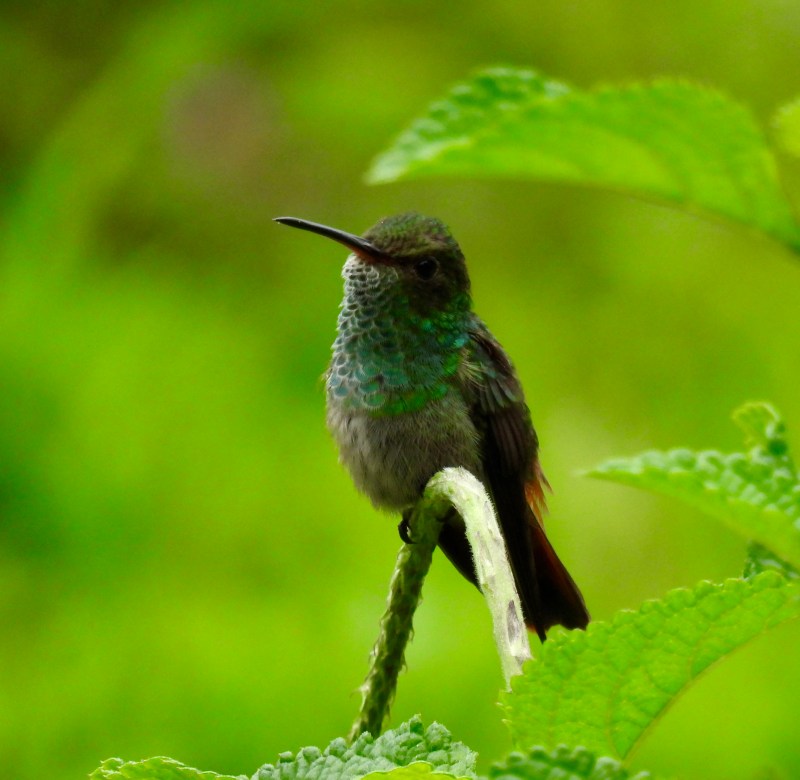
There wasn’t too much wildlife so to speak, apart from some ants and birds. We saw a Northern Rough-Winged Swallow, Rufous Hummingbird, and a Crested Guan at the start of the trail, followed by a shy Great Curassow that disappeared quickly into the undergrowth.
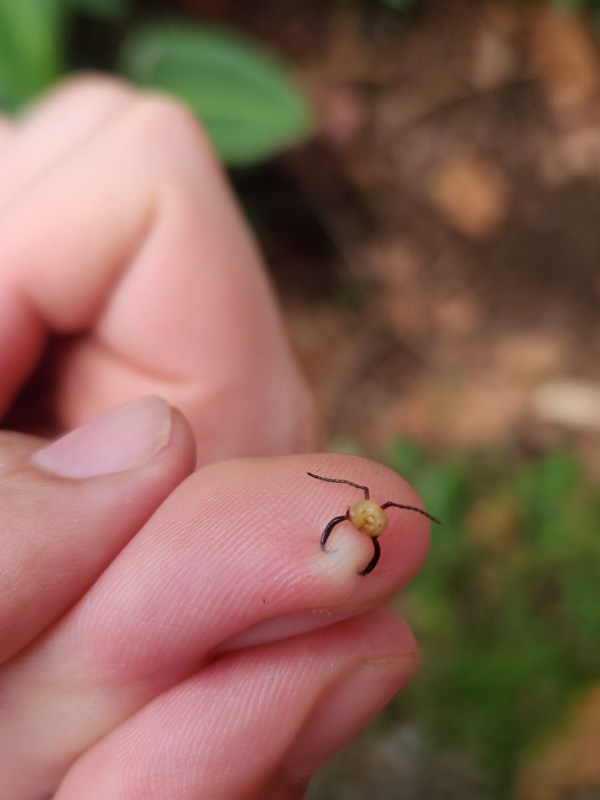
We saw a trail of really cool hook-mandibled Burchell’s Army Ants (Eciton burchelli), and I got bit so hard by one of the majors (large caste) I had picked up to observe that the mandibles wouldn’t come out, even after decapitating the ant! Guess I’ve learnt my lesson….
We went to dinner at a soda downtown, but beforehand we stopped by the El Salto Rope Swing so I could take a plunge into the popular swim spot. There, we saw a Brilliant Forest Frog, and I got to cool off in the river. That night, we packed up everything in our AirBnb, and prepared to head to Monteverde in the morning. It had been a wonderful few days in La Fortuna, and an awesome start to our trip in Costa Rica.
Be sure to check out Part 2 of my Costa Rica adventure with Seba and Celia; the post will be coming out soon! Stay tuned and thanks for reading as always,
-Bennett
Costa Rica Mammal Species Recorded: (23 total, 17 lifers)
- Northern Tamandua (Lifer)
- Geoffroy’s Spider Monkey (Lifer)
- Collared Peccary (Lifer)
- Kinkajou (Lifer)
- Hoffmann’s Two-Toed Sloth (Lifer)
- Brown-Throated Three-Toed Sloth (Lifer)
- Gray Four-Eyed Opossum (Lifer)
- Derby’s Woolly Opossum (Lifer)
- Common Opossum (Lifer)
- Mexican Hairy Dwarf Porcupine (Lifer)
- Central American Squirrel Monkey (Lifer)
- Fishing Bat (Lifer)
- Proboscis Bat (Lifer)
- Lesser White-Lined Bat (Lifer)
- Tent-Making Bat (Lifer)
- Variegated Squirrel (Lifer)
- Tapeti (Lifer)
- White-Nosed Coati
- White-Faced Capuchin
- Mantled Howler Monkey
- Central American Agouti
- White-Tailed Deer
- Common Raccoon
Costa Rica Bird Species Recorded: ( 71 total, 56 lifers)
- Scarlet Macaw (Lifer)
- Resplendent Quetzal
- Great-Tailed Grackle (Lifer)
- White-Winged Dove (Lifer)
- Clay-Colored Thrush (Lifer)
- Rufous-Tailed Hummingbird (Lifer)
- White-Necked Jacobin (Lifer)
- Keel-Billed Toucan (Lifer)
- Yellow-Throated Toucan
- Montezuma Oropendola
- Red-Lored Parrot (Lifer)
- Orange-Billed Sparrow (Lifer)
- Red-Throated Ant Tanager (Lifer)
- Spectacled Owl (Lifer)
- Collared Aracari (Lifer)
- Blue-Gray Tanager
- Hoffmann’s Woodpecker (Lifer)
- Great Kiskadee
- Scarlet-Rumped Tanager
- Black Vulture
- Red-Winged Blackbird
- Common Pauraque (Lifer)
- Lesson’s Motmot (Lifer)
- Crested Guan (Lifer)
- Bicolored Antbird (Lifer)
- Turkey Vulture
- Violet-Headed Hummingbird (Lifer)
- Rufous Motmot (Lifer)
- Crowned Wood-Nymph (Lifer)
- Tawny-Faced Gnatwren (Lifer)
- Blue-Backed Grosbeak (Lifer)
- Crested Caracara (Lifer)
- Great Curassow (Lifer)
- Western Cattle Egret
- Swallow-Tailed Kite (Lifer)
- Lesser Violet-Ear (Lifer)
- Purple-Throated Mountain Gem (Lifer)
- Green-Crowned Brilliant (Lifer)
- Violet Sabrewing (Lifer)
- Green Hermit (Lifer)
- Stripe-Tailed Hummingbird (Lifer)
- Emerald Toucanet
- White-Throated Thrush (Lifer)
- Black-Faced Solitaire (Lifer)
- Common Chlorospingus (Lifer)
- Black-Headed Nightingale-Thrush (Lifer)
- Coppery-Headed Emerald (Lifer)
- Gray-Breasted Wood Wren (Lifer)
- Yellow-Throated Euphonia (Lifer)
- White-Eared Ground Sparrow (Lifer)
- Yellowish Flycatcher (Lifer)
- Costa Rican Warbler (Lifer)
- Bananaquit (Lifer)
- House Wren (Lifer)
- Morelet’s Seedeater (Lifer)
- Variable Seedeater (Lifer)
- Thick-Billed Seed Finch (Lifer)
- Tropical Kingbird (Lifer)
- Yellow-Headed Caracara (Lifer)
- Gray-Cowled Wood Rail (Lifer)
- Brown Pelican
- White Ibis
- American Pygmy Kingfisher (Lifer)
- Black-Hooded Antshrike (Lifer)
- Plain Xenops (Lifer)
- Ochre-Bellied Flycatcher (Lifer)
- Black-Throated Trogon (Lifer)
- Purple Gallinule (Lifer)
- Northern Rough-Winged Swallow (Lifer)
- Gray-Headed Chachalaca (Lifer)
- Silver-Throated Tanager (Lifer)
Costa Rica Reptile and Amphibian Species Recorded: (34 total)
- Eyelash Pit Viper– small, beautiful individual spotted (after searching for quite some time), on the side of the trail at Tenorio Volcano NP coiled around a tree branch. Charismatic snake and a bucket-list species for Seba and Bennett
- Central American Tree Boa– medium-sized (4.5ft) individual of this beautiful species spotted on a tree branch about quite close to our boat in Rio Cotos tributary on night boat tour
- Boa Constrictor– juvenile spotted by our guide coiled around a mangrove stilt root along the Rio Cotos on night boat tour
- Side-Striped Palm Pit Viper– pretty snake pointed out by our guides coiled around a branch on night tour at Monteverde Cloud Forest Biological Reserve
- Cope’s False Coral Snake– beautiful snake; we watched it slither into the leaf litter on side of jungle trail during our night walk at La Selva Biological Station
- Ornate Cat-Eyed Snake– juvenile seen first night coiled around a tree branch at Treehouse Hotel; another individual resting on a palm frond at Mistico Hanging Bridges
- Mangrove Cat-Eyed Snake– got an up-close observation of this cute little species along the banks of Rio Cotos tributary on night boat tour
- Blunt-Headed Tree Snake– spotted by Octavio in a tree next to a suspension bridge during night walk at La Selva Biological Station
- Red-Eyed Tree Frog– we saw both Pacific and Caribbean morphs on this trip; male adolescent Caribbean morph with eggs in frog garden at Treehouse Hotel; adult Pacific morph perched on a banana leaf on final night tour near Quepos; a colorful and distinctive target species for Bennett and Seba
- Yellow-Spotted Night Lizard– spotted by Octavio on side of jungle trail during night walk at La Selva Biological Station
- Border Anole– Treehouse Hotel on first night during tour; many other locations including Mistico Hanging Bridges and Tenorio Volcano NP
- Green Iguana– common in trees and in open areas in La Fortuna and Quepos; saw a large one in a tree along Rio Cotos tributary on night boat tour
- Black Spiny-Tailed Iguana– we saw many in trees and in open areas in La Fortuna and Quepos
- Middle American Ameiva– one seen briefly at Don Olivo chocolate plantation, many at Mistico Hanging Bridges
- Common House Gecko– on the wall of research building at La Selva Biological Station during night walk, also Casa de Tucan in La Fortuna and many other locations
- Decorated Anole– observed a male on a tree trunk in close proximity to the trail at Mistico Hanging Bridges performing a mating display with his dewlap
- American Crocodile-saw a couple basking on a riverbank along the Tarcoles River
- Common Basilisk– 3 individuals spotted along Rio Cotos tributary on night boat tour
- Yellow-Headed Gecko– one individual seen briefly at Hotel Nova
- Mourning Gecko-tons of this species on the walls of Hotel Nova in Quepos; caught a bunch and were able to observe them for awhile before releasing
- Green Basilisk– one female basking on a boulder near Rio Celeste Waterfall, Tenorio Volcano NP
- Siderolamprus haylaius– one individual of this elusive galliwasp species seen in the crown of a palm at Mistico Hanging Bridges
- Giant Toad– several large individuals at Treehouse Hotel, final night tour near Quepos, and at La Selva Biological Station during night walks
- Savage’s Thin-Toed Frog– Large and distinctive; saw many at Treehouse Hotel at night and near pond on final night tour near Quepos
- Nicaragua Cross-Banded Tree Frog– seen on first night on guided tour of Treehouse Hotel property
- Common Tink Frog– seen on first night on guided tour of Treehouse Hotel property; also at La Selva Biological Station during our night walk and on night tour at Monteverde Cloud Forest Biological Reserve
- Blue Jeans (Strawberry) Dart Frog– many around at Treehouse Hotel, spotted mainly at night; two at Mistico Hanging Bridges
- Olive-Snout Treefrog– spotted by Octavio on side of jungle trail during night walk at La Selva Biological Station
- Pygmy Rain Frog– spotted by Octavio on side of jungle tail during night walk at La Selva Biological Station
- Wet Forest Toad– near research building at La Selva Biological Station during night walk
- Fleishmann’s Glass Frog– pointed out by our guides sitting on a leaf on night tour at Monteverde Cloud Forest Biological Reserve
- Brilliant Forest Frog– seen at El Salto Rope Swing along the river and on night tour at Monteverde Cloud Forest Biological Reserve
- Boulenger’s Snouted Tree Frog– many spotlighted on final night tour near Quepos
- Hourglass Tree Frog– one found by our guide on a leaf near a pond on final night tour near Quepos


Leave a Reply