
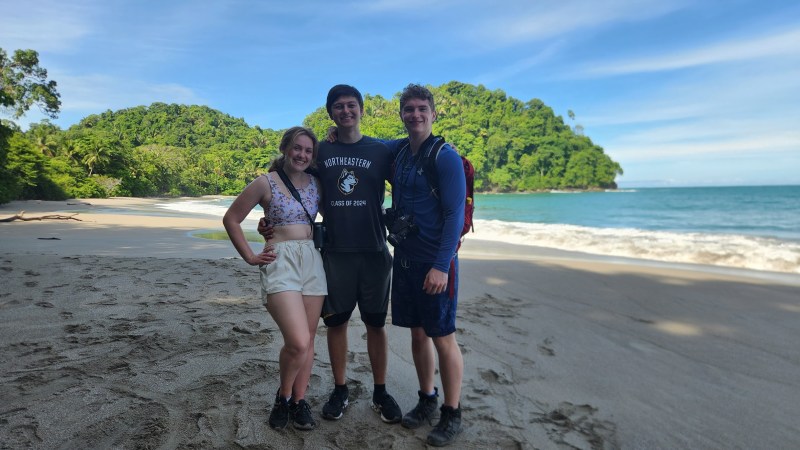
The third and final chapter to my June 2024 Costa Rica adventure with Seba and Celia takes us from the cool, misty highlands of Monteverde Cloud Forest to the hot, steamy lowlands of Quepos, on the Pacific Coast, where we spent our last 3 full days (Day 7-Day 10) getting our final fill of Costa Rican wildlife. Over these last few days, we explored the small and crowded but phenomenal 4,900-acre (1,983-hectare) Manuel Antonio National Park, spending all of Day 9 (June 12th) hiking the entirety of the park’s trails in search of wildlife and scenic vistas. We lucked out and saw a remarkable number of wild mammals in Manuel Antonio (12 species total!), in addition to Leafcutter and Army Ants, crabs, iguanas, and birds.
Besides Manuel Antonio, a high point of our time in Quepos was an excellent mangrove boat tour on the night of Day 8 (June 11th). Aboard a motorized tour boat, we cruised down a mangrove-lined tributary of the Rio Cotos after dark, spotting wildlife such as snakes, kingfishers, opossums, and bats.
We also did a final night walk on Day 9 at a private nature reserve outside Quepos, where we encountered scorpions, katydids, phasmids, tree frogs, and even a few final bird species.
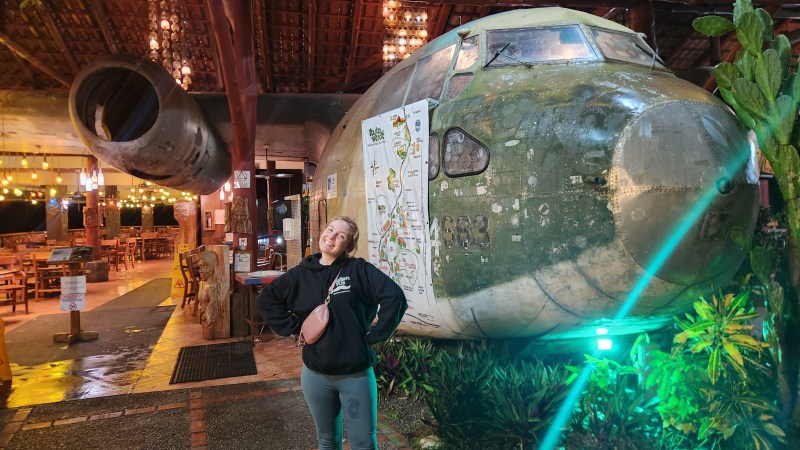
Unfortunately, not all our time in Quepos was memorable in a good way. The owner of the boutique hotel-style AirBnb we stayed at in Quepos town gave us several bad recommendations for outings on Day 7 and Day 8 that put an unpleasant taste onto our otherwise fantastic Costa Rica trip. The first bad recommendation was El Avion Restaurante (literally ‘The Plane Restaurant’ in English), which we ate at the night of Day 7th. If you like the idea of getting drunk in a cramped, hollowed-out WWII warplane that’s been converted into a touristy bar, this might be your spot. For us, not so much. The food was passable (barely) but I must say I was pretty angry when I got the bill for my unseasoned, overcooked Mahi-Mahi fillet.
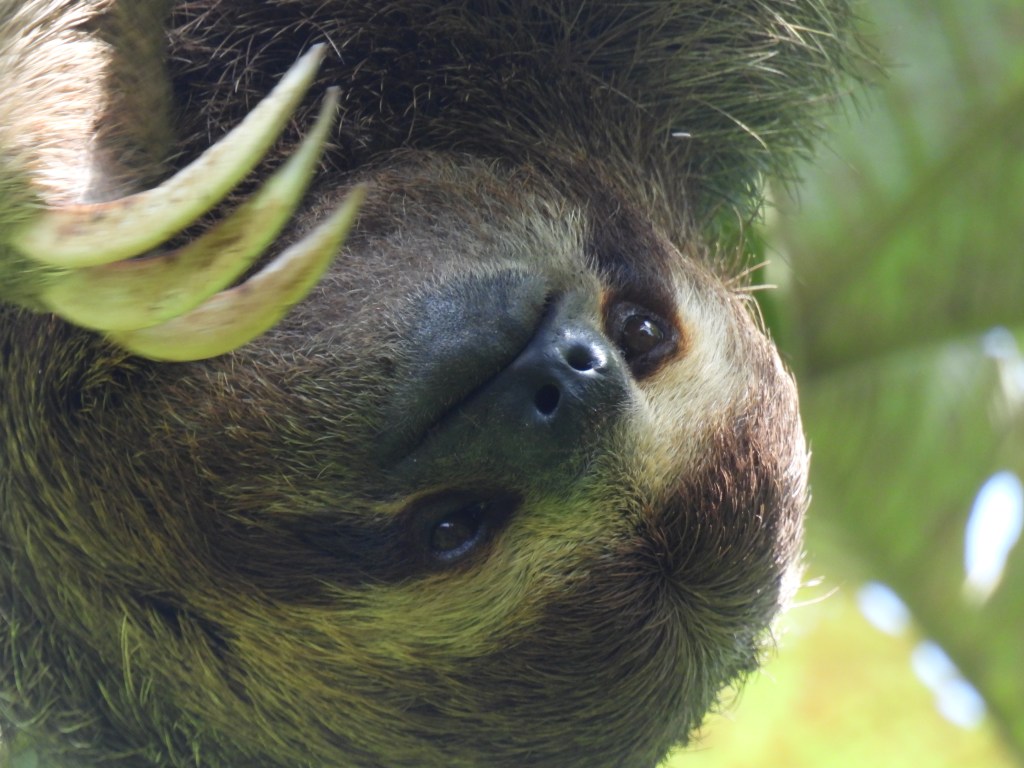
The next morning (Day 8), we didn’t have anything scheduled on our itinerary, and we decided to give another of the AirBnb owner’s recommendations a try. We drove over to Biesanz Beach, a beach he said was ‘secluded’ and ‘full of sloths’, but turned out to be a touristy, crowded, dirty spot with aggressive locals hawking jewelery and beach chairs to tourists. Far from the sloth paradise he described to us, there was a singular Hoffmann’s Two-Toed Sloth on Biesanz Beach that morning. It was hidden at the top of a tall tree, and a crowd of tourists was attempting to get a view of it.
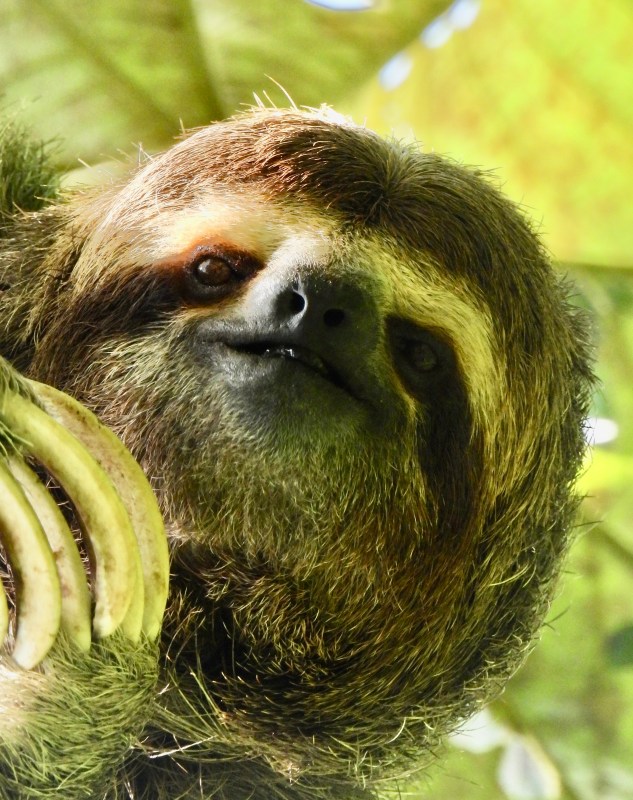
I recommend to those wanting to see sloths in the wild in Costa Rica to skip Biesanz Beach and instead visit Manuel Antonio National Park next-door, which offers world-class encounters with these charismatic animals. We saw at least half a dozen two-toed and three-toed sloths in Manuel Antonio on Day 9.
The only notable creatures in abundance on Biesanz Beach were Mantled Howler Monkeys and White-Faced Capuchins, which we observed in some Mango (Mangifera indica) trees along the trail leading from the parking lot down to the beach. Beware though, as foraging monkeys frequently drop unripe mangos down onto unsuspecting tourists!
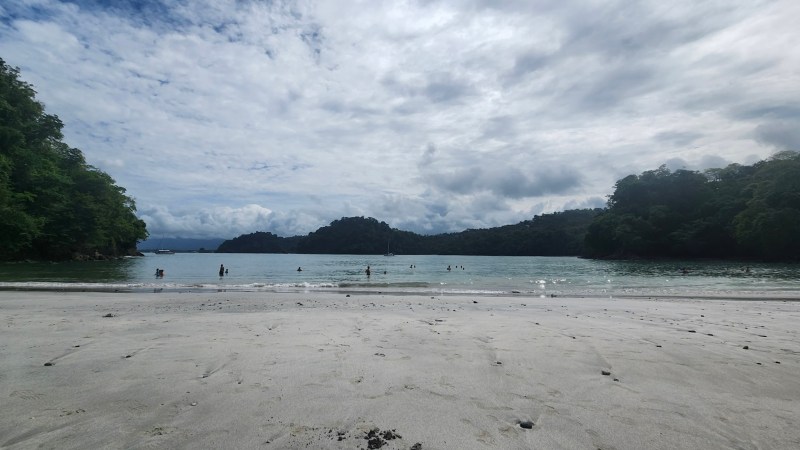
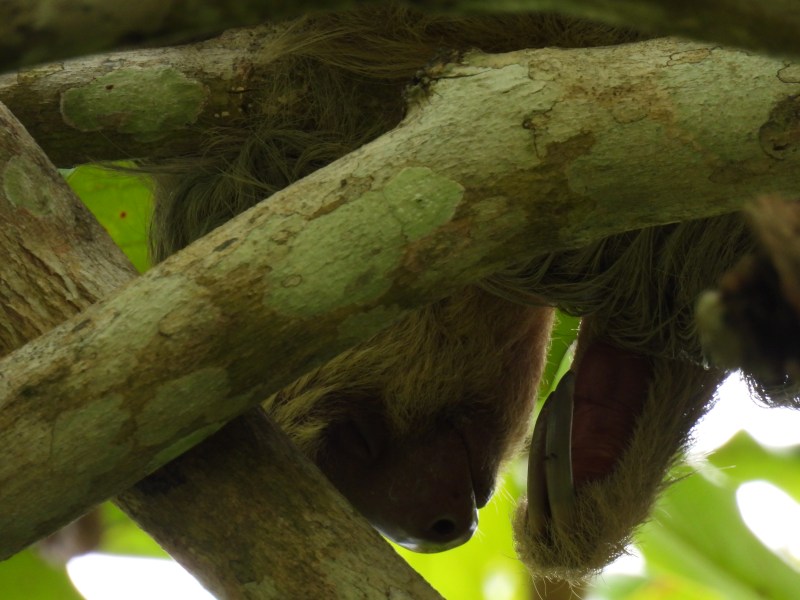
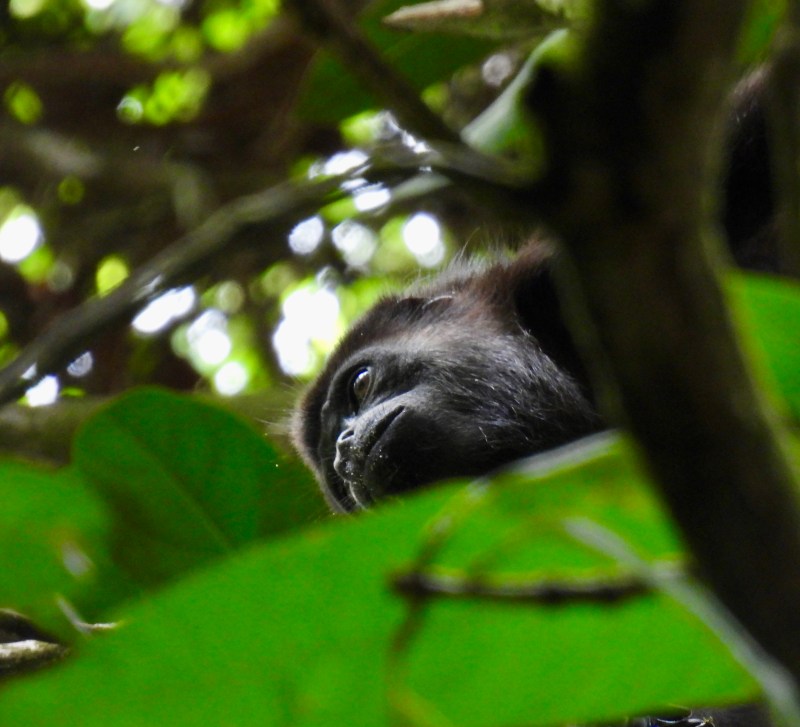
Apart from sloths and monkeys, our experience at Biesanz on Day 8 involved taking turns sitting on our beach towel, watching our belongings, while one or two of us went into the ocean for a dip. I’m certain if we left anything valuable out for more than a second it would’ve been stolen. The water was a nice temperature for swimming, at least.
Myself and Seba did a bit of snorkeling along the coastline adjacent to the beach. The water was turbid, and there wasn’t much to see beyond a few scraggly reef fishes and bleached hard corals. We also nearly wrecked our car on some barbed wire while trying to leave the beach, and if it weren’t for Seba’s quick repairs we would’ve lost our bumper!
Overall, Biesanz Beach was definitely an unpleasant experience and Seba, Celia and I recommend avoiding it if you’re an eco-tourist in Quepos.
On the afternoon of Day 8, after touring Biesanz Beach, we made by far our worst decision of the trip, and (stupidly) took the AirBnb owner’s third, and this time EGREGIOUSLY bad recommendation to tour the Manuel Antonio coast via a catamaran shared with other tourists. We got perhaps the worst possible group on our boat: a large American friend group that took it upon themselves to be as obnoxious, loud, inappropriate, entitled, and frankly, racist, as humanely possible! Not only this, our catamaran broke down at sea and we were stuck miles from shore for three entire hours until being taken back to port via motorboat!
The group we were with could not have been more unpleasant during this whole fiasco. It’s one thing to get drunk with your friends on a boat trip—it’s a whole other thing to be condescending and racist toward the Costa Rican crew members trying to fix the broken boat engine, demand food and alcohol from the captain as he tries to phone the marina for help, and to be so loud and inappropriate as to make it nearly impossible for the crew to get everyone from the catamaran back to shore! No wonder there are so many negative stereotypes about American tourists abroad!
It’s important to keep in mind that groups like the one we experienced are a slim minority of Americans who travel. Americans like Seba and Celia and myself, who are well-travelled internationally, are negatively impacted by the actions of poorly behaved and uncultured American tourists like the ones we were with on the catamaran trip.
On a separate note, you might notice I have not included any photos of the catamaran or the American friend group we were with. As I have made some serious criticisms about their appalling behavior, I wish to protect their identities and not share anything that could be used to find or harm them.
Moving on from the Catamaran Trip From Hell, the Crashed Airplane Restaurant, and Slothless Beach, I’d now much prefer to talk about all the great experiences we had in and around Quepos over the course of Days 7-10. In fact, the three horrendous recommendations from the AirBnb owner turned out to be the only sour spots of our time in Quepos and Costa Rica up until Day 10 (I’ll get to that later).
On Day 7, on the way drive down to Quepos from Monteverde, we were in for a treat when it came to wildlife sightings. After an exhilarating morning of ziplining at 100% Adventura Adventure Park, we drove out of Monteverde toward the Pacific lowlands to the south. The scenery gradually transitioned from lush, cloud forest-cloaked mountains to lowland agriculture/rainforest mosaic. The cool, refreshing temperatures of the highlands were replaced by muggy, hot weather conditions farther down, reminiscent of my current home, the Asian nation of Singapore. It took several hours of meandering down bumpy, winding road to catch our first glimpses of the Pacific Ocean, near the town of Tarcoles.
A side note was that most of our drive along the Pacific coast to Quepos was through palm oil plantations, an upsetting sight for an aspiring zoologist who aims to help curb the conversion of rainforest into Oil Palm (Elaeis guineensis) and other agricultural exploits. It was unfortunate to learn that the environmental curse of palm oil has expanded beyond Southeast Asia to affect parts of Costa Rica as well. Most of the low-lying rainforest around Quepos and along the Pacific coast of Costa Rica has been converted into an Oil Palm monoculture. It was extremely sad to see the very fate of the rainforests in Southeast Asia that I’ve observed first-hand in Borneo, spread to Costa Rica, a country that has worked tirelessly on the conservation and restoration of its natural resources.
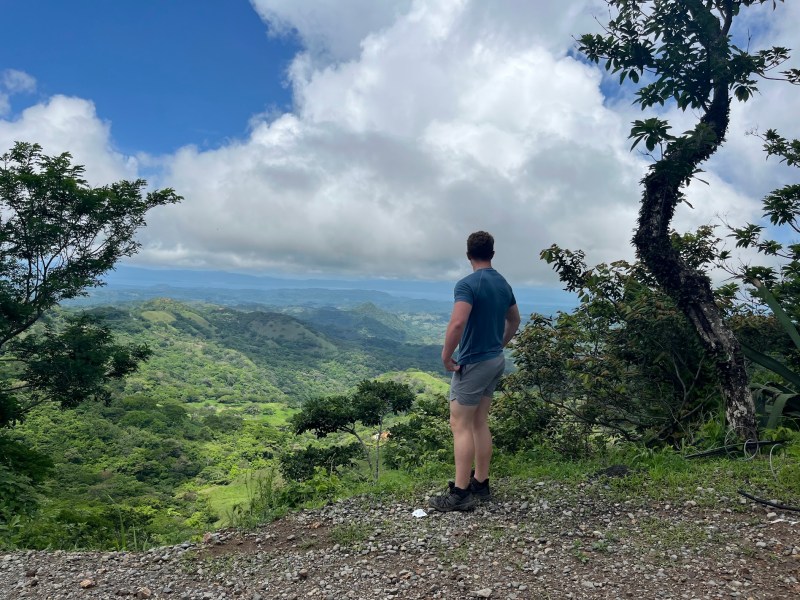
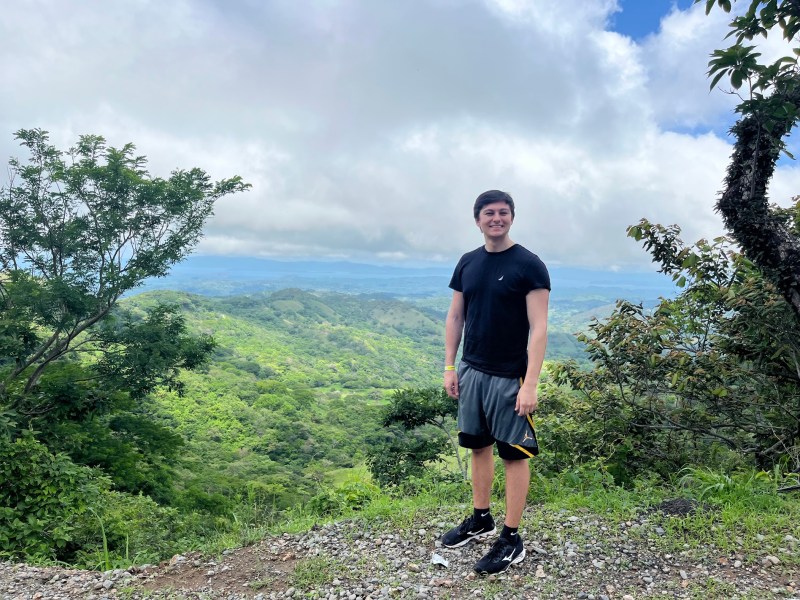

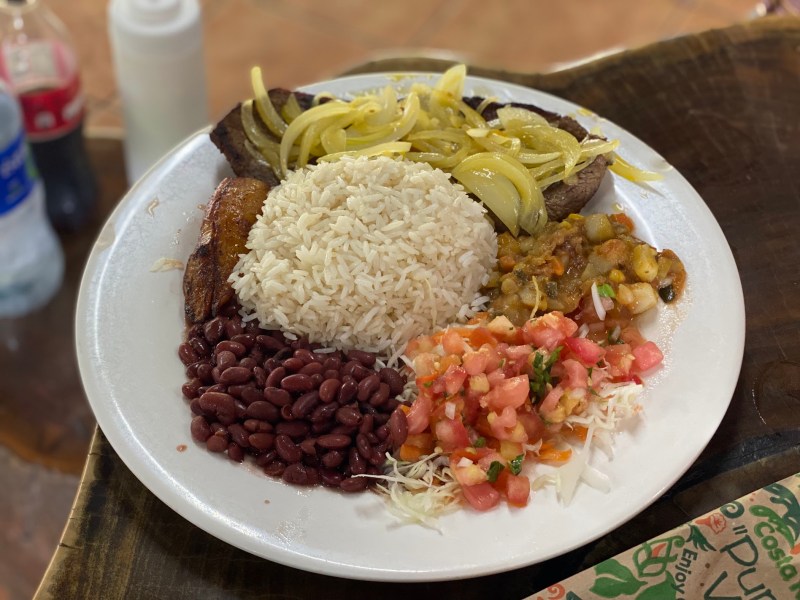
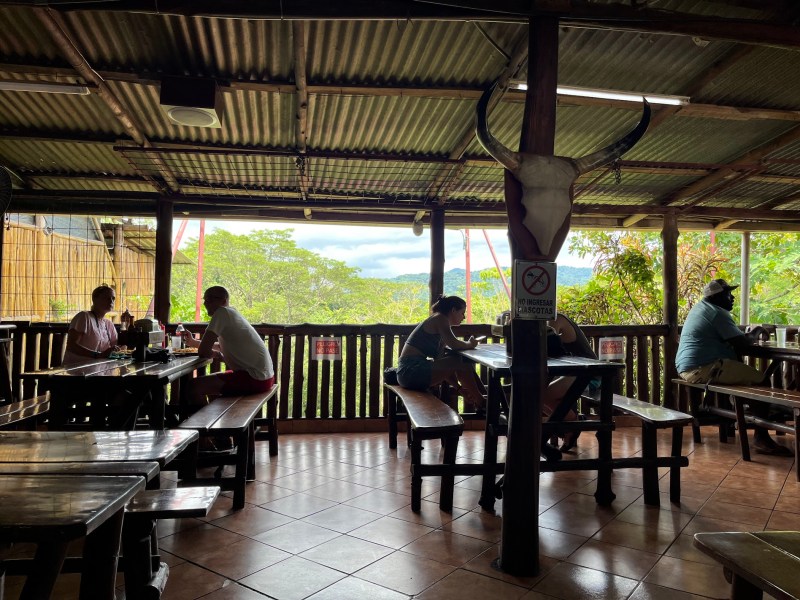
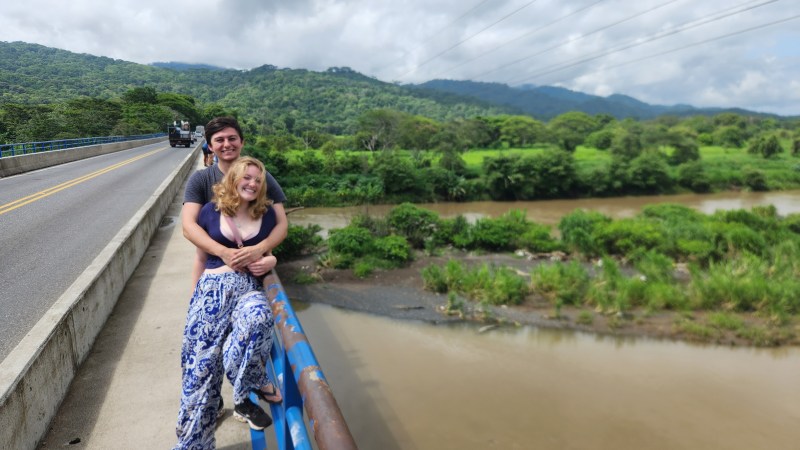
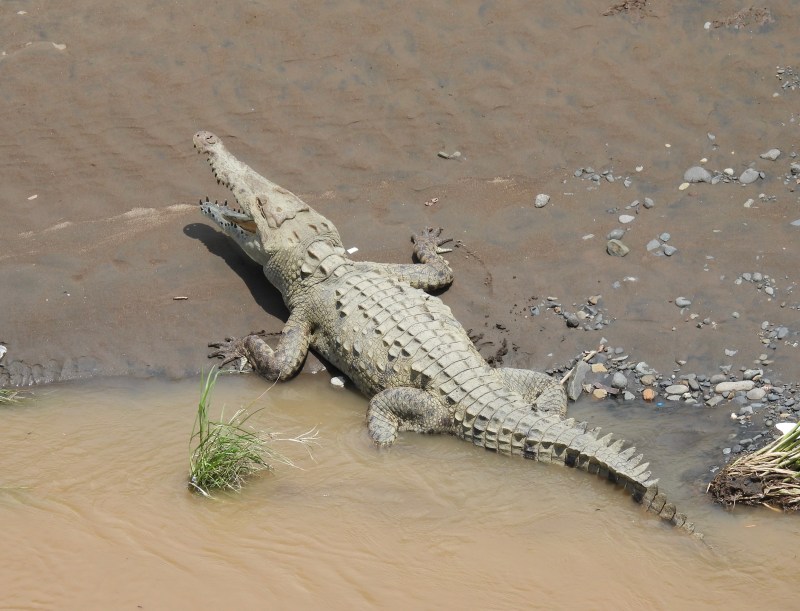
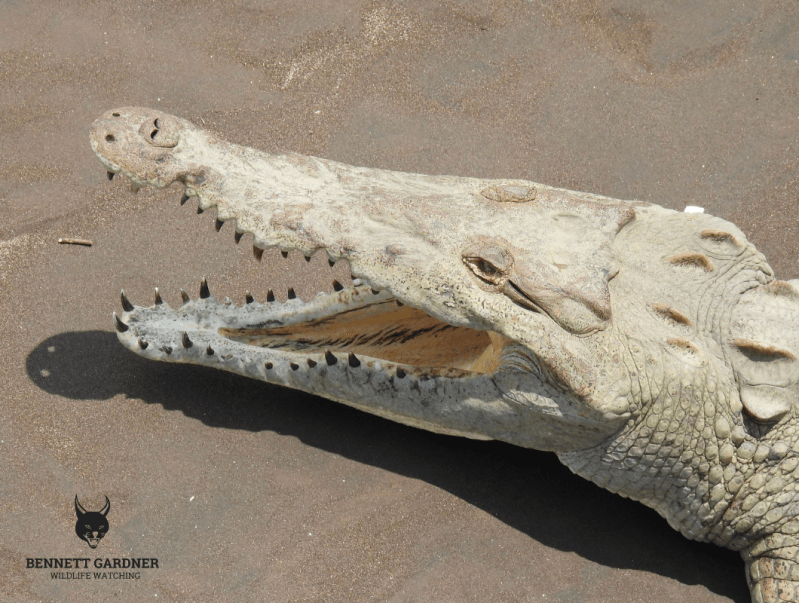
Lunch on Day 7 was at a delicious roadside soda outside the town of Tarcoles, where we enjoyed classic Costa Rican beef casados before making a pit stop up the road at the famous Crocodile Bridge that runs across the crocodile-infested Tarcoles River. The river is full of American Crocodiles (Crocodylus acutus), one of the largest crocodilians in the world. A large male can be 2,200 lbs (1,000 kilos) and 20 feet in length. Needless to say, I was grateful to be on the top of the bridge while observing the Tarcoles River’s deadly denizens!
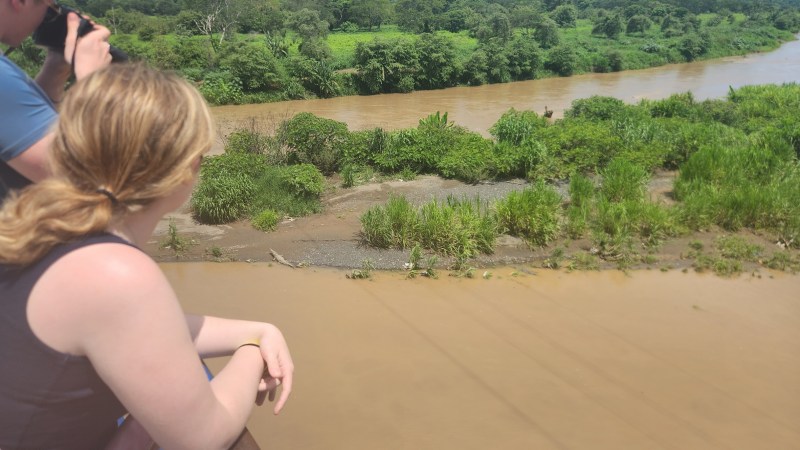
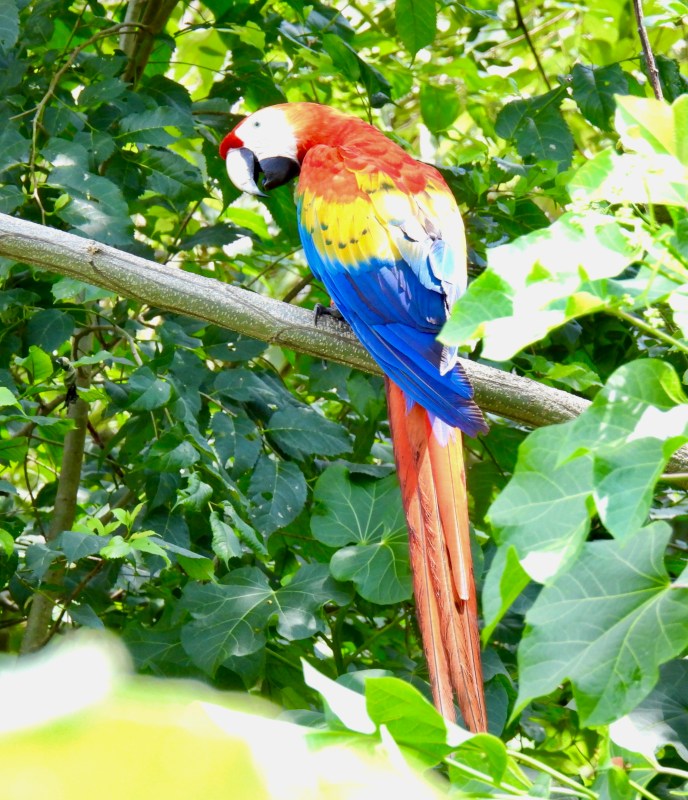
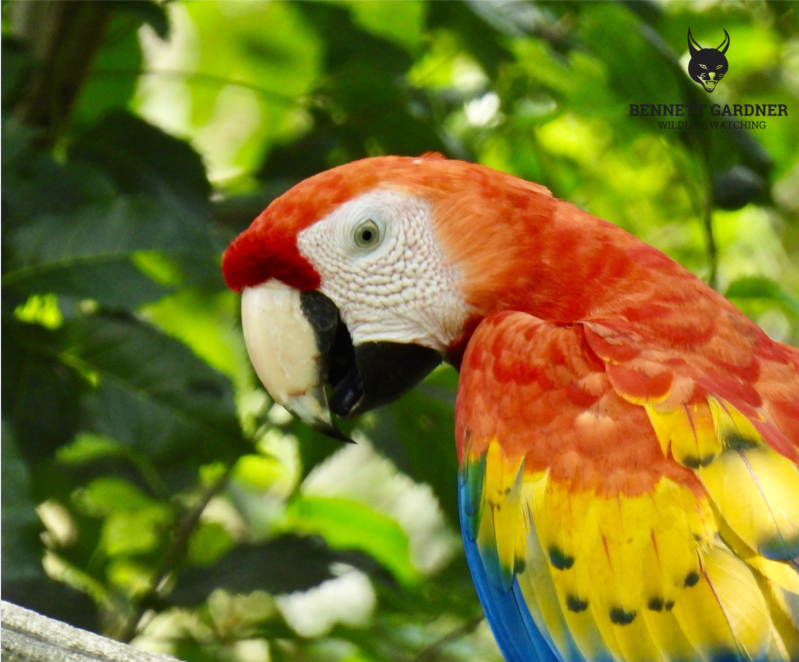
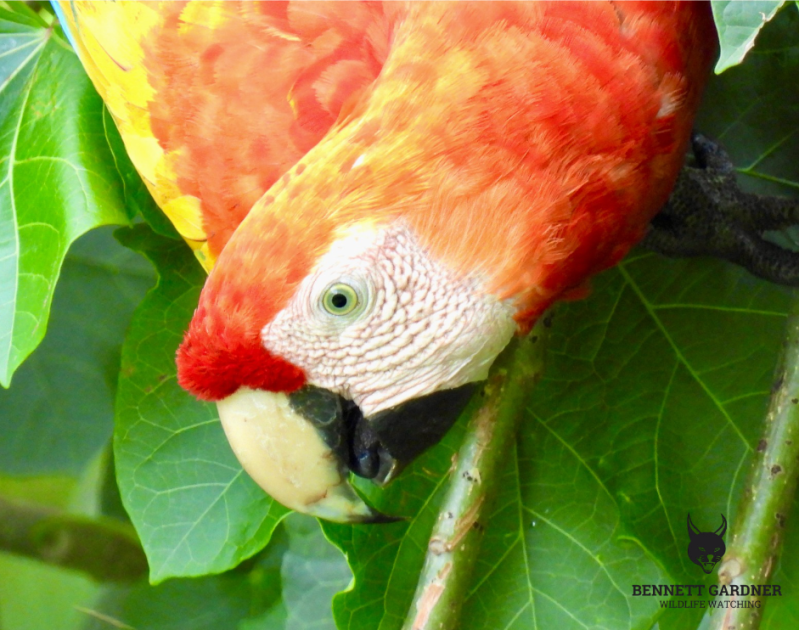
Our main treat for Crocodile Bridge was a surprise encounter with a spectacular pair of Scarlet Macaws in the trees right off the side of the bridge!! This large, beautiful species of parrot was a dream species of mine and Celia’s. Scarlet Macaws are threatened in Costa Rica, with only just over 2,100 left in the wild in a few scattered populations. The area surrounding Quepos and Tarcoles is one of the best places to see these legendary birds in the wild in Costa Rica; however, Celia and I had very low expectations for actually seeing even one at a distance, let alone two within close proximity to us!
Over the next couple of days, we found that they were actually pretty common around Quepos, and we observed quite a few more Scarlet Macaws before the end of our trip. Nevertheless, the encounter we had on Crocodile Bridge on Day 7 was by far the most memorable Scarlet Macaw run-in of our trip!
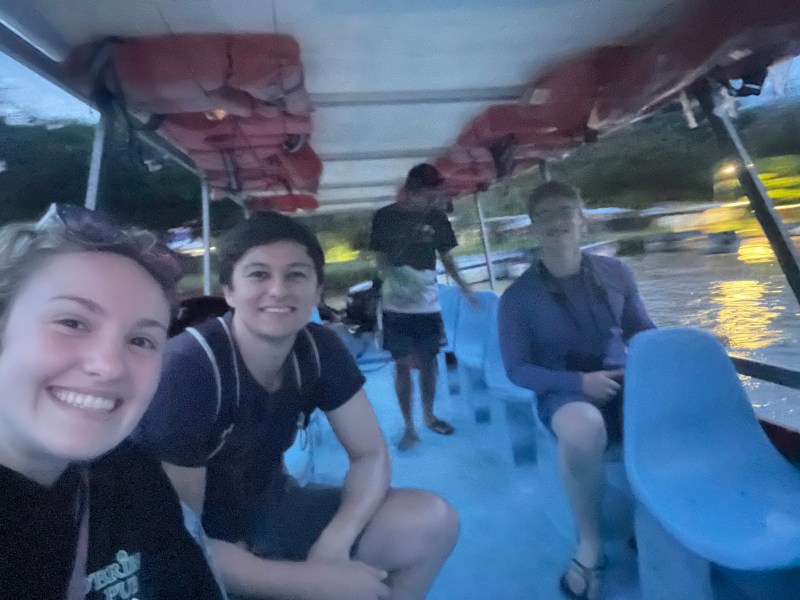
We fast-forward to the evening of Day 8, where Seba, Celia, and I had our next great experience of our time in Quepos on a mangrove boat tour through the mangroves of the Rio Cotos. We drove from our AirBnb, which is located roughly halfway between the Quepos town center and the entrance of Manuel Antonio National Park, about twenty minutes away to the boat tour headquarters on the fringe of a palm oil plantation.
We didn’t know what to expect from this tour, especially since we had only made a reservation for it several hours prior. The boat trip ended up being a blast, almost making up for the godawful catamaran tour earlier in the day, and I added a ton of new reptiles, mammals, and birds to our Costa Rica lists. The unique mangrove/rainforest transitional ecosystem we explored by boat provided many sightings of wildlife not found in other parts of Costa Rica.
It was great having a boat to ourselves during the tour, and definitely made the experience feel more like an authentic wildlife-spotting adventure. I love wildlife boat tours, and our trip up the Rio Cotos brought back memories of cruising down the Kinabatangan River in Borneo at night. The tour lasted about two hours, and our guide was a good spotter and knowledgable about the animals we came across. I highly recommend this experience to any eco-tourist visiting Quepos.
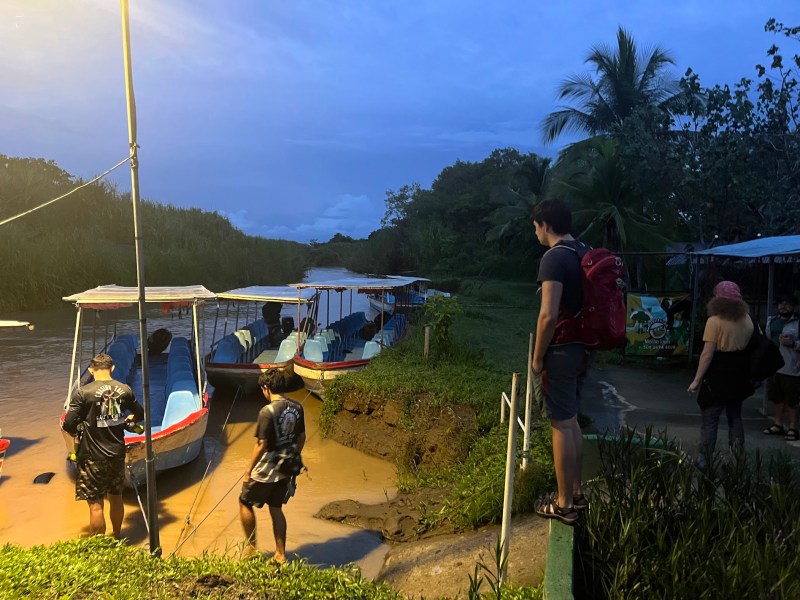
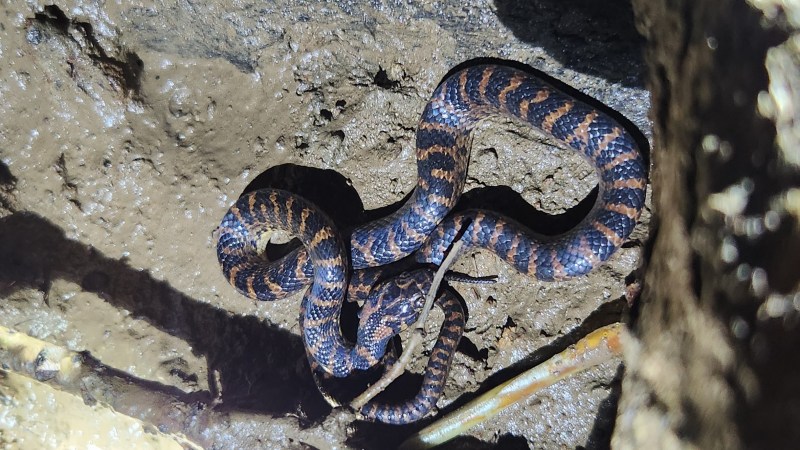
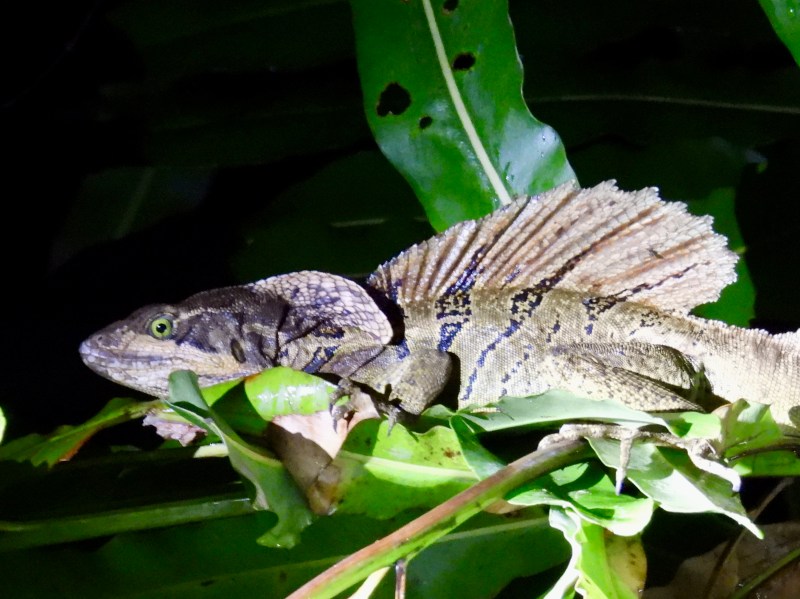
We met up with our guide and boat driver as the daylight faded, and set off up the Rio Cotos. After about ten minutes, we changed course, and entered a small, mangrove-lined tributary of the main river where we’d do the majority of our wildlife spotting. Over the next few hours, we spotted tons of interesting reptiles such as massive Green Iguanas (Iguana iguana), a Mangrove Cat-Eyed Snake (Leptodeira rubricata), Brown Basilisks (Basiliscus vittatus), a 4-foot (1.2 m) long Central American Tree Boa (Corallus ruschenbergerii), and even a baby Boa Constrictor (Boa constrictor)!
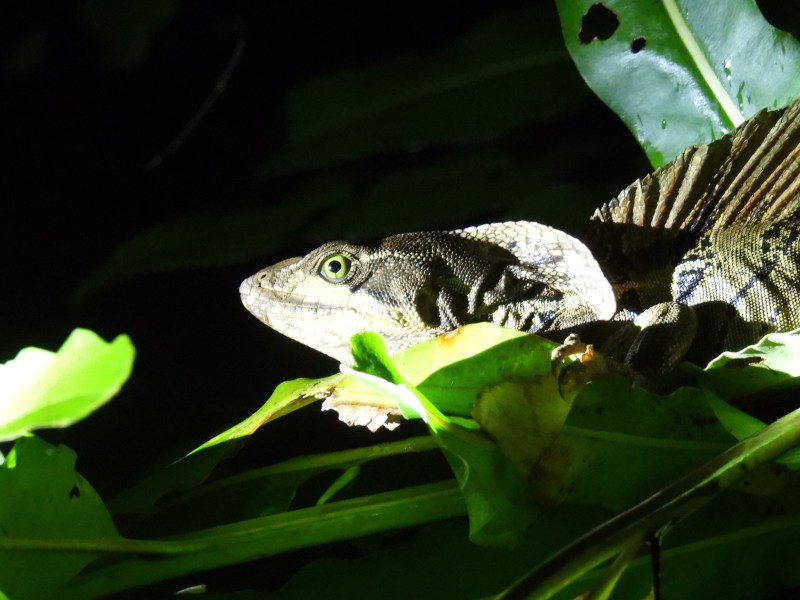
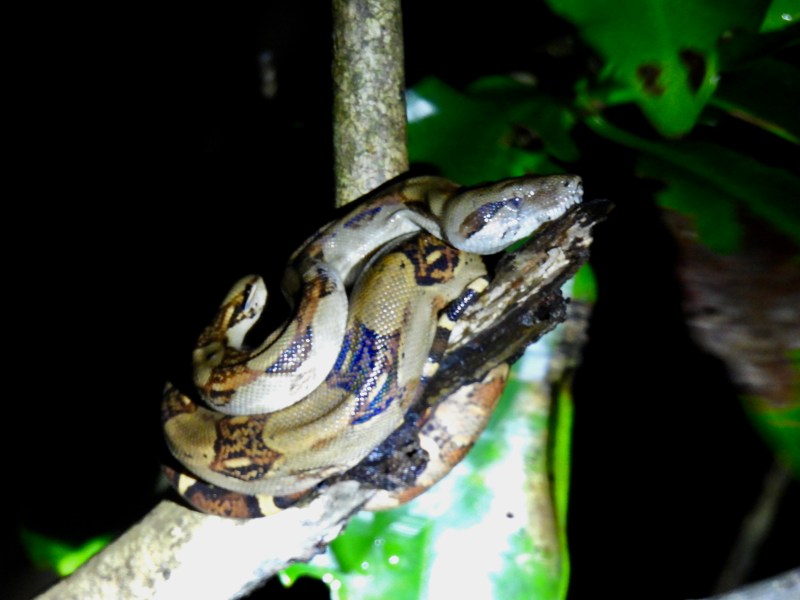
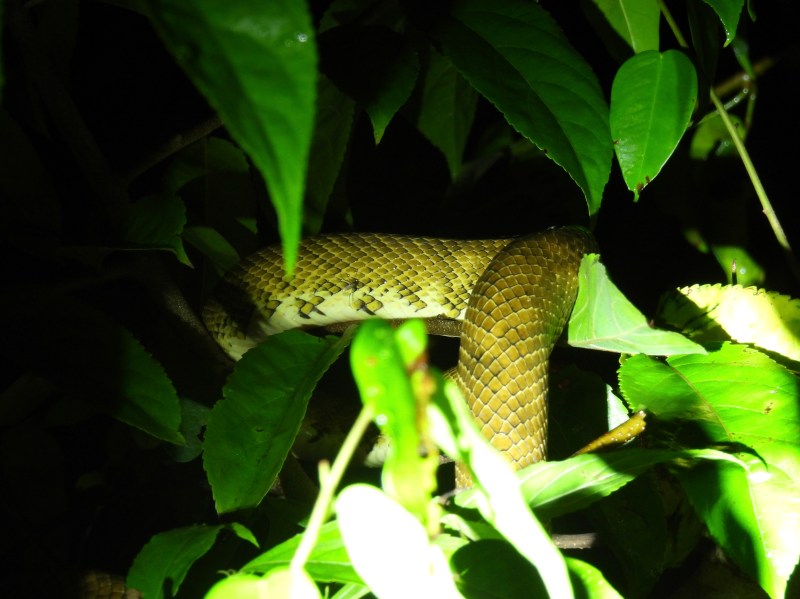
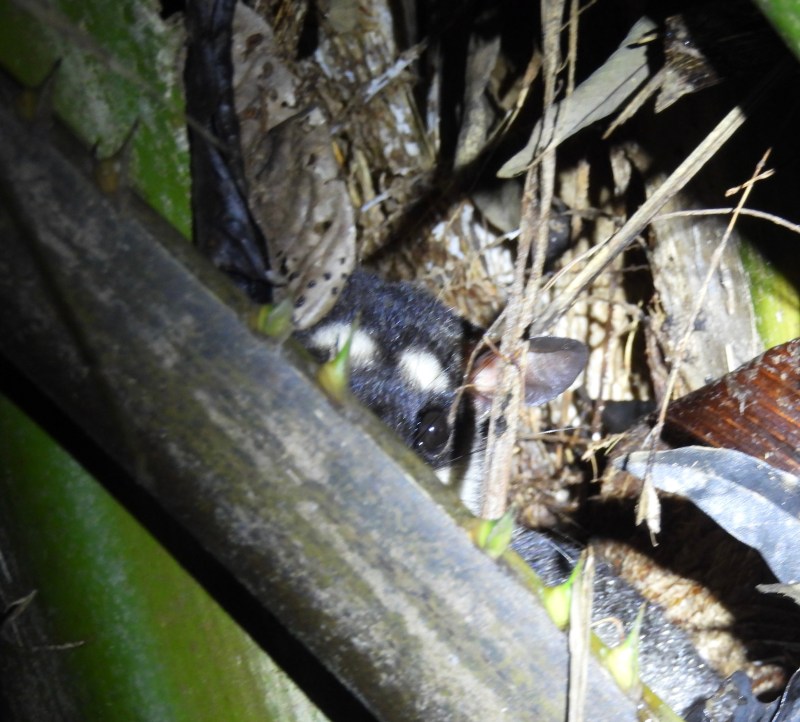
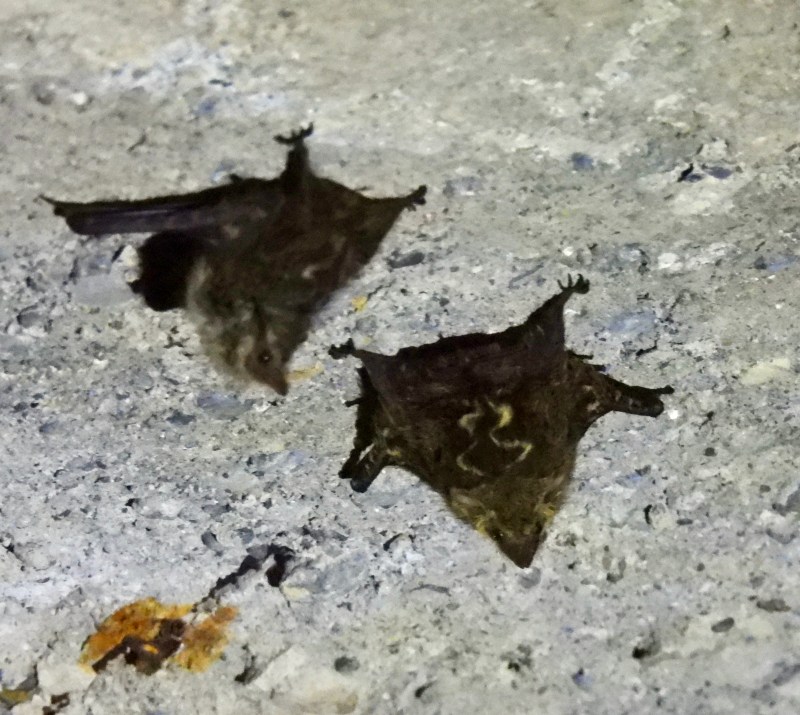
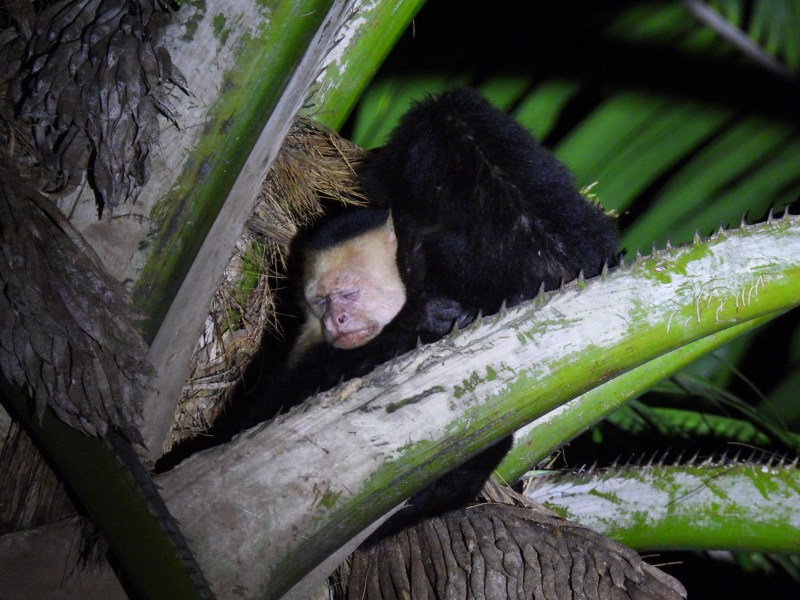
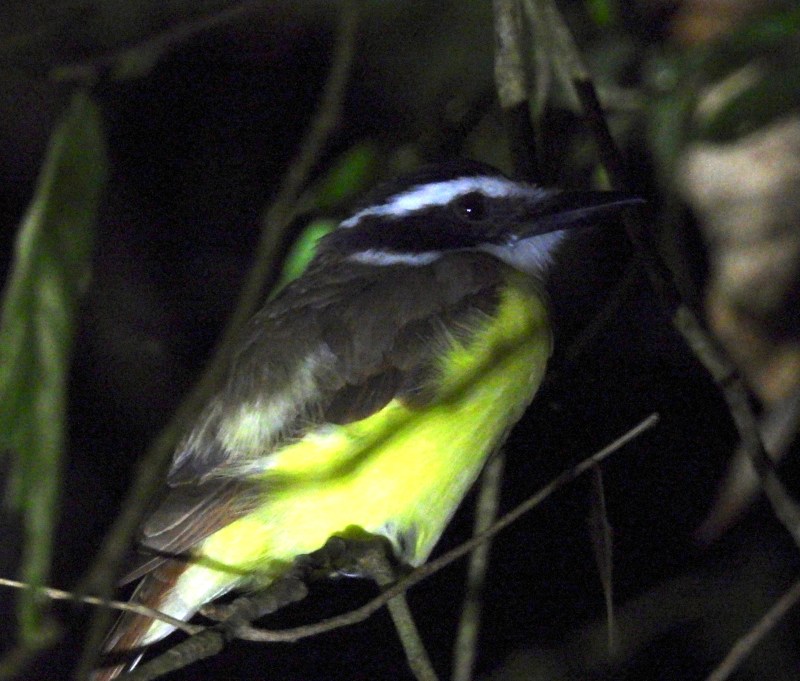
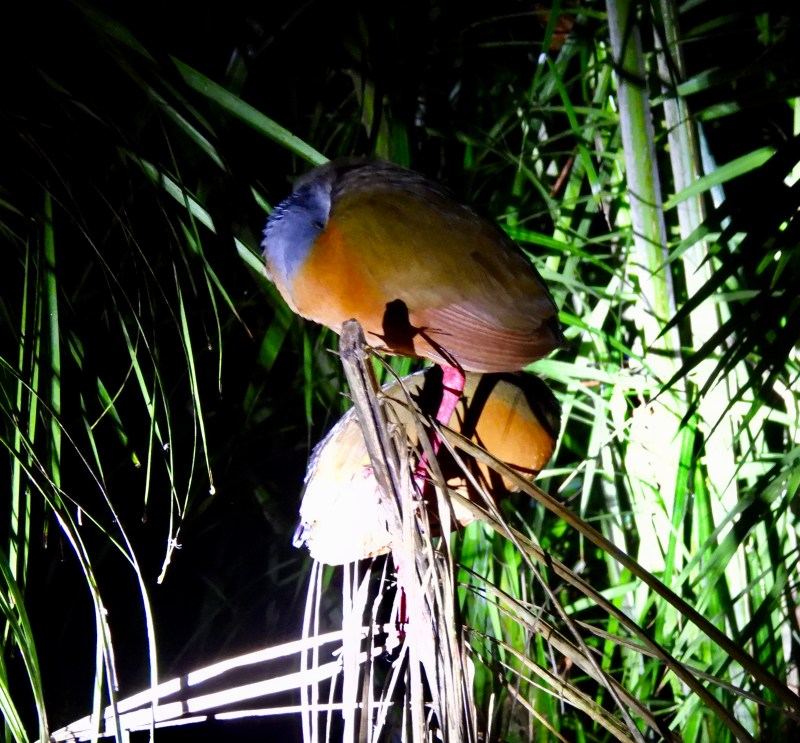
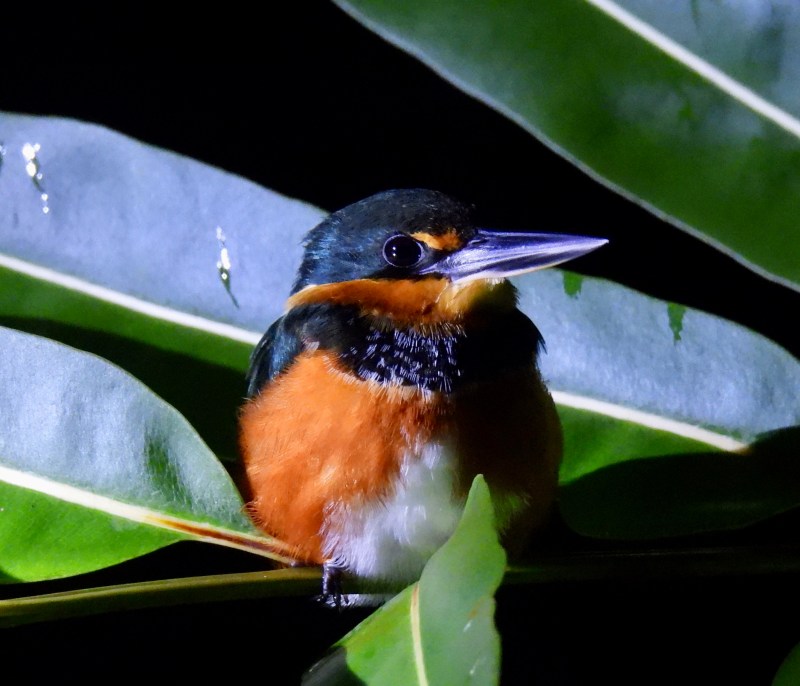
The mammal highlight of the night was definitely a Gray Four-Eyed Opossum hidden in the crook of a palm on the side the tributary. We also saw sleeping White-Faced Capuchins, a colony of Proboscis Bats underneath a bridge, and Fishing Bats fluttering over the river. As for birds, we noted sleeping Great Kiskadees, Gray-Cowled Wood Rails, and an American Pygmy Kingfisher.
The morning of Day 9, we were up early for our final full day in Costa Rica and our chance to explore Manuel Antonio National Park. Though it is one of the smallest national parks in Costa Rica, Manuel Antonio really packs a punch in terms of its biodiversity. The park spans a wide range of habitats along a rugged area of Costa Rica’s Pacific coast—from virgin tropical rainforest to miles of sandy beach to expanses of mangrove forest—which provides habitat to a wealth of species.
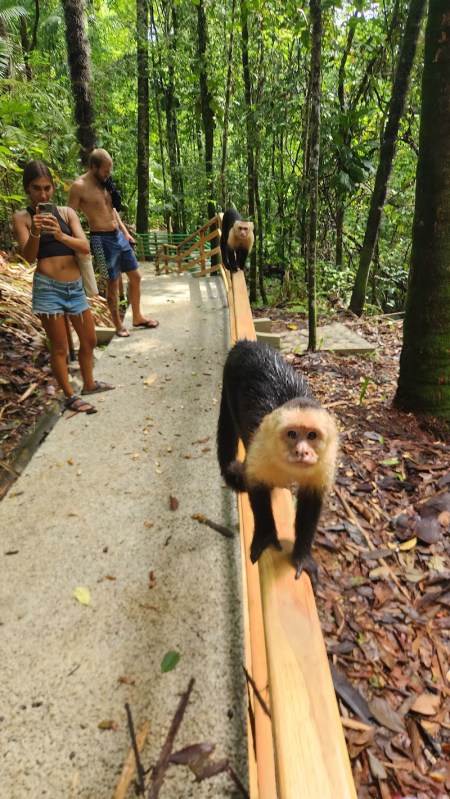
We spent about 7 hours in Manuel Antonio, and managed to hike all 5.5 miles (9 km) of trails in the park. It did happen to be very crowded on the day we went, but most of the tourists stayed on the main paths and beaches and didn’t veer off on any of the more interesting trails like we did. There was a smorgasbord of wildlife in the park, in addition to plenty of beautiful views of the coastline and some secluded jungle trails.
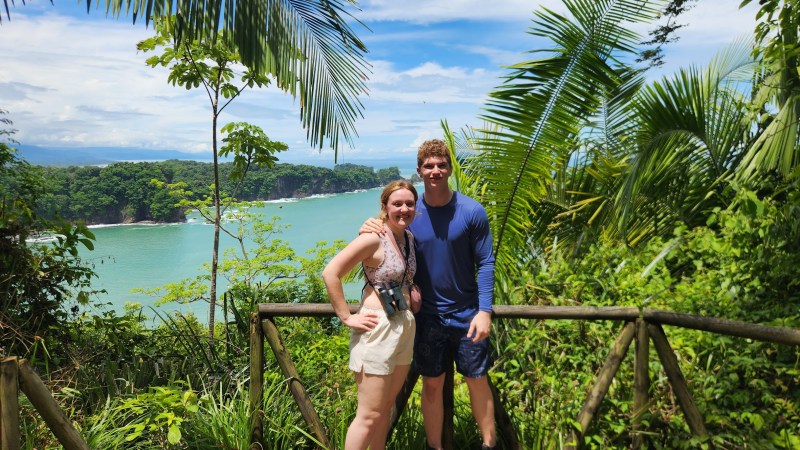
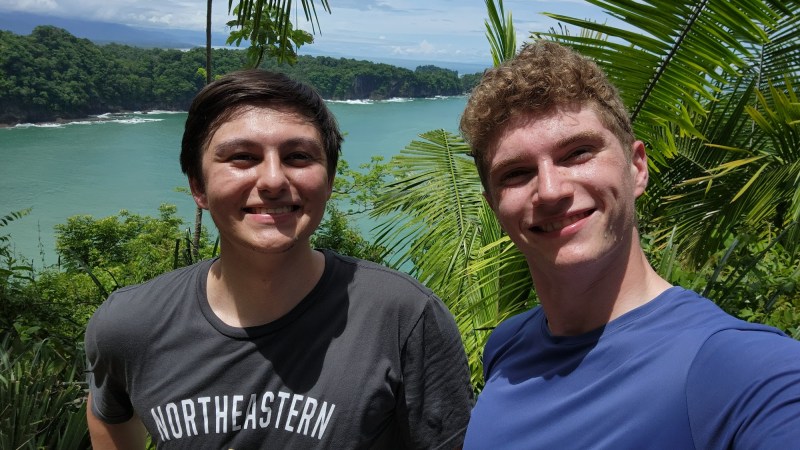
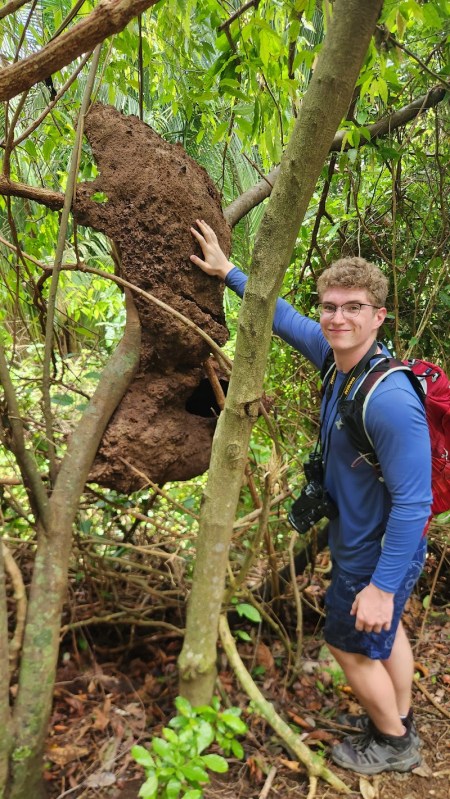
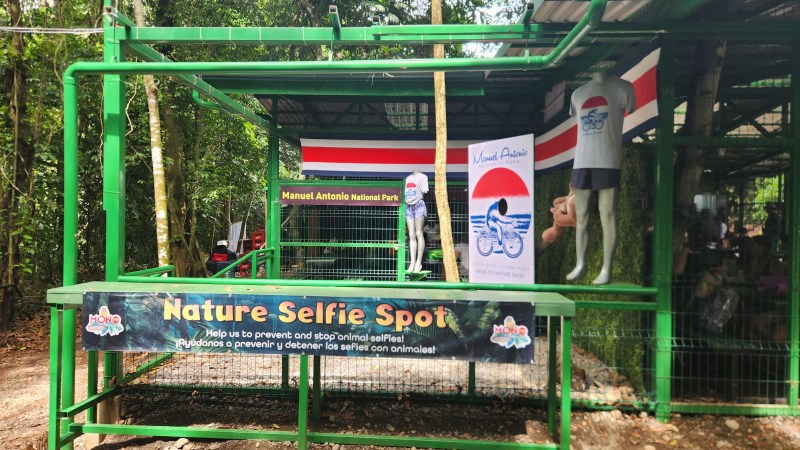
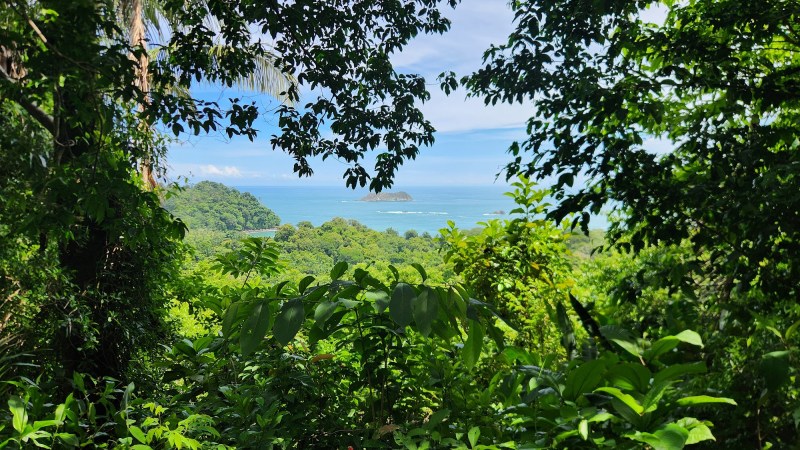
Manuel Antonio was by far our best location for mammals throughout the entire trip. Despite us visiting the park in broad daylight on an extremely crowded day, which in other areas is highly unconducive to wild mammal encounters, we nabbed an outstanding 12 mammal species there on Day 9.
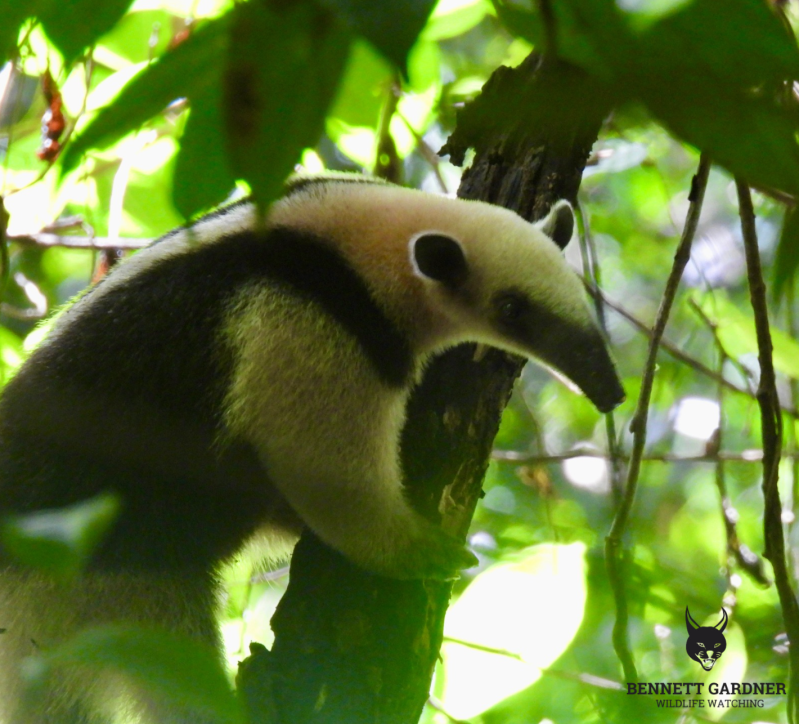
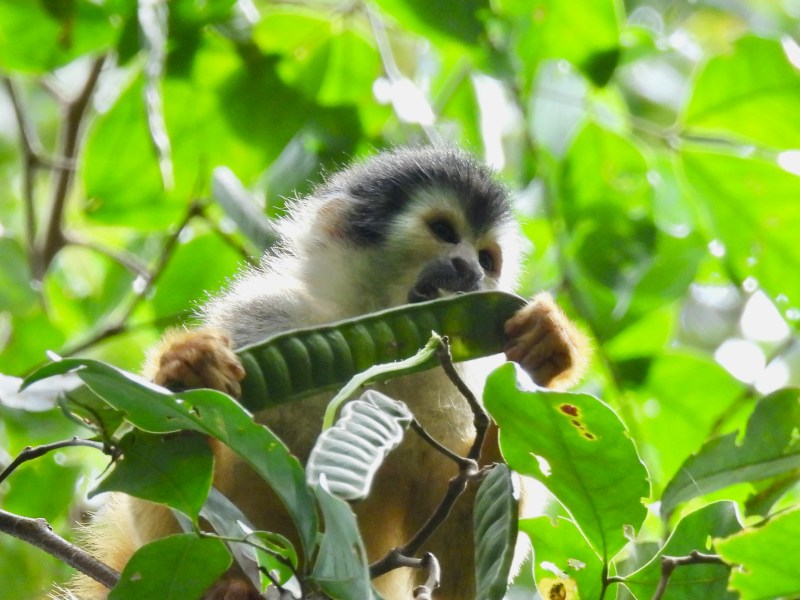
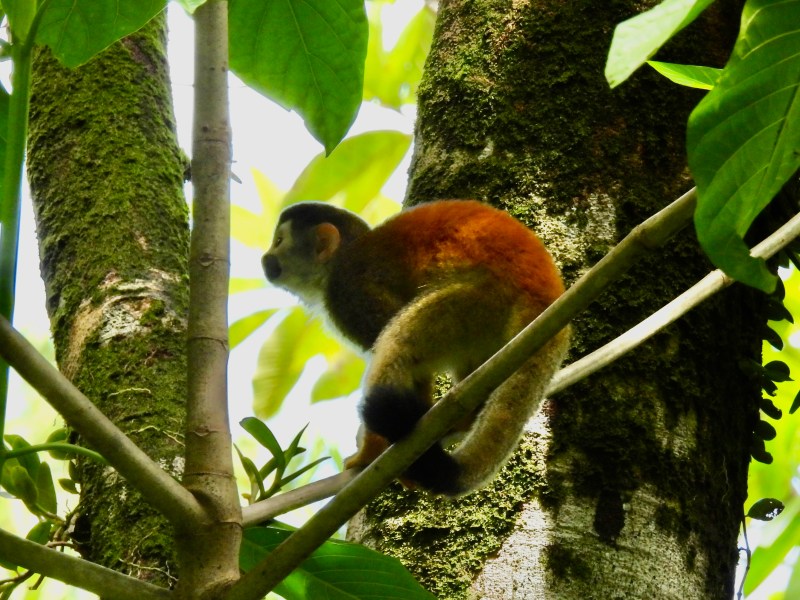
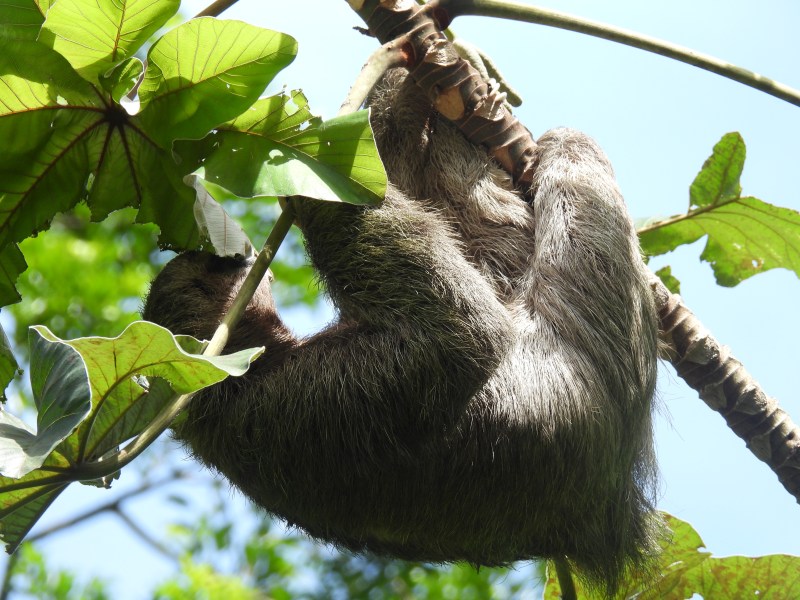
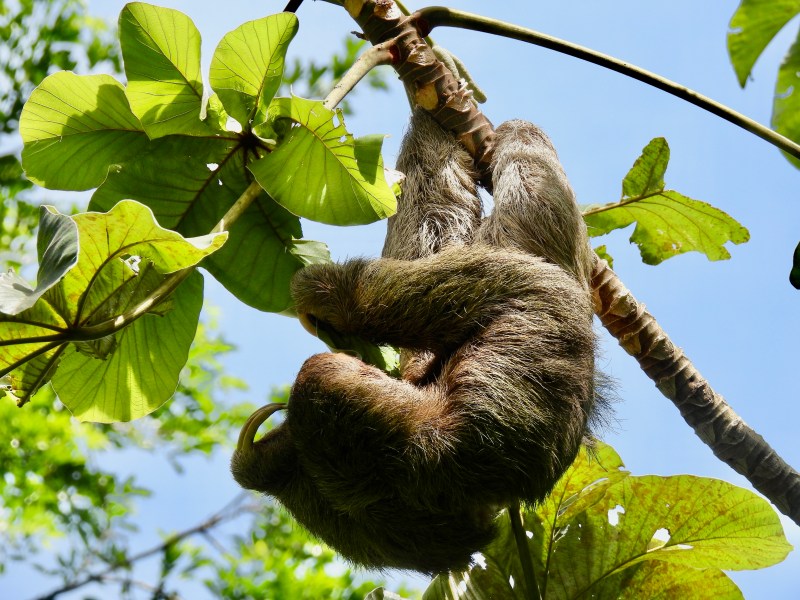
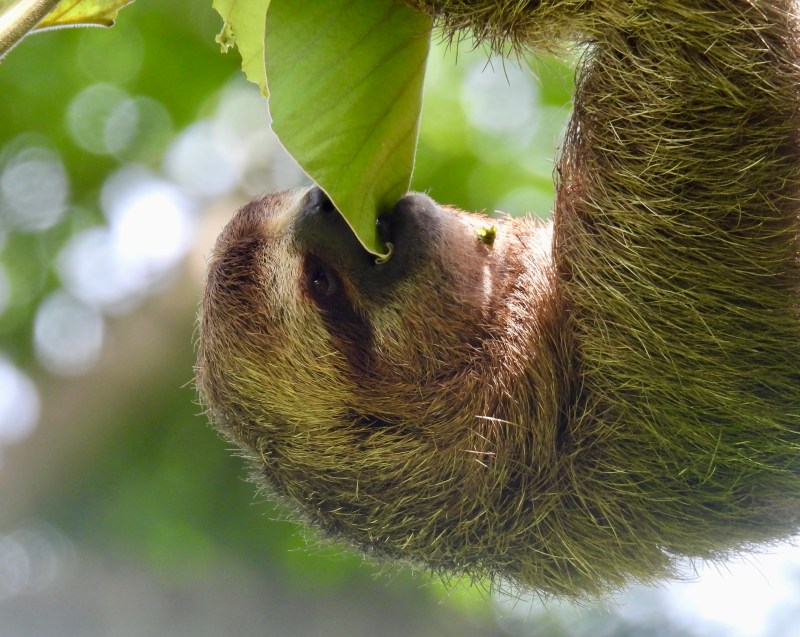
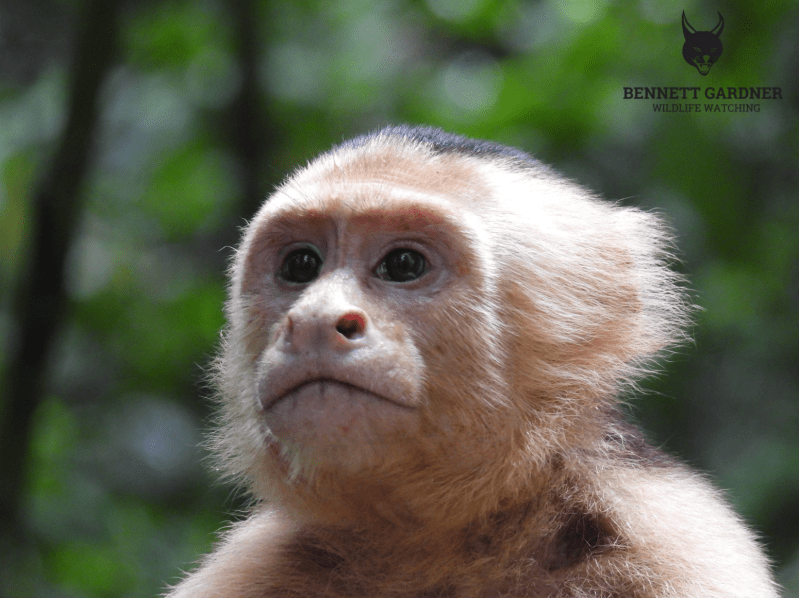
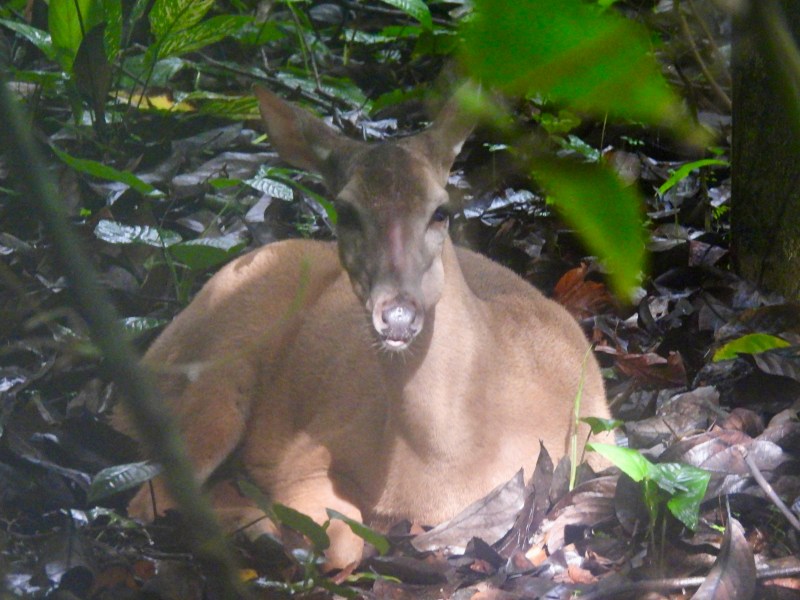
This included trip highlights like the Brown-Throated Three-Toed Sloth, which we observed feeding up-close, the locally endemic and endangered Gray-Crowned (citrinellus) subspecies of the Central American Squirrel Monkey, Tent-Making Bat, and another Northern Tamandua! We also spotted Hoffmann’s Two-Toed Sloth, Lesser White-Lined Bats, White-Nosed Coati, Common Raccoon, White-Tailed Deer, Central American Agouti, Mantled Howler Monkeys and many large, cheeky troops of White-Faced Capuchins.
I hypothesize that the dense, diverse populations of mammals we observed in Manuel Antonio are present there due to several factors. First and foremost, the strict protection of Manuel Antonio’s wildlife and habitats by the Costa Rican government allows for diverse populations of mammals to survive within the confines of the park and increase in size. This, coupled with the park’s small size, and the fact that its borders are edged in by palm oil plantations (similar to the Kinabatangan Floodpain in Borneo), prevents mammal migration and dispersal to other nearby habitats and makes species locally abundant and habituated to human visitors.
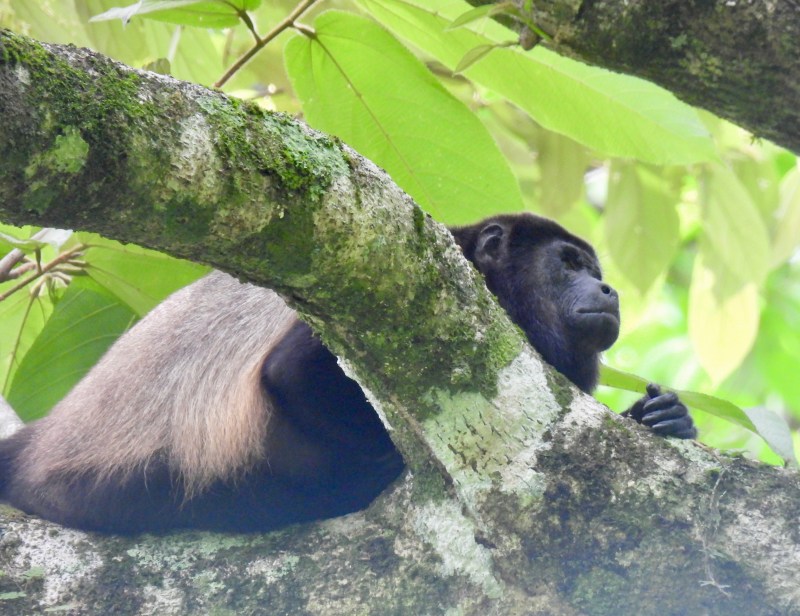
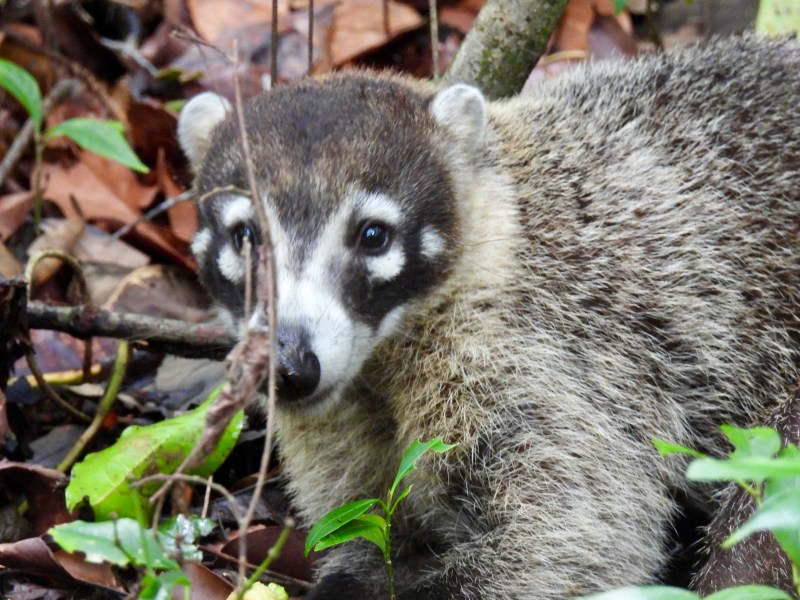
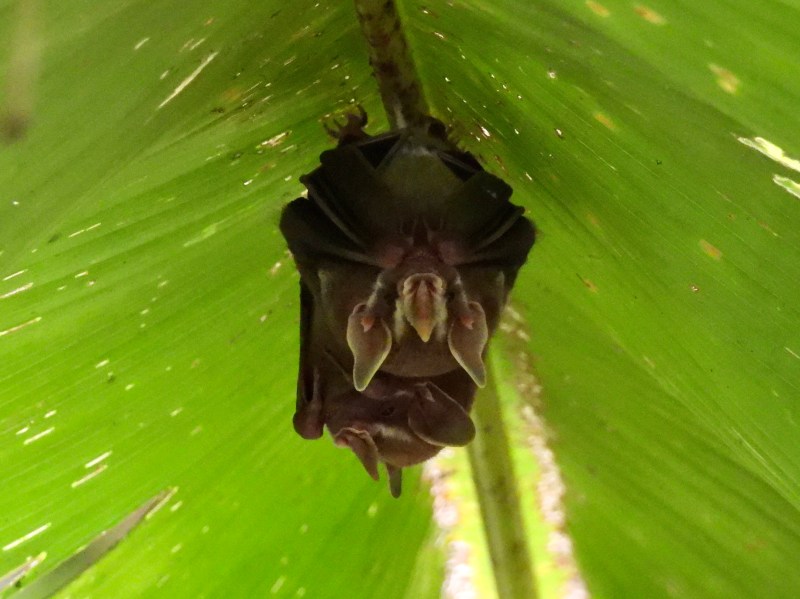
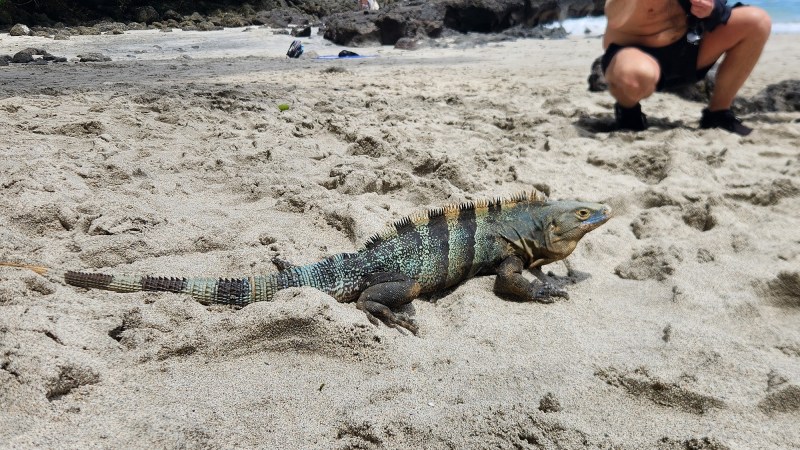
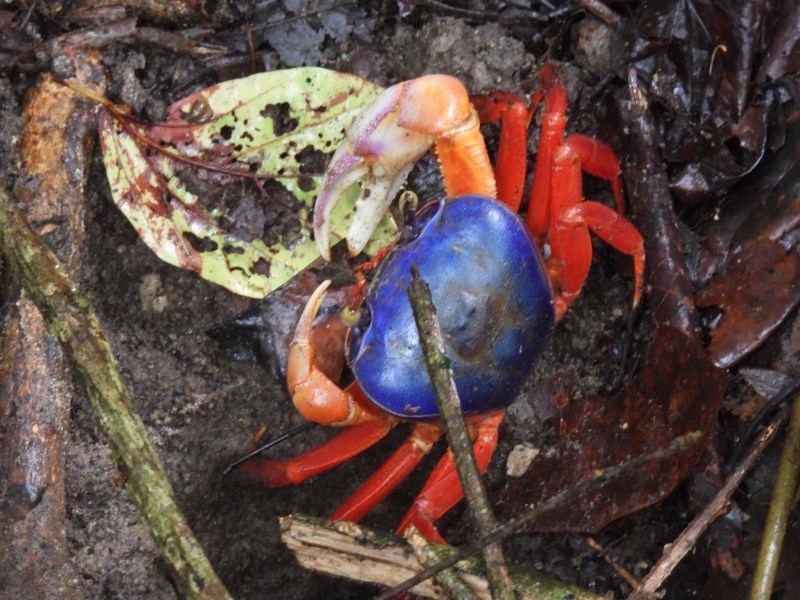
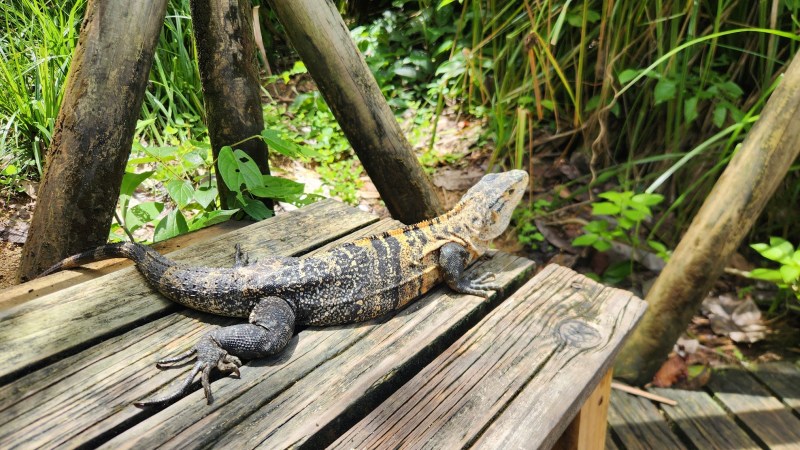
Apart from mammals, we saw plenty of colorful Mouthless Crabs (Gecarcinus quadratus) in the mangroves, Black Spiny-Tailed Iguanas (Ctenosaura similis) on the beach, two birds; the Plain Xenops and Black-Hooded Antshrike, and many ants, including many large trails of Leafcutter Ants (Atta cephalotes and Acromymex coronatus), a new species of Army Ant (Eciton hamatum), and a couple other interesting genera (Azteca sp, Cephalotes sp, Ectatomma sp)
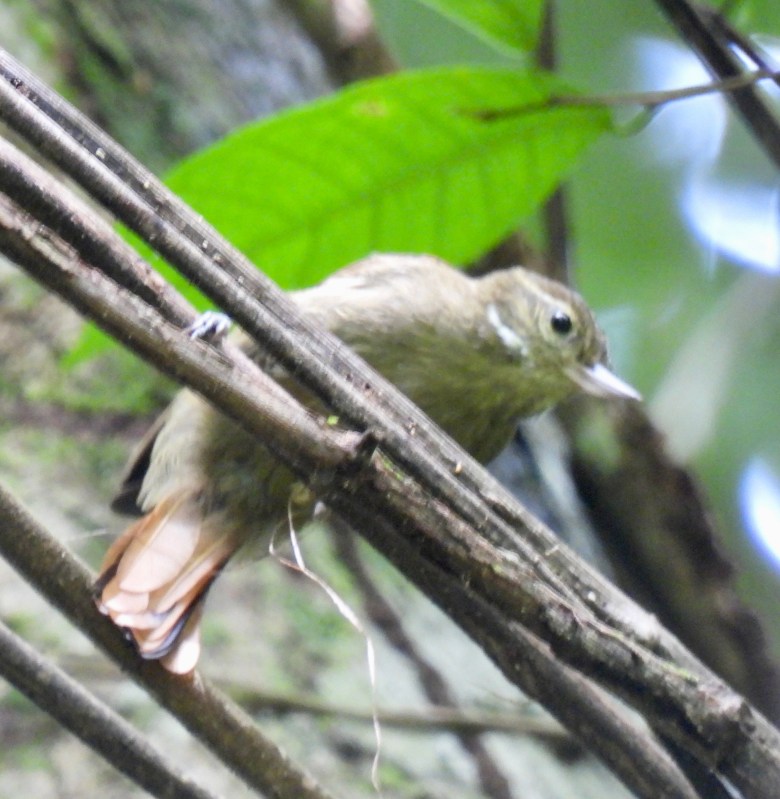
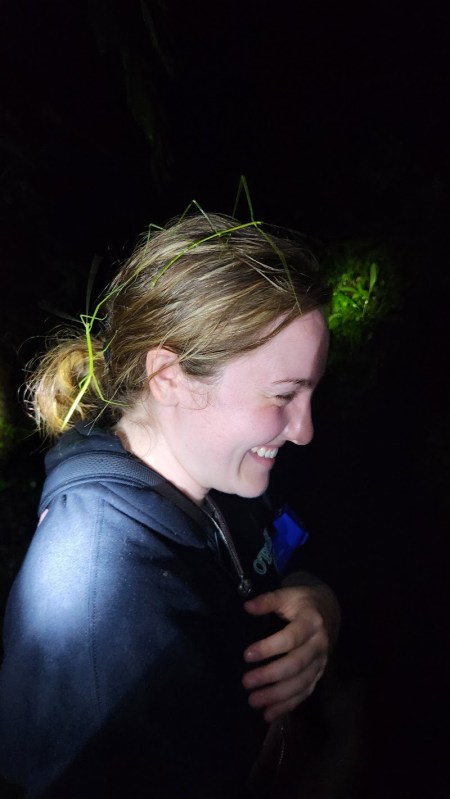
After our fun expedition around Manuel Antonio National Park, we were all a bit tired but still decided to book a final night walk at a private nature reserve about 20 minutes outside Quepos. Though it wasn’t our best night tour of the trip, especially since it was pouring rain the entire time, we got a few final amphibians, birds, and arthropods which ended our Costa Rica trip on a high note. We arrived at the reserve a little before dark in the rain, where we met up with our guide under a sheltered pavilion. He proceeded to guide us through the rainforest section of the reserve, where we saw a variety of different species including Boulenger’s Snouted Tree Frog (Scinax boulengeri), Helmeted Iguana (Corytophanes cristatus), Bicolored Bark Scorpions (Centruroides bicolor) Wandering Spiders (Ancylometes sp.), Stick Insects (Oncotophasma sp.), and even two final bird lifers: the Ochre-Bellied Flycatcher and a pair of Black-Throated Trogons.
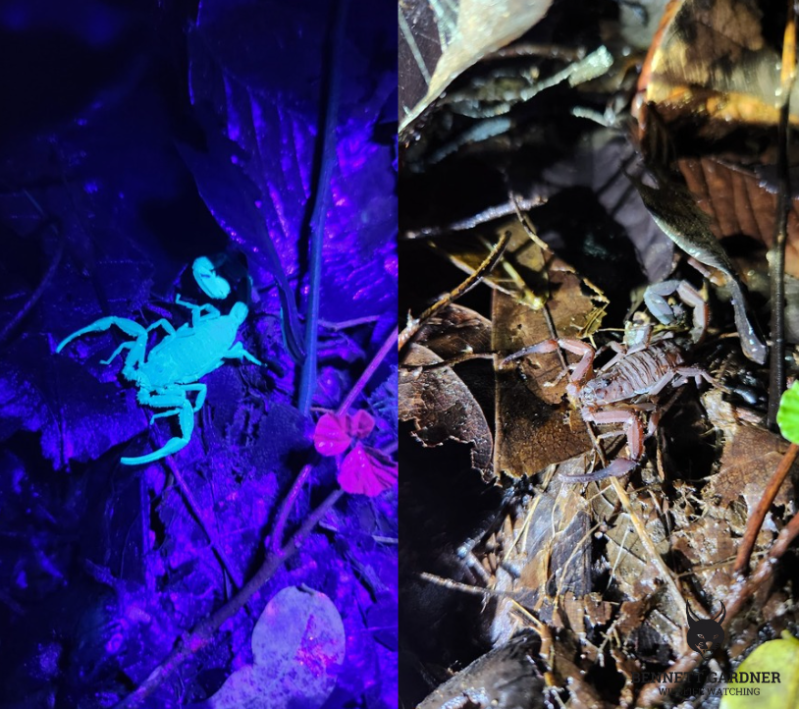
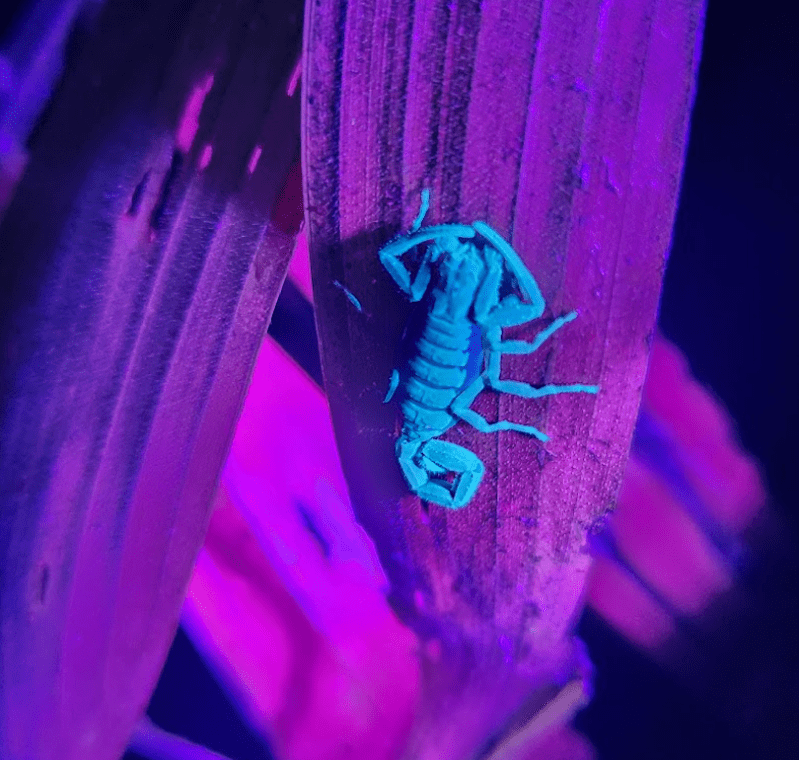
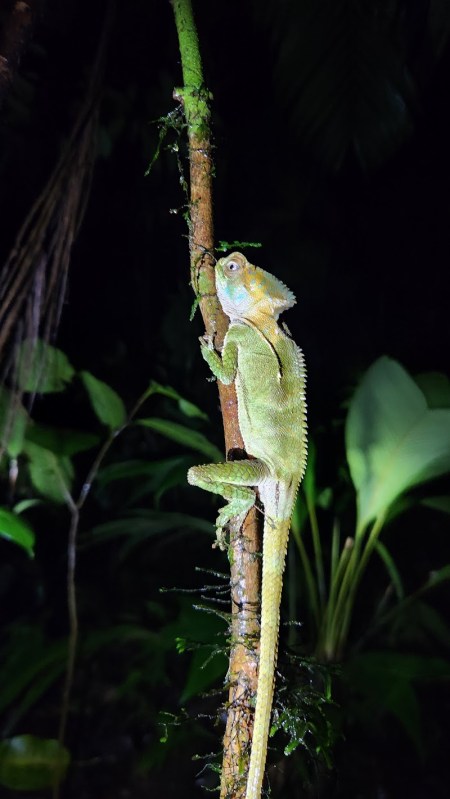
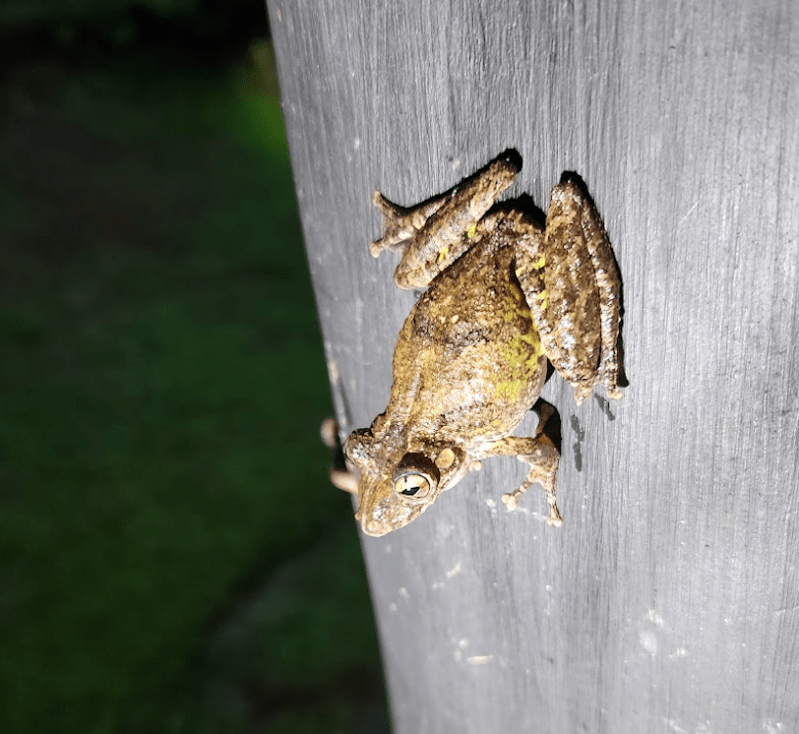
After the rainforest part of the tour, our guide brought us to a large, artificial pond in the center of the reserve which serves as a breeding area to many different amphibians, especially frogs. We saw a range of frog species there, including the Pacific morph of the Red-Eyed Tree Frog (Agalychnis callidryas), an Hourglass Tree Frog (Dendropsophus ebraccatus), and many Giant Toads (Rhinella horribilis) and Savage’s Thin-Toed Frogs (Leptodactylus savagei).
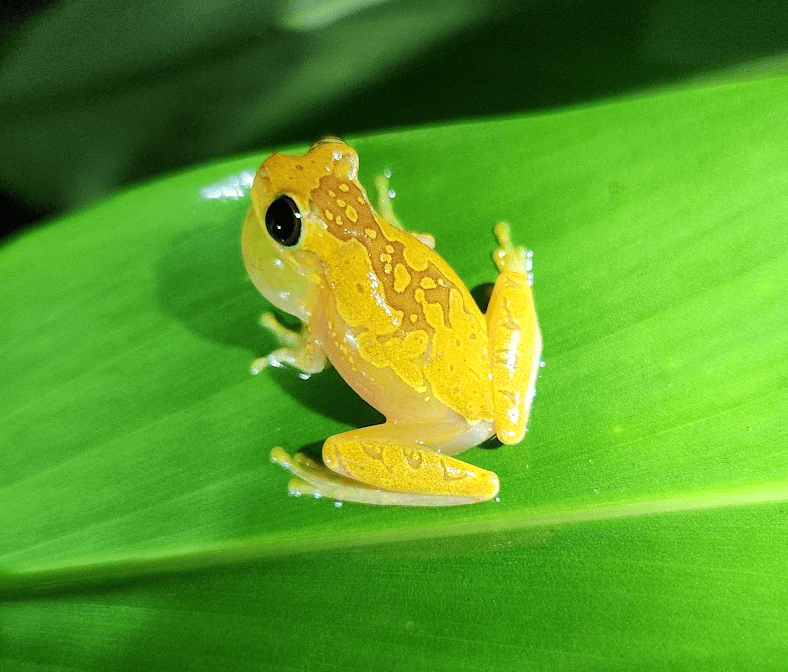
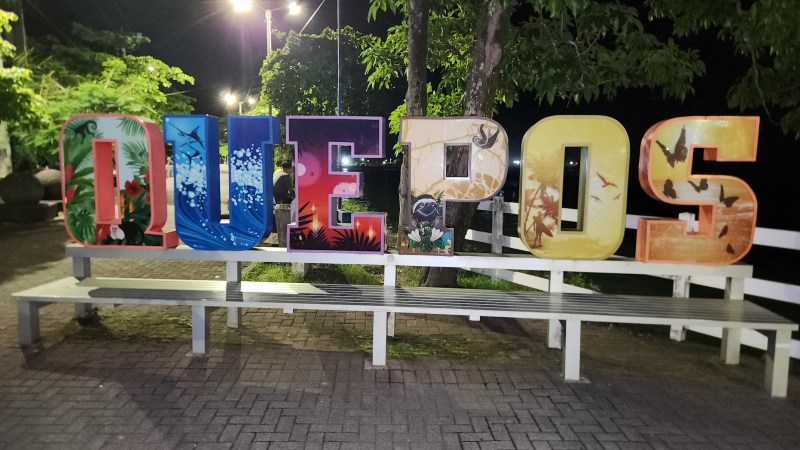
After our night tour, we grabbed some ice cream in the Quepos town center, then headed to bed early in preparation for our flight out of Costa Rica the next morning on Day 10 (June 13th), which turned out to be a total disaster. Our flight out of San Jose to Charlotte was delayed and then cancelled as we were driving to the airport! We ended up being put in an airport hotel for 24 hours by our airline with laughable $10 food vouchers only good for the Denny’s at the hotel! Luckily, we we made it home safe and sound the next day, with no additional delays. A chaotic end to a wonderful trip!
My 2024 Costa Rica adventure with Seba and Celia was definitely one of my favorite eco-trips I’ve taken in a long time. If you haven’t read the first two chapters of our trip: La Fortuna and Monteverde, be sure to check out those two blog posts so you can read about our entire eco-adventure from the start.
Over the course of ten days, we managed to squeeze in much of what this tiny, nature-filled Central American nation has to offer! From beaches to volcanos to cloud forest to rainforest, from anteaters to macaws to vipers to spider monkeys, we saw almost everything! Our species lists are definitely impressive for the limited time we spent at each place, and I hope to one day return to Costa Rica to study its magical wildlife. I’m really grateful to have had the chance to return to the very country that truly kick-started my passion for nature, and to do it with two friends that share my interests and whom I trust. Thank you Seba and Celia for letting me join you on your Costa Rican adventure, and the memories we made will last a lifetime! The three of us have got to do another eco-trip together! Till next time, and thank you for reading,
-Bennett
Costa Rica (2024) Mammal Species Recorded: (23 total, 17 lifers)
- Northern Tamandua (Lifer)
- Geoffroy’s Spider Monkey (Lifer)
- Collared Peccary (Lifer)
- Kinkajou (Lifer)
- Hoffmann’s Two-Toed Sloth (Lifer)
- Brown-Throated Three-Toed Sloth (Lifer)
- Gray Four-Eyed Opossum (Lifer)
- Derby’s Woolly Opossum (Lifer)
- Common Opossum (Lifer)
- Mexican Hairy Dwarf Porcupine (Lifer)
- Central American Squirrel Monkey (Lifer)
- Fishing Bat (Lifer)
- Proboscis Bat (Lifer)
- Lesser White-Lined Bat (Lifer)
- Tent-Making Bat (Lifer)
- Variegated Squirrel (Lifer)
- Tapeti (Lifer)
- White-Nosed Coati
- White-Faced Capuchin
- Mantled Howler Monkey
- Central American Agouti
- White-Tailed Deer
- Common Raccoon
Costa Rica (2024) Bird Species Recorded: ( 71 total, 56 lifers)
- Scarlet Macaw (Lifer)
- Resplendent Quetzal
- Great-Tailed Grackle (Lifer)
- White-Winged Dove (Lifer)
- Clay-Colored Thrush (Lifer)
- Rufous-Tailed Hummingbird (Lifer)
- White-Necked Jacobin (Lifer)
- Keel-Billed Toucan (Lifer)
- Yellow-Throated Toucan
- Montezuma Oropendola
- Red-Lored Parrot (Lifer)
- Orange-Billed Sparrow (Lifer)
- Red-Throated Ant Tanager (Lifer)
- Spectacled Owl (Lifer)
- Collared Aracari (Lifer)
- Blue-Gray Tanager
- Hoffmann’s Woodpecker (Lifer)
- Great Kiskadee
- Scarlet-Rumped Tanager
- Black Vulture
- Red-Winged Blackbird
- Common Pauraque (Lifer)
- Lesson’s Motmot (Lifer)
- Crested Guan (Lifer)
- Bicolored Antbird (Lifer)
- Turkey Vulture
- Violet-Headed Hummingbird (Lifer)
- Rufous Motmot (Lifer)
- Crowned Wood-Nymph (Lifer)
- Tawny-Faced Gnatwren (Lifer)
- Blue-Backed Grosbeak (Lifer)
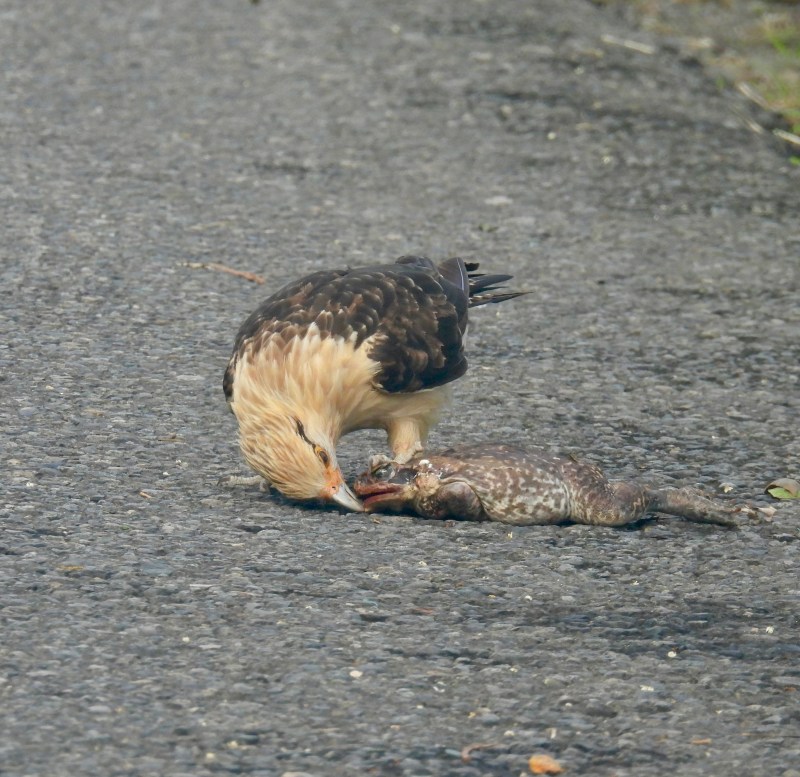
- Crested Caracara (Lifer)
- Great Curassow (Lifer)
- Western Cattle Egret
- Swallow-Tailed Kite (Lifer)
- Lesser Violet-Ear (Lifer)
- Purple-Throated Mountain Gem (Lifer)
- Green-Crowned Brilliant (Lifer)
- Violet Sabrewing (Lifer)
- Green Hermit (Lifer)
- Stripe-Tailed Hummingbird (Lifer)
- Emerald Toucanet
- White-Throated Thrush (Lifer)
- Black-Faced Solitaire (Lifer)
- Common Chlorospingus (Lifer)
- Black-Headed Nightingale-Thrush (Lifer)
- Coppery-Headed Emerald (Lifer)
- Gray-Breasted Wood Wren (Lifer)
- Yellow-Throated Euphonia (Lifer)
- White-Eared Ground Sparrow (Lifer)
- Yellowish Flycatcher (Lifer)
- Costa Rican Warbler (Lifer)
- Bananaquit (Lifer)
- House Wren (Lifer)
- Morelet’s Seedeater (Lifer)
- Variable Seedeater (Lifer)
- Thick-Billed Seed Finch (Lifer)
- Tropical Kingbird (Lifer)
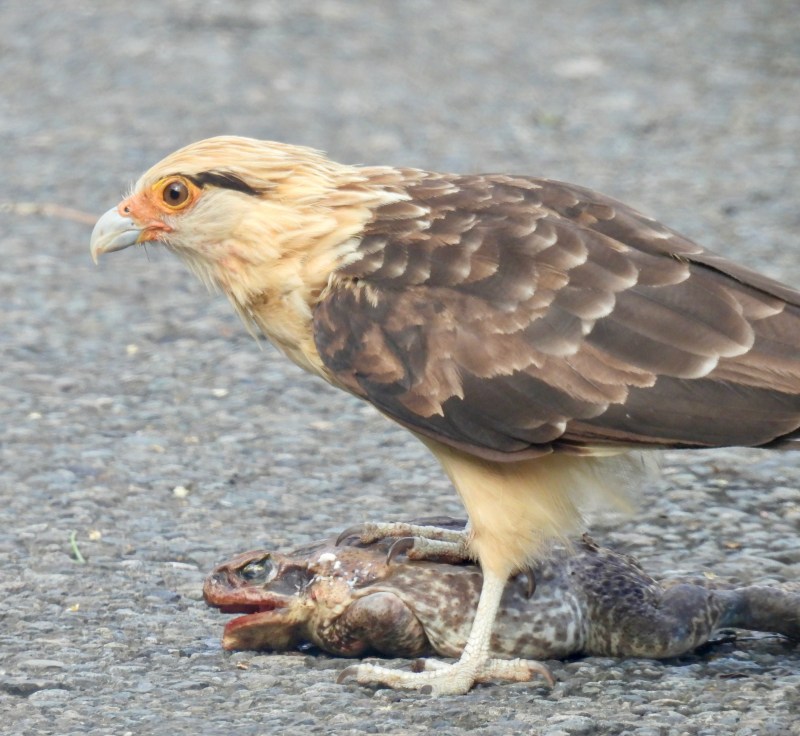
- Yellow-Headed Caracara (Lifer)
- Gray-Cowled Wood Rail (Lifer)
- Brown Pelican
- White Ibis
- American Pygmy Kingfisher (Lifer)
- Black-Hooded Antshrike (Lifer)
- Plain Xenops (Lifer)
- Ochre-Bellied Flycatcher (Lifer)
- Black-Throated Trogon (Lifer)
- Purple Gallinule (Lifer)
- Northern Rough-Winged Swallow (Lifer)
- Gray-Headed Chachalaca (Lifer)
- Silver-Throated Tanager (Lifer)
Costa Rica (2024) Reptile and Amphibian Species Recorded: (34 total)
- Eyelash Pit Viper– small, beautiful individual spotted (after searching for quite some time), on the side of the trail at Tenorio Volcano NP coiled around a tree branch. Charismatic snake and a bucket-list species for Seba and Bennett
- Central American Tree Boa– medium-sized (4.5ft) individual of this beautiful species spotted on a tree branch about quite close to our boat in Rio Cotos tributary on night boat tour
- Boa Constrictor– juvenile spotted by our guide coiled around a mangrove stilt root along the Rio Cotos on night boat tour
- Side-Striped Palm-Pit Viper– pretty snake pointed out by our guides coiled around a branch on night tour at Monteverde Cloud Forest Biological Reserve
- Cope’s False Coral Snake– beautiful snake; we watched it slither into the leaf litter on side of jungle trail during our night walk at La Selva Biological Station
- Ornate Cat-Eyed Snake– juvenile seen first night coiled around a tree branch at Treehouse Hotel; another individual resting on a palm frond at Mistico Hanging Bridges
- Mangrove Cat-Eyed Snake– got an up-close observation of this cute little species along the banks of Rio Cotos tributary on night boat tour
- Blunt-Headed Tree Snake– spotted by Octavio in a tree next to a suspension bridge during night walk at La Selva Biological Station
- Red-Eyed Tree Frog– we saw both Pacific and Caribbean morphs on this trip; male adolescent Caribbean morph with eggs in frog garden at Treehouse Hotel; adult Pacific morph perched on a banana leaf on final night tour near Quepos; a colorful and distinctive target species for Bennett and Seba
- Yellow-Spotted Night Lizard– spotted by Octavio on side of jungle trail during night walk at La Selva Biological Station
- Border Anole– Treehouse Hotel on first night during tour; many other locations including Mistico Hanging Bridges and Tenorio Volcano NP
- Green Iguana– common in trees and in open areas in La Fortuna and Quepos; saw a large one in a tree along Rio Cotos tributary on night boat tour
- Black Spiny-Tailed Iguana– we saw many in trees and in open areas in La Fortuna and Quepos
- Middle American Ameiva– one seen briefly at Don Olivo chocolate plantation, many at Mistico Hanging Bridges
- Common House Gecko– on the wall of research building at La Selva Biological Station during night walk, also Casa de Tucan in La Fortuna and many other locations
- Decorated Anole– observed a male on a tree trunk in close proximity to the trail at Mistico Hanging Bridges performing a mating display with his dewlap
- American Crocodile-saw a couple basking on a riverbank along the Tarcoles River
- Common Basilisk– 3 individuals spotted along Rio Cotos tributary on night boat tour
- Yellow-Headed Gecko– one individual seen briefly at Hotel Nova
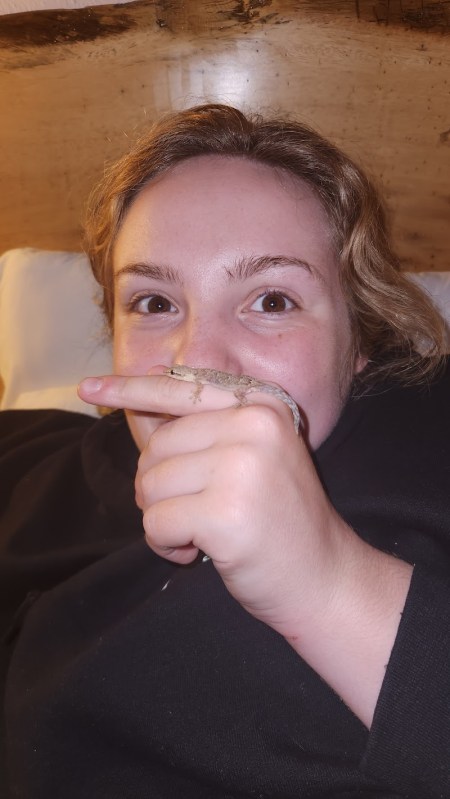
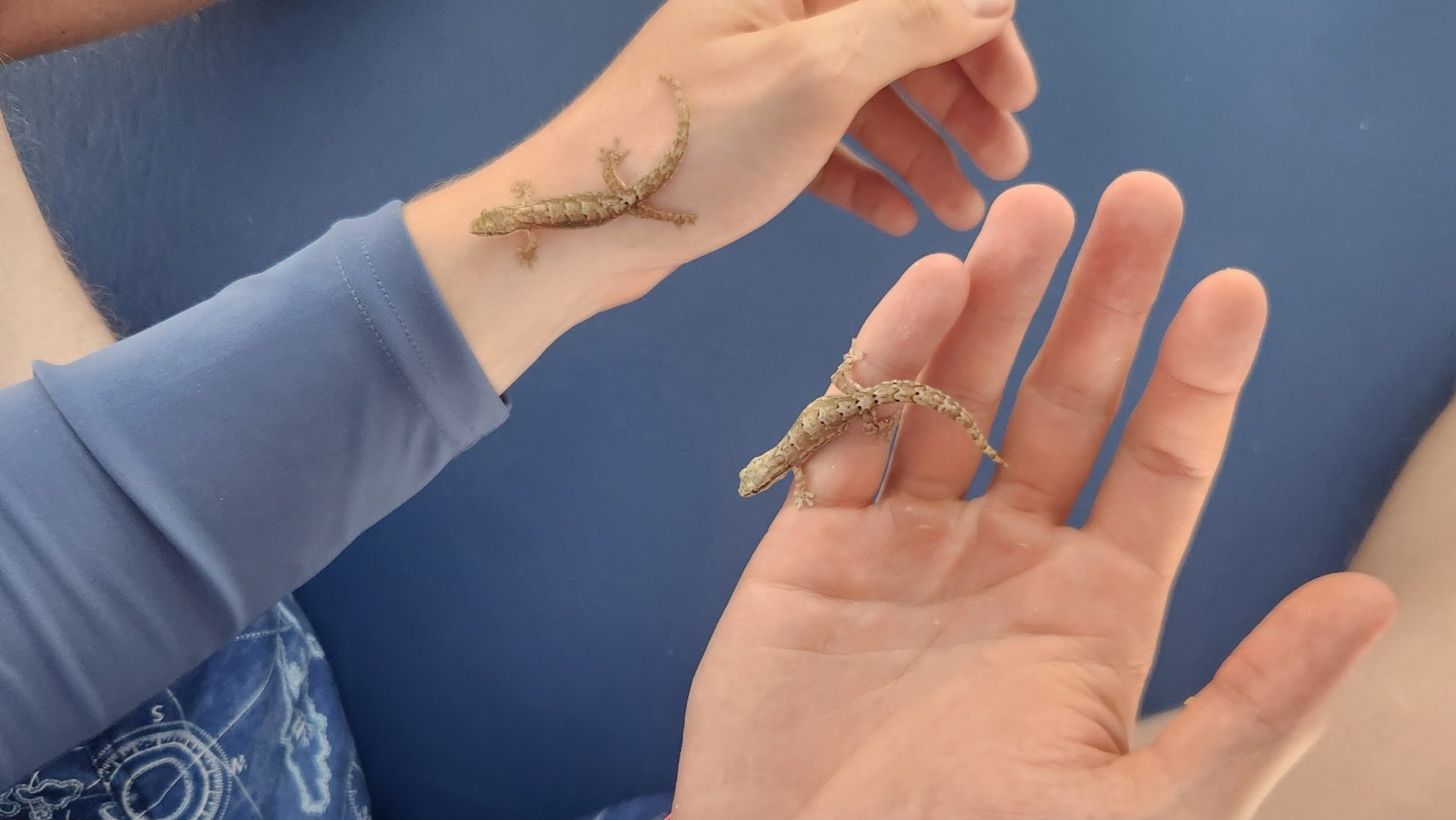
- Mourning Gecko-tons of this species on the walls of Hotel Nova in Quepos; caught a bunch and were able to observe them for awhile before releasing
- Green Basilisk– one female basking on a boulder near Rio Celeste Waterfall, Tenorio Volcano NP
- Siderolamprus haylaius– one individual of this elusive galliwasp species seen in the crown of a palm at Mistico Hanging Bridges
- Giant Toad– several large individuals at Treehouse Hotel, final night tour near Quepos, and at La Selva Biological Station during night walks
- Savage’s Thin-Toed Frog– Large and distinctive; saw many at Treehouse Hotel at night and near pond on final night tour near Quepos
- Nicaragua Cross-Banded Tree Frog– seen on first night on guided tour of Treehouse Hotel property
- Common Tink Frog– seen on first night on guided tour of Treehouse Hotel property; also at La Selva Biological Station during our night walk and on night tour at Monteverde Cloud Forest Biological Reserve
- Blue Jeans (Strawberry) Dart Frog– many around at Treehouse Hotel, spotted mainly at night; two at Mistico Hanging Bridges
- Olive-Snout Treefrog– spotted by Octavio on side of jungle trail during night walk at La Selva Biological Station
- Pygmy Rain Frog– spotted by Octavio on side of jungle tail during night walk at La Selva Biological Station
- Wet Forest Toad– near research building at La Selva Biological Station during night walk
- Fleishmann’s Glass Frog– pointed out by our guides sitting on a leaf on night tour at Monteverde Cloud Forest Biological Reserve
- Brilliant Forest Frog– seen at El Salto Rope Swing along the river and on night tour at Monteverde Cloud Forest Biological Reserve
- Boulenger’s Snouted Tree Frog– many spotlighted on final night tour near Quepos
- Hourglass Tree Frog– one found by our guide on a leaf near a pond on final night tour near Quepos


Leave a Reply