

This post serves as a rather broad summary of the nature-related adventures I’ve had over the past year that I have not touched on previously.
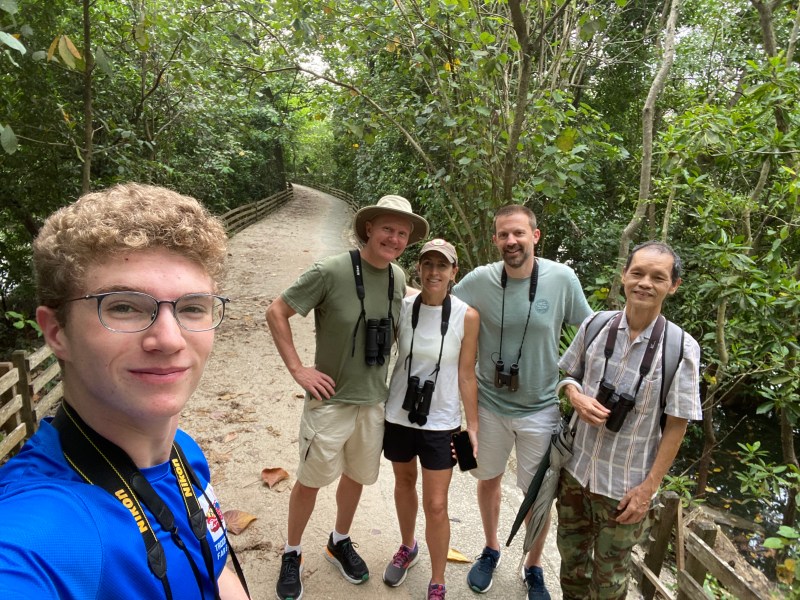
Starting off in August of 2023, I had the opportunity to partner with a local marine biologist, my friend Sek Chuan Chua, for an internship through the school program I was a part of. Sek is a highly intelligent and down-to-Earth professional— a true advocate for Singaporean biodiversity. He does a variety of work around Singapore, including guiding private nature tours with schoolchildren and conducting scientific research on coral reefs in Singapore’s Southern Islands. Sek and I met two years back on a school trip to Tioman Island, Malaysia. He was one of our guides/chaperones on the trip, and he and I instantly connected through our mutual passion for nature.
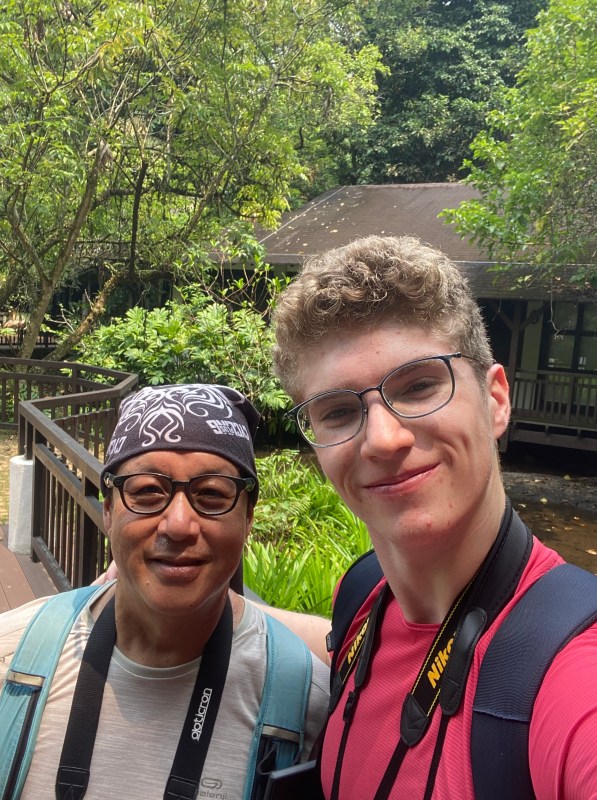
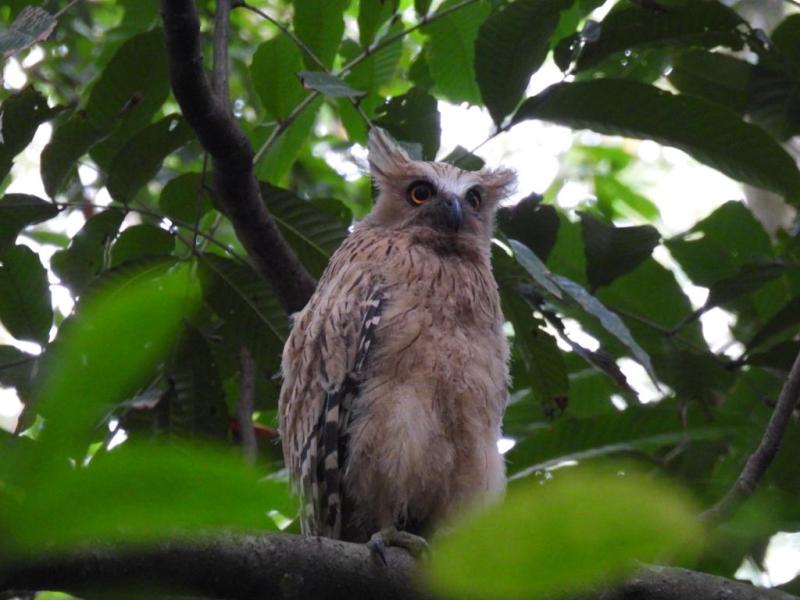
Last year, I got in touch with Sek about doing my school-sponsored internship with him, and to my delight he agreed. My internship lasted about three months (August-November 2023), and I participated in a variety of nature walks with different school and corporate groups during this time. Sek and I saw an enviable collection of Singaporean creatures, including one of my dream snake species, the King Cobra (Ophiophagus hannah), as well as Paradise and Twin-Barred Tree Snakes (Chrysopelea paradisi and Chrysopelea pelias), many Oriental Whip Snakes (Ahaetulla prasina), Malayan Colugo, Noble Volute snails (Cymbiola nobilis), Green Crested Lizard (Bronchocela cristatella), waders, monitor lizards, owls, crocodiles, migratory birds, insects, echinoderms, and cnidarians.
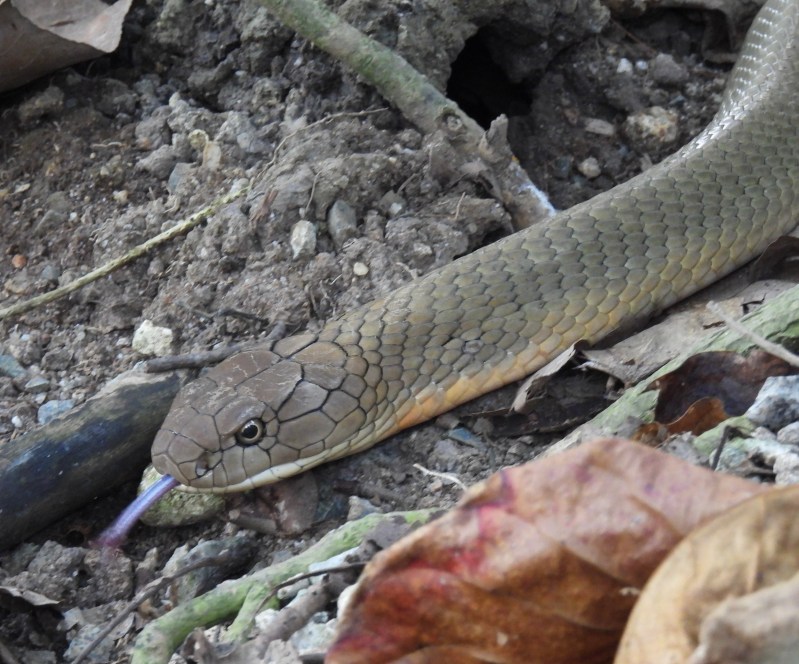

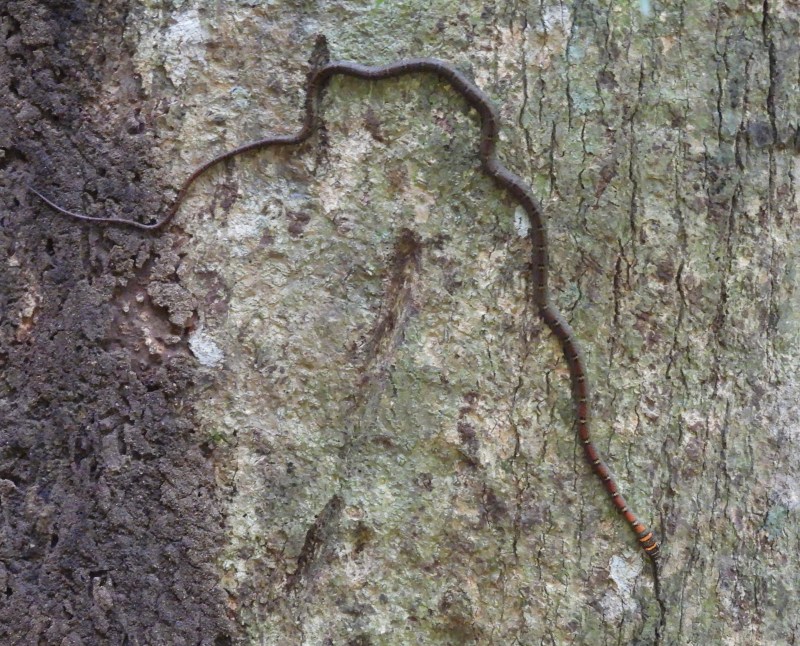


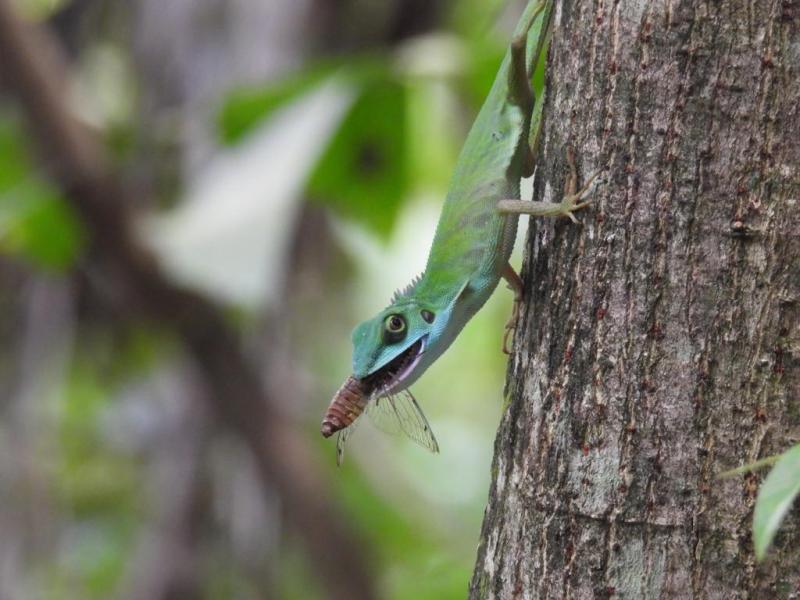
As my mentor, Sek taught me the basics of guiding nature tours, and helped me refine and present my passion for nature in a way that was palatable to the majority of people. I’m an exuberant person and sometimes my high energy and enthusiasm combined with my passion for nature comes off as eccentric and overbearing. Sek’s lessons were therefore valuable to me.
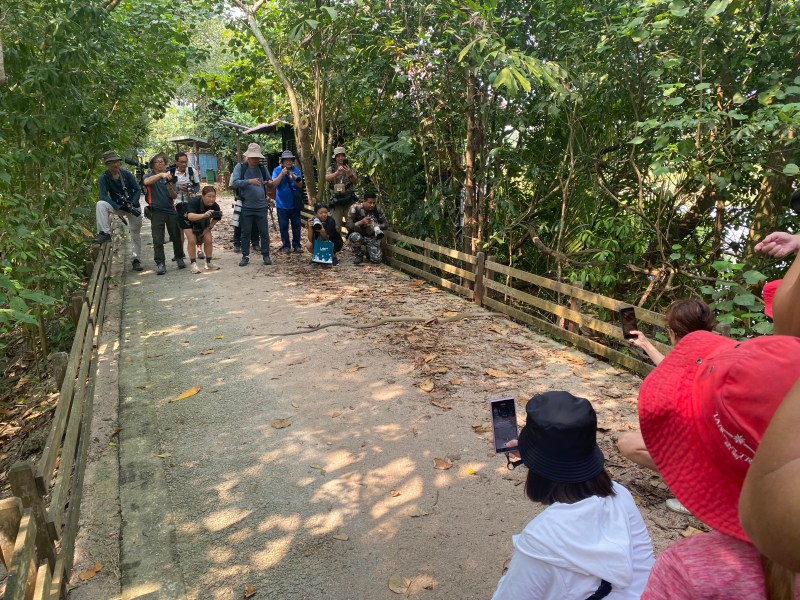
Sek is also highly knowledgeable about Singaporean flora and fauna; especially marine biodiversity. He taught me much of what I know about Singaporean nature during our internship. In fact, it was through Sek that I started to develop an much-increased interest in Singapore’s rich marine biota. This would later manifest itself through my newfound love of free-diving the coral reefs of Lazarus Island in southern Singapore, which I will talk about later in this post.
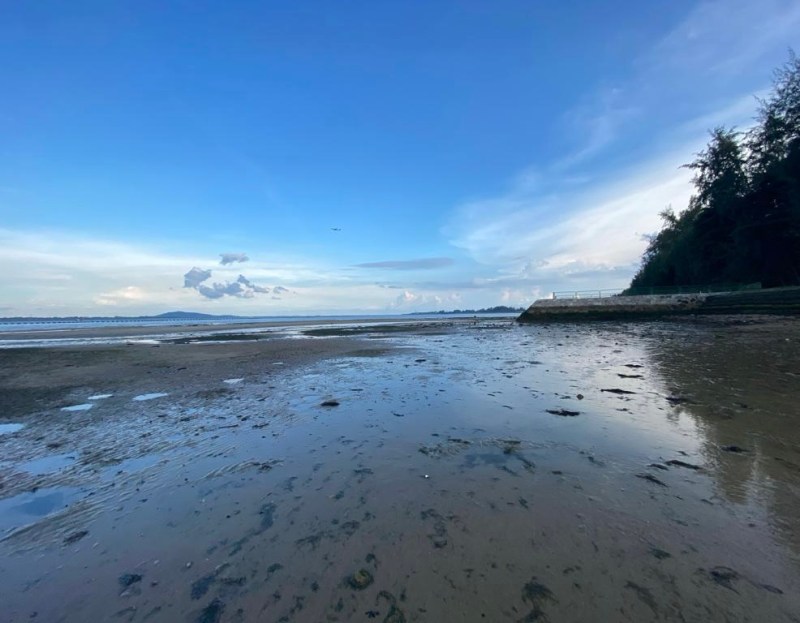
One of my fondest memories of my internship with Sek was my October 31st guided walk through the intertidal zone of Changi Beach in eastern Singapore Island. It was here that Sek introduced me to a world I barely knew existed: the Indo-Pacific intertidal zone. Neon-adorned Pink Warty Sea Cucumbers (Cercodemas anceps), beautifully-adorned Noble Volute snails, feather-like Sea Pens (Pteroeides sp.), and vibrant Orange-Striped Hermit Crabs (Clibanarius infraspinatus) dotted the silty expanse; a fascinating and resilient community of creatures that live under the constant ebb and flow of the tides. Learning about this unique ecosystem hands-on—one I knew barely anything about prior—sparked an immediate interest in Singaporean marine biota for me.
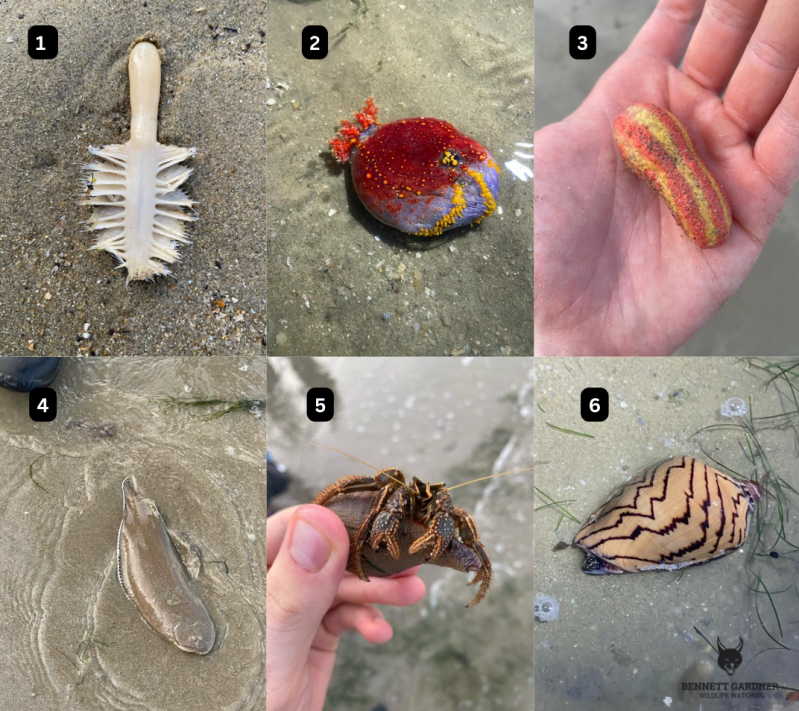
1. Sea Pen (Pteroeides sp.),
2. Violet Sea Apple (Pseudocolochirus violaceus),
3. Pink Warty Sea Cucumber (Cercodemas anceps),
4. Bengal Tongue Sole (Megaloblatta blaberoides), 5. Orange-Striped Hermit Crab (Clibanarius infraspinatus), 6. Noble Volute (Cymbiola nobilis)
Proceeding my internship with Sek, I did not embark on many nature expeditions the rest of 2023, save for the 4 days I spent birding in Fraser’s Hill, Malaysia in mid-October.
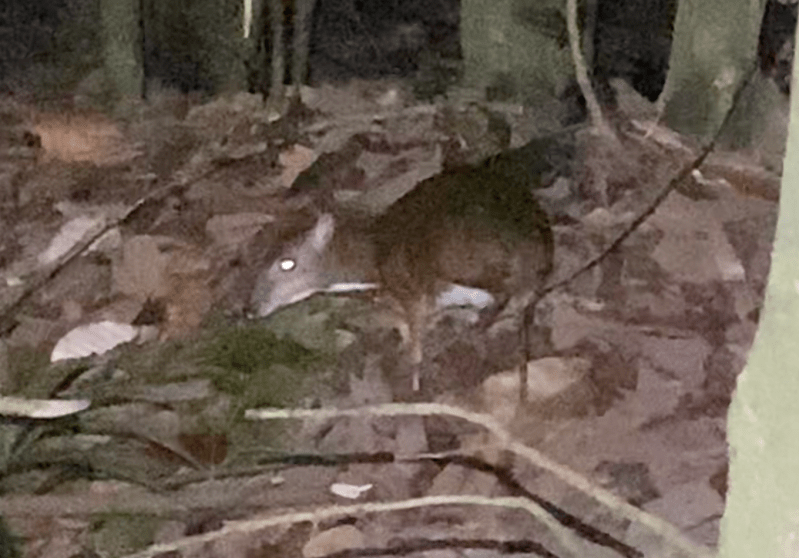
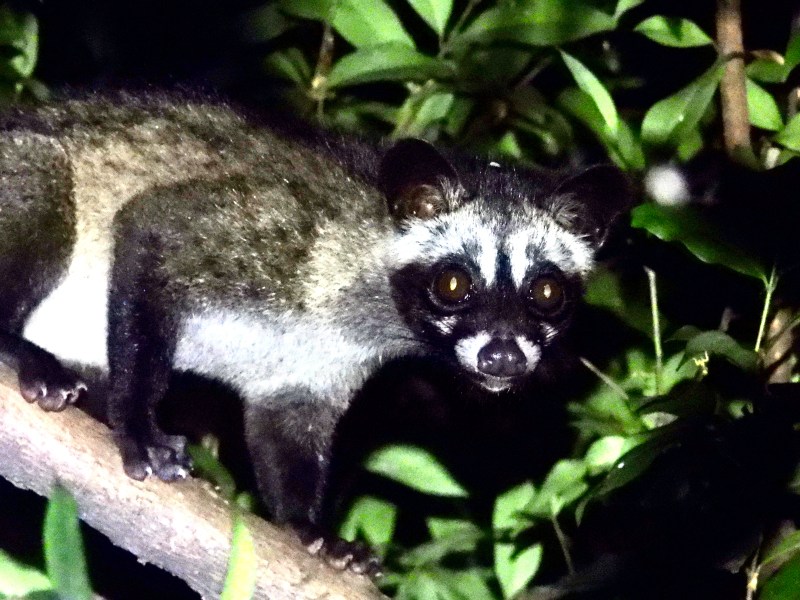
On January 13th, 2024, my dad and I went mammal-watching on the Mandai T15 Trail late at night. We had a successful outing, noting two Lesser Mouse-Deer, a Common Palm Civet, Cynopterus Fruit Bats, and a herd of reintroduced Sambar deer.
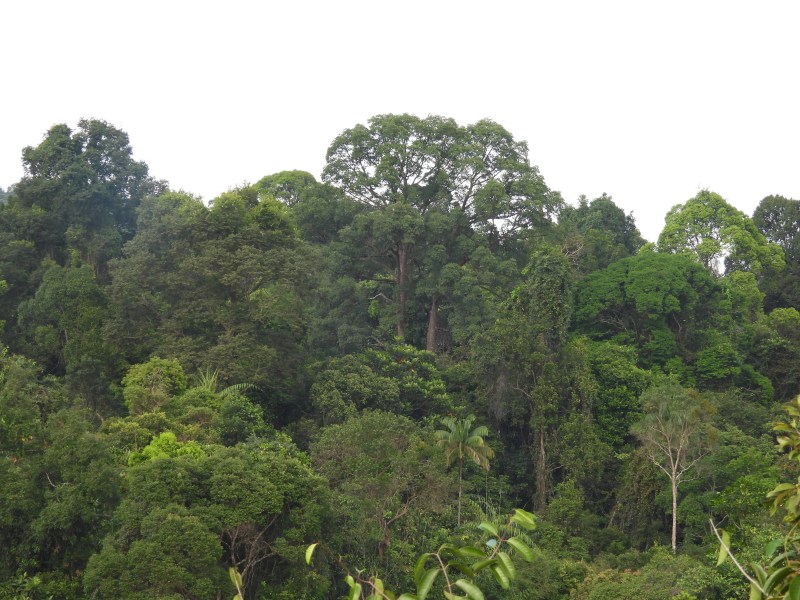
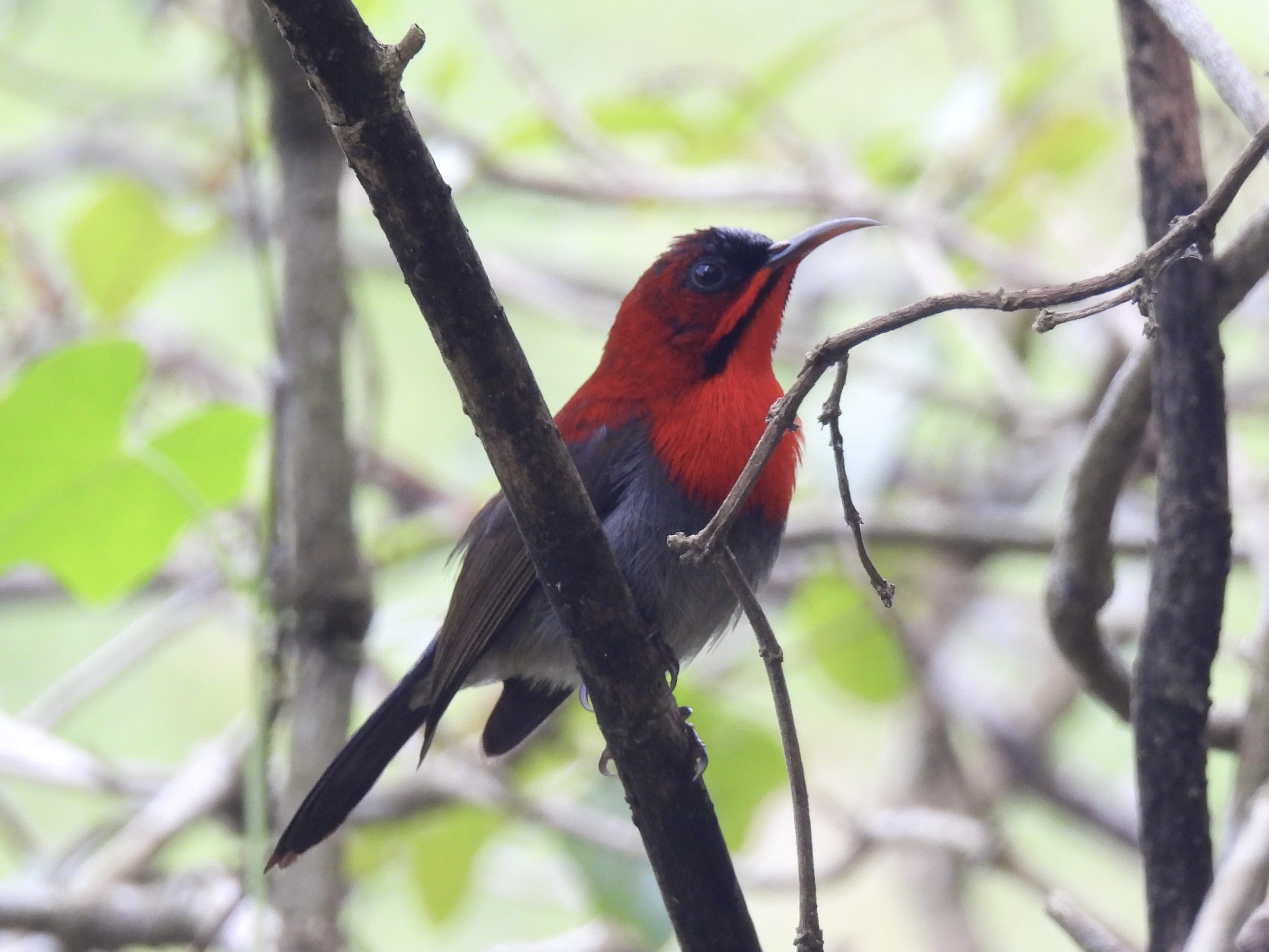
On January 28th, 2024, I went birding at the Central Catchment Nature Reserve in central Singapore, a rainforested watershed that is home to much of the nation’s remaining biodiversity. I traversed mature secondary and primary Malesian Dipterocarp forest— a threatened, primeval habitat that I want to study and conserve later in life. There wasn’t much birdlife to speak of, beyond some common forest species. A Crimson Sunbird at the reserve entrance was the highlight of the birding outing.
We move into early February of 2024, when my family embarked on an unforgettable 4-day SCUBA diving trip to Borneo; more specifically, three small islands south of Semporna in eastern Sabah, Malaysian Borneo.
We dove around the islands of Mabul, Kabali, and Sipadan during our trip, the latter of which has garnered the title of one of the world’s best dive sites. Sipadan’s excellent diving can be attested to its unique geology and its superb blend of pelagic and reef fishes. It is the only island in Malaysia not situated on a continental shelf, and rests on an isolated volcanic cone that juts 2,000 vertical feet (600m) from the surrounding sea floor.
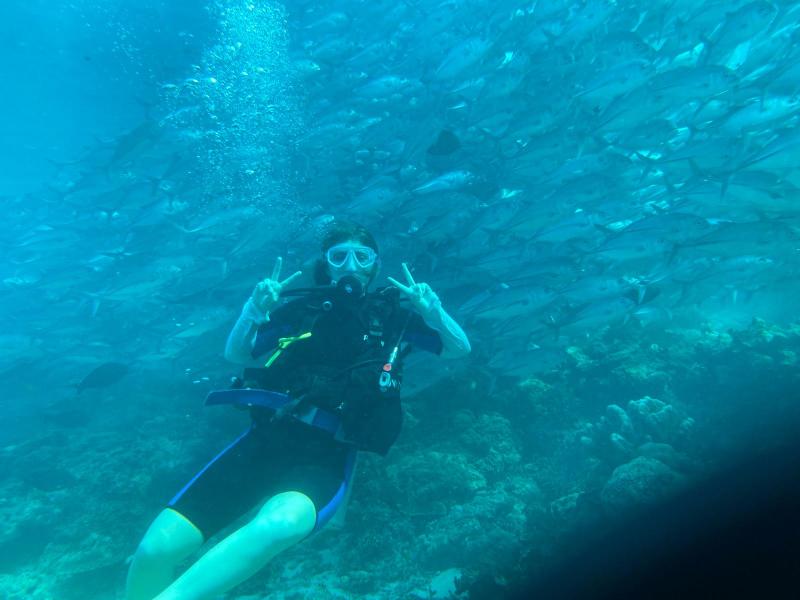
The close proximity of Sipadan’s reefs to the open ocean means pelagic fishes like barracudas, manta rays, and vast shoals of Big-Eye Trevally (Caranx sexfasciatus) often rub shoulders with reef creatures like sea turtles, Bumphead Parrotfish (Bolbometopon muricatum), and reef sharks. There are very few places around the world where such a spectrum of marine biodiversity can be experienced on a single dive.
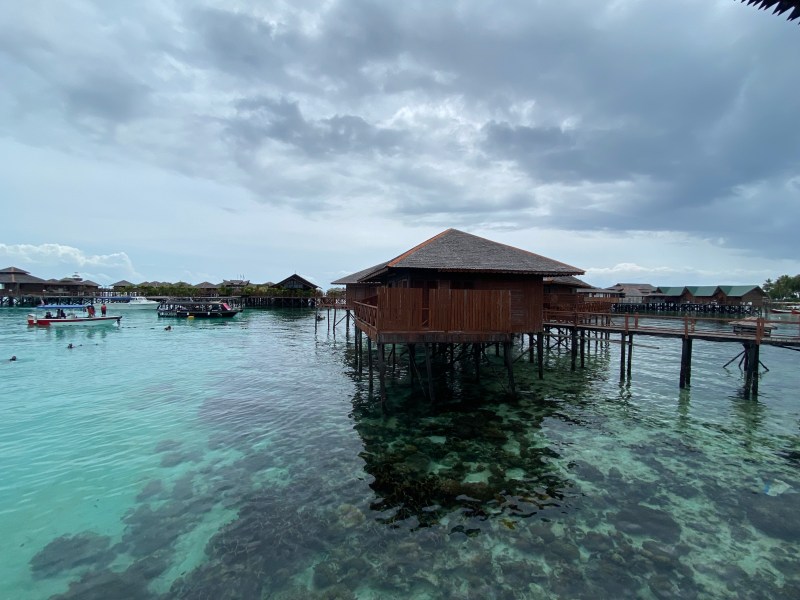
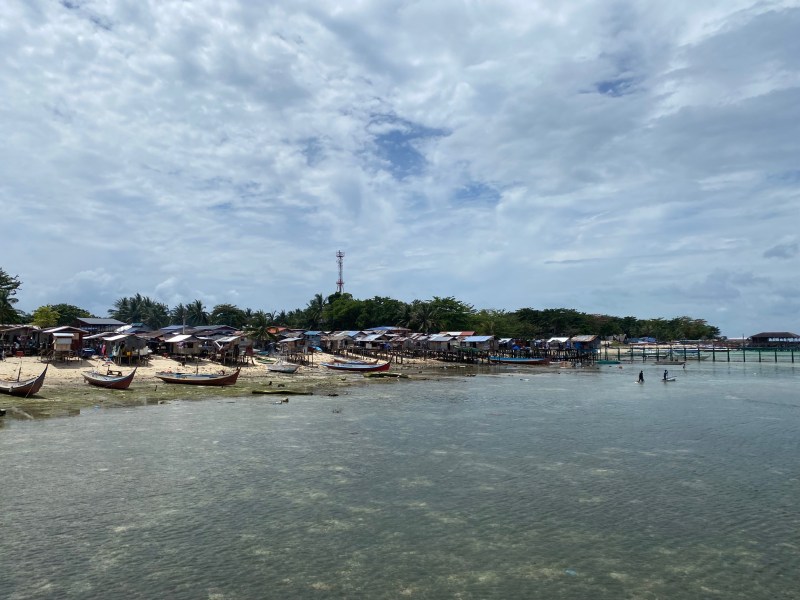
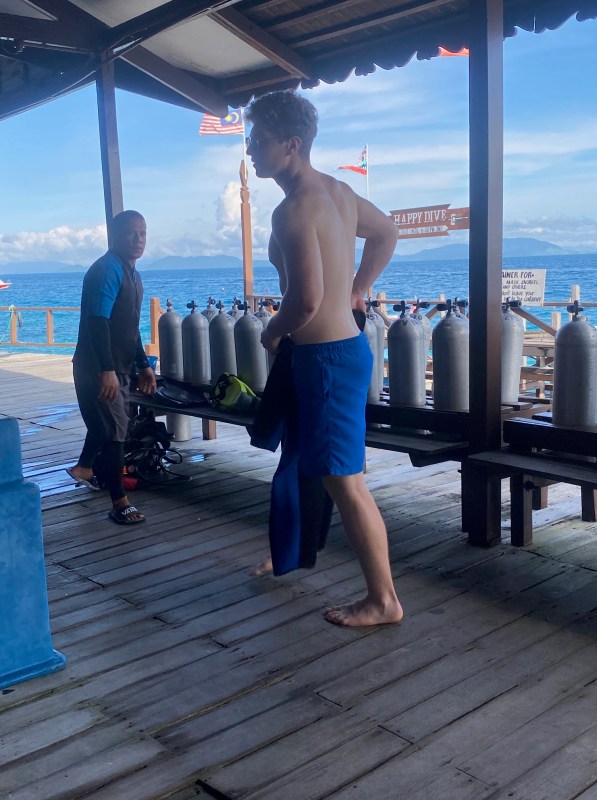
For the duration of our diving trip, we stayed at Sipadan Water Village— an offshore, stilted dive resort connected by a boardwalk to Mabul Island that sits atop a coral reef. Sipadan Water Village proved to be a good option for lodging on Mabul, as the island itself consists almost entirely of a slum-village populated by illegal immigrants from the Philippines. The living conditions of the village are squalid, with no running water or electricity for the villagers, and the otherwise pristine coral reefs around Mabul are polluted by the trash of Mabul Island’s inhabitants.
Mabul Island, like so many other beautiful natural places in Borneo and elsewhere in Southeast Asia in recent times, has been tainted by thoughtless human developments like the slum-village.
SCUBA diving is the best way to explore Sipadan Island, and my dad, sister, and I got our PADI Advanced Open Water Diver certification on the trip, courtesy of our excellent guides from Sipadan Water Village (whose names I unfortunately forgot!). The advanced PADI certification is a prerequisite for diving at Sipadan, and it took us three days and six dives around Mabul and Kapalai Islands to earn the credential. My mom, who dislikes SCUBA diving, opted for snorkeling at the spots we dove in or just relaxing on the dive boat.
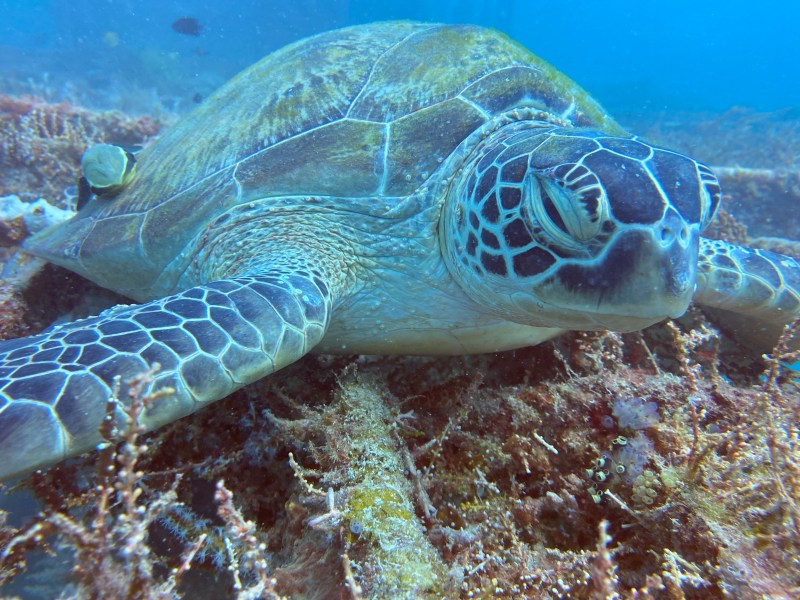
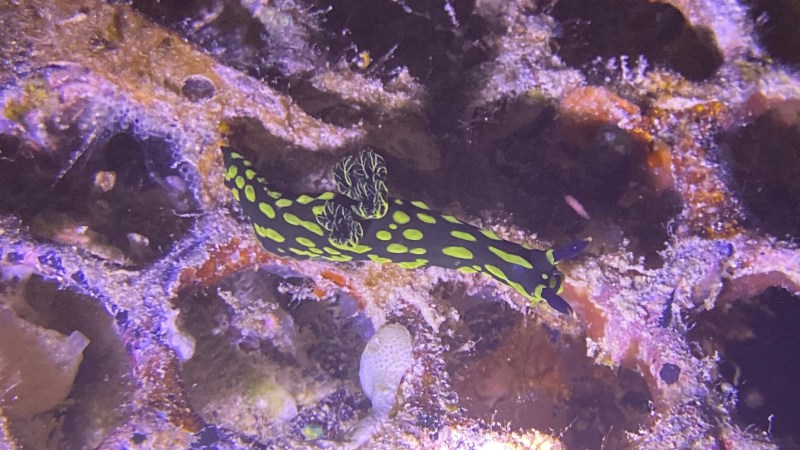
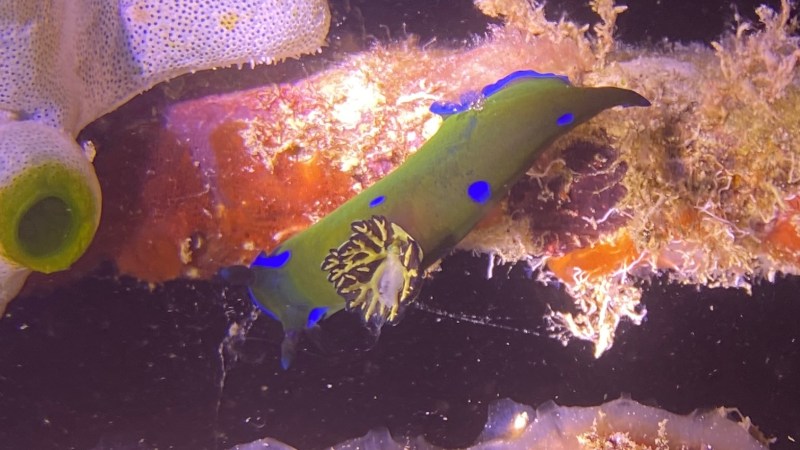
During the various dives leading up to Sipadan, we explored a marine wonderland of coral reefs, sunken structures, and reef creatures with our resort guides. The Green Turtles (Chelonia mydas) that we were able to observe on the seafloor up-close were a high point of the trip. We also enjoyed dozens of species of reef fish, colorful nudibranchs, feather stars, snake and moray eels, sea kraits, lobsters, cuttlefish, and stingrays. Our guides lent us a high-grade pressure-resistant waterproof phone case for underwater photos, allowing us to capture many of the incredible creatures we encountered.
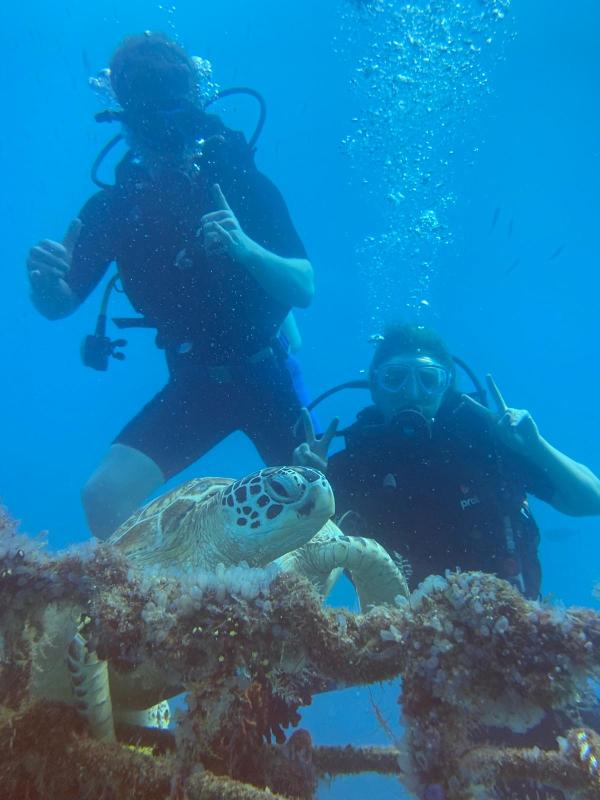
My sister and I posing with a cooperative Green Turtle about 70ft (20m) below the surface on the Kapalai Island reef
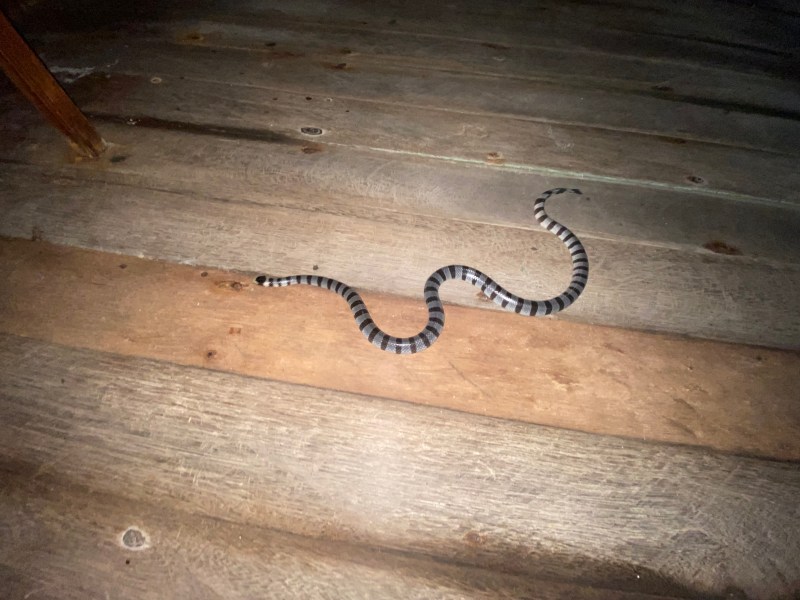
At night, deadly-venomous but docile Yellow-Lipped Sea Kraits (Laticauda colubrina) would slither onto the resort’s boardwalks from the reef below to rest; a terrifying sight for my mom but an awesome experience for a reptile-lover like me!
Later in the trip, on our second-to-last day, we were able to secure a permit for a single morning dive off of Sipadan. The island is heavily policed and tourism very regulated following a major terrorist attack in 2000 that saw 21 people kidnapped from the island by Filipino pirates. Today, it is a safe tourist destination. However, visitor numbers to the island are strictly regulated by a permit system to aid in the conservation of the island’s reefs and only 176 people are allowed there per day. Our guides took us on a drift dive from Barracuda Point to Coral Garden, two of the primary dive sites at Sipadan. We spotted Black-Tipped Reef Sharks, Bumphead Parrotfish, huge schools of Big-Eye Trevally, vibrant hard corals, and a plethora of reef fish. We cruised along the edge of Sipadan’s reef, which dropped off to an abyss to our left. At one point, my sister and I descended to 100 feet deep, following our guide who was taking a video of a reef shark. We both had to take special care while ascending so as to not develop decompression sickness.
Overall, Sipadan was a stellar diving experience, though I would argue that nearby Mabul and Kapalai Islands offer excellent diving to an almost equal caliber as Sipadan.

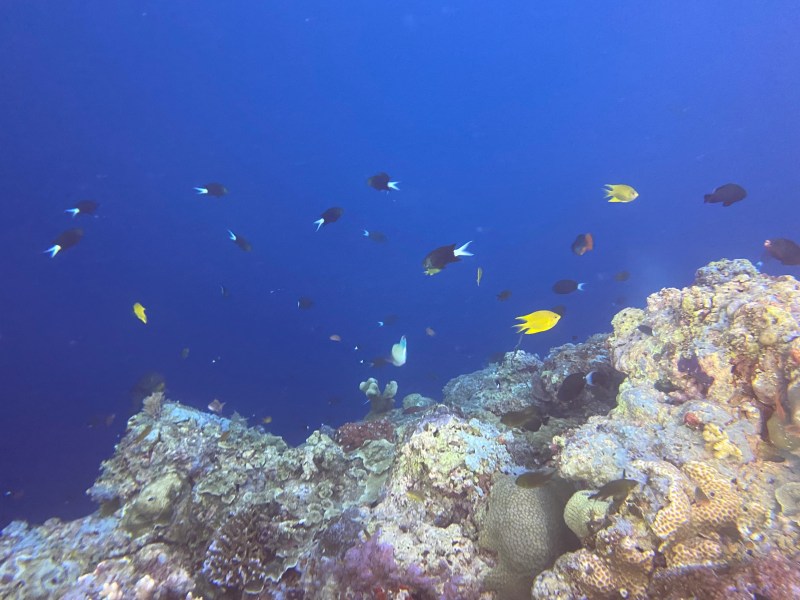
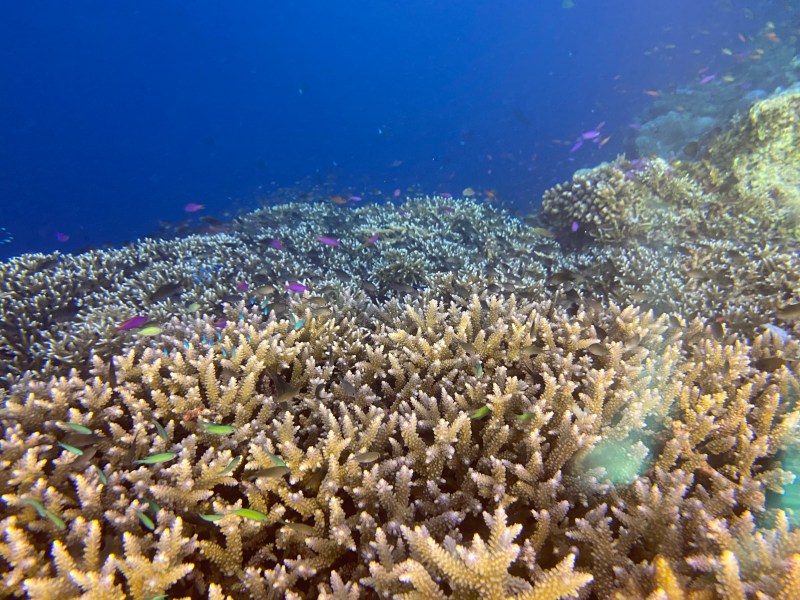
With that concludes my family’s 2024 Borneo diving trip. It was awesome to experience the marine marvels of Borneo, an island whose biota I am passionate about. My family and I had already visited some of the terrestrial natural wonders of Borneo in March of 2023, so being able to return a year later to explore the submarine sites of interest off the coast of the island was a real treat.
We now move into the spring of 2024, my last few months of high school, and a stressful time for me academically. Aside from my trip to Nepal, through my school’s Interim Semester program, and a weeklong vacation in Rajasthan, India with my family, I had little time to pursue my interests until I graduated on May 23rd, 2024.
One of my fondest memories of the spring of 2024 was conducting a case study on the ecological impact of the potentially invasive Yellow Crazy Ant (Anoplolepis gracilipes) in Singapore through my school. The study was a major assignment from the school program I was in, and one of my teachers, Tom, was a huge help in planning, conducting, and writing up the study. For convenience and practicality purposes, Tom had me conduct the study in a patch of tropical rainforest on my school’s campus. There is a large population of Yellow Crazy Ants present in the forest.
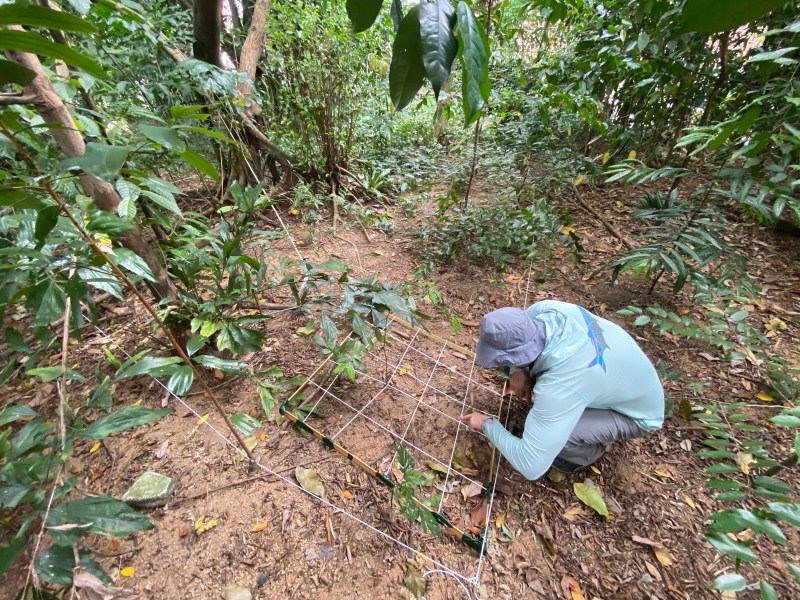
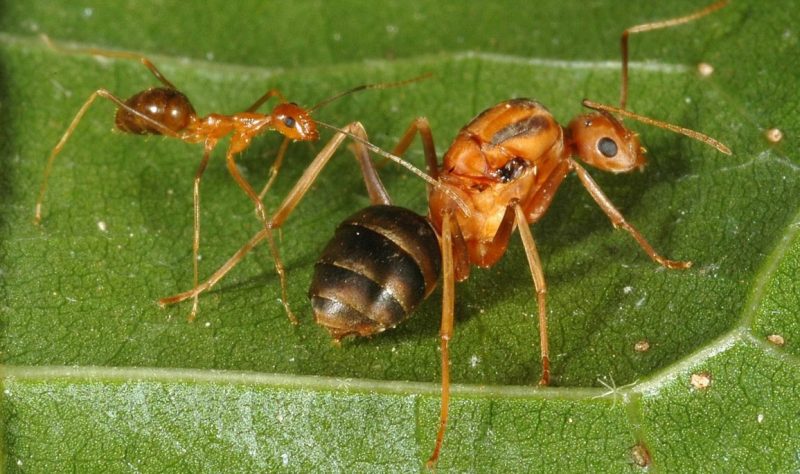
Using 1m² quadrats, we gathered data, which compared Yellow Crazy Ant 1m² density to terrestrial arthropod species richness and abundance in four 5×5-meter plots of forest floor. We were attempting to show a statistically significant correlation between these variables. Upon conducting a regression analysis of the data collected, I was able to show that higher densities of Yellow Crazy Ants correlated to significantly lower species richness and abundance of terrestrial arthropods (the ants’ primary prey) in the same sampled area. This takeaway could have broader implications in determining the status and ecological impact of Yellow Crazy Ants in Singapore if studied further by Singaporean entomologists.
I have linked the full study here so you can read through it if you’re interested. A goal of mine before I go off to university in Australia is to try to get my study published in a student journal or similar publication medium.
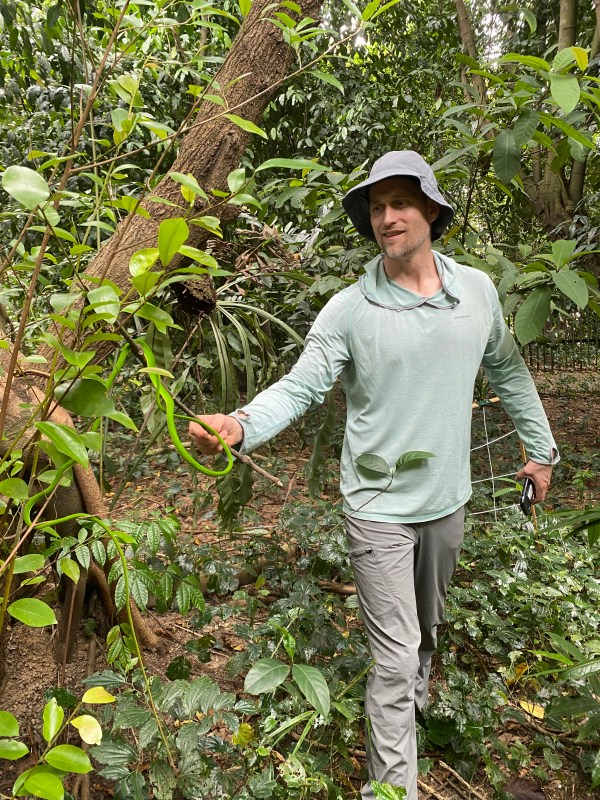
Toward the end of high school in May of 2024, I began visiting Lazarus Island, one of Singapore’s Southern Islands, on a regular basis for coral reef freediving. The island is located about a 30-minute ferry ride from Marina South Pier, and really packs a punch in terms of its marine biodiversity. Lazarus Island and the rest of the Southern Islands hold surprisingly biodiverse and healthy coral reefs. Singapore’s reefs are home to over 250 hard coral species, almost four times that of the entire Caribbean Sea! These vibrant reefs house over 200 sponge species and more than 100 distinct reef fishes.
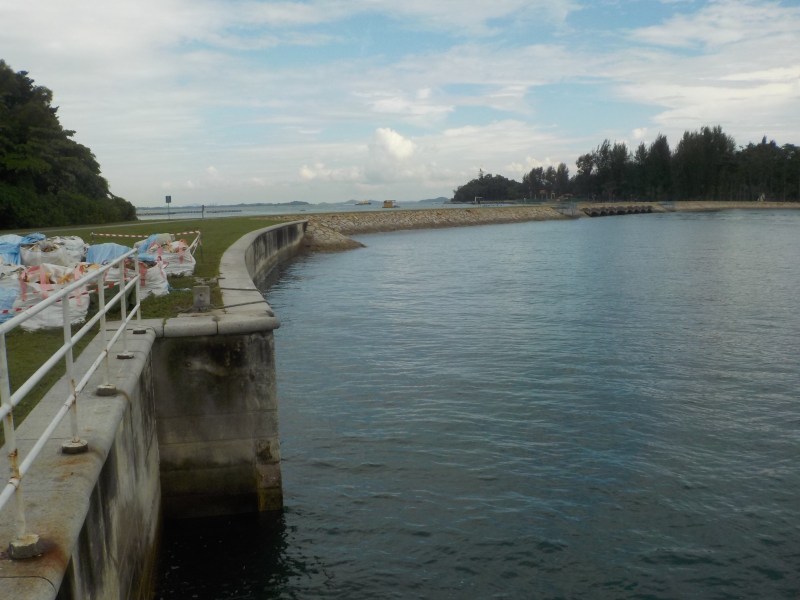
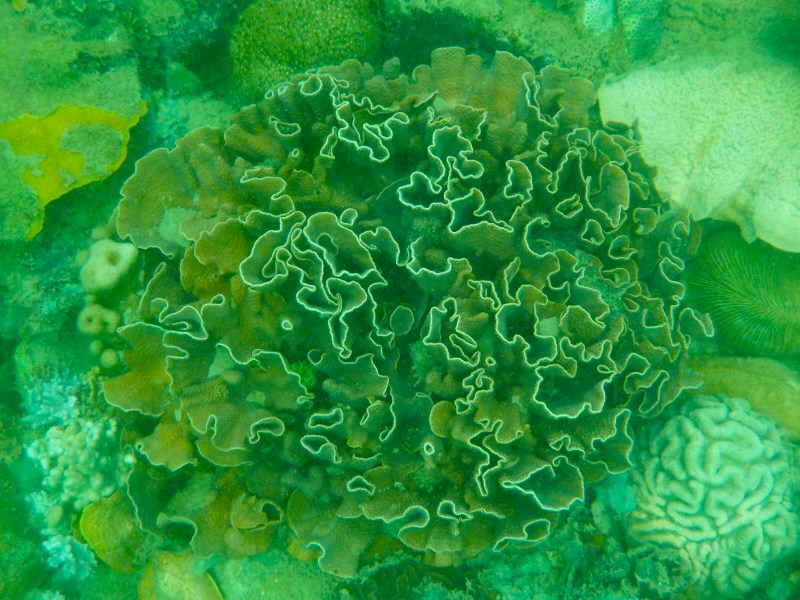
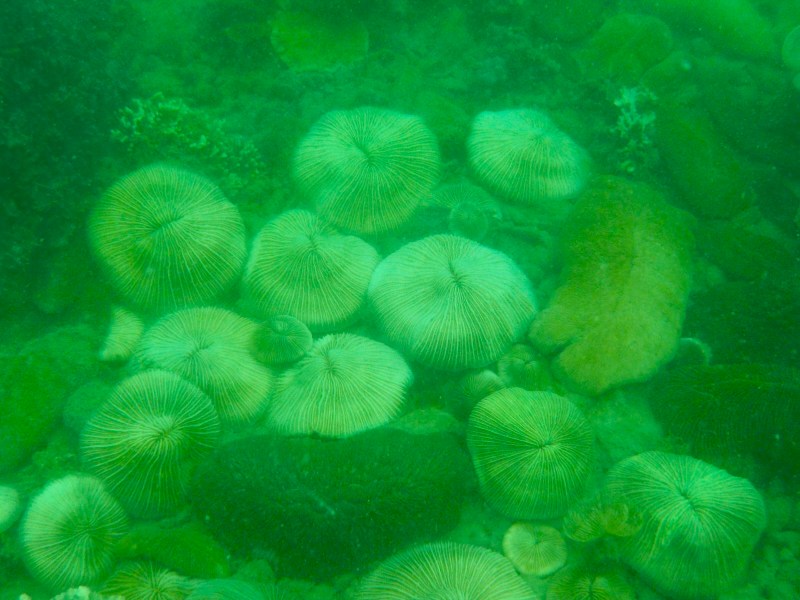
It was through my internship with Sek that I developed a genuine interest in Singaporean marine biodiversity (though I still dabbled in marine biology prior). Back in November of 2023 I decided to start exploring Singapore’s little-known and highly biodiverse coral reefs, following a recommendation from Sek to freedive the Southern Islands of Singapore. From the time I first laid eyes on the wonderful, healthy reefs of Lazarus Island, and the dazzling array of fishes and invertebrates that populated them, I became hooked on freediving and coral reef wildlife viewing. It was a whole other world of Singaporean creatures and natural beauty that I had been missing out on!
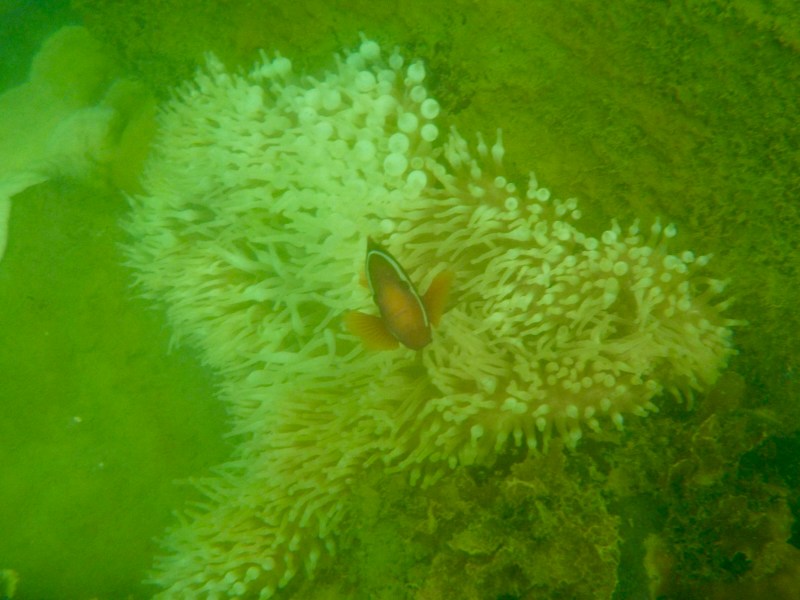
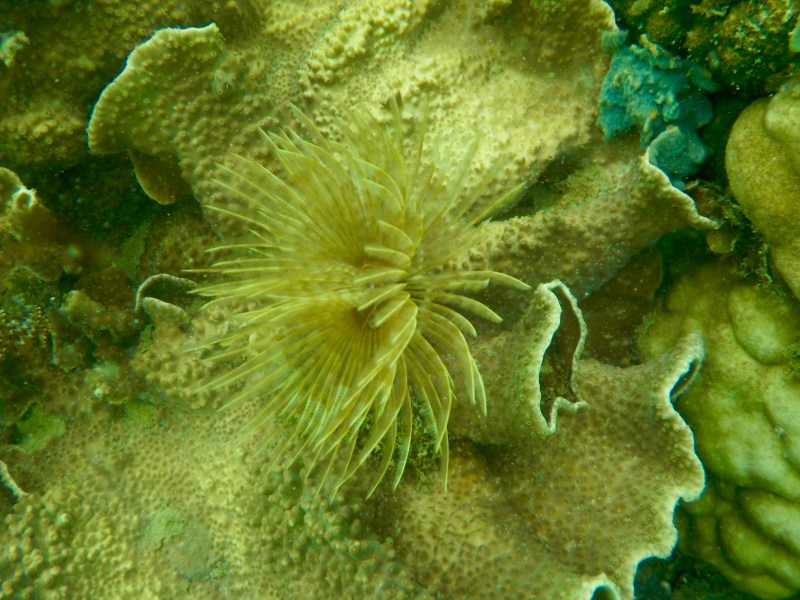
I brought a waterproof camera from home to Lazarus Island on May 28th, 2024, so I could showcase some of the fishes and corals I had been enjoying. So far, my favorite animals of the Lazarus reefs include the colorful, flower-like Feather Star (Crinoidea sp.) and the rather bold and unmistakable Tomato Anemonefish (Amphiprion frenatus).
Later this year I hope to go freediving around Pulau Hantu and other islands in southern Singapore which posses coral reefs of possibly higher quality and higher biodiversity than Lazarus Island.

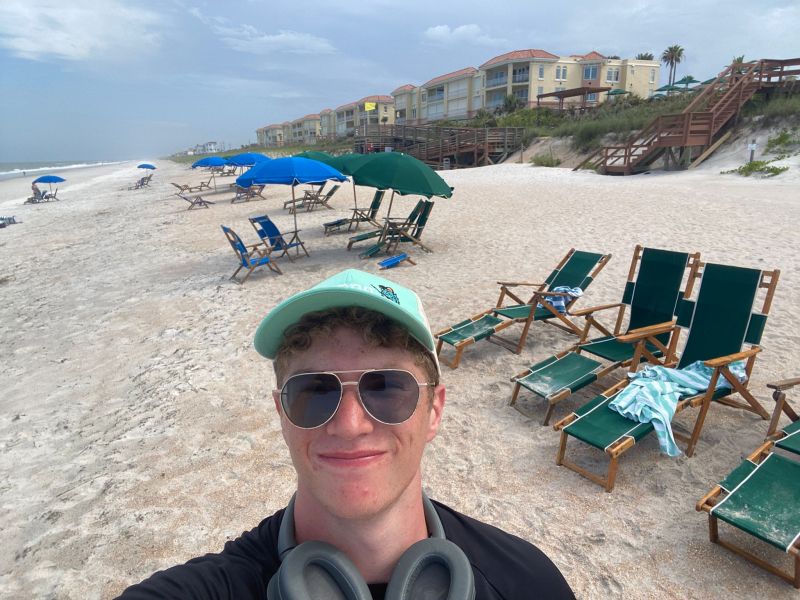
Following my early June 2024 trip to Costa Rica with Seba and Celia, I spent mid-June through late-September in St. Augustine, Florida. For the duration of this time, I lived with my grandparents. I worked a summer job as a beach boy at a beach club in St. Augustine for two months— from July to September. Though the club was in the process of foreclosure, and they did not pay their employees, including me, for much of the time I worked there (they still owe me almost $5,000 USD!), I still enjoyed gaining a bit of job experience and making some money.
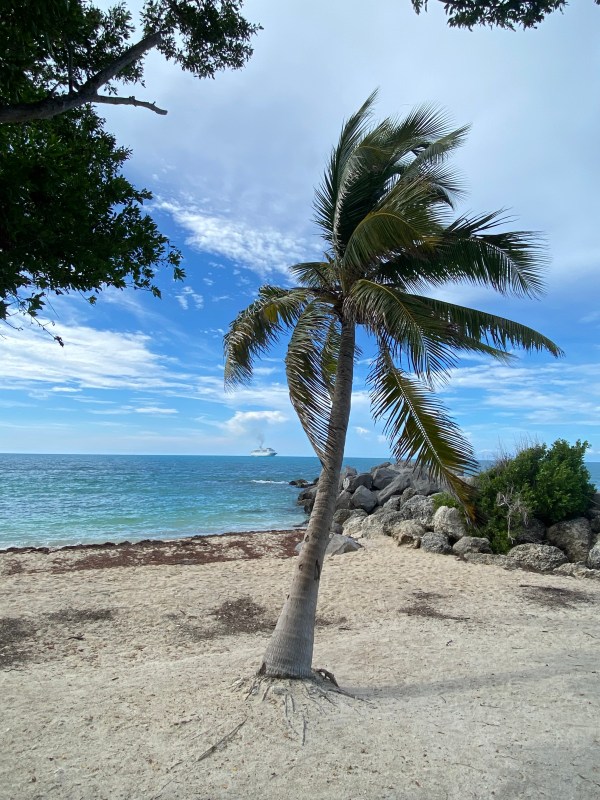
For the first time ever in mid-September, I was able to plan an multi-day trip completely on my own—5 days in Key West, Florida with two of my middle school friends! I booked a variety of outdoor excursions for us; mostly fishing outings. Fishing is one of my favorite casual hobbies and it’s brought me great joy since I was a little kid. Some of my best memories with my dad when I was younger were of us catching Largemouth Bass (Micropterus salmoides) on tranquil New England lakes. Fishing is such a great way to learn about and develop a sense of respect for aquatic ecosystems and the fish within. I’d wanted to fish the Florida Keys for a while, as they are home to some of the best fishing on Earth, and I was grateful that the opportunity arose to plan a trip there with some friends in 2024!
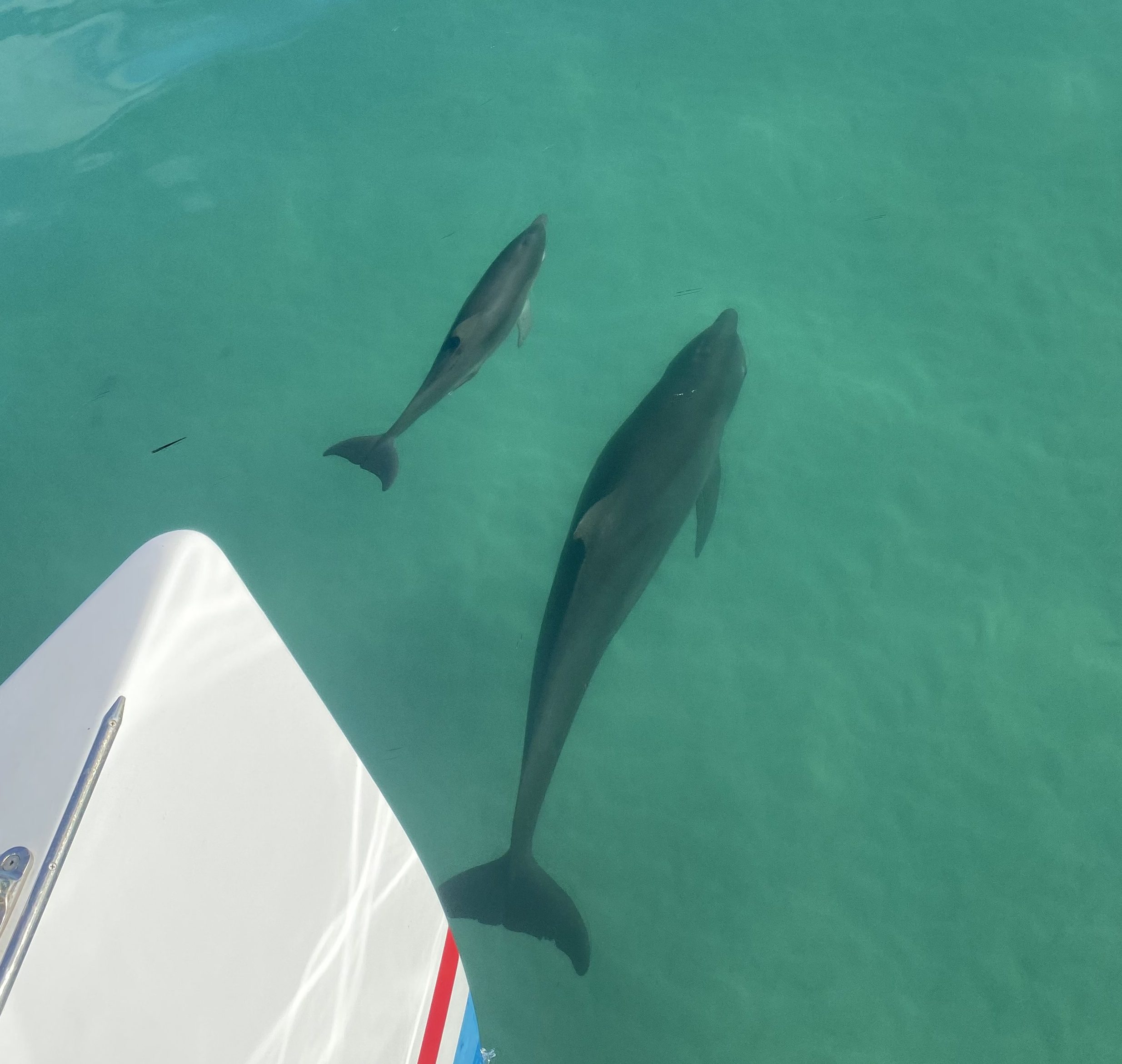
In addition to fishing, I fit in a dolphin-watching/ snorkeling sunset cruise on our second day in Key West, where we encountered a large pod of Common Bottlenose Dolphins that swam right up to our boat, and snorkelled at one of the islands closest to Key West where we saw barracudas, parrotfish, and a large Southern Stingray (Hypanus americanus).
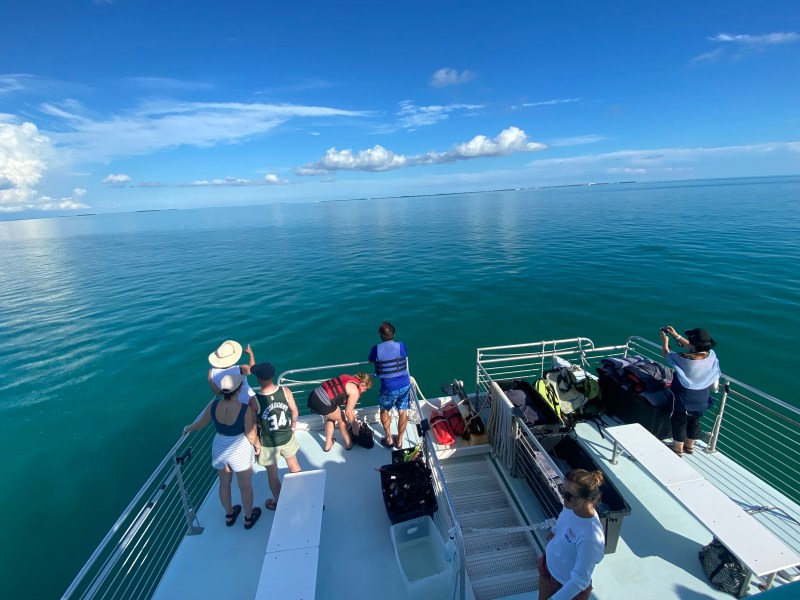
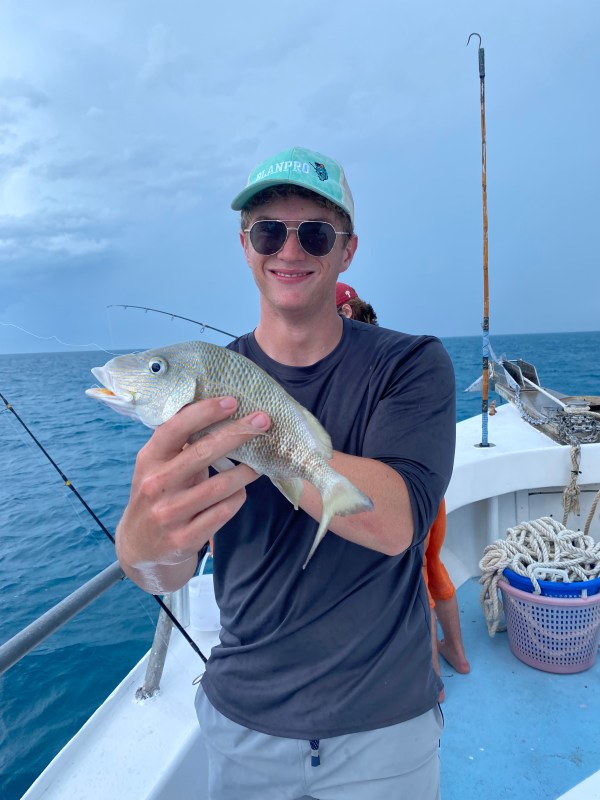
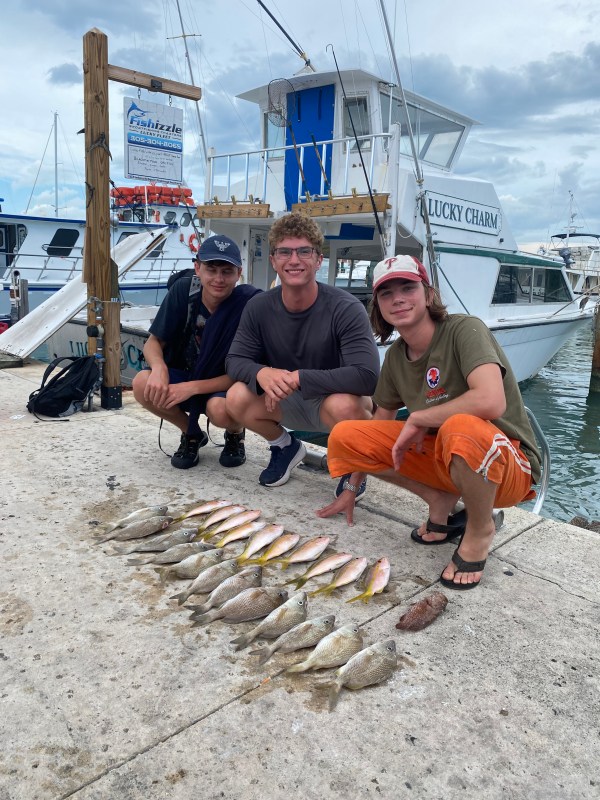
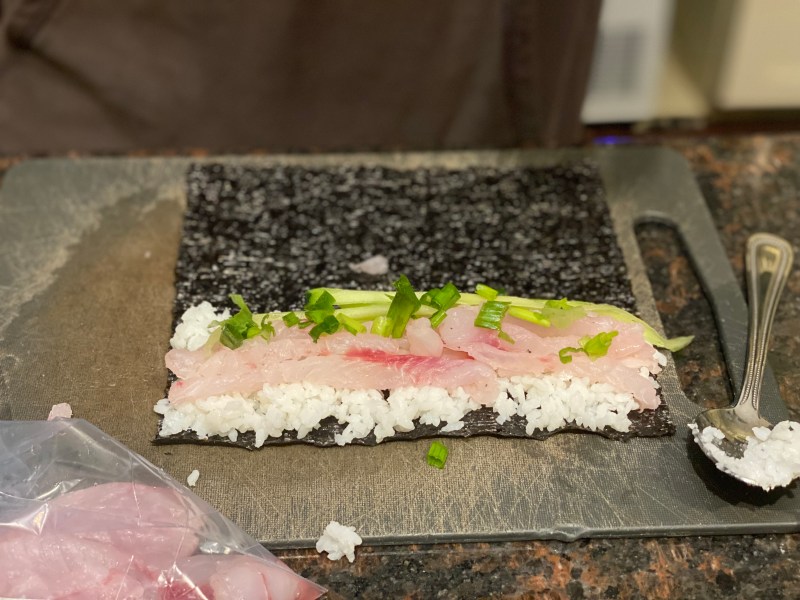
We embarked on a party-boat fishing charter, the Cora Beth, on our third day in Key West, which took us offshore for five hours of reef fishing action. We caught plenty of Yellowtail Snapper (Ocyurus chrysurus), Speckled Hind (Epinephelus drummondhayi), and White Grunts (Haemulon plumierii), which we paid to have cooked up for us at a local bar for dinner! The Yellowtail Snapper meat was sashimi-grade, and my friend and I accomplished a dream of mine—making sushi out of the fish I caught— back at the AirBnb.

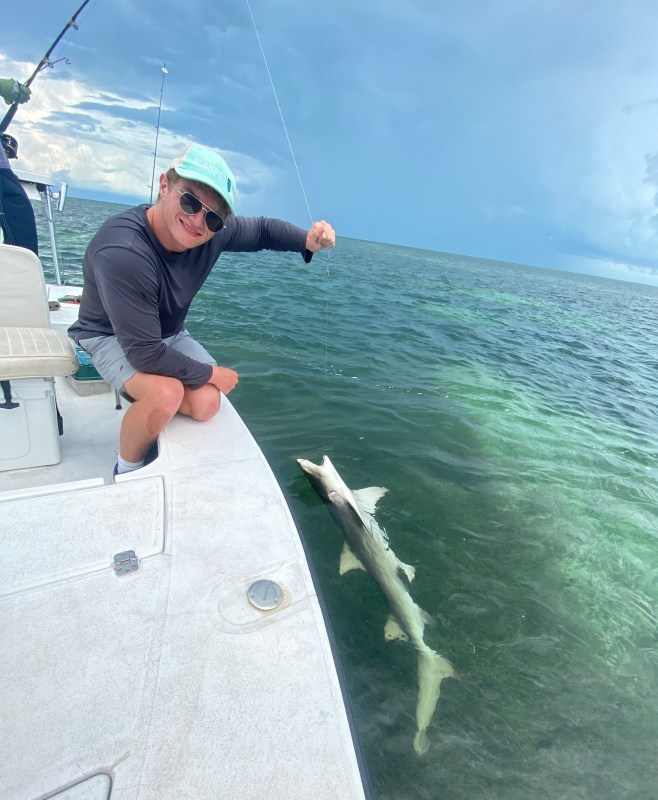
Our fourth day was easily our most memorable of the trip, with us venturing out on a phenomenal 8-hour private fishing charter trip. I chose Flatzlife Charters, owned by Captain Brandon, a local fishing expert, as our charter operator. Brandon was a fantastic guide, and I highly recommend him if you’re in Key West and are in the market for a fishing trip. Unlike many other private charters which target pelagic species, Brandon takes you through the mangroves of Ramrod Key, a rich fishing ground full of inshore delights like Great Barracuda (Sphyraena barracuda), Lemon Shark (Negaprion brevirostris), Mangrove Snapper (Lutjanus griseus), and Atlantic Tarpon (Megalops atlanticus). Brandon had gear on board for all types of fish we could’ve possibly targeted in the area, and catered to our every request during the trip. Our first four hours of the trip were relatively slow, but quickly picked up once we switched spots to the outer mangroves. Here we enjoyed exhilarating fights with various Lemon Sharks, reeling them into the boat and releasing them. We also caught some fairly large Great Barracuda, the largest being 30 inches long. Afterwards, we spent a couple hours catching dinner—AKA Mangrove Snappers. It was an excellent trip, and definitely the best fishing charter I’ve ever been out on!


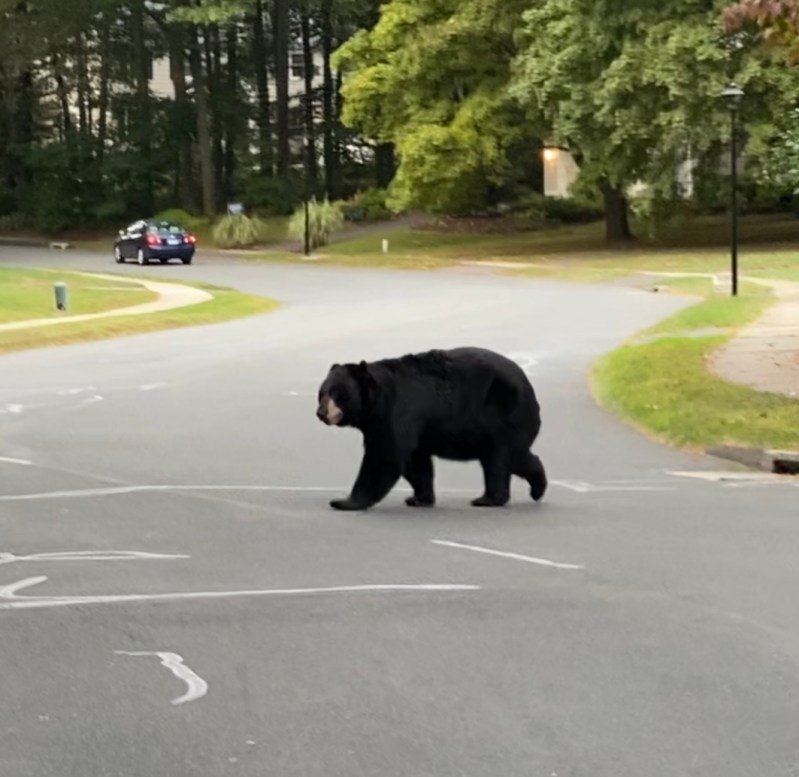
After my trip to Key West, I flew up to Connecticut for 4 days to visit my other grandparents and some family friends. While there, I encountered a large boar American Black Bear in my family friend’s suburban neighborhood in West Hartford, Connecticut!
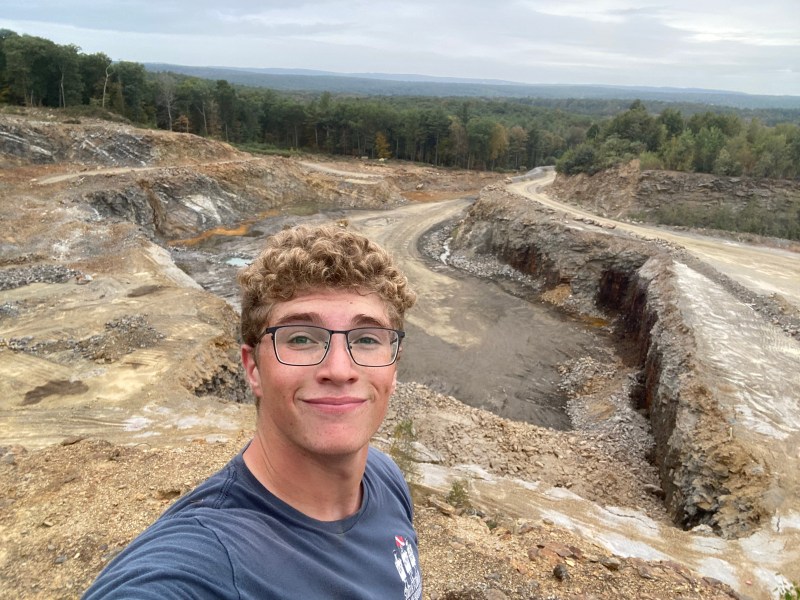
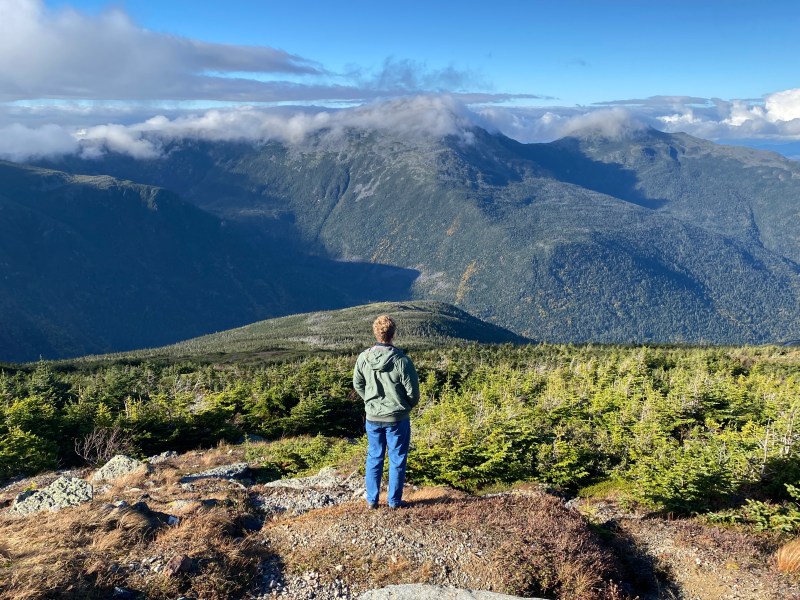
On my last two days in Connecticut, my grandparents took myself and my younger cousin up to New Hampshire for an overnight fall foliage-seeking trip, though we were several weeks too early for the hauntingly beautiful peak fall colors of New England. We managed, however, to see some fiery hues in the trees of the White Mountains of New Hampshire as we drove down the scenic Kancamagus Highway. Later in the day, we managed to fit in a drive to the top of 6,288-foot-high (1,917m) Mt. Washington, the highest summit in the Northeastern United States. The views from the top were obscured by thick fog, but further down they were magnificent. It was refreshing to experience some genuinely cold weather at the top of Mt. Washington after living in Singapore and Florida heat and humidity for so long!

The next day, it was back to St. Augustine, Florida to say my farewells to my aunt and grandparents. I departed Florida and underwent the sucky 24-hour commute back to Singapore, arriving at midnight on October 3rd. It’s really nice to be back in Asia!
With that brings us to today (October 4th), as I finish writing this blog post in my apartment in Singapore, summarizing over a year of adventures in a single post. You might be wondering why I hadn’t written about any of these experiences prior, and why I took substantial breaks from pursuing my interests during the past year. Senior year of high school (August 2023-May 2024) was especially difficult for me academically and socially. It took a huge toll on my wellbeing, and I didn’t chase my passions or hobbies as much as I should have during this time. I’d barely written any blog posts beyond my major eco-travels over the past year, which is my reason for covering so much in this one post. Needless to say, I am happy to be free of high school’s grasp on my mental state and to once again be reunited with my passion for nature.
Over the next four months leading up to the start of university in Australia, I look forward to doing a number of solo eco-trips around Southeast Asia as well as plenty of birding and wildlife-watching adventures around Singapore, so stay tuned! Thank you for reading as always,
-Bennett


 Bennett Gardner Wildlife Watching
Leave a reply to Dianne Deeds Cancel reply