
Florida is a surprising—though perhaps not-so-surprising—treasure-trove of American biodiversity. The Sunshine State spans a 350-mile-long (563 km) peninsula that stretches into the northern Caribbean, ending just north of the Tropic of Cancer and Cuba. This region, the Florida peninsula, is the only part of the United States where the Neararctic (North American) and Neotropical (Latin American) biogeographical realms converge.
With almost one-third of its land designated as protected habitat, the opportunities to encounter Florida’s unique blend of Latin and North American wildlife species are endless.
And yet, despite annual visits to northeast Florida to see my extended family, I had barely scratched the surface of the state’s wild side. That’s why, with a visit planned for mid-July 2025, I was determined to change that.
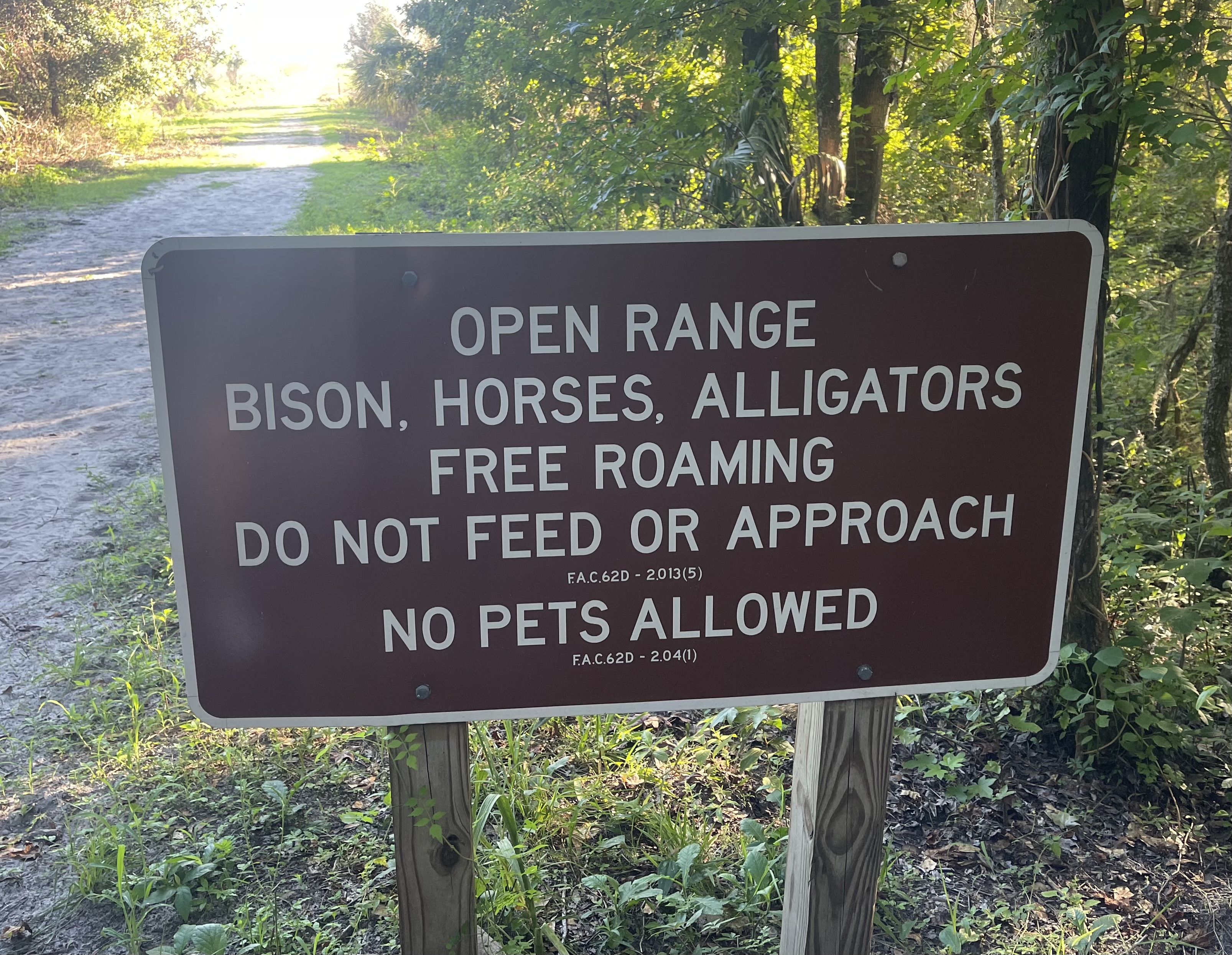
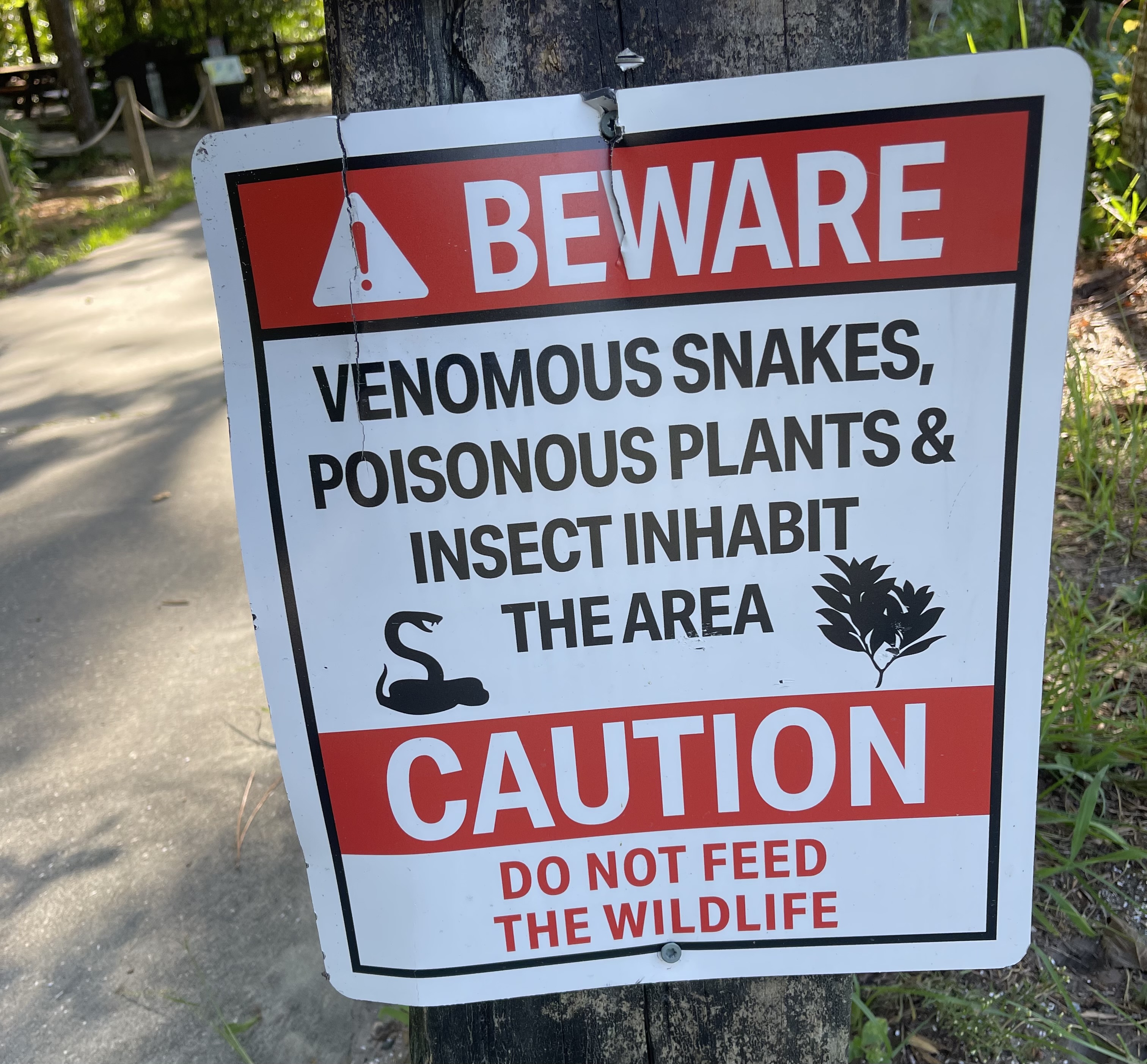
Rule #1 for wildlife watching in Florida: don’t ignore the warning signs!
I’d just received my driver’s license in New York State the previous week, and was enthralled to try driving out to wildlife habitats on my own for the first time. My grandparents generously lent me their Lincoln Aviator, and before they could change their minds I was flying down the open roads of Florida, letting the adventures unveil ahead of me.
On the evening of July 26th, my very first self-driven wildlife adventure brought me into Bayard Conservation Area, a strip of protected pine flatwoods about a fifty-minute drive from St. Augustine, Florida. I was particularly excited to night-cruise through the preserve’s roads in search of snakes, owls and mammals after dark.
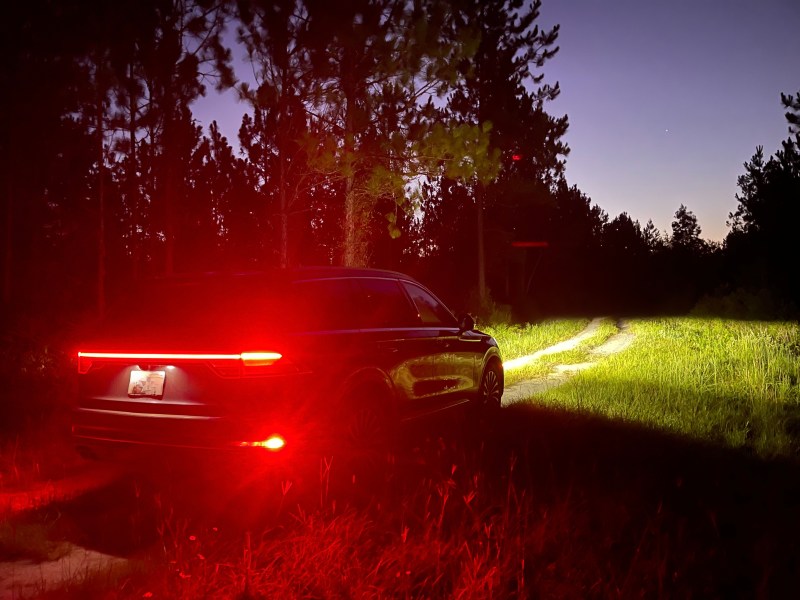
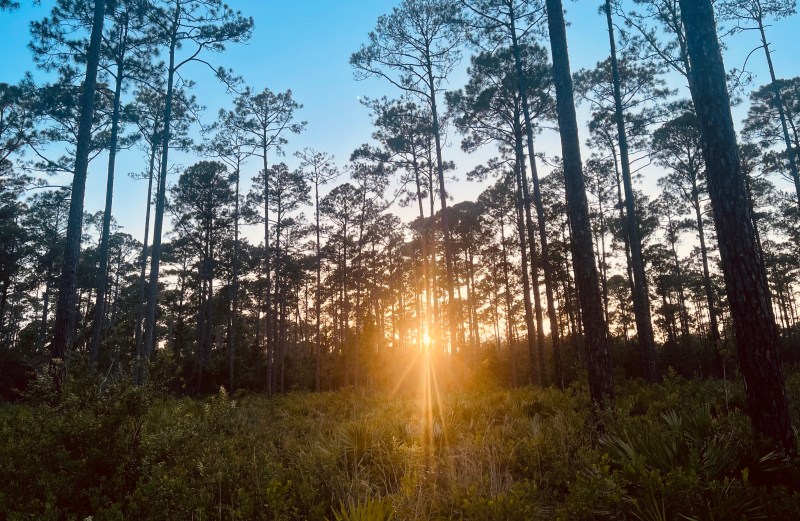
Unfortunately, Bayard Conservation Area, though containing some scenic forest, turned out to be nothing special compared to other wildlife habitats in Florida. It was also hot and muggy as all hell and the walking trails were in disrepair.
I spotted few critters while hiking and road-cruising through the reserve apart from Downy & Red-bellied Woodpeckers, foraging Blue-gray Gnatcatchers, and a single White-tailed Deer.
In fact, the menacing no-trespassing signs skirting the reserve vastly outnumbered the wildlife there….
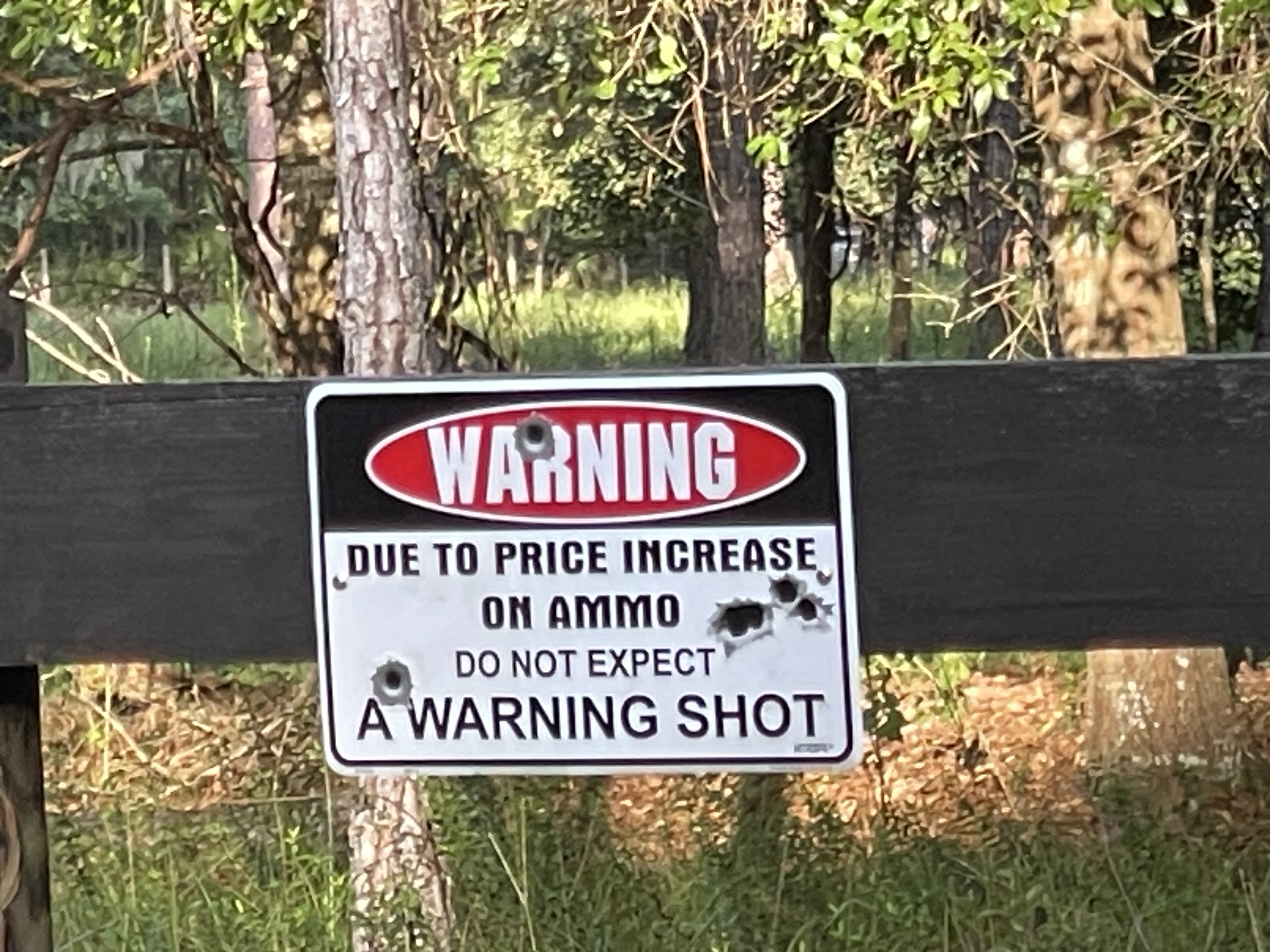
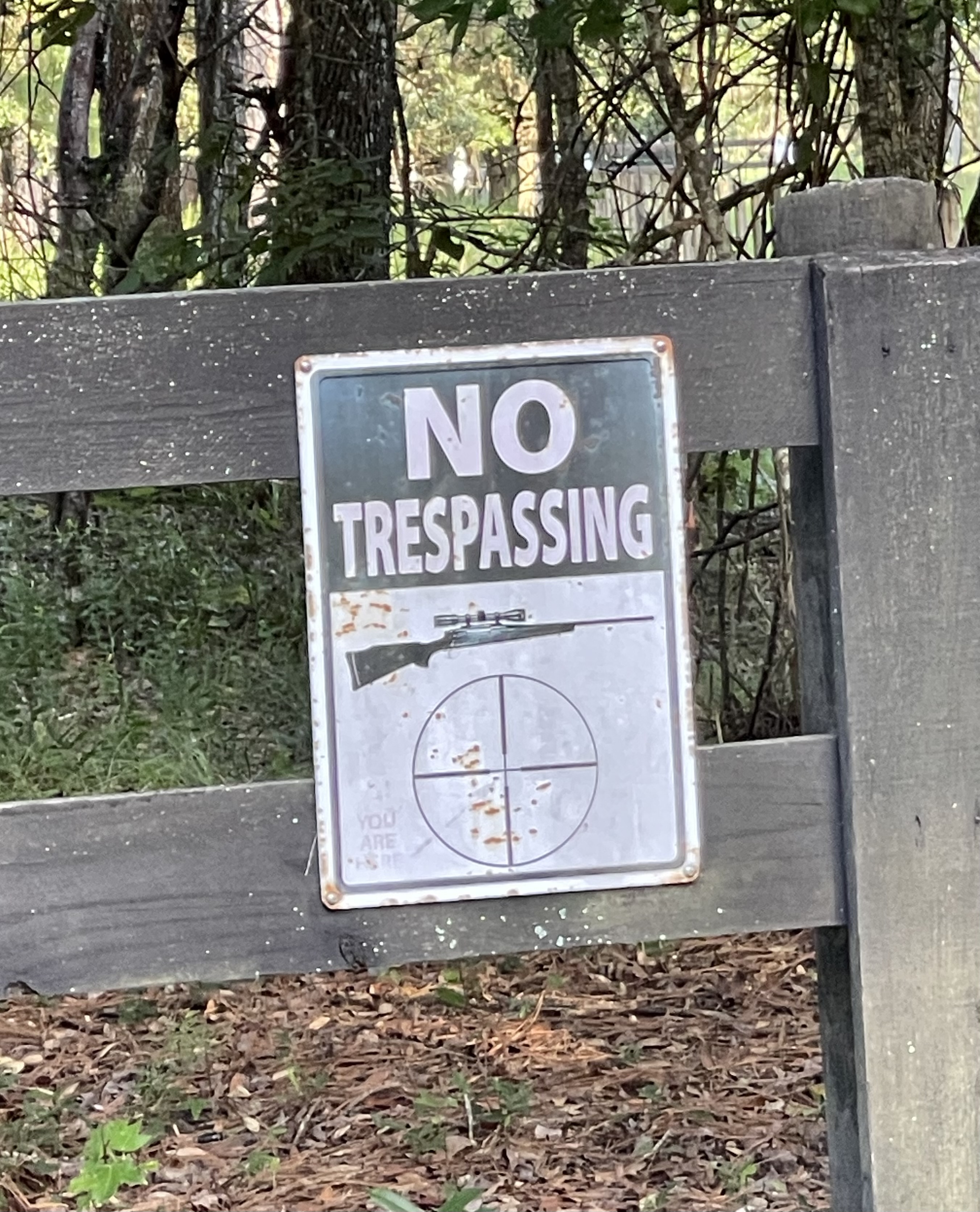
I didn’t let a bit of bum-luck dissuade me, though.
The next evening, I drove up to the University of North Florida (UNF) campus in Jacksonville, where I’d partaken in a youth day-camp there during the summers of 2014 & 2018 with my cousins. The campus has extensive nature trails, with a plethora of habitats and wildlife contained within a 1300-acre (526 hectare) area.
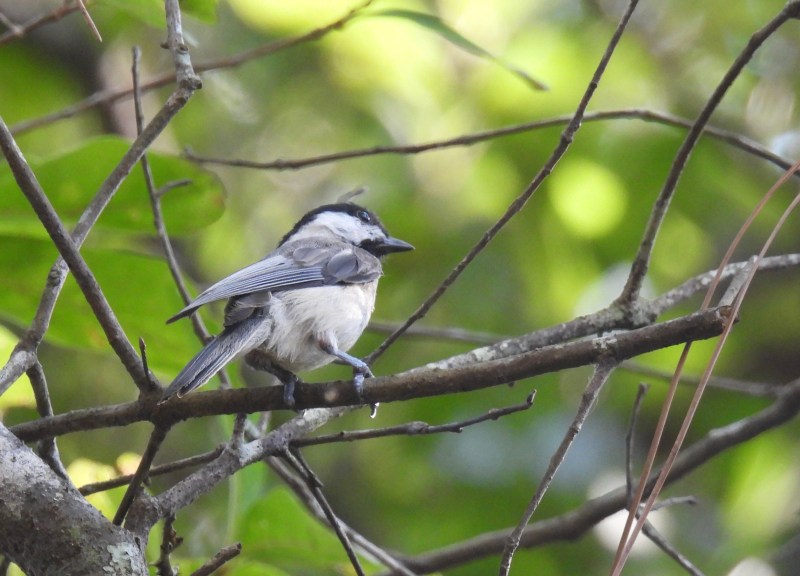
My three-hour walk along UNF’s well-maintained nature trails exceeded my expectations. I covered only two or three miles (3-5km) but experienced an array of habitats, including freshwater lakes, cypress slough, mesic (AKA pine) flatwoods, and forested sandhill.
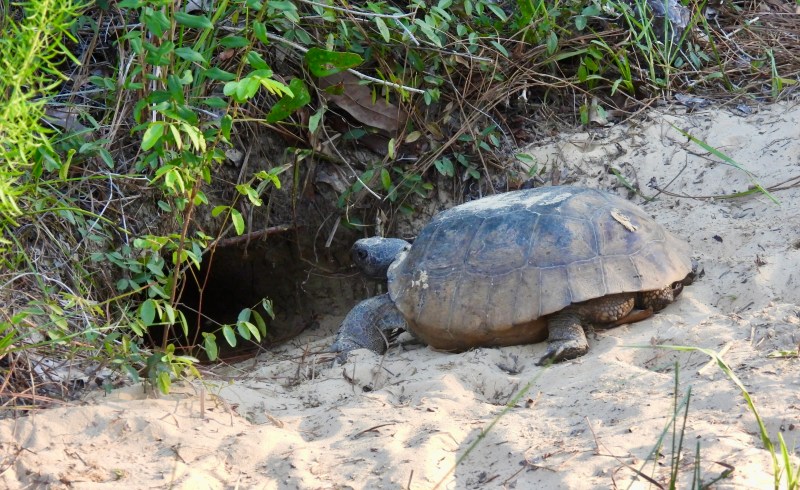
Among the most conspicuous and charismatic wild animals on campus are the dozens of endangered Gopher Tortoises (Gopherus polyphemus) along the Gopher Tortoise Ridge Trail.
These shelled superstars are the only true tortoises found east of the Mississippi River, and are endemic to the Southeast. They live in burrows that they dig in sandy uplands, which, when abandoned, become homes for over 350 different animal species!
Some of the tortoises I startled were quick to retreat to their burrows (which can be an impressive thirty feet long and eight feet deep), while others stuck around to get their pictures taken.
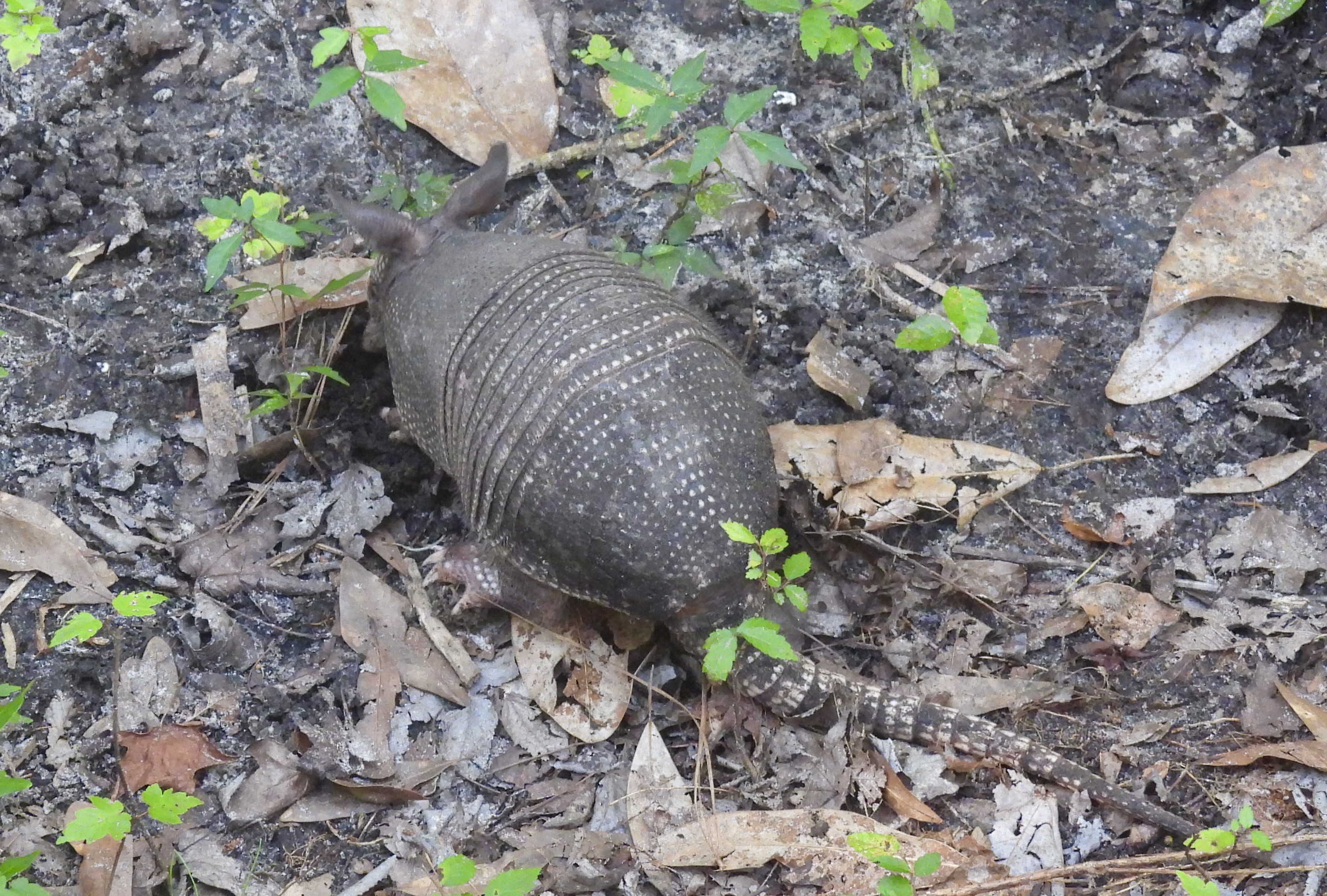
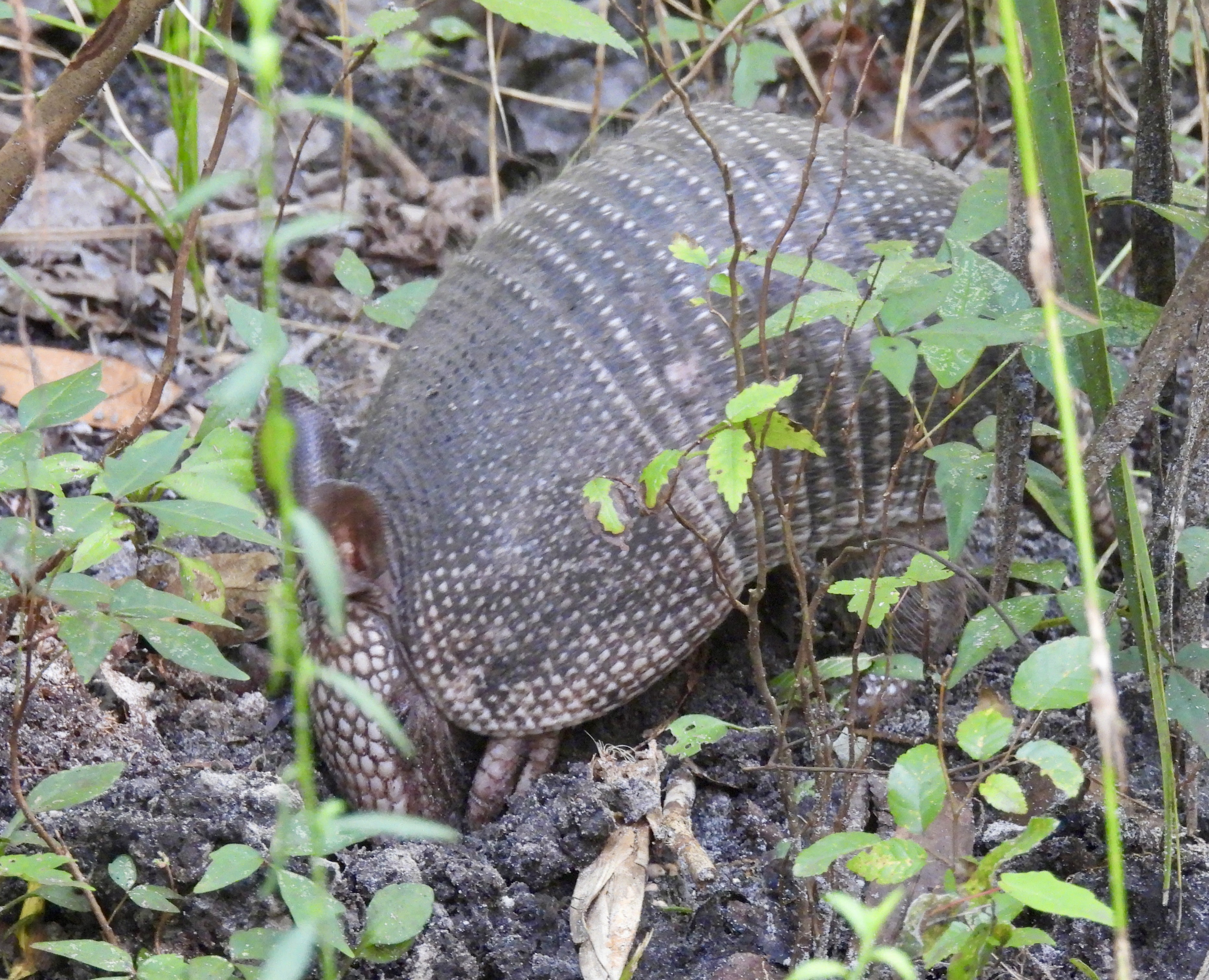
The tortoises weren’t the only shelled animals I encountered at UNF—a little Nine-banded Armadillo made a surprise appearance while I was walking down a boardwalk. It stuck around for around five minutes while it dug for insects.
I wasn’t expecting to see one of these peculiar mammals in broad daylight, and especially not for such an extensive amount of time, but I guess I shouldn’t be surprised—armadillos are invasive in Florida and have basically no natural predators—so they can afford to be a bit brazen.
While this encounter was cool to me as a mammal aficionado, I never like to celebrate animals that are wreaking havoc outside their native ranges (eg. invasive species).
The other creatures at UNF, apart from songbirds and lizards, were a little more elusive. I was after one in particular—the Pygmy Rattlesnake (Sistrurus miliarius).
I’d seen—or rather, almost stepped on—a pygmy rattler at UNF back in 2018 and I was hoping to find another on this particular outing. I spent a good chunk of time trodding through the shrubbery with my miniature snake hook searching for one, but after fifty mosquito bites, weird looks from passers-by, and sweat-stained everything, I gave up my hunt.
Though I missed the rattlesnake, I topped off my UNF species list with two swift Eastern Rat Snakes (Pantherophis alleghaniensis), and a shy Raccoon.
All-in-all UNF is not too shabby for a nature preserve in the middle of a major city, fringed by busy highways that limit wildlife dispersal. I will definitely be back.
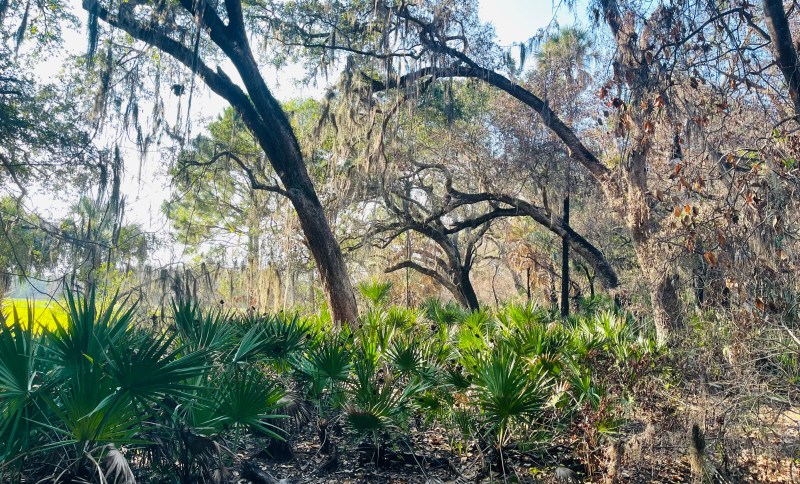
I hauled myself out of bed at 5:00 AM the next morning (July 28th) for my biggest Florida wildlife outing of the year. I had been preparing the past couple of days for a road trip out to Paynes Prairie Preserve State Park, just south of Gainesville in north-central Florida.
Paynes Prairie is somewhat legendary among nature enthusiasts for its assortment of megafauna—including the only wild American Bison population in Florida. The bison, along with feral horses, alligators, deer, and wading birds inhabit a 21,000-acre (8,500-hectare) open savannah that periodically floods and transforms into a shallow lake.
I was psyched to explore this unique landscape for myself, and had planned to arrive there when the park opens (8:00 AM) to stave off some of the intense heat expected that day. This would, in my mind, maximize wildlife-viewing opportunities.
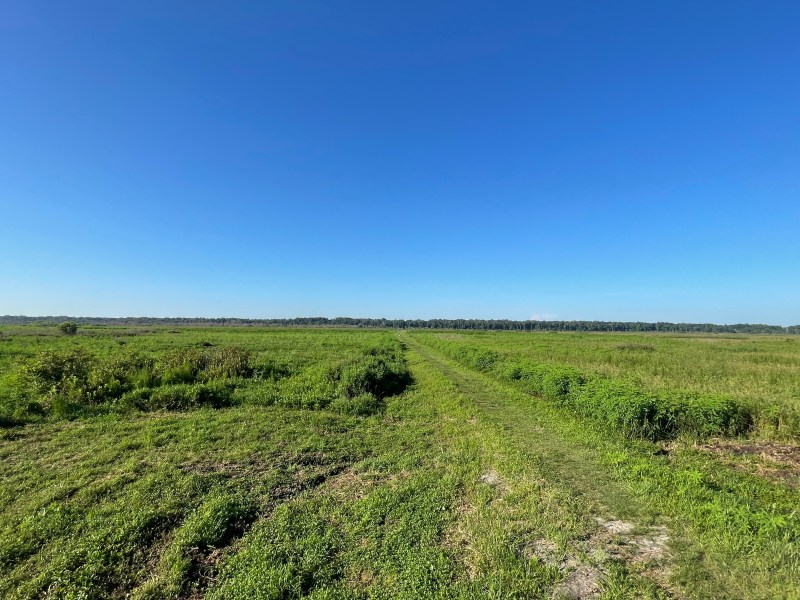
In retrospect, I think I got a little ahead of myself planning a trip to a wildlife sanctuary on the hottest day of the hottest season in the hottest part of the country. And when I say it was the hottest day, I mean it was unusually hot even for the Florida summer—97 degrees Fahrenheit (36 degrees Celsius) by noon with something like 70% humidity.
Walking through Paynes Prairie on this particular day felt like the infernos of hell had a baby with a supercharged steam room. In other words, it sucked.
My mom insisted on accompanying me for my first long-distance drive to Paynes Prairie, and luckily she wasn’t too upset with the super-early wakeup call. We drove west toward Gainesville as the sky slowly brightened.
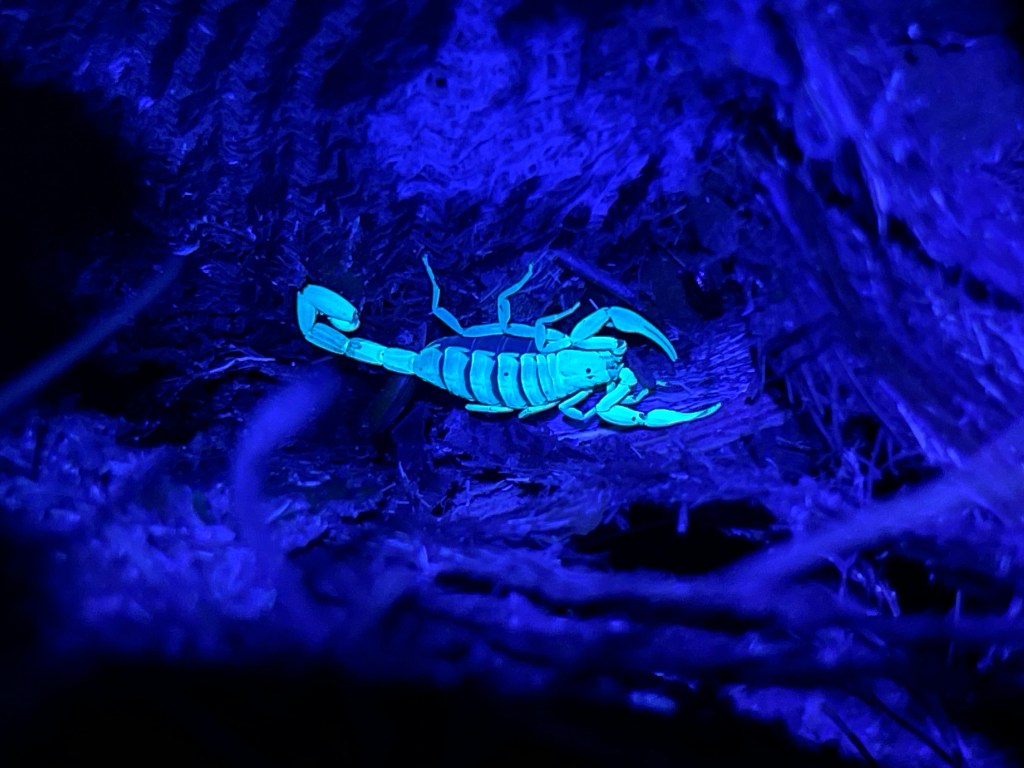
At around 6:00 AM, I turned off the main road into Rice Creek Conservation Area so I could try out my new blacklight flashlight and attempt to find some scorpions (all scorpions fluoresce like crazy under UV light). My hopes weren’t particularly high, as I’d never gone scorpion-shining with my own blacklight before, but I was in luck today. Within five minutes, I located two Hentz Striped Scorpions (Centruroides hentzi) in a palmetto grove, one of which stayed in clear view while it feasted on a cockroach.
Scorpions aren’t everyone’s cup of tea, but for me spotting two of these fascinating arthropods next to one another absolutely made my morning.
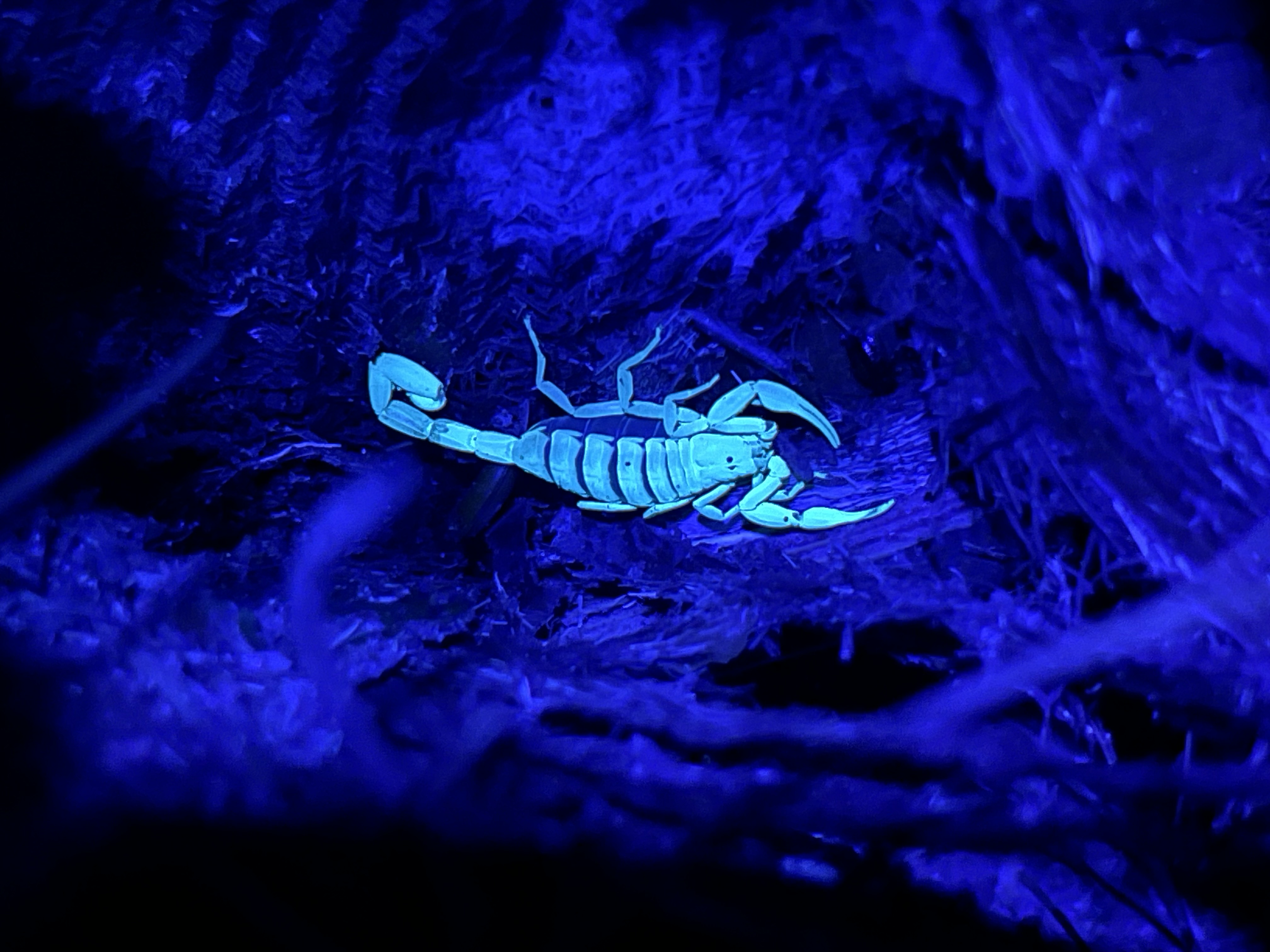
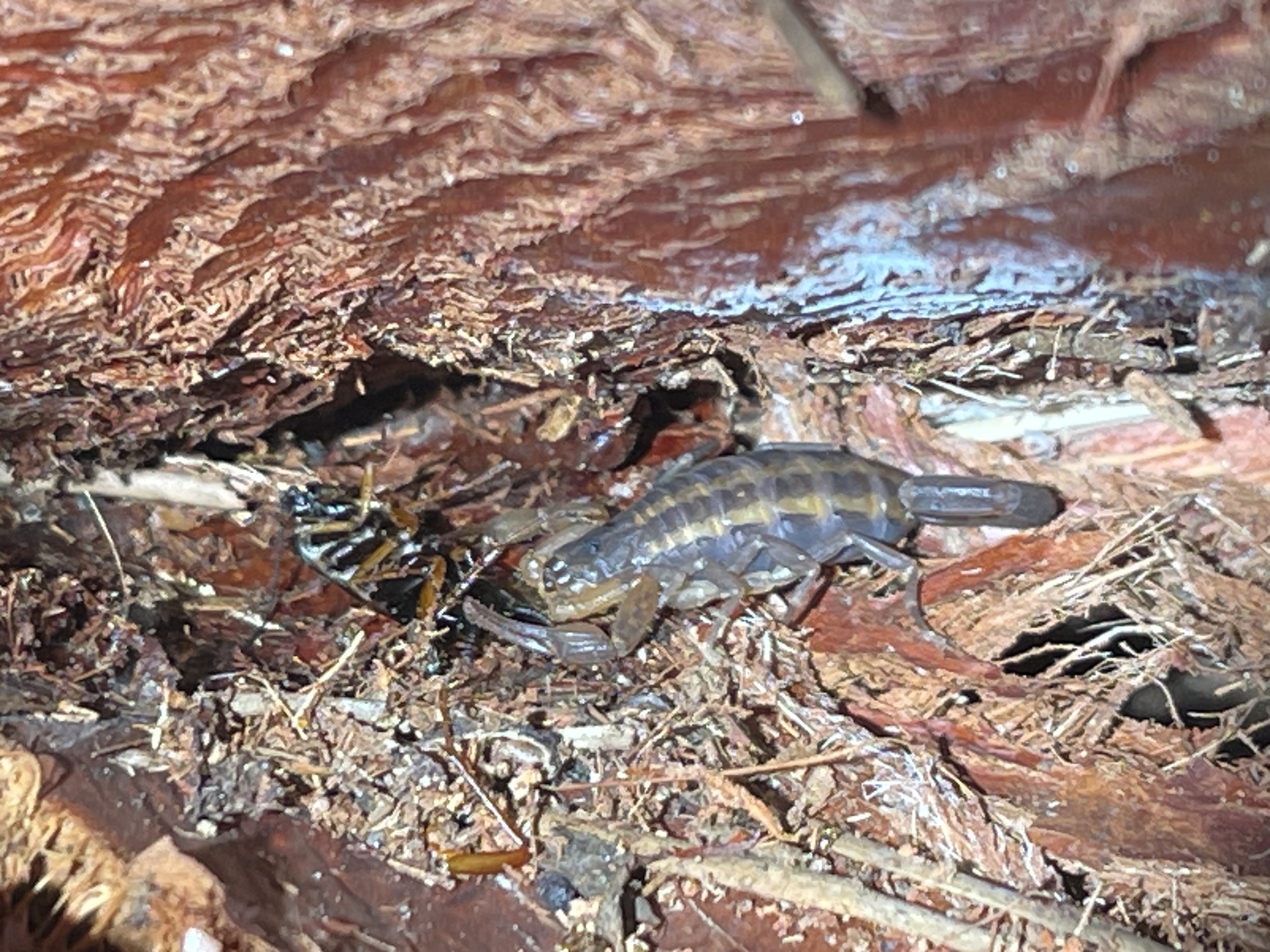
Hentz Striped Scorpion under my blacklight (left) and under a regular flashlight (right)
My mom and I ate breakfast at Waffle House in Gainesville (an American staple). From there, we drove over to the parking lot at the start of the Bolen Bluff Trail, our first introduction to Paynes Prairie and one of the best places to spot wild bison in the preserve. The trail starts off in dense deciduous forest and ends at an observation tower in the middle of the prairie, where the bison are often seen.
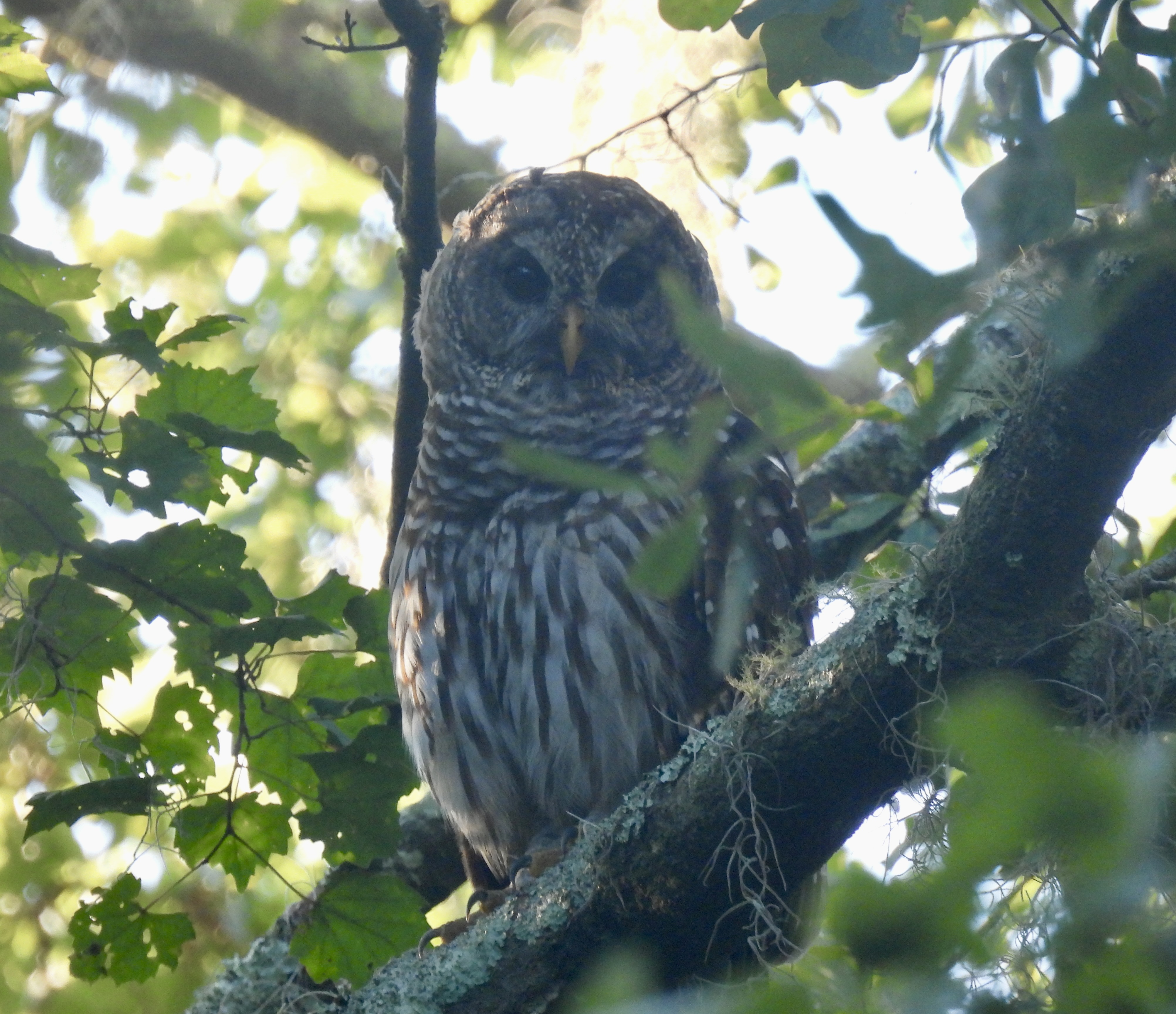
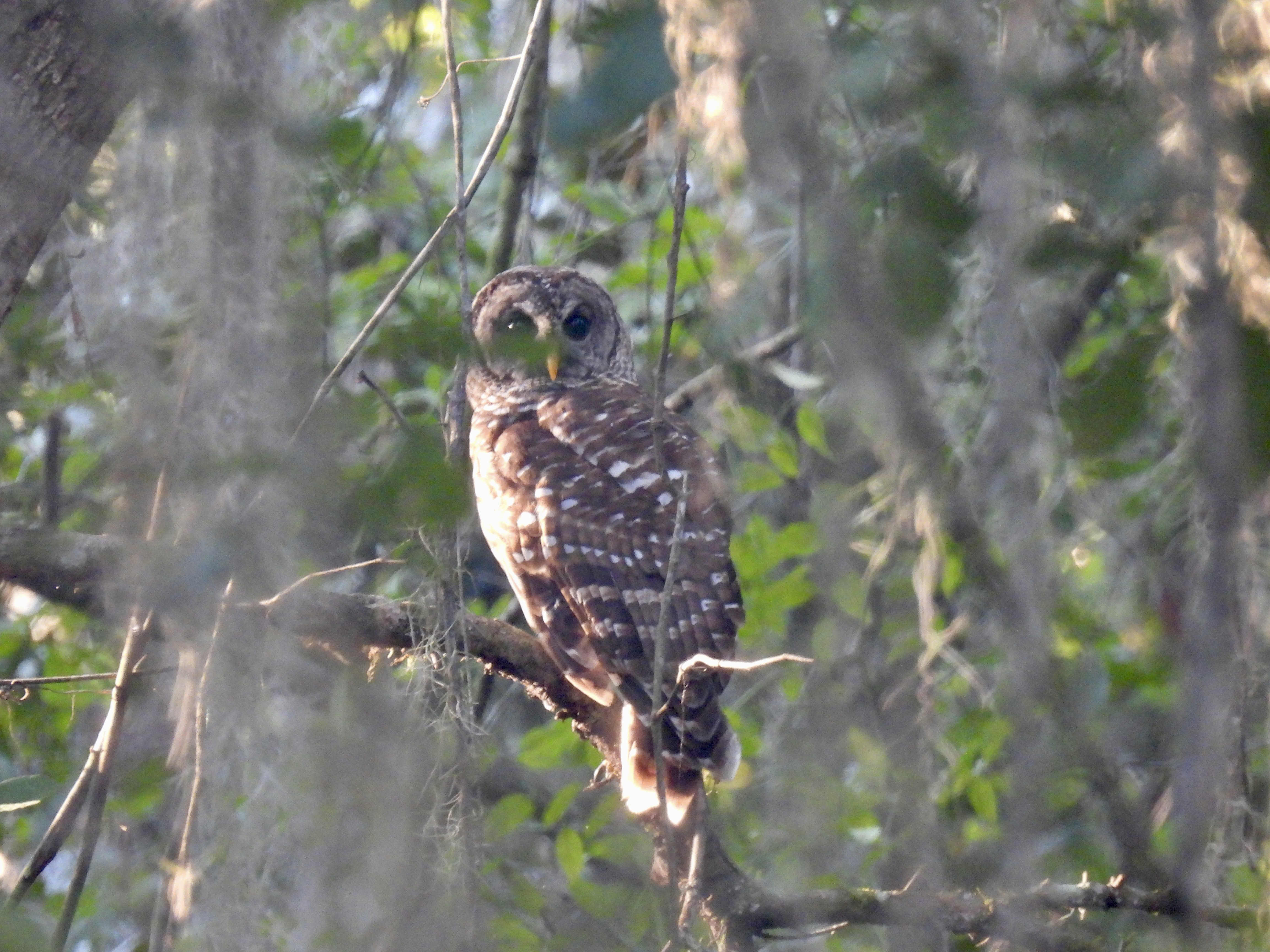
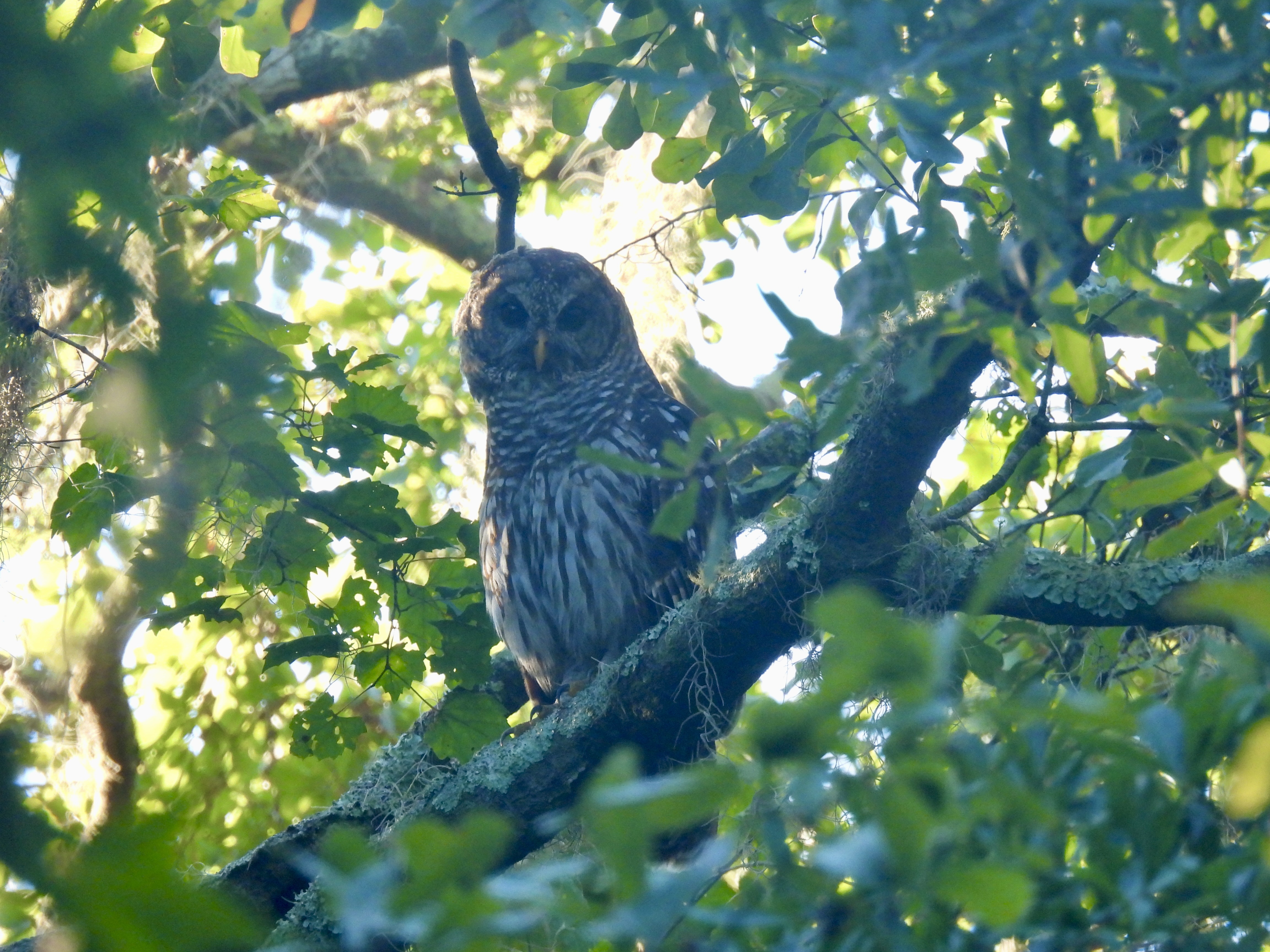
Within five minutes of starting our hike at 7:45 AM, I spotted two Barred Owls flying low through the canopy. We tailed them into the forest, and got a good view of one owl staring at us from a branch in the mid-storey. A great lifer bird and a species that has eluded me for years, despite being common in Florida.
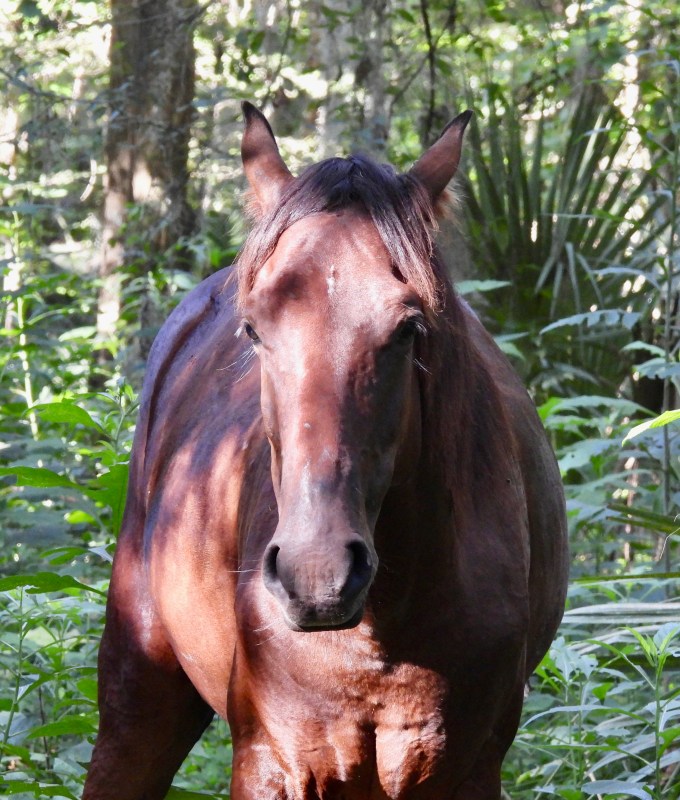
It was already unpleasantly warm and sticky by the time we stumbled across our first Feral Horses in the forest.
These particular horses, which roam the open prairie, are ancestors of the horses brought to Florida by the Spanish in the 1500s. Known as Florida Cracker Horses, they have adapted well to Florida’s heat and parasites.
Paynes Prairie is one of the last areas they live freely, and although the horses aren’t truly wild or native to the region, watching them trot down well-worn forest game trails while browsing on low shrubs conjured up images of when truly wild horses roamed throughout North America during the last Ice Age.
As my mom and I made our way onto the open prairie, we were immediately subject to the searing sunlight that the forest had protected us from. At this point, I was pouring with sweat and we both started tearing into our water supply.
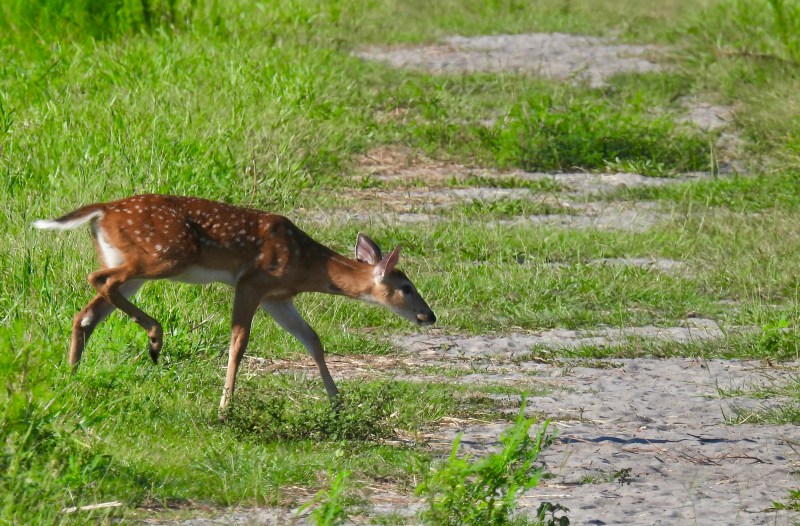
I was really hoping to spot the bison herd, but the trail and area around the observation tower was mostly devoid of animal life save for several hundred Red-winged Blackbirds and a white-tailed doe with her fawn who appeared briefly.
We finished the Bolen Bluff Trail around 9:30 AM, and promptly drove to the visitor center around the other side of the state park, which has some great indoor exhibits and a hefty observation tower from which one can sometimes spot the bison herd. I thought I saw some bison-like shapes about a mile off, but a ranger at the visitor center explained that those shapes were likely ‘bush bison’, or bison-shaped shrubs that often trick hopeful visitors like myself.
The heat of the day was now in full-force, and I reckoned my chance of spotting the bison herd was now low. It was just too hot for such large bovids to be actively grazing. My mom and I drove off once again, this time to the popular La Chua trail, which bisects an alligator-choked wetland.
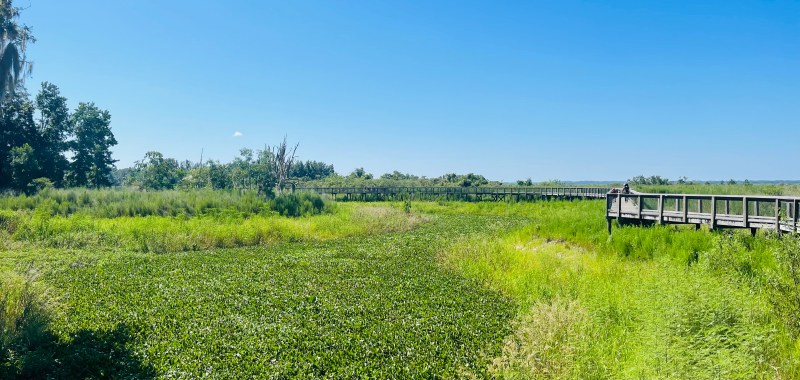
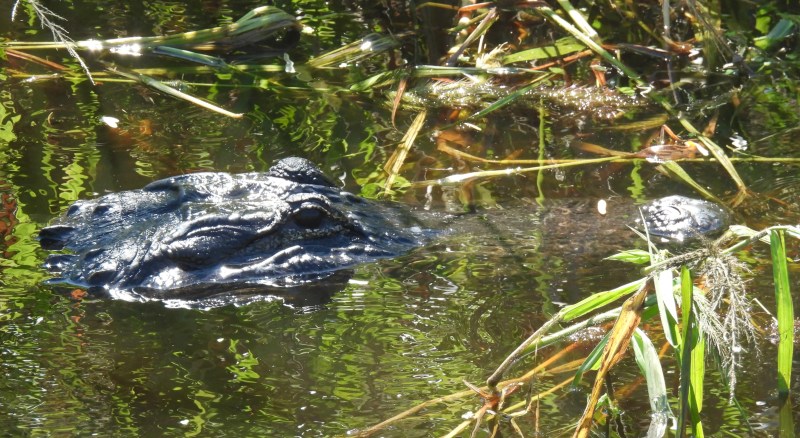
By now, it was too hot for us to fully enjoy views of the dozens of American Alligators (Alligator mississippiensis) cruising through the channels along the trail. A number of waders including Wood Storks, Great Blue Herons and Great Egrets sat poised along the same channels, waiting for fish to pass by.
Hopefully their reflexes serve them well enough to escape the hungry gators…..
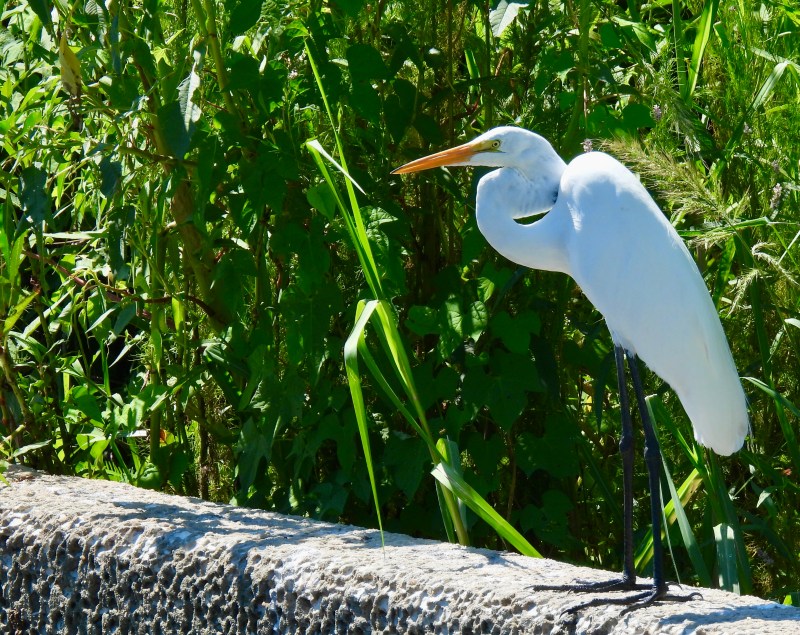
I was hoping to spot waders like the Sandhill Crane and Limpkin, but the heat had drastically reduced bird activity by the time we finished the trail. I stopped for a quick walk through Sweetwater Wetlands Park immediately to the north of the prairie to attempt to see my bird targets, but alas the heat had won and the bird activity was dead. Shortly thereafter, I spent about ten minutes savouring the wonderful AC in the car before driving back to St. Augustine to reconvene with my relatives.
Though I didn’t see any bison or my target birds this time, I was overall satisfied with my boiling-hot wildlife outing to Paynes Prairie, one of Florida’s great wildlife habitats. I also enjoyed my first few self-driven wildlife expeditions to different parts of Northeast Florida—an excellent introduction to what will likely be a lifetime of driving myself to wild places in search of animals and adventure.
Stick around for what’s to come–and stay wild
-Bennett
Mammal Species Seen: (Lifers bolded)
| Common Name: | Scientific Name: |
| 1. Nine-banded Armadillo | Dasypus novemcinctus |
| 2. Feral Horse (Florida Cracker Horse) | Equus ferus caballus |
| 3. Common Raccoon | Procyon lotor |
| 4. White-tailed Deer | Odocoileus virginianus |
| 5. Feral Hog | Sus scrofa |
| 6. Eastern Gray Squirrel | Sciurus carolinensis |
Bird Species Seen: (Lifers bolded)
| Common Name: | Scientific Name: |
| 1. Barred Owl | Strix varia |
| 2. Blue-gray Gnatcatcher | Polioptila caerulea |
| 3. Great Crested Flycatcher | Myiarchus crinitus |
| 4. Carolina Chickadee | Poecile carolinensis |
| 5. Common Gallinule | Gallinula galeata |
| 6. Turkey Vulture | Cathartes aura |
| 7. Little Blue Heron | Egretta caerulea |
| 8. Great Blue Heron | Ardea herodias |
| 9. Great Egret | Ardea alba |
| 10. Downy Woodpecker | Dryobates pubescens |
| 11. Hairy Woodpecker | Dryobates villosus |
| 12. Red-bellied Woodpecker | Melanerpes carolinus |
| 13. Mourning Dove | Zenaida macroura |
| 14. Northern Cardinal | Cardinalis cardinalis |
| 15. Wood Stork | Mycteria americana |
| 16. Western Cattle Egret | Bubulcus ibis |
| 17. Wild Turkey | Meleagris gallopavo |
| 18. Carolina Wren | Thryothorus ludovicianus |
| 19. Anhinga | Anhinga anhinga |
| 20. American Crow | Corvus brachyrhynchos |
| 21. Gray Catbird | Dumetella carolinensis |
| 22. Boat-tailed Grackle | Quiscalus major |
| 23. Red-winged Blackbird | Agelaius phoeniceus |
| 24. Osprey | Pandion haliaetus |
| 25. Tufted Titmouse | Baeolophus bicolor |
| 26. Laughing Gull | Leucophaeus atricilla |
| 27. Mallard | Anas platyrhynchos |


Leave a Reply