
Recently, my girlfriend Florence and I enjoyed a pleasant, five-day getaway to Bintan Island, Indonesia, located just one hour from the Singapore mainland via fast ferry. Our trip was a rewarding mixture of eco-tourism, luxury accommodation, fine dining, and fun outdoor sports like jet skiing. Though we weren’t focused on wildlife-spotting, we still had the privilege of experiencing pristine coral reefs and extensive mangrove forests that were brimming with various creatures.
This post recaps some highlights of our trip to Bintan so please enjoy!
Florence and I were initially planning to spend four nights at the Bintan Pearl Beach Resort (January 26th-30th, 2026), which is located over an hour drive from the ferry terminal in the rather remote east coast of Bintan Island.
We arrived on the first afternoon and quickly switched accommodations as the location, food quality, and resort itself were all underwhelming and the prices for food and transportation were high.
We drove to the north of Bintan to the famous Lagoi Bay area, where most of the luxury resorts, fine dining, and nice accommodation is located. The vibe was much better here and less off-putting. And the beach was much prettier as well. We quickly decided on Kamuela Villa as our new accommodation, which was a far better choice. Kamuela consists of many small, private villas, each with their own private pools—perfect for our couple’s vacation.
Kamuela Villas helped us organize our activities for the following three days, including a boat tour through the Bintan mangroves, a day of snorkelling and jetskiing, and a stopover at the unusual Bintan Desert (a former bauxite mine-turned tourist attraction).
On our second morning of the trip, Florence and I embarked on an hour-long wildlife-spotting boat tour through the Bintan mangroves along the Sebung River. It was great to see that at least part of the tourism industry on Bintan Island is focused on promoting eco-tourism and protecting Bintan’s remaining natural heritage rather than just developing everything into resorts and hotels.
Our guide seemed to enjoy his job and did his best to explain the cultural, historical and natural features of our surroundings as well as point out wildlife for me.
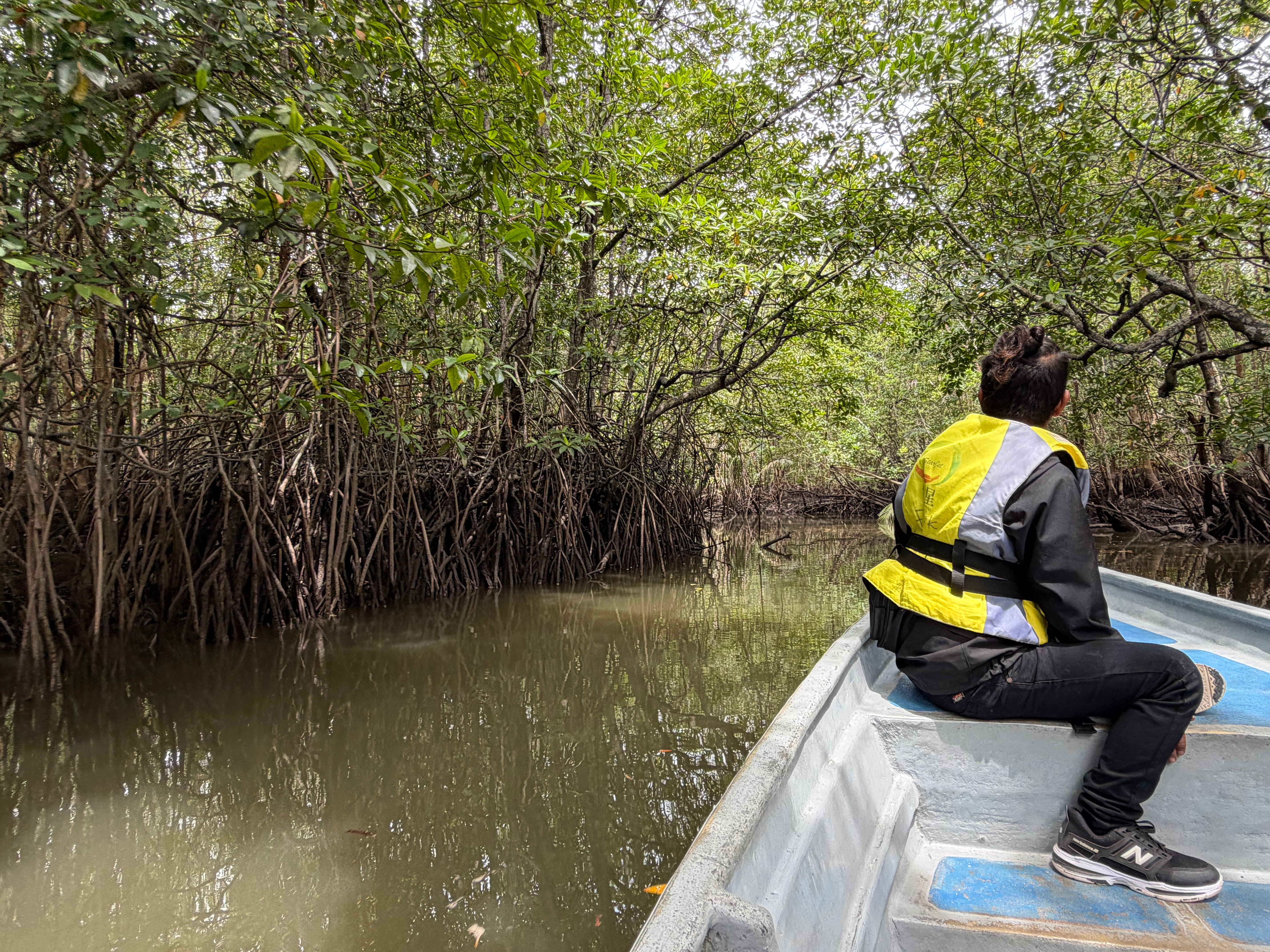
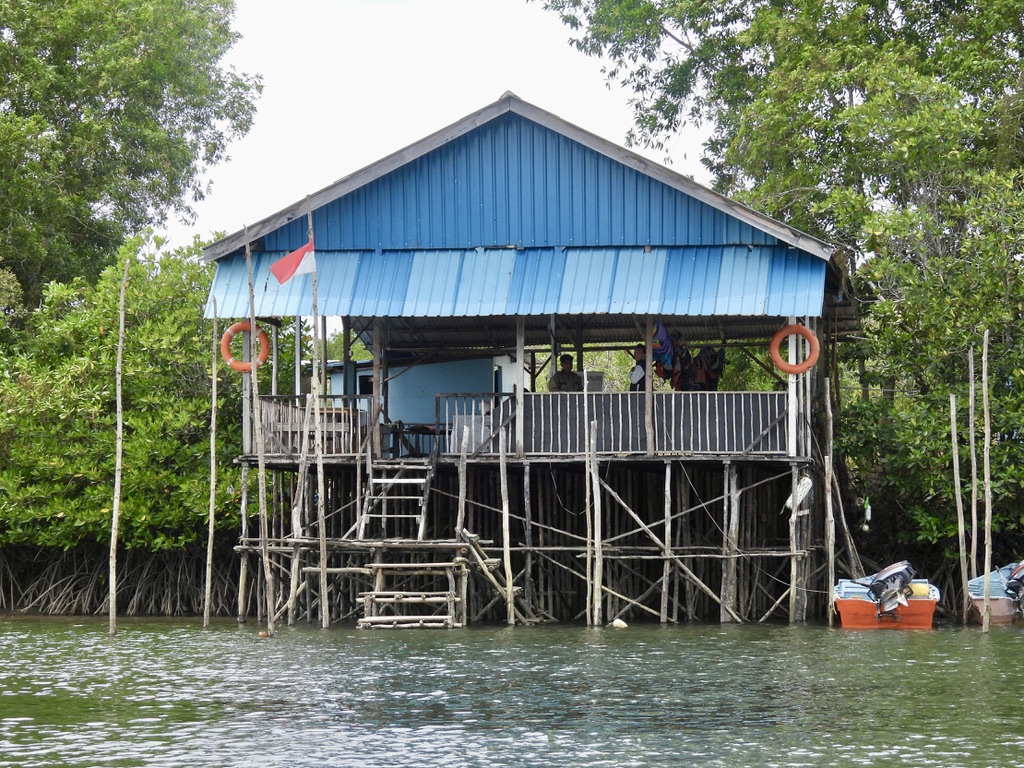
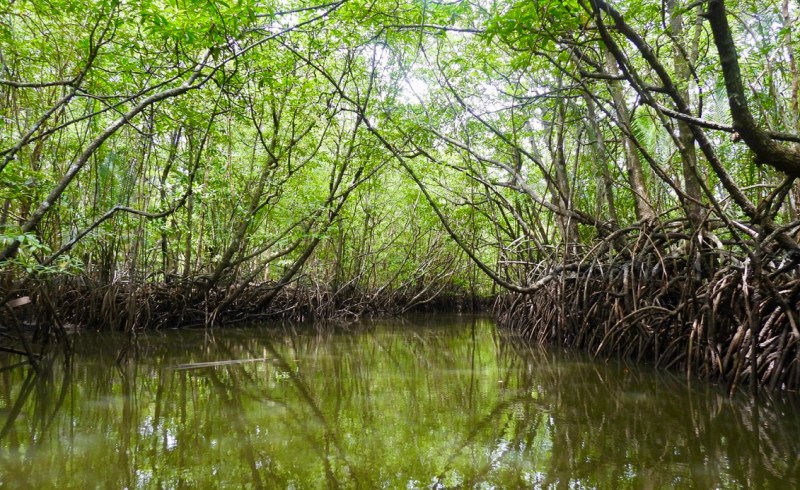
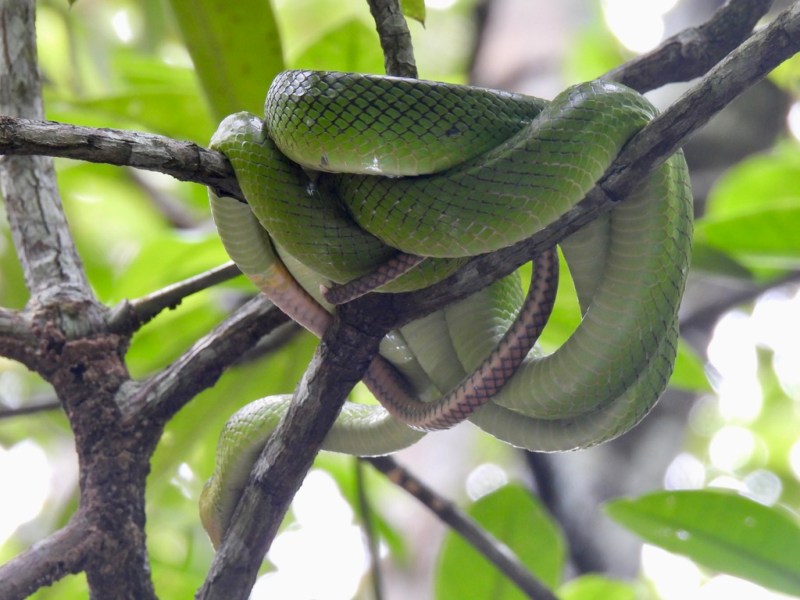
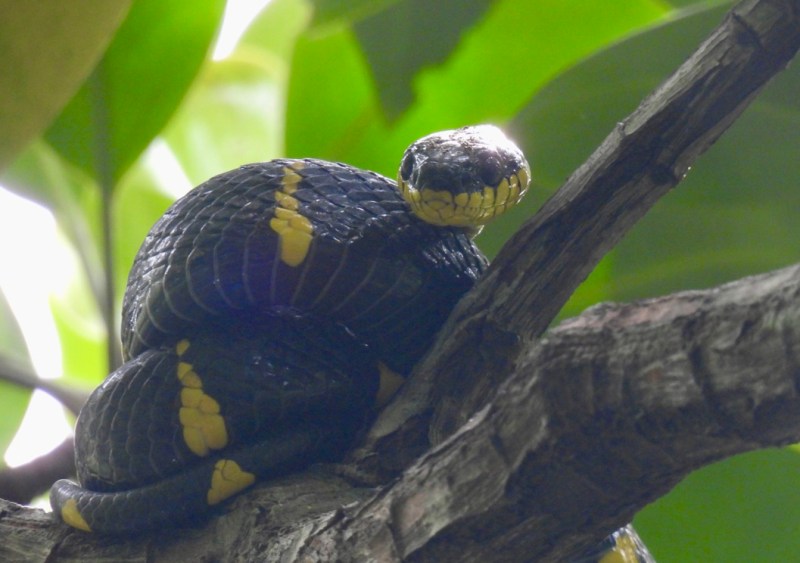
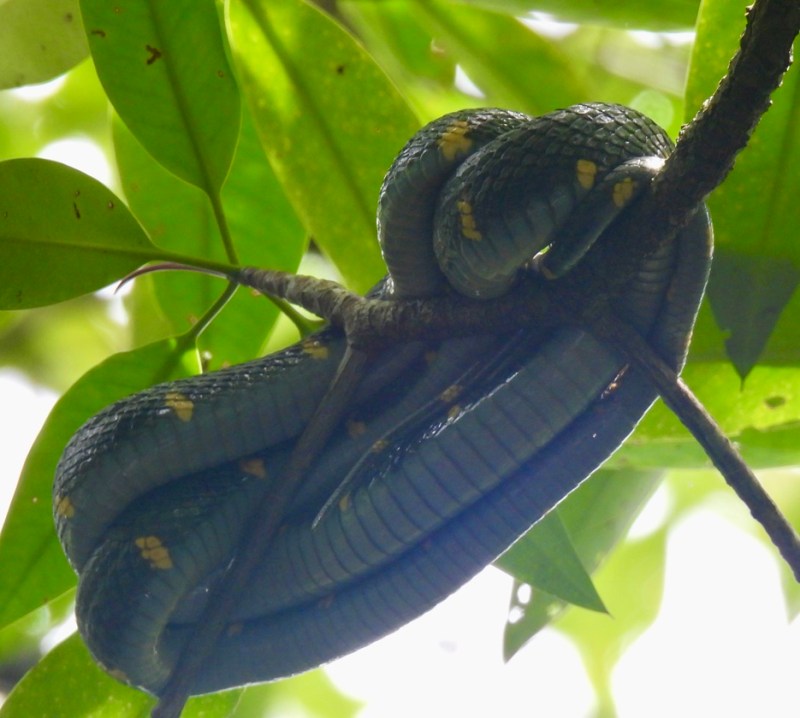
Though it was midday when we went (the worst time for wildlife spotting), we still managed to spot a cool array of mangrove species with the help of our guide. These included Red-tailed Green Rat Snakes (Gonyosoma oxycephalum)— a target species of mine that eluded me in Singapore, along with Western Mangrove Cat Snakes (Boiga melanota), a lone Common Water Monitor (Varanus salvator), a Stork-billed Kingfisher, and a Mangrove Blue Flycatcher, a lifer bird for me.
Animal species that we missed but that also live in the Bintan mangroves include crocodiles, otters, Silvered Leaf Monkeys, macaques, and the occasional Reticulated Python. I did spot a Silvered Leaf Monkey in a tree along the road leading to the mangroves, though it was too quick for a photo.
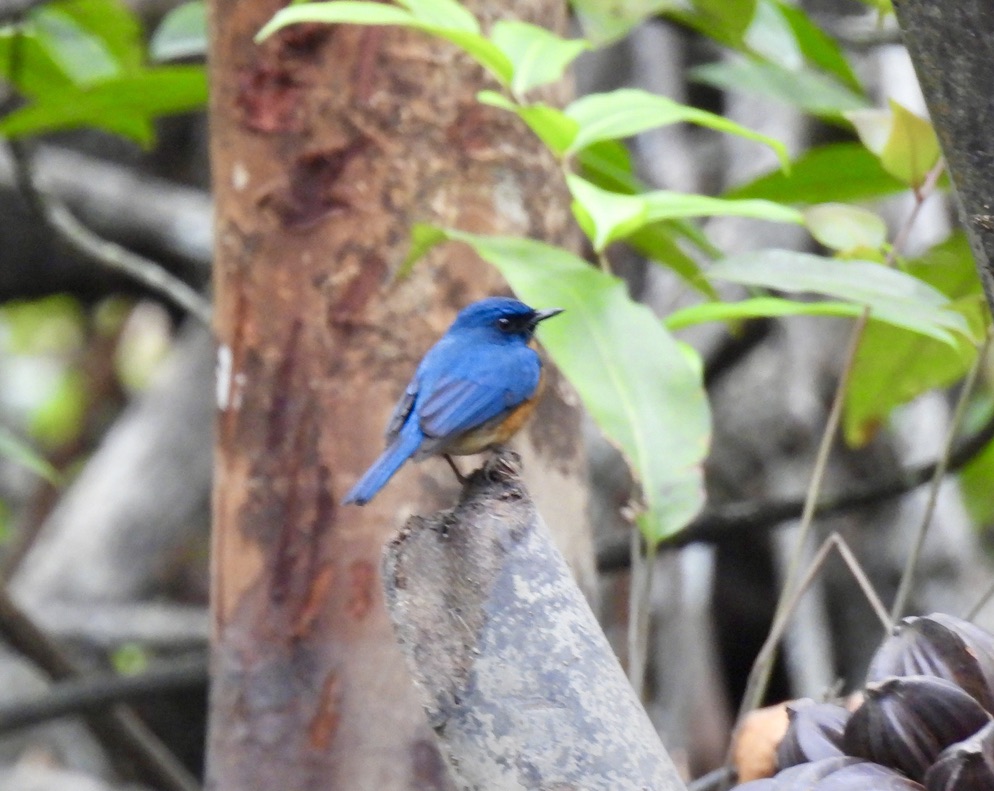
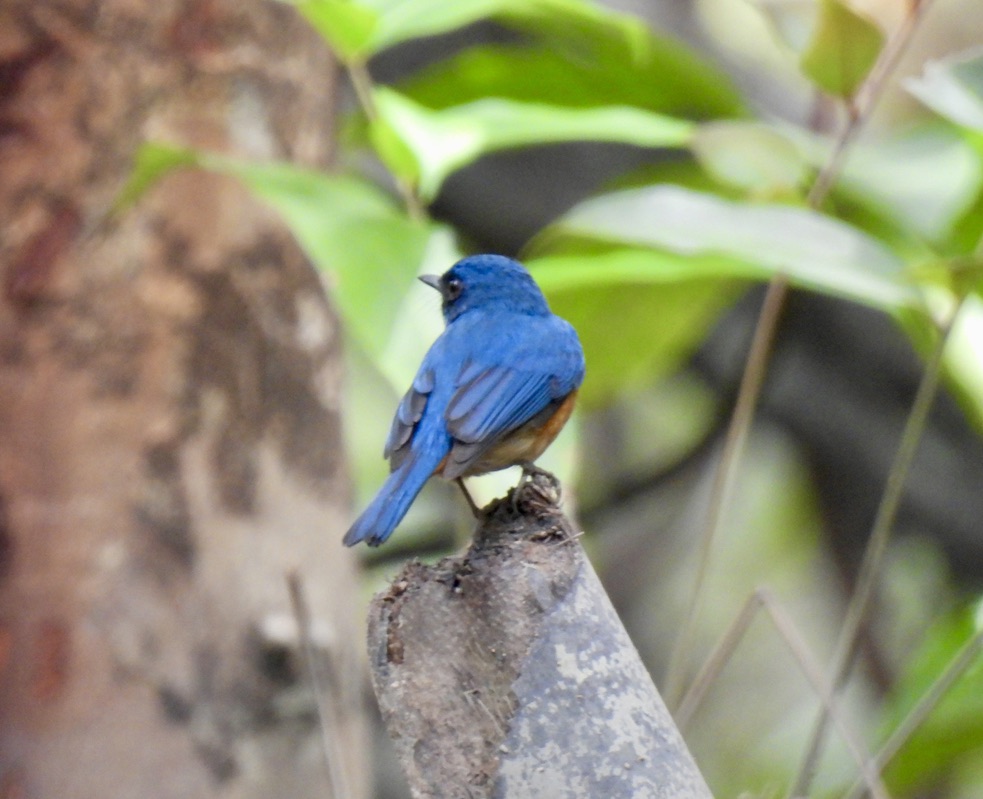
Mangrove Blue Flycatcher
As someone who has spent years seeking out wildlife around the world, I can confidently recommend this tour to any nature lover visiting Bintan. It offers an excellent opportunity to explore the island’s unique and fragile mangrove ecosystem while supporting local conservation efforts and responsible ecotourism.
What I most definitely CANNOT recommend is the truly awful Safari Lagoi Bintan, which we had the displeasure of exploring earlier in the day before the mangrove tour.
This disgrace of a zoo unfortunately cares for a number of endangered Indonesian wildlife species like Sun Bears, Sumatran Tigers, Green Peafowl, Sumatran Elephants, and Bornean Orangutans. The animals are kept in small and dirty enclosures with inadequate stimulation or recreation of their natural habitats. Most of the animals, especially the caged birds and reptiles, appeared unhappy, bored and unhealthy.
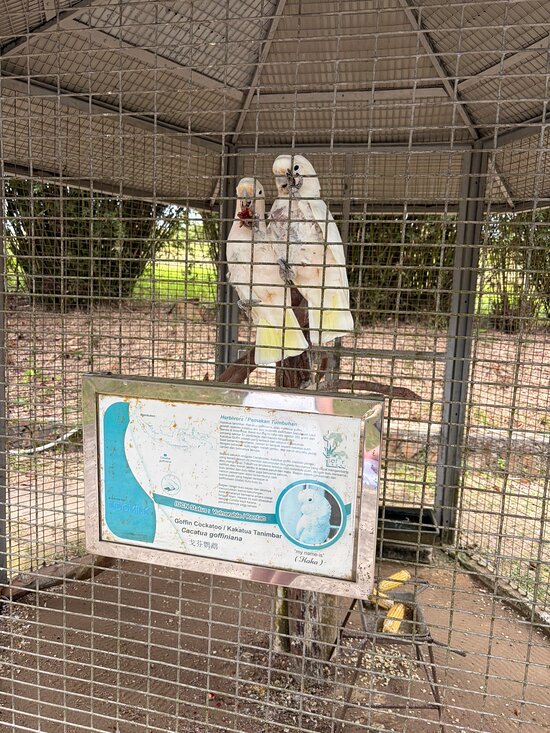
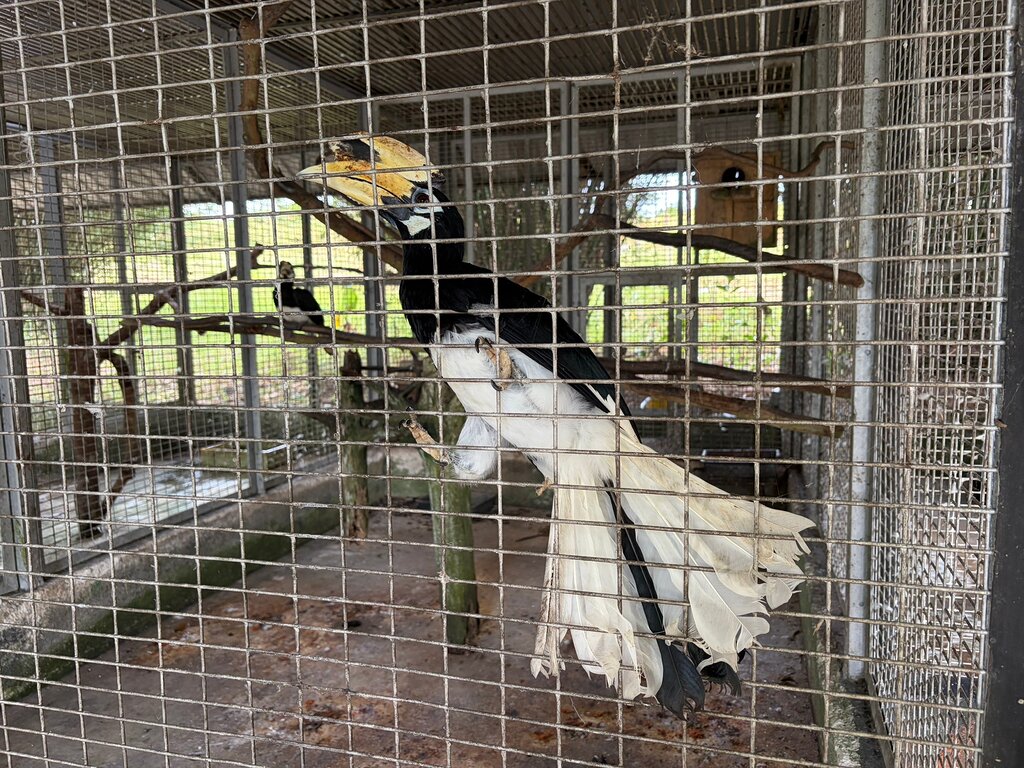
The distressed, caged birds of Safari Lagoi Bintan
As soon as we entered the zoo the staff there tried to sell us mass-marketed wildlife encounters like elephant riding, python handling, and animal feeding—the ethics around these encounters are dubious at best.
It also doesn’t a genius to figure out that they are providing false information about a decent number of the animals on the sign posts, as well as not even having the right animals in the right enclosures! For instance, the Komodo Dragon enclosure was filled entirely with subadult crocodiles and not a single actual Komodo Dragon!
They didn’t even provide adequate water for the “Komodo Dragon” crocodiles to cool off in which is necessary for their internal temperature regulation and overall survival. Poor things.
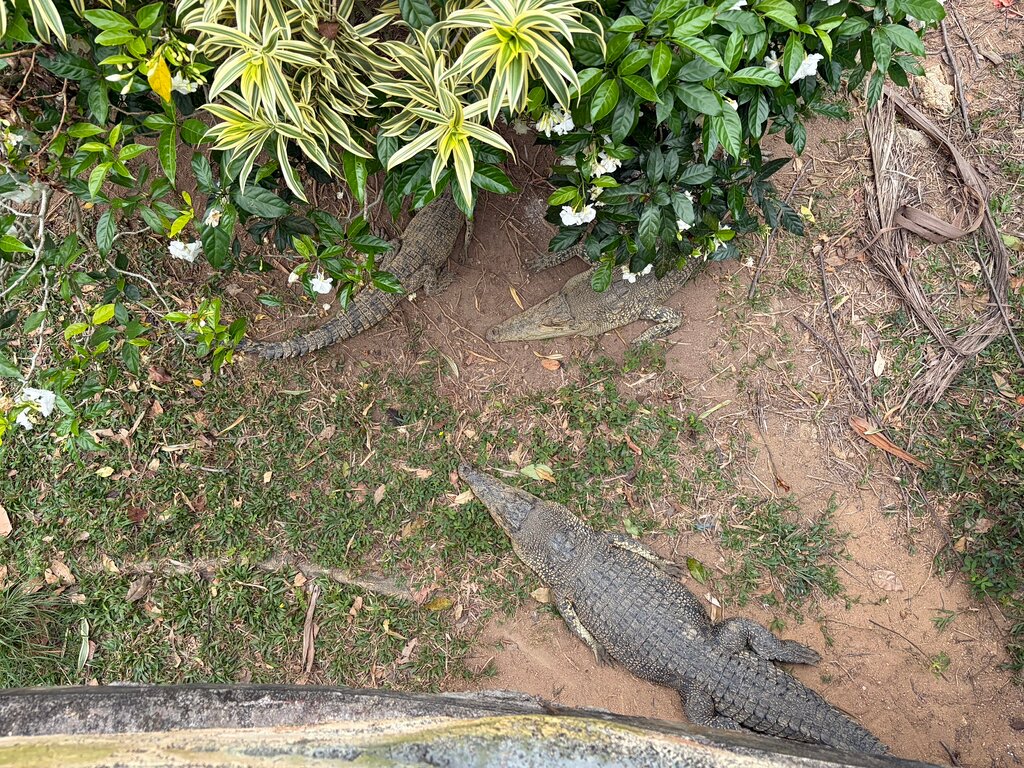
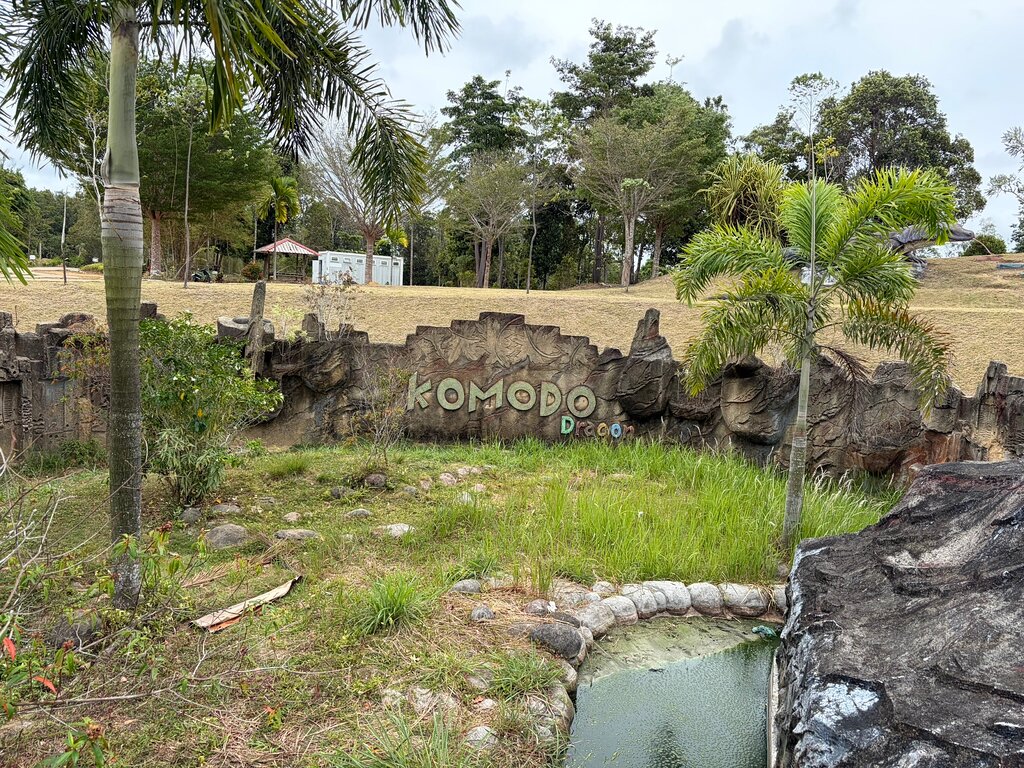
The supposed “Komodo Dragon” enclosure……what a joke
Anyway, I hope that this pathetic excuse for a zoo gets shut down and the animals are rehoused to proper zoos and wildlife rehabilitation centers that can adequately care for them. And I hope that the greedy assholes who own and profit off of the suffering of endangered animals at this place get what’s coming to them.
On a more positive note, our next activity following the mangrove boat tour, the Bintan Desert, was much more enjoyable. The unique landscape of the Bintan Desert is the result of human resource extraction rather than a naturally exisiting desert. The whole area is a former bauxite (aluminium-containing ore) mine, where mining operations were ceased in 2013 under the orders of the Indonesian government. It gradually transformed into a tourist site due to its unique and rather beautiful landscape, where barren sand dunes contrast with various bright blue lakes.
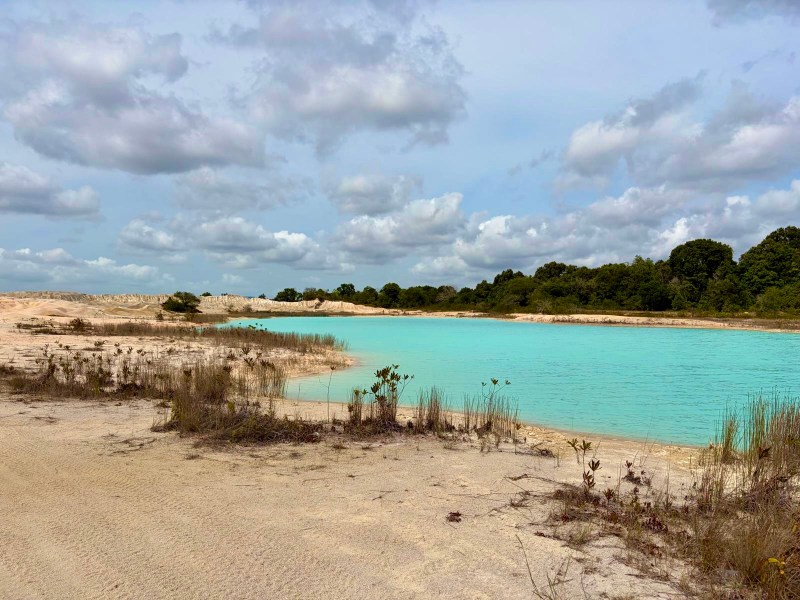
There are plenty of fun acitivities offered at reasonable prices by many different local vendors around the Bintan Desert, including horseback riding, ATV’s, and bird-of-prey handling. I opted for the ATV ride around the desert, whereas Florence decided to go horseback riding through the dunes.
I was definitely being overcharged for the ATV ride—it cost me 500,000 Indonesian rupiah ($30 USD) for a kid-sized ATV I could barely fit onto and which broke down two times during my 45-minute ride around the desert—but it was still loads of fun nevertheless.
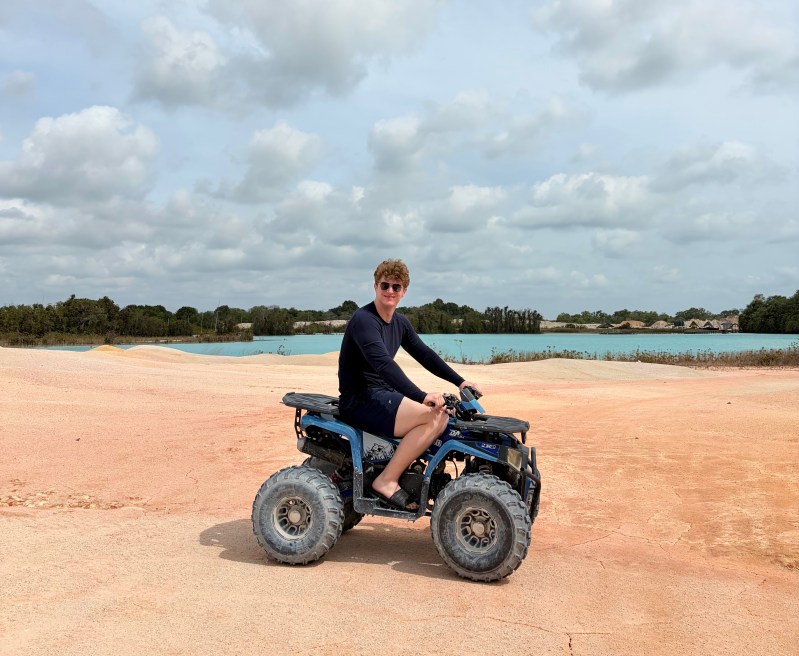
An hour and half at the Bintan Desert was about all we needed to explore the area fully and have a couple adventurous touristy experiences. That about wrapped up our second day at Bintan, and we headed back to Kamuela Villas after dinner for an relaxing night in.
I have some thoughts about the Bintan Desert after visiting. Though its existence is the result of environmental destruction, it’s nice to see that even places humans have irreversibly altered can later become spots for recreation and outdoor adventure. I do, however, hope that Indonesia takes stronger action to reduce both legal and illegal mining operations across the country, as they are causing widespread and often irreversible damage to biodiversity. I say this after witnessing firsthand the destructive impacts of gold mining on the fragile Wallacean rainforests and their wildlife during my 2024 visit to the Indonesian island of Sulawesi.
As the world’s second-most biodiverse country, and a nation that contains more endemic species than practically anywhere else (barring Australia, Madagascar, and maybe Brazil), Indonesia has an obligation to protect its outstanding nature and biosphere for future generations. I want to be able to show my children the natural wonders of this incredible country!
Our third day on Bintan was definitely my favorite. We spent nearly a full day (10am-4pm) at Bintan Neemo, a watersport center on stilts situated directly above a pristine, shallow coral reef. Here, we enjoyed activities like snorkelling, fishing, sea kayaking, jet skiing, and jumping off their 7-meter diving board (not for the faint hearted). Bintan Neemo was situated an hour drive and a 15 minute speedboat ride from our hotel in Lagoi Bay, and while it wasn’t terribly convenient to reach, it was well-worth the commute time.
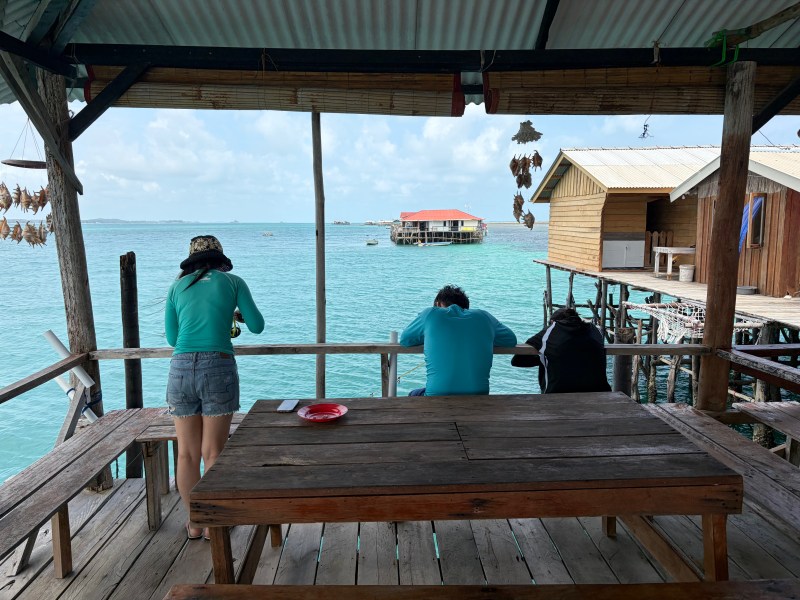
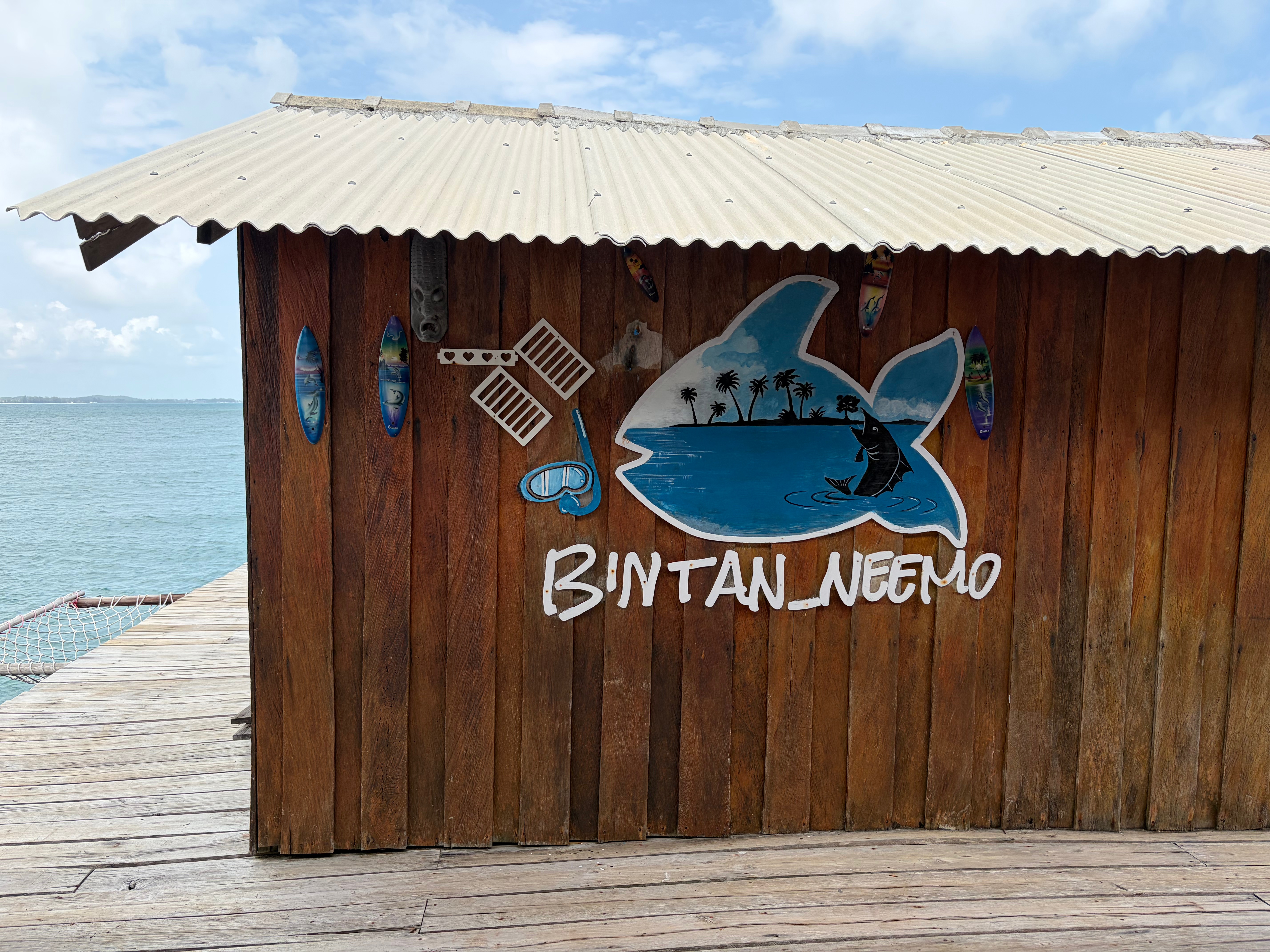
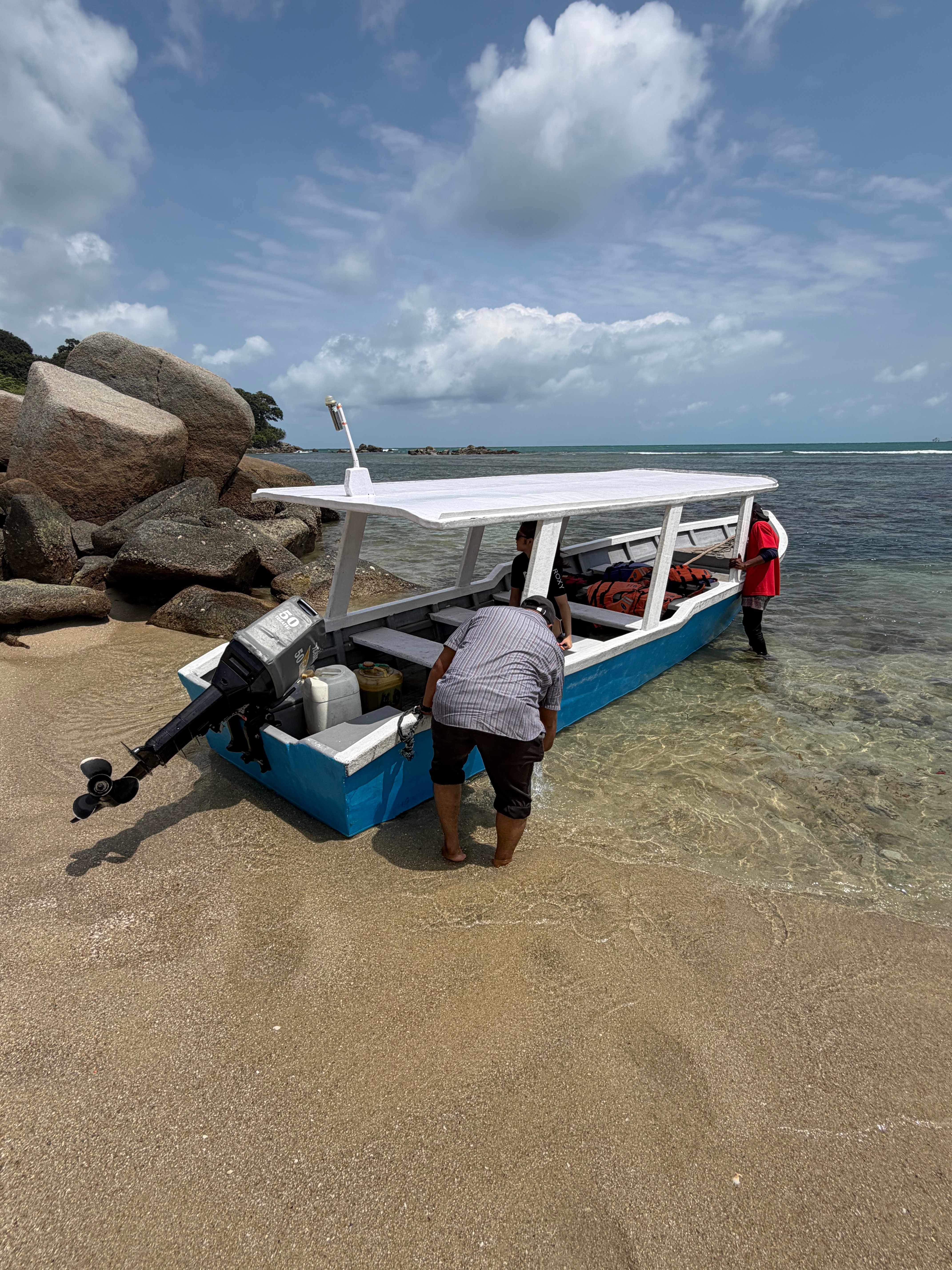
Bintan Neemo—a secluded gem for watersport enthusiasts
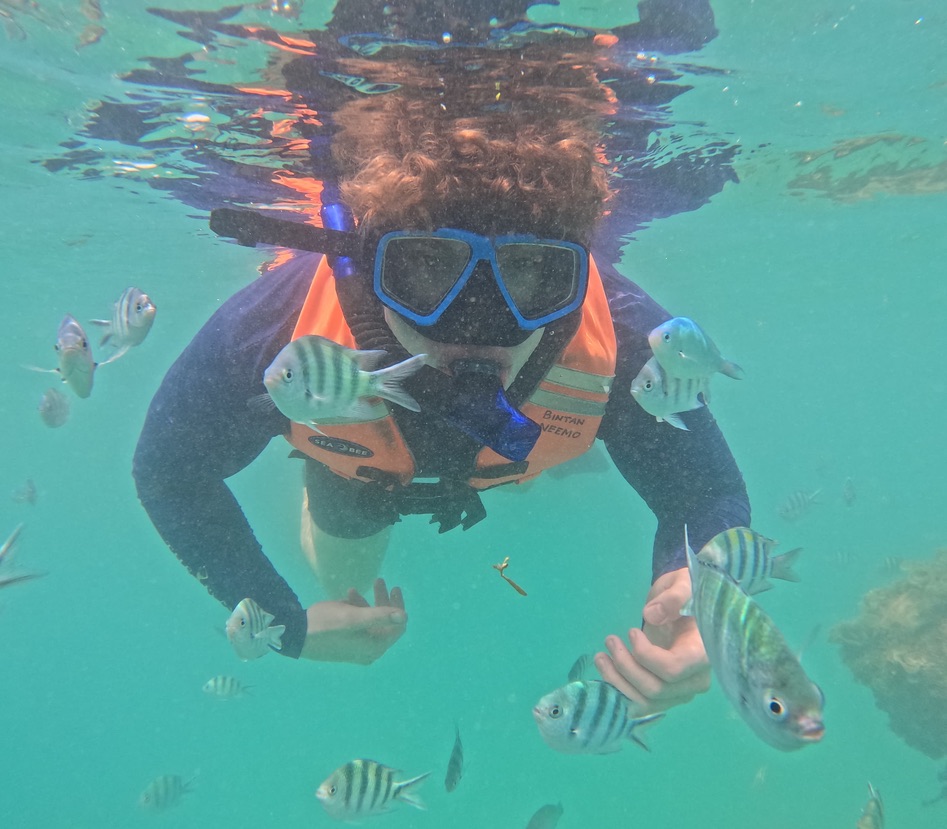
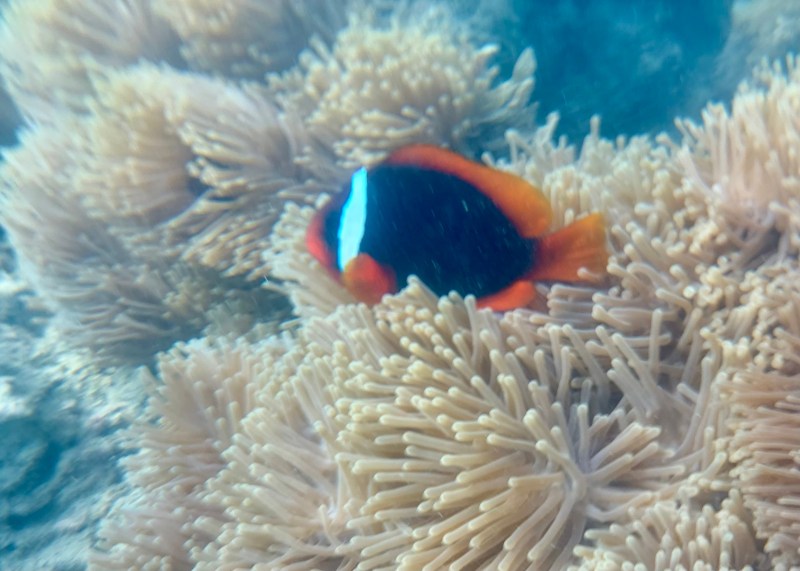
The shallow coral reef that was situated directly below Bintan Neemo looked to be in great condition. I observed a good variety of healthy, unbleached hard corals, other cnidarians, echinoderms, and reef fish that swam right up to me for food handouts. Though Bintan isn’t a recognized diving/snorkelling destination, its reefs are biodiverse and impressively intact.
I spent probably 2 hours snorkelling around Bintan Neemo—Florence sat out as she was scared of all the fish biting her but still enjoyed watching me. My favorite finds while snorkelling included Tomato Clownfish (Amphiprion frenatus), Fluted Giant Clams (Tridacna squamosa), and shoals of fearless Indo-Pacific Sergeant Majors (Abudefduf vaigiensis) that sought food handouts.
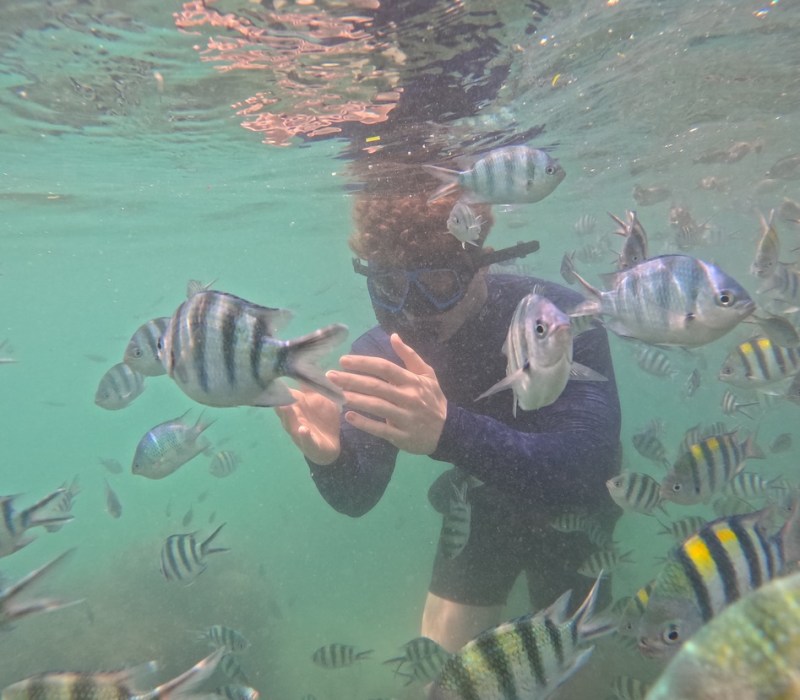
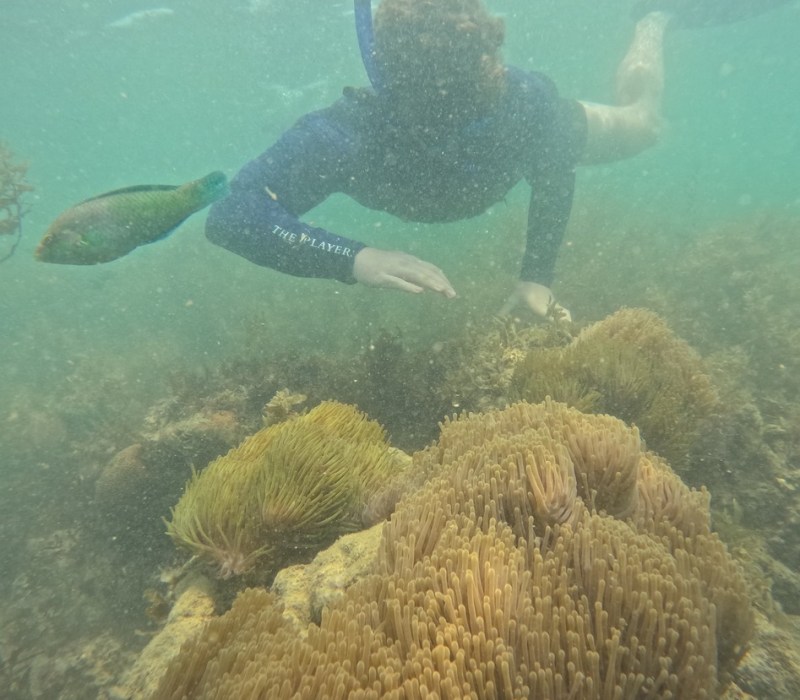
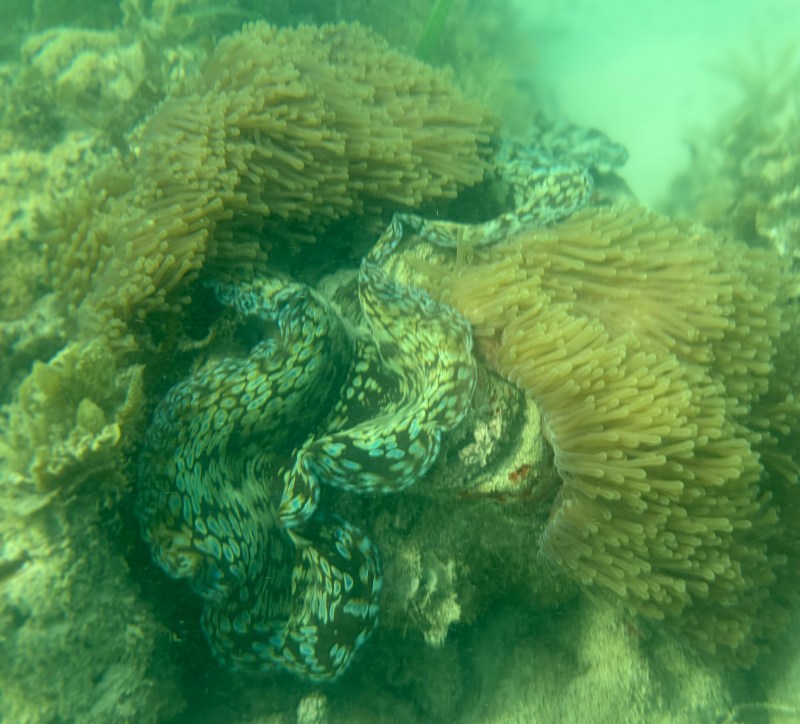
In addition to snorkelling, Florence and I partook in sea kayaking and jet skiing at Bintan Neemo, the latter of which was our favorite activity of our entire trip to Bintan. The jet skiing did end up costing quite a bit (1.7 million rupiah or $100 USD) but was well-worth the extra money.
We got nearly an hour and a half of unrestricted time on the jet ski and switched drivers many times which was super fun. And considering that 30 minutes of jet skiing at Lagoi Bay (the main tourist area) costs 1.3 million rupiah ($80 USD), I think it was a very reasonable price.
To me, there’s nothing quite as enjoyable as water sports with my girlfriend in an idyllic location!
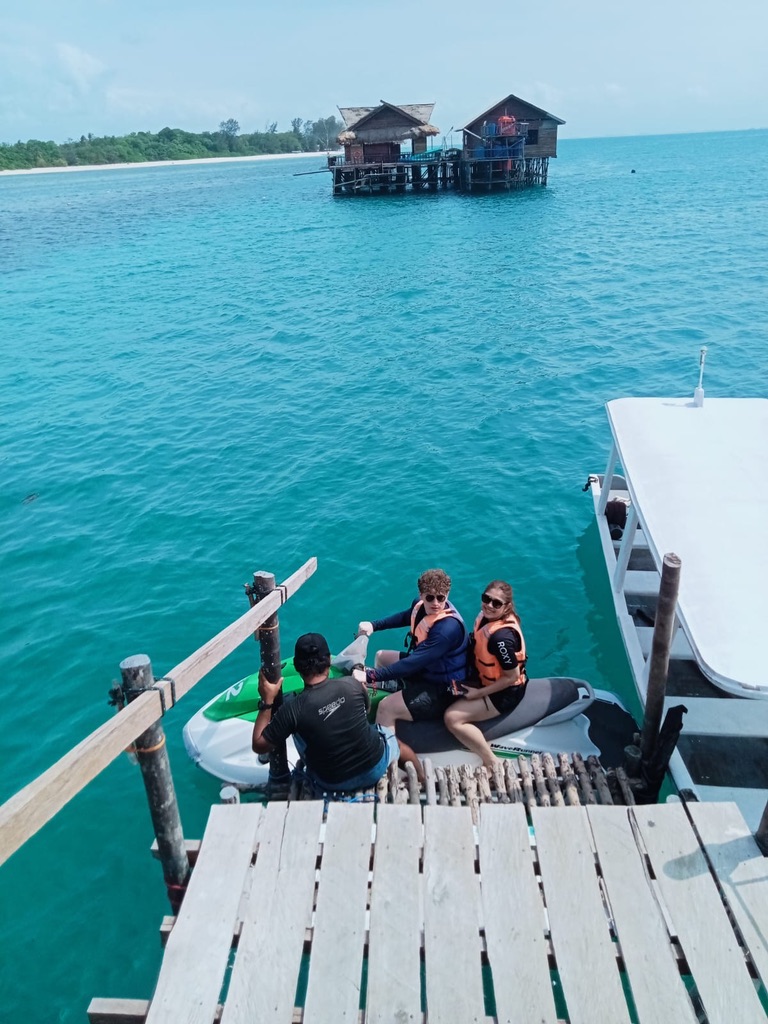
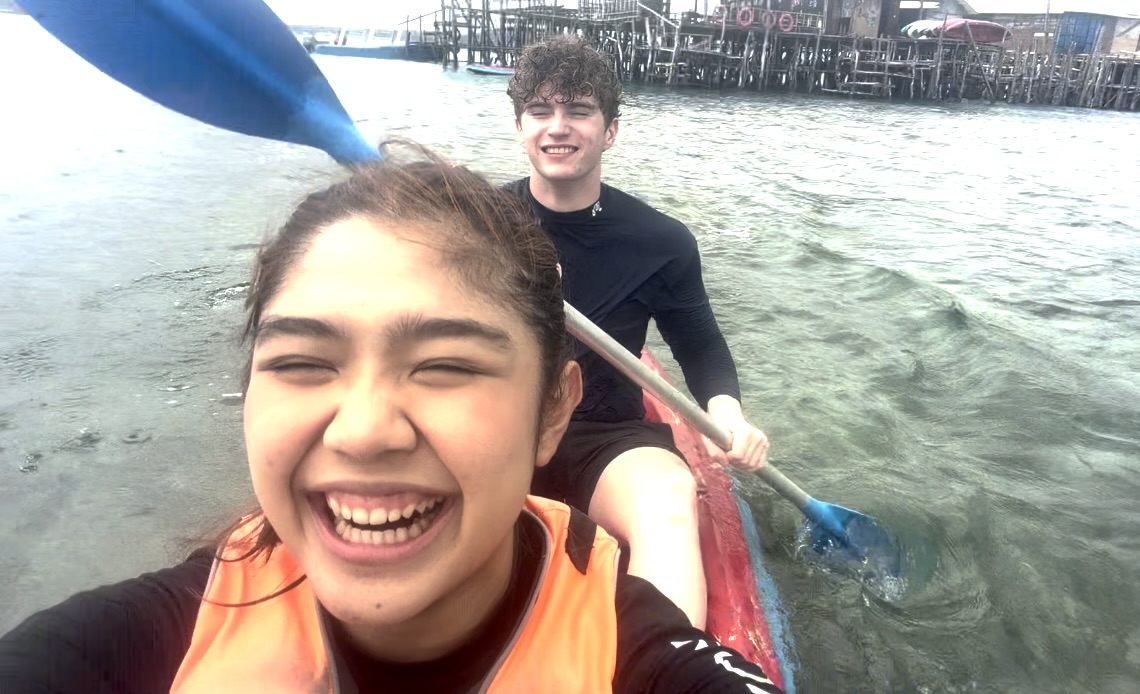
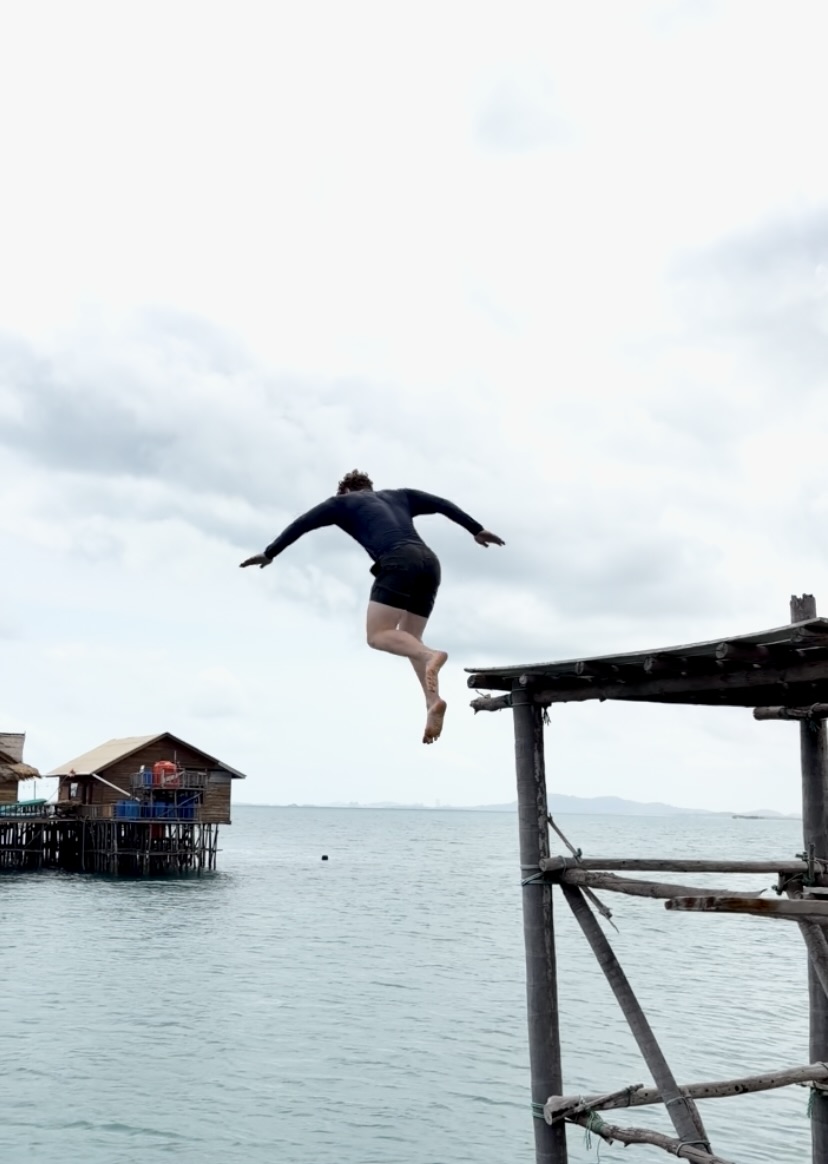
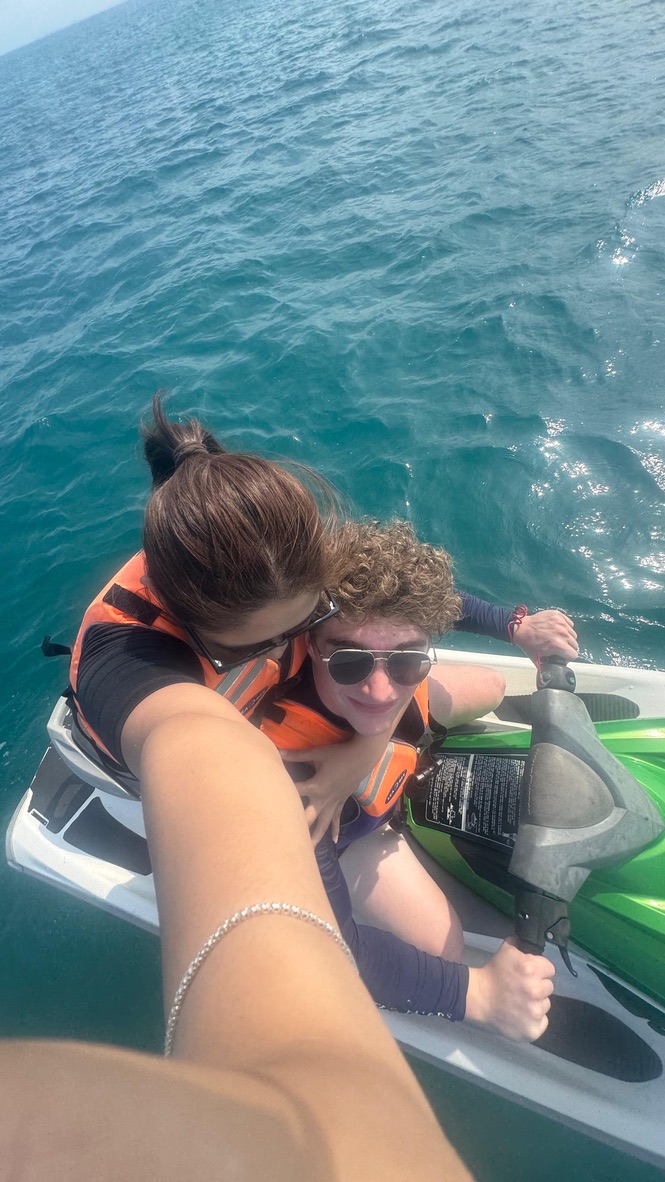
A day of water sports on Bintan Island…..what a blast!
That about recaps all of the nature activities and eco-adventures Florence and I partook in during our trip to Bintan Island. Our fourth and fifth days on the island were spent lazing around our villa, sipping cocktails, and eating delicious food at nearby restaurants in Lagoi Bay. No regrets there!
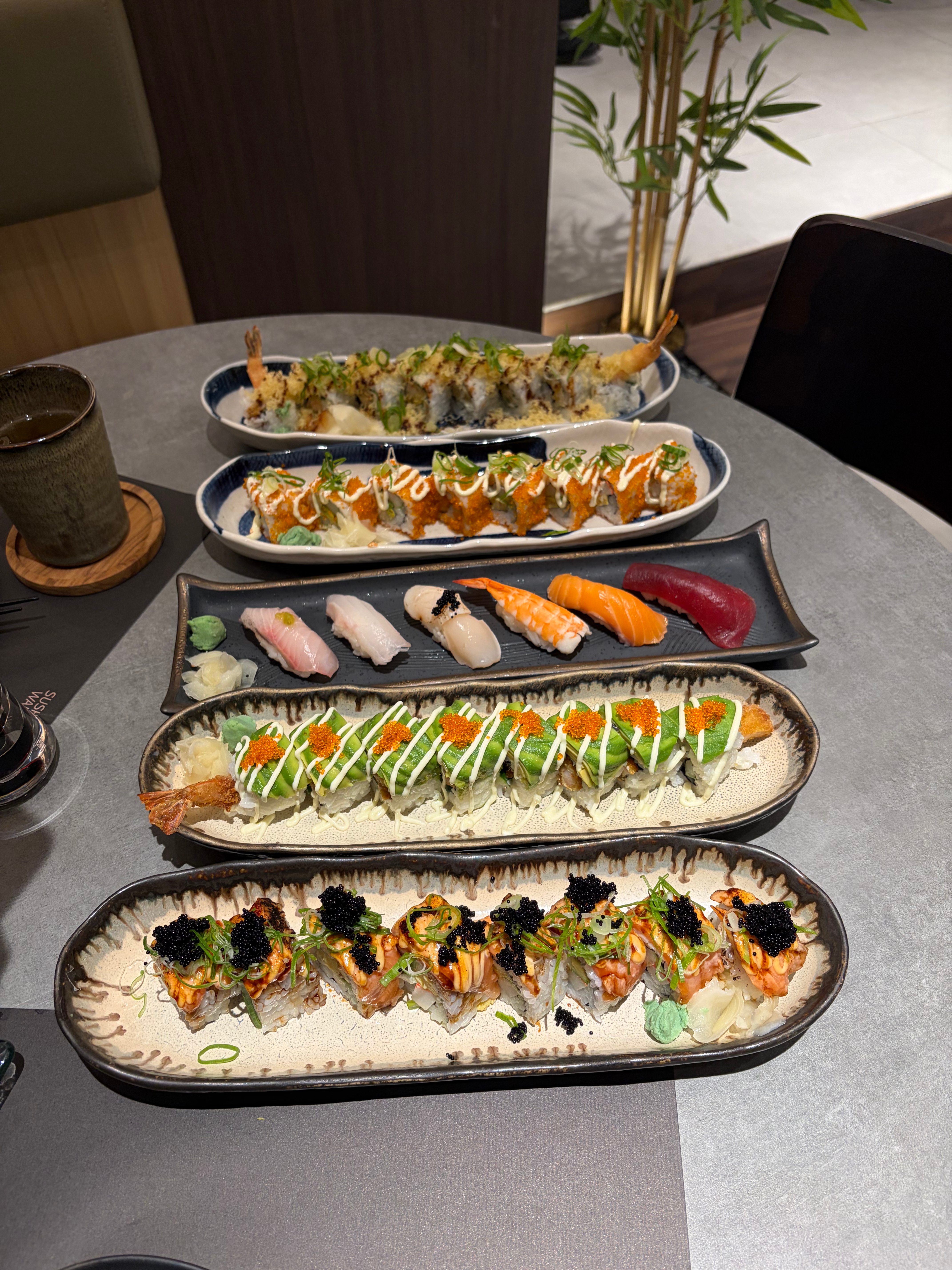
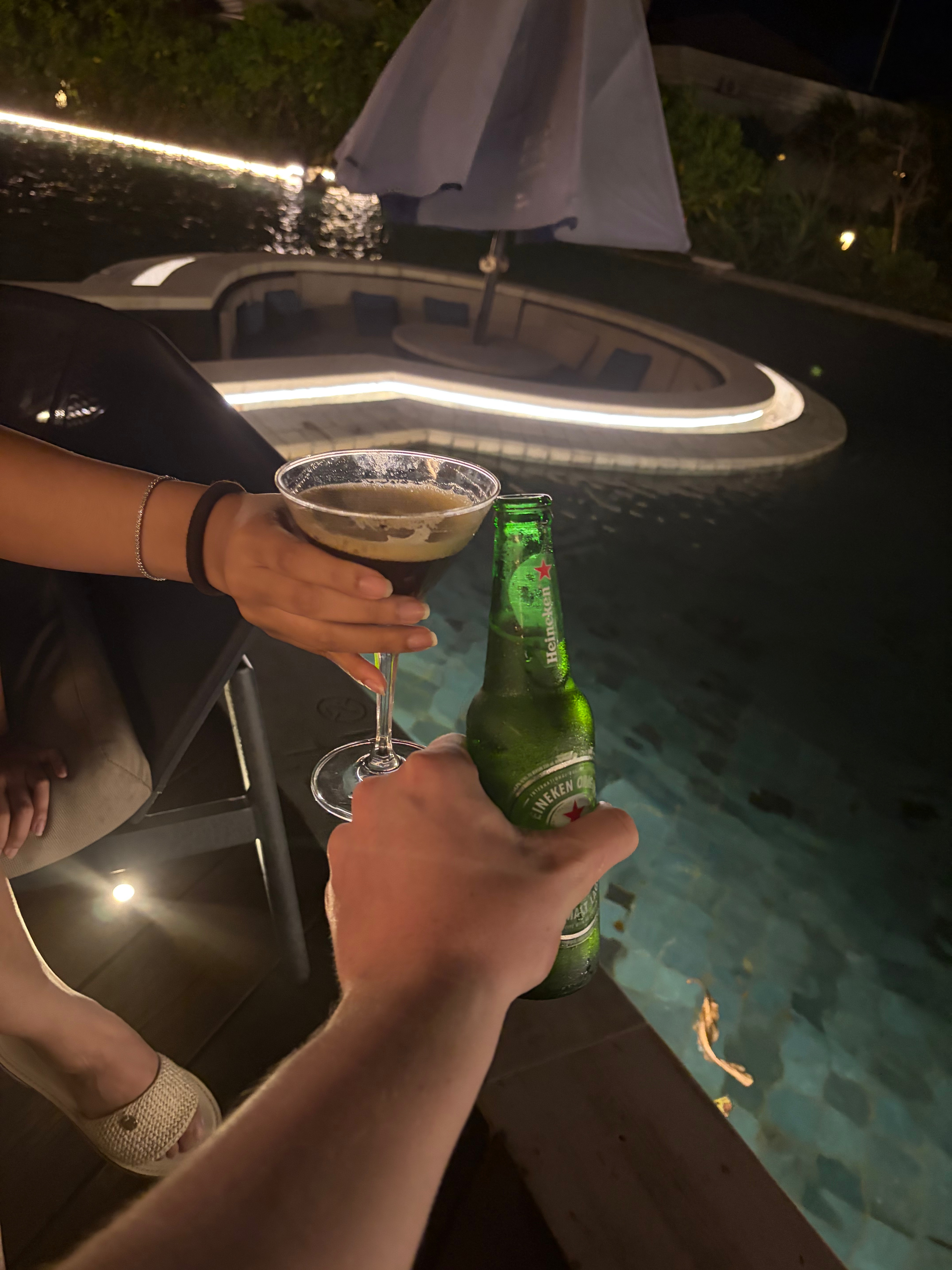
Sushi and beachside cocktails with Florence….not my usual trip ending but not complaining either!
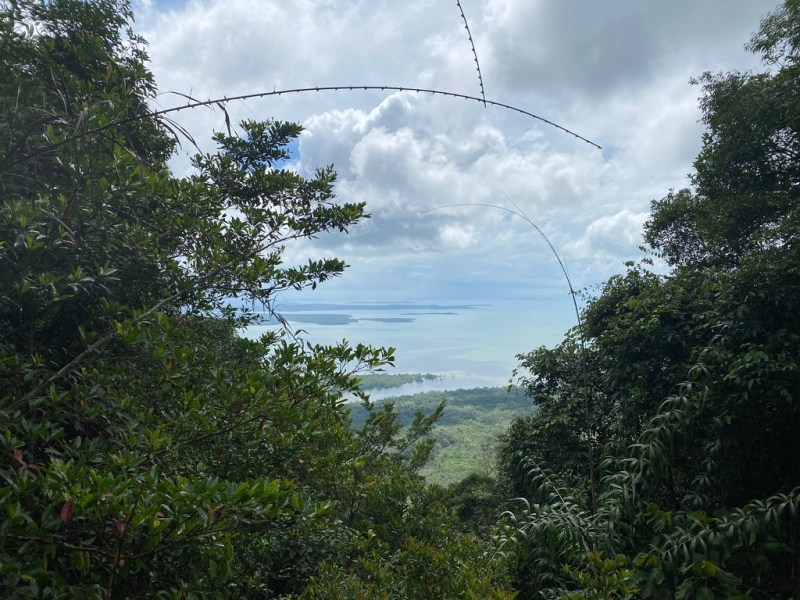
I had two opportunities for solo wildlife-watching on Bintan that I enthusiastically passed on in order to spend extra quality time with Florence. One option was to solo-hike 370 meter-high (1,200ft) Mount Bintan, which contains some of the last old-growth Dipterocarp rainforest on Bintan Island, but I’d already summited this mountain with my dad the last time I visited Bintan back in 2023.
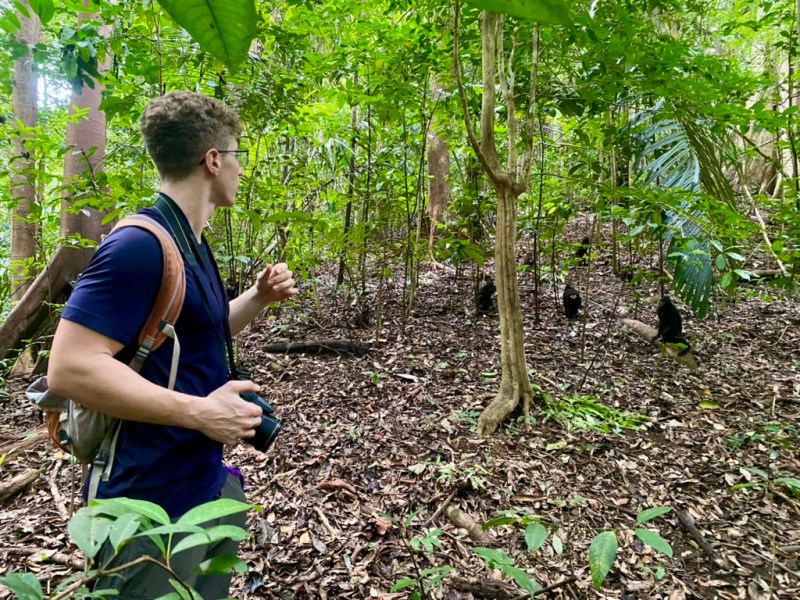
The other opportunity for wildlife that I passed on was searching for the endemic & endangered Bintan Island subspecies of the White-thighed Surili, known as the Bintan Island Pale-thighed Langur (Presbytis siamensis rhionis). I’d already seen wild troops of Presbytis siamensis at Fraser’s Hill, Malaysia, in 2023, so I wasn’t super keen to invest effort into finding a subspecies of the same langur species. If you’re visiting Bintan and are interested in spotting them in the wild, check out this Mammalwatching.com trip report from 2022.
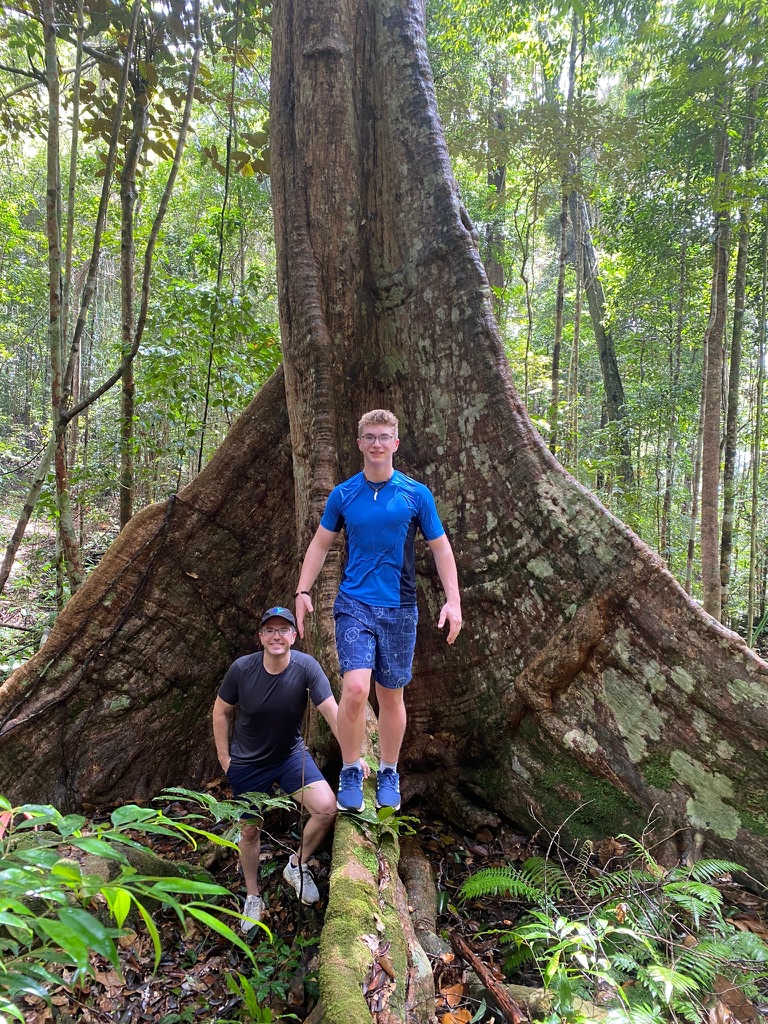
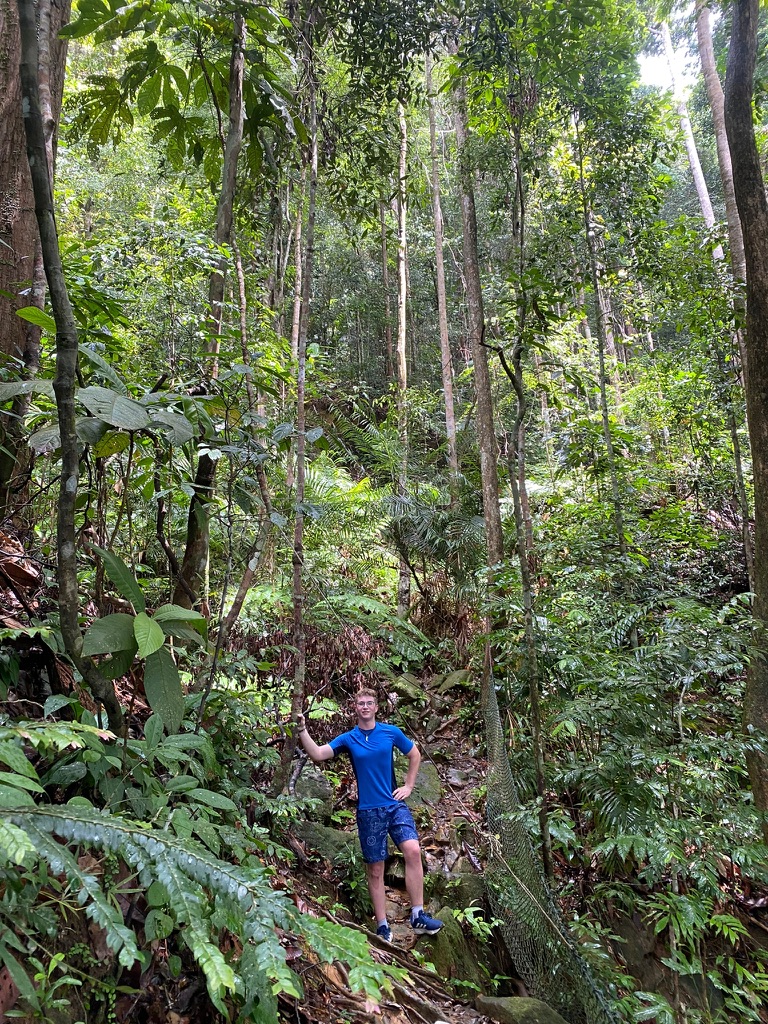
My dad and I hiking Mount Bintan in early 2023
Bintan Island may be best known for its luxury resorts, but it is also a surprisingly rewarding destination for wildlife watching, boasting biodiversity similar to—yet more intact than—that of nearby Singapore and southern Johor, Malaysia. The island’s tropical rainforests, healthy coral reefs, and expansive mangrove systems are easily accessible through tours organized by many of the resorts scattered across Bintan.
My recent trip to Bintan with Florence was a fun, affordable, and convenient escape from Singapore, and it’s safe to say we enjoyed it immensely.
While Bintan Island may not be Indonesia’s most beautiful, biodiverse, or culturally vibrant island, it offers a well-balanced experience for both nature enthusiasts and casual vacationers. With its relaxed beach atmosphere, good food, and range of outdoor activities, Bintan is well worth a short visit. And who knows—you might even spot a cool creature or two along the way!
Anyway, thank you for reading as always—and stay wild.
-Bennett


Leave a Reply