
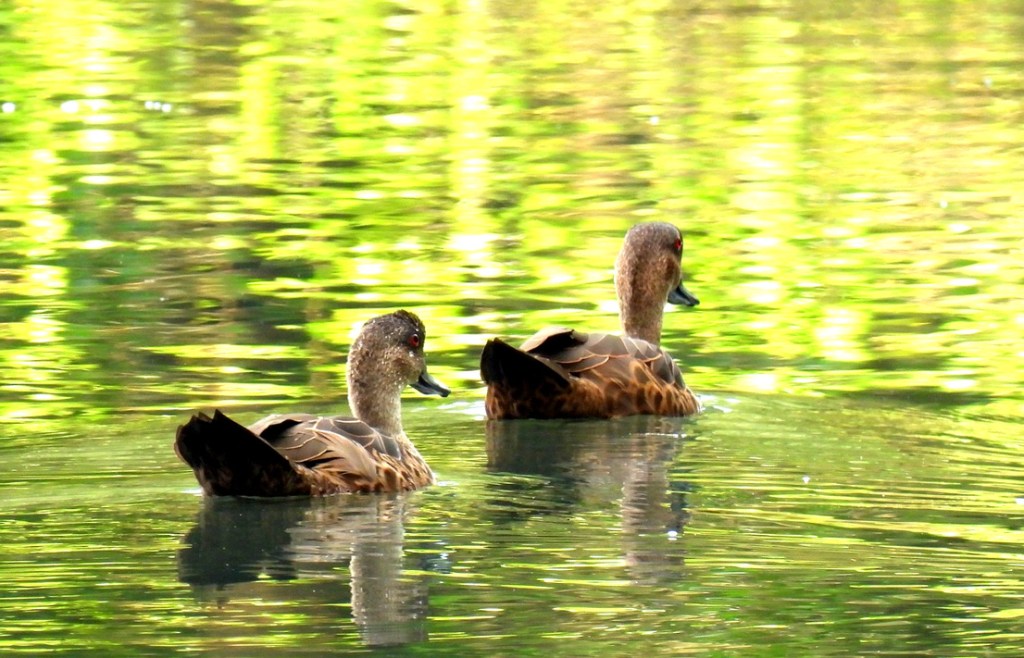
I spent Chinese New Year of 2026 (February 16th-23rd) visiting my girlfriend Florence’s family in Jakarta, Indonesia. Most of my time there was spent gorging on delicious food (gaining weight), sitting in traffic jams, and hanging out with Florence and her family. Whenever I had free time, I pursued my own interests and went birding a couple times in the mangroves of North Jakarta—specifically in and around Angke Kapuk Nature Tourism Park (Taman Wisata Alam Angke Kapuk).
Despite Jakarta’s congestion and pollution, I recorded a surprising variety of native bird species including the threatened Sunda Teal and Indonesian endemics like Small Blue Kingfisher, Javan Munia, Olive-backed Tailorbird, and Cave Swiftlet. This post summarizes my February 2026 birding exploits in Jakarta.

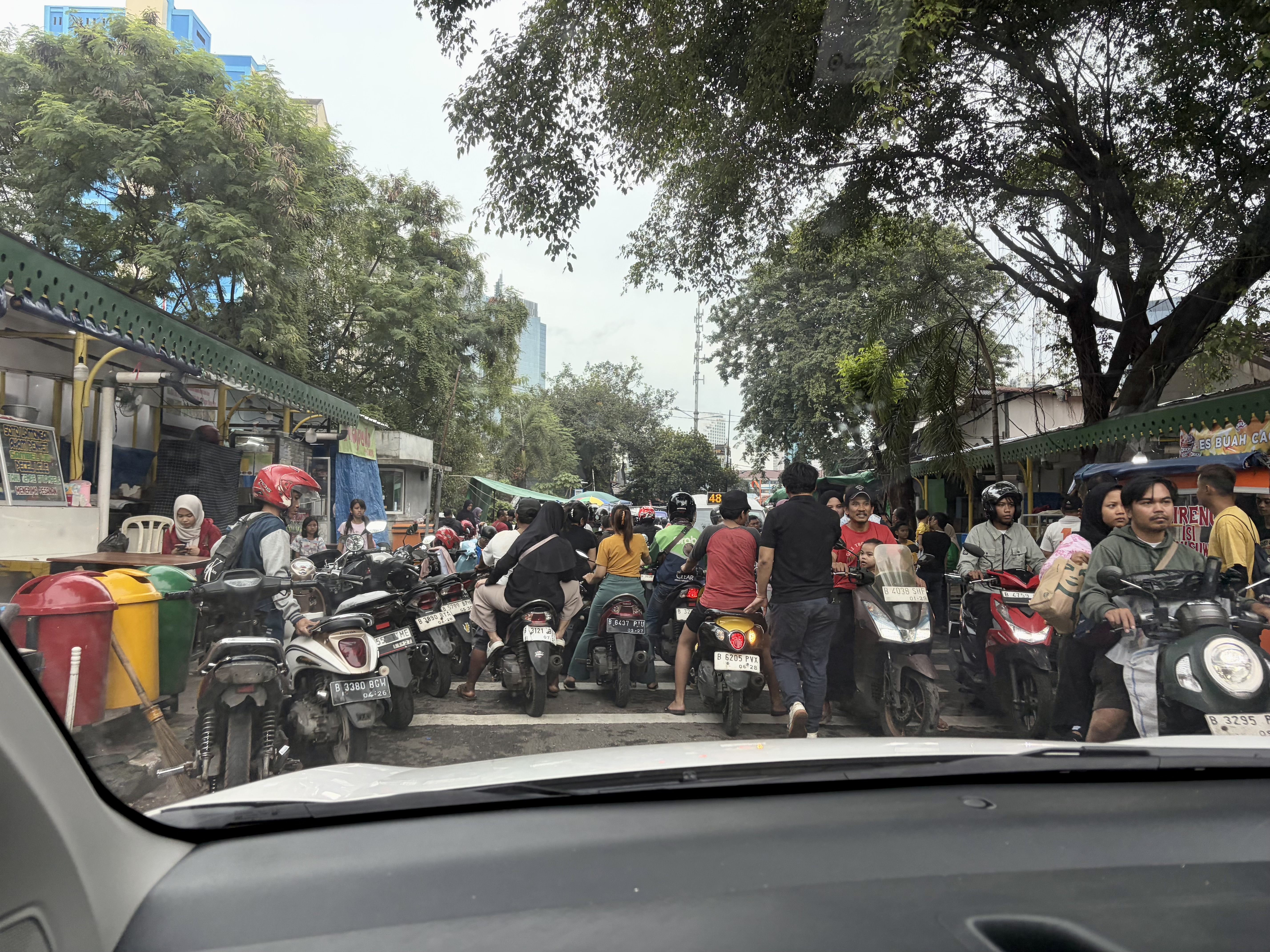
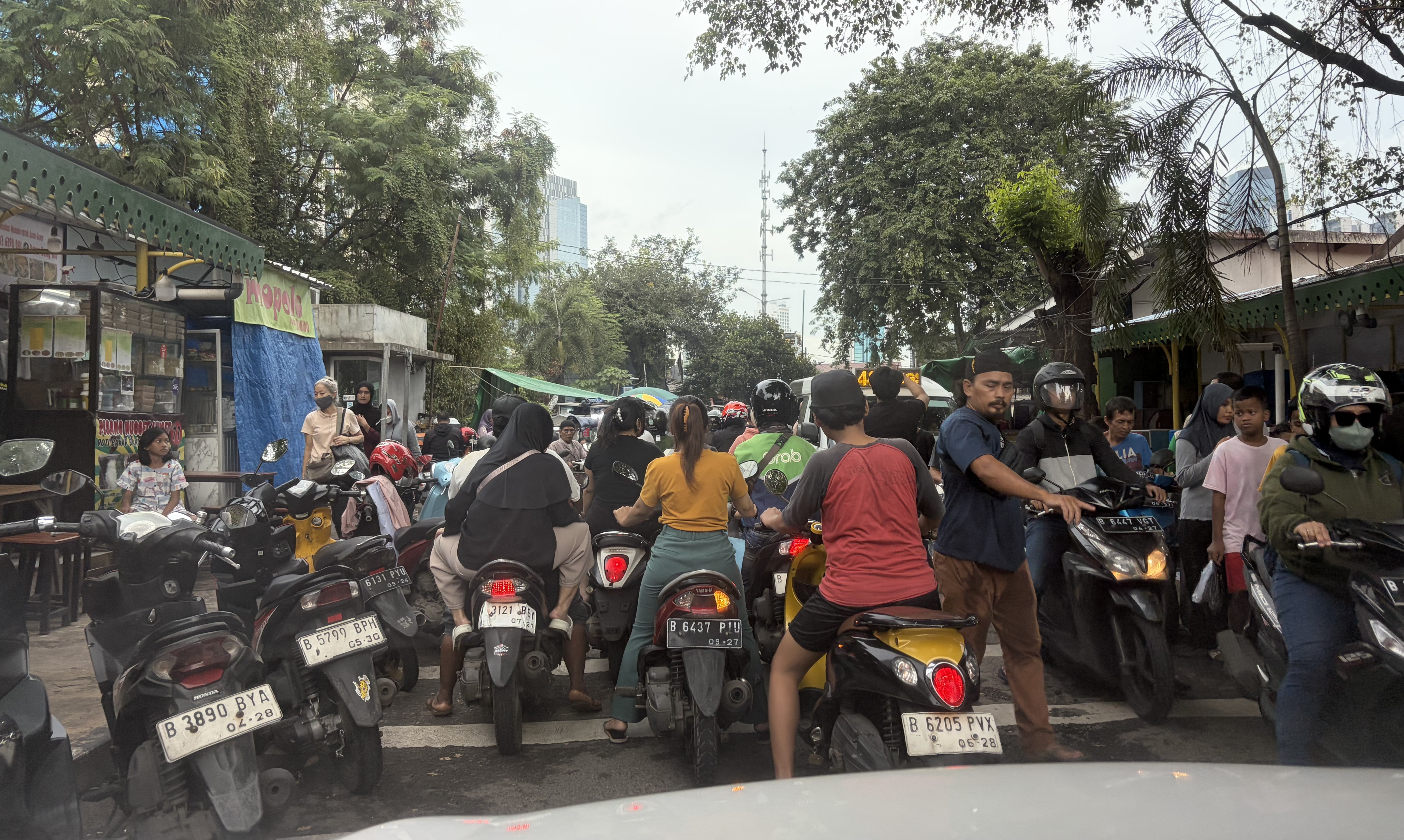
Horrendous Jakarta rush hour traffic
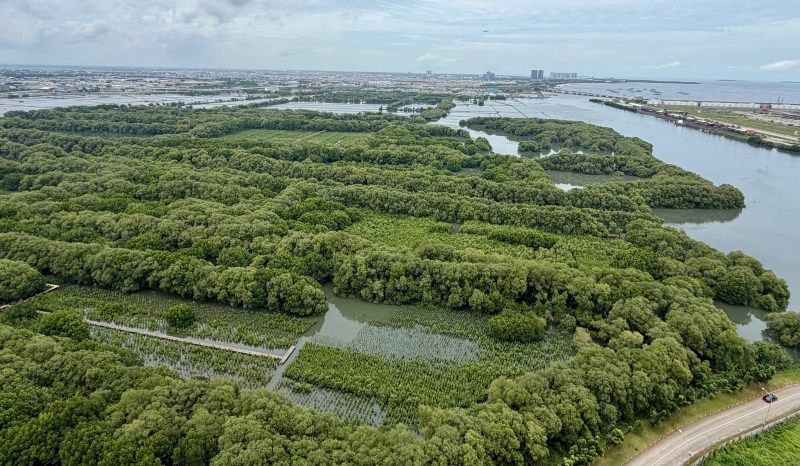
My first birding excursion of the trip took place on the morning of February 17th. I woke up at 6:30am, well before my girlfriend, and headed out to explore the mangroves of Angke Kapuk Nature Tourism Park which was located just a fifteen minute walk from my AirBnb apartment in North Jakarta.
First a bit of background on the site: Angke Kapuk Nature Tourism Park is a veritable oasis of biodiversity in a bustling metropolis of nearly 42 million people. This 100-hectare (250 acre) nature reserve has been the focus of an ongoing mangrove restoration project since the 1990s. Over the last three decades, thousands of mangrove trees have been planted to rehabilitate the original ecosystem, increasing mangrove forest cover from less than 10 percent to over 50 percent of the preserve’s total land area.
Experiencing firsthand a successful restoration project in ecologically-ravaged Indonesia—especially in the nation’s crowded capital—was genuinely inspiring.
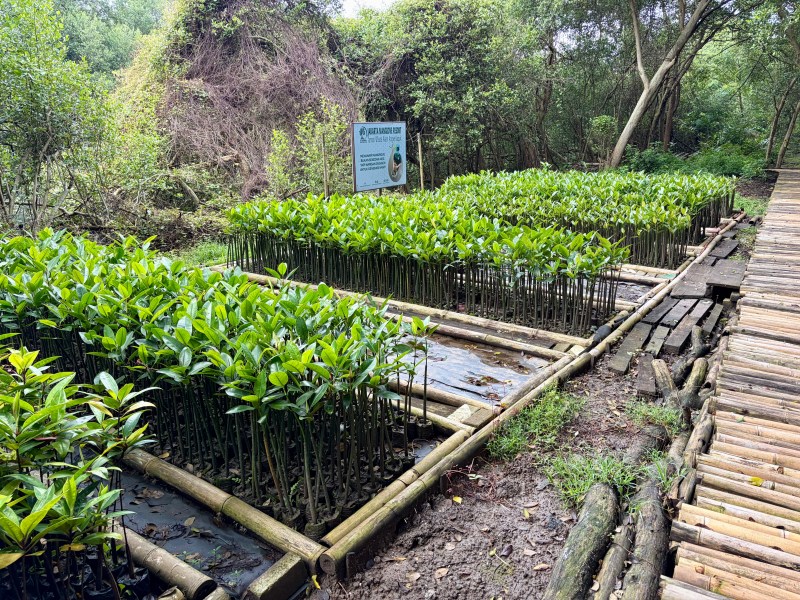
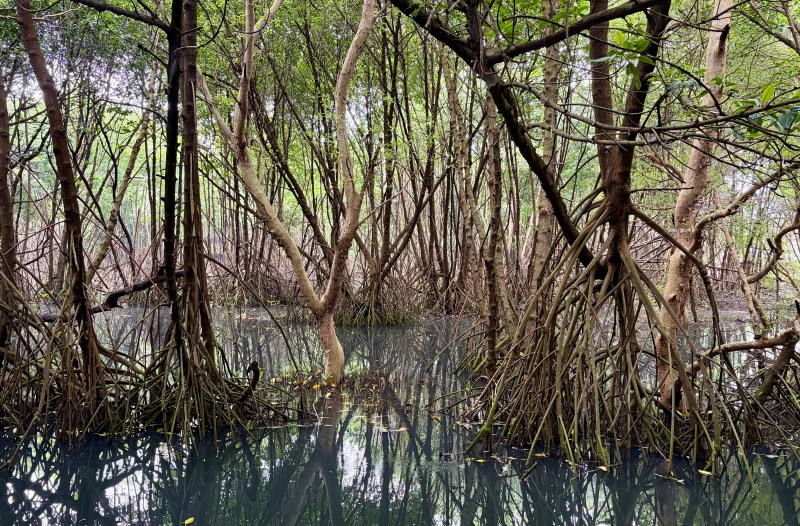
At around 7am, I began birding along the road fringing the preserve. The air was polluted and smelled like smog, and there was an infuriating number of mosquitoes out, but I was excited to try my luck birding in the world’s most populous city. I had a couple target species in mind—Milky Stork & Sunda Teal—but kept my expectations low.
At the start of the road, near the apartment building I was staying at, there was a man-made freshwater pond containing several Javan Pond Herons and numerous Cave Swiftlets swooping around in the sky above. The latter species was difficult to photograph but was my first lifer of the trip.
I could see into the mangroves a decent bit from the road, and kept my eyes peeled for kingfishers and waterbirds. Here, I recorded numerous White-breasted Waterhens, Common Sandpipers, Gray, Purple, & Little Herons, and Little Egrets. In the trees opposite from the mangroves, there were many Sooty-headed Bulbuls, another lifer and one of Jakarta’s most common native bird species.
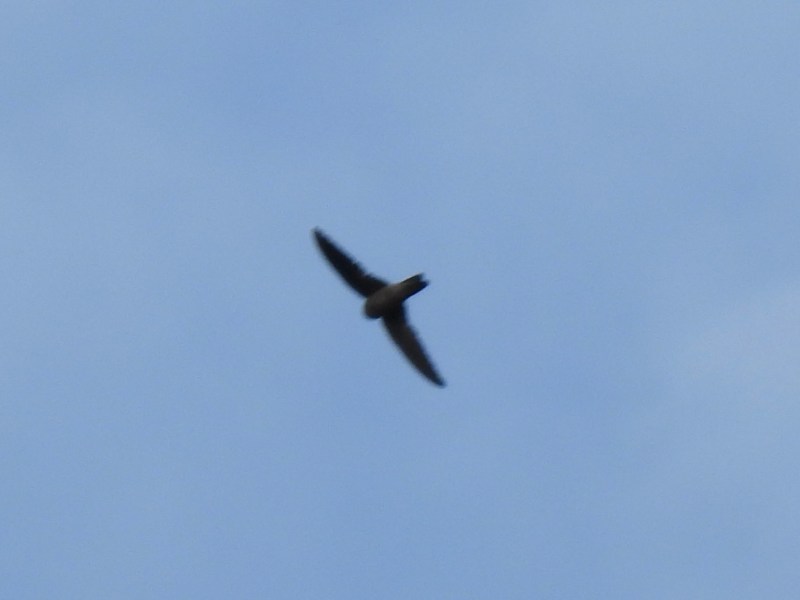
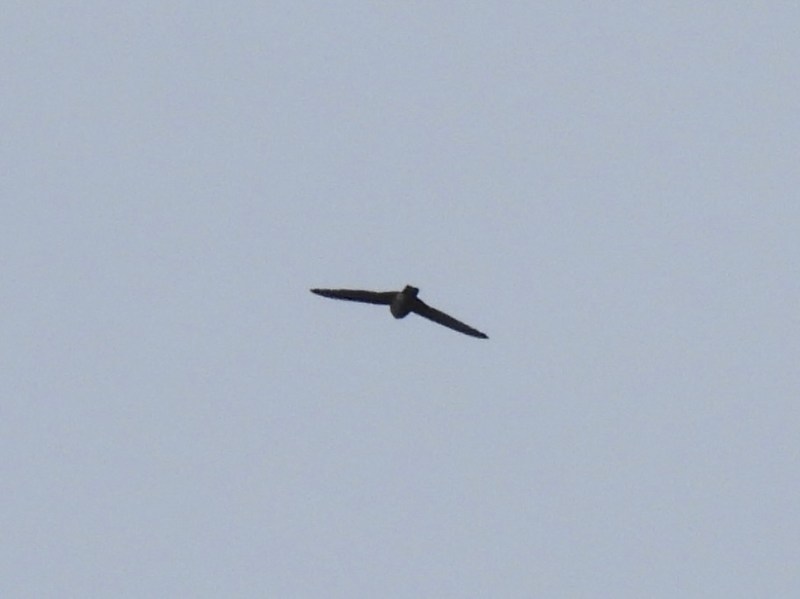
Cave Swiftlets (sorry for the blurry photos)
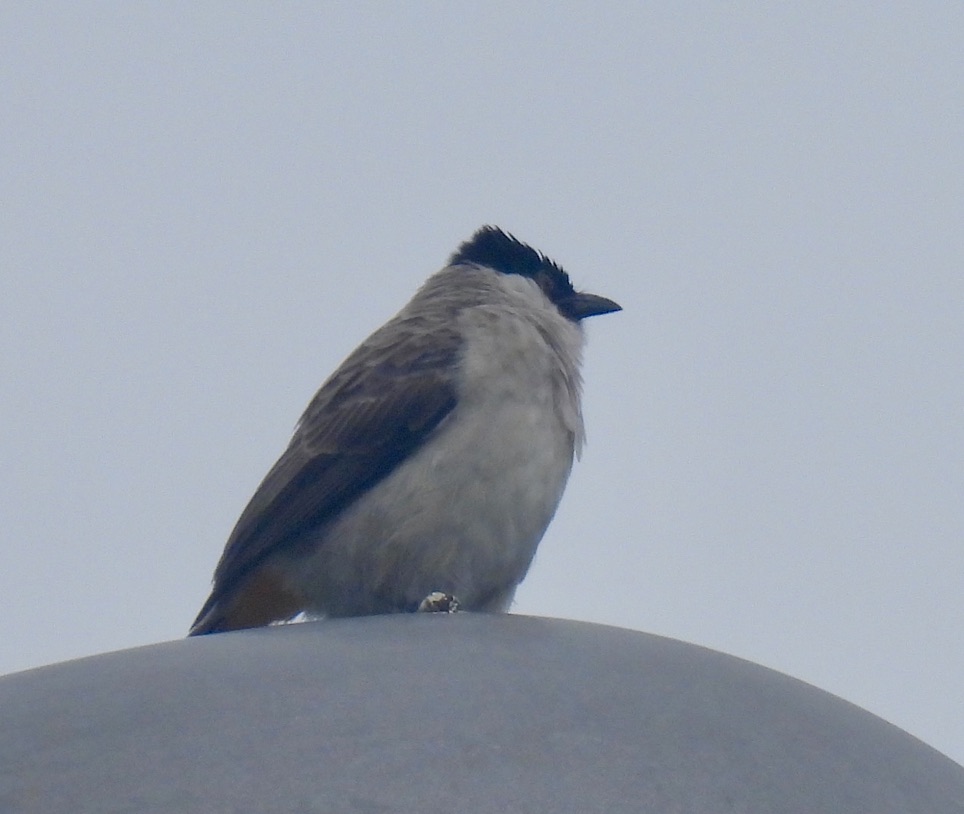
Sooty-headed Bulbul
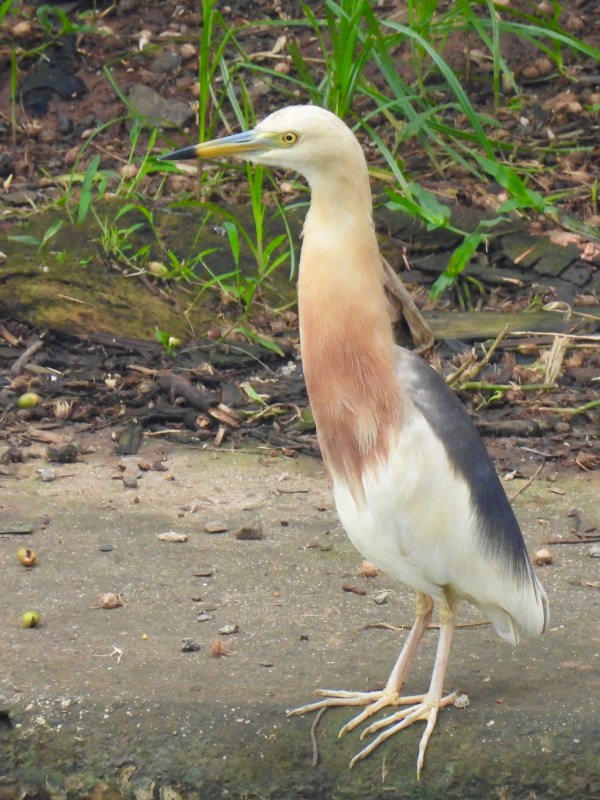
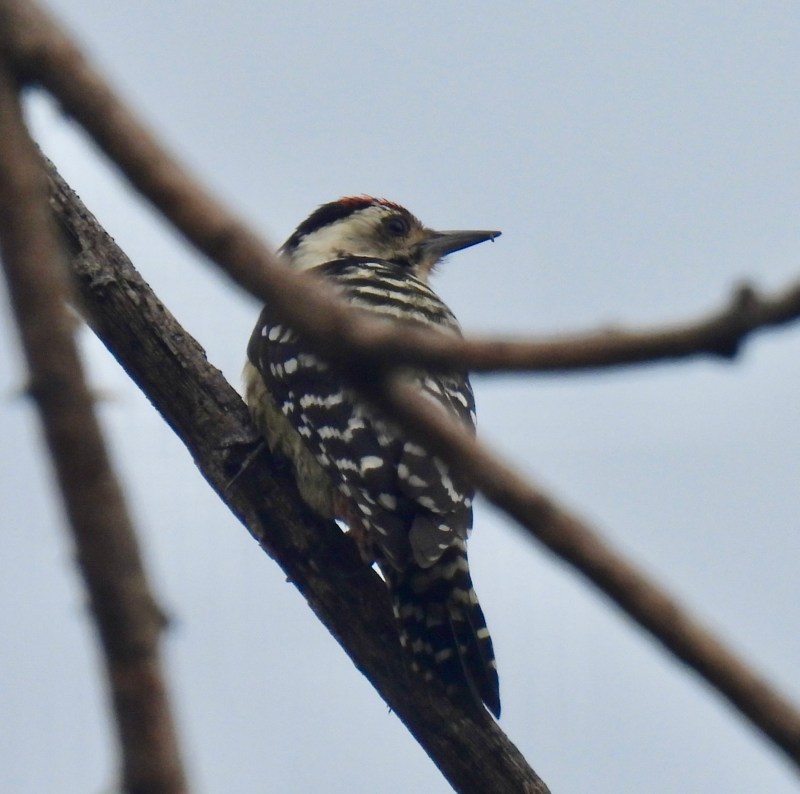
About twenty-ish minutes into my outing, I came to a bend in the road where there was a large dead tree. I scanned the tree for birds and spotted a foraging Freckle-breasted Woodpecker in the canopy, my third lifer of the day.
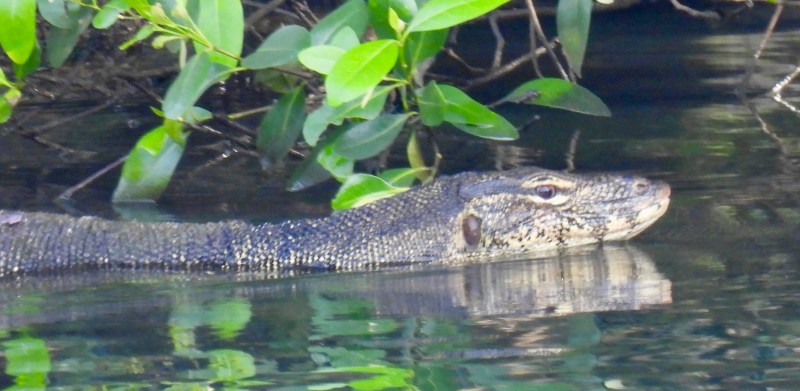
As I looked for birds along the road, I kept getting startled by huge water monitor lizards that dashed into the mangroves whenever I approached. The monitor lizards here are members of a subspecies endemic to Indonesia—the Two-striped Water Monitor (Varanus salvator ssp. bivittatus) which I hadn’t seen before.
Around 7:45am, I reached the entrance to Angke Kapuk Nature Tourism Park. I paid 125,000 Indonesian Rupiah ($7.40 USD or $9.40 SGD) for an entry ticket to the park which I was more than happy to pay with the assumption that my money went to protecting the local flora and fauna.
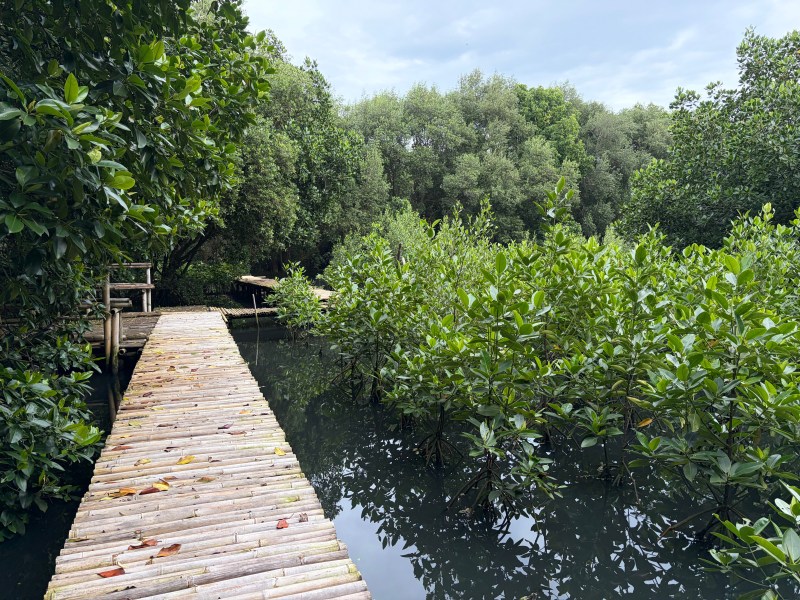
I made my way down the main road leading through the preserve, passing RedDoorz Resort—a rustic hotel tucked in the mangroves. I walked to an area where there was a boat launch on one side and a bamboo boardwalk on the other. I began to cautiously stroll down the boardwalk, which felt a bit precarious due to sections of rotting bamboo unable to bear weight.
As I moved along, I kept half my attention on not falling into the pungent, swampy water below and the other half on scanning the surrounding mangroves for birds.

Birdsong erupted in the trees around me, and I paused to pinpoint its source. In the nearest mangrove tree, I spotted several small yellowish birds— unmistakably Golden-bellied Gerygones, the most common songbirds in the Jakarta mangroves and my fourth lifer of the morning.
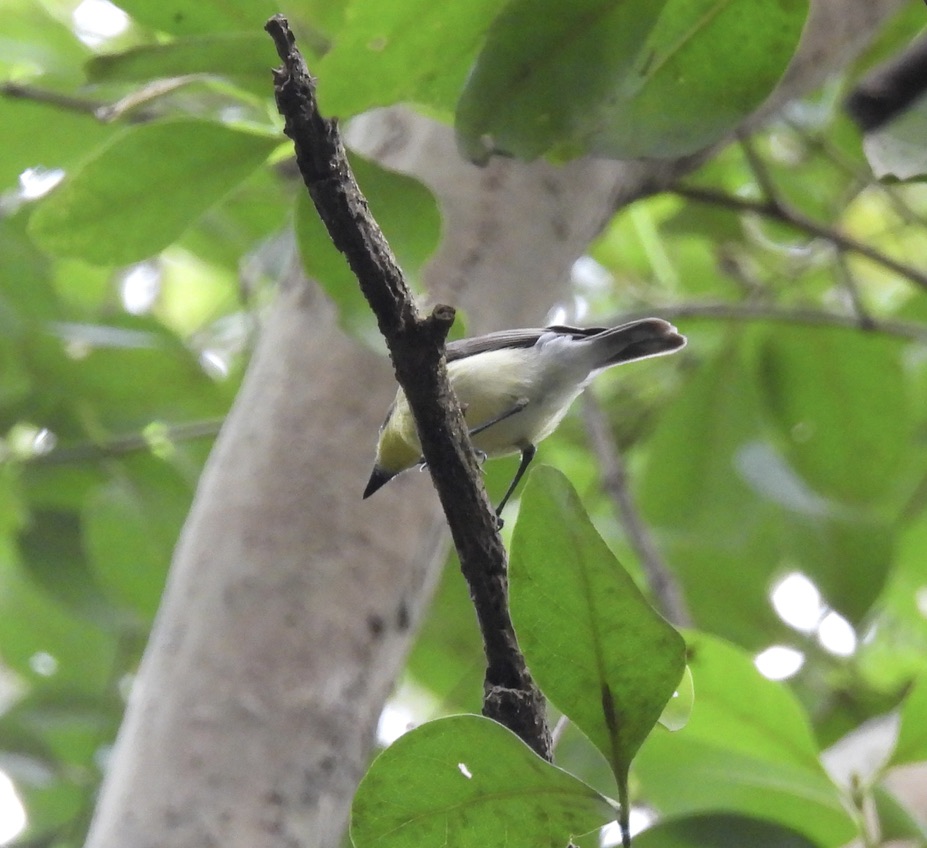
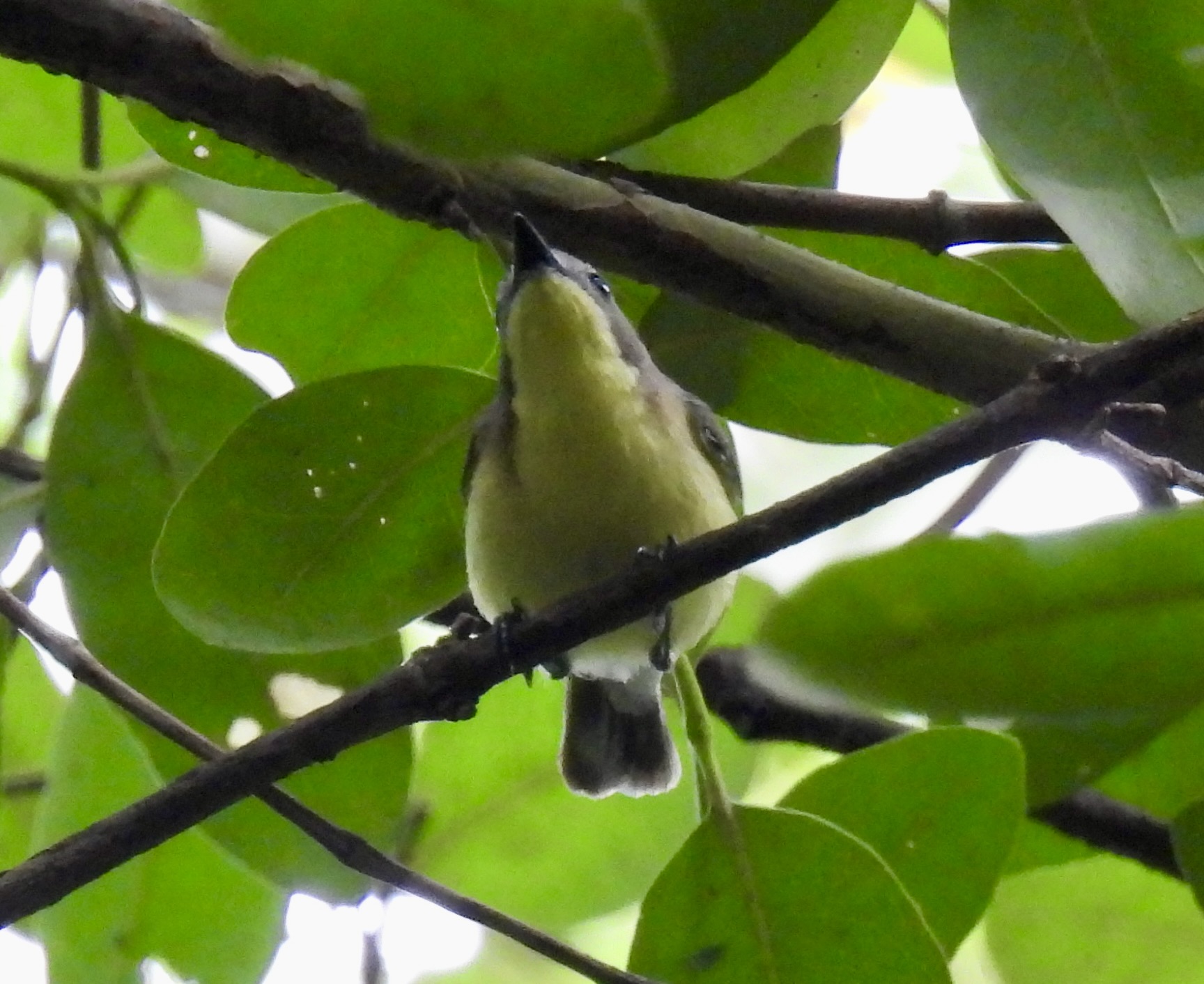
Golden-bellied Gerygones
I finished the boardwalk and continued along the main road. I came to a bridge with unmarked trails on either side. Nearby, I heard some tailorbirds in a thicket of mangroves. They were difficult to photograph (like most birds here), but I managed to obtain barely-passable record shots of an endemic Olive-backed Tailorbird, my fifth lifer of the day.
By this time, it was around 8:30am and I had to go back to my AirBnb to get ready to meet Florence at 10am. Still, I wanted to quickly scan one more section of the mangroves from atop a nearby birdwatching tower. On the way over to the tower, I spotted a number of Malaysian Pied Fantails, along with herons, egrets, and more gerygones.
There wasn’t much birdlife that I could see from the tower besides several herons and Little Black Cormorants in flight. The only noteworthy bird species that I observed from the tower was a lone Oriental Darter.
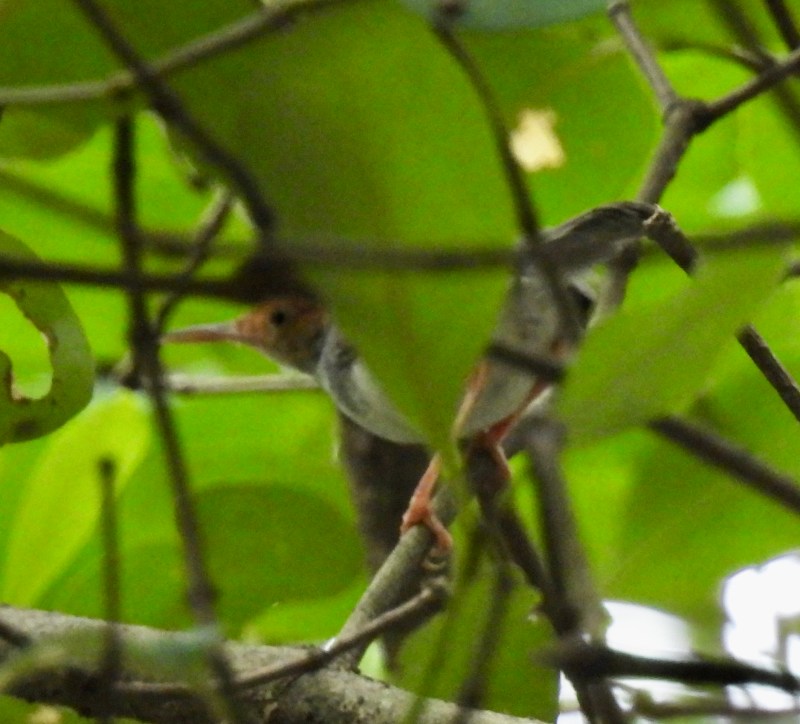
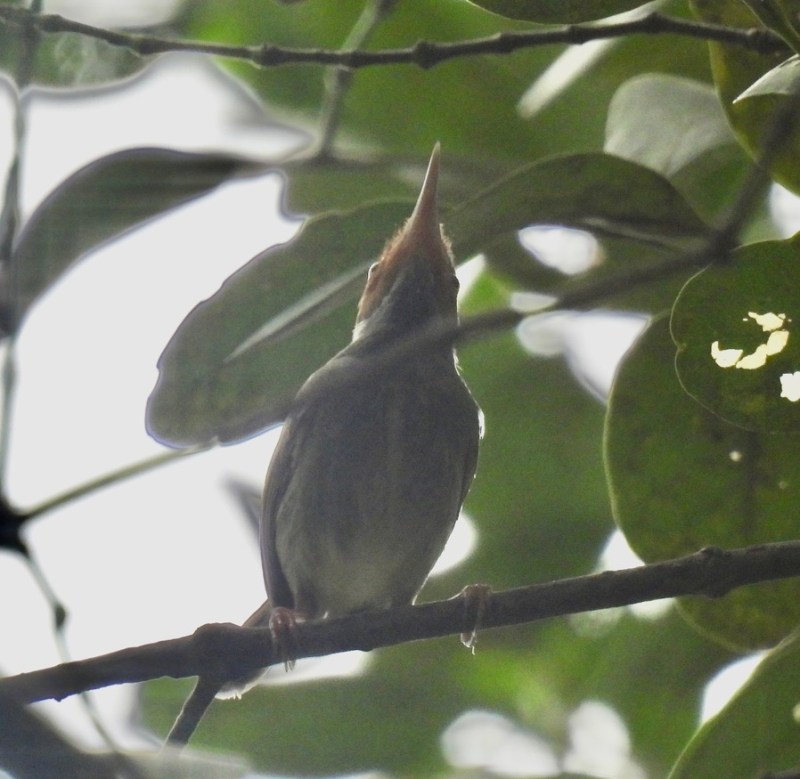
Olive-backed Tailorbird
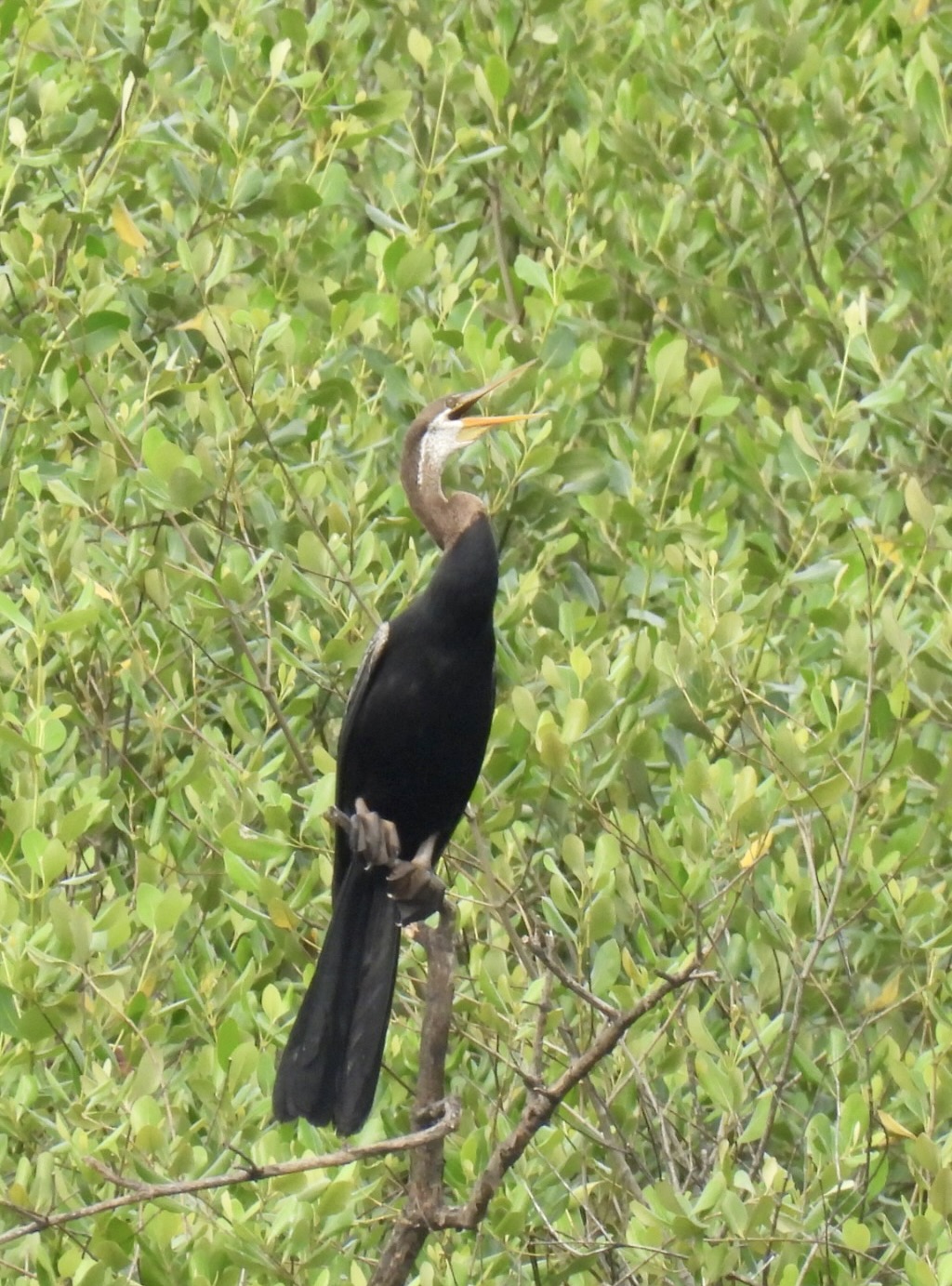
Oriental Darter
That concludes my birding outing on February 17th. I returned to the same area on February 21st, managing to squeeze in both morning and late afternoon birding sessions. The latter proved especially productive—I even nabbed one of my two main target species: the Sunda Teal.
My first birds on February 21st I observed right from the balcony of my apartment—flocks of Javan Munias, another lifer and Indonesian endemic.
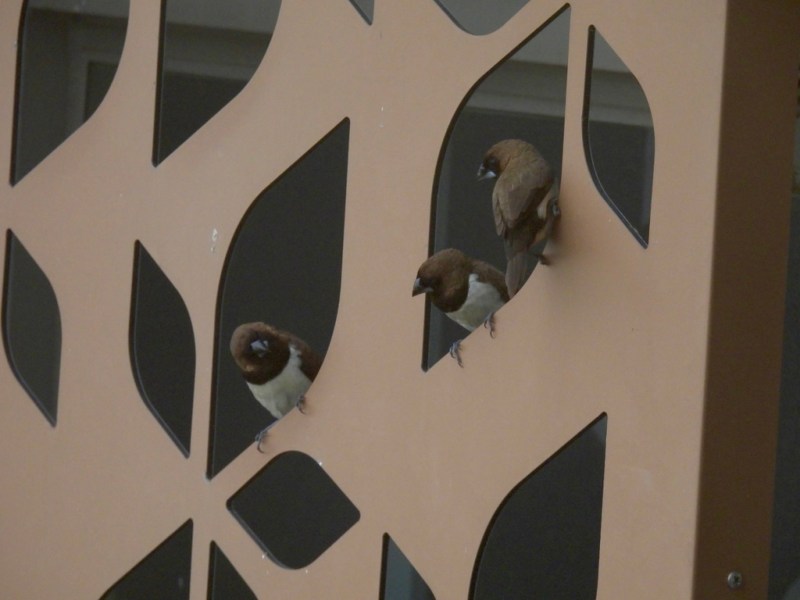
I made my way once again along the road fringing the mangroves. In a grassy section on the side of the road, I spotted a single Scaly-breasted Munia.
I continued walking along the road for around half an hour but I didn’t see any new birds and decided to cut my morning outing short.
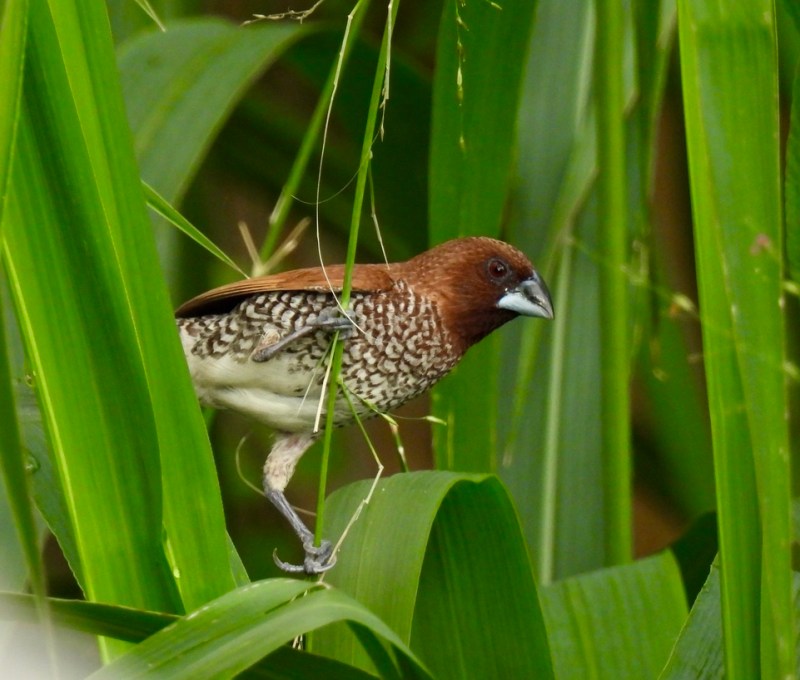
Later in the afternoon of the same day, I spent around an hour and a half in and around Angke Kapuk Nature Tourism Park. This was my most productive birding session of the trip by far.
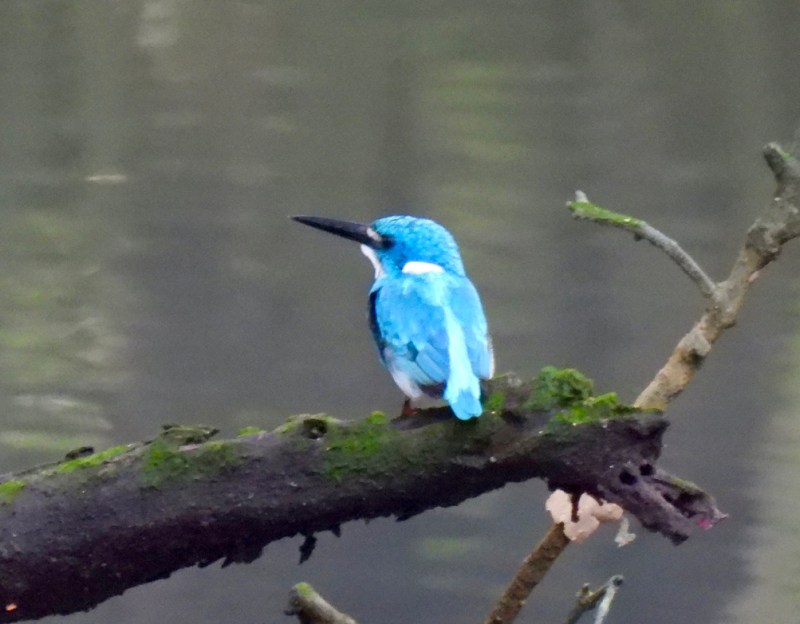
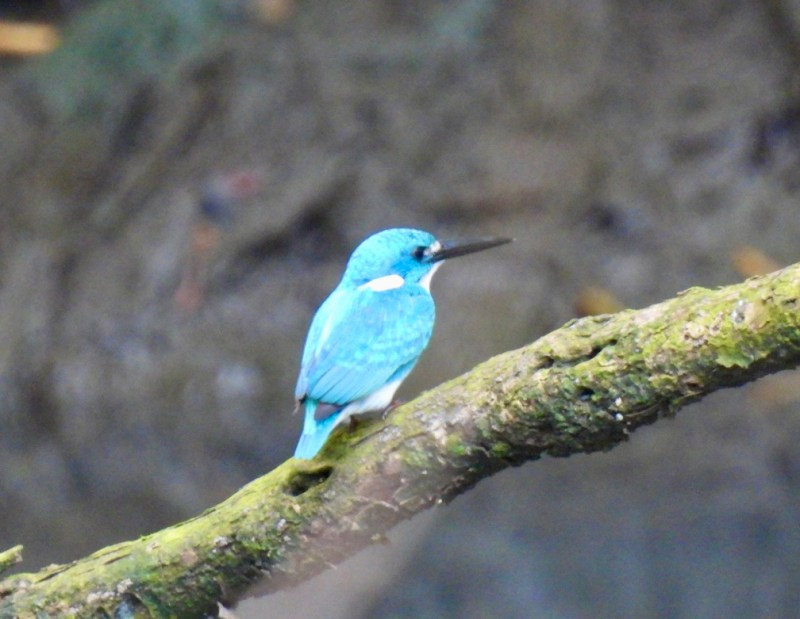
I started off my birding outing at around 4pm with a pair of endemic Small Blue Kingfishers in the mangroves along the road. They flew away too quickly for record shots, so I decided to go birding in the preserve and come back to the same spot later to try and get photographs.
I wasted no time in reaching the birdwatching tower at around 4:30pm, and as I scanned the nearby mangroves for birdlife I spotted the unmistakeable outlines of my #1 target species of the trip—the Sunda Teal! There was a pair of them gliding through the mangroves, and I was able to snap several decent record shots before they disappeared.
Sunda Teals are threatened throughout their Indonesian range by coastal habitat destruction and hunting, yet Jakarta remains a surprising stronghold for the species, supporting more than 1,000 wild individuals. I was extremely happy to see this species on my trip.
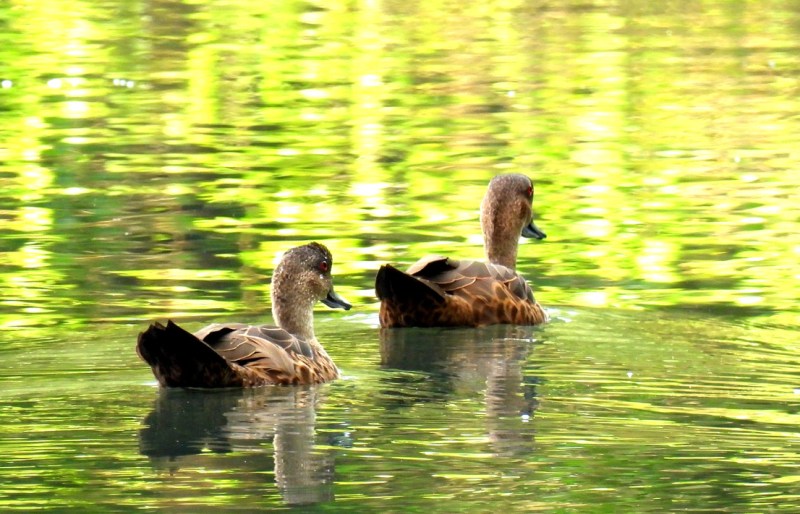
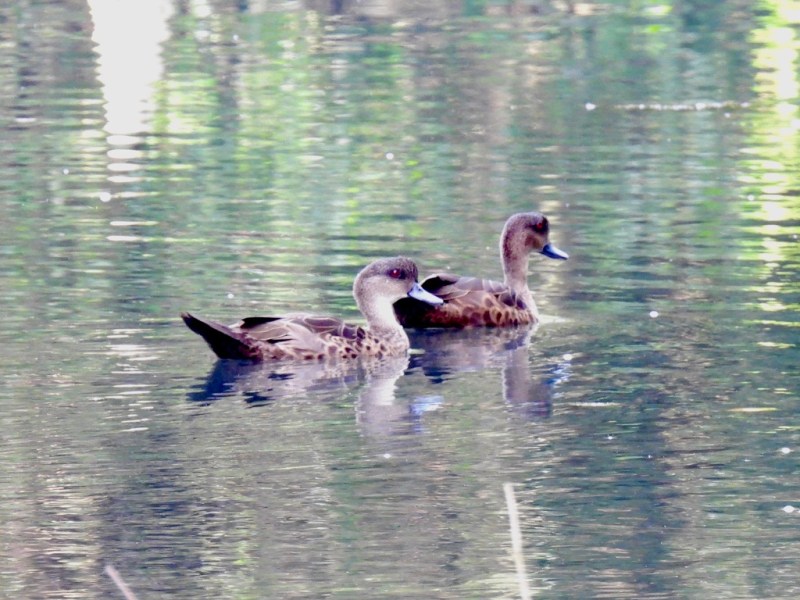
I was already satisfied with my outing after spotting the teals, but I still tried to spot some additional lifer birds in the preserve, which I didn’t succeed in. At around 5:15pm, I left Angke Kapuk Nature Tourism Park and walked back to the spot along the road I’d seen the kingfishers.
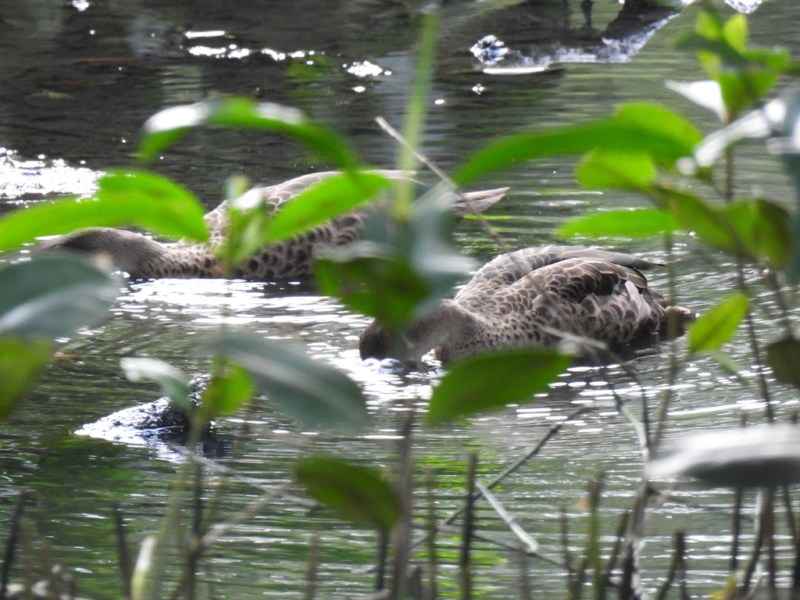
Along the way, I spotted another pair of Sunda Teals in the mangroves.
I reached the spot where I’d seen the kingfishers and to my surprise, both kingfishers were perched relatively close to the road. I was able to photograph and observe these gems of the mangroves for several minutes before they flew away.
And with that, my February 2026 birding outings in Jakarta, Indonesia came to a close. I was impressed by the avian diversity of Jakarta’s mangroves and was surprised with the number of notable species I recorded in a short period of time in one of the world’s biggest cities.
If I have extra time on my next trip, I’d love the chance to explore wilder areas nearby like Gunung Gede-Pangrango National Park and Ujong Kulon National Park. Still, for a city visit that wasn’t centered on wildlife, I was more than satisfied with the number and quality of birds I encountered. Just as importantly, my time with Florence and her family was equally meaningful.
Thank you for reading as always—and stay wild.
-Bennett
Bird Species Recorded: (Lifers bolded)
| Common Name: | Scientific Name: |
| 1. Sunda Teal | Anas gibberifrons |
| 2. Small Blue Kingfisher | Alcedo coerulescens |
| 3. Olive-backed Tailorbird | Orthotomus sepium |
| 4. Javan Munia | Lonchura leucogastroides |
| 5. Cave Swiftlet | Collocalia linchi |
| 6. Freckle-breasted Woodpecker | Dendrocopos analis |
| 7. Golden-bellied Gerygone | Gerygone sulphurea |
| 8. Sooty-headed Bulbul | Pycnonotus aurigaster |
| 9. Javan Pond Heron | Ardeola speciosa |
| 10. Oriental Darter | Anhinga melanogaster |
| 11. Scaly-breasted Munia | Lonchura punctulata |
| 12. Gray Heron | Ardea cinerea |
| 13. Purple Heron | Ardea purpurea |
| 14. Little Heron | Butorides striata |
| 15. Little Egret | Egretta garzetta |
| 16. White-breasted Waterhen | Amaurornis phoenicurus |
| 17. Yellow-vented Bulbul | Pycnonotus goiavier |
| 18. Common Sandpiper | Actitis hypoleucos |
| 19. Malaysian Pied-Fantail | Rhipidura javanica |
| 20. Little Black Cormorant | Phalacrocorax sulcirostris |
| 21. Pink-necked Green Pigeon | Treron vernans |
| 22. Rock Pigeon | Columba livia |
| 23. Eurasian Tree Sparrow | Passer montanus |
| 24. Spotted Dove | Spilopelia chinensis |


Leave a Reply